Can Rabbits Eat Zucchini? Complete Diet Guide for Safe Feeding
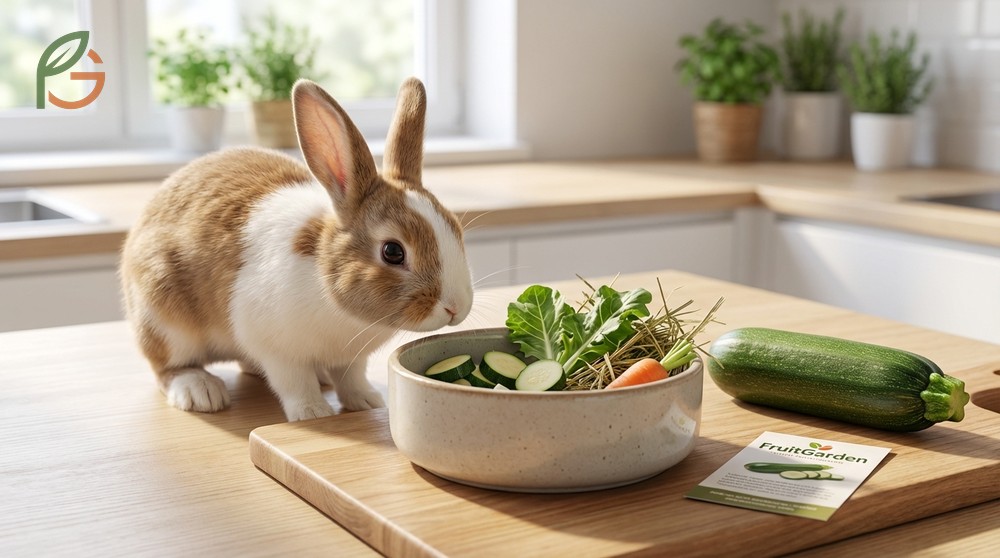
Can rabbits eat zucchini? Yes, when fed properly. Discover safe serving sizes, nutritional benefits, and expert feeding guidelines for your rabbit’s health.

 Taki Lockman
Can rabbits eat zucchini? Yes, when fed properly. Discover safe serving sizes, nutritional benefits, and expert feeding guidelines for your rabbit’s health.

Can dogs eat zucchini? Yes, when served plain and in moderation. Discover safe serving sizes, nutritional benefits, and preparation tips for feeding zucchini to dogs.
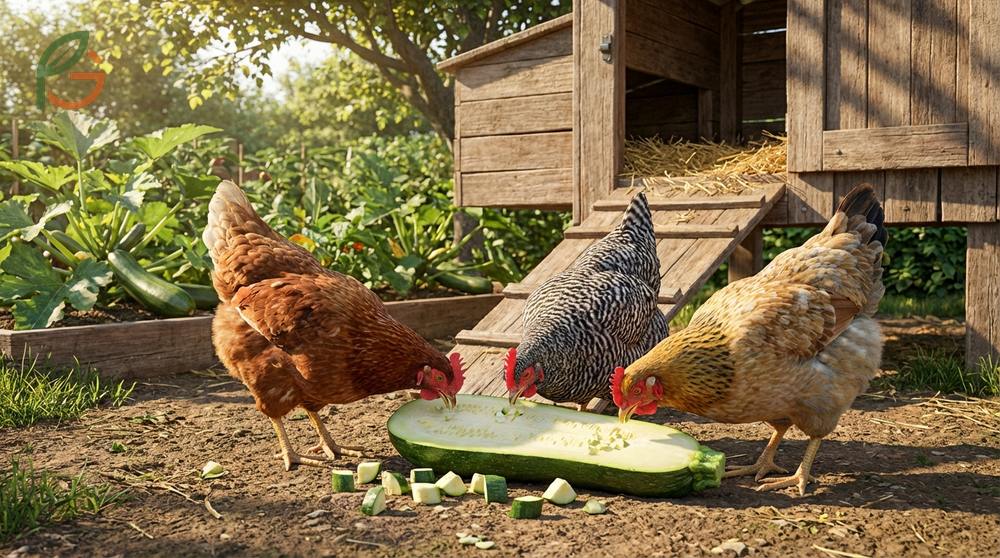
Can chickens eat zucchini? Yes! Zucchini provides vitamins A, C, and fiber for backyard chickens. Learn safe feeding tips and nutritional benefits here.

Calories in Zucchini are remarkably low at just 33 per medium squash. This water-rich vegetable delivers 2g fiber, supports weight loss, and fits keto diets with only 4g net carbs.

Where to Buy Yellow Watermelon? Find it at grocery stores, farmers markets, and online retailers. Learn about its honey-sweet taste and beta-carotene benefits.

When to plant watermelon seeds? Plant 1-2 weeks after last frost when soil reaches 70°F (21°C). Learn optimal timing, zones, and state-specific schedules.
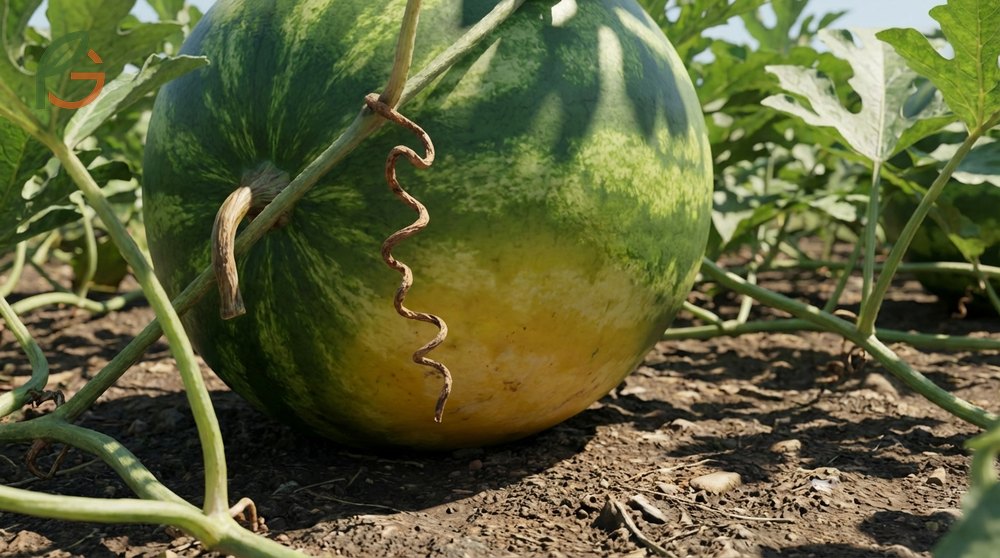
When To Harvest Watermelon? Check the tendril and ground spot—these two signs guarantee perfect timing. Learn the thump test, maturity indicators, and best practices for sweet, juicy melons.
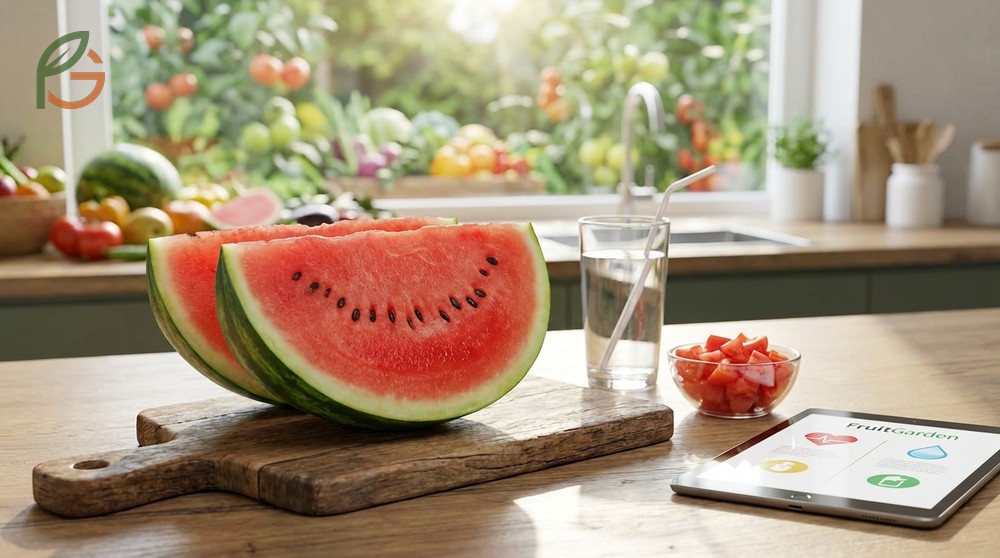
Watermelon is it good for you? Yes, it’s packed with 92% water, lycopene, vitamins A and C. Research shows it supports heart health and weight loss.
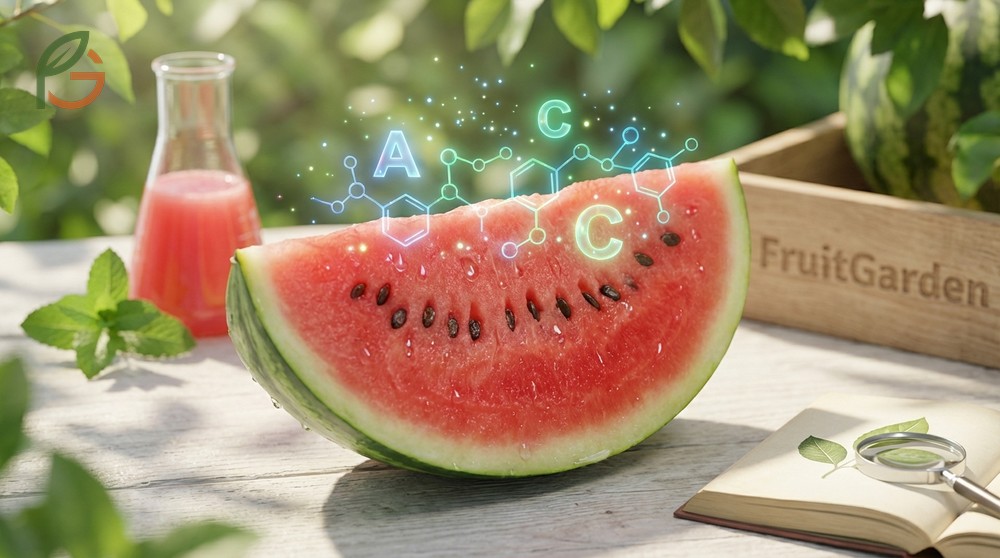
Watermelon benefits for skin include 92% water content for hydration, vitamin C for collagen, and lycopene that protects against UV damage. Discover how this fruit improves skin health.
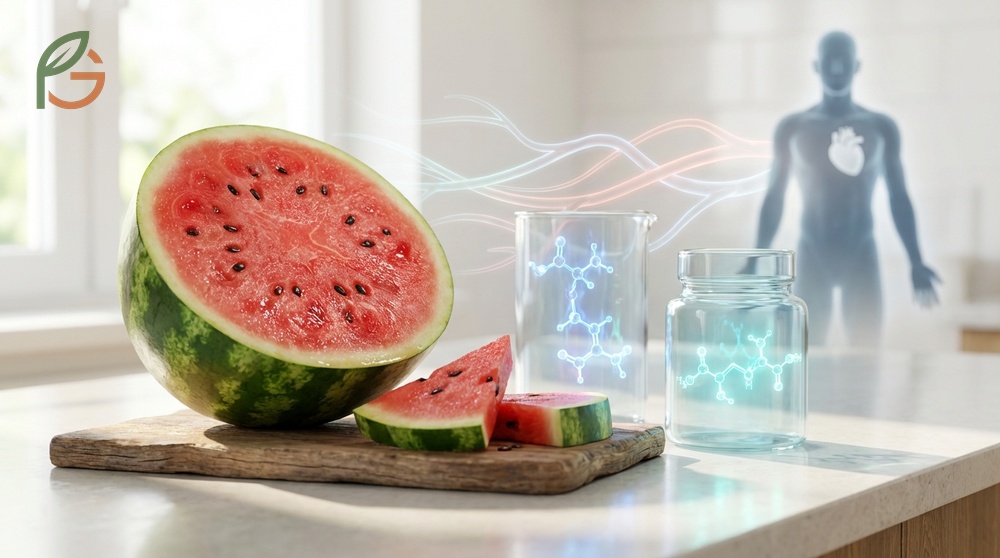
Watermelon benefits for men include improved blood flow, enhanced libido, and prostate health. Research shows citrulline boosts erectile function naturally.