How To Grow Zucchini: Beginner’s Guide to Success
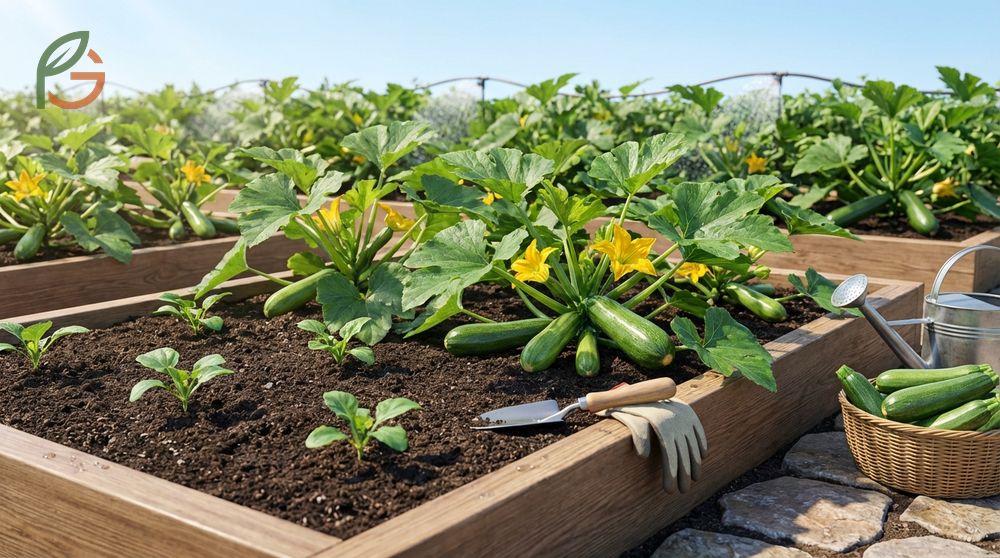
How To Grow Zucchini? Plant seeds 1 inch deep in soil above 70°F (21°C), space 2-3 feet apart, and harvest in 45-55 days for tender 6-8 inch fruits.

 Taki Lockman
How To Grow Zucchini? Plant seeds 1 inch deep in soil above 70°F (21°C), space 2-3 feet apart, and harvest in 45-55 days for tender 6-8 inch fruits.

How to Freeze Zucchini? Blanch sliced zucchini for 3 minutes, cool in ice water, and freeze for 10-12 months. Learn freezing fresh zucchini methods and storage tips here.
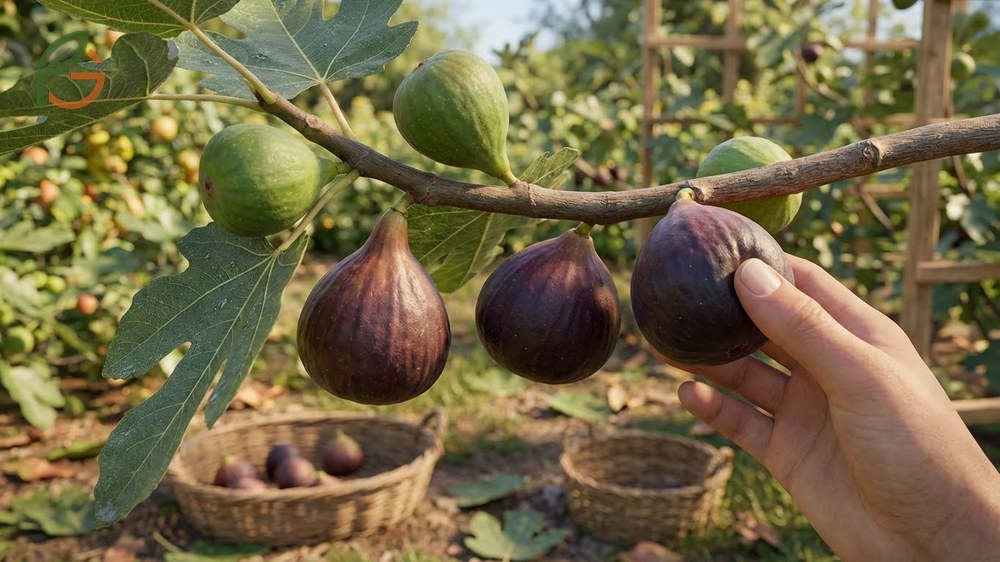
How to tell when figs are ripe? Check for drooping fruit, soft neck texture, and deepened color. Learn the exact signs that indicate perfect fig ripeness for harvest.

How to cut zucchini for stir fry? Master half-moon slicing, julienne technique, and proper thickness (¼-½ inch) for crispy results in 3-4 minutes cook time.

Health benefits of zucchini include improved digestion, heart health, and weight management. Rich in fiber, potassium, and antioxidants for wellness.
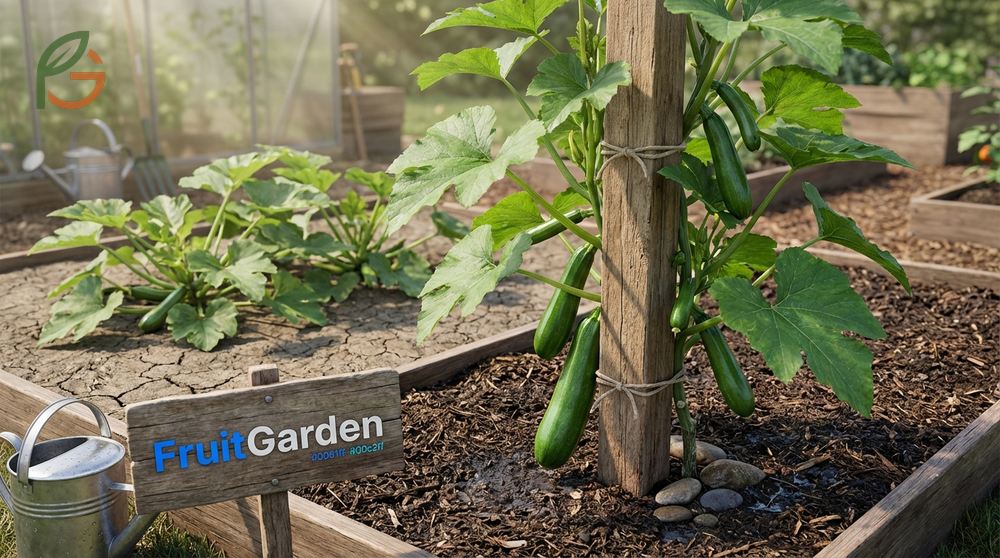
Growing Zucchini Vertically saves space and boosts yields. Learn expert staking methods, trellis systems, and support techniques for vertical zucchini growing.
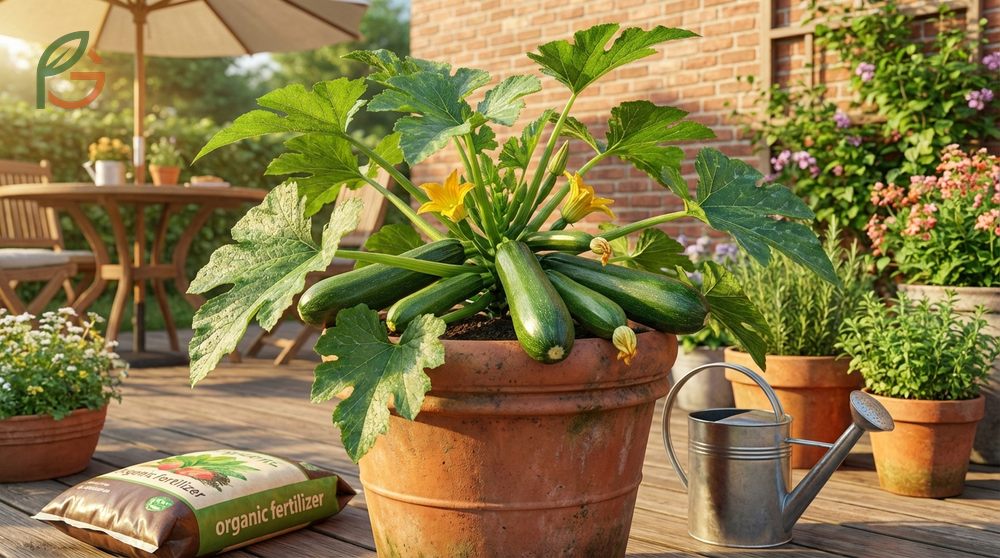
Growing Zucchini In Pots is easy with the right container size and care. Choose 5-10 gallon pots, bush varieties, and water daily for abundant harvests.
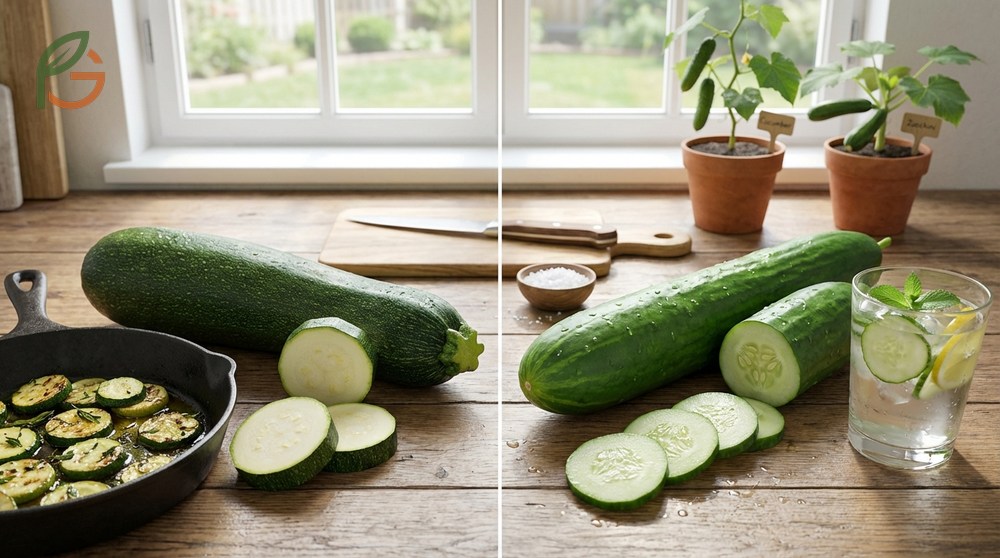
Difference Between Zucchini and Cucumber explained: taste, texture, plant stems, and cooking uses. Learn to identify these vegetables correctly every time.
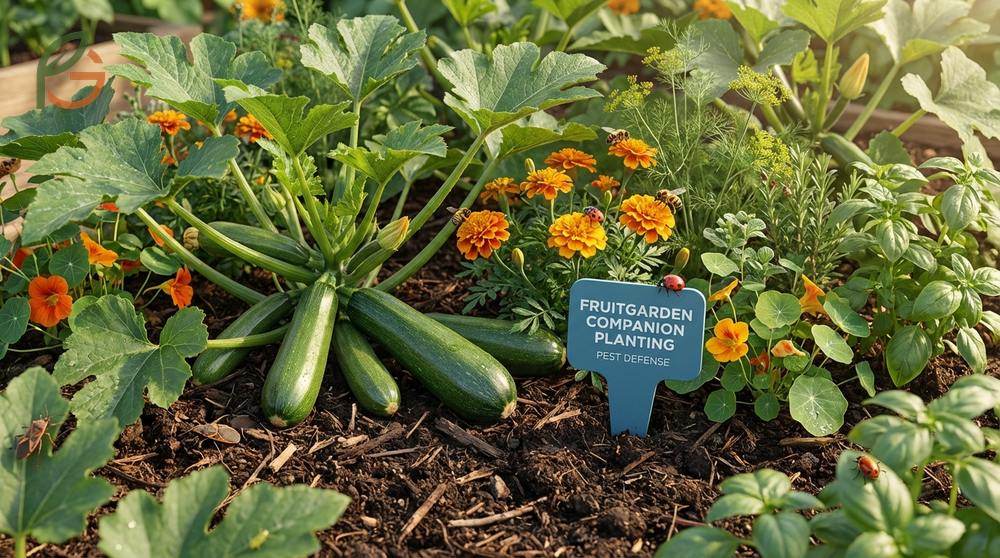
Companion Plants For Zucchini defend against squash bugs, aphids, and nematodes. Marigolds suppress nematodes by 50%, nasturtiums trap pests effectively.

Can You Eat Raw Zucchini? Yes, it’s safe and nutritious. Learn about raw zucchini benefits, safety precautions, and delicious ways to enjoy it fresh.