

Watermelon is it good for you? Yes, absolutely. Research shows this summer fruit delivers exceptional nutrition with 92% water content, powerful lycopene antioxidants, and just 46 calories per cup. Studies demonstrate watermelon consumption increases nutrient intake while reducing body weight and improving cardiovascular function[2]. FruitGarden synthesizes current nutritional research to help you understand how this hydrating fruit supports your health goals.
Quick Answer
- Watermelon contains 92% water[2], making it one of the most hydrating fruits available
- Each cup provides just 46 calories[1] with 12.3mg vitamin C (14% daily value) and vitamin A
- Studies show daily consumption reduced body weight, BMI, and waist-to-hip ratio in adults with obesity[3]
- Lycopene content supports heart health—watermelon consumption improved arterial function by 0.9 m/s[4]
Watermelon Is It Good for You

Research confirms watermelon ranks among the healthiest fruits you can eat. It’s packed with bioavailable nutrients that your body absorbs easily[5]. Studies show watermelon consumers have 5% higher intake of dietary fiber, magnesium, potassium, and vitamin A compared to non-consumers[2].
What’s remarkable is how watermelon delivers these nutrients without excess calories. One cup contains 11.5g carbohydrates with only 0.6g fiber and 9.4g natural sugars[1]. The glycemic index of 76 might seem high, but the glycemic load per serving is just 4, which is considered low[1].
Most people don’t realize watermelon’s versatility extends beyond the red flesh. The rind contains additional nutrients and fiber that enhance the fruit’s health benefits. Current nutritional guidance emphasizes consuming whole fruits with their natural water content rather than processed alternatives.
What Makes Watermelon Unique
Watermelon stands out from other fruits because of its exceptional water content and lycopene concentration. It contains higher bioavailable lycopene than tomatoes[5]. The ratio reaches 1:12 of carotene, making it an excellent functional food choice.
This unique composition means you’re getting powerful antioxidants alongside hydration. The lycopene in watermelon effectively neutralizes free radicals that damage DNA and cellular membranes[5]. Unlike supplements, whole watermelon provides these compounds in their natural matrix with complementary nutrients.
- Lycopene—the red pigment that acts as a powerful antioxidant protecting cells from oxidative damage
- Citrulline—an amino acid that converts to arginine in your body, supporting blood vessel function
- Vitamins A and C—essential nutrients supporting immune function and skin health
- Potassium and magnesium—electrolytes that regulate fluid balance and muscle function
- Natural water content—providing hydration with minerals rather than empty fluids
Nutrient Density vs Calories
Watermelon delivers impressive nutrient density relative to its calorie count. At 46 calories per cup, it provides vitamin C, vitamin A, B6, potassium, and magnesium without added sugars or fats[1]. This makes it ideal for people watching their calorie intake.
The fruit’s low energy density means you can eat satisfying portions without consuming many calories. Evidence suggests this characteristic helps with appetite control and weight management. Watermelon consumers also showed 5% lower intake of added sugars and saturated fats compared to non-consumers[2].
Important Note: While watermelon is nutritious, portion control still matters. A typical serving is 1-2 cups. Eating excessive amounts can contribute to blood sugar fluctuations in sensitive individuals despite the low glycemic load per serving.
Health Benefits of Watermelon
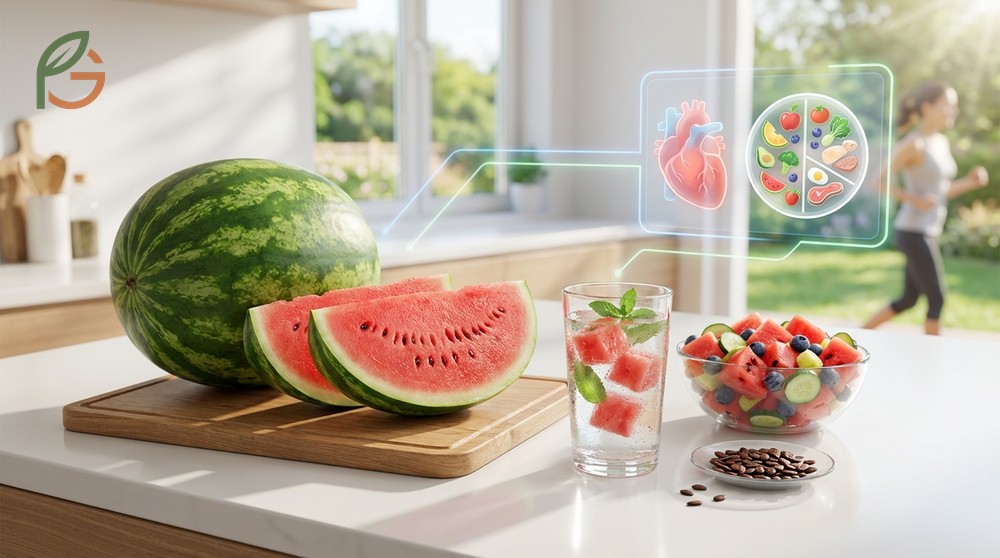
Current research demonstrates watermelon provides multiple health benefits beyond basic nutrition. Studies show regular consumption improves cardiovascular markers, supports weight management, and enhances overall diet quality[2]. These effects come from watermelon’s synergistic combination of water, fiber, vitamins, and bioactive compounds.
The fruit’s anti-inflammatory properties help reduce oxidative stress throughout your body. Research indicates watermelon consumption increases total antioxidant capacity while lowering markers of oxidative damage[3]. This matters because chronic inflammation contributes to many diseases.
Evidence suggests watermelon’s benefits extend to multiple body systems. The compounds work together rather than in isolation. For instance, vitamin C enhances iron absorption while lycopene protects lipids from oxidation.
Antioxidants in Watermelon
Watermelon contains several antioxidant compounds that protect your cells from damage. The primary antioxidants include lycopene, vitamin C, vitamin A, and beta-carotene. These compounds neutralize free radicals before they can harm cellular structures[5].
What’s interesting is how these antioxidants work synergistically. Vitamin C is water-soluble and protects the fluid portions of cells. Lycopene is fat-soluble and integrates into cell membranes, providing comprehensive protection.
- Lycopene—protects against UV damage and supports cardiovascular health
- Vitamin C—boosts collagen production and strengthens immune response
- Beta-carotene—converts to vitamin A for eye health and skin maintenance
- Cucurbitacin E—shows anti-inflammatory effects in research studies
- Phenolic compounds—provide additional free radical scavenging capacity
Lycopene Benefits
Lycopene stands out as watermelon’s most researched bioactive compound. Studies demonstrate it significantly prevents the onset of hyperglycemia and reduces serum aminotransferases[5]. The compound also improves lipid and glycemic metabolism in research participants.
Research shows lycopene protects against oxidative stress that increases during hyperglycemia. It prevents damage to mitochondria, DNA, and lipids inside cells[5]. This protection helps maintain healthy cellular function even under metabolic stress.
The bioavailability of watermelon’s lycopene exceeds that of tomatoes. Your body absorbs it more efficiently because of watermelon’s high water content and natural fat content in the seeds.
Watermelon Nutrition Facts
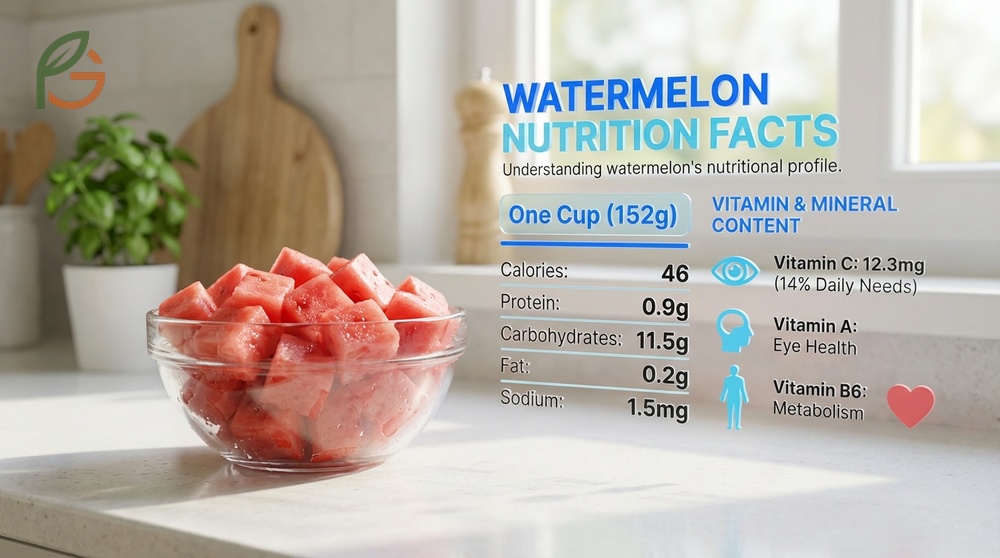
Understanding watermelon’s nutritional profile helps you incorporate it strategically into your diet. One cup (152g) of diced watermelon delivers 46 calories, 0.9g protein, 11.5g carbohydrates, and 0.2g fat[1]. The sodium content is minimal at just 1.5mg per cup.
The vitamin and mineral content makes watermelon particularly valuable. Each cup provides 12.3mg vitamin C, supporting 14% of your daily needs[1]. You’ll also get vitamin A for eye health, B6 for metabolism, and potassium for blood pressure regulation.
This table compares key nutrients, their amounts per serving, and percentage of daily values in one cup of watermelon
| Nutrient | Amount | % Daily Value | Key Function |
|---|---|---|---|
| Calories | 46 kcal[1] | 2% | Energy provision |
| Carbohydrates | 11.5g[1] | 4% | Primary energy source |
| Fiber | 0.6g | 2% | Digestive health |
| Vitamin C | 12.3mg[1] | 14% | Immune support, collagen synthesis |
| Vitamin A | 865 IU | 17% | Eye health, skin maintenance |
| Potassium | 170mg | 4% | Blood pressure regulation |
Don’t overlook watermelon seeds if you eat them. One ounce of sprouted, shelled, and dried watermelon seeds contains 10g of protein. This makes them a valuable snack option for people seeking plant-based protein sources.
Storage Tip: Watermelon’s nutrient content peaks when fully ripe. Store whole watermelons at room temperature until cutting. Once cut, refrigerate and consume within 3-5 days to preserve vitamin C and other nutrients.
Is Watermelon Good for Weight Loss
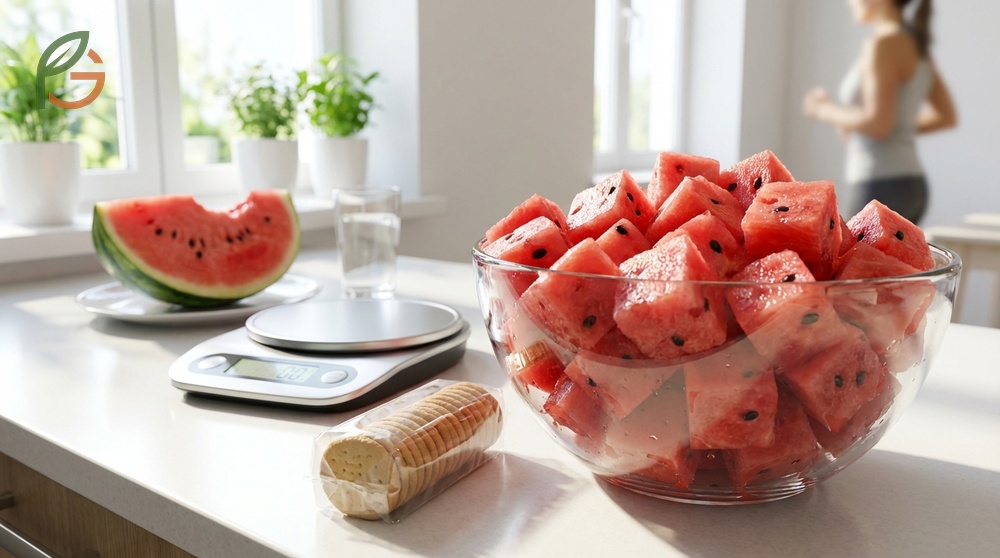
Yes, research confirms watermelon supports weight loss when substituted for higher-calorie snacks. A controlled study found participants who ate 2 cups of watermelon daily instead of low-fat cookies experienced significantly greater reductions in body weight, BMI, and waist-to-hip ratio[3]. The watermelon group also reported increased feelings of fullness and satiety.
The weight loss mechanism works through multiple pathways. Watermelon’s high water content and fiber create volume in your stomach, triggering satiety signals. Studies show it reduces appetite, food consumption, and desire to eat compared to isocaloric alternatives[3].
Research in children with overweight or obesity demonstrated similar results. Eight weeks of daily blenderized watermelon consumption (including flesh and rind) significantly decreased BMI, BMI percentile, and body fat percentage[6]. The control group consuming sugar-sweetened beverages showed BMI increases instead.
Evidence suggests timing matters for weight management benefits. Most successful participants consumed watermelon as a mid-morning or afternoon snack rather than with main meals. This strategy prevents blood sugar spikes while controlling hunger between meals.
- Low calorie density—eat satisfying portions without excess calories
- High water content—increases stomach volume triggering fullness signals
- Natural sweetness—satisfies sugar cravings without processed ingredients
- Improved satiety hormones—research shows enhanced leptin and ghrelin response
- Reduced inflammation—lower oxidative stress supports metabolic health
- Better food choices—watermelon consumers show improved overall diet quality
For best results, replace calorie-dense snacks with watermelon rather than adding it on top of your current intake. The studies showing weight loss used watermelon as a substitute for cookies, chips, or sugary beverages. Portion control remains important even with healthy foods.
Is Watermelon Good for Hydration

Watermelon excels as a hydration source with its 92% water content by weight[2]. Research indicates fruit contributes approximately 12% of total daily water intake for Americans, with watermelon being one of the top contributors. Unlike plain water, it delivers electrolytes and nutrients alongside hydration.
The electrolyte content makes watermelon particularly valuable during hot weather or after exercise. Each serving provides magnesium and potassium—two key electrolytes that help maintain fluid balance and prevent dehydration. These minerals support muscle function and nerve transmission during physical activity.
Studies show consuming high-moisture foods like watermelon helps meet hydration needs more effectively than relying solely on beverages. The natural sugars provide quick energy while the water content replaces fluids lost through sweat. Current nutritional guidance emphasizes this food-first approach to hydration.
For athletes and active individuals, watermelon offers advantages over sports drinks. You’re getting natural sugars rather than high-fructose corn syrup. The vitamin C and antioxidants support recovery, while the natural electrolytes restore mineral balance without artificial additives.
- Natural electrolytes—magnesium and potassium restore mineral balance after sweating
- Quick absorption—high water content moves rapidly from stomach to bloodstream
- No artificial ingredients—pure hydration without dyes, flavors, or preservatives
- Energy provision—natural sugars fuel activity without processed ingredients
- Cooling effect—high water content helps regulate body temperature in heat
Don’t rely exclusively on watermelon for hydration during intense exercise lasting over 60 minutes. For extended activities, you’ll need additional sodium which watermelon lacks. Combine it with a small amount of salt or consume it alongside sodium-containing foods.
Is Watermelon Good for Your Heart
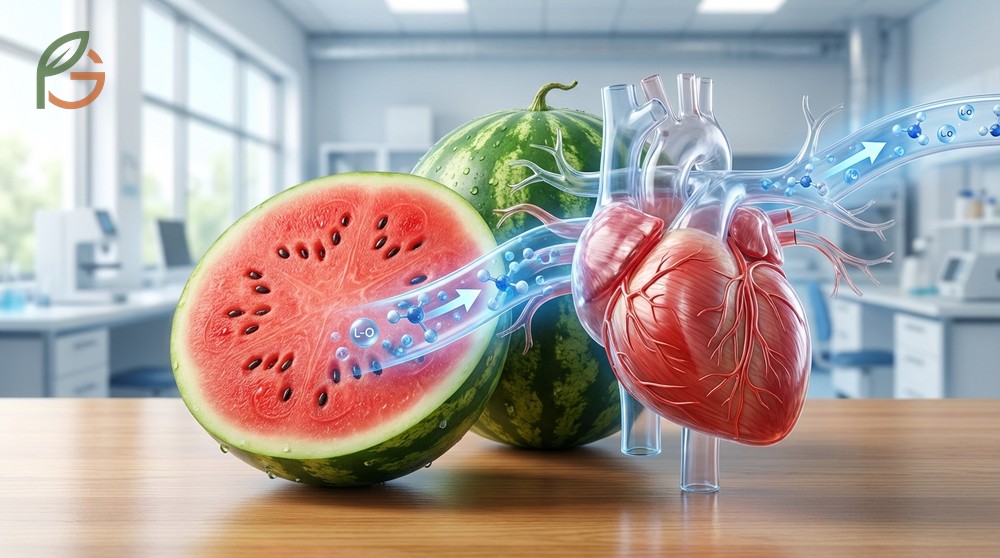
Research demonstrates watermelon significantly improves cardiovascular health markers. A meta-analysis of controlled trials found long-term watermelon consumption improved pulse wave velocity by 0.9 m/s[4]. This improvement in arterial stiffness indicates reduced cardiovascular disease risk.
The heart health benefits come primarily from L-citrulline, an amino acid abundant in watermelon. Your body converts citrulline to L-arginine, which then produces nitric oxide. Nitric oxide relaxes blood vessels, improving blood flow and reducing strain on your heart[4].
Studies show these vascular improvements have clinical relevance. They’re associated with reduced risk of cardiovascular events like heart attacks and strokes. Research participants consuming watermelon for 6 weeks showed measurable improvements in endothelial function and arterial flexibility.
The lycopene content provides additional cardiovascular protection. It prevents oxidation of LDL cholesterol, reducing plaque formation in arteries. Lycopene also regulates enzymes in the cholesterol biosynthesis pathway, potentially supporting healthier cholesterol levels[5].
For people with elevated blood pressure, watermelon shows particular promise. Studies report reduced systolic blood pressure following 4 weeks of regular consumption[3]. The combination of potassium, magnesium, and citrulline creates a multi-faceted approach to blood pressure management.
| Cardiovascular Benefit | Active Compound | Mechanism |
|---|---|---|
| Improved arterial flexibility | L-citrulline | Increases nitric oxide production for vessel relaxation |
| Reduced blood pressure | Potassium, magnesium, citrulline | Balances sodium levels and dilates blood vessels |
| Lower cholesterol oxidation | Lycopene | Prevents LDL oxidation and plaque formation |
| Decreased inflammation | Antioxidants | Neutralizes free radicals damaging vessel walls |
Most studies showing cardiovascular benefits used 2-3 cups of watermelon daily consumed over several weeks. You won’t see immediate effects, but consistent consumption supports long-term heart health. Combine watermelon with other heart-healthy habits like regular exercise and limiting processed foods.
Conclusion
The evidence is clear: watermelon is it good for you—absolutely yes, backed by extensive research. Studies demonstrate it supports weight management, cardiovascular health, hydration, and overall nutrient intake with just 46 calories per cup. Current nutritional guidance emphasizes choosing whole fruits like watermelon over processed snacks and sugary beverages.
FruitGarden synthesizes agricultural research and clinical studies to help you make informed decisions about incorporating fruits into your diet. Whether you’re managing weight, supporting heart health, or simply seeking nutritious hydration, watermelon delivers science-backed benefits in every refreshing bite.
Medical Disclaimer
Important Medical Disclaimer: This content is for informational and educational purposes only. It’s not intended as a substitute for professional medical advice, diagnosis, or treatment. Always consult a qualified healthcare professional before making any changes to your diet, medication, or health routine, especially if you have diabetes, cardiovascular disease, kidney problems, or other medical conditions. Individual nutritional needs vary based on age, activity level, and health status.
Frequently Asked Questions
How Healthy Is Watermelon for You Daily?
Watermelon is very healthy for daily consumption when eaten in moderate portions of 1-2 cups. Research shows it increases intake of fiber, magnesium, potassium, and vitamin A while reducing added sugar consumption. Studies demonstrate daily watermelon consumption improves diet quality scores and provides powerful antioxidants like lycopene without excessive calories.
What Are the Benefits of Eating Watermelon?
The main benefits include exceptional hydration from 92% water content, weight management support through increased satiety, improved cardiovascular function from L-citrulline, powerful antioxidant protection from lycopene, and enhanced nutrient intake with minimal calories. Studies show watermelon consumption reduces body weight, BMI, blood pressure, and arterial stiffness while increasing antioxidant capacity.
Are Watermelons Healthy for You to Eat Every Day?
Yes, eating watermelon daily is healthy for most people. Research participants consuming watermelon every day for 4-8 weeks showed significant health improvements without adverse effects. The key is portion control—stick to 1-2 cups daily as part of a varied diet. People with diabetes should monitor portions due to natural sugar content, though the low glycemic load of 4 per serving minimizes blood sugar impact.
Why Is Watermelon Good for You?
Watermelon is good for you because it delivers high nutrient density with low calorie density. It provides vitamins A and C for immune function, lycopene for cellular protection, potassium and magnesium for electrolyte balance, and L-citrulline for cardiovascular health. The 92% water content supports hydration while natural sugars provide energy without processed ingredients.
What Are the Health Benefits of Watermelon for Women?
Women benefit from watermelon’s vitamin C content which supports collagen production for skin health and iron absorption. The lycopene provides antioxidant protection particularly beneficial during pregnancy and menopause when oxidative stress increases. Research shows watermelon’s high water content helps prevent urinary tract issues more common in women, while the low calorie density supports weight management without sacrificing satiety or nutrition.
Is Watermelon Good for Digestion?
Yes, watermelon supports digestion through its high water content which helps move food through your digestive tract and prevents constipation. Each cup provides 0.6g fiber contributing to digestive health. The natural sugars are easily digestible for most people. However, some individuals may experience bloating from the fructose content, so start with smaller portions if you have sensitive digestion.
What Is the Watermelon Good For Besides Hydration?
Beyond hydration, watermelon excels at providing lycopene antioxidants for cellular protection, L-citrulline for improved blood flow and exercise performance, vitamin C for immune support and collagen synthesis, and potassium for blood pressure regulation. Research demonstrates it reduces body weight when substituted for high-calorie snacks, improves arterial function, and enhances overall nutrient intake while displacing less nutritious food choices.





