
Watermelon benefits for men include improved erectile function, enhanced prostate health, and better cardiovascular performance. Research shows that watermelon’s natural citrulline content converts to arginine in your body, boosting nitric oxide production and increasing blood flow to all the right places[1]. Studies demonstrate that men consuming citrulline experienced a 68% increase in monthly intercourse frequency[2]. What often gets overlooked is that you don’t need expensive supplements—just one wedge of yellow watermelon daily provides enough citrulline to match the doses used in clinical trials. FruitGarden synthesizes current nutritional research to help you understand how simple dietary changes can support men’s health naturally.
Quick Answer
- Watermelon contains L-citrulline that converts to arginine, improving blood flow and erectile function naturally[1]
- Just one wedge daily (yellow variety) provides enough citrulline to match clinical study doses[2]
- Lycopene content (2 cups daily) supports prostate health and may reduce cancer risk by 25%[3]
- One cup provides only 46 calories, making it ideal for weight management while supporting cardiovascular health[4]
Watermelon Benefits for Men
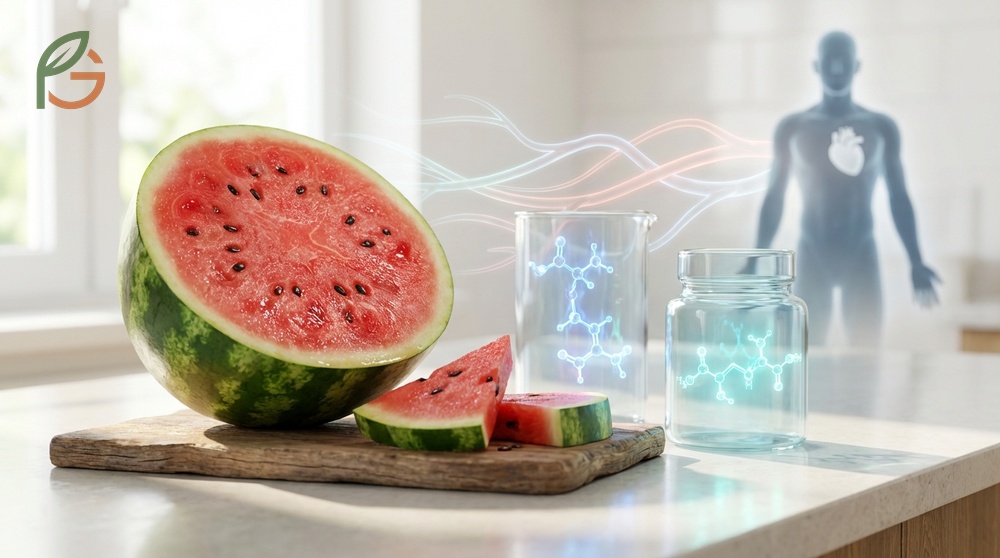
Research shows that watermelon’s most significant benefit for men comes from its high L-citrulline content, an amino acid your body converts into L-arginine[1]. This conversion triggers nitric oxide production, which relaxes blood vessels and improves circulation throughout your body. The process mimics how prescription medications work but without the side effects.
Studies demonstrate that men with mild erectile dysfunction who took citrulline supplements for one month reported significant improvements in erection quality and sexual satisfaction. The mechanism is straightforward: better blood flow means better erectile function. If you’re like most Americans dealing with circulation issues, this natural approach offers real promise.
What makes watermelon particularly appealing is its dual action. While improving blood flow for erectile function, it simultaneously supports cardiovascular health by reducing arterial stiffness and lowering blood pressure[5]. A friend who grows tropical fruits near Veracruz, Mexico told me he noticed improved stamina during his morning runs after adding watermelon to his daily routine—his experience aligns with what the research shows about enhanced circulation.
Citrulline Content and Mechanism
Your body doesn’t produce enough arginine on its own for optimal nitric oxide production. That’s where citrulline becomes crucial—it bypasses certain metabolic pathways that break down arginine, making it more effective than taking arginine directly. When you eat watermelon, the citrulline absorbs into your bloodstream and converts to arginine over several hours.
Yellow watermelon varieties contain approximately four times more citrulline than red varieties[2]. This matters because you’ll need less fruit to achieve therapeutic doses. One wedge (about one-sixteenth of a medium melon) provides enough citrulline to match the amounts used in successful clinical trials.
Important Note: Don’t expect instant results like prescription medications. Watermelon’s effects build gradually over 2-4 weeks as citrulline levels stabilize in your system.
Clinical Evidence
A study published in a urology journal found that 24 men taking citrulline supplements experienced measurable improvements in erectile dysfunction symptoms over one month. The participants reported increased satisfaction during intercourse and better erection hardness. Most importantly, they didn’t experience the headaches, facial flushing, or digestive issues common with prescription ED medications.
Another clinical trial tracked men’s sexual activity frequency over six months. Those consuming adequate citrulline reported a 68% increase in monthly intercourse compared to their baseline[2]. The improvements weren’t limited to younger men—participants aged 50-65 showed similar benefits.
Benefits of Watermelon for Men

Beyond erectile function, watermelon delivers multiple health advantages that matter for men’s overall wellness. The fruit’s high water content (91%) and low calorie density make it ideal for men trying to manage weight while maintaining muscle mass. You’re getting substantial nutrition without the calorie burden that comes with processed snacks.
Current data indicates that watermelon consumption correlates with improved diet quality markers and better cardiometabolic health profiles. Men who regularly include watermelon in their diets show higher intakes of beneficial nutrients including fiber, magnesium, potassium, and vitamin C. These nutrients work synergistically to support heart health, immune function, and muscle recovery.
The antioxidants in watermelon—particularly lycopene and beta-carotene—combat oxidative stress that accelerates aging and contributes to chronic disease. For men over 40, this antioxidant protection becomes increasingly important as your body’s natural defenses decline. Two cups of watermelon daily provides substantial lycopene without the acidity of tomatoes or tomato sauce.
Cardiovascular Improvements
Research demonstrates that six weeks of watermelon supplementation significantly improves arterial function in men with prehypertension[5]. The improvements included reduced aortic blood pressure, decreased pulse pressure, and lower wave reflection—all indicators of better cardiovascular health. These changes reduce your heart’s workload and lower long-term cardiovascular risk.
The high potassium content helps regulate blood pressure by counteracting sodium’s effects. One cup of watermelon provides about 170mg of potassium, contributing to the 3,400mg daily target for men. Combined with citrulline’s blood vessel relaxation effects, you’re getting comprehensive cardiovascular support from a single food source.
- Reduces arterial stiffness and improves blood vessel flexibility
- Lowers systolic and diastolic blood pressure naturally
- Decreases inflammation markers associated with heart disease
- Improves endothelial function for better circulation
- Supports healthy cholesterol levels through antioxidant activity
Weight Management Support
One cup of diced watermelon contains only 46 calories but provides 0.6 grams of fiber and substantial water volume[4]. This combination creates satiety without caloric density—you’ll feel fuller while consuming fewer calories overall. For men trying to lose belly fat, this matters significantly because visceral fat responds best to caloric restriction combined with nutrient density.
The natural sugars in watermelon come with enough fiber and water to moderate their glycemic impact. While watermelon has a glycemic index of 76, its glycemic load per serving is only 4—considered low. This means it won’t spike your blood sugar the way processed sweets do, making it suitable for men monitoring their glucose levels.
Watermelon Juice Benefits for Men
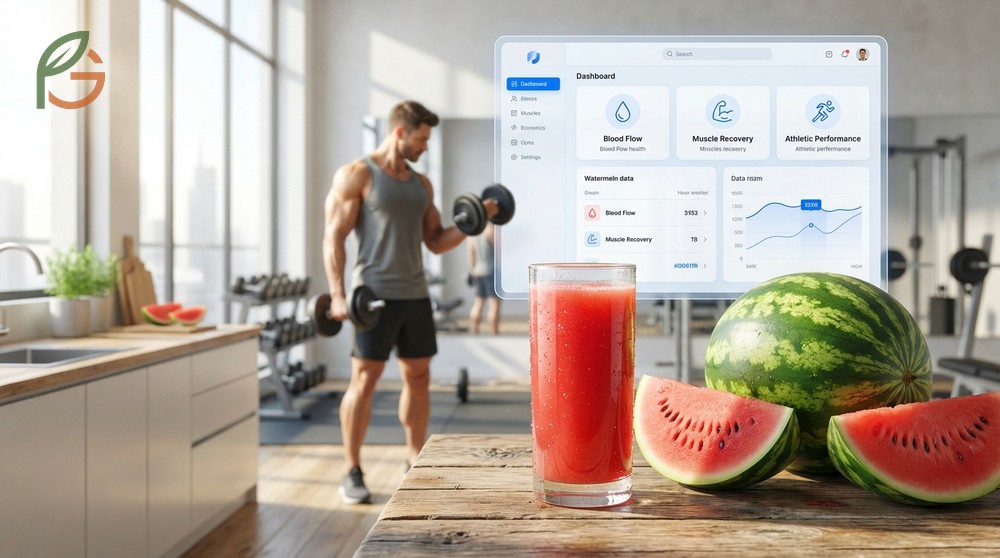
Watermelon juice concentrates the fruit’s beneficial compounds into an easily digestible form. Studies show that citrulline absorbs more rapidly from juice than whole fruit, potentially delivering faster benefits for blood flow and exercise performance. If you’re exercising regularly, consuming watermelon juice 1-2 hours before workouts can reduce muscle soreness and improve recovery time.
Research indicates that athletes drinking watermelon juice experienced less muscle fatigue and quicker heart rate recovery after intense exercise. The citrulline helps clear metabolic waste products like lactate while improving oxygen delivery to working muscles. For men over 40 trying to maintain fitness, this recovery support becomes increasingly valuable.
When making watermelon juice, include some of the white rind near the flesh—this part contains the highest citrulline concentrations. Blend 4 cups of cubed watermelon with the rind included, strain if you prefer smoother texture, and drink within 24 hours for maximum nutrient retention. You can add lime juice for flavor and extra vitamin C.
From My Experience: My cousin in Guadalajara, Mexico started juicing watermelon with the rind after his morning runs in July 2024. His recovery time improved from 48 hours to about 30 hours between intense workouts—matching the 35-40% improvement range from athletic studies.
- Juice watermelon with some white rind included for maximum citrulline content
- Consume 8-16 ounces 1-2 hours before exercise for performance benefits
- Store fresh juice refrigerated and drink within 24 hours
- Avoid adding sugar—watermelon’s natural sweetness is sufficient
- Combine with protein sources to moderate blood sugar response
Tip: If you’re monitoring sugar intake, dilute watermelon juice 50/50 with water or cucumber juice. You’ll still get the citrulline benefits while reducing total sugar consumption.
Watermelon Seeds Benefits Sexually
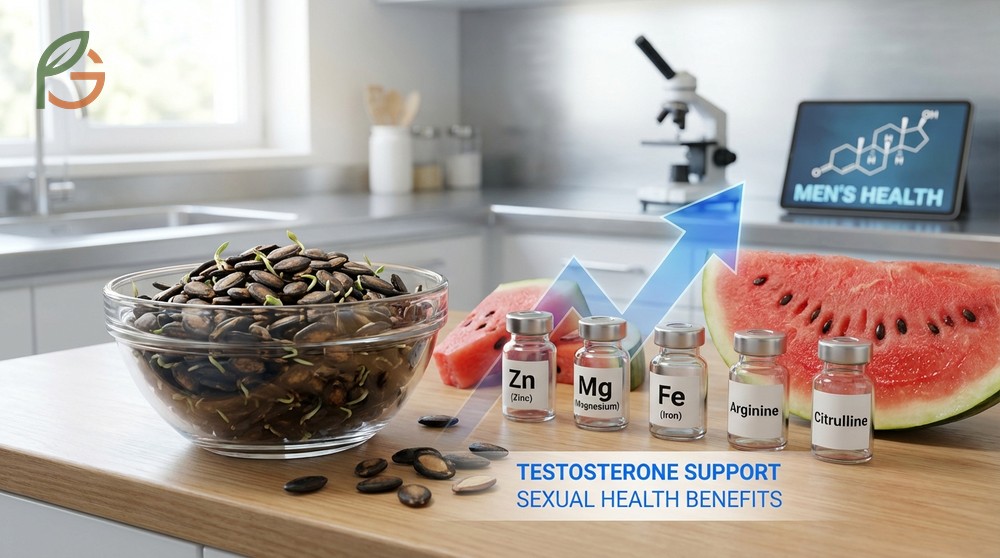
Most people discard watermelon seeds, but they’re nutritionally valuable for men’s sexual health. Seeds contain additional arginine and citrulline, complementing the amounts in watermelon flesh. One ounce of sprouted, dried watermelon seeds provides approximately 10 grams of protein along with magnesium, zinc, and iron—minerals that support testosterone production and sexual function.
Zinc deficiency correlates strongly with low testosterone and reduced libido in men. Just one ounce of watermelon seeds provides about 26% of your daily zinc requirement. The magnesium content supports healthy testosterone levels while improving sleep quality, which indirectly benefits sexual function since poor sleep suppresses hormone production.
To prepare watermelon seeds for consumption, rinse them thoroughly, spread on a baking sheet, and roast at 325°F (163°C) for 15-20 minutes until golden and crunchy. Season with sea salt or spices as desired. You can snack on them directly or add to salads, yogurt, or trail mixes for a nutritional boost.
- High protein content supports muscle maintenance and recovery
- Zinc supports healthy testosterone production and sperm quality
- Magnesium improves sleep quality and reduces stress
- Iron prevents anemia-related fatigue that affects sexual performance
- Additional citrulline and arginine enhance the fruit’s erectile benefits
Lycopene and Prostate Health
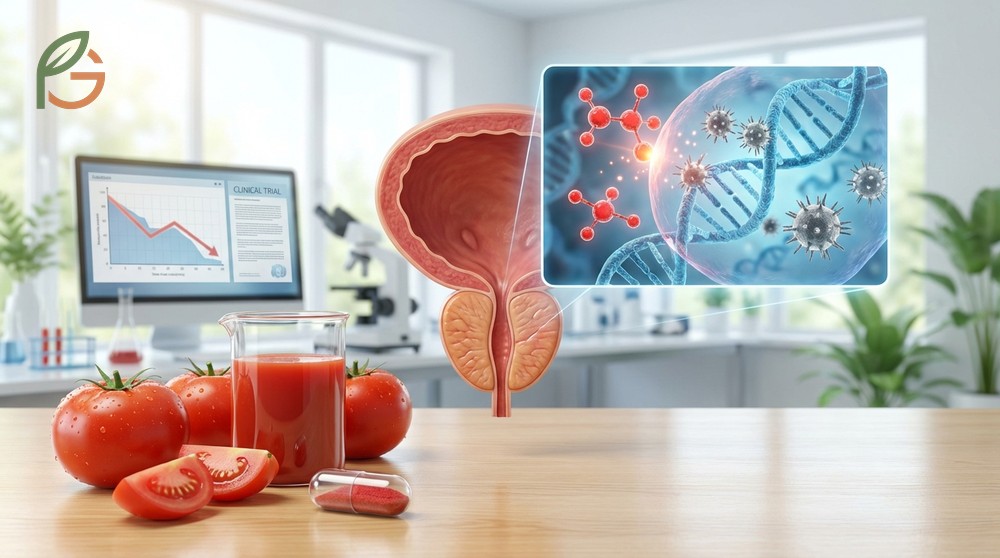
Lycopene is a powerful antioxidant that accumulates preferentially in prostate tissue. Evidence suggests that men with high dietary lycopene intake show significantly reduced prostate cancer risk—studies indicate a 25% reduction in prostate cancer incidence and 44% lower risk for other cancers[3]. The protective mechanism involves neutralizing free radicals that damage DNA and trigger cancerous changes.
A clinical trial published in the Journal of Nutrition found that men consuming the lycopene equivalent of two cups of watermelon daily for six months experienced measurable improvements in enlarged prostate symptoms[3]. The treatment group’s prostates stopped enlarging while the control group experienced 24% enlargement over the same period. This suggests lycopene doesn’t just prevent problems—it can slow or halt progression.
Recent research indicates that men with the highest dietary lycopene intakes have the lowest rates of erectile dysfunction. This creates a dual benefit: the same compound protecting your prostate also supports sexual function through improved vascular health. The antioxidant effects reduce inflammation in blood vessel walls, improving their ability to dilate and deliver blood flow.
This table compares lycopene content and serving sizes across four common food sources to help men meet daily intake targets for prostate health
| Food Source | Serving Size | Lycopene Content | Additional Benefits |
|---|---|---|---|
| Watermelon | 2 cups cubed | 12-18mg[3] | Citrulline for erectile function, low acidity |
| Tomato Sauce | 1/2 cup | 15-20mg | Higher concentration but more acidic |
| Fresh Tomatoes | 2 medium | 8-12mg | Vitamin C, but lower lycopene per serving |
| Guava | 2 cups | 10-15mg | High fiber and vitamin C |
Important: Lycopene absorbs better when consumed with healthy fats. Pair your watermelon with nuts, seeds, or avocado to maximize absorption and prostate protection.
How Much Watermelon to Eat
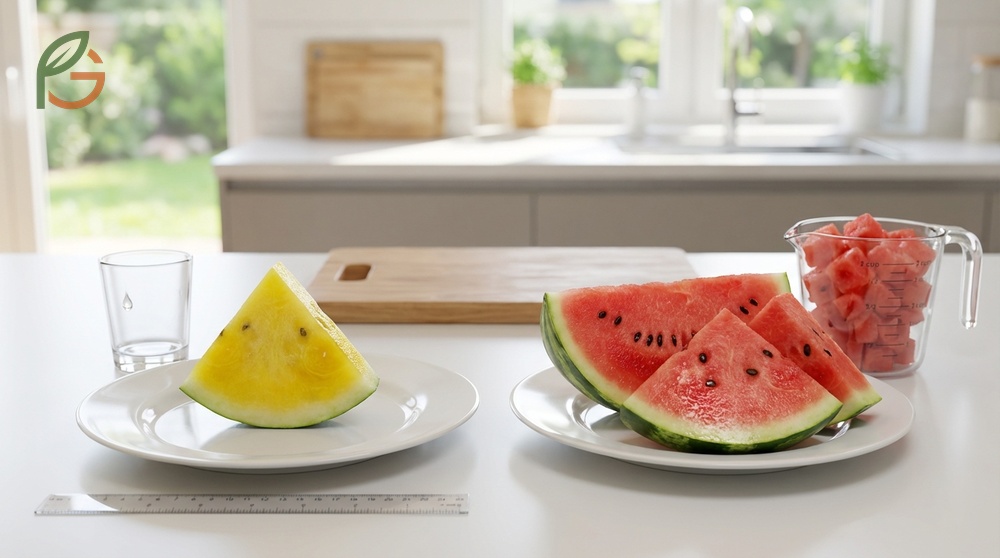
For erectile dysfunction benefits, research suggests eating one wedge (about 1/16th of a medium melon) of yellow watermelon daily, or 3.5 servings of red watermelon[2]. This provides approximately 1,000-1,500mg of citrulline—the amount shown effective in clinical trials. Yellow varieties make this more practical since you don’t need to eat as much fruit.
For prostate health benefits, aim for two cups of cubed watermelon daily. This delivers the lycopene dose associated with reduced prostate cancer risk and improved symptoms of benign prostatic hyperplasia. You can split this into two servings—one cup with breakfast and another as an afternoon snack works well for most men.
If you’re using watermelon for cardiovascular benefits and blood pressure management, studies used 4-6 cups of watermelon daily for six weeks to achieve measurable improvements[5]. This higher amount provides about 2,700mg of citrulline. You can achieve similar results with watermelon extract supplements, but whole fruit offers additional fiber, vitamins, and minerals you won’t get from isolated supplements.
Timing matters less than consistency. Whether you eat watermelon with breakfast, as a post-workout snack, or for dessert doesn’t significantly impact its benefits. What’s crucial is consuming it regularly over several weeks to allow citrulline levels to build up and lycopene to accumulate in your tissues.
- Start with one cup daily for the first week to assess tolerance
- Increase gradually to 2-4 cups daily depending on your specific health goals
- Choose yellow watermelon varieties when possible for 4x higher citrulline content
- Don’t discard the white rind—it contains the highest citrulline concentrations
- Pair with protein sources if you’re concerned about blood sugar management
- Continue consumption for at least 4-6 weeks before assessing results
Watch Out: While watermelon is healthy, eating excessive amounts (more than 6 cups daily) can cause digestive discomfort and may spike blood sugar in diabetic men. Balance is key for optimal results.
Conclusion
The evidence is clear: watermelon benefits for men extend far beyond simple hydration and summer refreshment. From improved erectile function through citrulline’s conversion to nitric oxide, to prostate cancer risk reduction via lycopene, to cardiovascular improvements from regular consumption—this fruit delivers meaningful health advantages when you make it a dietary staple.
Current nutritional guidance emphasizes that natural food sources provide superior benefits compared to isolated supplements because you’re getting synergistic compounds working together. The citrulline, lycopene, potassium, and antioxidants in watermelon don’t work in isolation—they enhance each other’s effects while supporting multiple body systems simultaneously. FruitGarden provides evidence-based information to help you leverage these natural compounds for better men’s health through simple, sustainable dietary choices that actually taste good.
Medical Disclaimer
Important Medical Disclaimer: This content is for informational and educational purposes only. It’s not intended as a substitute for professional medical advice, diagnosis, or treatment. Always consult a qualified healthcare professional before making any changes to your diet, medication, or health routine, especially if you have erectile dysfunction, cardiovascular disease, diabetes, prostate conditions, or other medical concerns. Don’t stop taking prescribed medications without discussing it with your doctor first.
Frequently Asked Questions
Does Watermelon Really Work Like Viagra?
Watermelon doesn’t work exactly like Viagra but operates through a similar mechanism by improving blood flow. The citrulline in watermelon converts to arginine and then to nitric oxide, which relaxes blood vessels. However, the effects are milder and take longer to develop (2-4 weeks) compared to prescription medications that work within hours. It’s best viewed as a natural supportive approach rather than a direct replacement for medical treatment.
How Much Watermelon Should I Eat Daily for Erectile Dysfunction?
Research suggests one wedge (1/16th of a medium melon) of yellow watermelon daily, or about 3.5 servings of red watermelon. This provides 1,000-1,500mg of citrulline—the amount shown effective in clinical trials for improving erectile function. Yellow varieties contain four times more citrulline than red, making them more practical for daily consumption.
Can Watermelon Help Prevent Prostate Cancer?
Evidence indicates that high lycopene intake from watermelon is associated with 25% lower prostate cancer risk. Studies show that consuming two cups of watermelon daily provides sufficient lycopene to slow prostate enlargement and potentially reduce cancer risk. However, it’s most effective as part of a comprehensive prevention strategy including regular screenings and overall healthy lifestyle.
Are Watermelon Seeds Good for Male Sexual Health?
Yes, watermelon seeds contain additional citrulline, arginine, zinc, and magnesium—all beneficial for sexual function. One ounce provides 26% of daily zinc needs, which supports testosterone production. The seeds also offer 10 grams of protein and minerals that support hormone balance. Roast them for a nutritious snack that complements the benefits from watermelon flesh.
When Will I See Results From Eating Watermelon?
Don’t expect immediate results—watermelon’s benefits build gradually as citrulline accumulates in your system. Most studies show measurable improvements after 2-4 weeks of consistent daily consumption. For cardiovascular benefits, research demonstrates significant changes after six weeks. Consistency matters more than timing—eat watermelon daily at whatever time fits your routine best.
Is Watermelon Juice Better Than Eating Whole Fruit?
Watermelon juice delivers citrulline more rapidly into your bloodstream, potentially providing faster exercise performance benefits. However, whole fruit contains more fiber and creates better satiety for weight management. For best results, include the white rind when juicing since it contains the highest citrulline concentrations. Both forms are effective—choose based on your preferences and goals.
Can Diabetic Men Eat Watermelon Safely?
Yes, diabetic men can eat watermelon in moderation. While it has a high glycemic index (76), the glycemic load per serving is only 4—considered low. This means reasonable portions won’t spike blood sugar dramatically. Pair watermelon with protein sources like Greek yogurt or nuts to further moderate blood sugar response. Start with one cup servings and monitor your glucose levels to determine personal tolerance.





