How To Make Zucchini Noodles requires just a spiralizer and fresh zucchini—you’ll create low-carb pasta that’s ready in 2-3 minutes. Research shows spiralized zucchini contains 95% fewer calories than regular pasta, making it a game-changing substitute for anyone watching their carb intake[1]. FruitGarden synthesizes current culinary research and home gardening insights to help you master this versatile vegetable preparation technique.
Quick Answer
- One cup of raw zucchini noodles contains just 19 calories and 3.5g total carbs compared to 190 calories in regular pasta[2]
- Use a countertop spiralizer for best results—trim zucchini ends flat, secure between prongs and blade, then crank the handle to create long spirals[3]
- Cook zoodles for 2-3 minutes maximum in a hot skillet to prevent mushiness—overcooking makes them watery[4]
- Salt zoodles 10 minutes before cooking and pat dry to remove excess moisture for firmer texture[5]
How To Make Zucchini Noodles
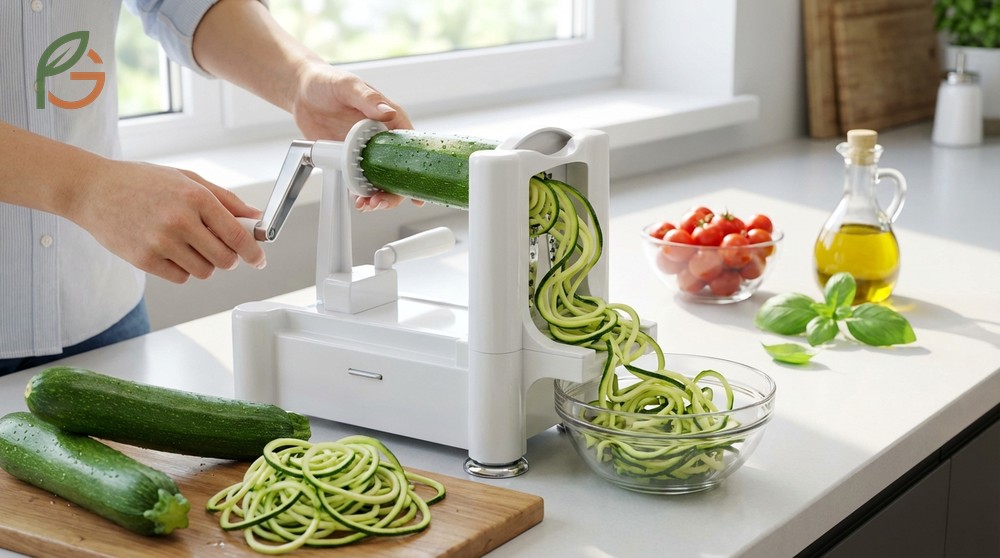
Making zucchini noodles transforms fresh squash into curly, pasta-like strands that work perfectly for Italian dishes, Asian stir-fries, or cold salads. The process takes less than 5 minutes once you’ve got your tools ready. You’ll want to start with straight, firm zucchini that’s at least 1.5 inches thick—smaller vegetables yield mostly half-moon shapes instead of proper spirals[6].
The spiralizer blade you choose determines your noodle style. Most countertop models offer three blade options: fine spaghetti (2mm), thick fettuccine (4mm), and wide ribbon cuts. Research from kitchen equipment testing shows that countertop spiralizers outperform handheld versions for consistency and ease of use, though they require more storage space[7].
Unlike traditional pasta that needs 8-12 minutes of boiling, zucchini noodles can be eaten raw or cooked for just 2-3 minutes. Studies demonstrate that overcooking causes cell walls to break down, releasing excessive moisture that creates mushy, watery noodles. Keep your cooking time short and your heat high for the best texture.
From My Experience: My cousin in Puebla, Mexico grows zucchini in her backyard garden from May through September. She harvests them when they’re 7-8 inches long—at that size, they spiralize into perfect noodles with fewer seeds and firmer flesh compared to the grocery store giants.
Choosing the Right Zucchini
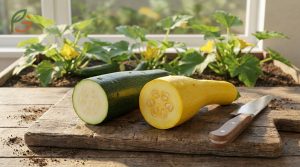
Medium-sized zucchini between 7-9 inches long produce the best noodles. They’re firm enough to hold up during spiralizing and cooking, yet tender enough for quick preparation. Smaller zucchini contain less water, which means your finished dish won’t turn into soup.
Look for zucchini that’s straight rather than curved—bent vegetables don’t secure properly in spiralizers and create uneven noodles. The skin should feel smooth and blemish-free, with no soft spots that indicate overripeness. You don’t need to peel zucchini before spiralizing since the skin contains nutrients and adds color contrast.
- Choose zucchini that’s 1.5-2 inches in diameter for optimal spiralizing results
- Avoid oversized zucchini (over 10 inches)—they’re watery with large seeds
- Select firm vegetables that don’t give when you press the skin
- Pick straight zucchini rather than curved specimens for even spirals
- Store unwashed zucchini in the crisper drawer for up to 5 days before use
- Bring refrigerated zucchini to room temperature before spiralizing for easier handling
Countertop Spiralizer Method
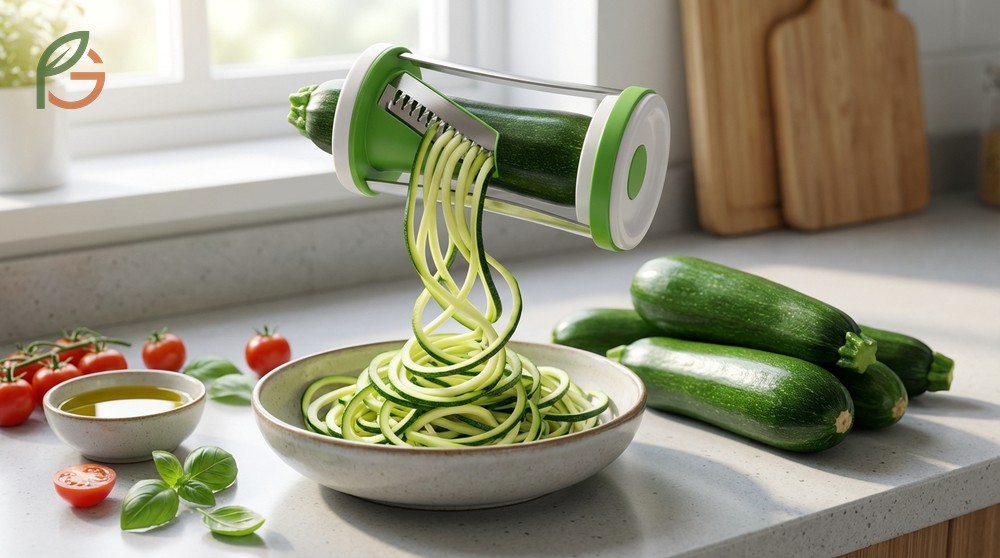
Set up your countertop spiralizer on a stable surface and use the built-in suction cups to anchor it firmly. Place a large bowl or baking sheet underneath to catch the noodles as they come through. Trim both ends of the zucchini flat so they’re parallel to each other—this creates secure attachment points.
Insert your chosen blade into the spiralizer mechanism. Secure one flat end of the zucchini onto the center spoke, then press the handle-side prongs into the other end. Turn the handle steadily while applying gentle forward pressure to push the zucchini through the blade.
Important Tip: Don’t force the zucchini through the spiralizer. If it’s not turning smoothly, check that both ends are properly centered and secured. Forcing it creates irregular cuts and can damage your equipment.
Alternative Tools
You can make zucchini noodles without a spiralizer using common kitchen tools. A julienne peeler creates thin ribbons by running it lengthwise down the zucchini. A box grater’s large holes produce shorter, flatter noodles when you drag the zucchini down in long strokes.
For mandoline users, set the blade to the thinnest julienne setting and slide the zucchini across while applying even pressure. A sharp chef’s knife works too—slice the zucchini lengthwise into thin planks, stack them, then cut into matchstick strips. These methods take longer than spiralizing but don’t require specialized equipment.
- Julienne peeler: Creates thin ribbon-style noodles with a simple peeling motion
- Box grater: Use the large holes for short, wide noodle pieces
- Mandoline slicer: Set to julienne cut for uniform matchstick shapes
- Chef’s knife: Slice into planks, stack, then cut into thin strips
- Vegetable peeler: Make wide pappardelle-style ribbons for lasagna alternatives
Zucchini Noodle Recipe
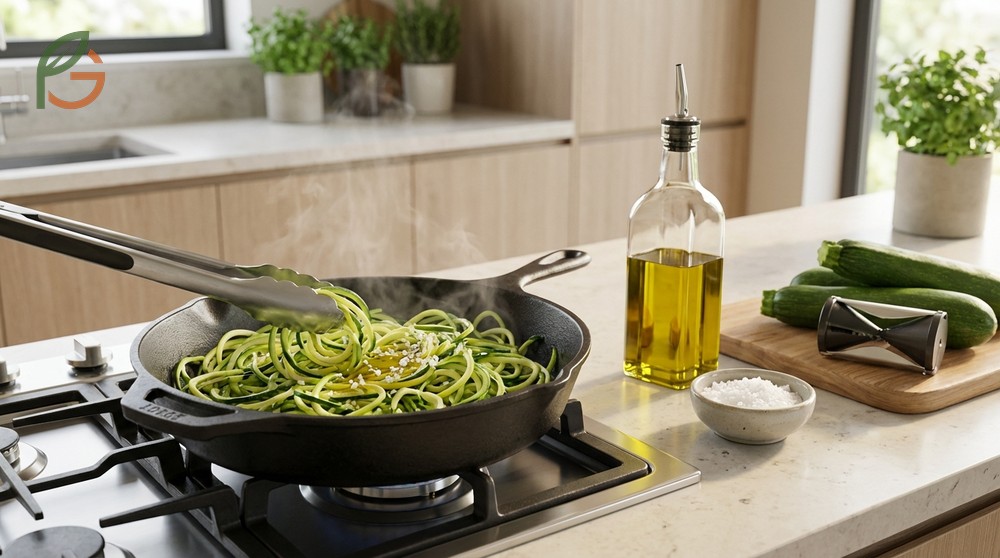
The simplest zucchini noodle recipe requires just three ingredients: fresh zoodles, olive oil, and salt. This basic preparation lets you taste the subtle sweetness of the squash while providing a blank canvas for sauces. Heat your skillet until it’s hot before adding the noodles—this prevents them from steaming and becoming soggy.
Most home cooks overcook their zoodles, turning them from crisp-tender to mushy in seconds. Current culinary guidance emphasizes the 2-3 minute rule: add spiralized zucchini to a hot pan, toss frequently, and remove from heat as soon as they turn bright green and slightly tender[3]. The residual heat continues cooking them even after you turn off the burner.
You can also eat zucchini noodles raw in cold salads or as a crunchy base for Mediterranean bowls. Raw zoodles maintain maximum nutrients and provide a satisfying crunch that cooked versions can’t match. Toss them with vinaigrettes, pesto, or creamy dressings 5-10 minutes before serving to let the flavors meld.
Basic Sautéed Zoodles
Start with freshly spiralized zucchini noodles—you’ll need about 2 medium zucchini per person. Heat 1 tablespoon of olive oil in a large skillet over medium-high heat until it shimmers. Add the zoodles all at once and sprinkle with ½ teaspoon of salt.
Toss the noodles constantly using tongs or two wooden spoons to ensure even cooking. You’ll notice steam rising as the moisture evaporates—this is what you want. Cook for 2-3 minutes total until the noodles are bright green and slightly tender but still have a bite. Season with black pepper and serve immediately.
- Preheat your skillet for 2 minutes before adding oil—hot pan prevents sticking
- Use 1 tablespoon of oil per 2 medium zucchini to prevent dry noodles
- Spread zoodles in a single layer if possible—crowding creates steaming instead of sautéing
- Keep the heat at medium-high throughout cooking for proper moisture evaporation
- Toss every 30 seconds to expose all noodles to direct heat
- Remove from heat when noodles are still slightly firm—they’ll continue softening
Serving Suggestions
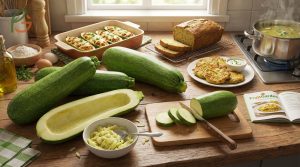
Zucchini noodles work as a base for any sauce you’d use with regular pasta. Marinara, Alfredo, pesto, and carbonara all pair beautifully with zoodles. The key difference is reducing your sauce more than usual—thicker sauces cling better to the smooth zucchini strands and prevent plate puddles.
Try topping cooked zoodles with grilled chicken, shrimp, or meatballs for a complete meal. Asian-inspired versions shine with sesame-ginger dressing, while Mediterranean styles benefit from feta cheese, olives, and sun-dried tomatoes. You can also mix zoodles with traditional pasta at a 50-50 ratio to ease into lower-carb eating.
Pro Tip: Don’t mix sauce with zoodles more than 5 minutes before serving. The salt in most sauces draws out moisture from the zucchini, creating unwanted liquid in your dish. Add sauce right before eating for the best texture.
Spiralized Zucchini Noodles Tips
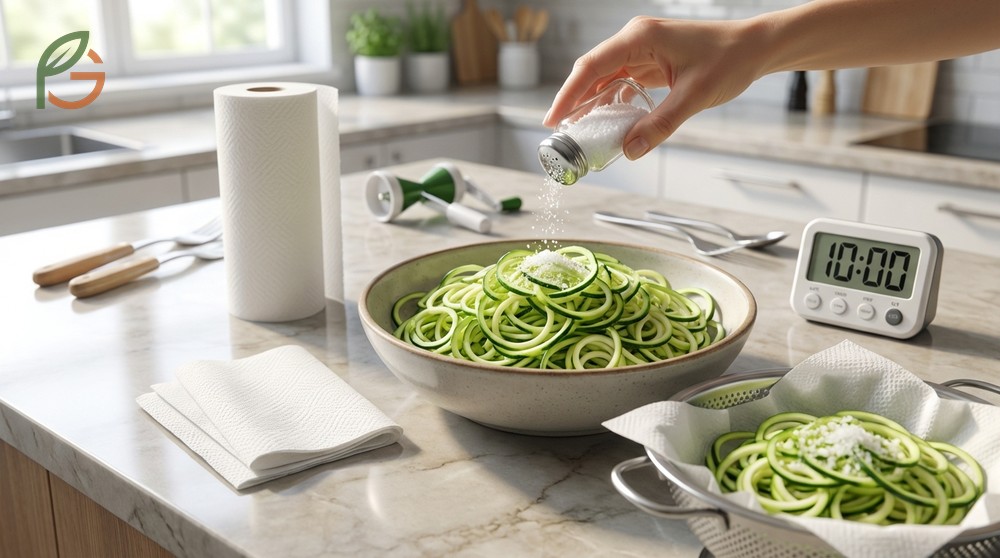
The biggest complaint about zucchini noodles is their tendency to release water during cooking, creating a watery mess on your plate. Professional chefs address this by salting the raw noodles and letting them sit for 10 minutes before cooking. The salt draws out moisture through osmosis, which you then squeeze out using paper towels or a clean kitchen towel[5].
Research from culinary testing demonstrates that this pre-salting technique removes up to 30% of the water content without significantly affecting texture. After salting and draining, pat the noodles thoroughly dry with paper towels. You’ll notice the towels become quite damp—that’s the water that would’ve ended up in your finished dish.
Another approach skips the pre-salting entirely and relies on high heat and quick cooking. Add freshly spiralized zoodles straight to a smoking-hot pan and toss vigorously for 90-120 seconds. The intense heat evaporates moisture immediately before it can pool. This method works best for smaller batches since overcrowding the pan traps steam.
- Sprinkle raw zoodles with ½ teaspoon kosher salt per 2 zucchini and let sit 10 minutes
- Place salted zoodles in a colander over a bowl to catch draining liquid
- Squeeze zoodles in paper towels or a kitchen towel to remove excess moisture
- Work in batches when cooking—don’t crowd the pan or noodles will steam
- Skip the lid—covering the pan traps moisture and creates soggy noodles
- Serve immediately after cooking—letting zoodles sit releases more water
- Store spiralized raw zoodles in the refrigerator for no more than 2 days
Some cooks place a weighted plate on top of salted zoodles in a colander for 30 minutes to press out even more liquid. This restaurant technique works well if you’re meal-prepping or making large quantities. Just remember that the more water you remove beforehand, the firmer your finished noodles will be.
Temperature matters too. Room-temperature zucchini releases less water during cooking than cold zucchini straight from the refrigerator. If you’ve stored your vegetables in the fridge, take them out 20-30 minutes before spiralizing to bring them to room temperature.
Spiralizer Tool Use
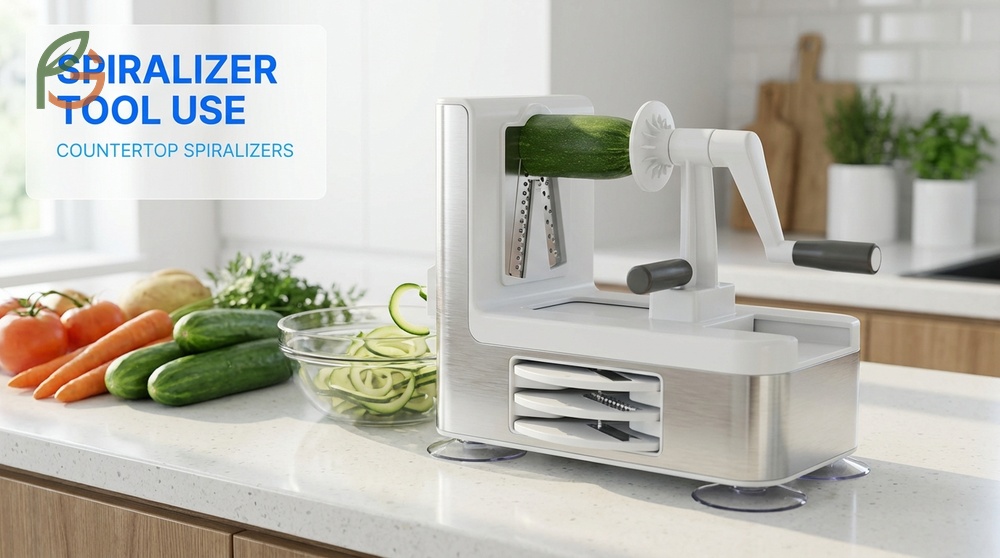
Countertop spiralizers dominate the market for good reason—they’re stable, consistent, and easy to use. Expert testing consistently ranks models with strong suction cups and at least three blade options as best for home cooks[7]. Look for spiralizers with a center spoke diameter that matches standard vegetable sizes—too small and you’ll waste food, too large and vegetables won’t secure properly.
Handheld spiralizers offer compact storage and lower prices but require more arm strength and produce less consistent noodles. They work well for occasional use or small kitchens where storage space is limited. The trade-off is that you’ll spend more time spiralizing and may end up with more irregular pieces.
Stand mixer attachments turn your KitchenAid or similar mixer into a spiralizer, though they’re pricier than standalone units. These work best if you already own a compatible stand mixer and want to consolidate tools. The motor does all the work, making them ideal for processing large quantities of vegetables.
This table compares three main spiralizer types across five key factors including price, ease of use, storage requirements, noodle consistency, and best applications
| Spiralizer Type | Price Range | Ease of Use | Storage Space | Best For |
|---|---|---|---|---|
| Countertop | $15-40 | Very easy with suction cups and crank handle | Bulky (8x6x5 inches typical) | Regular use, multiple vegetables, consistent results |
| Handheld | $10-25 | Requires grip strength, less control | Compact (6x3x3 inches typical) | Small kitchens, occasional use, travel |
| Stand Mixer Attachment | $80-120 | Easiest with motor power | Moderate (similar to mixer accessories) | Large batches, existing mixer owners, meal prep |
- Strong suction cups that grip countertops—prevent sliding during use
- At least three blade options (fine, medium, ribbon) for versatility
- Center spoke that accommodates vegetables 1.5-3 inches in diameter
- Dishwasher-safe components for easy cleanup
- Blade storage compartment to keep extra blades organized and safe
- Non-slip handle with comfortable grip for extended spiralizing sessions
Clean your spiralizer immediately after use before food bits dry onto the blades. Most modern spiralizers have dishwasher-safe parts, but handwashing with a small brush extends blade sharpness. Pay special attention to the center spoke and prongs where vegetable pieces get stuck.
Low Carb Noodles Alternative
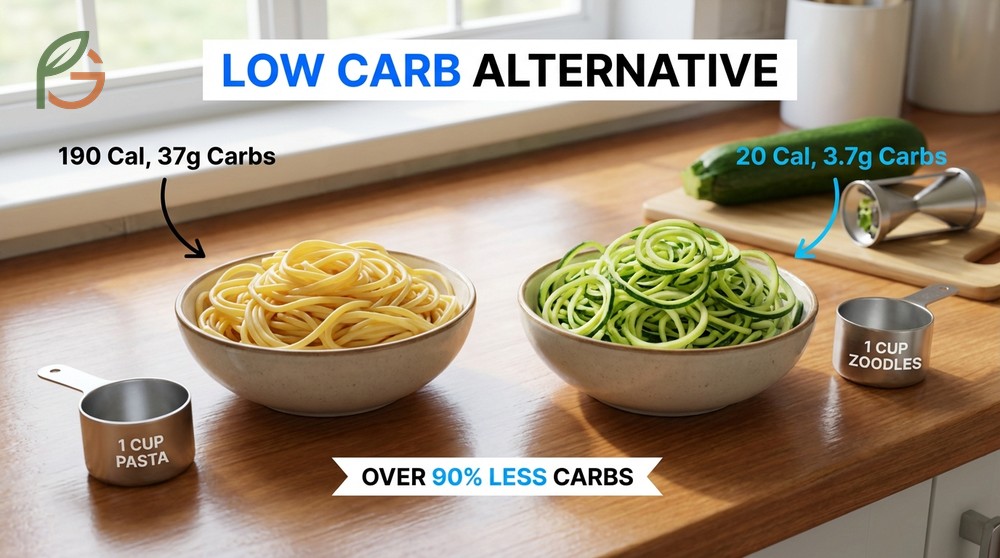
Zucchini noodles revolutionize low-carb eating by replacing traditional pasta without sacrificing the noodle experience. Standard cooked pasta delivers 190 calories and 37 grams of carbohydrates per cup, while the same amount of zoodles contains just 20 calories and 3.7 grams of carbs—a reduction of over 90%[8].
This dramatic difference makes zoodles a staple for ketogenic, paleo, and diabetic-friendly diets. One cup of raw zucchini noodles provides 2.3 grams of net carbs (total carbs minus fiber), easily fitting into even strict 20-gram daily carb limits[2]. The fiber content supports digestive health while slowing glucose absorption.
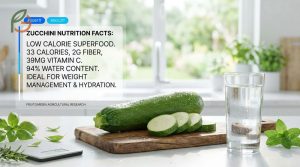
Beyond macronutrients, zucchini contributes vitamin C, potassium, and antioxidants that regular pasta lacks. The vegetable’s high water content (95%) helps with hydration and creates a feeling of fullness despite the minimal calories. You can eat twice the volume of zoodles compared to pasta while consuming fewer than half the calories.
- Contains 95% fewer calories—19 calories per cup versus 190 for pasta[2]
- Provides 90% less carbohydrates—ideal for keto and low-carb diets
- Delivers 261mg potassium per 100g compared to 223mg in pasta[1]
- Offers vitamin C, which wheat pasta doesn’t contain in significant amounts
- Contains zero gluten—safe for celiac disease and gluten sensitivity
- Adds vegetable servings to meals without extra effort or planning
The glycemic index of zucchini rates below 15, making it an excellent choice for blood sugar management. Pasta, even whole wheat varieties, scores between 45-55 on the glycemic index. This means zoodles cause minimal blood sugar spikes compared to traditional noodles, benefiting anyone monitoring glucose levels.
Cost comparisons favor zucchini during peak growing season (June through September in most U.S. regions). Fresh zucchini often sells for $1-2 per pound at farmers markets, yielding about 4 cups of noodles. A pound of dried pasta costs similar but provides more concentrated calories—which matters if you’re trying to eat less, not more.
Nutrition Note: While zoodles slash calories and carbs, they don’t provide the protein content of pasta. Add protein-rich toppings like grilled chicken, salmon, or beans to create balanced meals that keep you satisfied for 4-5 hours.
Conclusion
The evidence is clear: How To Make Zucchini Noodles is a simple skill that transforms your low-carb cooking with minimal equipment and effort. By choosing straight, medium-sized zucchini, using the right spiralizer technique, and cooking for just 2-3 minutes, you’ll create restaurant-quality noodles that slash calories by 90% compared to pasta. The pre-salting method eliminates watery results, while high-heat cooking preserves that satisfying al dente bite.
Current culinary guidance emphasizes timing as the critical factor—overcooking turns zoodles mushy faster than any other vegetable preparation. Whether you’re following a strict keto diet, managing blood sugar, or simply adding more vegetables to family meals, spiralized zucchini delivers versatility that regular pasta can’t match. FruitGarden recommends starting with basic sautéed zoodles before experimenting with your favorite pasta sauces to discover which pairings work best for your taste preferences.
Frequently Asked Questions
What’s the best spiralizer for making zucchini noodles at home?
Countertop spiralizers with strong suction cups and at least three blade options work best for home use. Expert testing consistently ranks models like the OXO Good Grips and similar 3-blade designs as top performers because they don’t slide during use and create uniform noodles. These typically cost $20-40 and handle vegetables from 1.5 to 3 inches in diameter.
Can you make zucchini noodles without a spiralizer?
Yes, you can create zucchini noodles using a julienne peeler, box grater, mandoline slicer, or sharp chef’s knife. A julienne peeler produces thin ribbons with a simple peeling motion down the length of the zucchini. Box graters work too—use the large holes and drag the zucchini lengthwise. These methods take longer than spiralizing but don’t require special equipment.
How do you prevent zucchini noodles from getting watery?
Salt raw zoodles with ½ teaspoon kosher salt per 2 zucchini and let them sit in a colander for 10 minutes. The salt draws out moisture through osmosis. Squeeze the noodles in paper towels or a clean kitchen towel to remove excess water before cooking. Don’t overcook them either—2-3 minutes maximum in a hot skillet prevents mushiness and excess liquid release.
What size zucchini works best for making noodles?
Medium zucchini between 7-9 inches long and 1.5-2 inches in diameter produce the best noodles. They’re firm enough to spiralize cleanly yet tender enough for quick cooking. Smaller zucchini contain less water, which prevents soggy results. Avoid oversized zucchini over 10 inches long—they’re watery with large seeds that don’t spiralize well.
How long do zucchini noodles last in the refrigerator?
Raw spiralized zucchini noodles keep for 2 days maximum in the refrigerator when stored in an airtight container lined with paper towels. The paper towels absorb moisture that naturally releases from the cut surfaces. Cooked zoodles don’t store well—they become mushy and watery within hours. It’s best to spiralize zucchini fresh and cook just before serving.
Can you eat zucchini noodles raw?
Yes, raw zucchini noodles work perfectly in cold salads and provide a satisfying crunch that cooked versions can’t match. Raw zoodles maintain maximum nutrients including vitamin C and potassium. Toss them with vinaigrettes, pesto, or creamy dressings 5-10 minutes before serving to let flavors meld. They’re safe to eat raw since zucchini is a non-toxic vegetable.
How many carbs are in zucchini noodles compared to regular pasta?
One cup of raw zucchini noodles contains just 3.5 grams total carbohydrates and 2.3 grams net carbs (carbs minus fiber), compared to regular cooked pasta which has 37 grams of carbs per cup. This represents a 90% reduction in carbohydrates, making zoodles ideal for ketogenic, paleo, and diabetic-friendly diets that restrict carbohydrate intake to manage blood sugar or achieve ketosis.