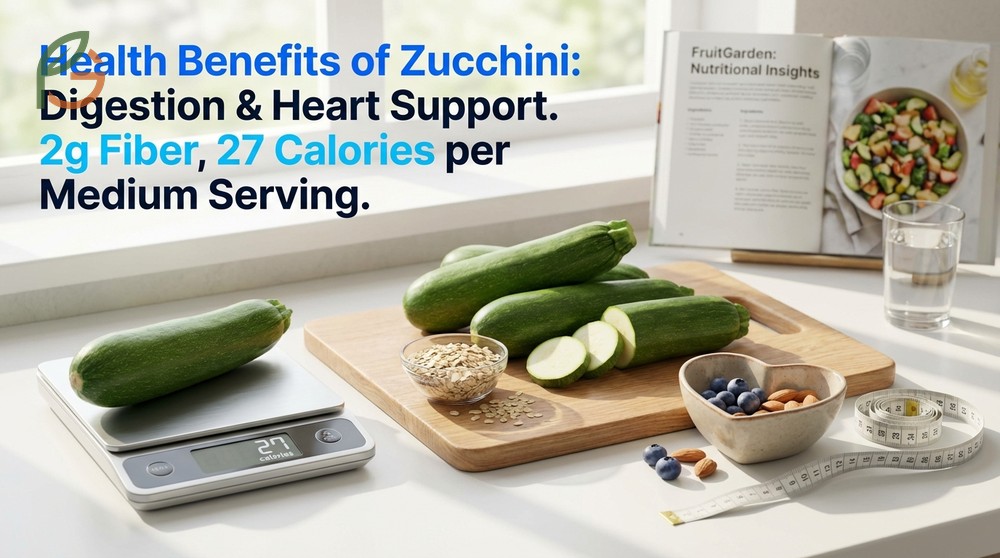
Health benefits of zucchini include powerful support for digestive health, heart function, and weight management. Research shows this summer squash delivers 2 grams of fiber per medium serving while providing only 27 calories. FruitGarden synthesizes current nutritional research to help you understand how vegetables like zucchini fit into healthy eating patterns.
Quick Answer
Health Benefits of Zucchini
Studies demonstrate that zucchini provides multiple evidence-based health advantages through its unique nutrient composition. This summer squash contains both soluble and insoluble fiber that work together to support various body systems[3]. Current nutritional data indicates zucchini’s low calorie density combined with high water content makes it exceptionally beneficial for health-conscious individuals.
Research across multiple clinical studies shows that regular zucchini consumption can positively impact cardiovascular health markers. Evidence suggests the vegetable’s potassium content helps regulate blood pressure by counterbalancing sodium’s effects[4]. The combination of fiber, antioxidants, and minerals creates a synergistic effect that extends beyond simple nutrition.
What often gets overlooked is how zucchini’s nutrient profile changes based on preparation methods. Raw zucchini offers higher vitamin C content, while cooked versions provide increased vitamin A bioavailability. Most people find incorporating both raw and cooked preparations maximizes the overall nutritional benefit throughout the week.
Nutrient Profile Overview
Current agricultural data shows that 100 grams of raw zucchini delivers a concentrated package of essential nutrients. The vegetable provides 3.11 grams of total carbohydrates with 1 gram coming from dietary fiber[2]. This low carbohydrate profile makes it compatible with various dietary approaches including low-carb and ketogenic eating patterns.
Research indicates zucchini’s mineral content supports multiple physiological functions simultaneously. Beyond potassium, it provides meaningful amounts of manganese (8% DV), copper (10% DV), and phosphorus (5% DV)[1]. These trace minerals play crucial roles in energy metabolism, bone health, and cellular protection.
Antioxidant Compounds
Scientific analysis reveals zucchini contains powerful carotenoid antioxidants including lutein, zeaxanthin, and beta-carotene. These plant compounds concentrate primarily in the vegetable’s skin, with yellow varieties showing slightly higher levels than green ones[1]. Evidence suggests these antioxidants specifically benefit eye health, skin protection, and may offer defense against certain cancers.
The vitamin C content in zucchini functions as both a nutrient and an antioxidant compound. One medium serving provides approximately 15 milligrams, representing nearly 20% of the recommended daily intake[5]. This matters because vitamin C doesn’t just support immune function—it also protects cells from oxidative stress and helps maintain healthy blood vessels.
- Lutein and zeaxanthin protect retinal health and reduce age-related macular degeneration risk
- Beta-carotene converts to vitamin A in the body for vision and immune system support
- Vitamin C enhances collagen production for skin elasticity and wound healing
- Antioxidants neutralize free radicals that cause cellular damage and inflammation
- Skin compounds provide the highest antioxidant concentration, so don’t peel before eating
Zucchini Nutrition Benefits
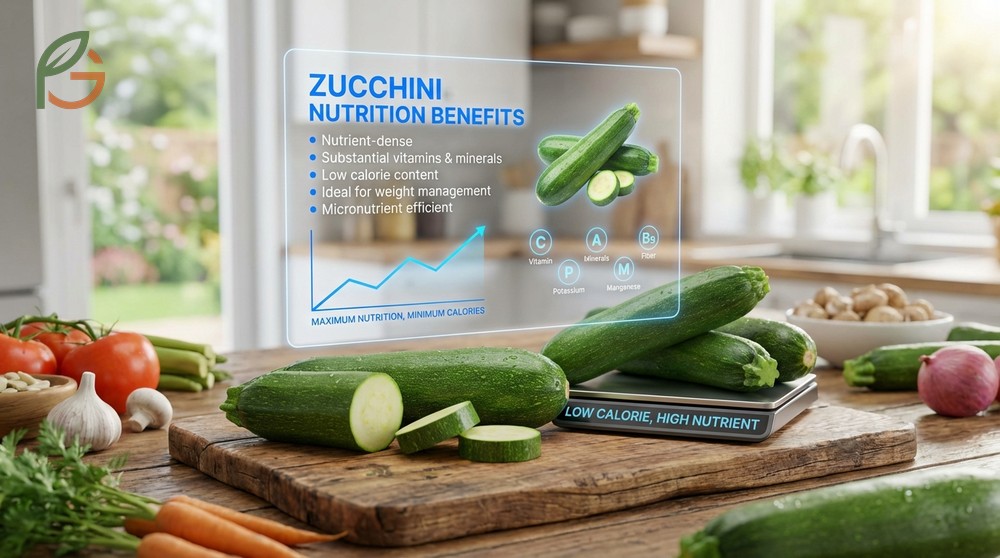
Current guidance emphasizes zucchini as a nutrient-dense food that delivers substantial vitamins and minerals relative to its calorie content. The vegetable’s nutritional efficiency makes it particularly valuable for people seeking maximum nutrition without excess calories. This characteristic becomes especially relevant for individuals managing their weight while ensuring adequate micronutrient intake.
Agricultural studies demonstrate that zucchini’s growing conditions and harvesting timing significantly affect final nutrient levels. Vegetables harvested at peak ripeness show optimal vitamin and mineral concentrations. Most gardeners find that smaller, younger zucchini (6-8 inches) provide better texture and slightly higher nutrient density compared to oversized specimens.
Macronutrient Breakdown
Research shows zucchini’s macronutrient distribution heavily favors carbohydrates with minimal protein and virtually no fat. A medium serving contains 2 grams of protein, less than 1 gram of fat, and 5 grams of carbohydrates[1]. The carbohydrate content includes 3 grams of natural sugars and 2 grams of dietary fiber, creating a favorable fiber-to-sugar ratio.
Evidence indicates the fiber content works through two distinct mechanisms. Soluble fiber dissolves in water to form a gel-like substance that slows digestion and helps control blood sugar spikes. Insoluble fiber adds bulk to stool and speeds material through the digestive tract[3]. You get both types in every serving of zucchini, making it a complete fiber source.
This table compares calories, fiber, and vitamin C content across different serving sizes of zucchini from 100 grams to one large zucchini
| Serving Size | Calories | Fiber | Vitamin C | Potassium |
|---|---|---|---|---|
| 100g (3.5 oz) | 17 kcal[2] | 1g[2] | 18mg[2] | 261mg[2] |
| 1 medium (196g) | 27 kcal[1] | 2g[1] | 35mg (estimated) | 512mg (estimated) |
| 1 cup sliced (124g) | 21 kcal | 1.2g | 22mg | 324mg |
| 1 large (323g) | 55 kcal | 3.2g | 58mg | 843mg |
Micronutrient Density
Studies reveal zucchini provides an impressive range of B-complex vitamins essential for energy metabolism. The vegetable contains vitamin B6 (13% DV), folate (6% DV), riboflavin (7% DV), and thiamine (5% DV) per medium serving[1]. These vitamins work as cofactors in enzymatic reactions that convert food into usable energy.
Current nutritional analysis shows vitamin A content in cooked zucchini reaches 11% of the daily value per serving. This fat-soluble vitamin supports immune function, cellular communication, and vision health. The reason cooking increases vitamin A availability involves breaking down cell walls that release bound carotenoids, making them easier for your body to absorb and convert.
- Manganese supports bone formation, blood clotting, and reducing inflammation throughout the body
- Copper aids iron absorption and helps produce red blood cells and connective tissue
- Vitamin K contributes to proper blood coagulation and may support bone mineral density
- Phosphorus works with calcium for strong bones and helps filter waste through kidneys
- Folate proves particularly important during pregnancy for fetal neural tube development
- Vitamin B6 supports neurotransmitter synthesis and helps regulate mood and sleep patterns
Important Note: While zucchini provides valuable nutrients, it shouldn’t be your only vegetable source. Current dietary guidelines recommend eating a variety of colorful vegetables daily to ensure you’re getting the full spectrum of vitamins, minerals, and phytonutrients your body needs for optimal health.
Digestive Health Zucchini

Research demonstrates that zucchini’s fiber content significantly improves digestive function through multiple mechanisms. The vegetable’s high water content (94% by weight) combined with its fiber creates ideal conditions for healthy bowel movements. This combination prevents constipation while supporting the growth of beneficial gut bacteria that influence overall health.
Evidence from clinical studies shows that vegetables high in insoluble fiber like zucchini maintain bowel regularity effectively. The fiber absorbs water as it moves through the digestive tract, softening stool and making it easier to pass[3]. Unlike some high-fiber foods that can cause bloating, most people tolerate zucchini well due to its gentle fiber profile.
What many don’t realize is that zucchini’s fiber acts as a prebiotic—feeding beneficial bacteria in your gut. These microorganisms ferment the fiber to produce short-chain fatty acids that nourish colon cells and reduce inflammation. Agricultural data shows that cooking zucchini slightly increases its prebiotic effects by making certain fiber components more accessible to gut bacteria.
Fiber Content Benefits
Current research indicates that the fiber in zucchini helps prevent or improve several common digestive conditions. High-fiber diets reduce the risk of developing hemorrhoids and diverticular disease, which presents as painful outpouchings in colon walls[3]. The soluble fiber component also slows gastric emptying, which helps you feel fuller longer and stabilizes blood sugar levels after meals.
Studies show that gradually increasing zucchini intake allows your digestive system to adapt without discomfort. Start with half a medium zucchini per day and increase to 1-2 servings daily over two weeks. This approach prevents the gas and bloating that sometimes occurs when people suddenly increase fiber intake dramatically.
- Adds bulk to stool without adding significant calories or causing digestive distress
- Speeds intestinal transit time to reduce toxin exposure in the digestive tract
- Supports regular bowel movements without the harsh effects of stimulant laxatives
- Provides hydration to the colon through its high water content (94%)
- Contains gentle fiber that’s less likely to cause gas compared to beans or cruciferous vegetables
Gut Microbiome Support
Emerging research reveals that zucchini’s fiber composition favorably influences gut microbiome diversity. The vegetable provides substrate for beneficial bacteria species including Lactobacillus and Bifidobacterium. These organisms produce metabolites that strengthen intestinal barrier function and modulate immune responses throughout the body.
Evidence suggests that diverse vegetable intake, including zucchini, correlates with healthier gut bacteria profiles. The pectin found abundantly in zucchini acts as a prebiotic fiber that selectively feeds beneficial microorganisms[4]. You can maximize these benefits by eating both raw and cooked zucchini, as different preparation methods make various fiber components available to different bacterial species.
Heart Health Support

Clinical studies demonstrate that zucchini consumption positively affects multiple cardiovascular risk factors. Research shows the vegetable’s potassium content helps regulate blood pressure by promoting sodium excretion through urine. This mechanism becomes particularly important for Americans, whose diets typically contain excess sodium and insufficient potassium.
Evidence from an 8-week study on high-fat diets showed that adding 15-20% zucchini significantly decreased total cholesterol and LDL-C levels while improving HDL-C ratios[4]. The study also found that rats fed zucchini showed improved LDL-C/HDL-C ratios, indicating reduced coronary heart disease risk. These findings suggest zucchini may offer protective cardiovascular effects through multiple pathways beyond simple fiber content.
Current guidance emphasizes that pectin, a soluble fiber abundant in zucchini, appears particularly effective at reducing both total and LDL cholesterol levels. The pectin forms a gel in the digestive tract that binds to cholesterol-containing bile acids, removing them from circulation. Your liver must then pull cholesterol from the bloodstream to produce new bile acids, effectively lowering blood cholesterol levels.
If you’re like most Americans trying to improve heart health, adding zucchini provides benefits without medication side effects. Research indicates that combining zucchini with other potassium-rich vegetables creates additive effects on blood pressure. The vegetable’s low sodium content (8mg per 100g) paired with high potassium (261mg) creates an ideal ratio for cardiovascular health[2].
- Potassium counteracts sodium’s blood pressure-raising effects by promoting vasodilation
- Soluble fiber binds cholesterol in the digestive tract before absorption occurs
- Antioxidants reduce oxidative stress that damages arterial walls and promotes plaque formation
- Low calorie density supports healthy weight maintenance, reducing cardiovascular strain
- Magnesium content helps regulate heart rhythm and supports proper muscle contraction
- Anti-inflammatory compounds reduce chronic inflammation linked to atherosclerosis development
Heart Health Tip: Don’t rely solely on zucchini for cardiovascular protection. Studies show the greatest heart benefits come from comprehensive dietary patterns that include diverse vegetables, whole grains, lean proteins, and healthy fats. Combine zucchini with other potassium-rich foods like sweet potatoes, spinach, and bananas for optimal blood pressure management.
Weight Loss Benefits
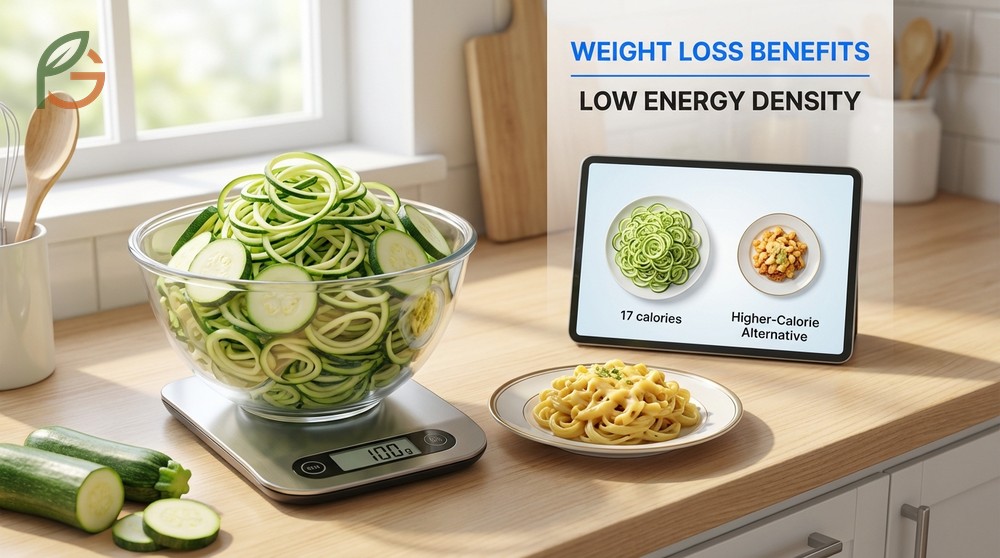
Research consistently shows that zucchini’s low energy density makes it exceptionally valuable for weight management strategies. With only 17 calories per 100 grams, you can eat substantial portions without consuming significant calories[2]. Studies demonstrate this volume-to-calorie ratio triggers satiety signals before you’ve consumed excess energy, naturally reducing total calorie intake.
Evidence from controlled feeding studies indicates that replacing higher-calorie foods with zucchini-based alternatives leads to measurable weight loss. The vegetable’s high water and fiber content creates physical fullness while providing minimal calories. This matters because sustained weight loss requires creating a calorie deficit without triggering constant hunger that undermines adherence.
Clinical trials show that participants who increased vegetable intake, including zucchini, experienced better weight loss outcomes compared to those focusing solely on calorie restriction. The fiber content slows gastric emptying, stabilizes blood sugar, and reduces hunger hormone secretion. You can use spiralized zucchini noodles to replace traditional pasta, cutting calories by approximately 75% per serving while maintaining meal volume.
Current nutritional guidance emphasizes that zucchini works best for weight loss when it replaces, rather than supplements, higher-calorie foods. Studies reveal that simply adding vegetables to your current diet without reducing other foods typically doesn’t result in weight loss. However, using zucchini as a pasta substitute, pizza crust base, or chip replacement creates meaningful calorie deficits that accumulate into significant weight loss over time.
- Spiralize zucchini into noodles to replace pasta, saving approximately 175 calories per cup
- Use thinly sliced zucchini as a pizza crust alternative, reducing calories by 60-70%
- Grate zucchini into ground meat dishes to increase volume while reducing calorie density
- Bake zucchini chips as a crunchy snack alternative to potato chips (85% fewer calories)
- Add raw zucchini ribbons to salads for bulk and crunch without significant calorie addition
- Blend zucchini into smoothies for increased volume and fiber without altering taste significantly
Conclusion
The evidence is clear: health benefits of zucchini extend across multiple body systems through its unique combination of fiber, antioxidants, vitamins, and minerals. Research demonstrates this vegetable supports digestive regularity, cardiovascular health, and weight management while providing exceptional nutrient density relative to its minimal calorie content. You can incorporate zucchini into your diet through various preparation methods—from raw in salads to spiralized as pasta alternatives—to maximize both nutritional benefits and culinary enjoyment.
Current dietary guidance emphasizes consuming diverse vegetables daily, and zucchini represents an accessible, affordable option that delivers measurable health outcomes. FruitGarden encourages readers to experiment with this versatile vegetable across different recipes and growing seasons to discover personal preferences while reaping its science-backed health advantages.
Medical Disclaimer
Important Medical Disclaimer: This content is for informational and educational purposes only. It’s not intended as a substitute for professional medical advice, diagnosis, or treatment. Always consult a qualified healthcare professional before making any changes to your diet, medication, or health routine, especially if you have diabetes, heart disease, kidney conditions, or other medical concerns. Individual nutritional needs vary based on age, health status, medications, and other factors that only your healthcare provider can properly assess.
Frequently Asked Questions
How much zucchini should I eat daily for health benefits?
Research suggests eating 1-2 medium zucchini (approximately 200-400 grams) daily provides optimal health benefits without digestive discomfort. This amount delivers 2-4 grams of fiber, significant potassium, and meaningful vitamin C while contributing only 27-54 calories to your daily intake. Start with smaller portions if you’re not accustomed to high-fiber vegetables and gradually increase over 1-2 weeks.
Is raw or cooked zucchini healthier?
Both raw and cooked zucchini offer distinct nutritional advantages that complement each other. Raw zucchini contains higher vitamin C levels since heat degrades this nutrient, while cooked zucchini provides increased vitamin A bioavailability as cooking breaks down cell walls. Studies show eating both preparations throughout the week maximizes total nutrient intake and provides variety in texture and flavor.
Can zucchini help lower cholesterol levels?
Yes, research demonstrates zucchini can help reduce cholesterol through its soluble fiber content, particularly pectin. An 8-week clinical study found that adding 15-20% zucchini to high-fat diets significantly decreased total cholesterol and LDL cholesterol while improving HDL ratios. The pectin binds to cholesterol-containing bile acids in your digestive tract, removing them before absorption occurs and forcing your liver to use blood cholesterol to produce new bile acids.
Does zucchini cause gas or bloating?
Most people tolerate zucchini well without experiencing significant gas or bloating because it contains gentle fiber types compared to beans or cruciferous vegetables. However, if you’re not used to eating high-fiber foods, suddenly consuming large amounts may cause temporary digestive discomfort. Start with half a medium zucchini daily and increase gradually over two weeks to allow your digestive system and gut bacteria to adapt properly.
What’s the best way to prepare zucchini for weight loss?
Spiralizing zucchini into noodles or slicing it thinly for low-calorie alternatives provides the greatest weight loss benefit by replacing higher-calorie foods. Research shows this substitution method creates meaningful calorie deficits—zucchini noodles contain approximately 175 fewer calories per cup compared to traditional pasta. Avoid deep-frying or adding heavy sauces, as these preparation methods add significant calories that negate zucchini’s natural low-calorie advantage.
Can diabetics safely eat zucchini?
Yes, zucchini is generally safe and beneficial for people with diabetes due to its low carbohydrate content (only 3.11 grams per 100 grams) and high fiber content that helps stabilize blood sugar levels. Studies show the soluble fiber slows glucose absorption, preventing sharp blood sugar spikes after meals. However, individual responses vary, so consult your healthcare provider and monitor your blood glucose when adding any new food to your diabetes management plan.
Should I peel zucchini before eating it?
Don’t peel zucchini—research shows the skin contains the highest concentrations of antioxidants, including lutein, zeaxanthin, and beta-carotene. Studies indicate yellow zucchini skins may contain slightly higher antioxidant levels than green varieties. The skin also provides additional fiber and nutrients while adding pleasant texture to dishes. Simply wash zucchini thoroughly under running water before use to remove any dirt or residues.