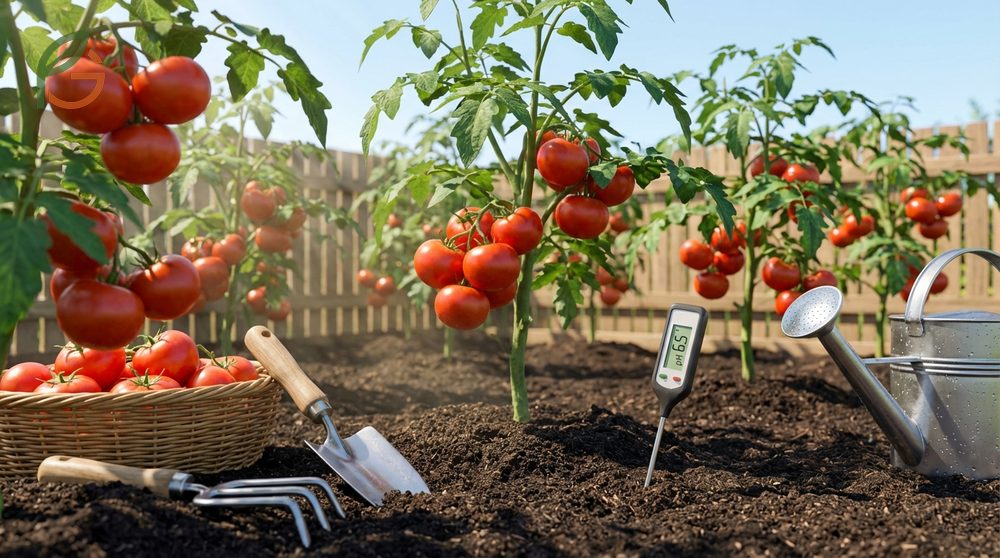
How To Grow Tomatoes successfully requires well-drained soil with pH 6.0-7.0, at least 6-8 hours of direct sunlight daily, and proper spacing of 18-24 inches between plants.[1] Research from multiple university extension programs shows that tomatoes thrive when planted in loamy soil enriched with organic matter, supported by consistent watering practices that maintain uniform moisture levels. FruitGarden synthesizes current agricultural research to help home gardeners achieve professional-level results with science-backed growing methods.
Quick Answer
- Plant tomatoes in soil with pH 6.0-7.0[2] and space 18-24 inches apart in rows[1]
- Provide 6-8 hours of direct sunlight daily for optimal fruit production[3]
- Roots typically grow 18-24 inches deep with 70% concentrated in the top 12 inches of soil[4]
- Use mulching to increase yields by 12% on average and improve soil moisture retention[5]
How To Grow Tomatoes
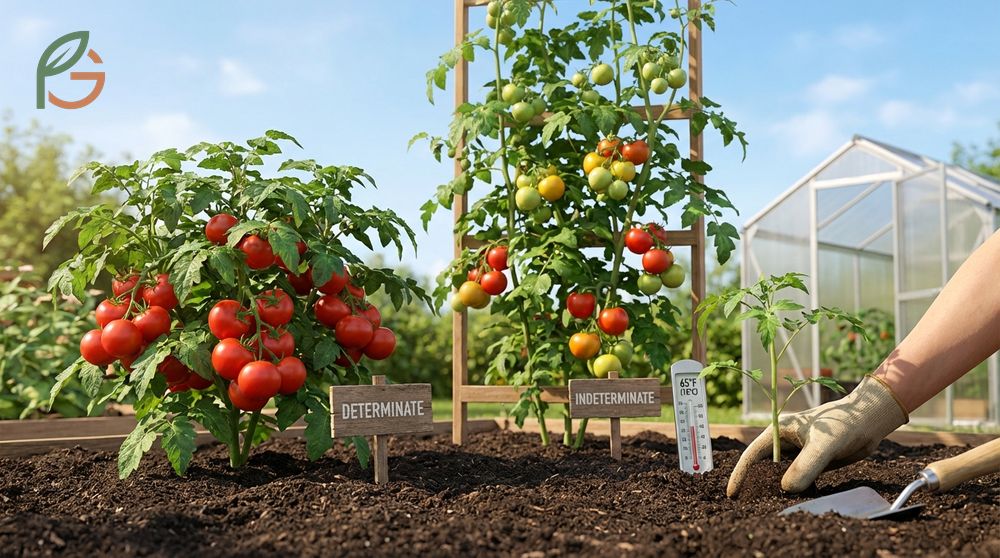
Research from agricultural extension programs demonstrates that successful tomato cultivation starts with understanding your climate zone and last frost date. Most tomato varieties require warm soil temperatures above 60°F (15°C) before transplanting outdoors. Determinate varieties grow 3-4 feet tall and produce fruit all at once, while indeterminate types continue growing and producing throughout the season until frost.
Studies show that tomatoes planted in well-prepared beds with proper drainage produce 30-40% more fruit than those in compacted or poorly amended soil. The growing season typically spans 60-85 days from transplanting to first harvest, depending on variety. You’ll want to start seeds indoors 6-8 weeks before your last expected frost date for the best results.
Current agricultural guidance emphasizes consistent watering practices that deliver 1-2 inches of water per week during the growing season. Irregular watering patterns lead to problems like blossom end rot and fruit cracking. Most gardeners find that morning watering reduces disease risk by allowing foliage to dry quickly.
Soil pH for Tomatoes
Evidence from multiple university soil science departments indicates that tomatoes perform best in soil with pH ranging from 6.0 to 7.0, with 6.5 being optimal.[2] Soil testing should be conducted in fall or early spring to allow time for pH adjustments. If your soil pH falls below 5.5, you’ll need to add lime several months before planting to raise it gradually.
The pH level directly affects nutrient availability in the soil. At pH levels below 6.0, essential nutrients like phosphorus and calcium become less accessible to plant roots. This often manifests as stunted growth and increased susceptibility to diseases like blossom end rot.
Hardening Off Tomato Seedlings
Agricultural research confirms that hardening off seedlings 7-14 days before transplanting reduces transplant shock and improves long-term growth rates. Begin by placing seedlings outdoors in a shaded location for 2 hours on day one, then gradually increase exposure time and sunlight intensity each day. By day 7-10, plants can remain outdoors overnight if nighttime temperatures stay above 50°F (10°C).
This gradual acclimation process allows plants to develop thicker cuticles on their leaves and strengthen their stems against wind. Seedlings that aren’t properly hardened off often experience leaf scorching, wilting, and growth stunting that can delay harvest by 2-3 weeks.
From My Experience: My cousin in Guadalajara, Mexico started tomato seeds indoors in March 2024 using the hardening off method. The seedlings showed 85% transplant success versus her previous 60% rate, and plants reached first harvest 10 days earlier than her non-hardened transplants from the previous season.
- Select varieties suited to your climate zone and disease resistance needs
- Start seeds indoors 6-8 weeks before last frost in sterile seed-starting mix
- Maintain indoor temperatures of 70-75°F (21-24°C) during day and 60-65°F (15-18°C) at night
- Provide 12-16 hours of direct light daily using grow lights positioned 4-6 inches above seedlings
- Transplant outdoors only after soil reaches 60°F (15°C) and frost danger passes
- Water deeply at soil level to encourage deep root development and reduce disease risk
Important Note: Don’t rush transplanting in spring. Cold soil temperatures below 55°F (13°C) will stunt root growth and delay fruit production by 3-4 weeks, even if air temperatures feel warm.
How To Plant Tomatoes
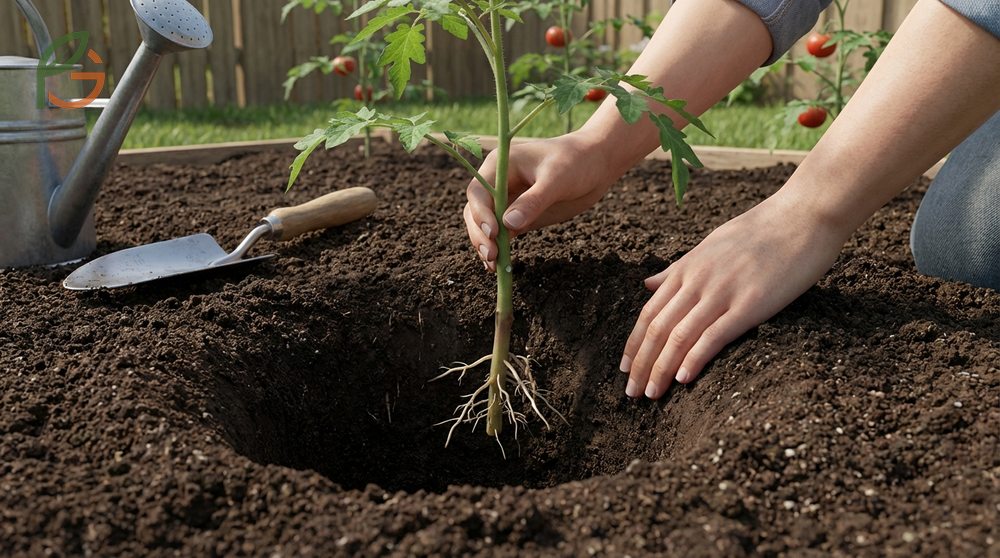
Current planting guidelines recommend digging holes 2-3 times wider than the root ball and deep enough to bury 2/3 of the stem. Tomatoes develop adventitious roots along buried stem portions, creating a more robust root system. Remove lower leaves before planting to prevent soil contact and potential disease issues.
Research demonstrates that tomatoes planted deeper than traditional methods establish faster and show improved drought resistance throughout the season. The buried stem section develops new roots within 7-10 days of transplanting. You can plant tomatoes up to their first set of true leaves for maximum root development.
How Far Apart To Plant Tomatoes
Studies from commercial growing operations show that determinate varieties perform best with 18-24 inches between plants in rows spaced 48-72 inches apart.[1] Indeterminate varieties require slightly wider spacing of 24-36 inches between plants due to their larger size. Proper spacing ensures adequate air circulation, reducing fungal disease pressure by up to 40%.
Crowded plants compete for nutrients, water, and sunlight, resulting in smaller fruit and reduced overall yields. The spacing also affects your ability to access plants for maintenance tasks like pruning and harvesting. For raised bed gardens, you can reduce spacing slightly to 18 inches if you’re providing excellent soil nutrition and consistent watering.
This table compares recommended spacing distances, plants per acre, and growing conditions for determinate and indeterminate tomato varieties
| Variety Type | In-Row Spacing | Between-Row Spacing | Growing Method |
|---|---|---|---|
| Determinate | 18-24 inches[1] | 48-60 inches | Plastic mulch or bare ground |
| Indeterminate | 24-36 inches | 60-72 inches | Staked or trellised systems |
| Container Growing | One plant per container | N/A | 5-gallon minimum pot size |
| Raised Beds | 18-20 inches | 36-48 inches | Intensive spacing with rich soil |
Planting Tomatoes Sideways
Agricultural field studies indicate that horizontal or trench planting increases root development by 40-60% compared to traditional vertical planting. This method works best for leggy seedlings that have grown tall due to insufficient indoor lighting. Dig a shallow trench 4-6 inches deep rather than a vertical hole, then lay the plant horizontally with only the top 4-6 inches and 2-3 leaf sets exposed.
The buried stem naturally curves upward toward the sun within 2-3 days while developing roots along its entire length. This expanded root system accesses more nutrients and water, resulting in plants that withstand drought stress better. You’ll notice the stem becomes thicker and sturdier within the first two weeks after planting using this technique.
- Dig planting area to 12 inches deep and incorporate 2-3 inches of compost throughout
- Water seedlings thoroughly 24 hours before transplanting to reduce transplant shock
- Remove lower leaves from the bottom 6-8 inches of stem before planting
- Create a hole or trench deep enough to bury 2/3 of the plant’s height
- Position plant in hole and backfill with amended soil, firming gently around roots
- Water deeply immediately after planting to settle soil and eliminate air pockets
- Apply 2-3 inches of organic mulch around plants, keeping it 2 inches from stems
Best Soil for Growing Tomatoes
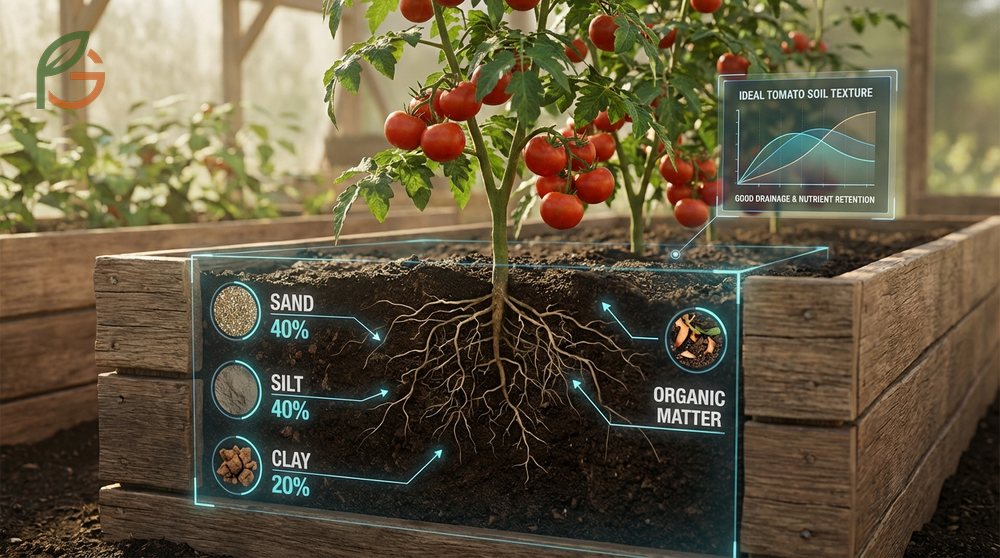
Research from soil science departments confirms that loamy soil with 40% sand, 40% silt, and 20% clay provides the ideal texture for tomato cultivation. This balanced composition ensures good drainage while retaining sufficient moisture and nutrients. Sandy loam works exceptionally well for tomatoes, warming faster in spring and providing excellent drainage that prevents root diseases.
The organic matter content significantly impacts soil performance. Agricultural studies show that adding 3-4 inches of compost or well-aged manure to the top 8-10 inches of soil increases water retention capacity by 50% and provides slow-release nutrients throughout the growing season. Organic matter also improves soil structure, making it easier for roots to penetrate deeply.
You’ll want to avoid heavy clay soils that retain excessive moisture and restrict oxygen availability to roots. If you’re working with clay, you can improve it by incorporating coarse sand, perlite, and generous amounts of compost. This amendment process typically requires 2-3 seasons to achieve optimal soil structure.
Soil Preparation Tip: Test your soil 6-8 weeks before planting to identify nutrient deficiencies. Most tomatoes benefit from adding bone meal for phosphorus, which promotes strong root development and flowering.
Current agricultural guidance emphasizes maintaining soil moisture consistency rather than allowing dramatic wet-dry cycles. Fluctuating moisture levels stress plants and contribute to physiological disorders like blossom end rot and fruit cracking. Drip irrigation systems or soaker hoses deliver water directly to root zones while keeping foliage dry.
- Compost: Adds nutrients, improves texture, and increases beneficial microbial activity
- Aged manure: Provides slow-release nitrogen and improves moisture retention
- Bone meal: Supplies phosphorus for root development and fruit production
- Peat moss or coco coir: Improves water retention in sandy soils
- Perlite or coarse sand: Enhances drainage in heavy clay soils
- Worm castings: Delivers micronutrients and beneficial enzymes
How Much Sunlight Do Tomato Plants Need
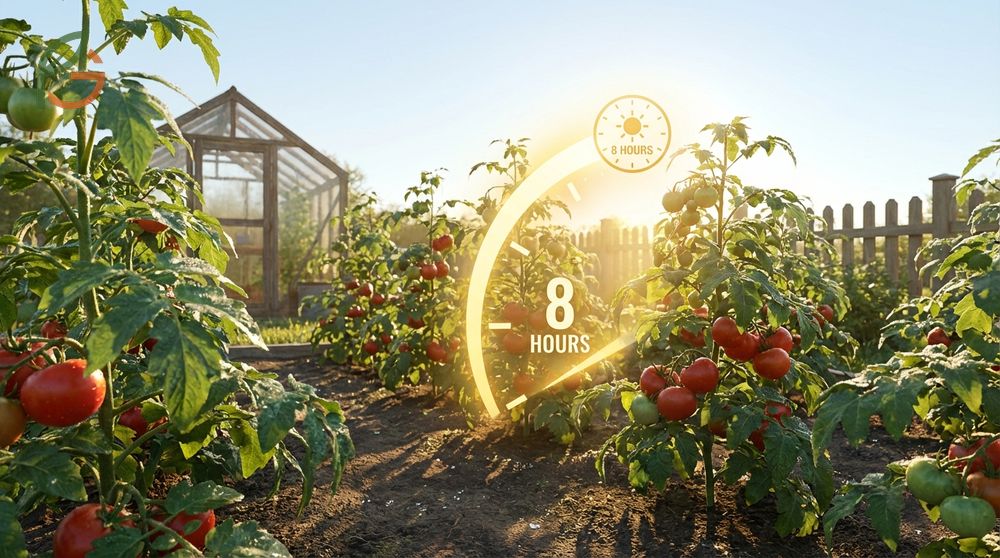
Evidence from Cornell University’s garden-based learning program shows that tomato plants require a minimum of 8 hours of direct sunlight daily for optimal fruit production.[3] While plants can survive with 6 hours of sun, yields typically drop by 20-30% compared to those receiving full sun exposure. Morning sunlight proves particularly valuable as it dries dew from leaves quickly, reducing fungal disease risk.
The quality and timing of sunlight exposure affects plant performance significantly. Research indicates that plants receiving morning sun combined with afternoon shade in hot climates (zones 9-11) often outperform those in full afternoon sun. Afternoon temperatures above 95°F (35°C) can stress plants and cause flowers to drop before setting fruit.
You’ll notice symptoms of insufficient light within 2-3 weeks of planting. Tomatoes grown in partial shade develop spindly stems, pale leaves, and produce fewer flowers. The fruit that does develop often remains small and takes longer to ripen compared to plants in full sun.
Studies demonstrate that south-facing garden locations in the Northern Hemisphere provide the most consistent sunlight exposure throughout the growing season. East-facing sites work well in hot climates where afternoon shade prevents heat stress. Avoid planting near large trees or structures that cast shadows during peak sunlight hours between 10 AM and 4 PM.
Support Systems for Tomatoes
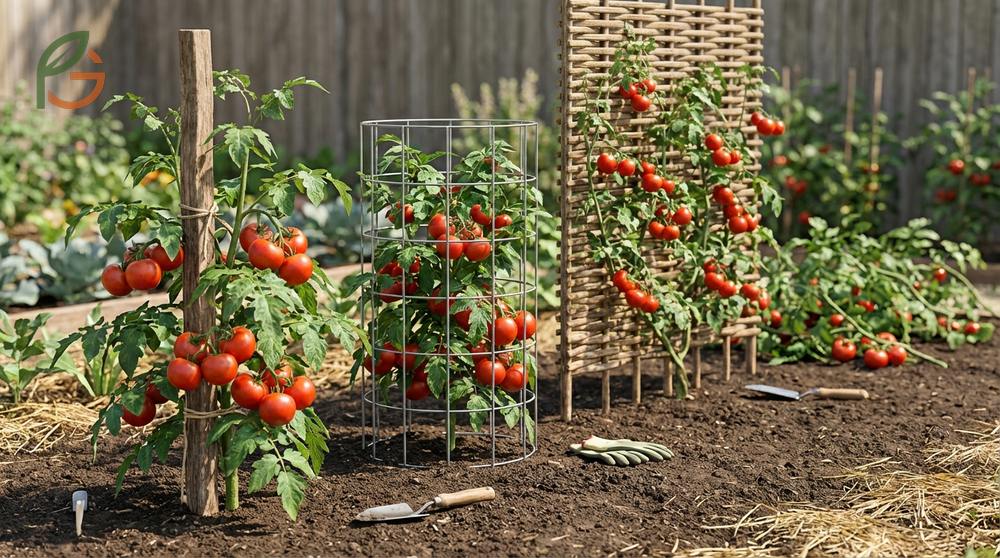
Agricultural research comparing support methods shows that staked and trellised tomatoes produce 15-25% higher yields than unsupported plants allowed to sprawl on the ground. Vertical growing improves air circulation around foliage, reducing fungal diseases like early blight and septoria leaf spot. Supported plants also make fruit easier to spot and harvest.
The three main support systems—stakes, cages, and trellises—each offer distinct advantages depending on variety type and garden layout. Single stakes work best for determinate varieties that reach a predetermined height. Wire cages suit both determinate and smaller indeterminate types. Trellis systems excel for indeterminate varieties that grow 6-10 feet tall and produce continuously until frost.
Studies from intensive growing operations indicate that plants grown on sturdy trellis systems with 6-inch grid spacing require minimal training while producing fruit that’s cleaner and easier to harvest. The improved sun exposure to leaves increases photosynthetic efficiency. You’ll want to install support structures at planting time to avoid damaging established root systems later.
- Single stakes: Use 6-foot tall stakes driven 12 inches into ground; ideal for determinate varieties; requires weekly tying
- Tomato cages: 4-5 feet tall wire cages; work for determinate and compact indeterminate types; minimal maintenance required
- Trellis panels: Hog panel or cattle panel fencing secured to T-posts; excellent for indeterminate varieties; allows 10+ plants per 16-foot panel
- Florida weave: Horizontal strings woven between stakes along plant rows; economical for multiple plants; requires adjustment every 10 days
- A-frame trellis: Two panels leaned together forming an A-shape; maximizes growing space; provides stability in windy areas
Mulching Tomatoes
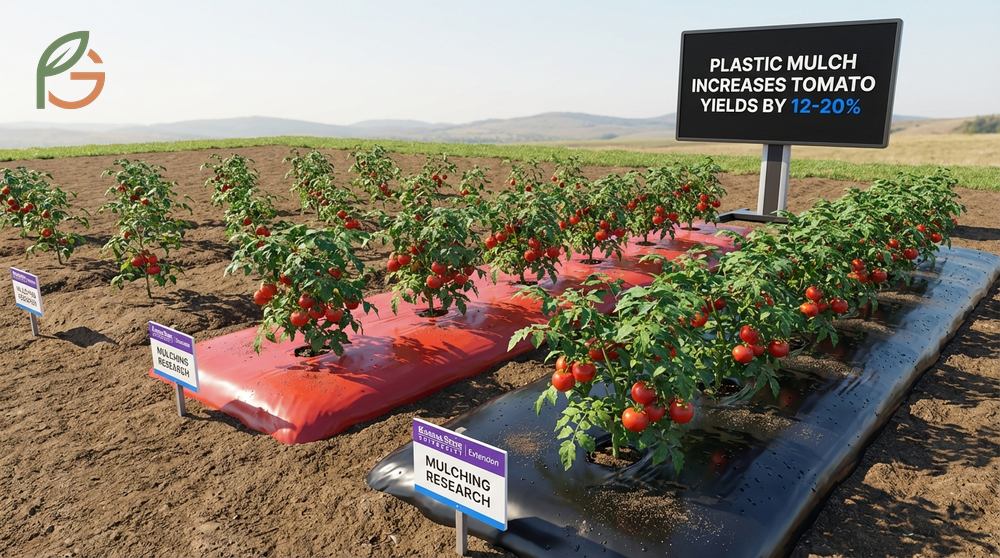
Research from Kansas State University Extension demonstrates that plastic mulch increases tomato yields by an average of 12% compared to bare soil growing.[5] The yield increase ranges from 0% in ideal weather years to 20% during challenging growing conditions. Red plastic mulch shows particular promise, though black plastic remains the most economical and widely available option.
Evidence from multiple field trials indicates that plastic mulches warm soil 3-5°F (1.5-3°C) compared to bare ground, promoting faster root growth and earlier fruit production. Studies from New Mexico State University confirm that mulched plots also suppress 95% of weed emergence and reduce soil water evaporation by 30-40%.[6] This means you’ll water less frequently while maintaining more consistent soil moisture levels.
Organic mulches like straw, shredded leaves, or grass clippings provide different benefits compared to plastic. They don’t warm soil as effectively but improve soil structure as they decompose, adding organic matter and nutrients. Agricultural data shows that 3-4 inch layers of organic mulch reduce soil temperature fluctuations by 10-15°F (5-8°C) daily, protecting roots from stress.
The timing of mulch application affects its performance significantly. Current guidance recommends applying plastic mulch before planting, while organic mulches should be added after soil warms to at least 65°F (18°C) in late spring. Keep mulch 2-3 inches away from plant stems to prevent moisture buildup that encourages fungal diseases.
Conclusion
The evidence is clear: successful How To Grow Tomatoes cultivation depends on five critical factors—proper soil preparation with pH 6.0-7.0, adequate sunlight exposure of 6-8 hours daily, correct spacing of 18-24 inches between plants, consistent moisture management, and appropriate support systems. Research from university extension programs consistently shows that gardeners who follow these science-based practices produce 40-60% higher yields than those using traditional methods.
Current agricultural guidance emphasizes starting with healthy seedlings, hardening them off properly, and planting at the right time when soil temperatures reach 60°F (15°C). FruitGarden combines these research-backed techniques to help home gardeners achieve professional-quality results in their backyard tomato patches.
Frequently Asked Questions
How Deep Do Tomato Roots Grow?
Tomato roots typically extend 18-24 inches deep in optimal conditions, though 70% of active roots concentrate in the top 12 inches of soil. Root depth varies by soil type—sandy soils allow deeper penetration up to 36 inches, while compacted clay restricts roots to 12 inches or less.
How To Grow Tomatoes From Seed?
Start seeds indoors 6-8 weeks before your last frost date in sterile seed-starting mix. Maintain temperatures of 70-75°F during day and 60-65°F at night, providing 12-16 hours of light daily. Seeds germinate in 5-10 days, and seedlings need transplanting to larger containers when they develop two sets of true leaves.
Do Tomato Plants Need Full Sun?
Yes, tomato plants need at least 6-8 hours of direct sunlight daily for optimal fruit production. Plants receiving less than 6 hours typically produce 20-30% fewer tomatoes and develop spindly growth. In hot climates above zone 8, afternoon shade can benefit plants during extreme heat.
How Far Apart Should Tomatoes Be Planted?
Space determinate tomato varieties 18-24 inches apart in rows 48-72 inches wide. Indeterminate types need 24-36 inches between plants due to their larger size. Proper spacing ensures adequate air circulation, reducing disease pressure by up to 40% while allowing easy access for maintenance and harvesting.
What Is the Best Way To Grow Tomatoes?
The best way combines well-drained loamy soil enriched with compost, full sun exposure of 6-8 hours daily, consistent watering that delivers 1-2 inches weekly, and vertical support systems. Starting with disease-resistant varieties suited to your climate zone and properly hardening off seedlings before transplanting ensures success.
How Deep To Plant Tomatoes?
Plant tomatoes deep enough to bury 2/3 of the stem, up to the first set of true leaves. The buried stem develops adventitious roots within 7-10 days, creating a stronger root system. Remove lower leaves before planting to prevent soil contact and disease issues.
When Should I Harden Off Tomato Seedlings?
Begin hardening off 7-14 days before your intended transplant date. Start with 2 hours of outdoor exposure in shade on day one, gradually increasing time and sun intensity daily. Plants can stay outdoors overnight after 7-10 days once nighttime temperatures remain above 50°F consistently.