Are tomatoes good for you? Yes, research shows tomatoes deliver exceptional nutritional value with just 18 calories per 100 grams while providing 28% of your daily vitamin C needs, 22% of vitamin A, and powerful lycopene antioxidants linked to reduced heart disease and cancer risk.[1] Studies demonstrate that both raw and cooked tomatoes offer distinct health advantages, with cooking increasing lycopene availability by up to 171%.[2] FruitGarden synthesizes current nutritional research to help you understand how tomatoes support everything from cardiovascular health to skin protection.
Quick Answer
- One medium tomato contains only 25 calories[1] but delivers 20% daily vitamin C needs
- Lycopene content reaches 7,300 micrograms per cup[2] when tomatoes are cooked versus 4,600 in raw tomatoes
- Higher tomato intake reduces hypertension risk by 36%[3] when consuming more than 110 grams daily
- Men eating the most tomatoes show 11% reduced prostate cancer risk[4] compared to those eating the least
Are Tomatoes Good for You
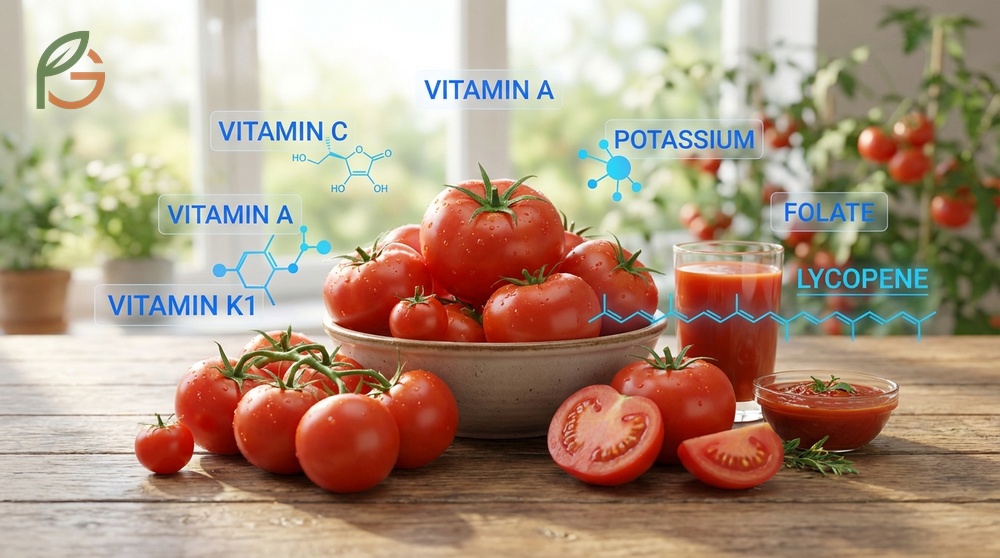
Research across multiple studies confirms tomatoes rank among the most nutrient-dense foods you can eat. They’re packed with vitamins C and A, potassium, folate, and vitamin K1, while containing minimal calories and zero cholesterol.[1] What makes tomatoes particularly valuable isn’t just what they contain, but how these nutrients work together to protect your health.
The standout component in tomatoes is lycopene, a carotenoid that gives them their red color. Studies demonstrate lycopene acts as a powerful antioxidant, scavenging more than 10 times the oxygenated free radicals compared to vitamin E.[5] This compound has been linked to reduced risks of cardiovascular disease, certain cancers, and inflammatory conditions.
Current data indicates eating tomatoes regularly supports multiple body systems simultaneously. Unlike supplements that target single pathways, whole tomatoes deliver synergistic benefits through their complete nutrient profile. The combination of antioxidants, vitamins, and minerals works more effectively than isolated compounds alone.
Nutritional Powerhouse
One medium tomato (148 grams) provides substantial nutrition without adding significant calories to your diet. You’ll get 340 milligrams of potassium (10% of daily needs), along with meaningful amounts of vitamins C, A, and K.[1] These aren’t trivial contributions—they represent real percentages of what your body needs daily.
The vitamin C content in tomatoes supports collagen production, immune function, and iron absorption. Meanwhile, vitamin A (primarily as beta-carotene) maintains eye health and cellular communication. Potassium regulates blood pressure by counteracting sodium’s effects, making tomatoes valuable for cardiovascular health.
Low Calorie, High Nutrients
At just 18 calories per 100 grams, tomatoes deliver exceptional nutrient density.[1] This means you can eat substantial portions without worrying about calorie overload. A whole cup of cherry tomatoes contains roughly 27 calories while providing fiber, vitamins, and protective compounds.
The high water content (about 95%) contributes to satiety without adding calories. Fiber, though modest at 1.2 grams per 100 grams, still supports digestive health and helps stabilize blood sugar responses when tomatoes are part of balanced meals.
Important Note: Tomato products vary significantly in calorie and nutrient content. Fresh tomatoes differ substantially from tomato sauce, paste, or juice. Processed products often contain added sodium, so check labels if you’re monitoring salt intake.
Health Benefits of Tomatoes
Evidence from clinical trials demonstrates tomatoes offer measurable health improvements across multiple conditions. These aren’t theoretical benefits—they’re documented changes in biomarkers, disease incidence, and health outcomes. The effects stem primarily from lycopene and other carotenoids working alongside vitamins and minerals.
A comprehensive analysis of tomato consumption patterns reveals dose-dependent responses. Higher intakes correlate with greater protective effects, though even moderate consumption (one medium tomato daily) provides meaningful benefits. The key is consistency rather than occasional mega-doses.
Heart Protection
A large longitudinal study following elderly adults at high cardiovascular risk found tomato consumption significantly impacts blood pressure. Participants consuming more than 110 grams daily showed a 36% reduced risk of developing hypertension compared to those eating the least.[3] This effect was particularly pronounced in people with grade 1 hypertension.
Research shows lycopene enhances endothelial function—the ability of blood vessels to dilate properly. Studies document increased HDL cholesterol and decreased triglyceride levels among regular tomato consumers.[5] These changes translate to real reductions in cardiovascular event risk.
The potassium content deserves credit too. This mineral helps regulate blood pressure by balancing sodium levels and reducing tension in blood vessel walls. Each medium tomato contributes 340 milligrams toward the recommended 3,500-4,700 milligrams daily intake.[1]
Cancer Prevention
The relationship between tomato consumption and cancer risk, particularly prostate cancer, has been extensively studied. Meta-analyses show men eating the highest amounts of tomatoes have an 11% reduced risk of prostate cancer compared to those consuming the least.[4] Blood lycopene levels correlate even more strongly, with a 17% risk reduction at highest levels.
Animal studies reveal lycopene suppresses cell proliferation, induces cell cycle arrest, and increases apoptosis in cancer cell lines.[5] These mechanisms explain how this compound might prevent cancer development and progression. The effect appears dose-dependent, with each additional milligram of lycopene per day reducing risk by approximately 1%.
Inflammation Reduction
Clinical trials demonstrate tomato juice consumption reduces systemic inflammation markers in specific populations. A study of overweight and obese women found that drinking tomato juice significantly decreased interleukin-6 (IL-6) levels compared to control groups.[6] This matters because chronic inflammation drives conditions like cardiovascular disease and type 2 diabetes.
The anti-inflammatory effects operate through multiple pathways. Lycopene inhibits NF-κB activation and suppresses expression of COX-2, iNOS, TNF-α, IL-1β, and IL-6—all key inflammatory mediators.[5] Vitamin C contributes additional anti-inflammatory action by reducing C-reactive protein levels.
- Decreased IL-6 levels in overweight individuals consuming tomato juice regularly
- Suppressed COX-2 and iNOS expression through lycopene’s action on inflammatory pathways
- Reduced TNF-α and C-reactive protein levels linked to vitamin C content
- Lower systemic oxidative stress through combined antioxidant activities
- Enhanced antioxidant enzyme activities including SOD and catalase
Lycopene Benefits
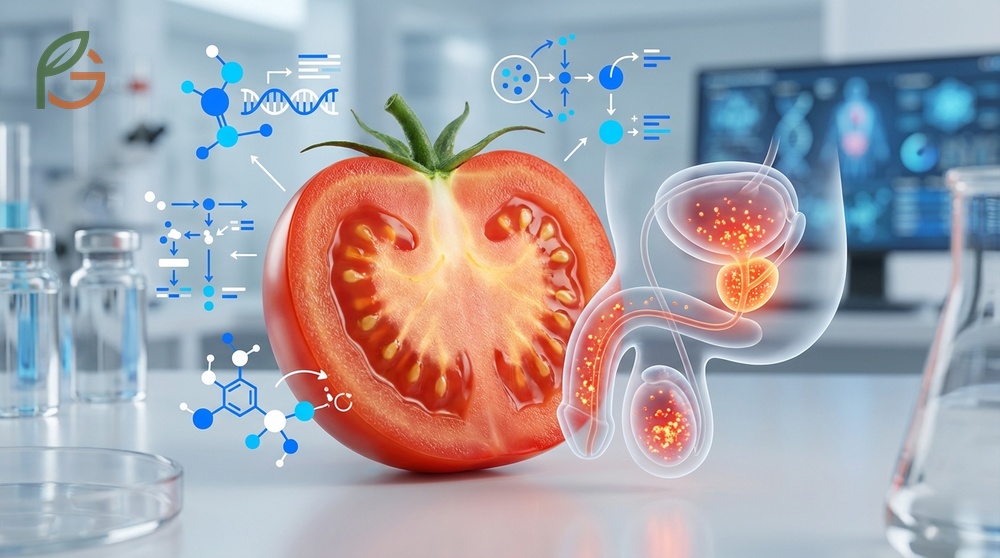
Lycopene stands out as tomatoes’ most researched compound, and for good reason. This carotenoid demonstrates potent antioxidant activity that extends beyond simple free radical scavenging. Studies document lycopene’s effects on gene expression, cellular signaling, and metabolic pathways throughout the body.
What makes lycopene particularly interesting is its selectivity. Unlike broad-spectrum antioxidants, lycopene concentrates in specific tissues including the prostate, testes, adrenal glands, and liver. This targeted distribution explains why certain organs show greater protective effects from tomato consumption.
Antioxidant Power
Research confirms lycopene is the most efficient single oxygen quencher among common carotenoids. It neutralizes singlet oxygen—a highly reactive form that damages cellular components—more effectively than beta-carotene or alpha-tocopherol (vitamin E).[5] This capacity translates to real cellular protection.
The antioxidant effects manifest in measurable ways. Studies show increased superoxide dismutase (SOD) and glutathione peroxidase (GSH-px) activities alongside decreased malondialdehyde (MDA) levels in people consuming lycopene regularly. These biomarkers indicate reduced oxidative damage to lipids, proteins, and DNA.
Absorption Enhancement
Your body absorbs lycopene more efficiently when tomatoes are processed with heat and fat. The cooking process breaks down cell walls, releasing lycopene from the food matrix and converting it to forms your intestines can absorb more readily. Adding olive oil or other fats further enhances absorption since lycopene is fat-soluble.
This explains why tomato sauce, paste, and cooked tomato products often provide more bioavailable lycopene than raw tomatoes despite similar total lycopene content. The processing makes the compound accessible rather than locked within plant cell structures.
This table compares lycopene content and bioavailability across different tomato preparations including raw, cooked, and processed forms
| Preparation Type | Lycopene Content (mcg per cup) | Relative Bioavailability | Best Uses |
|---|---|---|---|
| Raw tomatoes | 4,600[2] | Moderate (baseline) | Salads, fresh eating, vitamin C preservation |
| Cooked tomatoes | 7,300[2] | High (58% increase) | Sauces, soups, stews, pasta dishes |
| Tomato paste (2 tbsp) | 13,800 | Very high | Concentrated flavor, cooking base |
| Tomato sauce (1/2 cup) | 18,000 | Very high | Pizza, pasta, casseroles |
| Tomato juice (1 cup) | 22,000 | High | Beverages, quick lycopene boost |
Cooked vs Raw Tomatoes
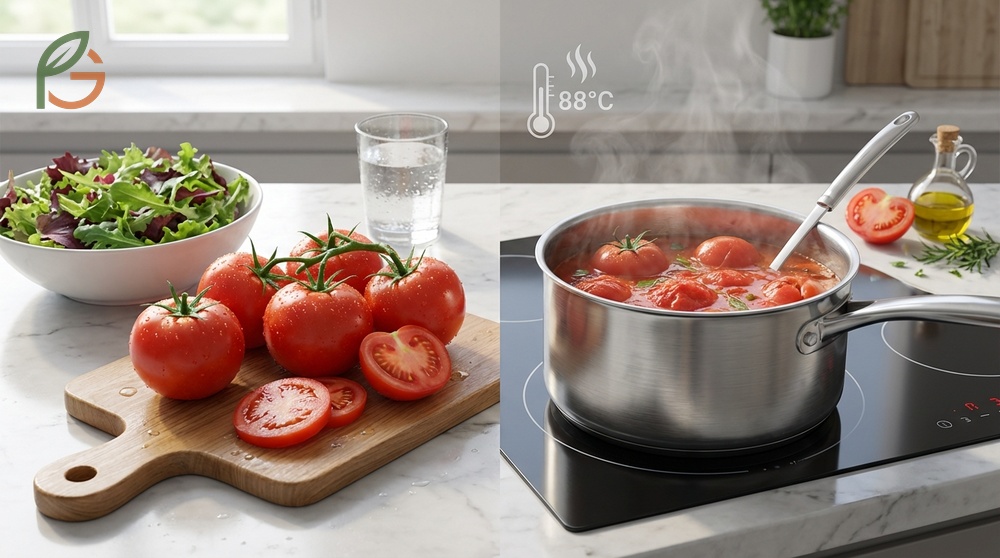
The debate over raw versus cooked tomatoes isn’t straightforward because each preparation offers distinct advantages. Raw tomatoes preserve heat-sensitive nutrients like vitamin C, while cooking dramatically increases lycopene bioavailability. Your choice should depend on your specific nutritional goals.
Research from Cornell University found that cooking tomatoes at 88°C (190°F) for two minutes increased beneficial trans-lycopene content by 54%.[2] Cooking for 15 and 30 minutes raised it by 171% and 164% respectively. Meanwhile, cis-lycopene (the most bioavailable form) increased by 6%, 17%, and 35% across the same time intervals.
The heat breaks down cell walls and converts lycopene to forms your body absorbs more efficiently. Tufts University nutrition researchers note that one cup of cooked tomatoes contains about 7,300 micrograms of lycopene compared to 4,600 in raw tomatoes of the same volume.[2] The concentration increases as water evaporates during cooking.
However, raw tomatoes aren’t without advantages. They retain full vitamin C content (about 14 milligrams per 100 grams), which partially degrades during cooking. Fresh tomatoes also provide enzymes and certain volatile compounds that cooking destroys. The crisp texture and bright flavor of raw tomatoes make them more appealing in certain dishes.
- Raw tomatoes maximize vitamin C intake, providing up to 28% of daily needs per 100 grams
- Cooked tomatoes deliver 171% more lycopene after 15 minutes of heating at 88°C (190°F)
- Fresh tomatoes preserve natural enzymes and volatile flavor compounds lost during cooking
- Tomato sauce and paste concentrate nutrients while enhancing lycopene absorption
- Combining raw and cooked tomatoes in your diet captures benefits from both preparations
- Adding olive oil to cooked tomatoes further increases lycopene bioavailability by 2-3 times
Practical Tip: Don’t choose between raw and cooked tomatoes—include both in your diet. Use raw tomatoes in salads and sandwiches for vitamin C, and incorporate tomato sauce, soup, or roasted tomatoes for maximum lycopene absorption. This approach delivers the full spectrum of tomato nutrition.
Tomatoes for Skin Health
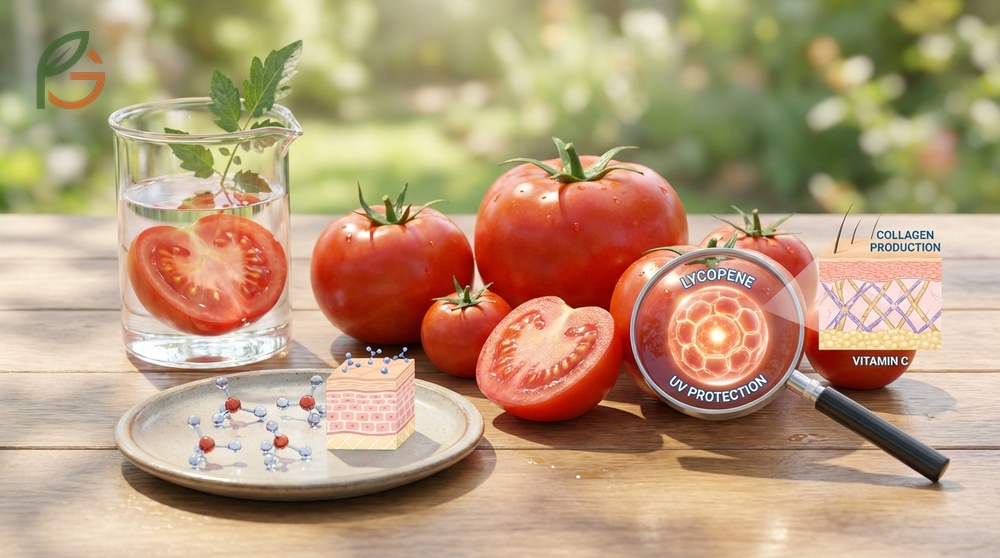
Tomatoes support skin health through three primary mechanisms: collagen production, UV protection, and antioxidant defense. The vitamin C content stimulates collagen synthesis, helping maintain skin firmness and elasticity. Studies show regular vitamin C intake reduces fine lines and improves overall skin texture.
Lycopene provides documented protection against UV damage. Research indicates this carotenoid accumulates in skin tissue where it scavenges free radicals generated by sun exposure. While it doesn’t replace sunscreen, lycopene offers complementary protection that reduces redness and long-term photodamage.
The vitamin A content (as beta-carotene) promotes skin cell turnover and repair. This nutrient helps maintain healthy skin barrier function and supports the healing process when skin is damaged. Combined with vitamin K, tomatoes contribute to reducing dark circles and promoting even skin tone.
What often gets overlooked is that consuming tomatoes works better than topical application for these benefits. While tomato-based skincare products exist, eating whole tomatoes or tomato products ensures these nutrients reach skin cells through your bloodstream. The effects accumulate over weeks and months of consistent intake.
Tomatoes for Men’s Health
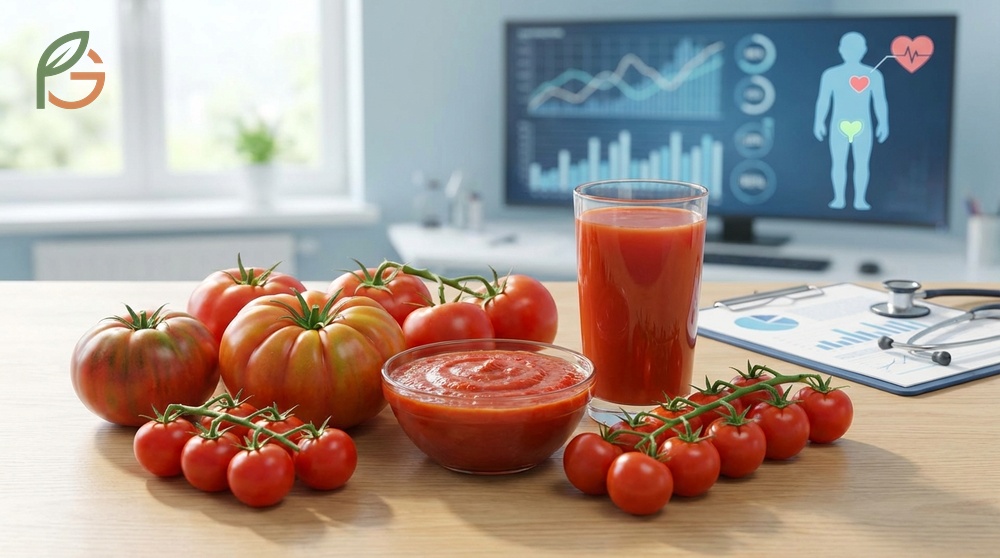
The connection between tomatoes and men’s health centers primarily on prostate cancer prevention, though benefits extend to fertility and cardiovascular protection. Large-scale studies consistently show inverse relationships between tomato consumption and prostate cancer incidence.
A comprehensive review presented to the American Institute for Cancer Research found that men consuming the highest amounts of tomatoes had a 10% lower risk of developing prostate cancer than those eating the least.[4] When looking at lycopene from all sources, the risk reduction increased to 11%, with blood lycopene levels showing a 17% reduction.
The dose-response relationship matters here. Each additional milligram of lycopene consumed daily reduced prostate cancer risk by approximately 1%. Since an average tomato contains about 3 milligrams of lycopene, eating two to three tomatoes daily could provide meaningful protection. Tomato sauce and paste deliver even higher concentrations.
Research also documents lycopene’s role in male fertility. Studies show it decreases lipid peroxidation and DNA fragmentation in sperm while enhancing overall sperm quality.[5] Men supplementing with lycopene showed reduced oxidative stress markers and improved sperm parameters compared to controls.
- 11% reduced prostate cancer risk among men with highest lycopene intake from food sources
- 17% lower risk when blood lycopene levels reach optimal ranges through consistent consumption
- Each additional 1mg daily lycopene decreases prostate cancer risk by approximately 1%
- Improved sperm quality and motility through reduced oxidative damage to DNA
- Decreased cardiovascular disease risk particularly relevant given men’s higher baseline rates
Are Tomatoes Good for Your Kidneys
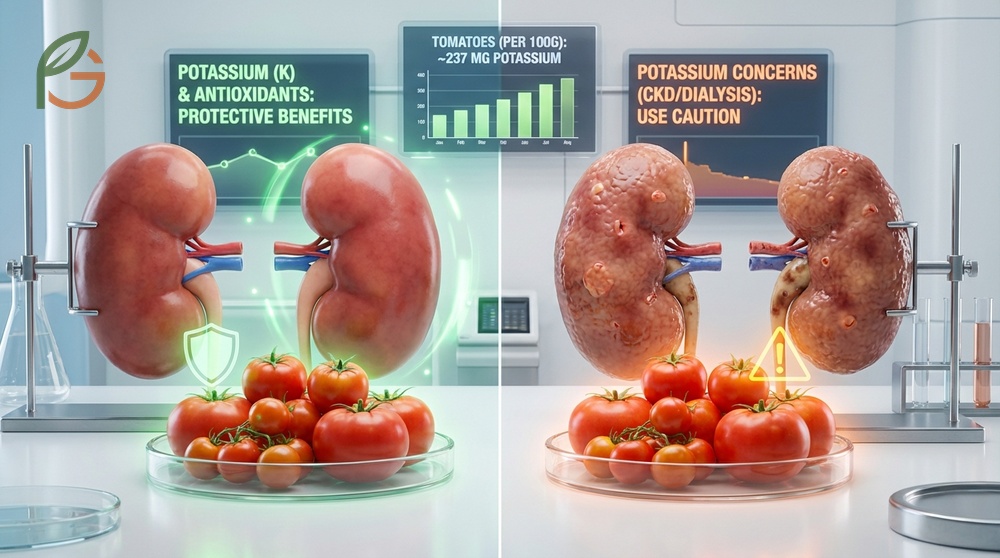
The relationship between tomatoes and kidney health depends entirely on your kidney function status. For people with healthy kidneys, tomatoes offer protective benefits through their potassium content and antioxidants. However, those with chronic kidney disease (CKD) or on dialysis need to approach tomatoes more carefully due to potassium concerns.
Tomatoes contain about 237 milligrams of potassium per 100 grams.[1] When your kidneys function normally, this mineral helps reduce kidney stone risk and supports healthy blood pressure. Studies show adequate potassium intake decreases calcium excretion through urine, which protects against stone formation.
The situation changes with impaired kidney function. Damaged kidneys struggle to remove excess potassium from blood, potentially leading to dangerous hyperkalemia (high blood potassium). According to the National Kidney Foundation, people on standard hemodialysis three times weekly need to monitor tomato portions carefully.[7] One or two slices of raw tomato contains less potassium than a cup of cooked tomatoes or tomato sauce.
Interestingly, people on daily home hemodialysis or peritoneal dialysis may actually need more potassium-rich foods because these dialysis types remove more potassium. In these cases, tomatoes can help meet increased potassium needs without requiring supplements. The key is working with your healthcare team to determine appropriate amounts based on your specific dialysis schedule and lab values.
Important for CKD Patients: If you have chronic kidney disease, don’t eliminate tomatoes without professional guidance. The portion size and preparation method matter significantly. Fresh tomato slices contain far less potassium than concentrated tomato sauce or paste. Your renal dietitian can help you include tomatoes safely within your potassium limits.
Conclusion
The evidence is clear: are tomatoes good for you? Absolutely, when consumed as part of a balanced diet. Research demonstrates measurable benefits for cardiovascular health, cancer prevention, inflammation reduction, and more. The combination of lycopene, vitamins C and A, potassium, and other compounds delivers synergistic effects that isolated supplements can’t match.
Current nutritional guidance emphasizes whole food sources over supplements whenever possible, and tomatoes exemplify why this approach works. Whether you prefer them raw in salads, cooked in sauces, or as juice, you’re getting valuable nutrition with minimal calories. FruitGarden encourages you to experiment with both fresh and cooked preparations to capture the full spectrum of tomato nutrition—vitamin C from raw tomatoes and enhanced lycopene from cooked ones.
Medical Disclaimer
Important Medical Disclaimer: This content is for informational and educational purposes only. It’s not intended as a substitute for professional medical advice, diagnosis, or treatment. Always consult a qualified healthcare professional before making any changes to your diet, medication, or health routine, especially if you have chronic conditions like kidney disease, diabetes, or cardiovascular disease. Individual nutritional needs vary based on age, health status, medications, and other factors that only your healthcare provider can properly assess.
Frequently Asked Questions
How many tomatoes should I eat per day?
Most studies showing health benefits used portions ranging from one medium tomato to 110 grams daily (roughly one large tomato or 1/2 cup sauce). There’s no strict upper limit for healthy individuals, but consuming two to three medium tomatoes or equivalent tomato products daily appears optimal for cardiovascular and cancer-preventive benefits. Focus on variety and include both raw and cooked preparations to maximize nutrient intake.
Are tomatoes better cooked or raw for nutrition?
Both preparations offer distinct advantages. Cooked tomatoes provide up to 171% more bioavailable lycopene, making them superior for antioxidant and cancer-preventive effects. Raw tomatoes preserve vitamin C content and natural enzymes that cooking destroys. The best approach combines both—use raw tomatoes in salads for vitamin C, and incorporate tomato sauce or roasted tomatoes for maximum lycopene absorption.
Can I eat tomatoes if I have kidney disease?
It depends on your kidney function level and dialysis type. People with healthy kidneys benefit from tomato’s potassium content, but those with chronic kidney disease need to monitor portions due to potassium restrictions. One or two thin slices of raw tomato contain far less potassium than a cup of tomato sauce. Consult your renal dietitian to determine safe amounts based on your specific lab values and treatment plan.
Do tomatoes really prevent prostate cancer?
Research shows an association, not guaranteed prevention. Men consuming the most tomatoes have an 11% reduced prostate cancer risk compared to those eating the least, with each additional milligram of daily lycopene reducing risk by approximately 1%. While these effects are statistically significant across large populations, tomatoes work best as part of an overall healthy lifestyle including varied fruits, vegetables, and regular medical screenings.
What’s the best way to absorb lycopene from tomatoes?
Cook tomatoes with a source of healthy fat like olive oil. Heating breaks down cell walls and converts lycopene to more bioavailable forms, while fat enhances intestinal absorption since lycopene is fat-soluble. Tomato sauce cooked with olive oil delivers 2-3 times more absorbable lycopene than raw tomatoes eaten alone. Cooking for 15-30 minutes at moderate heat maximizes lycopene extraction.
Are canned tomatoes as healthy as fresh ones?
Yes, and sometimes more so for lycopene content. The canning process involves heat, which increases lycopene bioavailability similar to cooking fresh tomatoes. Canned tomatoes often contain higher lycopene levels per serving than raw fresh tomatoes. The main concern is added sodium in some canned products—look for “no salt added” varieties if you’re monitoring sodium intake. Nutritionally, canned tomatoes are a convenient, affordable option.
Can tomatoes help with weight loss?
Tomatoes support weight management through low calorie density (just 18 calories per 100 grams) and high water content (95%). They provide volume and nutrients without adding significant calories, helping you feel satisfied on fewer total calories. Studies show lycopene may improve glucose and lipid metabolism while reducing body weight gain, though these effects are modest. Tomatoes work best as part of an overall calorie-controlled, nutrient-dense diet rather than as a standalone weight loss solution.