
Can rabbits eat strawberries? Yes, rabbits can safely eat strawberries in small amounts as an occasional treat. Research shows strawberries are non-toxic but contain high sugar levels that require careful portion control[1]. FruitGarden synthesizes current veterinary research to help pet owners make informed decisions about feeding fruits to rabbits, guinea pigs, and hamsters.
Quick Answer
- Rabbits can eat strawberries but only 1-2 times per week in small portions[2]
- One medium strawberry contains 7.4g sugar and 49 calories[3]
- Safe portion: 1-inch cube maximum per serving for adult rabbits[2]
- Guinea pigs need strawberries for vitamin C (58.8mg per 100g)[4] but hamsters should receive minimal amounts
Can Rabbits Eat Strawberries
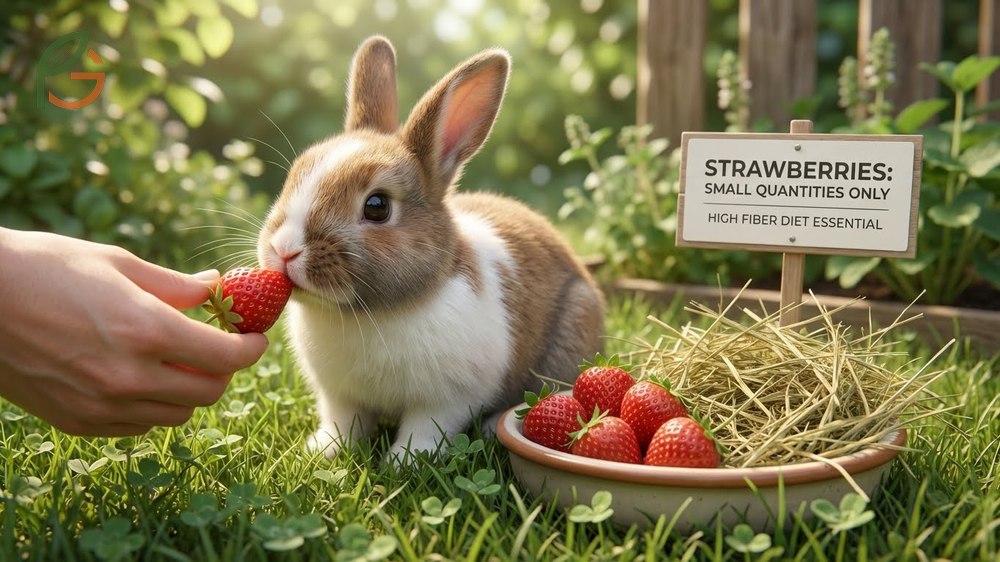
Veterinary research confirms strawberries are non-toxic for rabbits when fed in appropriate quantities. Studies show the primary concern isn’t toxicity but rather the high natural sugar content that can disrupt digestive balance[1]. The Merck Veterinary Manual emphasizes rabbits require 15% minimum crude fiber in their diet to maintain proper intestinal motility[5].
Strawberries contain approximately 90% water and provide vitamin C and manganese[1]. However, rabbits produce their own vitamin C from glucose, making this nutrient unnecessary through dietary sources. The 4.9g sugar per 100g creates greater risk than benefit for most rabbits[4].
Current veterinary guidance recommends treating strawberries as occasional rewards rather than regular diet components. Most rabbit nutrition experts suggest limiting all fruit treats to prevent weight gain, dental disease, and gastrointestinal complications.
Nutritional Content
One medium strawberry (approximately 18g) delivers specific nutritional values relevant to rabbit health. The fruit provides 2g fiber, 59mg vitamin C, and 0.39mg manganese per 100g serving[3]. Despite these nutrients, the 7.4g sugar content per medium berry outweighs benefits for rabbits.
The carbohydrate profile consists primarily of simple sugars including fructose and glucose. Strawberries contain minimal protein (1g per 100g) and virtually no fat (0.5g per 100g)[3]. The low calcium content (16mg per 100g) makes strawberries safer than high-calcium fruits that contribute to urinary issues.
This table compares key nutritional values in strawberries per 100g serving including calories, sugar, fiber, and essential vitamins relevant to small pet diets
| Nutrient | Amount | Relevance for Rabbits |
|---|---|---|
| Calories | 32 kcal[6] | Low calorie density |
| Sugar | 4.9g[4] | High—primary concern |
| Fiber | 2g[6] | Moderate benefit |
| Vitamin C | 58.8mg[4] | Unnecessary (rabbits synthesize) |
| Water Content | 90%[1] | Hydrating but not essential |
Safe Serving Sizes
Veterinary organizations recommend limiting fruit treats to 1-inch cube portions for adult rabbits weighing 4-6 pounds[2]. This translates to approximately one small strawberry or half of a medium berry per serving. Frequency should not exceed 1-2 times weekly to maintain digestive health.
Dwarf rabbit breeds require smaller portions—roughly half the amount given to standard-sized rabbits. Always introduce strawberries gradually, starting with a single small piece to monitor for digestive upset or diarrhea. Remove any uneaten fruit within 2-3 hours to prevent bacterial growth.
- Small rabbits (2-3 lbs): Quarter of a medium strawberry, once weekly maximum
- Medium rabbits (4-6 lbs): Half to one small strawberry, 1-2 times per week
- Large rabbits (7-10 lbs): One medium strawberry, twice weekly maximum
- Giant breeds (11+ lbs): One large strawberry, twice weekly with close monitoring
- Baby rabbits (under 12 weeks): No fruit treats—focus on hay and pellets only
Important Feeding Note: Never replace hay or leafy greens with fruit treats. Strawberries should comprise less than 5% of weekly food intake. Always wash strawberries thoroughly to remove pesticides before serving.
Potential Risks
Excessive strawberry consumption leads to several documented health problems in rabbits. Weight gain occurs rapidly when sugary treats exceed recommended portions, increasing arthritis risk and reducing mobility[1]. Obesity in rabbits also elevates the danger of flystrike, a potentially fatal condition.
Gastrointestinal stasis represents the most serious complication from dietary imbalances. This condition occurs when the digestive tract slows or stops functioning, often triggered by high-sugar foods disrupting gut bacteria. Research indicates rabbits need 20-25% minimum dietary fiber to prevent enteritis and maintain gut motility[7].
Dental disease develops from frequent sugar exposure, causing tooth decay and malocclusion. Symptoms include difficulty eating, drooling, and weight loss. Current data shows fruit-heavy diets correlate with increased veterinary visits for dental procedures.
Can Guinea Pigs Eat Strawberries
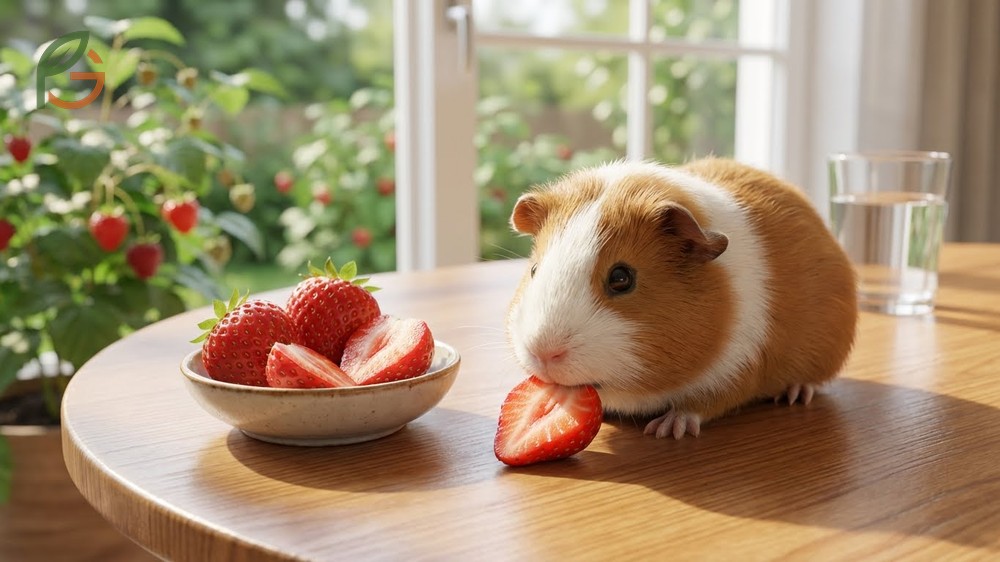
Guinea pigs can safely eat strawberries and benefit more than rabbits from this fruit. Unlike rabbits, guinea pigs cannot synthesize vitamin C and must obtain it through diet[4]. Strawberries provide 58.8mg vitamin C per 100g—roughly six times more than blueberries.
Veterinary guidance recommends offering strawberries to guinea pigs 2-3 times weekly in small portions. One quarter of a large strawberry or one small whole berry provides adequate vitamin C without excessive sugar. The 5% sugar content remains lower than many alternative fruits like grapes or bananas[4].
Vitamin C Benefits
Guinea pigs require 10-50mg vitamin C daily to prevent scurvy, a potentially fatal deficiency disease. Strawberries deliver this essential nutrient alongside beneficial antioxidants including anthocyanin and quercetin. These plant compounds support cardiovascular health and reduce inflammation in guinea pig tissues.
Fresh strawberries maintain higher vitamin C levels than frozen or canned varieties. Vitamin C degrades rapidly when exposed to heat or prolonged storage. Serve strawberries within 24 hours of cutting to maximize nutritional value.
Serving Frequency
Feed guinea pigs strawberries as part of a varied fruit rotation rather than daily. Alternate with other vitamin C sources like bell peppers, kale, and parsley to provide balanced nutrition. Limit total fruit intake to prevent diarrhea and weight gain.
- Adult guinea pigs: Quarter of large strawberry, 2-3 times weekly
- Baby guinea pigs (under 6 months): Small bite-sized piece, once weekly
- Pregnant guinea pigs: Half of medium strawberry, 3 times weekly for increased vitamin C
- Always remove stems and wash thoroughly before serving
- Monitor for soft stools—reduce portion if diarrhea occurs
Vitamin C Warning: Don’t rely solely on strawberries for vitamin C needs. Guinea pigs need consistent daily vitamin C from multiple sources including fortified pellets and leafy greens.
Can Hamsters Eat Strawberries
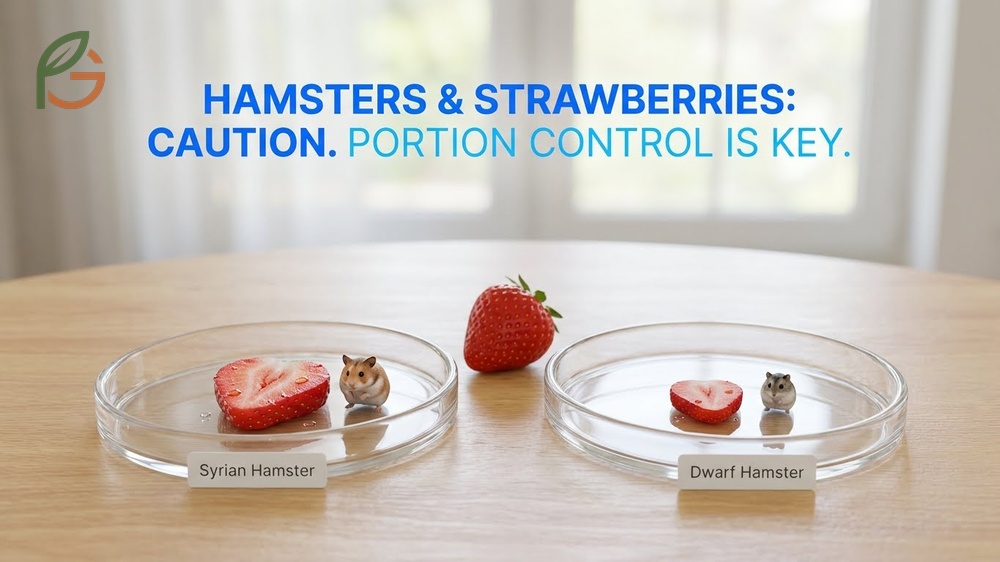
Hamsters can eat strawberries but require more restrictive portions than rabbits or guinea pigs. Research shows dwarf hamster species are particularly prone to diabetes, making high-sugar fruits especially risky[8]. Syrian hamsters tolerate small amounts better than dwarf varieties.
Safe serving size for Syrian hamsters equals approximately one small strawberry slice (thumbnail-sized) once weekly maximum. Dwarf hamsters should receive half that amount or avoid strawberries entirely. The high acidity can cause digestive upset, while sticky fruit residue may adhere to cheek pouches and trigger infections[8].
Always introduce strawberries gradually and observe for 24 hours. Signs of intolerance include diarrhea, reduced activity, or visible cheek pouch swelling. Remove strawberry treats immediately if symptoms appear. Veterinary data indicates safer alternatives include small amounts of cucumber, carrot, or broccoli.
| Pet Type | Safe Portion | Frequency | Primary Concern |
|---|---|---|---|
| Rabbits | 1-inch cube (1 small berry) | 1-2 times weekly | High sugar/digestive upset |
| Guinea Pigs | ¼ large berry | 2-3 times weekly | Moderate—vitamin C benefit |
| Syrian Hamsters | Thumbnail-sized slice | Once weekly maximum | Diabetes risk/cheek pouch infection |
| Dwarf Hamsters | Half thumbnail slice | Occasional only | High diabetes susceptibility |
Strawberry Leaves for Rabbits
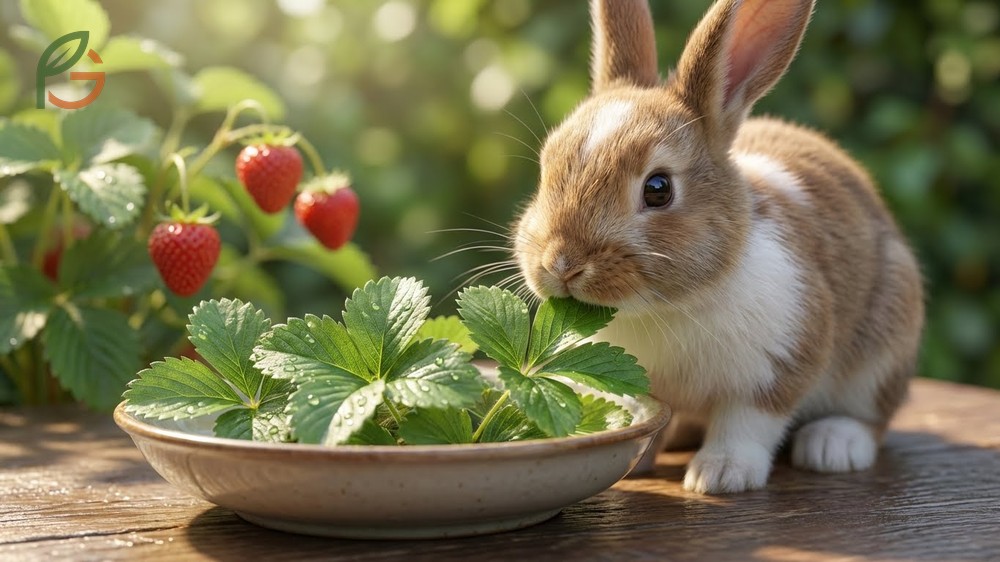
Strawberry leaves offer a safer alternative to the fruit itself for rabbit diets. The leaves contain minimal sugar while providing beneficial fiber and trace minerals. Veterinary sources confirm strawberry foliage is non-toxic and can be offered more frequently than berries without digestive concerns.
Fresh strawberry leaves from pesticide-free plants make excellent occasional treats. Rinse leaves thoroughly before serving and introduce gradually to prevent stomach upset. Many rabbits enjoy the texture and taste of strawberry foliage as part of their daily vegetable rotation.
Dried strawberry leaves can be mixed with hay or offered separately. Studies indicate the leaves contain polyphenols and tannins that may support digestive health. However, leaves should supplement—not replace—primary leafy greens like romaine lettuce, cilantro, and basil.
- Lower sugar content than berries makes leaves safer for frequent feeding
- Serve 2-3 fresh leaves daily as part of vegetable variety
- Ensure leaves come from organic, pesticide-free sources
- Dried leaves retain nutritional value for several months when stored properly
- Rabbits can eat both wild and cultivated strawberry plant leaves safely
Rabbit Digestive Health
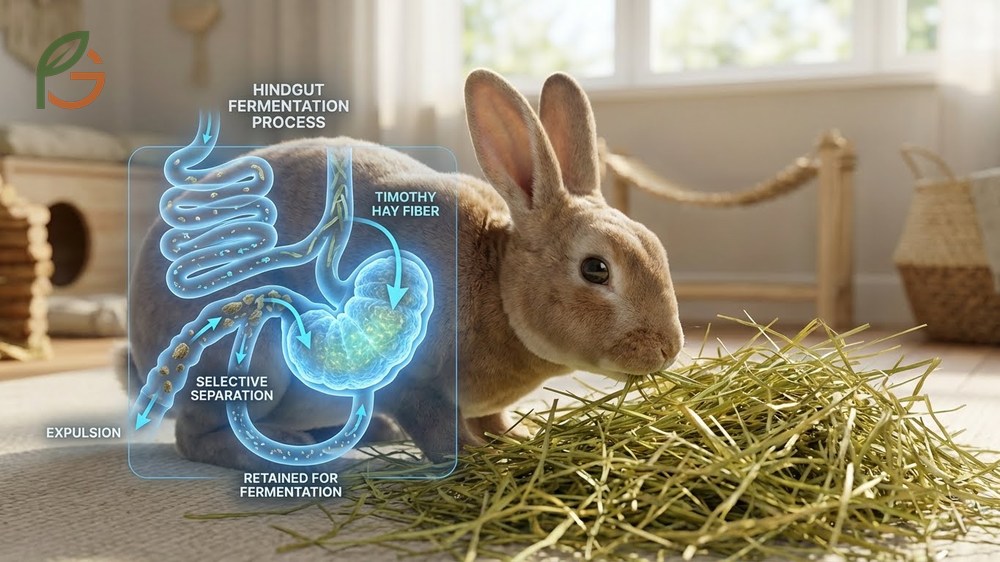
Rabbit digestive systems require careful dietary management to maintain optimal function. The hindgut fermentation process depends on consistent fiber intake, with timothy hay providing the foundation for healthy digestion[5]. Research indicates rabbits need 30-35% fiber from hay consumed ad libitum throughout the day.
The selective separation mechanism in rabbit intestines rapidly expels large particles while retaining smaller ones for extended fermentation. This unique process requires minimum 18% lignocellulose (ADF) and 5% lignins in the diet to prevent digestive disorders[9]. Strawberries and other fruits don’t contribute meaningful amounts of these critical fiber types.
Gastrointestinal stasis develops when rabbits consume excessive simple sugars that disrupt cecal bacteria balance. Symptoms include reduced appetite, small or absent fecal pellets, and lethargy. Current veterinary protocols emphasize prevention through high-fiber diets rather than treating established cases. Emergency treatment often requires fluid therapy, pain management, and force-feeding.
- Unlimited timothy hay: Provides 30-35% fiber and supports continuous gut motility
- Limited pellets: ¼ cup daily for adult rabbits, high-fiber formulation preferred
- Fresh vegetables: 2-3 cups daily, emphasizing leafy greens over starchy options
- Clean water: Always available, changed daily to prevent bacterial growth
- Minimal fruits: Less than 5% of total diet, reserved for occasional treats only
Fruits Rabbits Can Eat Daily
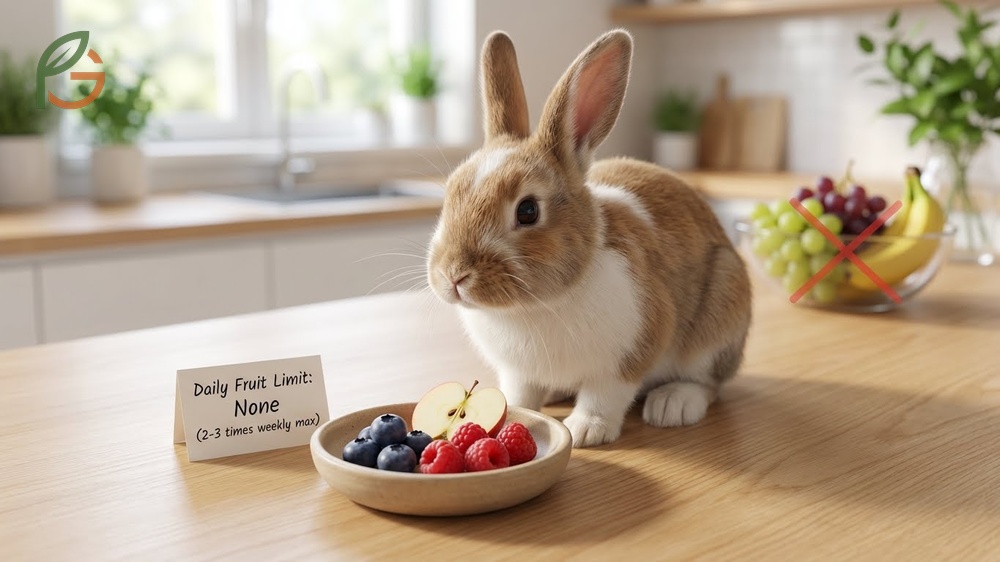
Veterinary consensus indicates no fruits should be fed to rabbits daily due to sugar content concerns. However, certain fruits pose lower risks than others when rotation schedules maintain variety. Blueberries, raspberries, and small apple pieces (seeds removed) offer better options than high-sugar alternatives like grapes, bananas, or dried fruits.
A safe fruit-feeding protocol involves offering tiny portions 2-3 times weekly maximum, rotating between approved options. This approach prevents digestive adaptation to specific sugar types while maintaining treat motivation for training. Most rabbit nutrition experts recommend keeping total weekly fruit intake under 2 tablespoons for average-sized rabbits.
Vegetables like cucumber, bell peppers, and celery provide safer daily treat alternatives. These low-sugar options deliver hydration and nutrients without digestive risks. The misconception that rabbits need daily fruit stems from confusing pet rabbit care with wild rabbit foraging behavior—wild rabbits consume fruit rarely and in tiny amounts.
- Blueberries: 1-2 berries twice weekly, high in antioxidants with moderate sugar
- Raspberries: 2-3 berries twice weekly, lower sugar than strawberries
- Apple slices: ½-inch cube twice weekly, always remove seeds and core
- Blackberries: 1-2 berries weekly, good fiber but watch for staining
- Melon pieces: Small cube once weekly, high water content but also high sugar
- Pear slices: ½-inch cube weekly maximum, remove seeds before serving
Daily Feeding Tip: Replace fruit treats with herbs like mint, basil, or cilantro for daily variety. These provide flavor enrichment without sugar-related health risks and support dental wear through chewing.
Conclusion
The evidence is clear: can rabbits eat strawberries safely when owners follow strict portion controls and frequency limits. Research demonstrates strawberries are non-toxic but pose digestive and obesity risks when overfed. Guinea pigs benefit more from strawberry vitamin C content, while hamsters should receive minimal amounts due to diabetes susceptibility.
Current veterinary guidance emphasizes hay-based diets with vegetables forming the secondary nutrition source. FruitGarden recommends treating all fruits as occasional rewards rather than dietary staples. Successful small pet nutrition balances natural feeding behaviors with domesticated health requirements, prioritizing digestive function over treat preferences.
Medical Disclaimer
Important Veterinary Disclaimer: This content is for informational and educational purposes only. It is not intended as a substitute for professional veterinary advice, diagnosis, or treatment. Always consult a qualified veterinarian before making any changes to your pet’s diet, especially if your rabbit, guinea pig, or hamster has existing health conditions, digestive sensitivities, or special dietary needs. Individual animals may react differently to new foods.
Frequently Asked Questions
How many strawberries can a rabbit eat per day?
Rabbits should not eat strawberries daily. Veterinary guidelines recommend one small strawberry or a 1-inch cube maximum, served only 1-2 times per week to prevent digestive upset and weight gain from excessive sugar intake.
Can baby rabbits eat strawberries?
No, baby rabbits under 12 weeks should not receive any fruit treats including strawberries. Young rabbits need exclusive hay and pellet diets to establish healthy gut bacteria. Introduce fruits only after 12 weeks of age, starting with tiny portions.
Are strawberry tops and leaves safe for rabbits?
Yes, strawberry tops and leaves are safe and healthier than the fruit itself. The foliage contains minimal sugar while providing beneficial fiber. Offer 2-3 fresh leaves daily from pesticide-free sources as part of vegetable variety.
Can guinea pigs eat strawberries every day?
Guinea pigs should not eat strawberries daily despite needing vitamin C. Feed strawberries 2-3 times weekly in small portions (quarter of a large berry) and rotate with other vitamin C sources like bell peppers and kale to prevent diarrhea.
What happens if my rabbit eats too many strawberries?
Excessive strawberry consumption can cause diarrhea, gastrointestinal stasis, and rapid weight gain in rabbits. Monitor for reduced appetite, small fecal pellets, or lethargy. Contact your veterinarian immediately if symptoms appear, as GI stasis requires emergency treatment.
Can dwarf hamsters eat strawberries safely?
Dwarf hamsters are highly susceptible to diabetes and should avoid strawberries or receive only tiny amounts (half thumbnail-sized) very occasionally. Syrian hamsters tolerate strawberries better but still need strict portion control—one thumbnail slice weekly maximum.
Should I wash strawberries before feeding them to my rabbit?
Always wash strawberries thoroughly under running water before feeding to any small pet. This removes pesticide residues, dirt, and potential bacteria. Choose organic strawberries when possible to minimize chemical exposure, especially for sensitive digestive systems.





