
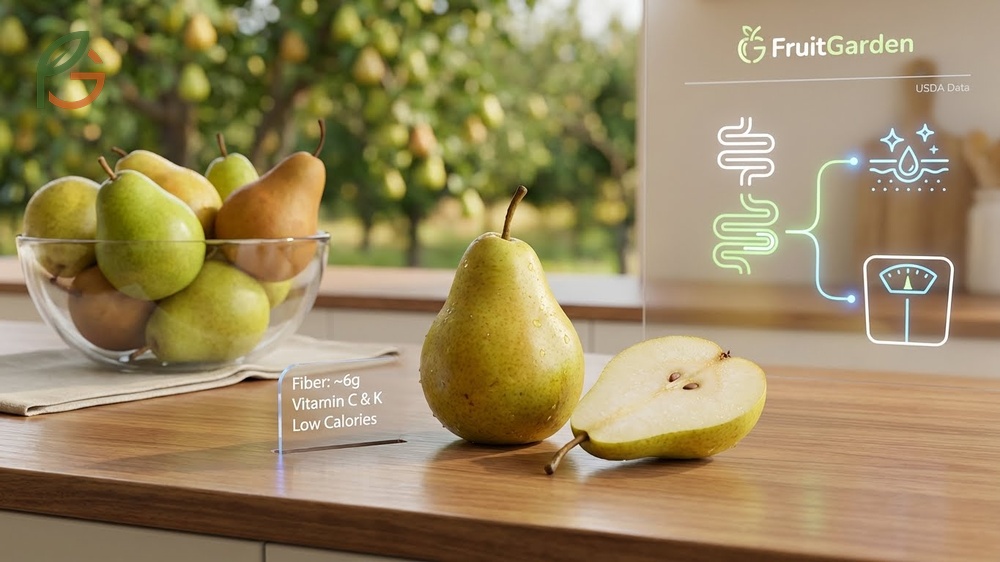
Are pears good for you? Yes, pears are nutrient-dense fruits that support digestive health, weight management, and skin quality through their high fiber, vitamin, and antioxidant content. Research shows that one medium pear delivers nearly 6 grams of dietary fiber while providing essential vitamins C and K with minimal calories. FruitGarden synthesizes current nutritional research and USDA data to help home gardeners and health-conscious readers understand which fruits deliver the most benefits for daily consumption.
Quick Answer
- One medium pear contains 101 calories[1] and 6g fiber[1] (24% daily value)
- Pears provide 12% daily vitamin C[1] and powerful antioxidants that fight cellular damage
- The pectin fiber in pears promotes gut health and helps relieve constipation naturally
- Studies demonstrate that regular pear consumption supports heart health by reducing cholesterol levels[3]
Are Pears Good for You
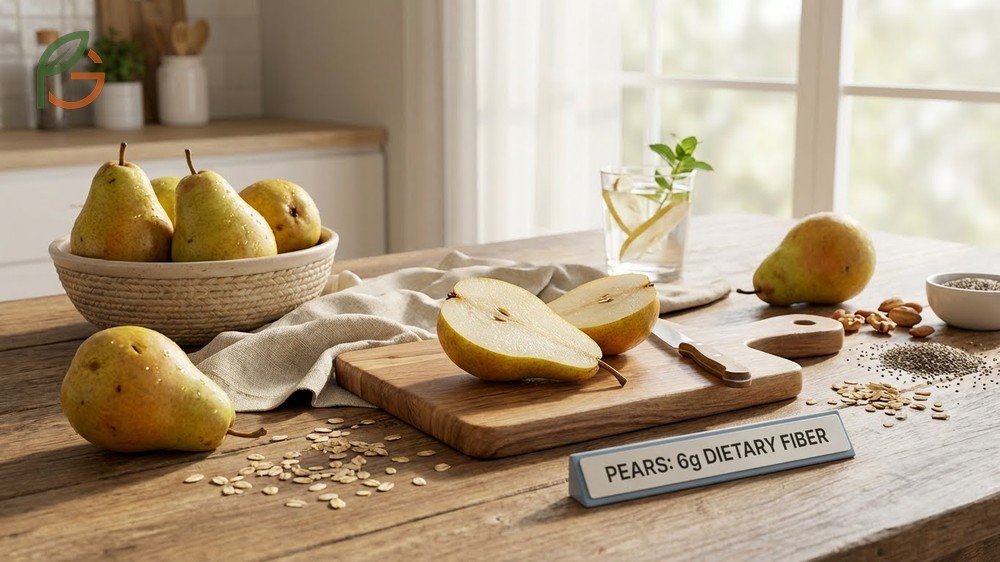
Pears rank among the most nutritious fruits you can add to your diet. Research shows that regular pear consumption correlates with improved nutrient intake and better diet quality overall[4]. Unlike many fruits, pears ripen best off the tree, which means you’re getting maximum nutrient density when you eat them at perfect ripeness.
The health advantages of pears come from their unique combination of soluble and insoluble fiber. One medium pear delivers 6 grams of dietary fiber[1], which is 24% of your daily recommended intake. This fiber content surpasses apples and rivals some vegetables in supporting digestive regularity.
Evidence suggests that pears are hypoallergenic compared to other fruits. This makes them an excellent first fruit for infants and a safe choice for people with food sensitivities. The low allergenic potential combined with natural sweetness makes pears versatile for various dietary needs.
Nutritional Profile of Pears
Current nutritional data indicates that pears provide essential vitamins and minerals with minimal calories. A medium pear contains 101 calories, making it a smart snack for calorie-conscious eating. You’ll also get vitamin C, vitamin K, potassium, and copper from each serving.
The vitamin C content in pears supports immune function and collagen production. While not as high as citrus fruits, one pear provides about 12% of your daily vitamin C needs[1]. This vitamin also acts as an antioxidant, protecting cells from oxidative stress.
This table compares key nutrients, amounts per medium pear, and percentage of daily value for six essential nutritional components
| Nutrient | Amount | % Daily Value |
|---|---|---|
| Calories | 101[1] | 5% |
| Dietary Fiber | 6g[1] | 24% |
| Vitamin C | 7.7mg[1] | 12% |
| Vitamin K | 6.3mcg[1] | 8% |
| Potassium | 206mg[1] | 6% |
| Copper | 0.14mg[1] | 16% |
How Pears Support Overall Wellness
Studies demonstrate that the phytonutrients in pears work together to support multiple body systems. The quercetin and other flavonoids found in pear skin have anti-inflammatory properties. These compounds help reduce chronic inflammation linked to heart disease and diabetes.
The copper content in pears plays a role in nervous system health and immune function. With 16% of your daily copper needs[1], one pear contributes significantly to this often-overlooked mineral. Copper also supports collagen formation and energy production at the cellular level.
Important Note: Always eat pears with the skin on to maximize fiber and antioxidant intake. The skin contains up to six times more phytonutrients than the flesh, making it the most nutritious part of the fruit.
Health Benefits of Pears
Research shows that incorporating pears into your regular diet offers multiple health advantages. These benefits extend beyond basic nutrition to support specific body functions and reduce disease risk. The combination of fiber, vitamins, and plant compounds makes pears particularly effective for preventive health.
Current data indicates that pear consumption associates with lower body weight and reduced waist circumference[4]. People who eat pears regularly tend to have better overall diet patterns. This correlation suggests that pears can be part of a health-promoting eating strategy.
The prebiotic fiber in pears feeds beneficial gut bacteria. This supports a healthy microbiome, which influences everything from digestion to immune function. Unlike processed foods that harm gut health, pears nourish the bacteria that keep your digestive system running smoothly.
Fiber and Digestive Health
The pectin in pears is a soluble fiber that forms a gel-like substance in your digestive tract. This type of fiber slows digestion and helps you feel full longer. Evidence suggests that pectin also binds to cholesterol particles and helps remove them from your body[2].
Pears contain both soluble and insoluble fiber, which work together for digestive health. The insoluble fiber adds bulk to stool and promotes regular bowel movements. This dual-fiber system makes pears particularly effective at preventing constipation and maintaining digestive regularity.
- Promotes regular bowel movements and prevents constipation
- Feeds beneficial gut bacteria (prebiotic effect)
- Helps maintain healthy cholesterol levels through bile acid binding
- Slows sugar absorption, preventing blood glucose spikes
- Increases feelings of fullness, supporting appetite control
- Supports colon health by promoting beneficial short-chain fatty acid production
Antioxidants and Anti-Inflammatory Effects
Pears contain powerful antioxidants including vitamin C, vitamin K, and copper. These work together to neutralize free radicals that damage cells. The flavonoids in pear skin add another layer of antioxidant protection against oxidative stress.
Studies demonstrate that the anti-inflammatory compounds in pears may reduce the risk of chronic diseases. Quercetin, found in high concentrations in pear skin, has been shown to reduce inflammation markers in clinical research. This makes pears valuable for long-term health maintenance.
Weight Management Support
The high water and fiber content in pears makes them ideal for weight management. With 84% water content and only 101 calories[1], pears provide volume without excess calories. This helps you feel satisfied while maintaining a calorie deficit for weight loss.
Research shows that people who eat more whole fruits like pears tend to weigh less than those who don’t[4]. The fiber slows digestion and keeps blood sugar stable, preventing the hunger spikes that lead to overeating. Replacing processed snacks with pears can support gradual, sustainable weight loss.
- High water content provides volume with minimal calories
- Fiber increases satiety and reduces overall calorie intake
- Natural sweetness satisfies cravings without added sugar
- Low energy density allows for larger portion sizes
- Slow digestion prevents rapid blood sugar fluctuations that trigger hunger
Are Pears Good for Constipation
Yes, pears are excellent for relieving and preventing constipation. The combination of fiber types in pears specifically addresses the causes of irregular bowel movements. With 6 grams of fiber per medium fruit[1], pears deliver nearly one-quarter of your daily fiber needs in a single serving.
The sorbitol in pears acts as a natural laxative. This sugar alcohol draws water into the intestines, softening stool and making it easier to pass. Unlike harsh chemical laxatives, sorbitol works gently and naturally without causing dependency or disrupting gut health.
Studies demonstrate that increasing dietary fiber intake from whole fruits like pears improves bowel movement frequency[2]. The insoluble fiber in pears adds bulk to stool, while the soluble fiber retains water. This combination creates the ideal stool consistency for easy passage.
For best results with constipation relief, eat pears with the skin on. The skin contains the highest concentration of insoluble fiber, which is most effective for promoting bowel movements. Drinking adequate water alongside your pear intake helps the fiber work more effectively.
Tip for Constipation Relief: Eat one ripe pear in the morning on an empty stomach. The combination of fiber, sorbitol, and water typically produces a bowel movement within 6-12 hours. Don’t exceed two pears daily, as too much sorbitol can cause bloating.
Children and elderly adults often struggle with constipation due to lower fiber intake. Pears offer a gentle, effective solution that’s easy to digest. The soft texture when ripe makes them suitable for people with chewing difficulties, while the mild flavor appeals to picky eaters.
Pear Benefits for Skin

Pears support skin health through their vitamin C, vitamin K, and antioxidant content. Vitamin C is essential for collagen synthesis, which keeps skin firm and elastic. One pear provides 12% of your daily vitamin C needs[1], contributing to this important structural protein.
The antioxidants in pears protect skin cells from free radical damage caused by UV exposure and pollution. Quercetin and other flavonoids neutralize these harmful molecules before they can break down collagen and elastin. This protection helps slow visible signs of aging like wrinkles and sagging.
Research shows that vitamin C’s role in collagen production extends beyond structure to wound healing. The vitamin C in pears supports the formation of new collagen fibers when skin is damaged. This accelerates healing and reduces scarring from minor cuts and blemishes.
The high water content in pears (84%) contributes to skin hydration from within. While topical moisturizers work on the surface, eating water-rich fruits helps maintain skin moisture at the cellular level. This internal hydration supports the skin barrier function and prevents dryness.
- Vitamin C supports collagen production for firm, elastic skin
- Antioxidants protect against UV damage and environmental stress
- Copper aids in melanin production and skin pigmentation
- High water content promotes internal hydration
- Vitamin K may help reduce dark circles and bruising
- Anti-inflammatory compounds can calm irritated skin conditions
Skin Health Note: While pears support skin health through nutrition, they can’t replace sunscreen or a complete skincare routine. Combine regular pear consumption with sun protection and proper skincare for best results.
Benefits of Eating Pears at Night

Eating pears at night can support better sleep and overnight digestion. The natural sugars in pears provide a gentle energy source that won’t cause blood sugar spikes before bed. Unlike sugary desserts, a pear offers steady energy release that won’t disrupt your sleep cycle.
The fiber in pears slows digestion, which means you’ll feel satisfied through the night without waking up hungry. This sustained fullness prevents midnight snacking and supports weight management goals. Evidence suggests that eating fiber-rich foods in the evening helps maintain stable blood sugar overnight.
Pears contain small amounts of magnesium and potassium, minerals that support muscle relaxation. While one pear won’t provide enough to act as a sleep aid, these minerals contribute to overall nighttime recovery. The potassium also helps prevent muscle cramps that can disturb sleep.
For people prone to acid reflux, pears are a safer nighttime fruit choice than citrus or tomatoes. Their low acidity won’t trigger heartburn symptoms that interfere with sleep. The fiber also aids digestion, reducing the likelihood of discomfort when lying down.
Timing matters for nighttime pear consumption. Eat your pear 1-2 hours before bed rather than right before sleeping. This gives your body time to start digesting without being too full when you lie down. Pair your pear with a small amount of protein like nuts for better blood sugar balance.
Are Canned Pears Good for You
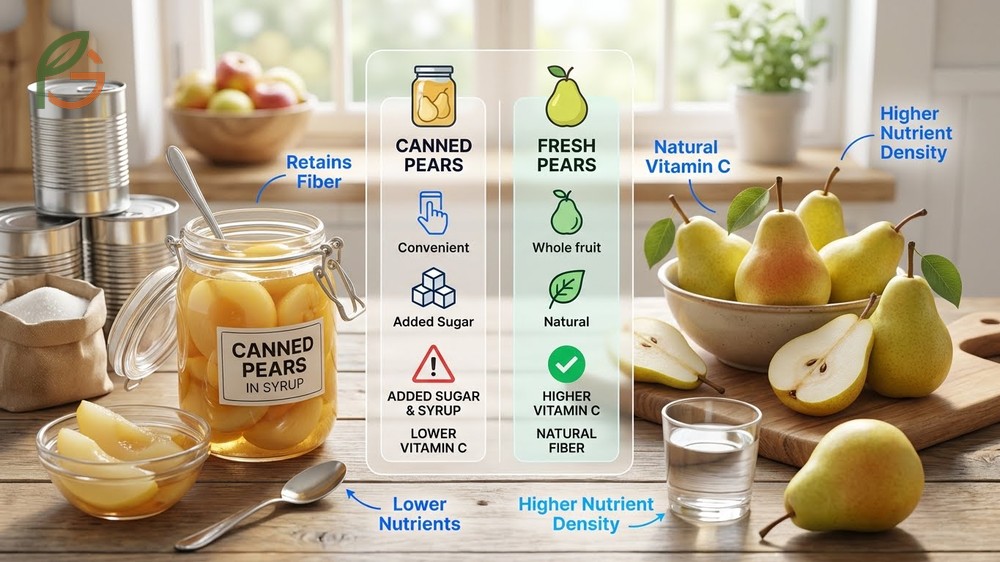
Canned pears offer convenience but come with nutritional trade-offs compared to fresh pears. They retain much of their fiber content, making them still beneficial for digestive health. However, most canned varieties contain added sugar or are packed in heavy syrup, significantly increasing calorie and sugar content.
Research shows that the canning process reduces some heat-sensitive nutrients like vitamin C. Fresh pears provide 12% of daily vitamin C[1], while canned pears in syrup contain about 3-4% after processing. The heat also breaks down some antioxidants, reducing their protective benefits.
If choosing canned pears, look for varieties packed in water or 100% fruit juice without added sugar. These options minimize extra calories while preserving more of the fruit’s natural nutrition. Draining and rinsing canned pears can remove up to 40% of the added sugar from syrup-packed varieties.
The fiber content in canned pears remains relatively stable through processing. This means they still support digestive health and provide satiety, even if other nutrients decline. For people with limited access to fresh produce, canned pears in water offer a reasonable alternative.
| Nutrient | Fresh Pears | Canned in Water | Canned in Syrup |
|---|---|---|---|
| Calories | 57 | 38 | 68 |
| Fiber | 3.1g | 2.1g | 2.1g |
| Vitamin C | 4.3mg | 1.9mg | 1.2mg |
| Added Sugar | 0g | 0g | 12-15g |
- Choose pears packed in 100% fruit juice or water, not heavy syrup
- Look for “no sugar added” labels on packaging
- Drain and rinse syrup-packed pears to reduce sugar content
- Check ingredient lists for preservatives like calcium chloride
- Buy BPA-free cans or pears in glass jars when possible
Conclusion
The evidence is clear: are pears good for you? Absolutely. Pears deliver essential fiber, vitamins, and antioxidants that support digestive health, weight management, heart function, and skin quality. With 6 grams of fiber and only 101 calories per medium fruit, they’re one of the most efficient sources of nutrition you can add to your daily routine.
Current guidance emphasizes eating whole fruits with skin intact to maximize nutritional benefits. FruitGarden encourages home gardeners to grow pear trees for the freshest, most nutrient-dense fruit possible, allowing you to enjoy pears at peak ripeness straight from your yard.
Medical Disclaimer
Important Medical Disclaimer: This content is for informational and educational purposes only. It’s not intended as a substitute for professional medical advice, diagnosis, or treatment. Always consult a qualified healthcare professional before making any changes to your diet, medication, or health routine, especially if you have diabetes, digestive disorders, or other medical conditions. Individual nutritional needs vary based on age, health status, and activity level.
Frequently Asked Questions
How many pears should I eat per day?
Most people benefit from eating 1-2 pears daily as part of a balanced diet. This provides 12-24 grams of fiber, which is significant toward the recommended 25-38 grams per day. More than two pears might cause digestive discomfort due to high fiber and sorbitol content, especially if you’re not accustomed to eating much fiber.
Are pears good for diabetics?
Yes, pears can be part of a diabetes-friendly diet when eaten in moderation. Their fiber content slows sugar absorption, preventing rapid blood glucose spikes. However, pears still contain natural sugars (about 17g per medium fruit), so people with diabetes should monitor portions and pair pears with protein or healthy fats to further stabilize blood sugar.
What’s the best time to eat pears for weight loss?
Eating pears 30 minutes before meals can reduce overall calorie intake by increasing feelings of fullness. The fiber and water content help you eat less during your main meal. Morning consumption provides sustained energy, while evening pears can prevent late-night snacking. Timing matters less than consistency—regular pear consumption supports weight management regardless of when you eat them.
Do pears lose nutrients when cooked?
Cooking pears reduces heat-sensitive nutrients like vitamin C by 15-25%, but fiber and most minerals remain stable. Baked or poached pears still offer significant digestive benefits and antioxidants. To preserve maximum nutrition, use gentle cooking methods like steaming rather than boiling, and avoid adding excessive sugar, which increases calorie content without nutritional benefit.
Can you eat pear skin?
Yes, you should eat pear skin whenever possible. The skin contains up to six times more antioxidants than the flesh, plus significant amounts of insoluble fiber that supports digestive health. Always wash pears thoroughly under running water before eating to remove any pesticide residue or dirt. Only peel pears if the skin is tough or if you have digestive sensitivities.
Are Asian pears as healthy as regular pears?
Asian pears offer similar nutritional benefits to European varieties, with slight differences in texture and taste. They contain comparable fiber (3-4g per fruit), vitamin C, and antioxidants. Asian pears have a crisper texture due to higher stone cell content, which some people find easier to digest. Both types provide excellent health benefits, so choose based on personal preference.
Can pears help lower cholesterol?
Research shows that the pectin fiber in pears can help reduce LDL cholesterol levels. Pectin binds to cholesterol particles in the digestive tract and helps eliminate them before absorption. Eating one pear daily as part of a heart-healthy diet may contribute to modest cholesterol reductions of 5-10% over several months, though results vary by individual.





