Lemon balm side effects are generally mild when this herb is consumed properly. Research shows that common adverse reactions include nausea, dizziness, and increased appetite, with most people tolerating doses up to 500 mg daily for six months without serious issues[1]. FruitGarden synthesizes current herbal medicine research and clinical data to help you understand both the benefits and potential risks of this popular garden herb.
Quick Answer
- Most side effects are mild and temporary, including nausea, dizziness, and wheezing[2]
- Lemon balm can interact with thyroid medications and may reduce levothyroxine effectiveness[2]
- Safe dosage is 300-500 mg daily for up to six months in adults[1]
- Stop taking lemon balm at least 2 weeks before surgery due to sedative effects[2]
Lemon Balm Side Effects
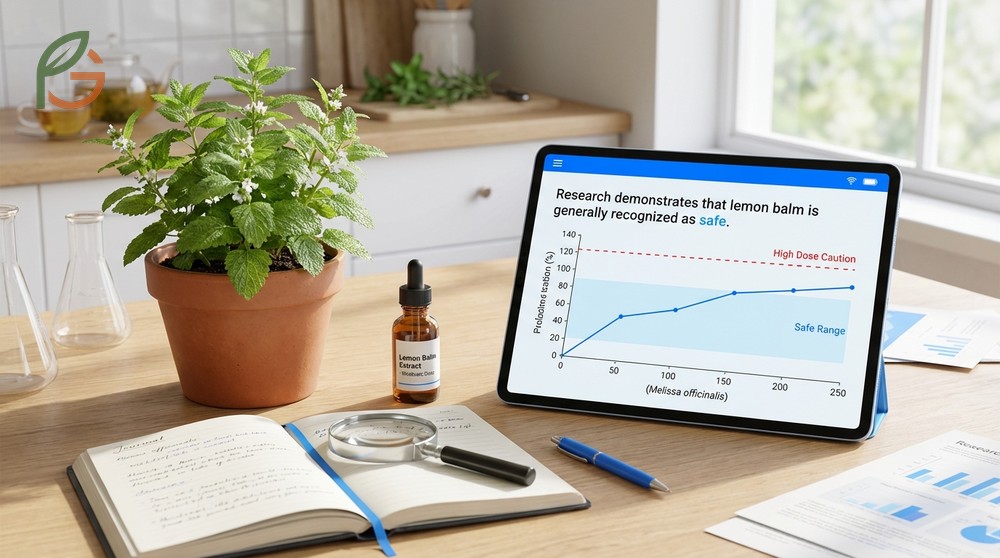
Lemon balm (Melissa officinalis) is generally recognized as safe when consumed in moderate amounts, with clinical studies showing that most people tolerate this herb well. Current data indicates that adverse reactions typically occur only with high doses or prolonged use beyond six months[1]. However, understanding potential side effects helps you make informed decisions about incorporating this herb into your garden and wellness routine.
Research demonstrates that lemon balm hasn’t been linked to elevated liver enzymes or clinically significant liver injury in standard therapeutic doses. Studies involving vulnerable populations, including infants and hospitalized patients, reported no serious side effects even with daily intake up to 5,000 mg for 20 days[3].
If you’re growing lemon balm in your garden, you’ll want to know that the fresh herb used in culinary amounts poses virtually no risk. The herb’s mild nature makes it a popular choice for home gardens across the United States, particularly in USDA zones 4-9 where it thrives as a hardy perennial.
Common Adverse Reactions
The most frequently reported side effects are mild and temporary. Medical documentation shows these reactions typically resolve on their own without medical intervention[4].
- Nausea and mild stomach discomfort
- Dizziness or lightheadedness
- Increased appetite (which may affect weight management plans)
- Wheezing or mild respiratory changes
- Sedation or drowsiness, especially when combined with other calming herbs
Important Note: If you experience persistent nausea or dizziness lasting more than 24 hours after consuming lemon balm, discontinue use and consult your healthcare provider. These symptoms may indicate you’re using too high a dose or have an underlying sensitivity.
Rare but Serious Effects
While uncommon, some individuals experience more significant reactions that require medical attention. Evidence suggests that prolonged use with high doses can lead to dependency, with withdrawal symptoms including anxiety, restlessness, irritability, and sleep disturbances[4].
Lemon balm essential oil is particularly potent and potentially dangerous if used undiluted. It can cause severe drowsiness, muscle weakness, tremors, seizures, hallucinations, and respiratory difficulties[4]. If you’re extracting oils from your garden-grown lemon balm, always dilute properly and use with caution.
Lemon Balm Side Effects Heart
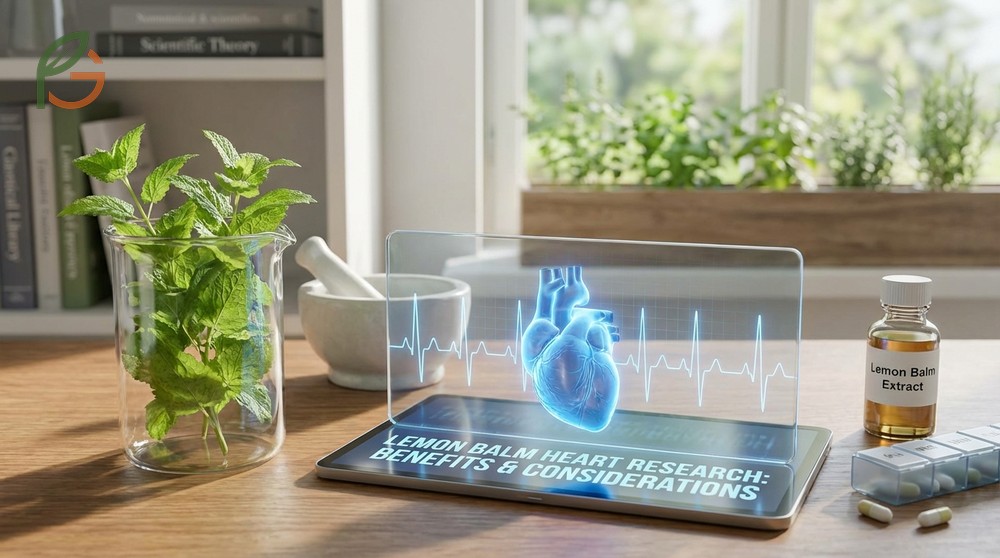
Research on lemon balm’s cardiovascular effects shows both benefits and considerations you should understand. Studies indicate this herb can support heart health by reducing stress-related palpitations, but it may also affect cardiac functioning in specific circumstances[4].
Clinical trials involving patients with chronic stable angina demonstrated that lemon balm supplementation reduced anxiety, depression, stress, and sleep disturbances without adverse cardiac effects[3]. This suggests therapeutic doses can be safe for many people with existing heart conditions when used under medical supervision.
Cardiovascular Considerations
Modern research supports traditional use of lemon balm for benign heart palpitations caused by stress or anxiety. The herb’s calming properties work through GABA neurotransmitter pathways, which indirectly benefit heart rhythm by reducing nervous system overstimulation.
- May reduce stress-induced heart palpitations
- Can lower anxiety-related blood pressure fluctuations
- Potentially affects healthy cardiac functioning at very high doses
- Should be used cautiously by individuals with arrhythmias
- May enhance effects of heart medications, requiring dose adjustments
Blood Pressure Effects
Evidence indicates lemon balm has mildly hypotensive properties, meaning it can slightly lower blood pressure. For most people, this effect is minimal and beneficial, particularly if you’re dealing with stress-related hypertension.
If you’re already taking blood pressure medications, monitor your readings carefully when adding lemon balm to your routine. The combined effect might lower your pressure more than intended, leading to dizziness or fatigue.
Heart Health Warning: Anyone with diagnosed cardiovascular conditions should consult their cardiologist before using lemon balm supplements. While the herb shows promise for stress-related heart symptoms, individual responses vary significantly.
Lemon Balm Tea Side Effects
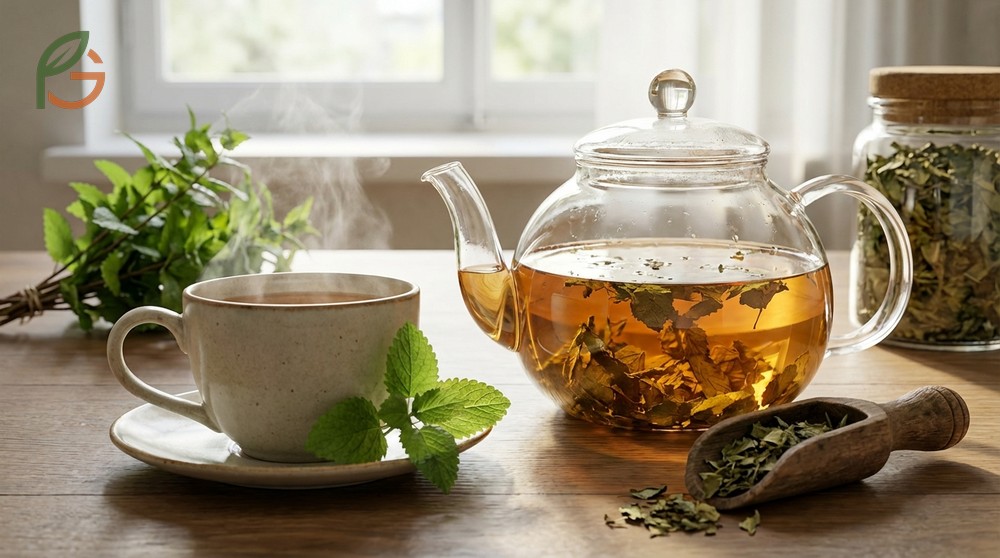
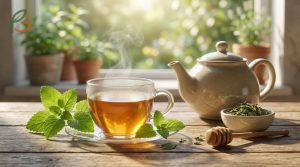
Lemon balm tea is one of the most popular and gentle ways to consume this herb, with most users experiencing no adverse effects. Studies show that tea made from fresh or dried leaves contains lower concentrations of active compounds compared to concentrated extracts, reducing the likelihood of side effects[1].
The traditional preparation method—steeping 1.5 to 4.5 grams of dried herb in 150 ml of boiling water for 10-15 minutes—typically delivers therapeutic benefits without causing problems. If you’re harvesting from your garden, you’ll need about 2-3 teaspoons of fresh leaves per cup.
Tea-Specific Reactions
While rare, some people report digestive upset when drinking lemon balm tea on an empty stomach. This typically manifests as mild nausea or stomach discomfort that resolves quickly when you eat something.
- Mild stomach upset when consumed without food
- Slight drowsiness, especially with evening consumption
- Altered taste perception (metallic or bitter aftertaste)
- Increased urination due to tea’s fluid content
- Potential interaction with sedative effects if combined with alcohol
Safe Brewing Methods
To minimize side effects and maximize benefits, steep your lemon balm tea in a covered container to preserve volatile oils. These aromatic compounds contain the herb’s therapeutic properties, including rosmarinic acid and citronellal.
Don’t exceed 3 cups daily unless directed by a healthcare provider. Most reported side effects from tea consumption involve people who drank excessive amounts—5 or more cups daily—for extended periods.
For gardeners growing their own lemon balm, harvest leaves in the morning after dew has dried but before the day gets hot. This timing ensures maximum essential oil content while minimizing bitterness.
Thyroid Medication Interactions
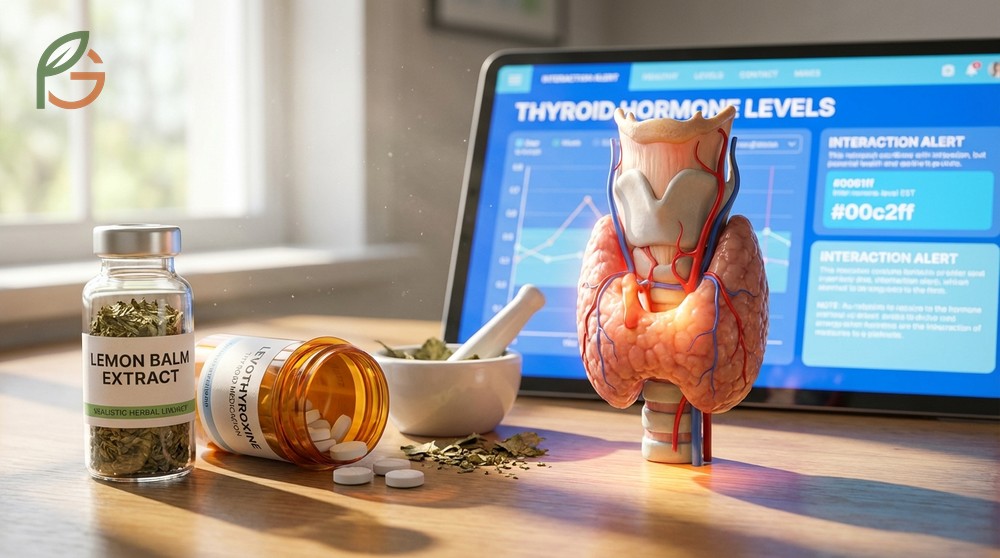
This is one of the most significant concerns with lemon balm supplementation. Research demonstrates that compounds in lemon balm have thyroid receptor binding activity, which may alter thyroid hormone function and interfere with replacement therapy[2].
Studies show lemon balm can reduce circulating TSH (thyroid-stimulating hormone) levels and inhibit thyroid secretion. If you’re taking levothyroxine (Synthroid) or other thyroid medications, lemon balm may reduce their effectiveness, potentially leading to hypothyroid symptoms like fatigue, weight gain, and temperature sensitivity.
Current guidance emphasizes spacing lemon balm intake at least 4 hours apart from thyroid medications to minimize absorption interference. However, even with proper timing, the herb’s effects on thyroid function may still occur throughout the day.
This table compares thyroid conditions, lemon balm effects, and safety recommendations for individuals taking thyroid medications
| Thyroid Condition | Lemon Balm Effect | Safety Recommendation | Monitoring Needed |
|---|---|---|---|
| Hypothyroidism | May worsen symptoms by further reducing thyroid hormone[2] | Avoid or use with caution | Monthly TSH testing |
| Hyperthyroidism | May provide benefit by reducing excess hormone | May be helpful under supervision | Bi-weekly thyroid panels |
| Hashimoto’s Thyroiditis | Could interfere with hormone replacement | Avoid in large doses | Regular antibody monitoring |
| Graves’ Disease | May complement treatment | Use only with endocrinologist approval | Weekly monitoring initially |
| Normal Thyroid Function | Minimal effect at therapeutic doses | Generally safe | Annual thyroid screening |
Critical Warning: Never start or stop lemon balm supplements without consulting your endocrinologist if you have any thyroid disorder or take thyroid medications. Unmonitored changes can lead to serious hormone imbalances requiring weeks or months to correct.
Sedative Herbs Safety
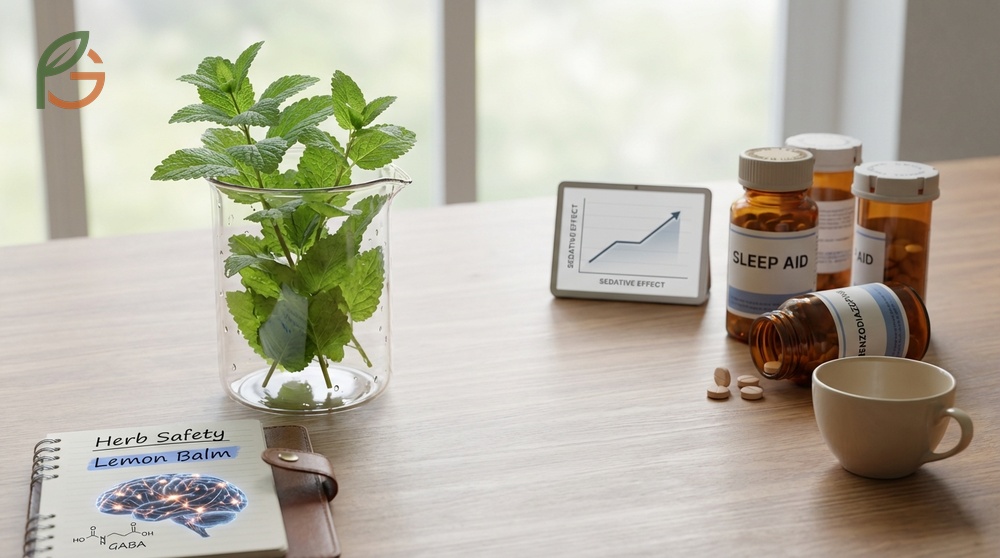
Lemon balm belongs to a category of herbs with natural sedative properties, and understanding how it interacts with other calming substances is essential for safety. Research shows lemon balm enhances GABA activity in the brain, which promotes relaxation but can cause excessive drowsiness when combined with other sedatives[2].
Clinical evidence indicates that combining lemon balm with benzodiazepines, barbiturates, or prescription sleep medications can amplify sedative effects dangerously. This combination may cause extreme drowsiness, impaired coordination, slowed breathing, and confusion[2].
- Prescription sedatives (Ambien, Ativan, Xanax, Valium)
- Over-the-counter sleep aids containing diphenhydramine
- Alcohol (even small amounts can intensify effects)
- Other calming herbs (valerian, passionflower, chamomile, kava)
- Anesthesia medications used during surgery
- Opioid pain medications
- Antihistamines that cause drowsiness
If you’re scheduled for surgery, stop taking lemon balm at least 2 weeks beforehand. The herb’s effects on anesthesia can’t be predicted accurately, and the combination might cause excessive sedation or breathing difficulties during or after the procedure[2].
For home gardeners who enjoy multiple herbs for tea blends, be mindful when combining lemon balm with other relaxing herbs. While a blend of lemon balm, chamomile, and lavender is generally safe, adding valerian or passionflower might push the sedative effect too far, especially if you’re driving or operating equipment.
Safety Tip: Don’t operate machinery or drive for at least 2-3 hours after consuming lemon balm supplements or strong tea. The herb’s calming effects can reduce alertness and slow reaction times, particularly if you’re sensitive to sedatives.
Lemon Balm Dosage
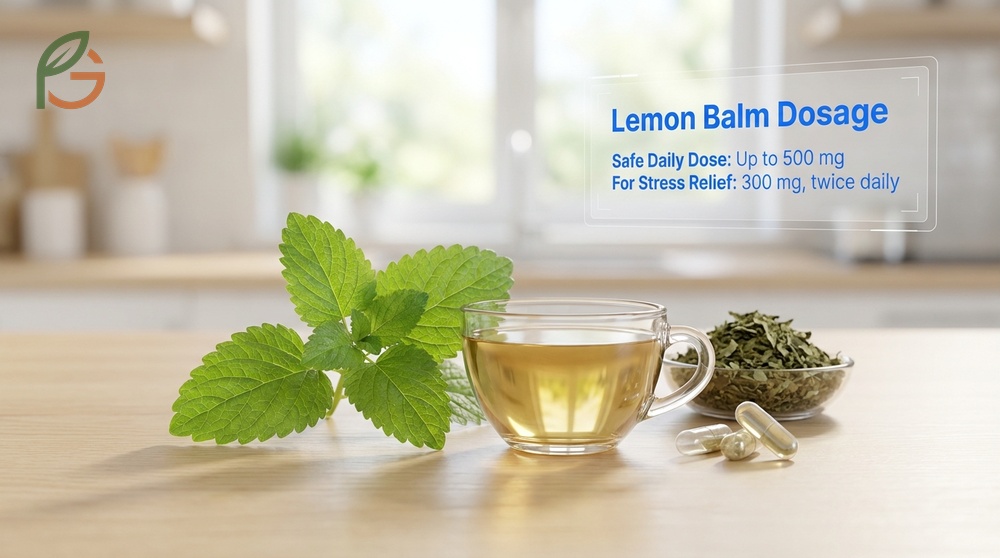
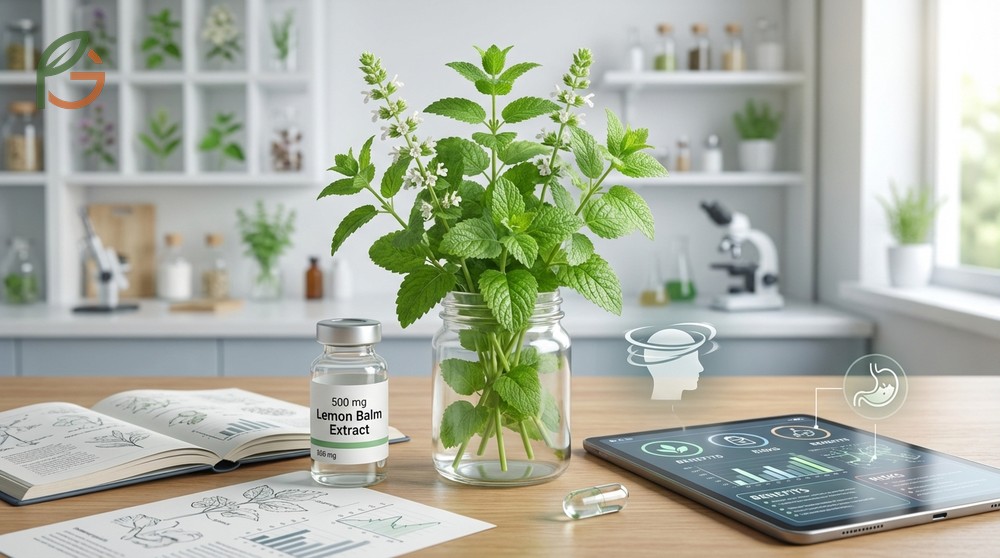
Determining safe and effective lemon balm dosage depends on the form you’re using and your health goals. Current research establishes that doses up to 500 mg daily for up to 6 months are generally safe for most adults[1]. However, there’s insufficient data on safety beyond this timeframe.
Clinical trials have used doses ranging from 300 to 1,600 mg daily depending on the condition being treated. For stress relief, studies typically use 300 mg twice daily, while acute stress situations may require 600 mg as a single dose.
| Form | Typical Dose | Frequency |
|---|---|---|
| Dried Herb Tea | 1.5-4.5g per cup[1] | 1-3 times daily |
| Liquid Extract | 2-4 ml | 1-3 times daily |
| Tincture | 2-6 ml | 1-3 times daily |
| Powdered Extract | 200-600 mg[1] | 1-3 times daily |
If you’re using lemon balm grown in your garden, fresh leaves are less concentrated than dried. You’ll need approximately 3-4 teaspoons of fresh leaves to equal 1.5 grams of dried herb.
Start with the lowest effective dose and increase gradually if needed. Most side effects occur when people jump to high doses immediately, overwhelming their system before it can adapt.
Allergic Reactions to Herbs
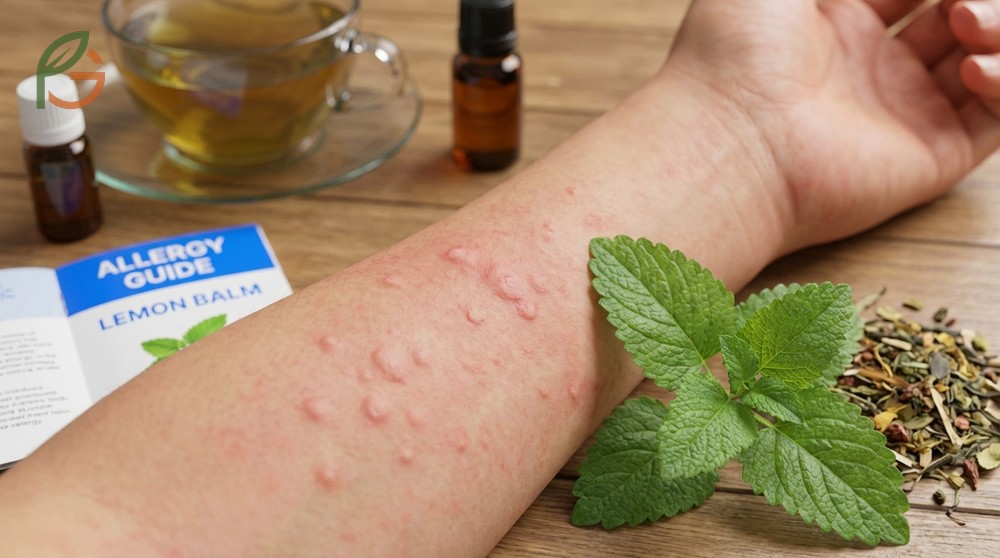
While lemon balm allergies are relatively uncommon, they can occur and range from mild skin irritation to severe systemic reactions. Studies show that people with existing allergies to mint family plants (Lamiaceae) face higher risk of lemon balm hypersensitivity[5].
Allergic reactions typically manifest within minutes to a few hours after exposure. The severity depends on your immune system’s sensitivity and the amount of contact or consumption.
- Skin reactions: hives, redness, itching, or contact dermatitis
- Oral allergy syndrome: tingling or itching in mouth, throat, lips, or tongue
- Respiratory symptoms: sneezing, runny nose, itchy eyes, or wheezing
- Digestive issues: stomach pain, nausea, vomiting, or diarrhea
- Swelling of throat, face, or tongue (requires immediate medical attention)
Topical application of lemon balm—whether fresh leaves, oils, or creams—can cause skin irritation even in people without true allergies. This is particularly common with undiluted essential oils, which contain highly concentrated compounds that irritate sensitive skin[5].
If you’re growing lemon balm and handling plants regularly, you might develop contact dermatitis from repeated exposure. Gardeners with sensitive skin should wear gloves when pruning or harvesting large amounts.
Emergency Warning: Seek immediate medical help if you experience difficulty breathing, significant throat swelling, rapid heartbeat, or dizziness after consuming or touching lemon balm. These symptoms may indicate anaphylaxis, a life-threatening allergic reaction requiring emergency treatment.
Safe Herbs for Children
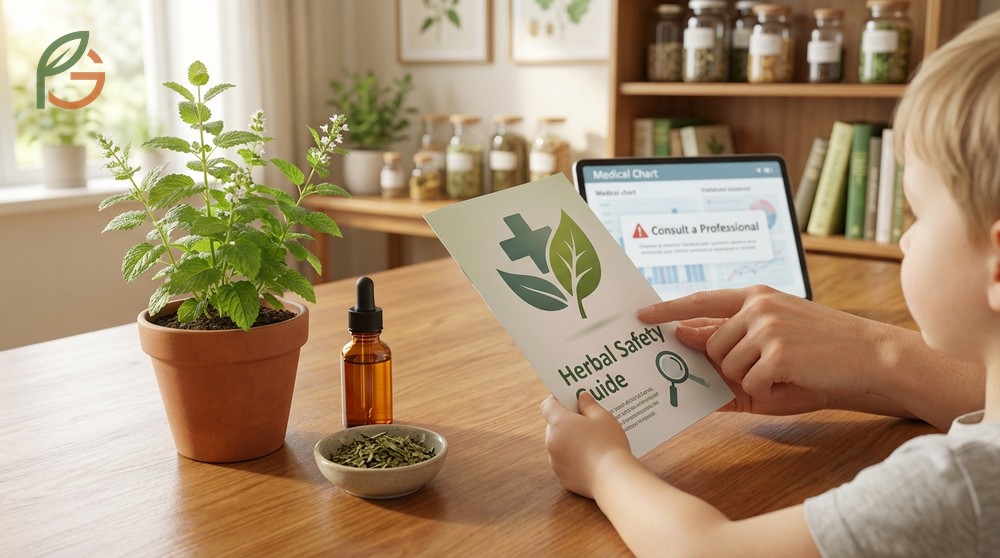
Lemon balm’s use in children requires careful consideration and professional guidance. While the herb has been used traditionally for childhood conditions like colic, restlessness, and sleep issues, regulatory agencies like the European Medicines Agency don’t recommend medicinal use in children under 12 due to limited standardized safety data[6].
Research shows that lemon balm appears generally safe for short-term use in children—approximately one month—when administered in appropriate doses. Clinical studies involving children reported no serious adverse effects, with some showing benefits for sleep quality and reducing restlessness[6].
Mild lemon balm tea is considered the safest form for children over 2 years old. The tea provides gentle effects without the concentrated compounds found in extracts or tinctures. Prepare it using about 1 tablespoon of dried herb per cup of water, steeped for 10 minutes.
- Never give lemon balm to infants under 1 year without pediatrician approval
- Use only mild tea preparations for children ages 2-12
- Calculate extract doses by body weight (5-20 drops depending on child’s size)
- Avoid concentrated extracts or capsules in children under 12
- Monitor for excessive sedation that affects alertness or school performance
- Consult a pediatrician before combining with any medications
- Don’t exceed one month of continuous daily use without medical supervision
Weight-based dosing for children is essential. For commercial glycerite products designed for kids, typical recommendations range from 5 drops for children under 25 pounds to 20 drops for children over 100 pounds, given up to 3 times daily[6].
If you’re growing lemon balm at home and want to use it for your children, stick with fresh or dried leaves for tea. Avoid making homemade tinctures or concentrated extracts, as it’s difficult to control potency without proper equipment and expertise.
Parent Alert: Before giving any herbal supplement to children, consult with a pediatrician or certified clinical herbalist who specializes in pediatric care. Children metabolize herbs differently than adults, and what seems like a small dose can have unexpectedly strong effects.
Conclusion
The evidence is clear: lemon balm side effects are typically mild and manageable when you follow proper dosing guidelines and consider your individual health circumstances. Most people can safely enjoy this versatile garden herb for stress relief, sleep support, and digestive comfort without experiencing significant problems.
Current guidance emphasizes understanding your specific risk factors—particularly thyroid conditions, upcoming surgeries, and medication interactions—before adding lemon balm to your wellness routine. FruitGarden recommends starting with lower doses and consulting healthcare providers when you have pre-existing conditions or take prescription medications.
Medical Disclaimer
Important Medical Disclaimer: This content is for informational and educational purposes only. It’s not intended as a substitute for professional medical advice, diagnosis, or treatment. Always consult a qualified healthcare professional before making any changes to your diet, herbal supplements, or medication regimen, especially if you have thyroid disorders, cardiovascular conditions, or take prescription medications. Never stop or start lemon balm supplements without medical supervision if you have diagnosed health conditions.
Frequently Asked Questions
Can Lemon Balm Cause Heart Problems?
Lemon balm doesn’t typically cause heart problems in healthy individuals at recommended doses. Research shows it can actually help reduce stress-related heart palpitations. However, at very high doses, it may affect healthy cardiac functioning. If you have diagnosed heart conditions, consult your cardiologist before using lemon balm supplements to ensure it won’t interact with your medications or condition.
How Long Can You Safely Take Lemon Balm?
Clinical studies show lemon balm is safe for up to 6 months of continuous daily use at doses up to 500 mg. There isn’t enough reliable research on safety beyond this timeframe. If you need longer-term use, consider taking periodic breaks (such as one week off every 6-8 weeks) and consult with a healthcare provider to monitor for any developing issues.
Does Lemon Balm Tea Have the Same Side Effects as Supplements?
Lemon balm tea typically causes fewer side effects than concentrated supplements because it contains lower amounts of active compounds. Most people tolerate 1-3 cups of tea daily without problems. However, the same interactions with thyroid medications and sedatives still apply, just to a lesser degree. If you’re on medications, consult your doctor even about tea consumption.
Can You Be Allergic to Lemon Balm?
Yes, though lemon balm allergies are relatively uncommon. People with existing allergies to mint family plants face higher risk. Allergic reactions can include skin hives, oral tingling, respiratory symptoms like wheezing, or digestive upset. In rare cases, severe reactions like throat swelling or anaphylaxis can occur. If you experience difficulty breathing or significant swelling after consuming lemon balm, seek emergency medical care immediately.
Is It Safe to Take Lemon Balm with Thyroid Medication?
This combination requires caution and medical supervision. Lemon balm can reduce thyroid hormone effectiveness and interfere with medications like levothyroxine. If your doctor approves use, space lemon balm at least 4 hours away from thyroid medication and get thyroid levels checked monthly. Never start lemon balm without consulting your endocrinologist if you have hypothyroidism or take thyroid replacement hormones.
What Happens If You Take Too Much Lemon Balm?
Excessive lemon balm consumption can cause increased nausea, severe drowsiness, confusion, muscle weakness, and respiratory depression. The essential oil form is particularly dangerous if undiluted, potentially causing tremors, seizures, and hallucinations. While overdose from tea or standard supplements is unlikely to be life-threatening, it can cause uncomfortable symptoms requiring supportive medical care. Stick to recommended doses of 300-500 mg daily or 1-3 cups of tea.
Can Children Safely Use Lemon Balm?
Lemon balm can be used in children over 2 years old with appropriate precautions and medical guidance. Mild tea is the safest form for pediatric use, while concentrated extracts aren’t recommended for children under 12. Dosing must be calculated by body weight, and use should be limited to about one month continuously. Always consult a pediatrician before giving lemon balm to children, especially if they take any medications or have health conditions.