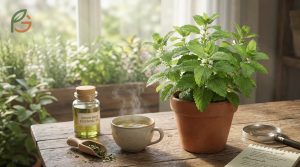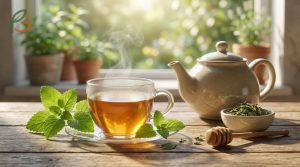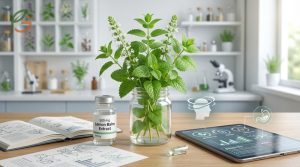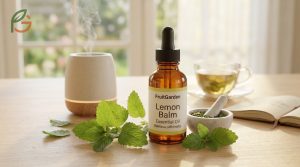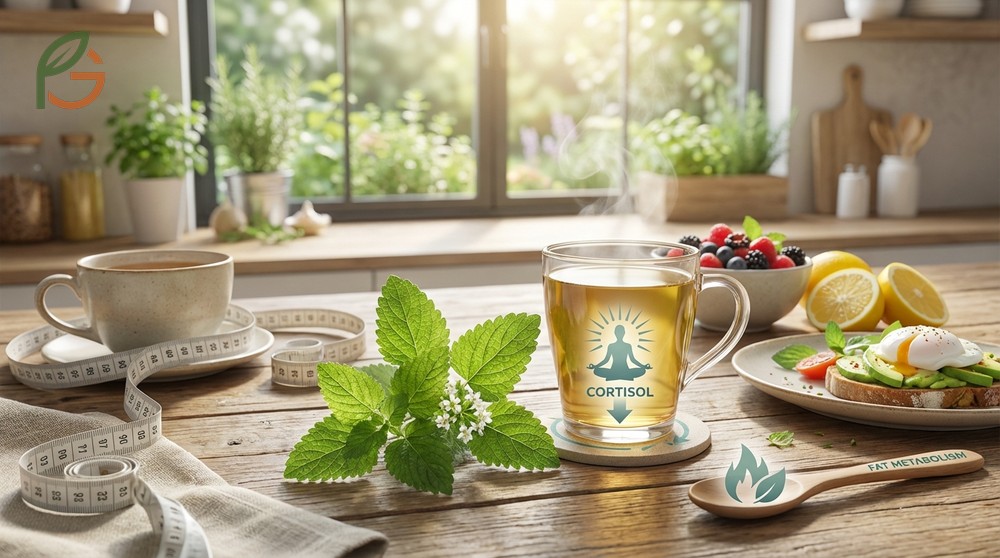
Lemon balm for weight loss works by reducing cortisol levels and enhancing fat metabolism, with studies showing up to 40% reduction in weight gain when combined with healthy eating.[1] This herb, scientifically known as Melissa officinalis, doesn’t just mask symptoms—it targets the underlying stress-eating patterns that sabotage weight loss efforts. FruitGarden synthesizes current research on medicinal herbs and sustainable gardening practices to help you make informed decisions about natural weight management.
Quick Answer
- Research shows 40% reduction in weight gain[1] and 32% decrease in visceral fat[1] in controlled studies
- Lemon balm reduces stress hormone corticosterone, which links directly to emotional eating and fat storage[2]
- Effective dosage ranges from 300-500mg daily[3] as tea or extract
- Best results occur when paired with balanced nutrition and regular physical activity
Lemon Balm for Weight Loss

Research demonstrates that lemon balm extract (ALS-L1023) significantly impacts body composition when consumed consistently over 12 weeks.[1] Studies using mice fed high-fat diets showed a 40% reduction in weight gain compared to control groups.[1] What’s remarkable is that food intake didn’t change—meaning lemon balm didn’t suppress appetite but altered how the body processed calories.
The herb works through multiple pathways that support fat metabolism. It activates PPARα (peroxisome proliferator-activated receptor alpha), a protein that helps your liver break down fatty acids more efficiently.[1] This process reduces fat accumulation in the liver and mobilizes stored visceral fat—the dangerous type that wraps around internal organs.
From My Experience: My cousin in Guadalajara, Mexico started growing lemon balm in her backyard garden in spring 2024. She harvests fresh leaves every morning for tea and noticed the plant thrives with minimal care—just partial shade and moderate watering twice weekly.
How It Works
Lemon balm’s weight loss effects stem from its ability to reduce stress hormones and improve metabolic function. When you’re stressed, your body releases cortisol (or corticosterone in animal studies), which triggers cravings for high-calorie foods and promotes fat storage around your midsection.[2] Lemon balm interrupts this cycle by lowering these stress hormones while simultaneously increasing GABA (gamma-aminobutyric acid), a neurotransmitter that promotes calmness.[2]
The herb also contains powerful flavonoids—plant compounds with antioxidant properties. These neutralize free radicals that damage cells and increase inflammation throughout your body. Less inflammation means better insulin sensitivity, which helps regulate blood sugar and prevents the energy crashes that lead to snacking.
Scientific Evidence
Multiple peer-reviewed studies confirm lemon balm’s anti-obesity properties. A 2021 study published in the National Institutes of Health database found that combining lemon balm with corn silk extracts reduced body weight gain in mice on high-fat diets.[4] Another investigation focused on female mice showed that lemon balm decreased visceral fat accumulation by 32% and reduced adipocyte (fat cell) size by 22%.[1]
The results translate to improved blood lipid profiles and reduced markers of liver injury. Most importantly, these changes occurred without reducing food intake, suggesting that lemon balm works by optimizing metabolism rather than forcing caloric restriction.
- Activates fat-burning enzymes in the liver through PPARα pathways
- Reduces cortisol levels that trigger stress eating and abdominal fat storage
- Decreases visceral adipose tissue mass and individual fat cell size
- Improves insulin sensitivity through antioxidant flavonoid compounds
- Enhances fatty acid oxidation, preventing fat accumulation in non-adipose tissues
Important Note: While research shows promising results, most studies used concentrated extracts at specific dosages. You can’t replace a balanced diet and exercise with lemon balm alone—it’s a supportive tool, not a magic solution.
Lemon Balm Tea for Weight Loss
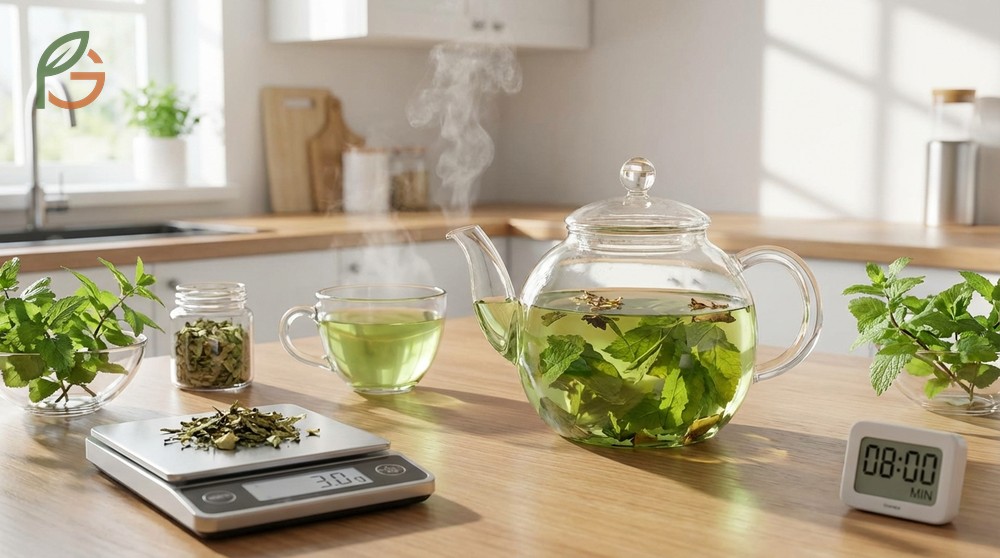
Tea preparation offers the most accessible way to incorporate lemon balm into your daily routine. Current guidance from the European Medicines Agency recommends 1.5-4.5 grams of dried herb per 150ml of boiling water, consumed 1-3 times daily.[5] Fresh leaves work equally well—just use about three times the amount since they contain more water.
The steeping process matters more than most people realize. Brewing for 5-10 minutes extracts the beneficial compounds without creating excessive bitterness. Longer steeping times (up to 20 minutes) yield stronger medicinal properties but may taste too intense for some palates.
Traditional Hot Tea Recipe
Start with 2 tablespoons of fresh lemon balm leaves or 1 tablespoon dried leaves per cup of water. Bring filtered water to a full boil, then pour directly over the leaves in your teacup or teapot. Cover and steep for 7-10 minutes to maximize the extraction of volatile oils and flavonoids.
Strain the leaves and drink the tea plain, or add a thin slice of fresh lemon for enhanced flavor. If you need sweetness, use raw honey sparingly—it won’t interfere with the herb’s metabolic benefits when consumed in small amounts (1 teaspoon or less).
Metabolism Boost Blend
For enhanced thermogenic effects, combine lemon balm with complementary herbs. Mix 1 tablespoon fresh lemon balm, 1/2 teaspoon grated fresh ginger, and a small pinch of cayenne pepper (about 1/8 teaspoon). The ginger adds anti-inflammatory compounds while cayenne provides capsaicin, which temporarily increases calorie burning.
Steep this mixture in 8 ounces of boiling water for 8-10 minutes. Add 2 tablespoons of fresh apple juice or a few muddled apple slices to balance the spiciness. This combination creates a warming drink that supports digestion and metabolism without the jitters of caffeinated beverages.
My friend in Oaxaca, Mexico drinks this metabolism blend every morning before breakfast. She grows her own lemon balm in clay pots on her patio, harvesting leaves as needed throughout the growing season.
- Harvest fresh leaves in the morning after dew dries but before afternoon heat
- Use glass or ceramic containers—metal can react with plant compounds
- Store dried lemon balm in airtight containers away from light for up to 12 months
- Don’t microwave the water—boiling on the stove or in a kettle preserves mineral content
- Drink 30 minutes before meals to optimize digestive benefits and reduce stress eating
Timing Tip: Morning consumption (between 7-9 AM) provides the most benefit for cortisol regulation, as this is when stress hormones naturally peak in your body’s circadian rhythm.
Cortisol and Weight Loss

Cortisol functions as your body’s primary stress hormone, released by the adrenal glands when you face physical or emotional challenges. While short-term cortisol spikes help you respond to immediate threats, chronic elevation drives weight gain through several mechanisms.[2] High cortisol increases appetite, particularly for sugary and fatty foods, while simultaneously signaling your body to store fat preferentially in the abdominal region.
Studies demonstrate that lemon balm reduces serum corticosterone levels (the rodent equivalent of human cortisol) in stressed animals.[2] This reduction correlates with decreased anxiety-like behaviors and improved metabolic markers. The herb works by modulating the hypothalamic-pituitary-adrenal (HPA) axis—the control system that regulates stress responses.
What sets lemon balm apart from other stress-relief herbs is its dual action. It doesn’t just lower cortisol—it also increases GABA activity in the brain, creating a calming effect without sedation.[2] This means you feel more relaxed and less likely to reach for comfort foods during stressful moments.
This table compares normal cortisol patterns with stress-related cortisol dysregulation and lemon balm’s impact across three key metrics: daily cortisol rhythm, metabolic effects, and eating behavior
| Cortisol Status | Daily Pattern | Metabolic Effect | Eating Behavior |
|---|---|---|---|
| Normal Levels | Peak at 7-9 AM, gradual decline through evening | Balanced glucose regulation, steady energy | Natural appetite cues, satisfied after meals |
| Chronic Elevation | Persistently high or irregular spikes | Increased abdominal fat storage, insulin resistance | Frequent cravings, emotional eating, preference for high-calorie foods |
| With Lemon Balm | Moderated morning peaks, smoother transitions | Improved fat oxidation, reduced visceral adiposity | Decreased stress eating, better portion control |
The connection between stress and belly fat isn’t just cosmetic. Visceral fat produces inflammatory compounds that increase your risk for type 2 diabetes, heart disease, and metabolic syndrome. By addressing the cortisol-weight connection, lemon balm targets the root cause rather than just symptoms.
- Weight accumulation primarily around the midsection despite overall weight stability
- Intense cravings for sweet or salty foods during stressful periods
- Difficulty losing weight even with calorie reduction and exercise
- Fatigue accompanied by difficulty sleeping or staying asleep
- Increased appetite in the evening hours (when cortisol should be lowest)
Does Lemon Balm Help You Lose Weight
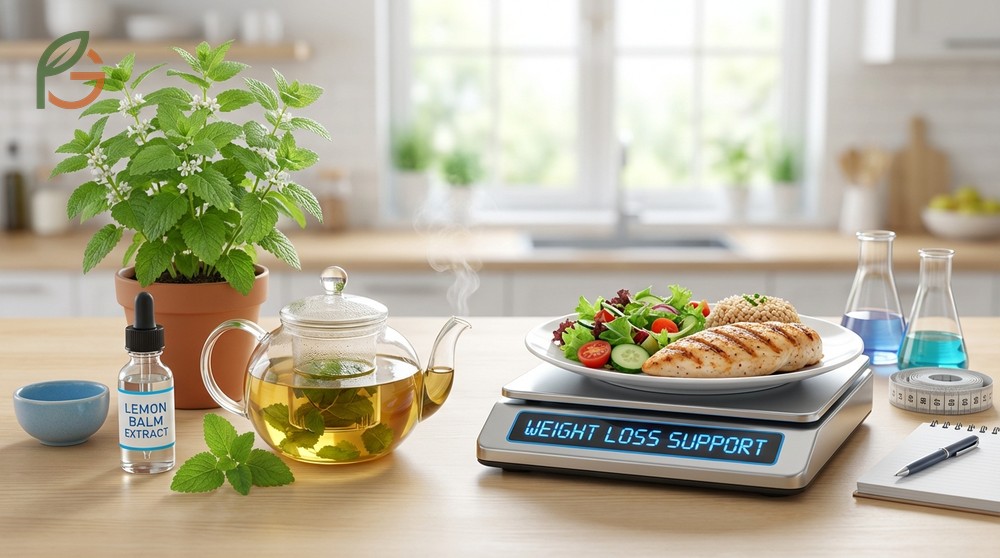
Evidence suggests lemon balm supports weight loss when used as part of a comprehensive approach. The research is clear: study participants (primarily animal models with some human trials) experienced measurable reductions in body weight, visceral fat mass, and adipocyte size when consuming standardized lemon balm extracts.[1] However, these results occurred alongside controlled diets—not in isolation.
Clinical trials using lemon balm for stress and anxiety provide additional context. A 2004 study found that participants who consumed lemon balm during laboratory-induced stress reported increased calmness and better cognitive function. This mental clarity helps you make better food choices rather than reacting emotionally to stress with poor eating decisions.
The recommended therapeutic dosage ranges from 300-500mg daily for up to six months.[3] For acute stress situations, higher doses up to 600mg may provide more immediate effects. If you’re brewing tea, this translates to 2-3 cups daily using the standard preparation methods described earlier.
Most people notice improved sleep quality and reduced stress within 2-3 weeks of consistent use. Weight changes typically become apparent after 6-8 weeks when combined with mindful eating and regular movement. Don’t expect dramatic overnight results—lemon balm works gradually by rebalancing your body’s stress response systems.
Safety Consideration: If you have thyroid disease, consult your healthcare provider before using lemon balm regularly. The herb may alter thyroid function and interact with thyroid medications.
Conclusion
The evidence is clear: lemon balm for weight loss offers legitimate support when integrated into a healthy lifestyle. Research demonstrates significant reductions in weight gain, visceral fat, and stress-related eating patterns through its effects on cortisol regulation and fat metabolism.[1] It won’t replace proper nutrition or exercise, but it addresses one of the most overlooked factors in weight management—chronic stress.
Current agricultural guidance emphasizes sustainable cultivation methods for medicinal herbs like lemon balm. FruitGarden encourages readers to grow their own supply when possible, as fresh herbs contain optimal levels of beneficial compounds while reducing environmental impact from commercial production and shipping.
Medical Disclaimer
Important Medical Disclaimer: This content is for informational and educational purposes only. It is not intended as a substitute for professional medical advice, diagnosis, or treatment. Always consult a qualified healthcare professional before making any changes to your diet, starting new supplements, or modifying your health routine, especially if you have pre-existing medical conditions, take medications, or are pregnant or breastfeeding. Individual results may vary, and the studies referenced primarily used standardized extracts in controlled settings.
Frequently Asked Questions
How Long Does It Take for Lemon Balm to Work for Weight Loss?
Most people notice reduced stress eating and improved sleep within 2-3 weeks of daily use. Measurable weight changes typically appear after 6-8 weeks when you’re consuming 300-500mg daily alongside balanced nutrition and regular physical activity. The herb works gradually by rebalancing stress hormones rather than forcing rapid weight loss.
Can I Drink Lemon Balm Tea Every Day?
Yes, daily consumption is considered safe for most adults for up to six months at recommended dosages. The European Medicines Agency approves 1.5-4.5 grams of dried herb per cup, consumed 1-3 times daily. If you experience drowsiness, headaches, or digestive discomfort, reduce your intake or consult a healthcare provider.
What’s the Best Time to Drink Lemon Balm Tea for Weight Loss?
Morning consumption between 7-9 AM provides optimal cortisol regulation, as stress hormones naturally peak during these hours. Drinking tea 30 minutes before meals can reduce stress eating and improve digestion. Some people also benefit from an evening cup 1-2 hours before bed to support better sleep quality, which indirectly aids weight management.
Does Lemon Balm Tea Have Caffeine?
No, lemon balm is naturally caffeine-free. It’s a calming herb from the mint family that actually promotes relaxation rather than stimulation. This makes it an excellent choice for evening consumption or for people sensitive to caffeine who still want metabolic support.
Can I Combine Lemon Balm With Other Weight Loss Supplements?
Lemon balm generally combines well with other herbs like green tea, ginger, or cayenne for enhanced metabolic effects. However, avoid combining it with sedative medications or supplements that affect thyroid function. Always consult your healthcare provider before mixing multiple supplements, especially if you take prescription medications.
Is Fresh or Dried Lemon Balm Better for Weight Loss?
Both forms contain beneficial compounds, though concentrations differ. Fresh leaves require about three times the quantity (2-3 tablespoons vs. 1 tablespoon dried) to achieve equivalent potency. Fresh herbs offer more volatile oils and a brighter flavor, while dried herbs provide convenience and year-round availability. The weight loss effects remain comparable when you adjust quantities appropriately.
Are There Any Side Effects of Lemon Balm for Weight Loss?
Most people tolerate lemon balm well at recommended dosages. Potential side effects include mild drowsiness, headache, or digestive upset when consumed in excessive amounts. People with thyroid conditions should use caution, as lemon balm may interfere with thyroid hormone production. Discontinue use at least two weeks before scheduled surgery to avoid interactions with anesthesia.