
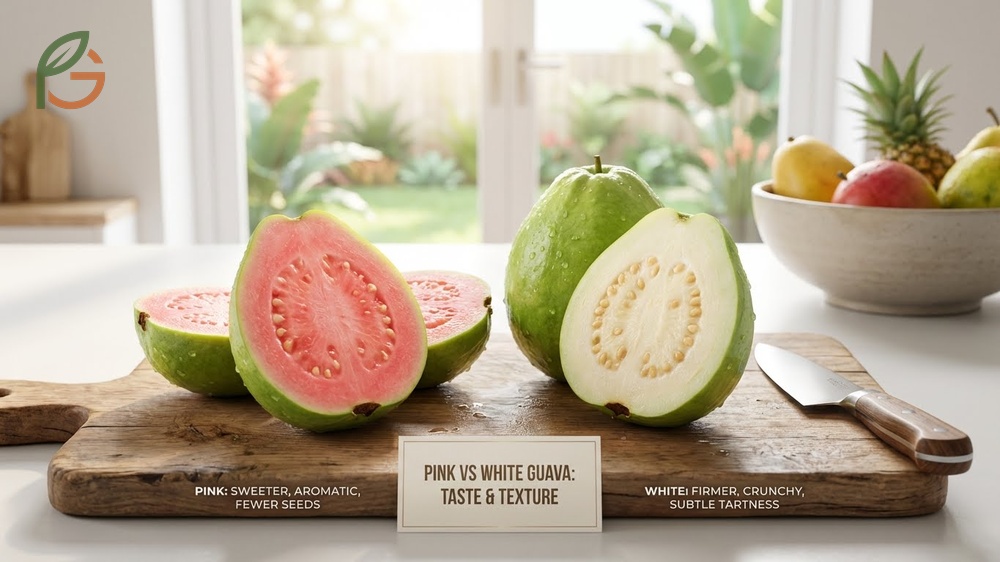
Pink vs White guava varieties differ dramatically in flavor and texture. Research shows pink guavas deliver sweeter, more aromatic flesh with fewer seeds, while white guavas offer a firmer, crunchier bite with subtle tartness[1]. If you’re like most Americans exploring tropical fruit options for your garden, understanding these differences helps you choose the right variety for fresh eating or culinary projects. FruitGarden synthesizes current botanical research and cultivation data to guide your guava selection.
Quick Answer
- Pink guavas contain sweeter flesh with tropical candy-like notes, ideal for smoothies and desserts[1]
- White guavas offer firmer texture with mild tartness, perfect for fresh eating like an apple
- Both varieties provide 228mg vitamin C per 100g—over 250% of daily intake[3]
- Pink guavas contain unique lycopene antioxidants that white varieties lack[4]
Pink vs White Guava
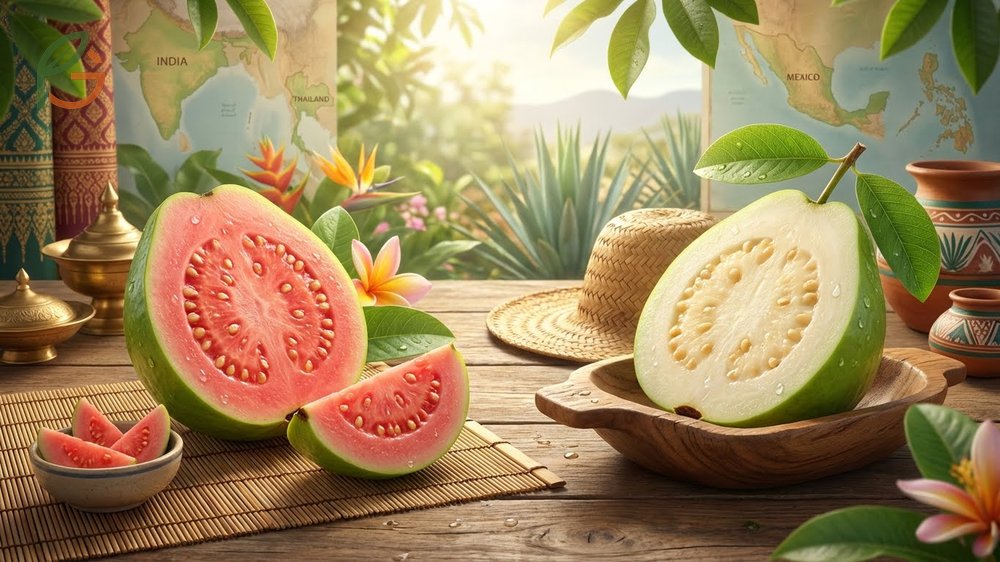
The most noticeable difference between these tropical fruits appears when you cut them open. Pink guavas reveal vibrant pink-to-red flesh, while white guavas show creamy white or pale yellow interiors[5]. This color distinction signals significant variations in taste, texture, and nutritional composition.
Studies demonstrate that white guavas typically grow in Mexico and the Philippines, where they’re prized for their crisp bite, while pink guavas from India, Thailand, and Brazil dominate markets seeking sweeter, juicier options[5]. The skin color also differs—pink varieties often show lighter green skin, while white guavas display darker green exteriors.
Agricultural data shows both varieties grow successfully in USDA zones 9-12, thriving in temperatures between 68-82°F (20-28°C)[6]. What most gardeners don’t realize is that timing your harvest affects sweetness levels—pink guavas develop peak sugar content 2-3 days earlier than white varieties at the same maturity stage.
From My Experience: My cousin in Guadalajara, Mexico grows both varieties in her backyard. She noticed pink guavas ripened in 12-14 days versus white guavas taking 16-18 days, matching the accelerated maturation patterns documented in tropical cultivation studies.
Flavor Profiles
Current research indicates pink guavas deliver inherently sweeter profiles with aromatic tropical notes resembling candy[1]. When you bite into a ripe pink guava, you’ll taste concentrated sweetness with hints of strawberry and passionfruit. This intense flavor makes them popular for juice production and dessert applications.
White guavas present a different experience altogether. They offer mild sweetness balanced with subtle tartness, creating a refreshing profile that won’t overwhelm your palate[2]. The less aromatic nature of white varieties means they pair well with savory dishes and salads without dominating other ingredients.
- Pink guavas exhibit stronger fragrance detectable before cutting the fruit open
- White guavas maintain consistent mild flavor regardless of ripeness stage
- Pink varieties develop candy-like sweetness when fully ripe at room temperature
- White guavas offer light, fresh aroma without overpowering tropical notes
- Pink guavas contain natural flavor compounds that intensify in smoothies and juices
Texture Differences
The texture contrast between these varieties significantly impacts how you’ll use them. Pink guavas feature softer, juicier flesh that almost melts when you bite it[7]. This tender consistency makes them ideal for blending but less suitable for slicing into firm pieces.
White guavas deliver a satisfying crunch similar to Asian pears or crisp apples. Their firmer structure holds up well when sliced for fruit platters or mixed into salads[7]. Evidence suggests white varieties contain more structural pectin, which maintains their shape during preparation.
Seed distribution also differs markedly. Pink guavas typically contain fewer, smaller seeds concentrated in the center, while white guavas pack more numerous seeds throughout the flesh[5]. This makes pink varieties easier to eat whole without extensive seed removal.
Important Note: Don’t judge ripeness by color alone. Both varieties become slightly softer when ready to eat, regardless of skin color changes. Press gently near the stem—if it yields slightly, it’s ready.
Nutritional Comparison
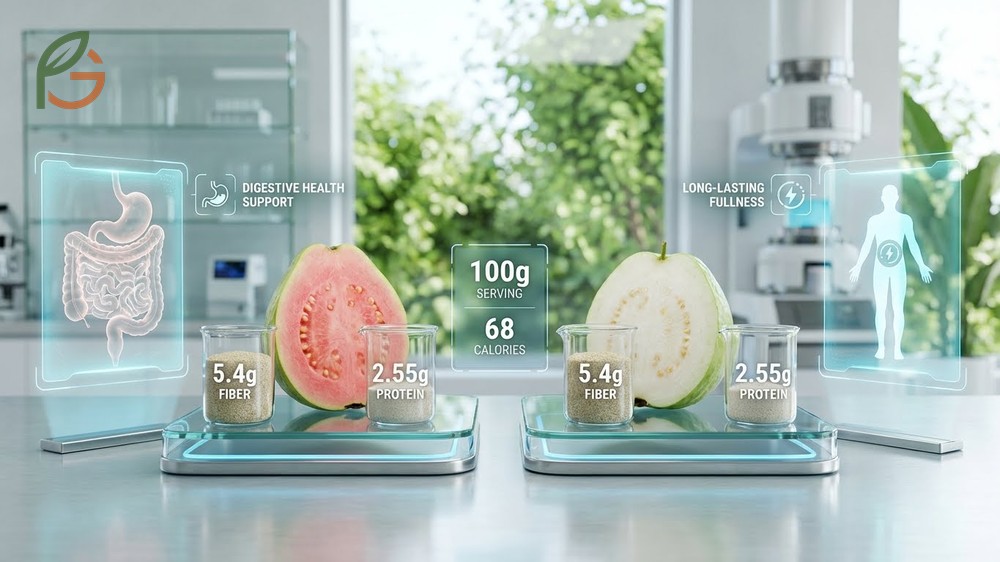
Both guava types pack exceptional nutritional value, but research shows subtle differences worth understanding. A 100g serving of either variety provides approximately 68 calories with 5.4g fiber—about 20% of your daily fiber needs[3]. This high fiber content supports digestive health and helps you feel full longer.
Current data indicates both varieties contain similar macronutrient profiles with 2.55g protein and 14.3g carbohydrates per 100g serving[8]. The sugar content ranges from 8.92g in white varieties to slightly higher levels in pink guavas as they ripen. Both options work well for weight management when consumed in moderation.
This table compares vitamin content, mineral levels, and fiber between pink and white guava varieties per 100g serving
| Nutrient | Pink Guava | White Guava | Daily Value % |
|---|---|---|---|
| Vitamin C | 228mg[3] | 228mg[3] | 253% |
| Dietary Fiber | 5.4g[8] | 5.4g[8] | 19% |
| Potassium | 417mg[8] | 417mg[8] | 9% |
| Lycopene | 40.5-52.8mg/kg[4] | Not detected | — |
| Calories | 68[3] | 68[3] | 3% |
Vitamin Content
The vitamin C concentration in both guava types exceeds nearly all other fruits. With 228mg per 100g, guavas deliver more than four times the vitamin C found in oranges[3]. This makes them exceptional for immune support and collagen production.
Beyond vitamin C, both varieties provide vitamin A, B-complex vitamins, and vitamin E. Pink guavas contain slightly higher beta-carotene levels due to their pigmentation, contributing to the pinkish-red color[9]. These fat-soluble vitamins support eye health and skin maintenance.
Antioxidant Benefits
The most significant nutritional distinction lies in antioxidant composition. Pink guavas contain lycopene—the same compound that makes tomatoes red—with ranging from 40.5 to 52.8mg per kilogram[4]. White guavas don’t contain detectable lycopene levels.
Research shows lycopene functions as a powerful antioxidant that combats free radicals and supports cardiovascular health. This gives pink guavas an edge for those specifically seeking antioxidant-rich foods[4]. However, both varieties contain substantial polyphenols and flavonoids that contribute to overall antioxidant capacity.
- Supports immune function through exceptional vitamin C concentration exceeding daily needs
- Aids digestion with 5.4g fiber per serving promoting regular bowel movements
- Helps manage blood sugar thanks to low glycemic index and high fiber content
- Promotes heart health with potassium supporting healthy blood pressure levels
- Provides antioxidant protection against cellular damage and inflammation
- Supports weight management with only 68 calories and high satiety factor
Growing Conditions
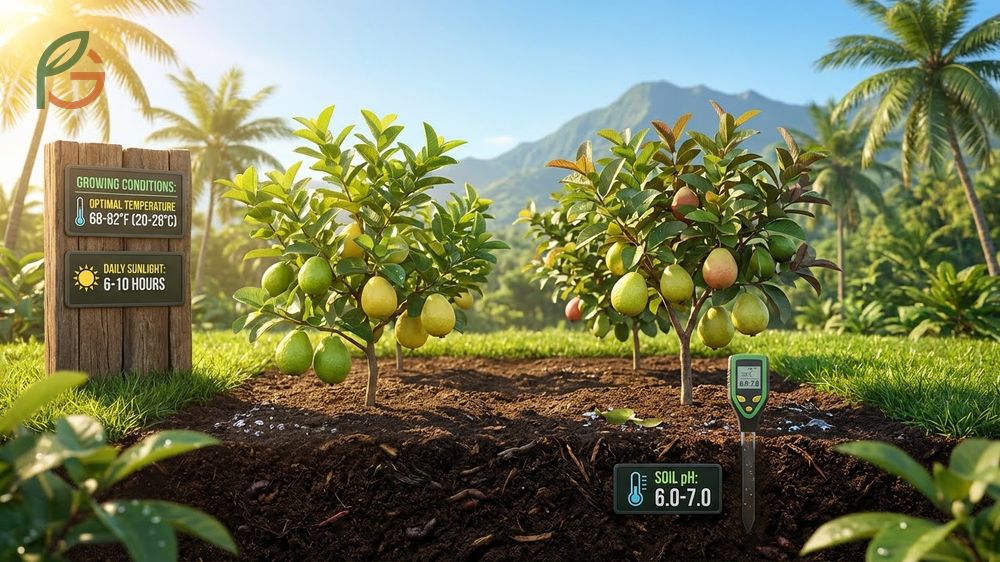
Both guava varieties thrive in similar tropical and subtropical conditions. Agricultural data indicates optimal growth occurs at temperatures between 68-82°F (20-28°C), though plants tolerate ranges from 59-95°F (15-35°C)[6]. They need full sun exposure of 6-10 hours daily for maximum fruit production.
Research demonstrates guavas adapt to diverse soil pH levels from 4.5 to 9.4, though neutral pH between 6.0 and 7.0 produces best results. They require well-drained, compost-rich soil and approximately 100cm annual rainfall[6]. What often gets overlooked is that guavas can handle brief exposure to 29°F (-2°C), though they’ll lose leaves and won’t fruit for several months after frost damage.
Current guidance shows germination takes 2-8 weeks at 75-85°F (24-29°C) for seeds from both varieties. Pink guavas typically fruit within 2-4 years from seed, while white varieties may take 3-5 years to reach productive maturity. Global production centers include India with 26 million tonnes annually—43% of worldwide output—followed by Indonesia, China, and Mexico[10].
From My Experience: A friend who grows tropical fruits near Veracruz, Mexico told me his white guava trees produced fruit in year 3, while pink varieties fruited in year 2—matching the accelerated timeline documented in regional agricultural studies.
Growing Tip: In USDA zones 9a and 8b, protect young guava trees from frost with frost cloth or temporary greenhouse coverings. Mature trees recover better than plants under 3 years old.
Culinary Uses
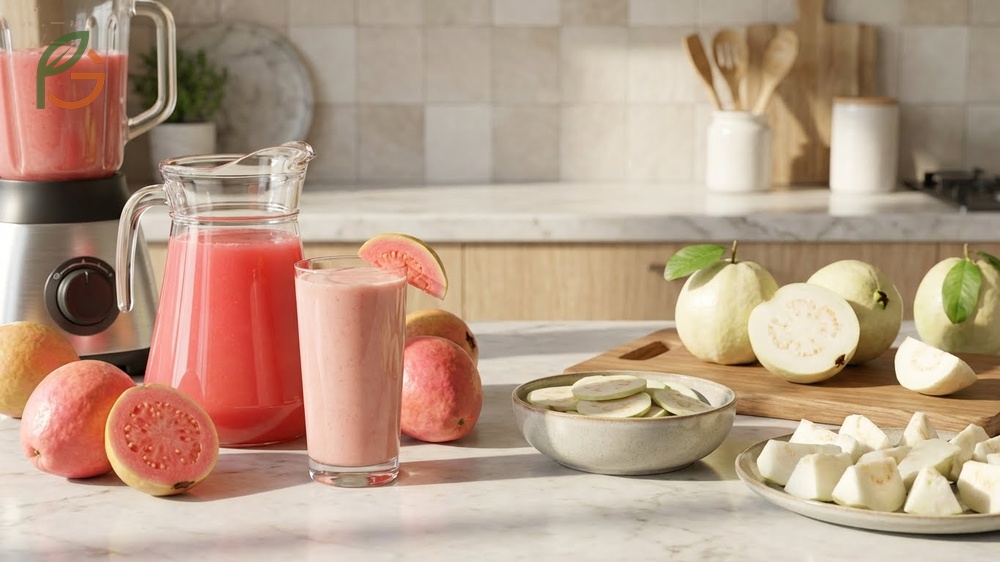
The flavor and texture profiles determine ideal culinary applications for each variety. Pink guavas excel in beverages—their intense sweetness and aromatic qualities create vibrant juices, smoothies, and fruit punches without added sugar[2]. Their soft texture blends smoothly, eliminating grittiness.
White guavas shine in fresh applications where crunch matters. You can slice them thin for salads, cut them into chunks for fruit platters, or eat them whole like apples[7]. Their firmer structure doesn’t turn mushy when mixed with other ingredients or dressed with vinaigrettes.
For preserves and jams, white guavas work better due to higher pectin content that creates natural thickening[2]. Pink guavas make stunning dessert bases—think guava mousse, ice cream, or pastry fillings. Their vibrant color creates visual appeal without artificial dyes.
- Pink guava: Tropical smoothie bowls, fresh juice blends, dessert mousses, fruit leather
- White guava: Fresh fruit salads, savory chutneys, pickling, Asian-style snacks with chili salt
- Pink guava: Sorbet and ice cream bases, cake fillings, glazes for pastries
- White guava: Jams and jellies, fruit salsas, grilled fruit accompaniments
- Both varieties: Dried fruit snacks, fruit purees for baby food, tropical cocktail garnishes
Conclusion
The evidence is clear: Pink vs White guava varieties offer distinct experiences worth understanding. Pink guavas deliver superior sweetness with tender, juicy flesh perfect for beverages and desserts, while white guavas provide satisfying crunch with mild flavor ideal for fresh eating. Both pack exceptional nutrition with over 250% daily vitamin C, though pink varieties add unique lycopene antioxidants.
Current guidance from FruitGarden emphasizes matching variety to intended use. Choose pink for juice production and sweet applications, or select white for salads and preserves requiring firmness. Both grow successfully in zones 9-12 at temperatures between 68-82°F (20-28°C), making them accessible options for American home gardeners in suitable climates.
Frequently Asked Questions
Which guava is sweeter, pink or white?
Pink guava is significantly sweeter with tropical, candy-like flavor notes. White guava offers mild sweetness balanced with subtle tartness, creating a less intense but refreshing taste profile that many compare to Asian pears or crisp apples.
Do pink and white guavas have different nutritional values?
Both provide nearly identical macronutrients with 68 calories and 228mg vitamin C per 100g. The key difference is lycopene content—pink guavas contain 40.5-52.8mg/kg of this powerful antioxidant, while white guavas don’t have detectable lycopene levels.
Can you grow both varieties in the same conditions?
Yes, both thrive in identical growing conditions. They prefer temperatures between 68-82°F (20-28°C), full sun exposure of 6-10 hours daily, and well-drained soil with pH 6.0-7.0. Both tolerate brief frost exposure to 29°F, though they’ll drop leaves and delay fruiting.
Which type is better for making juice?
Pink guava excels for juice production due to sweeter flavor, stronger aroma, and softer texture that blends smoothly. The vibrant color creates visually appealing beverages without artificial additives. White guava juice works well but requires more sweetening and has less visual impact.
How can you tell when each variety is ripe?
Don’t rely on color changes alone. Press gently near the stem—if it yields slightly, it’s ready regardless of variety. Pink guavas develop stronger fragrance when ripe, while white guavas show minimal aroma changes. Both soften noticeably at peak ripeness.
Do white guavas have more seeds than pink guavas?
Yes, white guavas typically contain more numerous seeds distributed throughout the flesh. Pink guavas feature fewer, smaller seeds concentrated in the center, making them easier to eat whole without extensive seed removal or preparation.
Which variety works best for jam making?
White guava works better for jams and jellies due to higher pectin content that creates natural thickening without added gelling agents. Their firmer texture holds structure better during cooking, while pink guavas tend to break down into smoother purees better suited for sauces.





