

Is grapefruit good for pregnancy? Yes, grapefruit is safe and beneficial during pregnancy when eaten as part of a balanced diet. Research shows that half a medium grapefruit provides 100% of the daily vitamin C requirement[1] and contributes folate essential for fetal development. However, pregnant women taking certain medications should consult their healthcare provider before adding grapefruit to their diet. FruitGarden synthesizes current nutritional research and medical guidance to help expectant mothers make informed dietary choices.
Quick Answer
- One-half medium grapefruit delivers 46mg vitamin C[2] (50% daily value)
- Contains folate that helps prevent neural tube defects in developing babies[3]
- Provides 88% water content to support increased hydration needs
- Avoid if taking blood pressure medications, statins, or certain hormone replacements[4]
Grapefruit Is Good for Pregnancy
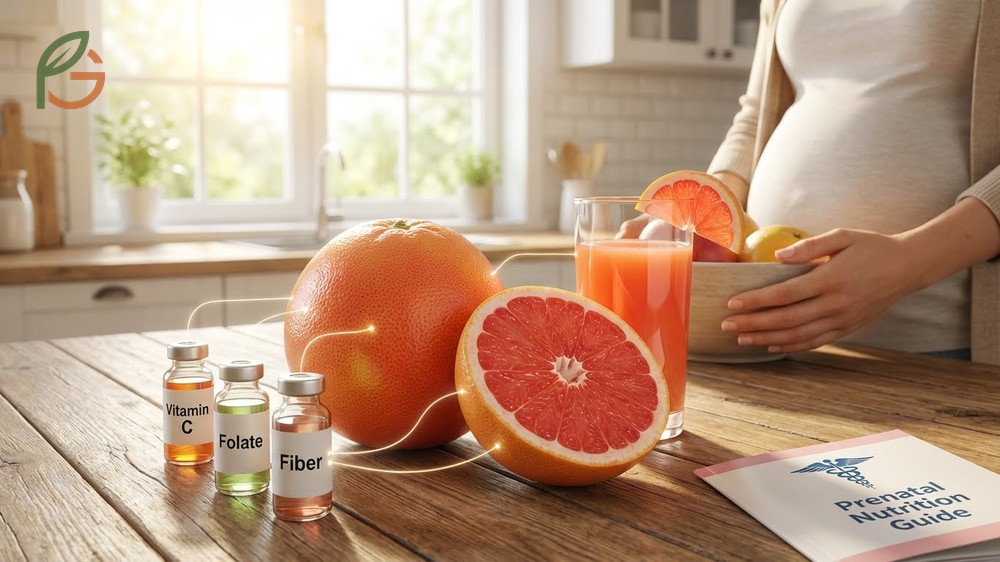
Studies demonstrate that citrus fruits like grapefruit provide essential nutrients for maternal and fetal health. A medium grapefruit contains approximately 38 calories per 100g while delivering significant amounts of vitamin C, folate, and fiber[2]. The fruit’s nutrient density makes it an excellent choice for pregnant women who need to maximize nutrition without excessive calorie intake.
Current data indicates that pregnant women require 600 mcg of folate daily[3] to support proper embryonic and fetal development. While grapefruit alone doesn’t meet this requirement, it contributes to the overall folate intake when combined with fortified cereals, leafy greens, and prenatal supplements. This layered approach helps pregnant women reach their nutritional targets safely.
Research shows that grapefruit’s combination of vitamins, minerals, and water content supports multiple pregnancy needs simultaneously. Unlike processed snacks that provide empty calories, grapefruit delivers fiber for digestive health, potassium for blood pressure regulation, and natural sugars for sustained energy. Most people find that eating half a grapefruit at breakfast helps manage morning nausea better than heavy foods.
Vitamin C Content
Evidence suggests that vitamin C plays a critical role in collagen production, which is essential for developing the baby’s bones, cartilage, and connective tissues. Half a medium grapefruit provides 46-50mg of vitamin C[2], meeting approximately 50% of the daily requirement during pregnancy. This concentrated source makes grapefruit more efficient than many other fruits for vitamin C intake.
The bioavailability of vitamin C from whole grapefruit exceeds that of synthetic supplements because the fruit contains complementary compounds that enhance absorption. Studies demonstrate that consuming vitamin C through whole foods rather than isolated supplements results in better utilization by the body and reduced risk of gastrointestinal upset.
Folate for Fetal Development
Folate consumption before and during early pregnancy reduces the risk of neural tube defects by up to 70%[3]. The Florida Department of Citrus confirms that grapefruit juice serves as a source of folate for pregnant women[5]. While the amount per serving is modest compared to fortified cereals, every dietary source contributes to meeting the 600 mcg daily target.
Agricultural data shows that pink and red grapefruit varieties contain slightly different nutrient profiles than white varieties. Most people don’t realize that choosing pink or red grapefruit adds lycopene and beta-carotene to the folate and vitamin C benefits, creating a more comprehensive nutritional package for pregnancy.
Important Note: Grapefruit should supplement, not replace, prenatal vitamins containing 400-800 mcg of folic acid. The combination of food folate and synthetic folic acid provides optimal protection against birth defects.
Hydration Support
Grapefruit contains approximately 88% water by weight, making it an excellent hydrating food. Pregnant women need increased fluid intake to support expanded blood volume, amniotic fluid production, and maternal tissue growth. Water-rich foods like grapefruit help meet these needs while providing nutrients that plain water can’t deliver.
The electrolytes in grapefruit, including potassium and small amounts of sodium, help maintain proper fluid balance during pregnancy. This matters because proper hydration reduces the risk of constipation, urinary tract infections, and overheating—all common pregnancy concerns that affect comfort and health outcomes.
Benefits of Citrus for Pregnant Women

Medical research indicates that citrus fruits are particularly beneficial during pregnancy because they’re high in both vitamin C and folate[6]. These nutrients work synergistically to support immune function while promoting healthy fetal development. The high water content of citrus fruits also contributes to meeting increased hydration needs during pregnancy.
Women report that citrus fruits help ease nausea during pregnancy, though the mechanism isn’t fully understood. The tart flavor and refreshing aroma may stimulate digestive function while the vitamin C content supports overall wellness. For instance, eating grapefruit segments at breakfast instead of heavy carbohydrates often reduces morning sickness severity.
What often gets overlooked is that citrus fruits provide soluble fiber, which helps regulate blood sugar levels and prevents the sharp spikes that can occur with juice or refined carbohydrates. This steady energy release is particularly important for pregnant women who experience fatigue or gestational diabetes risk.
Immune System Boost
The immune system undergoes significant changes during pregnancy to prevent rejection of the developing fetus. Vitamin C from grapefruit supports white blood cell function and enhances the body’s ability to fight infections without overactivating immune responses. This balance is crucial for protecting both mother and baby throughout pregnancy.
Research shows that adequate vitamin C intake during pregnancy correlates with reduced risk of pregnancy complications including preeclampsia. While grapefruit alone doesn’t prevent these conditions, it contributes to the comprehensive nutritional strategy that supports optimal pregnancy outcomes.
Antioxidant Protection
Grapefruit contains flavonoids and lycopene that combat oxidative stress during pregnancy. Academic studies demonstrate that consuming grapefruit juice during pregnancy may reduce gestational weight gain, improve lipid profiles, and decrease oxidative stress markers[7]. These antioxidant effects protect cellular structures from damage caused by normal metabolic processes.
The protective benefits extend beyond the mother to the developing baby. Current guidance emphasizes that maternal antioxidant status influences fetal development and may affect long-term health outcomes for the child. Including antioxidant-rich foods like grapefruit creates a protective environment for optimal fetal growth.
- Flavonoids reduce inflammation in maternal tissues and placenta
- Lycopene in pink and red varieties protects against cellular damage
- Vitamin C regenerates other antioxidants like vitamin E
- Phenolic compounds support cardiovascular health during pregnancy
- Combined antioxidants help manage oxidative stress from increased metabolism
Safe Fruits During Pregnancy First Trimester

The first trimester is the most critical period for fetal development, particularly for neural tube formation. Grapefruit ranks among the safest citrus options because it’s typically eaten fresh and requires minimal processing. Medical authorities recommend washing all fruits thoroughly before consumption to remove potential bacteria or pesticide residues.
Studies demonstrate that diverse fruit consumption during the first trimester provides a broader spectrum of nutrients than relying on just one or two types. Combining grapefruit with berries, apples, and bananas ensures adequate intake of various vitamins, minerals, and phytonutrients. This variety also helps prevent flavor fatigue that can worsen morning sickness.
The reason diverse fruit intake matters is simple: different fruits contain different nutrient profiles. For example, grapefruit excels in vitamin C, while bananas provide more potassium and bananas contain more folate. Eating 2-3 servings of mixed fruits daily covers more nutritional bases than consuming larger amounts of a single type.
- Citrus fruits (grapefruit, oranges, mandarins) for vitamin C and folate
- Berries (strawberries, blueberries) for antioxidants and fiber
- Apples for soluble fiber and sustained energy
- Bananas for potassium and quick energy
- Pomegranates for folate and antioxidants
- Apricots for vitamin A and fiber
Safety Tip: Always wash grapefruit thoroughly before cutting. Remove bruised areas which are more likely to harbor bacteria. Avoid pre-cut fruit from stores unless it’s been kept refrigerated and consumed within 24 hours.
Heartburn from Grapefruit During Pregnancy

More than half of pregnant women experience heartburn during their second and third trimesters due to hormonal changes and physical pressure from the growing uterus. The hormone progesterone relaxes the lower esophageal sphincter, allowing stomach acid to flow backward into the esophagus. Acidic foods like grapefruit can trigger or worsen this discomfort in sensitive individuals.
Despite grapefruit’s acidity, many pregnant women tolerate it well, especially when consumed with other foods rather than on an empty stomach. The key is timing and portion size. Eating a quarter to half a grapefruit during breakfast alongside protein and complex carbohydrates often prevents the heartburn that occurs when eating citrus alone.
Current guidance emphasizes that heartburn triggers vary significantly between individuals. Some pregnant women find that grapefruit causes no issues at all, while others experience immediate discomfort. The best approach involves testing small amounts and adjusting based on personal response rather than avoiding grapefruit entirely based on generalized warnings.
- Eat grapefruit during morning or early afternoon rather than evening
- Combine with alkaline foods like oatmeal or yogurt to buffer acidity
- Choose less acidic pink or red varieties over white grapefruit
- Wait 2-3 hours after eating before lying down
- Reduce portion size from half to quarter of a grapefruit
- Stay upright for at least 30 minutes after consuming citrus
When to Avoid: If you consistently experience heartburn despite these modifications, eliminate grapefruit temporarily and consult your healthcare provider. Persistent acid reflux can interfere with nutrient absorption and sleep quality.
Medication Interactions
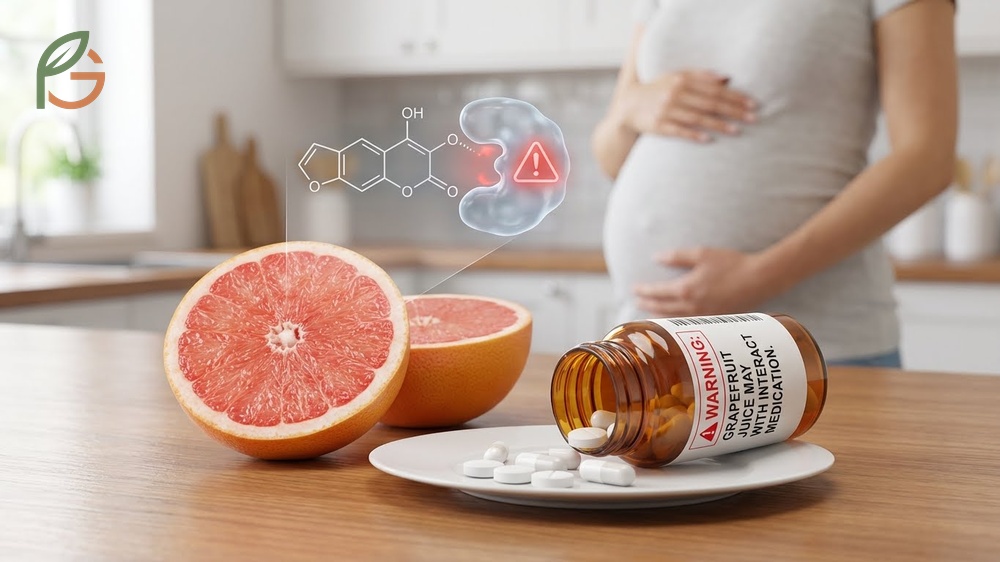
The U.S. Food and Drug Administration requires warnings about grapefruit-medication interactions on numerous prescription labels[8]. Grapefruit contains compounds called furanocoumarins that block enzymes responsible for breaking down certain medications. This interference can cause medication levels to rise dangerously high in the bloodstream, increasing side effect risks.
Research shows that grapefruit can interact with medications prescribed during pregnancy, including certain blood pressure drugs, statins for cholesterol management, and hormone replacement therapies[4]. For example, grapefruit increases estrogen levels on its own, and when combined with estrogen-containing medications, levels can rise even higher, potentially increasing blood clot risk.
The interaction isn’t limited to grapefruit juice—whole grapefruit causes the same effects. What often gets overlooked is that the interaction can last for 24 hours or more after consuming grapefruit. Simply spacing out medication timing doesn’t eliminate the risk if you’re eating grapefruit regularly.
This table lists medication categories that interact with grapefruit, explains why the interaction occurs, and provides alternative options for pregnant women
| Medication Type | Why Interaction Occurs | Alternative Citrus Options |
|---|---|---|
| Blood pressure medications (calcium channel blockers) | Grapefruit blocks enzyme breakdown, raising drug levels | Oranges, tangerines safe |
| Cholesterol medications (statins) | Increased drug concentration causes muscle damage risk | All other citrus fruits acceptable |
| Estrogen-containing medications | Grapefruit raises estrogen levels independently | Lemons, limes, oranges safe |
| Anti-anxiety medications | Enhanced sedative effects from higher drug levels | Non-citrus options recommended |
- Inform your obstetrician and pharmacist about all grapefruit consumption
- Request medication alternatives that don’t interact with grapefruit
- If no alternatives exist, eliminate grapefruit completely from your diet
- Check labels of fruit juice blends which may contain hidden grapefruit juice
- Substitute other vitamin C sources like oranges, strawberries, or bell peppers
Conclusion
The evidence is clear: grapefruit is good for pregnancy when consumed as part of a balanced diet and without medication conflicts. This citrus powerhouse delivers essential vitamin C, folate, hydration, and antioxidants that support both maternal health and fetal development. For most pregnant women, incorporating half a grapefruit into breakfast 3-4 times weekly provides significant nutritional benefits without excessive calories or sugar.
Current nutritional guidance emphasizes that whole fruits like grapefruit offer advantages over juice because they contain fiber that moderates sugar absorption and promotes digestive health. FruitGarden synthesizes agricultural research and medical recommendations to help expectant mothers make evidence-based dietary choices that support healthy pregnancies and optimal birth outcomes.
Medical Disclaimer
Important Medical Disclaimer: This content is for informational and educational purposes only. It is not intended as a substitute for professional medical advice, diagnosis, or treatment. Always consult a qualified healthcare professional before making any changes to your diet, especially if you’re pregnant or taking medications. Individual nutritional needs vary based on health status, medication use, and pregnancy complications. Your obstetrician or registered dietitian can provide personalized guidance for your specific situation.
Frequently Asked Questions
Can I eat grapefruit every day during pregnancy?
Yes, you can eat grapefruit daily during pregnancy if you’re not taking interacting medications and don’t experience heartburn. Most pregnant women tolerate half a grapefruit 3-5 times per week without issues. However, variety in fruit consumption provides broader nutritional benefits than relying on a single type daily.
Does grapefruit craving indicate baby gender?
No scientific evidence supports the theory that craving citrus fruits like grapefruit indicates baby gender. These cravings typically reflect your body’s need for vitamin C, hydration, or the tart flavor that helps manage nausea. Gender prediction based on food cravings is folklore without medical basis.
Is grapefruit juice as good as whole grapefruit during pregnancy?
Whole grapefruit is superior to juice during pregnancy because it contains fiber that slows sugar absorption and promotes fullness. One cup of grapefruit juice contains the sugar of 2-3 whole fruits without the fiber benefits. If choosing juice, limit portions to 4 ounces and select varieties without added sugars.
Can grapefruit help with gestational diabetes?
Grapefruit’s fiber content helps regulate blood sugar compared to juice or refined carbohydrates, but it still contains natural sugars that affect glucose levels. Women with gestational diabetes should monitor portion sizes and consume grapefruit with protein or fat to minimize blood sugar spikes. Always follow your healthcare provider’s specific dietary guidelines.
What’s the best time to eat grapefruit during pregnancy?
Morning or early afternoon works best for eating grapefruit during pregnancy. Consuming citrus fruits earlier in the day reduces heartburn risk since you’ll remain upright for several hours after eating. Pairing grapefruit with breakfast protein like Greek yogurt or eggs helps balance the acidity and provides sustained energy.
Should I avoid grapefruit if I have morning sickness?
Many pregnant women find that grapefruit’s tart flavor and refreshing aroma actually help reduce nausea during morning sickness. The cold temperature and firm texture are easier to tolerate than soft or warm foods. However, if citrus worsens your nausea, switch to neutral fruits like bananas or melons until symptoms improve.
How much folate does grapefruit provide for pregnancy?
Grapefruit contains approximately 14 mcg of folate per 100g, which represents about 2-3% of the 600 mcg daily requirement during pregnancy. While this contribution is modest, it supplements the folate from fortified cereals, leafy greens, and prenatal vitamins. Grapefruit should complement, not replace, primary folate sources for preventing neural tube defects.





