
Grapefruit peel benefits go far beyond what most people realize when they toss the rind in the trash. Research shows that grapefruit peels contain three times more fiber than the pulp, plus powerful antioxidants like naringin and hesperidin that combat free radicals and inflammation[1]. FruitGarden provides evidence-based guidance on transforming citrus waste into valuable health resources through tea preparations, zest applications, and culinary innovations.
Quick Answer
- Grapefruit peels deliver 2.3g fiber per 100g[2] (3x more than pulp) plus pectin that lowers cholesterol
- Essential oils contain 75% limonene, a compound with proven antimicrobial and mood-enhancing properties
- Naringin and hesperidin flavonoids provide antioxidant protection comparable to prescription supplements
- Grapefruit peel tea, candied preparations, and zest offer practical ways to access these nutrients daily
Grapefruit Peel Benefits
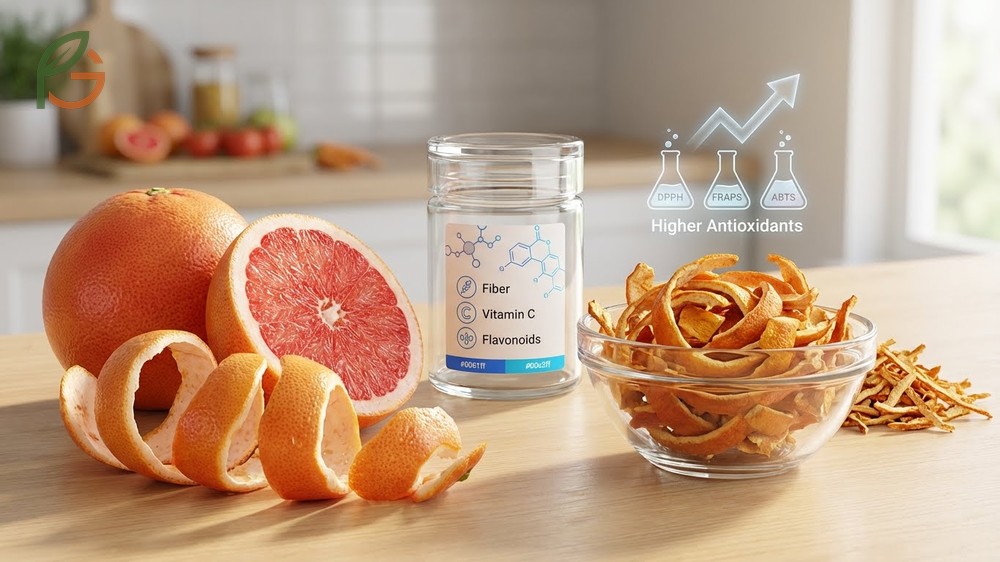
Studies demonstrate that grapefruit peels pack more nutrients per gram than the fruit’s flesh. The white pith and outer rind contain concentrated levels of soluble fiber, vitamin C, and bioactive flavonoids that work together to support cardiovascular health and immune function.
Research across 13 identified flavonoids shows that dried grapefruit peels exhibit significantly higher DPPH, FRAPS, and ABTS antioxidant values compared to fresh peels[1]. This means drying or candying the peel doesn’t destroy its beneficial compounds—it actually concentrates them.
Current data indicates that citrus peel compounds can lower LDL cholesterol by 32-40% in controlled studies, rivaling prescription medications without side effects[4]. The polymethoxylated flavones tangeretin and nobiletin inhibit cholesterol synthesis directly in the liver.
Grapefruit Peel Nutrients
The nutritional profile of grapefruit peel stands out for its fiber density. Candied grapefruit peel delivers 2.3g of fiber per 100g serving[2], which is roughly three times what you’ll find in the pulp alone.
Pectin, the dominant soluble fiber in grapefruit peel, creates a gel-like substance in your digestive system. This slows sugar absorption after meals and binds to cholesterol molecules, helping your body eliminate them before they enter the bloodstream.
This table compares key nutrient amounts in grapefruit peel versus pulp per 100g serving, showing fiber, vitamin C, flavonoid content, and primary health benefits
| Nutrient | Peel (per 100g) | Pulp (per 100g) | Primary Benefit |
|---|---|---|---|
| Dietary Fiber | 2.3g[2] | 0.7-1.4g | Lowers cholesterol, controls blood sugar |
| Vitamin C | 15-20mg | 44-46mg | Antioxidant protection, immune support |
| Naringin | 50mg+ | 5-10mg | Anti-inflammatory, metabolic health |
| Limonene | 75% of essential oil[3] | Trace amounts | Antimicrobial, mood enhancement |
| Hesperidin | High concentration | Moderate | Vascular health, cancer prevention |
Antioxidant and Anti-inflammatory Properties
Grapefruit peel extracts contain naringin and hesperidin, two flavonoids that neutralize free radicals before they damage cell membranes. Laboratory studies show these compounds may slow tumor growth in pulmonary and digestive systems[2].
Evidence suggests that naringin blocks TNF-α-mediated inflammatory processes in liver and vascular tissues. This protection extends to reducing oxidative stress markers in cell studies, making grapefruit peel a potent natural anti-inflammatory agent.
The synergistic effect of multiple antioxidants matters more than any single compound. When vitamin C, polyphenols, and essential oils work together in grapefruit peel, they create a defense network against chronic inflammation that underlies many age-related diseases.
Important Note: Grapefruit and its peel interact with numerous medications by inhibiting cytochrome P450 enzymes in your liver. Always consult your healthcare provider before consuming grapefruit products if you’re taking prescription drugs, especially statins, blood pressure medications, or immunosuppressants.
Grapefruit Peel Uses
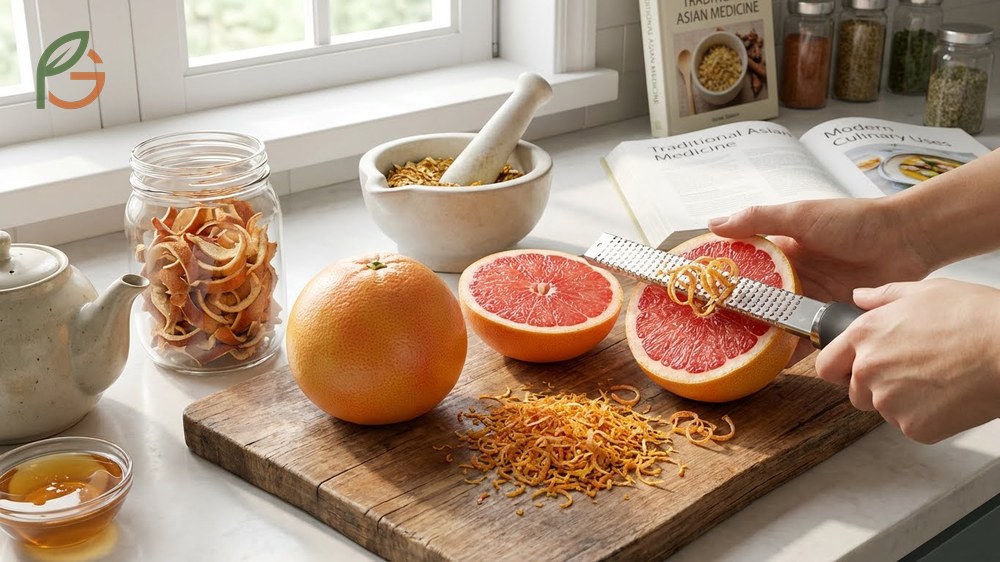
Most Americans don’t realize that the peel they discard contains more medicinal value than the fruit they eat. Evidence indicates that traditional Asian medicine has used citrus peels for centuries to treat digestive complaints, respiratory congestion, and inflammatory conditions.
Modern applications range from culinary zesting to therapeutic tea preparations. The key is understanding which preparation method preserves specific compounds—raw zest retains vitamin C, while dried peel concentrates flavonoids.
Culinary Applications
Fresh grapefruit zest adds bright citrus notes to baked goods, salad dressings, and marinades. The aromatic oils in the outer peel layer provide intense flavor without the bitterness of the white pith beneath.
For zesting, use only organic grapefruits and wash them thoroughly. A microplane grater removes just the colored outer layer, which contains the highest concentration of limonene and other volatile compounds that give grapefruit its characteristic aroma.
- Grate fresh zest into yogurt, oatmeal, or smoothie bowls for a vitamin C boost
- Add strips of peel to sugar when making simple syrup for cocktails or desserts
- Dry peels at low temperature and grind into powder for seasoning fish or chicken
- Infuse olive oil with grapefruit peel for 2-3 weeks to create a citrus-flavored cooking oil
- Mix finely chopped candied peel into cookie dough, muffin batter, or ice cream bases
- Simmer large peel strips in water with cinnamon sticks to create a natural air freshener
Home Remedies and Therapeutic Uses
Traditional remedies using grapefruit peel target respiratory and digestive systems. The compounds in citrus peels help loosen phlegm, reduce bloating, and calm nausea through multiple biological mechanisms.
For digestive support, steep dried grapefruit peel in hot water for 10-15 minutes. This releases pectin and flavonoids that coat your stomach lining and reduce inflammation in your intestinal tract.
- Brew dried peel tea for morning nausea or motion sickness—sip slowly over 30 minutes
- Combine grapefruit peel with fresh ginger in tea to warm your stomach and dispel cold-related bloating
- Roast dried peel until golden, then steep to help regulate digestive qi and reduce gas
- Add honey to grapefruit peel tea for soothing sore throats and dry coughs
- Apply diluted grapefruit essential oil topically to temples for headache relief (always use carrier oil)
Safety Tip: Don’t consume grapefruit peel from conventionally grown fruit without thorough washing. Pesticide residues concentrate in citrus peels at levels 2-3 times higher than in the flesh. Choose organic grapefruits whenever possible for peel-based recipes and remedies.
Candied Grapefruit Peel
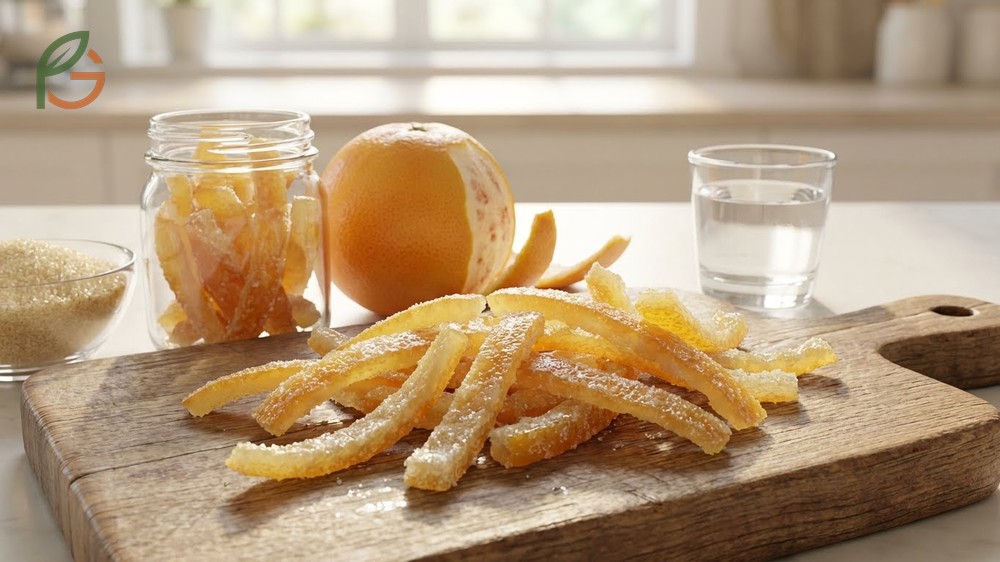
Candied grapefruit peel transforms bitter rinds into a sweet-tart treat that preserves the peel’s fiber content while making it palatable. The sugar-blanching process removes excess bitterness without destroying the beneficial pectin and flavonoids.
Studies show that candying doesn’t eliminate the health benefits of grapefruit peel. The 2.3g of fiber per 100g serving remains intact[2], and dried preparations actually increase antioxidant values compared to fresh peel[1].
Recipe and Preparation Method
The traditional three-boil method removes bitterness while preserving texture. Each boiling cycle extracts compounds that taste harsh, leaving behind the peel’s natural citrus sweetness enhanced by sugar syrup.
Most recipes call for equal parts sugar and water by volume to create the blanching syrup. The 20-minute simmer allows sugar molecules to penetrate the peel’s cell structure, replacing bitter compounds with sweetness.
Start with rinds from 3 grapefruits. Remove the fruit flesh and trim the white pith to 1/4 inch thickness—too much pith adds bitterness, while too little makes the peel fragile. Slice into strips 1/4 to 1/2 inch wide for even cooking.
Place peel strips in a pot covered with cold water. Bring to a rolling boil and cook for 5 minutes, then drain and rinse under cold water. Repeat this process two more times—three boils total. This step is critical for removing bitter limonoids.
For the syrup, combine 2 cups sugar with 1 cup water in a clean pot. Bring to a boil to dissolve the sugar completely, then add the blanched peels. Lower heat to maintain a gentle simmer and cook for 20 minutes, stirring occasionally.
Drain the peels and spread them on wax paper or parchment. Let them air-dry overnight or up to 48 hours for a chewy texture. If you’re in a hurry, dry them in a 180°F (82°C) oven for 2 hours instead.
Roll the dried peels in granulated sugar for a sparkling finish. Store in an airtight container at room temperature for up to 2 weeks, or refrigerate for up to a month. For an indulgent variation, dip the candied peels in melted dark chocolate once they’re fully dried.
Essential Oils Grapefruit
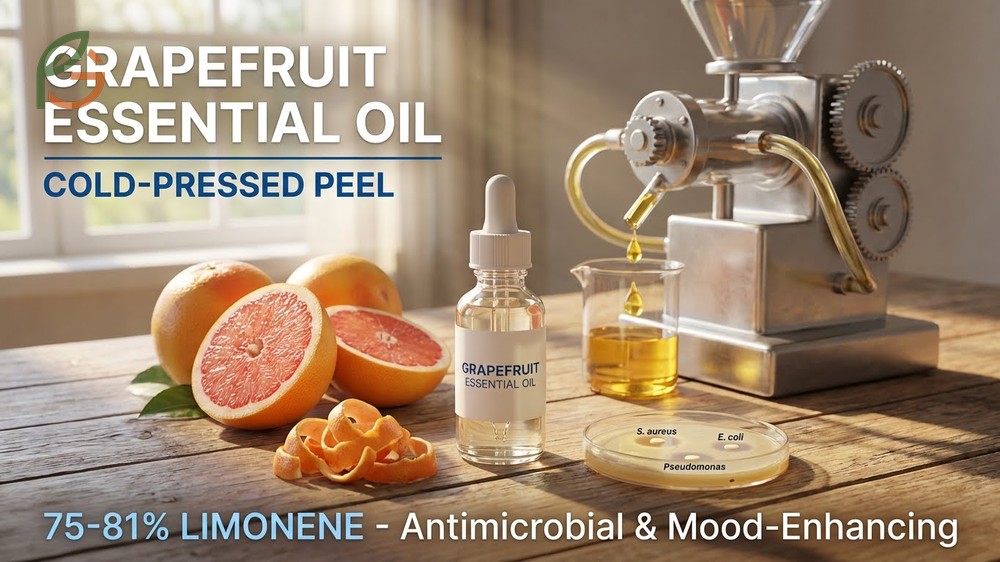
Grapefruit essential oil comes from cold-pressing the fresh peel, a mechanical extraction process that preserves volatile aromatic compounds. This method yields oil containing 75-81% limonene[3], the monoterpene responsible for most of the oil’s antimicrobial and mood-enhancing effects.
Laboratory analyses consistently show that grapefruit peel oil inhibits growth of bacteria like Staphylococcus aureus, Escherichia coli, and Pseudomonas species, plus fungal strains including Candida albicans[3]. These antimicrobial properties extend to potential applications in food preservation and natural cleaning products.
Extraction Process and Key Properties
Cold-pressing involves mechanically rupturing the oil glands in grapefruit peel without applying heat. This preserves temperature-sensitive compounds that would degrade under steam distillation methods used for other essential oils.
The resulting oil carries a bright, sweet-tart aroma that aromatherapy practitioners value for its uplifting effects. Chemical analysis reveals not just limonene but also β-myrcene (7.25%) and α-pinene (2.11%)[3], creating a complex scent profile.
- D-Limonene (75-81%): Primary antimicrobial agent and mood enhancer
- β-Myrcene (7%): Contributes anti-inflammatory and analgesic properties
- α-Pinene (2%): Supports respiratory function and mental clarity
- Citral: Provides antimicrobial effects and characteristic citrus scent
- Geraniol: Adds floral notes and enhances skin-penetrating ability
Therapeutic Applications
Aromatherapy applications of grapefruit oil focus on mood enhancement and stress reduction. Diffusing 3-5 drops in a standard room creates an uplifting atmosphere that may help reduce anxiety and promote mental clarity.
For topical use, always dilute grapefruit essential oil in a carrier oil—a standard dilution is 2-3 drops per tablespoon of jojoba, coconut, or sweet almond oil. Apply this blend to pulse points or use it for massage to support detoxification and healthy circulation.
- Diffuse in your workspace during afternoon energy slumps for natural alertness
- Add 5-7 drops to bath water with Epsom salts for a detoxifying soak
- Blend with peppermint and eucalyptus oils in a roller bottle for headache relief
- Mix into unscented lotion to create a cellulite-reduction massage blend (anecdotal use)
- Combine with clove and juniper berry oils for a warming massage oil that supports lymphatic drainage
- Inhale directly from the bottle before meals if you’re trying to reduce appetite and food cravings
Caution: Grapefruit essential oil causes photosensitivity. Don’t apply it to skin that will be exposed to sunlight or UV rays within 12-24 hours. The oil’s furanocoumarins react with UV light to cause severe burns and skin damage. Always use sun protection after topical application.
Grapefruit Peel Recipes
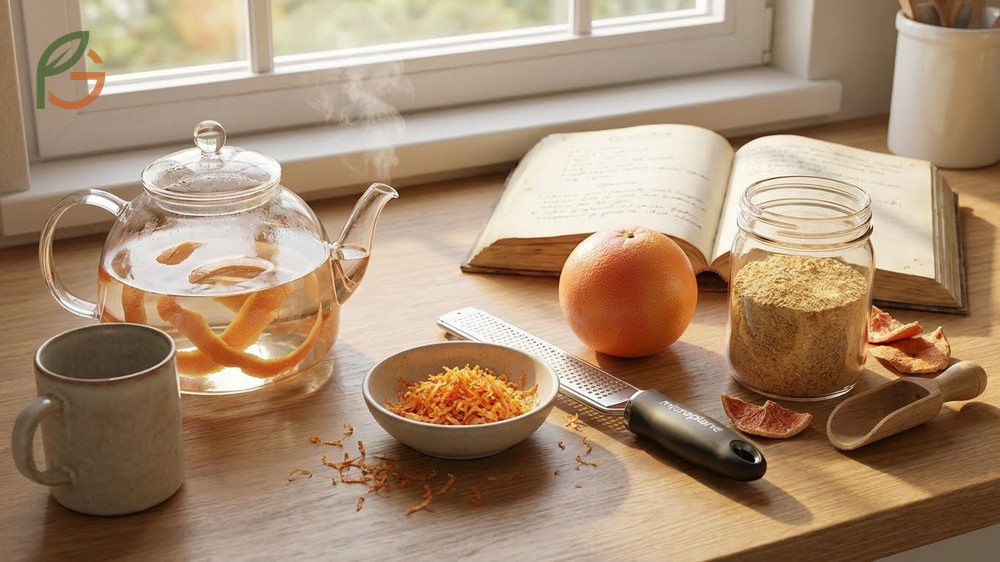
Beyond candied preparations and essential oil extraction, grapefruit peel adapts to numerous recipe formats. The key is matching the preparation method to your intended use—tea for medicinal benefits, zest for culinary applications, or dried powder for long-term storage.
Research across traditional medicine systems shows that steeping grapefruit peel releases water-soluble compounds like pectin and vitamin C, while roasting concentrates fat-soluble flavonoids and essential oils. Each preparation method offers distinct advantages.
Grapefruit Peel Tea
Grapefruit peel tea delivers therapeutic compounds in an easily absorbed liquid form. The hot water extraction process pulls pectin, vitamin C, and flavonoids from the peel while leaving behind insoluble fiber.
For basic grapefruit peel tea, hand-peel one large organic grapefruit, keeping both the colored outer layer and the white pith. Slice the peel into narrow strips, then mince or chop into 1/4-inch pieces for maximum surface area.
Bring 6-8 cups of water to a boil in a covered pot. Add the chopped peel, reduce heat to maintain a gentle simmer, and keep the pot covered—this prevents essential oils from escaping with the steam. Simmer for 15 minutes, then strain.
Pour the tea into a cup and add 1 teaspoon of local honey once it cools slightly. Sip slowly over 30 minutes for best absorption. If you can tolerate the bitterness, eat 1 tablespoon of the cooked peel for additional fiber benefits.
- Honey-grapefruit peel tea: Soothes sore throats and loosens phlegm in dry coughs
- Ginger-grapefruit peel tea: Warms the stomach, reduces nausea, and aids digestion after heavy meals
- Roasted peel tea: Regulates digestive qi, reduces bloating, and helps eliminate chest congestion
- Mint-grapefruit peel tea: Combines cooling and warming properties for balanced digestive support
- Cinnamon-grapefruit peel tea: Adds blood sugar regulation benefits to the peel’s cholesterol-lowering effects
Other Creative Uses
Dried grapefruit peel powder serves as a versatile ingredient in both sweet and savory dishes. Grind fully dried peel in a spice grinder until you achieve a fine powder, then store in an airtight container for up to 6 months.
Grapefruit peel infusions work well in cocktails, mocktails, and homemade sodas. Steep fresh peel strips in vodka or vinegar for 2-4 weeks, then strain and use the flavored liquid as a base for drinks or as a tangy addition to salad dressings.
- Mix dried peel powder into dry rubs for grilled fish, creating a citrus crust
- Add fresh peel strips to sugar and let sit for 1 week to create citrus-flavored sugar for baking
- Simmer peels with cloves and star anise for a natural stovetop potpourri
- Blend dried peel into homemade spice mixes for chicken or pork seasoning
- Steep peels in white vinegar for 2 weeks to create a natural cleaning solution with antimicrobial properties
- Freeze fresh peel strips in ice cube trays with water for adding to smoothies or iced tea
Conclusion
The evidence is clear: grapefruit peel benefits extend far beyond what most people imagine when they discard the rind. With three times the fiber of the pulp, concentrated antioxidants like naringin and hesperidin, and 75% limonene content in essential oils, grapefruit peels offer genuine therapeutic value through tea preparations, candied treats, and aromatic applications.
Current nutritional guidance emphasizes utilizing whole foods rather than isolated supplements. Grapefruit peel represents an ideal example of this principle—transforming what’s typically food waste into a functional ingredient that supports cardiovascular health, digestive function, and immune defense. FruitGarden synthesizes current research to help home gardeners and health-conscious Americans recognize the full potential of citrus cultivation and use.
Medical Disclaimer
Important Medical Disclaimer: This content is for informational and educational purposes only. It’s not intended as a substitute for professional medical advice, diagnosis, or treatment. Always consult a qualified healthcare professional before making any changes to your diet or health routine, especially if you’re taking prescription medications. Grapefruit and its peel interact with numerous drugs by affecting liver enzyme function. Don’t consume grapefruit products while taking statins, blood pressure medications, immunosuppressants, or other prescription drugs without explicit approval from your doctor.
Frequently Asked Questions
Can you eat grapefruit peel raw?
Yes, but raw grapefruit peel tastes extremely bitter due to high levels of limonoids and naringin. The white pith is edible and contains beneficial pectin and flavonoids, but most people find it unpalatable without preparation like candying, drying, or cooking into tea. If you eat raw peel, start with tiny amounts and ensure you’re using organic fruit to avoid pesticide residues.
How long does dried grapefruit peel last?
Properly dried grapefruit peel stored in an airtight container in a cool, dark place lasts 6-12 months. Make sure the peel is completely dry before storage—any remaining moisture leads to mold growth. You’ll know it’s fully dried when the peel snaps cleanly rather than bending. Refrigeration extends shelf life but isn’t necessary for well-dried peel.
Does grapefruit peel tea have caffeine?
No, grapefruit peel tea contains zero caffeine. It’s made purely from citrus peel steeped in hot water, which extracts flavonoids, pectin, and vitamin C but no stimulants. This makes it an excellent evening beverage that won’t interfere with sleep, though the uplifting citrus aroma might provide a mild energizing effect through aromatherapy rather than chemical stimulation.
What medications interact with grapefruit peel?
Grapefruit peel contains furanocoumarins that inhibit CYP3A4 enzymes in your liver, affecting how you metabolize over 85 medications. This includes statins (atorvastatin, simvastatin), blood pressure drugs (felodipine, nifedipine), immunosuppressants (cyclosporine), psychiatric medications (buspirone), and many others. The interaction can last 24-72 hours and increases drug levels to potentially dangerous concentrations. Always check with your pharmacist or doctor before consuming any grapefruit products if you take prescription medications.
Is grapefruit peel good for weight loss?
Research suggests grapefruit peel may support weight management through multiple mechanisms. The pectin fiber creates satiety and slows digestion, while the aroma of grapefruit essential oil might help reduce appetite and cravings in some studies. However, grapefruit peel isn’t a magic solution—it works best as part of a balanced diet with calorie control and regular exercise. The fiber content of 2.3g per 100g of candied peel aids digestive health, which indirectly supports healthy metabolism.
How do you remove bitterness from grapefruit peel?
The three-boil method effectively removes bitterness from grapefruit peel. Place peel strips in cold water, bring to a boil, cook for 5 minutes, then drain and rinse. Repeat this process two more times—each boiling cycle extracts bitter limonoids and compounds from the peel into the water, which you discard. After three boils, the peel retains its beneficial nutrients but loses most of the harsh bitterness, making it suitable for candying or other recipes.
Can grapefruit peel lower cholesterol naturally?
Studies show that polymethoxylated flavones in citrus peels can lower LDL cholesterol by 32-40% in controlled research settings, comparable to some prescription drugs. The pectin in grapefruit peel binds to cholesterol in your digestive tract, helping eliminate it before absorption. However, you’d need to consume therapeutic amounts consistently—roughly equivalent to peels from 2-3 grapefruits daily. This isn’t practical for most people, making grapefruit peel a supportive addition to cholesterol management rather than a standalone treatment. Always consult your doctor before using it to replace medication.





