
Grapefruit seed extract benefits include powerful antimicrobial properties that work against bacteria, viruses, and fungi. Research shows GSE disrupts bacterial membranes within 15 minutes at safe concentrations[1], making it a natural option for immune support and digestive health. Studies demonstrate effectiveness against more than 800 pathogen strains[1], though dosage and quality matter significantly. FruitGarden compiles current research on natural plant extracts to help gardeners and health-conscious readers understand evidence-based applications.
Quick Answer
- GSE disrupts bacterial cell membranes within 15 minutes[1] at safe dilutions
- Effective against 800+ bacterial and viral strains[1] plus 100 fungal strains
- Safe dosage: 250mg three times daily (capsules) or 10-20 drops (liquid concentrate)
- LD50 exceeds 5000 mg/kg body weight[2], indicating low toxicity
Grapefruit Seed Extract Benefits
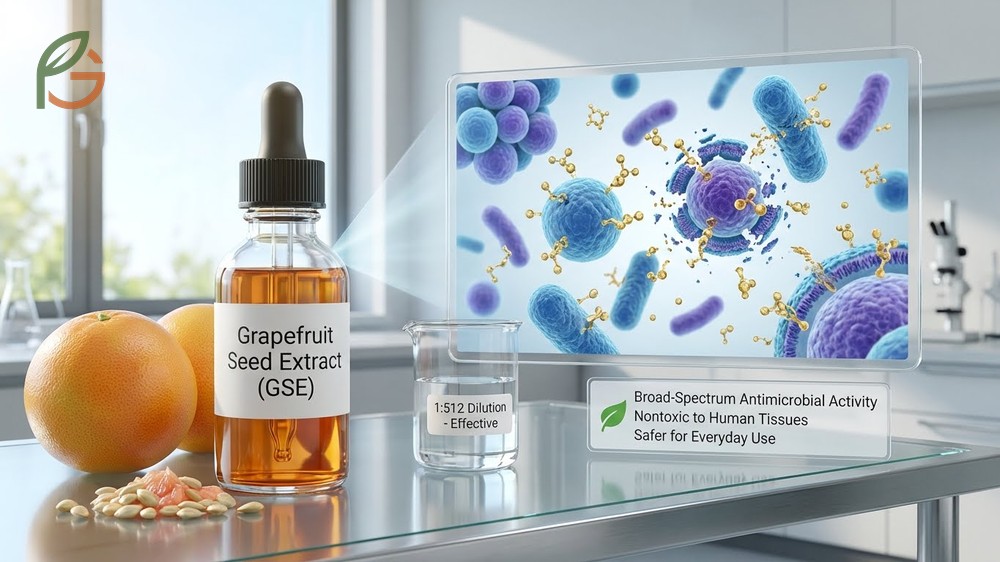
Research demonstrates that grapefruit seed extract offers broad-spectrum antimicrobial activity against gram-negative and gram-positive bacteria. Clinical studies reveal GSE remains bactericidal even at a 1:512 dilution while staying completely nontoxic to human tissues[1]. This makes it safer than many synthetic alternatives for everyday use.
The extract works by targeting bacterial cell membranes directly. Scanning transmission electron microscopy shows GSE liberates cytoplasmic contents from bacteria within 15 minutes[1], even at dilute concentrations. Unlike antibiotics that bacteria can develop resistance to, this physical disruption mechanism prevents adaptation.
Studies document effectiveness against methicillin-resistant Staphylococcus aureus (MRSA) and vancomycin-resistant strains[3]. This matters because hospital-acquired infections cause significant health challenges. GSE shows promise as a coating for medical materials or as a natural substance mixed with other compounds.
Antimicrobial Properties
The antimicrobial effects extend beyond bacteria to include viruses and fungi. Research confirms GSE inhibits growth of Escherichia coli, Pseudomonas aeruginosa, and Salmonella species within seconds of contact. One study found that 0.1-0.2% concentrations showed capability against these common pathogens.
GSE inactivated both Salmonella infantis and E. coli within five seconds in spray applications. This rapid action suggests potential use as a natural disinfectant for food preparation surfaces and medical equipment. The mechanism involves prohibiting active transport and glycolysis, which leads to microbial growth inactivation.
- Methicillin-resistant Staphylococcus aureus (MRSA) – hospital-acquired infections
- Vancomycin-resistant Staphylococcus aureus (VRSA) – antibiotic-resistant strains
- Escherichia coli – food poisoning and urinary tract infections
- Pseudomonas aeruginosa – respiratory and wound infections
- Salmonella species – gastrointestinal infections
- Candida albicans – yeast infections and thrush
- Mouse hepatitis virus – tested in laboratory settings for antiviral properties
Immune System Support
GSE may strengthen immune function by supporting the body’s natural defense mechanisms. Its antimicrobial and antioxidant properties work together to help the immune system respond more effectively to pathogen exposure. This dual action provides broader protection than single-mechanism supplements.
Evidence suggests GSE could support respiratory health during seasonal challenges. While more clinical trials are needed, preliminary findings indicate potential for maintaining respiratory function. The extract’s ability to control harmful bacteria may reduce the burden on immune cells.
Important Note: GSE shouldn’t replace prescribed medications for infections. Always consult a healthcare provider before using it to treat active infections, especially if you’re taking prescription drugs.
Benefits of Grapefruit Seed Extract
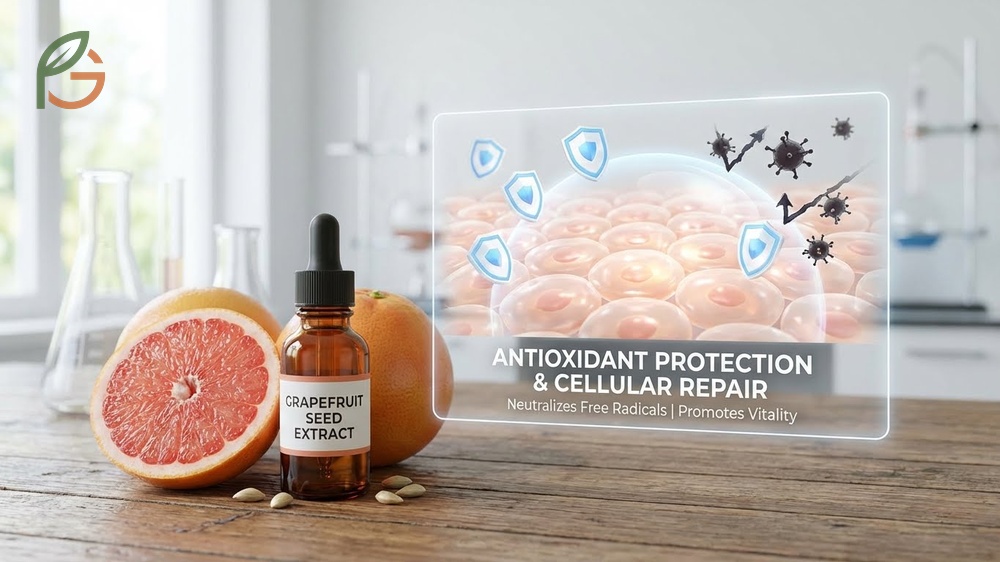
Current data shows grapefruit seed extract contains high levels of antioxidants that neutralize free radicals in the body. These unstable molecules cause oxidative stress linked to aging and chronic disease development. By fighting free radicals, GSE protects cells from damage.
The antioxidants in GSE promote cellular repair and regeneration. This contributes to overall vitality and may slow age-related decline. Many skincare products now incorporate GSE for its cell-protective properties and ability to support healthy skin.
What often gets overlooked is that GSE’s benefits depend heavily on product quality. Some commercial products contain synthetic preservatives like benzethonium chloride instead of authentic extract[4]. Look for products listing “Citricidal” as the active ingredient for genuine GSE.
Digestive Health Benefits
GSE supports digestive health by promoting a balanced gut microbiome. Research indicates its antimicrobial properties help control harmful bacteria in the digestive tract without eliminating beneficial strains. This selective action differs from broad-spectrum antibiotics that wipe out good bacteria too.
The extract may reduce inflammation in the gut, which helps alleviate symptoms of digestive disorders. People report improvements in bloating, gas, and irregular digestion when taking GSE supplements. These anti-inflammatory effects contribute to overall gastrointestinal comfort.
- Balances gut bacteria – controls pathogens while preserving beneficial microbes
- Reduces bloating and gas – anti-inflammatory properties ease digestive discomfort
- Supports intestinal barrier function – protects gut lining from damage
- May help with candida overgrowth – antifungal action targets yeast imbalances
- Assists with food poisoning recovery – antimicrobial effects combat pathogens
Antioxidant Activity
The antioxidant compounds in GSE protect against oxidative damage that accumulates with age. Studies link these protective effects to reduced risk of chronic diseases including cardiovascular issues and metabolic disorders. Regular antioxidant intake supports long-term health maintenance.
GSE’s antioxidants also support energy production at the cellular level. They protect mitochondria from free radical damage, which helps cells generate ATP more efficiently. This translates to better physical stamina and mental clarity throughout the day.
Grapefruit Seed Extract Dosage
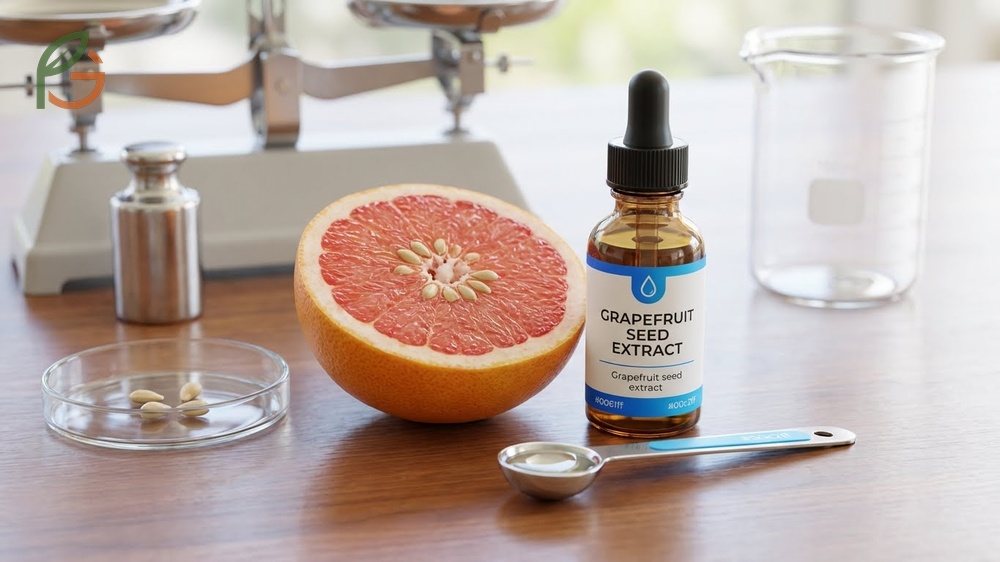
Safe dosing varies depending on the form and intended use of grapefruit seed extract. Clinical studies have tested dosages ranging from 450 mg to 15 grams without severe adverse effects. Most people start with lower doses to assess tolerance before increasing.
The FDA’s GRAS notice for grapefruit extract indicates safety at concentrations up to 1250 ppm in foods[2]. For a 70 kg adult consuming 1050g of food daily, maximum exposure would be approximately 1.3g of extract per day. Children aged 3-6 years show lower exposure levels based on body weight calculations.
Safety data reveals the LD50 (lethal dose for 50% of test subjects) exceeds 5000 mg/kg body weight[2]. This means an adult would need to consume 4000 times the recommended dose daily for two weeks to reach a 50% risk of intoxication. These margins indicate GSE has low acute toxicity.
Standard Dosing Guidelines
For oral capsule supplements, typical dosing is 250mg taken three times daily. This provides consistent levels throughout the day. Take capsules with meals to improve absorption and reduce potential stomach upset.
Liquid concentrate formulations require 10-20 drops mixed in water, taken once to three times daily. Start with the lower end (10 drops once daily) and increase gradually if needed. The liquid form absorbs faster but tastes bitter, which some people find unpleasant.
This table compares dosage recommendations for different grapefruit seed extract forms including capsules, liquid concentrate, and topical applications with their frequencies and specific uses
| Form | Dosage | Frequency | Best For |
|---|---|---|---|
| Capsules | 250mg | 3 times daily | General immune support, candida |
| Liquid concentrate | 10-20 drops | 1-3 times daily | Digestive issues, oral thrush |
| Topical (full strength) | Apply directly | Up to 3 times daily | Athlete’s foot, skin infections |
| Nasal spray | 2-3 sprays per nostril | 2 times daily | Sinus infections |
Topical Application Dosage
For skin conditions like athlete’s foot or fungal infections, apply full-strength GSE directly to affected areas. Use a cotton swab or clean cloth to dab the extract onto the skin up to three times daily. Keep the area clean and dry between applications.
Dilute GSE for sensitive skin by mixing 3-5 drops with a tablespoon of carrier oil like coconut or jojoba oil. Test on a small skin patch first to check for irritation. Some people experience mild stinging, which typically subsides within minutes.
Safety Tip: Don’t confuse grapefruit seed extract with grapefruit essential oil. Essential oils are highly concentrated and should never be taken internally or applied full-strength to skin.
Grapefruit Seed Extract for Candida
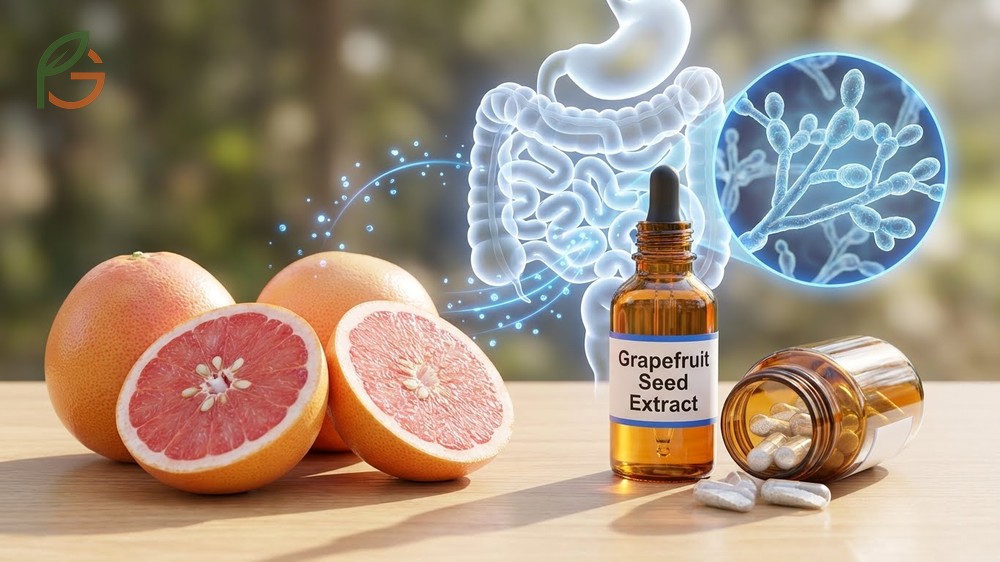
Many people use GSE as a natural antifungal treatment for candida overgrowth in the digestive tract and vaginal area. The extract’s antifungal properties target Candida albicans, the most common species causing yeast infections. While clinical evidence remains limited, anecdotal reports suggest benefits for some users.
For oral candida treatment, take up to three capsules daily or 10-20 drops of liquid concentrate. Continue for 2-4 weeks while also addressing dietary factors that feed candida, like excess sugar and refined carbohydrates. Combining GSE with probiotics helps restore healthy bacterial balance.
Vaginal yeast infections may respond to topical GSE application, though this approach lacks scientific validation. Some practitioners recommend diluting liquid GSE in water for a douche, but this can disrupt normal vaginal pH. Oral supplementation is generally safer and more effective for systemic candida issues.
- Take 250mg capsules three times daily for 2-4 weeks during active candida flare-ups
- Mix 10 drops liquid GSE in 8oz water, drink three times daily before meals
- Combine with probiotics (Lactobacillus strains) to restore gut bacteria balance
- Reduce sugar and refined carbs in diet while taking GSE for better results
- Apply diluted GSE topically for localized fungal infections like athlete’s foot
Current research on GSE for candida remains inconclusive. No high-quality clinical trials have confirmed effectiveness specifically for vaginal yeast infections. The antimicrobial properties demonstrated in laboratory settings don’t always translate to human use, especially for internal fungal infections.
Grapefruit Seed Extract Side Effects
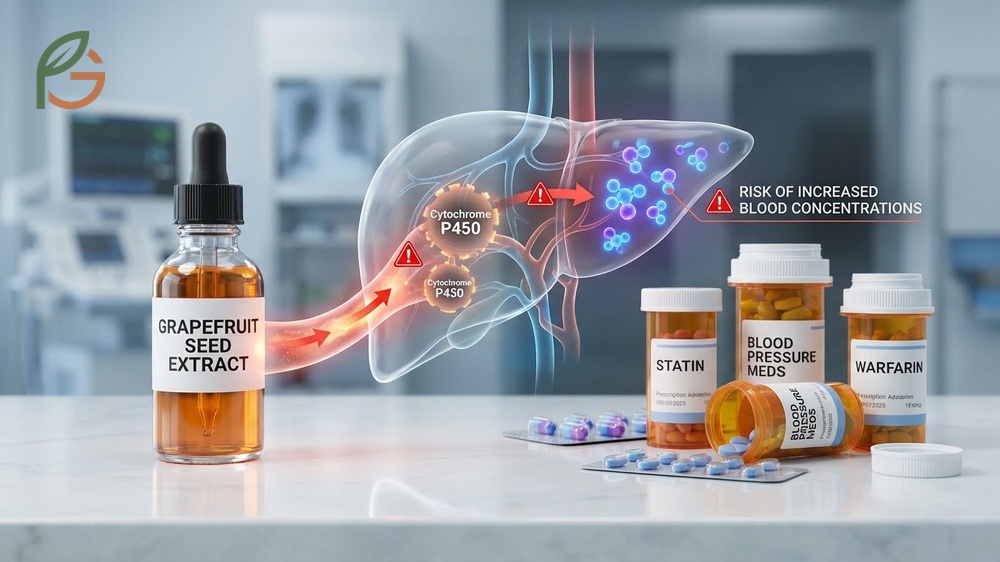
The most significant safety concern with GSE involves drug interactions through cytochrome P450 enzyme inhibition. This liver enzyme controls medication metabolism, and GSE can unpredictably increase blood concentrations of approximately 85 prescription drugs[5]. People taking statins, blood pressure medications, or immunosuppressants face particular risks.
One documented case involved a patient on warfarin (blood thinner) who experienced an international normalized ratio (INR) of 7.9 after taking GSE for just three days[4]. This dangerous increase in blood clotting time led to a subcutaneous hematoma. Analysis revealed the GSE product contained synthetic preservative benzethonium chloride, which inhibited CYP3A4 and CYP2C9 enzymes.
Common mild side effects include digestive upset, nausea, and stomach discomfort when taking GSE on an empty stomach. Some people report skin irritation or stinging when applying full-strength extract topically. These effects usually resolve quickly or with dosage adjustment.
- Drug interactions – affects metabolism of 85+ medications including warfarin, statins, and immunosuppressants
- Increased blood drug levels – cytochrome P450 inhibition raises concentration of certain medications
- Digestive upset – nausea and stomach discomfort, especially on empty stomach
- Skin irritation – mild stinging or redness with topical application
- Allergic reactions – rare but possible in people sensitive to citrus fruits
Critical Warning: If you’re taking any prescription medications, consult your pharmacist, doctor, or naturopath before using GSE. The interactions can be serious and unpredictable.
Product quality poses another concern. Analysis of commercial GSE products found some contained no authentic extract at all, only synthetic preservatives like benzethonium chloride mixed with glycerol and water[4]. Look for products that list “Citricidal” as the active ingredient and choose reputable brands with third-party testing.
Medical Disclaimer
Important Medical Disclaimer: This content is for informational and educational purposes only. It’s not intended as a substitute for professional medical advice, diagnosis, or treatment. Always consult a qualified healthcare professional before making any changes to your supplement routine, medication, or health practices, especially if you have existing medical conditions or take prescription drugs. Grapefruit seed extract can cause serious drug interactions.
Conclusion
The evidence shows grapefruit seed extract benefits include powerful antimicrobial activity against bacteria, fungi, and viruses at safe concentrations. Research confirms GSE disrupts pathogen membranes rapidly while remaining nontoxic to human cells at proper dilutions. Safe dosing typically involves 250mg capsules three times daily or 10-20 drops of liquid concentrate.
Current guidance emphasizes product quality and drug interaction awareness as critical factors for safe GSE use. Choose products with authentic Citricidal extract rather than synthetic substitutes, and always check with healthcare providers before combining GSE with prescription medications. FruitGarden continues to monitor emerging research on natural plant extracts to provide evidence-based information for health-conscious gardeners and readers.
Frequently Asked Questions
What Is Grapefruit Seed Extract Good For?
Grapefruit seed extract is good for antimicrobial support against bacteria, fungi, and viruses. Research shows effectiveness against 800+ pathogen strains including resistant bacteria like MRSA. People use it for digestive health, immune support, candida treatment, and topical applications for skin infections.
Is Grapefruit Seed Extract a Natural Antibiotic?
Yes, grapefruit seed extract functions as a natural antibiotic by disrupting bacterial cell membranes rather than through traditional antibiotic mechanisms. Studies demonstrate it remains bactericidal at 1:512 dilution, killing bacteria within 15 minutes of contact. However, it shouldn’t replace prescribed antibiotics for serious infections.
How Much Grapefruit Seed Extract Should I Take Daily?
The standard dosage is 250mg capsules taken three times daily with meals, or 10-20 drops of liquid concentrate mixed in water once to three times daily. Start with lower doses to assess tolerance. Studies have tested up to 15 grams without severe adverse effects, but typical daily intake stays well below this level.
Can Grapefruit Seed Extract Treat Urinary Tract Infections?
Limited evidence suggests grapefruit seed extract may help with UTIs, but clinical research remains insufficient. One small study showed beneficial effects in four patients, while another found GSE combined with antibiotics reduced bacterial adhesion in the urinary tract. Don’t rely on GSE alone for active UTIs – seek medical treatment.
What Are the Side Effects of Grapefruit Seed Extract?
The main side effect is drug interactions through cytochrome P450 enzyme inhibition, affecting metabolism of 85+ medications including warfarin, statins, and blood pressure drugs. Mild effects include digestive upset, nausea, and skin irritation with topical use. Always consult a healthcare provider if you take prescription medications.
Does Grapefruit Seed Extract Work for Candida?
Grapefruit seed extract shows antifungal properties in laboratory studies, and many people report benefits for candida overgrowth. However, high-quality clinical trials are lacking. For best results, combine GSE (250mg three times daily) with probiotics and dietary changes that reduce sugar and refined carbohydrates.
What’s the Difference Between GSE Liquid and Capsules?
Liquid GSE concentrate absorbs faster and allows precise dosing (10-20 drops), but tastes very bitter. Capsules (250mg) are easier to take, have no taste, and provide consistent dosing. Liquid works better for topical applications and nasal sprays, while capsules suit daily oral supplementation for immune and digestive support.





