
Is grape juice good for you? Yes, when consumed in moderation. Research shows that grape juice provides powerful antioxidants, vitamin C, and cardiovascular benefits, though it’s also high in natural sugars. Studies demonstrate that purple grape juice can improve heart health and reduce inflammation, making it a nutritious choice when balanced with whole fruits and mindful portion sizes. FruitGarden synthesizes current nutritional research to help you understand how grape juice fits into a healthy diet.
Quick Answer
- One cup of grape juice delivers 152 calories and 70% of daily vitamin C[1]
- Purple grape juice reduced platelet activity by more than 40%[2], similar to aspirin’s effect
- Contains 36-37g natural sugars[1] per cup, with minimal fiber
- Best consumed in 4-6 ounce servings paired with protein or fiber-rich foods
Is Grape Juice Good for You
Research shows that grape juice offers significant nutritional benefits when included as part of a balanced diet. Studies demonstrate it’s rich in polyphenols, vitamin C, and manganese, which support immune function and bone health.[1] However, it’s also calorie-dense with natural sugars, so portion control matters.
Current data indicates that drinking 4-6 ounces daily provides health benefits without excessive sugar intake. Unlike whole grapes, juice lacks fiber, which means it can raise blood sugar levels faster. Most people find that pairing grape juice with protein sources like Greek yogurt or nuts helps moderate glucose response.
Nutritional Profile
One cup (8 ounces) of unsweetened grape juice provides a concentrated source of nutrients. The vitamin C content reaches 63-90mg[1], meeting or exceeding the daily requirement for most adults. Manganese contributes 26% of the daily value[1], supporting brain function and metabolism.
The carbohydrate content sits at approximately 37g per cup[1], nearly all from natural sugars like glucose and fructose in a 1:1 ratio. This balanced ratio helps your body metabolize the sugars more efficiently than high-fructose beverages.
This table compares key nutrients in one cup of purple grape juice including calories, macronutrients, vitamins and minerals with daily value percentages
| Nutrient | Amount | % Daily Value |
|---|---|---|
| Calories | 152[1] | 8% |
| Total Carbohydrates | 37g[1] | 13-14% |
| Total Sugars | 36g[1] | — |
| Protein | 1g | 2% |
| Vitamin C | 63-90mg[1] | 70-100% |
| Manganese | 0.6mg | 26% |
| Potassium | 160-263mg | 4-6% |
Antioxidant Content
Grape juice contains powerful flavonoids and polyphenols that act as antioxidants. These compounds protect cells from oxidative stress and inflammation, which contribute to chronic disease development. Purple grape juice shows particularly high concentrations of anthocyanins, the pigments responsible for its deep color.
Evidence suggests these antioxidants remain bioavailable even after juicing. Research on grape seed extract shows it contains proanthocyanidins and other polyphenolic compounds that support cardiovascular health and may benefit kidney function.
Important Note: Choose 100% grape juice without added sugars to maximize health benefits. Added sweeteners dilute the antioxidant concentration and increase calorie content unnecessarily.
Benefits of Grape Juice
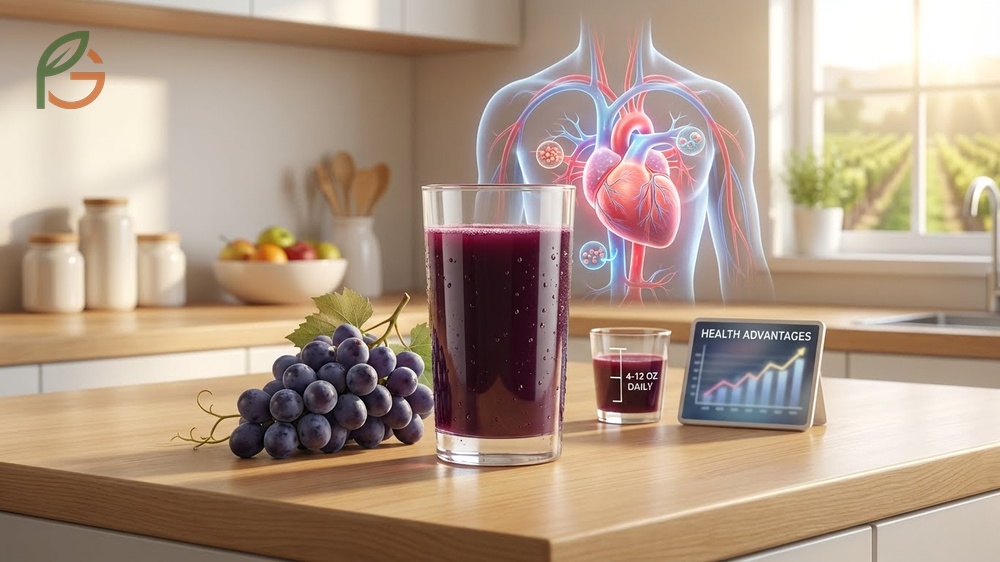
Studies demonstrate multiple health advantages from regular grape juice consumption. The cardiovascular benefits stand out most prominently, with improvements in blood vessel function and cholesterol profiles. Research also points to anti-inflammatory effects and digestive support.
Most health benefits emerge from consuming 4-12 ounces daily over time. A University of Wisconsin study found that regular intake over one week produced cumulative protective effects, requiring only half the initial dose to maintain benefits.[2]
Heart Health
Purple grape juice improves endothelial function, which refers to how well your blood vessels expand and contract. A clinical trial with coronary artery disease patients showed significant improvement in endothelial function after just two weeks of daily grape juice consumption.[3] This matters because poor endothelial function increases heart disease risk.
The juice also reduces LDL cholesterol oxidation, a key step in plaque formation. Research shows grape juice decreased platelet clumping by more than 40%, making blood less likely to form dangerous clots.[2] Unlike aspirin, these effects remained strong even when stress hormones were elevated.
- Increases HDL (good) cholesterol levels
- Reduces LDL (bad) cholesterol oxidation by preventing free radical damage
- Enhances blood vessel flexibility and circulation
- Decreases platelet aggregation, lowering clot risk
- Maintains protective effects even during physical or emotional stress
Digestive Benefits
Grape juice contains natural compounds that support digestive health. The fiber content, though modest at about 1g per cup, combines with sorbitol and other natural sugars to help soften stools. Green grape juice specifically shows promise for relieving occasional constipation.
Research on grape polyphenols indicates they support beneficial gut bacteria. Studies found that grape seed extracts increased Bifidobacterium populations, which play crucial roles in digestive health and immune function. The polyphenols also reduced gut transit time by approximately 30% in experimental models.
Digestive Tip: If you’re using grape juice for constipation relief, start with 4-6 ounces in the morning on an empty stomach. Pair it with high-fiber foods for better results.
Is Grape Juice Good for Your Kidneys
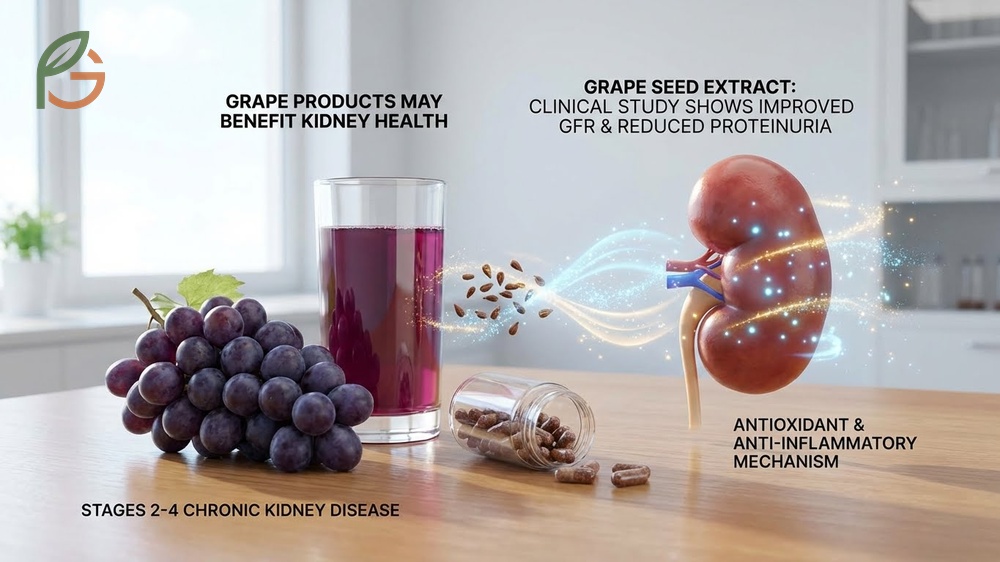
Current evidence suggests grape products may benefit kidney health, particularly through grape seed extract. A six-month clinical study with chronic kidney disease patients found that 2g of grape seed extract daily[4] improved glomerular filtration rate and reduced proteinuria. These improvements occurred across multiple disease stages, from stage 2 through stage 4.
The kidney-protective effects appear to work through antioxidant and anti-inflammatory mechanisms. Grape seed extract increased plasma catalase and superoxide dismutase, important antioxidant enzymes, while lowering inflammatory markers like C-reactive protein. The study reported no adverse side effects during the entire trial period.
For those with kidney disease, grapes and grape juice offer additional advantages. The phytochemicals help keep blood vessels relaxed and reduce oxidative stress, which matters because cardiovascular disease risk runs higher in kidney patients compared to the general population.[5]
- Improved glomerular filtration rate in chronic kidney disease patients
- Reduced proteinuria, an important predictor of kidney protection
- Enhanced antioxidant status through increased catalase and superoxide dismutase
- Lowered inflammation markers including C-reactive protein
- Protected cardiovascular health, crucial for kidney disease patients
Medical Consultation Required: If you have kidney disease or take medications affecting kidney function, consult your healthcare provider before adding grape juice to your diet. Potassium and sugar content may need monitoring based on your specific condition.
Is Welch’s Grape Juice Good for You

Welch’s 100% grape juice provides nutritional benefits similar to other pure grape juices. The product contains no added sugars, deriving its sweetness from grape juice concentrate and whole grape juice. Each 8-ounce serving delivers 140 calories and 100% of the daily vitamin C requirement (90mg).
The ingredient list shows grape juice from concentrate, grape juice, ascorbic acid (vitamin C), and citric acid for tartness. This formulation means you’re getting real grape nutrients, including the polyphenols and flavonoids associated with health benefits. The vitamin C fortification ensures consistent levels regardless of grape variety or harvest conditions.
What sets Welch’s apart is its Concord grape base. Research specifically studied purple Concord grape juice for its cardiovascular benefits. Studies showing reduced platelet activity and improved endothelial function used Concord grape juice similar to Welch’s product.[2]
However, the same cautions apply as with any grape juice. The 35-37g of natural sugars per serving means it’s not suitable for unlimited consumption. Diabetics and those watching carbohydrate intake should account for these sugars in their daily totals. The product works best when consumed in 4-6 ounce portions rather than full 8-ounce servings.
Purple vs Green Grape Juice
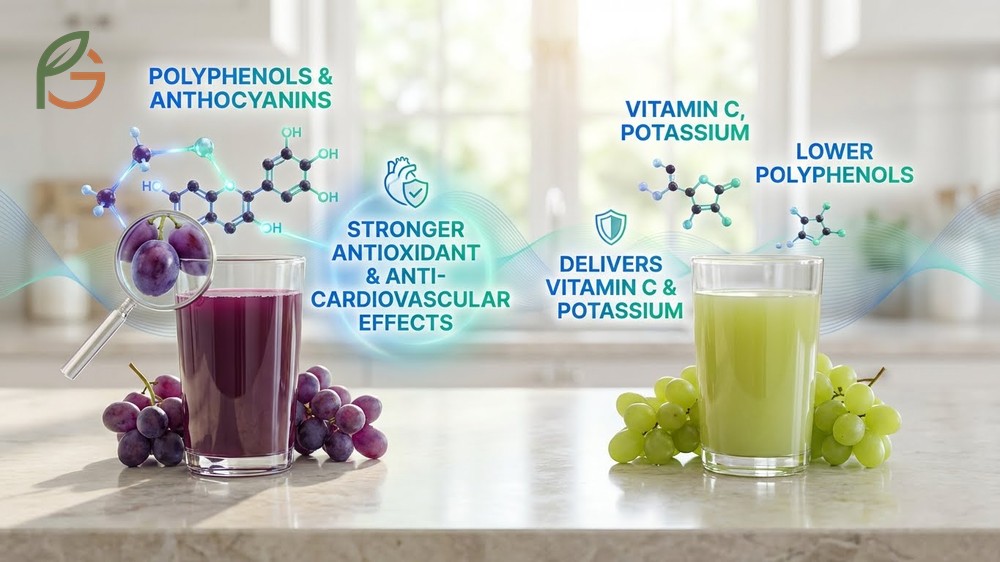
Purple and green grape juices offer different nutritional profiles. Purple grape juice contains significantly higher levels of polyphenols and anthocyanins because these compounds concentrate in grape skins. Research consistently shows purple varieties provide stronger antioxidant and anti-cardiovascular disease effects.
Green grape juice, made from white or green grapes, still delivers vitamin C, potassium, and some polyphenols, but at lower concentrations. Studies comparing the two found purple grape juice more effectively reduced platelet activity and improved endothelial function. The difference comes down to anthocyanin content, which gives purple grapes their color and provides antioxidant protection.
That said, green grape juice shows specific benefits for digestive health. Some people find it works better for constipation relief, possibly due to slightly different sugar compositions and the presence of certain organic acids. The choice between purple and green often comes down to your primary health goal.
| Characteristic | Purple Grape Juice | Green Grape Juice |
|---|---|---|
| Anthocyanin Content | High | Low to none |
| Primary Benefits | Heart health, antioxidant protection | Digestive support, hydration |
| Platelet Activity Reduction | 40%+ reduction[2] | Minimal effect |
| Constipation Relief | Moderate | Good |
| Vitamin C | 63-90mg per cup | Similar range |
- Choose purple grape juice for cardiovascular protection and maximum antioxidants
- Select green grape juice if you’re primarily addressing digestive concerns
- Both types provide vitamin C and potassium in similar amounts
- Purple varieties contain resveratrol, the compound also found in red wine
- Green grape juice typically tastes lighter and less intense than purple varieties
Conclusion
The evidence confirms that grape juice is good for you when consumed thoughtfully. It delivers significant cardiovascular benefits, powerful antioxidants, and kidney-supportive compounds that research validates. The key lies in treating it as a concentrated fruit serving rather than a beverage for quenching thirst.
Current guidance emphasizes portion control and timing. Stick to 4-6 ounce servings, pair grape juice with protein or fiber sources, and account for its natural sugars in your daily nutrition plan. Purple varieties offer the strongest heart health benefits, while green grape juice shows advantages for digestive support. FruitGarden recommends incorporating grape juice as part of a varied diet rich in whole fruits and vegetables for optimal health outcomes.
Medical Disclaimer
Important Medical Disclaimer: This content is for informational and educational purposes only. It is not intended as a substitute for professional medical advice, diagnosis, or treatment. Always consult a qualified healthcare professional before making any changes to your diet, especially if you have diabetes, kidney disease, cardiovascular conditions, or take medications that interact with grape products. Individual nutritional needs vary based on health status, age, and medical conditions.
Frequently Asked Questions
What is grape juice good for?
Grape juice is good for cardiovascular health, antioxidant protection, and immune support. Research shows it reduces platelet clumping by over 40%, improves blood vessel function, and provides 70-100% of daily vitamin C needs. It also supports kidney health through anti-inflammatory effects and may aid digestive function.
Is drinking grape juice healthy?
Yes, drinking grape juice is healthy in moderation. Studies demonstrate clear cardiovascular benefits and antioxidant protection when consumed in 4-6 ounce servings. However, it contains 36g of natural sugars per cup with minimal fiber, so it shouldn’t replace whole fruits entirely. Pair it with protein or fiber-rich foods to moderate blood sugar response.
Is grape juice good for constipation?
Grape juice can help relieve occasional constipation. Green grape juice shows particularly good results for digestive support. The natural sugars, including sorbitol, combined with modest fiber content help soften stools. For best results, consume 4-6 ounces on an empty stomach in the morning and pair with high-fiber foods throughout the day.
What are the benefits of grape juice at night?
Drinking grape juice at night provides antioxidants that work during sleep’s natural repair processes. The natural sugars can promote relaxation, and the potassium supports heart rhythm regulation. However, the sugar content may disrupt sleep for some people, and it adds calories before bedtime. Most experts recommend consuming grape juice earlier in the day for better blood sugar management.
How much grape juice should I drink per day?
The recommended amount is 4-6 ounces of grape juice per day for most adults. Research shows this amount provides cardiovascular benefits without excessive sugar intake. A University of Wisconsin study found that 10-12 ounces daily maintained protective effects when consumed regularly over one week, but starting with smaller portions helps you assess tolerance and blood sugar response.
Is fresh grape juice better than bottled?
Fresh grape juice contains slightly higher levels of heat-sensitive vitamins and enzymes compared to bottled varieties. However, quality bottled 100% grape juice retains most polyphenols, flavonoids, and antioxidants that provide health benefits. The key difference is convenience and shelf stability. Choose bottled juice without added sugars or preservatives for the closest match to fresh juice benefits.
Does grape juice help with stomach flu?
Some research suggests grape juice’s polyphenols may help prevent certain viral infections, but evidence for treating active stomach flu is limited. The juice provides hydration, electrolytes like potassium, and vitamin C to support immune function. However, the high sugar content might worsen symptoms for some people. Dilute grape juice with water if using it during illness, and focus primarily on clear fluids and electrolyte solutions.





