
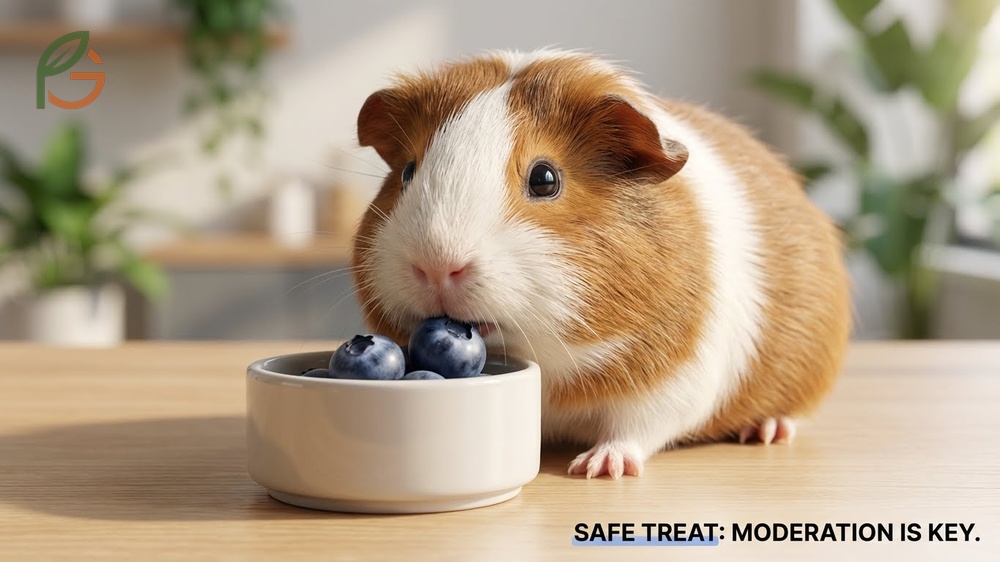
Can guinea pigs eat blueberries? Yes, guinea pigs can safely enjoy blueberries as an occasional treat when fed in moderation. Research shows these berries provide valuable vitamin C and antioxidants, but their high sugar content means you’ll need to limit portions to 1-2 berries once or twice weekly[1]. FruitGarden synthesizes current veterinary guidance and nutritional research to help pet owners make informed feeding decisions for their cavies.
Quick Answer
Can Guinea Pigs Eat Blueberries
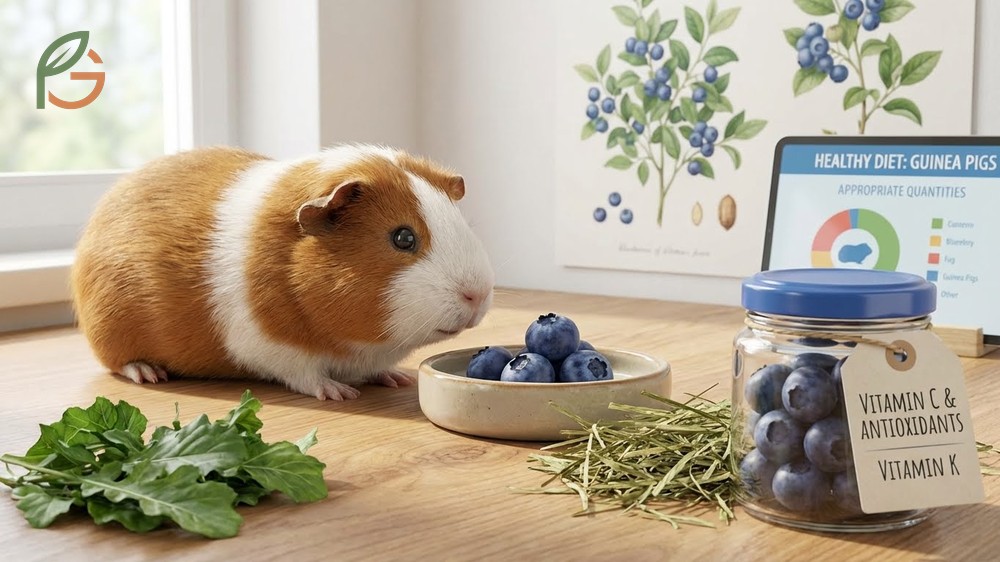
Guinea pigs can safely consume fresh blueberries as part of a balanced diet when offered in appropriate quantities. Studies demonstrate that blueberries deliver essential nutrients including vitamin C, vitamin K, and antioxidants that support cavy health[2]. Unlike many mammals, guinea pigs can’t produce their own vitamin C, making dietary sources critical for preventing deficiency-related conditions like scurvy.
The key to safe blueberry feeding lies in understanding portion control and frequency. Most veterinary sources recommend limiting blueberry treats to 1-2 berries per serving, offered once or twice weekly[1]. This conservative approach prevents the digestive upset and weight gain that can result from excessive sugar intake.
Fresh blueberries are the only safe option for your cavy. Avoid canned, frozen with added sugars, or dried varieties, as these often contain preservatives and concentrated sugars that can harm your guinea pig’s sensitive digestive system[4]. Always wash berries thoroughly before serving to remove pesticide residues.
Nutritional Benefits of Blueberries
Blueberries pack significant nutritional value in their small size. Each 12-gram serving provides approximately 12mg of vitamin C[3], which contributes meaningfully to a guinea pig’s daily requirement of 10-30mg per kilogram of body weight. This vitamin supports immune function, wound healing, and collagen production essential for healthy connective tissues.
Beyond vitamin C, blueberries contain vitamin K for blood clotting and bone health, plus manganese and fiber. The antioxidants in blueberries, particularly anthocyanins, help combat oxidative stress and support overall wellness. However, these benefits must be balanced against the sugar content—approximately 10 grams of natural sugars per 100 grams of berries.
Important Note: While blueberries offer nutritional benefits, they should never replace the foundation of your guinea pig’s diet: unlimited timothy hay, fresh vegetables, and vitamin C-fortified pellets. Fruits make up no more than 5% of a healthy cavy diet[4].
Potential Risks and Concerns
The primary concern with blueberries involves their sugar content. Overfeeding can lead to digestive problems including soft stool, diarrhea, and bloating. Some guinea pigs may develop oral sores from the acidic nature of berries, particularly if fed too frequently or in large amounts[2].
Long-term overconsumption of sugary fruits can contribute to obesity and related health issues. Current data indicates that maintaining a healthy weight is crucial for guinea pig longevity and quality of life. Watch for signs of digestive distress after introducing blueberries, and reduce or eliminate them if your cavy shows adverse reactions.
Safe Serving Size for Guinea Pigs
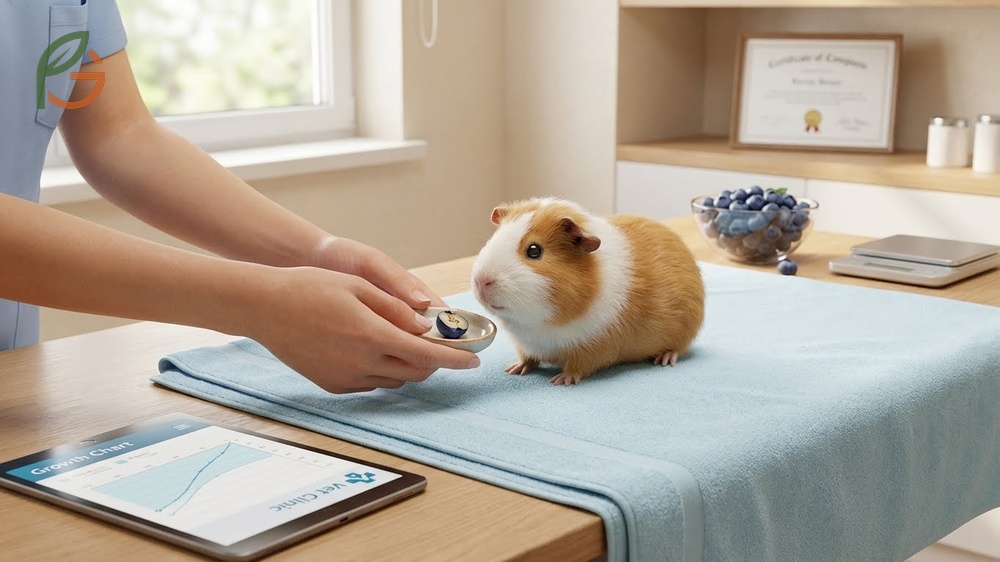
Determining the right portion depends on your guinea pig’s size, age, and overall health status. Research-based recommendations suggest starting with a conservative approach, especially when introducing blueberries for the first time. Veterinarians typically advise offering half a blueberry initially to assess tolerance[2].
If your guinea pig shows no signs of digestive upset or oral discomfort after 24-48 hours, you can gradually increase to the full recommended portion. Most adults tolerate 1-2 small blueberries per serving without issues. Monitor your pet’s droppings and behavior closely during the introduction phase to catch any problems early.
Portion Guidelines by Weight
This table compares recommended blueberry serving sizes and feeding frequency across three weight categories of guinea pigs from small to large adults
| Guinea Pig Weight | Serving Size | Maximum Frequency | Notes |
|---|---|---|---|
| Small (under 1.5 lbs) | 1 small blueberry[4] | Twice weekly | Monitor closely for digestive issues |
| Average (1.5-2.5 lbs) | 1-2 small blueberries[4] | Twice weekly | Standard adult portion |
| Large (2.5+ lbs) | 2-3 small blueberries[4] | Twice weekly | Adjust based on individual tolerance |
| Pregnant/Nursing | 1-2 blueberries | Once weekly | Consult vet for vitamin C supplementation |
How to Prepare Blueberries
Proper preparation ensures your guinea pig gets maximum benefit while minimizing risks. Wash all blueberries thoroughly under cool running water to remove dirt, pesticides, and potential contaminants. Pat them dry with a clean towel before serving.
For first-time introductions or very small guinea pigs, cut berries in half or quarters. This reduces choking risk and makes it easier to control portion sizes. Room temperature berries are preferable to cold ones straight from the refrigerator, as sudden temperature changes can upset sensitive digestive systems.
- Select fresh, firm blueberries without mold or soft spots
- Rinse thoroughly under cool water for at least 30 seconds
- Remove any stems or leaves that might pose choking hazards
- Cut larger berries into halves or quarters for smaller cavies
- Serve at room temperature rather than cold from refrigeration
- Remove uneaten portions after 2-3 hours to prevent spoilage
- Never offer moldy, overripe, or processed blueberry products
How Often Can Guinea Pigs Eat Blueberries
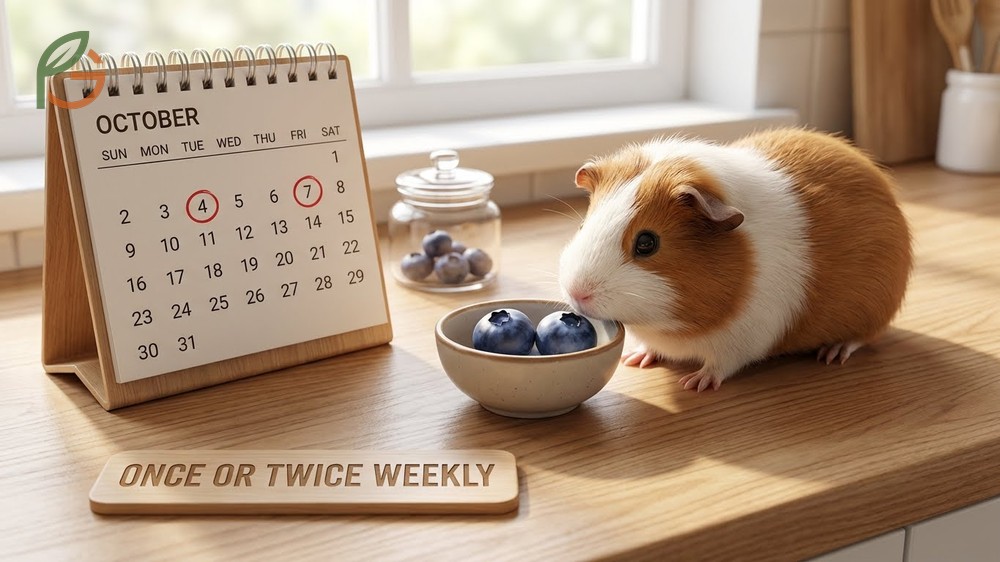
Feeding frequency matters as much as portion size when it comes to blueberries. Current veterinary guidance emphasizes limiting fruit treats to once or twice weekly maximum[1]. This conservative approach prevents the blood sugar spikes and digestive problems associated with excessive sugar intake while still allowing your cavy to enjoy occasional variety.
If you’re feeding blueberries twice weekly, space the servings at least three days apart. This gives your guinea pig’s digestive system time to process the sugar and prevents overconsumption. Some owners prefer a weekly schedule, offering blueberries every seven days as a special treat alongside other safe fruits in rotation.
Watch your guinea pig’s weight and droppings to gauge whether your feeding schedule works. If you notice soft stool, weight gain, or reduced appetite for hay and vegetables, cut back on blueberry frequency or eliminate them temporarily. Remember that individual tolerance varies—some cavies handle berries better than others.
Rotation Strategy: Instead of feeding blueberries multiple times weekly, consider rotating different fruits to provide variety while maintaining safe sugar levels. Alternate blueberries with strawberries, small apple pieces, or melon chunks, ensuring total fruit intake doesn’t exceed 5% of daily calories.
Pregnant, nursing, or ill guinea pigs may need different feeding protocols. These cavies often require extra vitamin C but should still limit high-sugar foods. Consult your veterinarian for personalized guidance when your guinea pig has special nutritional needs or health conditions.
Vitamin C for Guinea Pigs
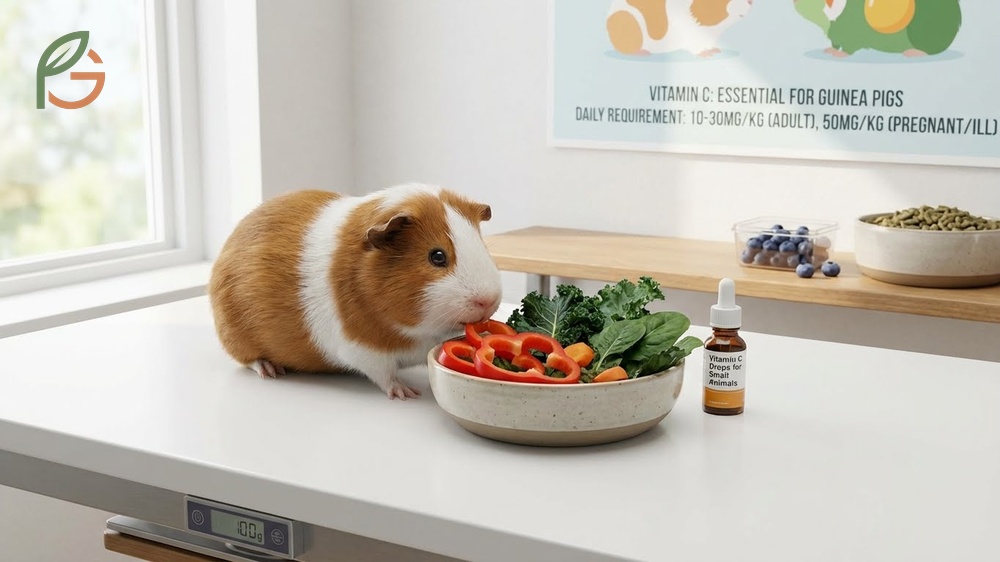
Guinea pigs share a rare trait with humans—they can’t synthesize their own vitamin C and must obtain it through diet. Adult cavies require between 10-30mg of vitamin C per kilogram of body weight daily[5], while pregnant, lactating, or ill guinea pigs need up to 50mg/kg daily. Deficiency leads to scurvy, a serious condition causing lethargy, joint pain, bleeding gums, and rough coat.
While blueberries contribute vitamin C, they shouldn’t be your primary source for this essential nutrient. Fresh vegetables like bell peppers, parsley, and kale deliver higher concentrations with less sugar. Evidence suggests that a varied diet of vitamin C-rich vegetables, combined with quality pellets fortified with stabilized vitamin C, provides optimal nutrition.
Signs of vitamin C deficiency develop gradually over weeks. Watch for decreased activity, reluctance to move, poor appetite, and rough or staring coat. If you suspect deficiency, consult your veterinarian immediately—treatment typically involves therapeutic doses of 50-100mg daily until symptoms resolve[3].
- Bell peppers (all colors): 80-190mg per 100g serving
- Fresh parsley: 133mg per 100g, fed in moderation
- Kale: 120mg per 100g, limit due to calcium content
- Broccoli: 93mg per 100g, introduce gradually
- Brussels sprouts: 85mg per 100g, may cause gas
- Mustard greens: 80mg per 100g, rotate with other greens
- Strawberries: 56mg per 100g, treat only due to sugar
Safe Vegetables for Guinea Pigs
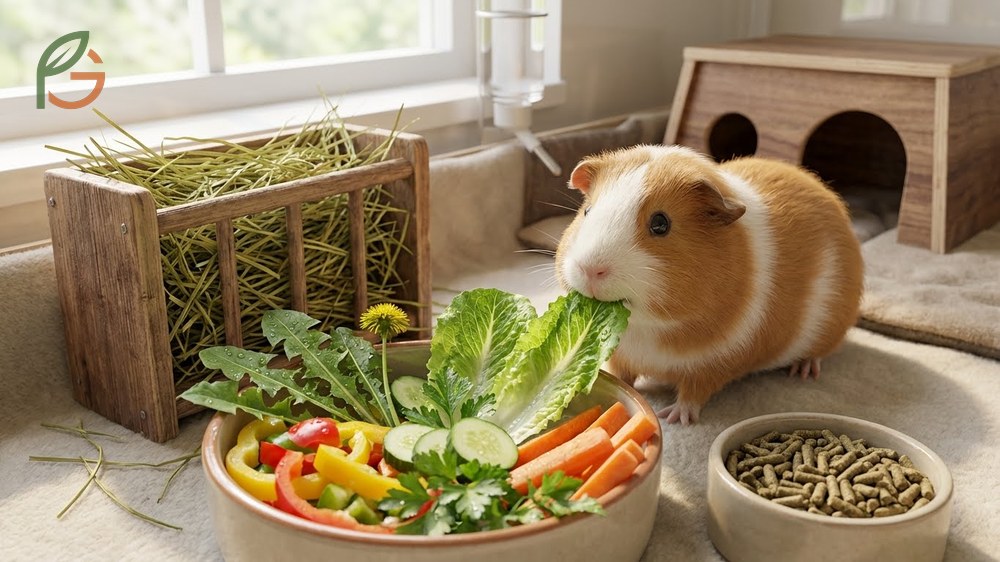
A balanced guinea pig diet centers on unlimited timothy hay, approximately one cup of fresh vegetables daily, and a small portion of quality pellets. Vegetables should make up the majority of your cavy’s fresh food intake, with leafy greens forming the foundation. Research shows that variety prevents boredom and ensures comprehensive nutrient intake.
Feed a minimum of 3-5 different vegetable types daily, rotating selections throughout the week. This approach prevents calcium buildup from overfeeding high-calcium greens while providing diverse vitamins and minerals. Always introduce new vegetables gradually, starting with small portions and watching for digestive reactions over 3-5 days.
| Vegetable Type | Frequency | Benefits |
|---|---|---|
| Romaine lettuce | Daily | Hydration, vitamin C, low calcium |
| Bell peppers | Daily | Excellent vitamin C source |
| Cucumber | Daily | Hydration, safe for sensitive stomachs |
| Cilantro | 3-4 times weekly | Vitamin C, flavor variety |
| Carrots | 2-3 times weekly | Vitamin A, treat due to sugar |
Avoid iceberg lettuce, which offers minimal nutrition and can cause diarrhea. Never feed guinea pigs onions, garlic, potatoes, rhubarb, or avocado—these are toxic to cavies. Cruciferous vegetables like broccoli and cabbage are safe in moderation but may cause gas if overfed.
Conclusion
The evidence is clear: guinea pigs can eat blueberries safely when offered as an occasional treat in appropriate portions. Limiting servings to 1-2 berries once or twice weekly provides vitamin C and antioxidant benefits while preventing the digestive issues and weight gain associated with excessive sugar intake. Always prioritize unlimited hay, fresh vegetables, and fortified pellets as the foundation of your cavy’s diet, using blueberries and other fruits sparingly as treats.
Current veterinary guidance emphasizes observation and individual adjustment. Monitor your guinea pig’s response to blueberries, watching for changes in stool consistency, appetite, and activity level. FruitGarden synthesizes the latest nutritional research to help you make informed decisions about your pet’s diet and overall wellness.
Medical Disclaimer
Important Veterinary Disclaimer: This content is for informational and educational purposes only. It is not intended as a substitute for professional veterinary advice, diagnosis, or treatment. Always consult a qualified veterinarian before making any changes to your guinea pig’s diet, especially if your pet has existing health conditions, is pregnant, nursing, or shows signs of illness. Individual guinea pigs may have unique dietary needs or sensitivities that require personalized care.
Frequently Asked Questions
Can Guinea Pigs Eat Blueberry Skin?
Yes, guinea pigs can safely eat blueberry skin along with the flesh. The skin contains beneficial fiber and antioxidants, though you should always wash berries thoroughly to remove pesticide residues. There’s no need to peel blueberries—serve them whole or cut them for smaller cavies.
How Many Blueberries Can a Guinea Pig Eat in One Day?
Guinea pigs should eat no more than 1-2 small blueberries per day, and only on days when you’re offering them as treats. Most veterinary sources recommend feeding blueberries just once or twice weekly rather than daily to limit sugar intake and prevent digestive upset.
What Fruits Are High in Sugar for Guinea Pigs?
High-sugar fruits that require extra caution include grapes, bananas, cherries, mangoes, and dried fruits of any kind. These should be offered even more sparingly than blueberries—perhaps once weekly or less. Always prioritize low-sugar vegetables over fruits for daily feeding.
Can Baby Guinea Pigs Eat Blueberries?
Baby guinea pigs under 6 months should focus on unlimited alfalfa hay, pellets, and appropriate vegetables. While small amounts of blueberries won’t harm them, it’s best to wait until they’re older and their digestive systems are fully mature before introducing sugary fruits.
What Should I Do If My Guinea Pig Eats Too Many Blueberries?
Monitor your guinea pig closely for signs of digestive distress including soft stool, diarrhea, reduced appetite, or lethargy. Ensure they have access to unlimited hay and fresh water. If symptoms persist beyond 24 hours or seem severe, contact your veterinarian immediately.
Are Frozen Blueberries Safe for Guinea Pigs?
Plain frozen blueberries without added sugars can be offered once thawed to room temperature. However, never give your guinea pig frozen berries directly from the freezer, as the cold temperature can cause digestive shock. Fresh berries are always the preferred option.
Can Guinea Pigs Eat Wild Blueberries?
Wild blueberries are safe if you’re certain they haven’t been exposed to pesticides, herbicides, or contamination from wild animals. Wash them extremely thoroughly. Store-bought organic blueberries offer a safer, more reliable option with consistent quality and reduced contamination risk.





