
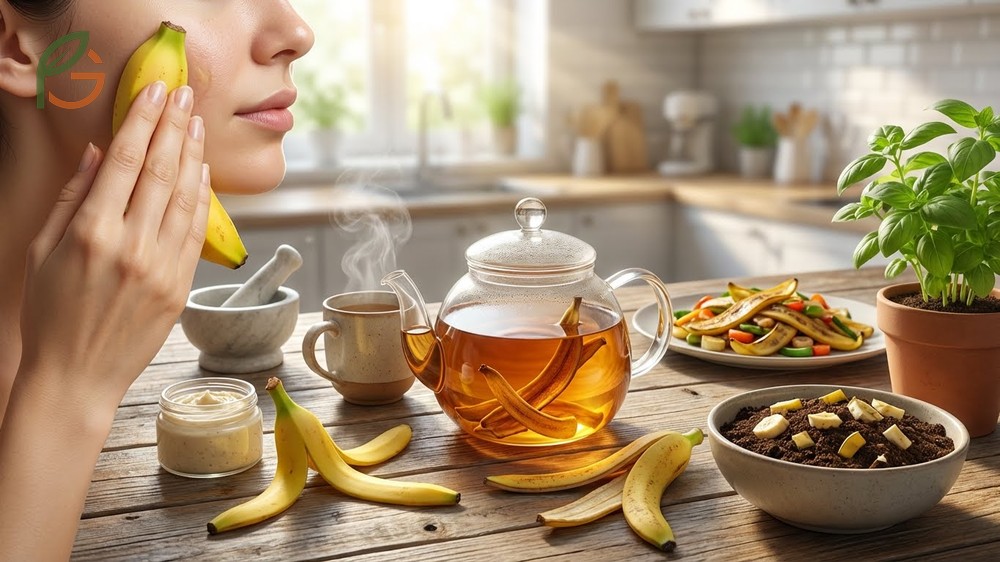
What are banana peels good for? Research shows they’re nutritional powerhouses containing 4 times more fiber and 3 times more potassium than banana flesh[1]. Studies demonstrate that banana peels deliver antioxidants, polyphenols, and minerals that benefit skincare, tea preparation, garden fertilizer, and even cooking. FruitGarden synthesizes current agricultural research and nutritional data to help you understand how these often-discarded peels can reduce waste while boosting your health and garden.
Quick Answer
- Banana peels contain 11.4g fiber per 100g[1] and 1,160mg potassium[1], surpassing the flesh’s nutritional profile
- Phenolic content reaches 907mg per 100g dry weight[2], providing powerful antioxidant and antimicrobial properties
- Use them for skincare, banana peel tea, garden fertilizer, or cooking when organic and thoroughly washed
- Best results come from slightly underripe peels with minimal brown spots for maximum nutrient retention
What Are Banana Peels Good For
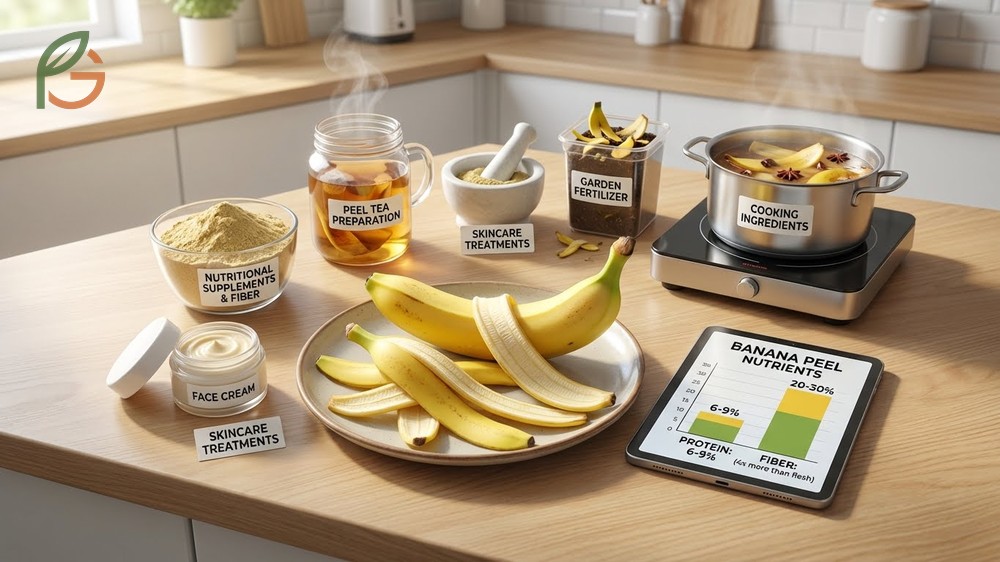
Banana peels serve five primary purposes: skincare treatments, nutritional supplements, tea preparation, garden fertilizer, and cooking ingredients. Current data indicates that most people discard peels without realizing they contain more nutrients than the fruit itself.
Studies demonstrate that dried banana peels contain 6-9% protein and 20-30% fiber[1]. This fiber content is roughly 4 times higher than what you’ll find in banana flesh. The peel’s mineral composition includes phosphorus, iron, calcium, magnesium, sodium, zinc, copper, potassium, and manganese.
Evidence suggests that banana peels’ benefits vary based on ripeness stage. Green plantain peels contain 40% starch that transforms into sugars after ripening[1]. Lignin content increases from 7% to 15% dry matter as bananas ripen.
Nutritional Value Overview
Research shows banana peels outperform the flesh across multiple nutritional markers. The peel delivers 1,160mg potassium per 100g compared to just 358mg in the flesh[1]. Magnesium content reaches 110mg versus 27mg in the fruit.
Vitamin B6 concentration is 0.6mg in peels compared to 0.4mg in flesh. Agricultural data shows the peel contains 11.4g dietary fiber per 100g, while flesh provides only 2.6g. This makes banana peels particularly valuable for digestive health and blood sugar regulation.
This table compares key nutrients between banana peel and flesh per 100 grams, showing fiber, potassium, magnesium, and vitamin B6 values from USDA data
| Nutrient | Banana Peel (per 100g) | Banana Flesh (per 100g) | Peel Advantage |
|---|---|---|---|
| Dietary Fiber | 11.4g[1] | 2.6g | 4.4x higher |
| Potassium | 1,160mg[1] | 358mg | 3.2x higher |
| Magnesium | 110mg[1] | 27mg | 4.1x higher |
| Vitamin B6 | 0.6mg[1] | 0.4mg | 1.5x higher |
| Polyphenols | High concentration | Moderate concentration | Significantly higher |
Antioxidants and Bioactive Compounds
Banana peels contain phenolic compounds at 907mg per 100g dry weight[2]. These polyphenols exhibit antibacterial, anti-inflammatory, and anticancer properties. The peel’s antioxidant capacity increases with extract concentration from 0 to 1000 μg/mL.
Research across multiple banana varieties shows that peel extracts demonstrate significant free radical scavenging activity[3]. The peels contain carotenoids, catecholamines, vitamin C, vitamin E, and β-carotene. What often gets overlooked is that the peel’s antioxidant levels far exceed those found in the fruit flesh.
- Polyphenols with antibacterial and antioxidant properties
- Carotenoids that support eye health and immune function
- Dopamine and gallocatechin for cardiovascular protection
- Alkaloids, tannins, and saponins with antimicrobial effects
- Flavonoids that scavenge reactive oxygen species
Important Note: Always use organic bananas when consuming peels, as conventional bananas are treated with synthetic pesticides and fungicides that penetrate the peel. Washing alone won’t remove these chemicals completely.
Benefits of Banana Peel for Face
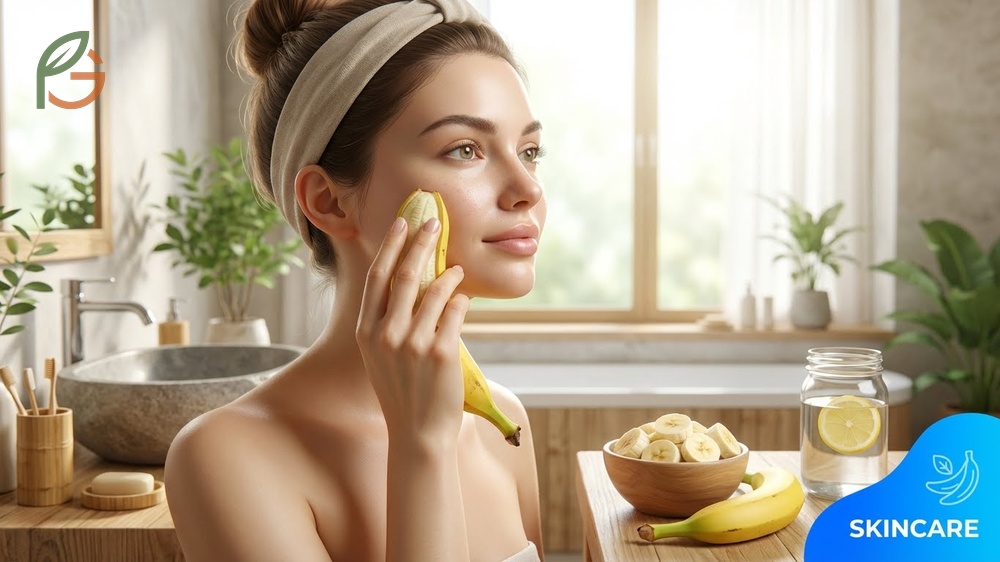
Banana peels offer multiple skincare benefits through their phenolic compounds, vitamins, and minerals. Studies show the peel contains components with strong antibacterial and antioxidant properties that address common skin concerns[4].
The peel’s bioactive compounds include carotenoids and polyphenols that reduce inflammation effectively. Current guidance emphasizes rubbing the inside of banana peels on clean skin for 5-10 minutes, then rinsing after 15-20 minutes. This method allows the skin to absorb nutrients without leaving residue.
Most people find that consistent use over 2-4 weeks produces visible results. The vitamin C and E content helps with collagen synthesis, promoting firmer and smoother skin texture.
Anti-Wrinkle Properties
Formulations containing banana peel extract help delay wrinkle formation and maintain skin elasticity[4]. The vitamin C content supports collagen production, which decreases naturally with age. Vitamin E acts as an antioxidant that protects skin cells from oxidative damage.
Evidence indicates that the peel’s antioxidants neutralize free radicals that break down collagen and elastin fibers. This matters because collagen degradation is the primary cause of wrinkles and sagging skin. Regular application may reduce fine lines around the eyes and forehead.
Banana Peel for Acne
Banana peel extracts inhibit growth of Propionibacterium acnes and Staphylococcus aureus, which are major acne-causing bacteria[4]. The peel’s alkaloids, tannins, and saponins provide broad-spectrum antimicrobial activity. Its anti-inflammatory effects help reduce redness and swelling around blemishes.
Research shows the peel also reduces sebum production, which prevents pores from clogging. Unlike harsh chemical treatments, banana peels offer a gentler approach that won’t strip the skin’s natural moisture barrier. Many users report noticeable improvement after applying peel to affected areas twice daily for 3-4 weeks.
- Reduces under-eye puffiness when placed over closed eyes for 10-15 minutes
- Fades scars and hyperpigmentation through gentle exfoliation and cell turnover
- Moisturizes dry skin with natural oils and minerals
- Removes warts when applied overnight for several consecutive nights
- Brightens dull complexion through vitamin C and antioxidant content
- Treats psoriasis symptoms by reducing inflammation and scaling
Side Effects Warning: Some individuals experience mild irritation or allergic reactions. Test on a small skin patch before full facial application. Discontinue use if redness, itching, or burning occurs.
Banana Peel Tea Benefits
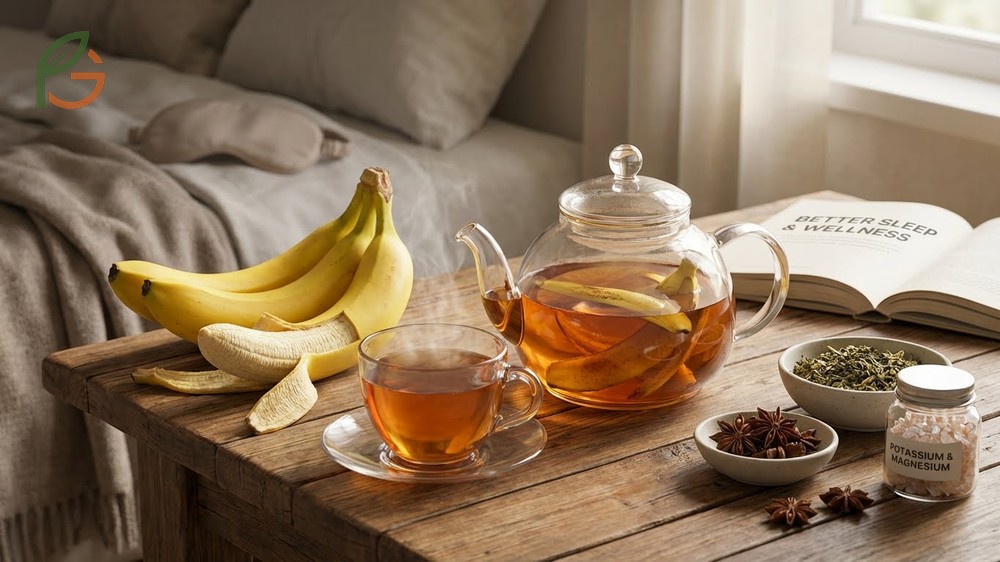
Banana peel tea contains potassium, magnesium, tryptophan, and gallocatechin that promote better sleep quality and reduce swelling[5]. Research shows the peel has much higher antioxidant levels than the flesh, making tea an effective way to extract these beneficial compounds. The tea works primarily through its mineral content and calming properties.
Studies demonstrate that banana tea helps regulate fluid volume in cells by balancing electrolytes, especially sodium. This makes it effective for reducing water retention and bloating. The potassium content supports cardiovascular health by helping regulate blood pressure.
Current data indicates that tryptophan in banana peels converts to serotonin and melatonin in the body, which improve sleep onset and quality. Most people find that drinking 1 cup 60-90 minutes before bedtime produces the best results. The warm liquid itself promotes relaxation.
How to Make Banana Peel Tea
Start with 1 organic banana peel, washed thoroughly to remove any residue. Cut off both ends of the peel. Bring 16-24 oz (500-750 mL) of water to a boil in a pot on the stove.
Add the banana peel to the boiling water and reduce heat to low. Let it simmer for 5-10 minutes, depending on desired strength. The longer you steep, the more nutrients extract into the water. Remove from heat and discard the peel.
Allow the tea to cool slightly before drinking. You can add cinnamon, honey, or lemon for flavor, though these aren’t necessary. Drink 1-3 cups per day for maximum benefits. Morning consumption provides sustained energy, while evening use promotes better sleep.
- Use slightly underripe peels with minimal brown spots for optimal nutrient content
- Store leftover tea in the refrigerator for up to 48 hours
- Reheat gently without boiling to preserve heat-sensitive compounds
- Avoid adding sugar to maintain the tea’s natural health benefits
- Expect mild diuretic effects within 1-2 hours of consumption
Preparation Tip: If you’re making tea from whole bananas instead of just peels, remove the ends but keep the peel on. Simmer for 5-10 minutes, then remove and discard the entire banana before drinking.
Banana Peel Fertilizer
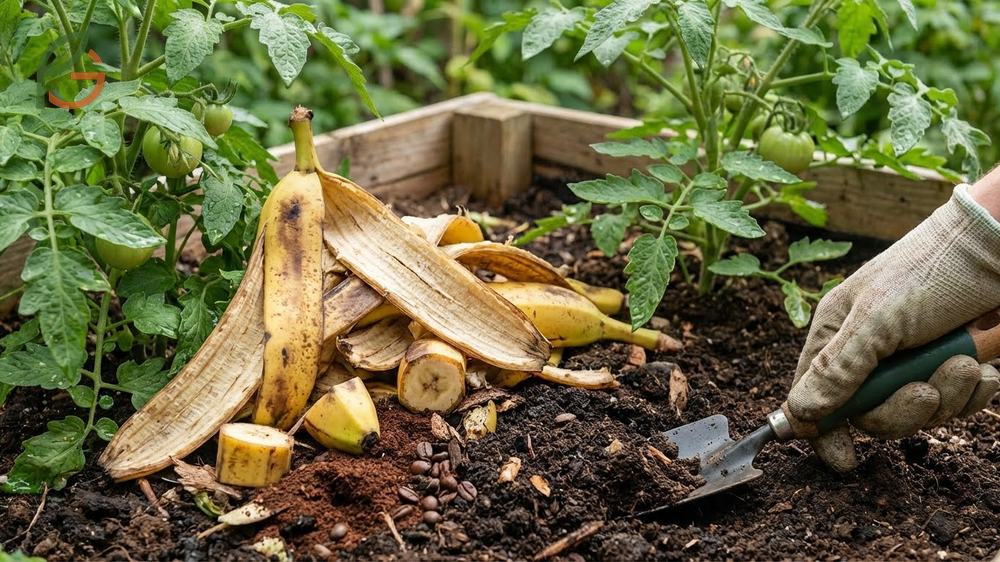
Banana peel fertilizer provides potassium, magnesium, calcium, phosphorus, and sulfur that boost plant growth and soil health[6]. Agricultural data shows these minerals support essential plant functions from root development to pest resistance. This eco-friendly approach reduces household waste while improving garden productivity.
Research shows that potassium in banana peels improves general plant vigor and aids nutrient transport through plant tissues. It also builds pest and disease resistance while promoting flower and fruit development. Unlike synthetic fertilizers, banana peel fertilizer releases nutrients slowly as the organic matter decomposes.
Most gardeners find that banana peel fertilizer works best for tomatoes, peppers, roses, and other flowering plants that need high potassium. The peels can be applied in multiple ways: as liquid fertilizer, buried in soil, laid as mulch, or composted. Each method offers different nutrient release rates.
Minerals in Banana Skin
Banana skins contain five primary minerals that plants need for healthy growth. Potassium works to improve general plant vigor and aids in moving water and nutrients through plant systems[6]. It helps build pest and disease resistance while promoting flower and fruit development throughout the growing season.
Magnesium is essential for developing chlorophyll, which plants use for photosynthesis and energy production. Calcium strengthens cell walls and promotes robust root growth. It also adds oxygen to the soil, which beneficial microorganisms need to thrive.
Phosphorus is essential for developing roots, flowers, and fruits in all garden plants. Sulfur helps form proteins, amino acids, and enzymes while supporting chlorophyll development. Some research indicates sulfur also repels certain garden pests naturally.
- Make liquid fertilizer by soaking peels in water for 48-72 hours, then dilute 1:5 before applying
- Bury fresh peels 2-3 inches deep around plant bases for slow-release nutrients
- Dehydrate and grind peels into powder, then sprinkle on soil or mix with water
- Add whole peels to compost bins to enrich finished compost with minerals
- Lay peels as mulch around plants, where they’ll decompose and feed the soil
- Blend peels into a slurry with water and pour directly onto soil at plant bases
Cooking with Banana Peels
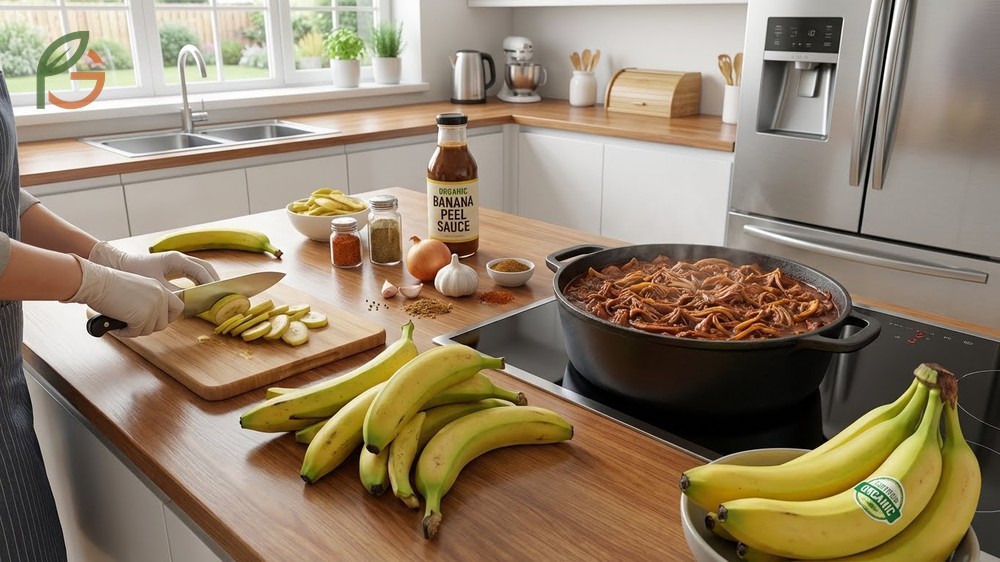
Banana peels can be cooked into various dishes including vegan bacon, pulled “pork,” bulgogi, and curries when properly prepared. Current guidance emphasizes using organic bananas only, as conventional peels contain pesticides and fungicides that won’t wash off completely. The peels don’t taste like bananas once cooked and seasoned.
Research shows you’ll want slightly underripe peels for cooking, as they have better texture and take 5-10 minutes to reach the right consistency. Scoop out any remaining fruit flesh from the inside of the peel, then shred the peel with a fork into strips. Marinate in soy sauce with garlic and onion powder for 10-15 minutes before cooking.
Heat a wok or skillet over medium heat and add the marinated peel strips with 1-2 tablespoons of water. This helps steam the peel to tenderness. Cook for 5-10 minutes, stirring regularly and adding water as needed. The peels are ready when they reach an al dente texture—firm enough to bite through but not mushy.
Evidence indicates you shouldn’t consume banana peel dishes multiple times per week, even when using organic peels. Most nutrition experts suggest treating them as an occasional ingredient rather than a dietary staple. The high fiber content can cause digestive discomfort if consumed too frequently.
Safety considerations include washing peels thoroughly under running water before use. Remove both ends of the peel, as these parts collect the most residue. Pat dry with a clean towel. Store unused peels in the refrigerator for up to 24 hours or freeze for later use.
- Season cooked peels with bulgogi sauce, BBQ sauce, or curry spices for different flavor profiles
- Add cooked peel strips to stir-fries, rice bowls, or tacos for extra texture
- Younger, greener peels work better for savory dishes due to lower sugar content
- Avoid using overripe peels with extensive brown spots, as they become too soft
- Expect a chewy, slightly fibrous texture similar to cooked mushrooms or eggplant
Safety Warning: Even organic bananas may contain some chemical residue. Cooking with banana peels should be an occasional practice, not a regular habit. Consult a healthcare provider if you have concerns about food sensitivities or allergies.
Conclusion
The evidence is clear: what are banana peels good for extends far beyond composting. They deliver 4 times more fiber, 3 times more potassium, and significantly higher antioxidant levels than banana flesh. Whether you’re using them for skincare, brewing tea, fertilizing your garden, or occasionally cooking, banana peels offer practical benefits backed by nutritional research.
Current guidance emphasizes using organic peels, washing them thoroughly, and starting with small amounts to assess individual tolerance. FruitGarden encourages sustainable practices that transform kitchen waste into valuable resources for health and gardening.
Medical Disclaimer
Important Medical Disclaimer: This content is for informational and educational purposes only. It is not intended as a substitute for professional medical advice, diagnosis, or treatment. Always consult a qualified healthcare professional before making any changes to your diet, skincare routine, or health practices, especially if you have allergies, skin conditions, or other medical concerns. Individual results may vary, and some people may experience adverse reactions to banana peel applications or consumption.
Frequently Asked Questions
Are banana peels good for you when eaten?
Yes, organic banana peels are safe to eat and nutritionally beneficial. They contain 6-9% protein, 20-30% fiber, and higher levels of potassium, magnesium, and antioxidants than the flesh. However, always use organic bananas and wash peels thoroughly, as conventional peels contain pesticides that don’t wash off completely.
What are the side effects of banana peel on face?
Most people don’t experience side effects, but some may develop mild irritation, redness, itching, or allergic reactions. Test on a small skin patch before full facial application. Discontinue use immediately if you notice burning, swelling, or persistent redness.
Are banana peels healthy for making tea?
Yes, banana peel tea provides potassium, magnesium, tryptophan, and antioxidants that support better sleep quality and reduce swelling. The peel contains much higher antioxidant levels than the flesh, making tea an effective extraction method. Drink 1-3 cups daily for best results.
How does banana peel work for teeth whitening?
Banana peels contain potassium, magnesium, and manganese that may help remove surface stains when rubbed on teeth for 2-3 minutes. However, scientific evidence supporting teeth whitening claims is limited. Professional dental treatments produce more reliable results than home remedies.
What’s the nutritional content of banana peel compared to flesh?
Banana peels contain 11.4g fiber versus 2.6g in flesh, 1,160mg potassium versus 358mg, and 110mg magnesium versus 27mg per 100g. Peels also provide higher vitamin B6 (0.6mg vs 0.4mg) and significantly more polyphenols. This makes peels nutritionally superior across most metrics.
Can banana peel fertilizer harm plants?
No, banana peel fertilizer won’t harm plants when applied correctly. Dilute liquid fertilizer 1:5 with water before application to prevent nutrient burn. Bury fresh peels 2-3 inches deep rather than laying them directly on soil surface. The organic matter decomposes slowly, releasing nutrients gradually without overwhelming plants.
How long do banana peels take to show skincare results?
Most people notice visible improvements after 2-4 weeks of consistent use. Apply the inside of banana peel to clean skin for 5-10 minutes, then rinse after 15-20 minutes. Use twice daily for acne treatment or once daily for anti-aging benefits. Individual results vary based on skin type and condition.





