
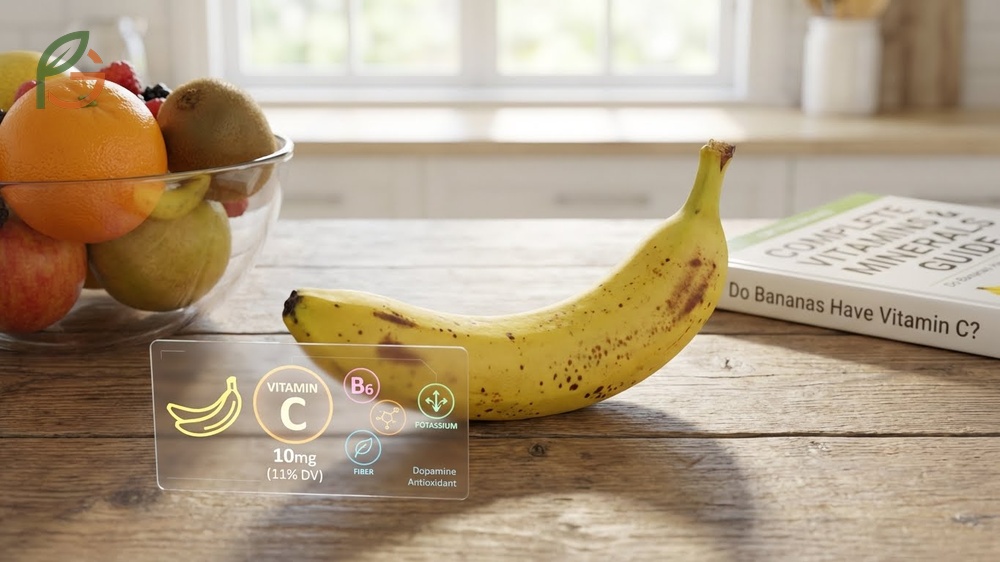
Do bananas have vitamin c? Yes, a medium banana contains approximately 10mg of vitamin C, providing 11% of your daily value[1]. While they’re not citrus-level vitamin C champions, bananas deliver a balanced nutritional profile with high B6, potassium, and fiber content. Research shows bananas also contain dopamine, a powerful antioxidant with potency similar to ascorbic acid[2]. FruitGarden synthesizes current nutritional research to help gardeners and fruit enthusiasts understand the complete vitamin and mineral breakdown of their favorite crops.
Quick Answer
Do Bananas Have Vitamin C
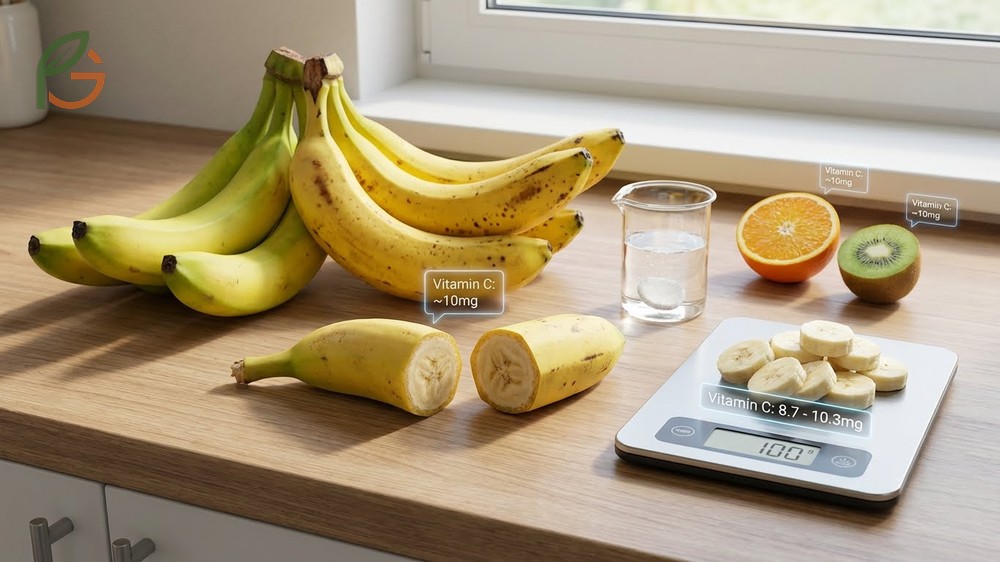
Studies demonstrate that bananas contain a moderate amount of vitamin C compared to other popular fruits. A medium-sized banana provides approximately 10mg of vitamin C, which represents 11% of the recommended daily value for adults[1]. This makes them a reliable—though not exceptional—contributor to your daily vitamin C intake.
The vitamin C content varies slightly depending on ripeness and size. Per 100 grams of banana flesh, you’ll find between 8.7 and 10.3mg of vitamin C[4]. Unlike citrus fruits that can deliver 50-90mg per serving, bananas offer a gentler vitamin C boost alongside their other nutritional benefits.
What often gets overlooked is that banana ripeness affects vitamin C stability. As bananas ripen from green to yellow with brown spots, enzyme activity gradually breaks down some vitamin C. This means slightly firmer, just-ripe bananas retain more vitamin C than overripe ones.
How Much Vitamin C in One Banana
Current nutritional data shows vitamin C content varies by banana size. An extra small banana (under 6 inches) contains roughly 7mg, while an extra large banana (over 9 inches) can provide up to 15mg of vitamin C.
Most Americans consume medium bananas, which weigh approximately 118 grams and deliver 10mg of vitamin C[1]. This serving also provides 105 calories, 27g carbohydrates, and 3.1g dietary fiber—making it a balanced snack rather than just a vitamin C source.
Important Note: If you’re specifically looking to maximize vitamin C intake for immune support, you’d need to eat 9-10 medium bananas daily to meet the full 90mg recommendation for men or 75mg for women. Combining bananas with citrus fruits or strawberries creates a more efficient approach.
Vitamin C Comparison With Other Fruits
Evidence indicates bananas rank in the moderate range for vitamin C among common fruits. Strawberries outperform bananas significantly, providing 89mg of vitamin C per cup—that’s 136% of your daily needs[5].
Research comparing apples and bananas reveals bananas contain 89% more vitamin C than apples[6]. An orange delivers roughly 70mg vitamin C, kiwis provide 75mg per 100g, and papayas offer 60mg per 100g[5]. This positions bananas as a supplementary rather than primary vitamin C source.
Banana Vitamins and Minerals
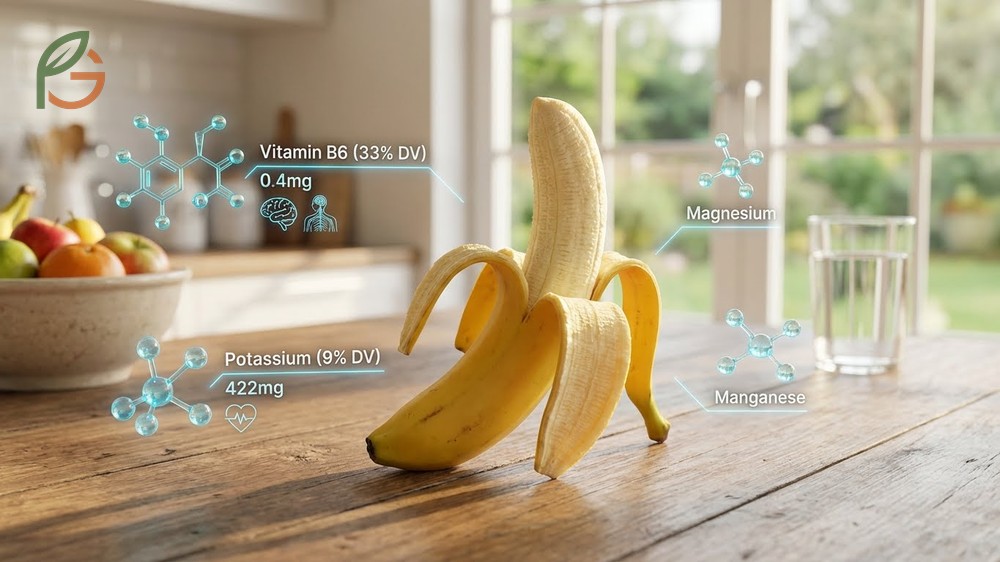
Agricultural data shows bananas deliver a well-rounded vitamin and mineral profile beyond vitamin C. The standout nutrients include vitamin B6, potassium, magnesium, and manganese—each playing distinct roles in body function.
A single medium banana meets 33% of your daily vitamin B6 requirement with 0.4mg per serving[1]. This makes bananas one of the most efficient fruit sources for this essential vitamin. The mineral content is equally impressive: 422mg potassium (9% DV), 32mg magnesium (8% DV), and 0.3mg manganese (14% DV).
Unlike fortified foods, bananas naturally lack vitamin D and contain minimal vitamin K. They also provide trace amounts of folate (24µg, 6% DV), riboflavin, niacin, and pantothenic acid. The copper content reaches 10% DV at 0.1mg per medium banana.
This table displays the complete vitamin and mineral breakdown per medium banana including amount and daily value percentage for 15 key nutrients
| Nutrient | Amount | % Daily Value | Primary Function |
|---|---|---|---|
| Vitamin C | 10mg[1] | 11% | Immune function, antioxidant |
| Vitamin B6 | 0.4mg[1] | 33% | Brain health, mood regulation |
| Potassium | 422mg[1] | 9% | Blood pressure, heart function |
| Magnesium | 32mg | 8% | Bone health, energy production |
| Manganese | 0.3mg | 14% | Metabolism, antioxidant defense |
| Fiber | 3.1g[1] | 11% | Digestive health, satiety |
B Vitamins in Bananas
Current data indicates bananas excel as a vitamin B6 source, surpassing most common fruits. The 0.4mg per medium banana represents nearly one-third of adult daily needs. This matters because vitamin B6 supports neurotransmitter production, including serotonin and norepinephrine.
Beyond B6, bananas provide smaller but meaningful amounts of other B vitamins. Folate content reaches 24µg (6% DV), crucial for cell division and DNA synthesis. Niacin contributes approximately 1mg (5% DV), while riboflavin adds 0.1mg (7% DV)—both supporting energy metabolism.
Essential Minerals Potassium and Manganese
Research demonstrates bananas rank among the highest potassium sources in the American diet. The 422mg per medium banana helps counteract sodium’s effects on blood pressure. Studies show diets rich in potassium reduce hypertension risk and support cardiovascular health.
Manganese content deserves equal attention. At 14% DV per banana, this trace mineral activates enzymes essential for bone formation, blood clotting, and reducing inflammation. Manganese also plays a role in collagen production for wound healing and skin health.
- Potassium (422mg): Regulates fluid balance, nerve signals, and muscle contractions including heartbeat rhythm
- Magnesium (32mg): Supports over 300 enzyme reactions, from protein synthesis to blood glucose control
- Manganese (0.3mg): Functions as cofactor for antioxidant enzymes protecting cells from free radical damage
- Copper (0.1mg): Facilitates iron absorption and red blood cell formation while maintaining healthy blood vessels
- Phosphorus (26mg): Combines with calcium for bone mineralization and ATP energy molecule formation
Do Bananas Have Vitamin K and Vitamin D
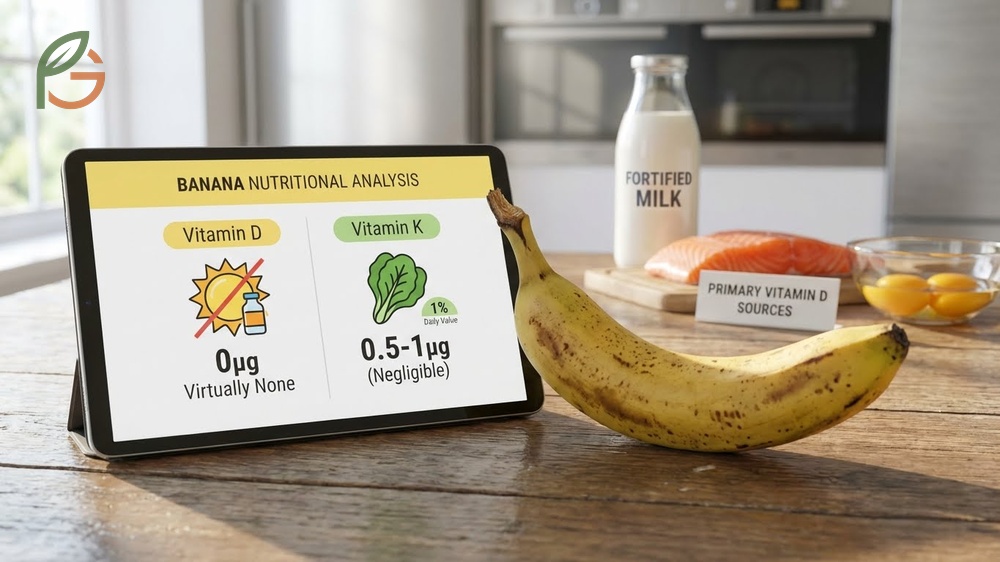
Agricultural research confirms bananas contain virtually no vitamin D. Vitamin D occurs naturally in only a few foods—primarily fatty fish, egg yolks, and fortified dairy products. Bananas register 0µg vitamin D per serving[3], which isn’t surprising for a tropical fruit.
The vitamin K situation differs slightly. Bananas do contain vitamin K, but in negligible amounts—approximately 0.5 to 1µg per medium banana, representing less than 1% of daily needs[3]. Adults require 90-120µg vitamin K daily for proper blood clotting and bone metabolism.
Most people find bananas unsuitable for meeting vitamin D or K requirements. For vitamin D, sunlight exposure remains the primary source, while leafy greens like kale and spinach provide abundant vitamin K. This doesn’t diminish bananas’ nutritional value—it simply highlights their specific nutrient strengths lie elsewhere.
Dietary Context: If you’re taking blood-thinning medications like warfarin that interact with vitamin K, bananas won’t significantly affect your vitamin K intake. However, always consult your healthcare provider about dietary changes when managing medication-sensitive conditions.
Nutrients in Ripe vs Unripe Banana
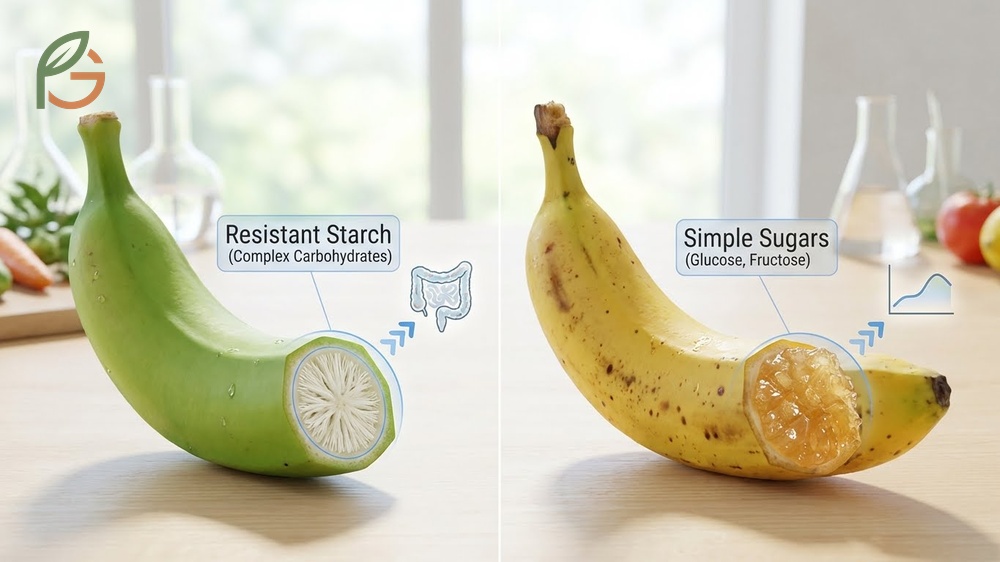
Studies demonstrate that banana ripeness dramatically alters nutrient composition. Unripe green bananas contain significantly more resistant starch—a fiber-like carbohydrate that resists digestion in the small intestine. This resistant starch acts as a prebiotic, feeding beneficial gut bacteria.
As bananas ripen from green to yellow, enzymes convert resistant starch into simple sugars. This explains why ripe bananas taste sweeter and have a higher glycemic index. Unripe bananas contain roughly 70-80% resistant starch by dry weight, while fully ripe bananas drop to under 1%.
The vitamin content shifts differently. Research indicates unripe bananas maintain slightly higher levels of certain B vitamins and antioxidants compared to fully ripe fruit. However, the vitamin C degradation during ripening remains relatively modest—you won’t lose more than 10-15% between stages.
| Nutrient Component | Unripe (Green) Banana | Ripe (Yellow) Banana |
|---|---|---|
| Resistant Starch | Higher (prebiotic benefit) | Lower (converted to sugars) |
| Total Carbohydrates | Lower | Higher |
| Glycemic Index | Lower (better for blood sugar) | Higher (faster digestion) |
| Fiber Content | Higher (includes resistant starch) | Lower |
| Antioxidants | Higher | Moderate |
- Blood sugar control: Lower glycemic index helps prevent sharp glucose spikes after eating
- Gut health support: Resistant starch feeds Bifidobacteria and Lactobacilli probiotic strains
- Enhanced satiety: Slower digestion keeps you feeling fuller longer compared to ripe bananas
- Weight management: Fewer available calories since resistant starch isn’t fully absorbed
- Colon health: Bacterial fermentation of resistant starch produces short-chain fatty acids that protect colon cells
Health Benefits of Eating Bananas
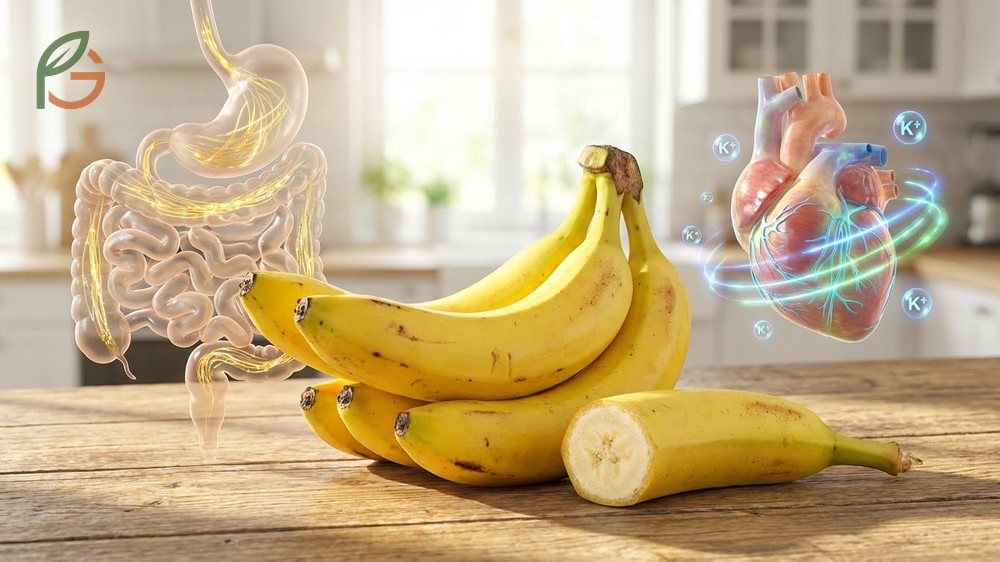
Research across multiple studies demonstrates bananas deliver measurable health benefits beyond basic nutrition. The fiber content—3.1g per medium banana—supports digestive regularity and helps maintain healthy gut bacteria populations[7]. Both soluble and insoluble fiber work together to soften stool and promote bowel movements.
The potassium-to-sodium ratio in bananas contributes to cardiovascular health. Evidence suggests adequate potassium intake (2,600-3,400mg daily) helps lower blood pressure in people with hypertension. A single banana provides roughly 12-16% of this target.
What most people don’t realize is that bananas contain dopamine—not as a mood-affecting neurotransmitter, but as a powerful antioxidant. Scientific analysis identified dopamine concentrations of 2.5-10mg per 100g in banana pulp, with antioxidative potency comparable to ascorbic acid (vitamin C)[2]. This compound helps neutralize free radicals and reduce oxidative stress.
- Digestive support: Pectin and resistant starch act as prebiotics, nourishing beneficial gut bacteria and improving microbiome diversity
- Energy provision: Natural sugars (glucose, fructose, sucrose) combine with B vitamins to support efficient energy metabolism
- Exercise recovery: Quick-digesting carbs plus potassium help replenish glycogen stores and prevent muscle cramps
- Mood regulation: Vitamin B6 aids tryptophan conversion to serotonin, potentially supporting emotional well-being
- Heart protection: Fiber, potassium, and antioxidants work synergistically to support cardiovascular function
- Kidney health: Potassium-rich diets help reduce calcium oxalate kidney stone formation in some populations
Conclusion
The evidence is clear: bananas do contain vitamin C—approximately 10mg per medium fruit, meeting 11% of daily requirements—alongside exceptional levels of vitamin B6, potassium, manganese, and fiber. While they won’t replace citrus fruits for vitamin C maximization, do bananas have vitamin c isn’t the only question worth asking. Their balanced nutrient profile, digestive benefits from fiber and resistant starch, plus powerful dopamine antioxidants make them a valuable addition to any diet.
Current nutritional guidance emphasizes variety over single-nutrient chasing. Bananas fit perfectly into this framework—offering steady energy, supporting gut health, and contributing to multiple nutritional needs simultaneously. Whether you choose green for blood sugar control or ripe for quick energy, you’re getting solid nutrition either way. FruitGarden encourages home gardeners to appreciate the complete nutritional story fruits tell beyond headline vitamins.
Medical Disclaimer
Important Medical Disclaimer: This content is for informational and educational purposes only. It is not intended as a substitute for professional medical advice, diagnosis, or treatment. Always consult a qualified healthcare professional before making any changes to your diet, medication, or health routine, especially if you have diabetes, kidney disease, heart conditions, or take medications that interact with potassium or vitamin K. Individual nutritional needs vary based on age, sex, activity level, and health status.
Frequently Asked Questions
How much vitamin C is in a banana compared to an orange?
A medium banana contains approximately 10mg of vitamin C (11% DV), while a medium orange delivers about 70mg (78% DV). Oranges provide roughly seven times more vitamin C per serving, making them superior for maximizing this specific nutrient. However, bananas offer higher potassium and vitamin B6 content.
Does banana contain vitamin C and vitamin D?
Bananas contain vitamin C (10mg per medium fruit) but zero vitamin D. Vitamin D occurs naturally only in fatty fish, egg yolks, and fortified foods. Your body produces vitamin D when skin is exposed to sunlight. If you need more vitamin D, consider mushrooms exposed to UV light, fatty fish like salmon, or fortified milk.
Are bananas a good source of vitamin C for immune support?
Bananas provide moderate vitamin C for immune support but shouldn’t be your sole source. One banana meets 11% of daily vitamin C needs. For optimal immune function, combine bananas with higher vitamin C fruits like strawberries (89mg per cup), kiwis (75mg per 100g), or citrus fruits. The antioxidant dopamine in bananas provides additional immune-supporting benefits.
Do green unripe bananas have more vitamins than ripe bananas?
Unripe green bananas contain slightly higher levels of certain antioxidants and B vitamins compared to fully ripe fruit. However, vitamin C content remains relatively stable across ripeness stages, decreasing only 10-15%. The major difference lies in resistant starch—unripe bananas have significantly more, offering superior prebiotic benefits and lower glycemic impact.
What vitamins and minerals are bananas highest in?
Bananas rank highest in vitamin B6 (33% DV per medium fruit), manganese (14% DV), and potassium (9% DV). They also provide meaningful amounts of vitamin C (11% DV), fiber (11% DV), magnesium (8% DV), and copper (10% DV). The exceptional B6 content makes bananas one of the best fruit sources for this brain-supporting vitamin.
Can eating bananas help meet daily vitamin C requirements?
Bananas can contribute to but not fully meet daily vitamin C requirements alone. Adults need 75-90mg vitamin C daily, while one banana provides 10mg (11% DV). You’d need to eat 8-9 medium bananas to meet full requirements—impractical for most people. Instead, combine 1-2 daily bananas with citrus fruits, berries, or bell peppers for efficient vitamin C intake.
Do bananas lose vitamin C when they get brown spots?
Bananas do lose some vitamin C as they ripen and develop brown spots, but the decrease is modest—typically 10-20% from firm yellow to heavily spotted stages. The enzymatic activity that creates brown pigments and converts starches to sugars also gradually degrades vitamin C. For maximum vitamin C retention, consume bananas when just-ripe with minimal spotting.





