
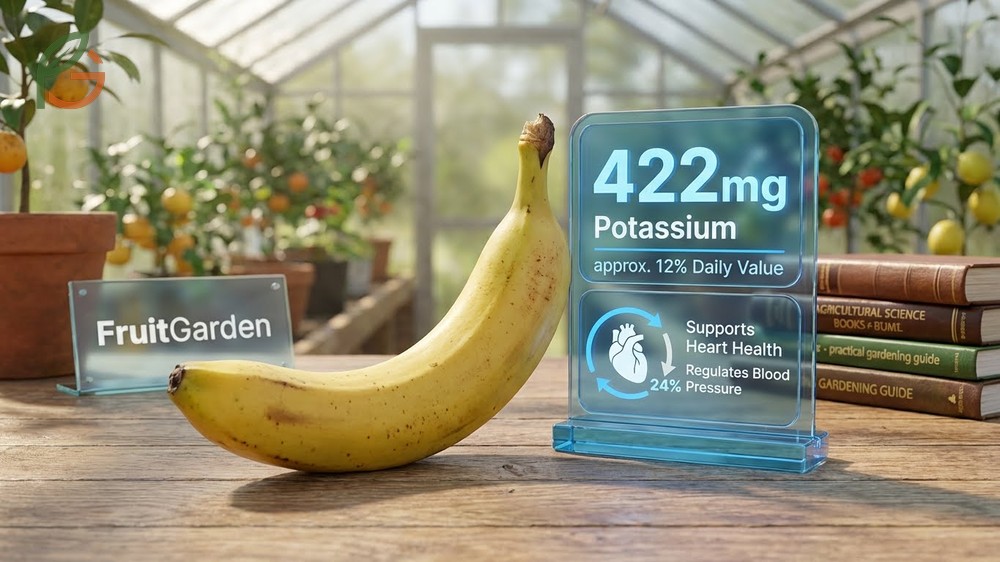
How much potassium in a banana? A medium banana (118g) delivers 422mg of potassium[1]—about 12% of your daily needs. Research shows this mineral supports heart health by helping regulate blood pressure and reducing stroke risk by up to 24%[2]. FruitGarden combines agricultural science with practical fruit-growing insights to help you understand what you’re cultivating and eating.
Quick Answer
How Much Potassium in a Banana
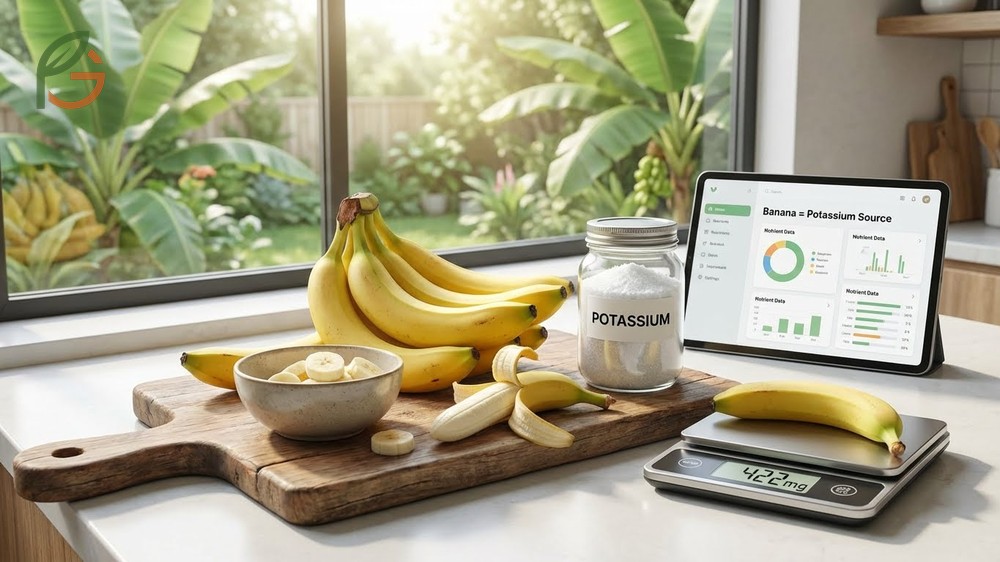
Studies demonstrate that a medium banana weighing 118 grams packs 422mg of potassium[1]. That’s roughly 12% of what most adults need each day. If you’re growing bananas in your home garden, you’re cultivating one of nature’s most efficient potassium delivery systems.
Current data from the USDA indicates bananas contain 358mg of potassium per 100 grams[3]. This concentration makes them one of the most accessible potassium sources for most Americans, who typically consume only 2,800mg daily—well below recommended levels[5]. The mineral doesn’t just appear magically; it’s absorbed from soil during the growing process.
What often gets overlooked is how banana ripeness affects not just sugar content but also mineral availability. Green bananas and ripe bananas contain similar potassium levels, but the body absorbs nutrients differently based on ripeness. Most people find that medium-ripe bananas—those with a few brown spots—offer the best balance of sweetness and digestibility.
Potassium by Banana Size
Banana size dramatically changes potassium content. Agricultural data shows size variations can affect your daily intake calculations by 30-40%. Understanding these differences helps you plan better if you’re tracking nutrients.
This table compares potassium content and nutritional details across five banana sizes from very small to very large
| Size | Weight | Potassium | % Daily Value |
|---|---|---|---|
| Very Small | 81g (6 inches) | 290mg | 8% |
| Small | 101g (6-7 inches) | 362mg[3] | 11% |
| Medium | 118g (7-8 inches) | 422mg[1] | 12% |
| Large | 136g (8-9 inches) | 487mg | 14% |
| Very Large | 152g (9+ inches) | 544mg | 16% |
Growing Tip: Banana size depends on growing conditions, water availability, and soil nutrients. Well-fertilized banana plants in tropical zones typically produce medium to large fruits with consistent mineral content throughout the season.
Banana Nutrition Facts 100g
Beyond potassium, bananas deliver a complete nutritional package per 100 grams. Evidence indicates they contain 89 calories, 22.8g carbohydrates, and 3.1g dietary fiber. They’re also sources of vitamin C (9mg, or 10% DV) and vitamin B6 (0.4mg, or 31% DV).
Research shows bananas contain 27mg magnesium per 100g—about 6% of daily needs. This magnesium works alongside potassium to support muscle function and nerve signaling. The sugar content sits at 12.2g per 100g, primarily natural fructose and glucose.
The glycemic index of ripe bananas measures 51, with under-ripe versions scoring 42[7]. This low-to-moderate rating means they won’t spike blood sugar as quickly as processed snacks. If you’re like most Americans trying to manage weight or blood sugar, timing your banana consumption around physical activity maximizes these benefits.
Daily Potassium Requirement
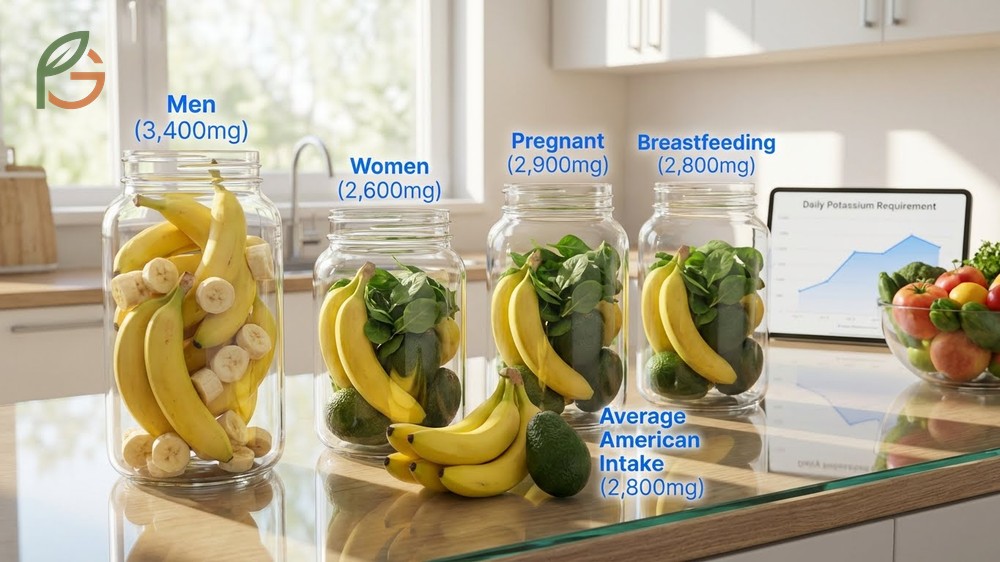
Current guidance from the National Institutes of Health sets minimum daily potassium at 3,400mg for men and 2,600mg for women[4]. Pregnant people need 2,900mg, while breastfeeding individuals require 2,800mg. These aren’t just arbitrary numbers—they’re based on decades of cardiovascular research.
Most Americans fall short, consuming around 2,800mg daily[5]. That’s a 600-1,000mg gap for many people. The reason this matters goes beyond muscle cramps—inadequate potassium intake directly impacts blood pressure control and heart disease risk.
Some nutrition experts and organizations like the American Heart Association actually recommend 4,700mg daily for optimal cardiovascular benefits. The FDA uses a more conservative 3,000mg as the Daily Value on nutrition labels, which explains why you’ll see different percentages depending on the source.
- Physical activity level: Athletes and manual laborers lose potassium through sweat and need 500-1,000mg more daily
- High sodium diets: Excess salt increases potassium excretion through urine, requiring higher intake to maintain balance
- Certain medications: Diuretics, laxatives, and some blood pressure drugs deplete potassium stores
- Digestive conditions: Chronic diarrhea, vomiting, or inflammatory bowel disease reduce potassium absorption
- Hot climates: Living in tropical or subtropical zones increases potassium losses through perspiration
How Many Bananas to Meet Daily Needs
For men targeting 3,400mg daily, you’d need approximately 8 medium bananas. Women aiming for 2,600mg would require about 6 medium bananas. But here’s the thing—you shouldn’t rely on bananas alone for your entire potassium intake.
Eating 6-8 bananas daily isn’t practical or recommended. That’s 530-710 calories just from bananas, plus 182-228g of carbohydrates and 84-112g of sugar. Instead, most nutritionists suggest 1-2 bananas daily as part of a varied diet including leafy greens, potatoes, avocados, and legumes.
Important Note: People with chronic kidney disease or taking potassium-sparing medications should consult healthcare providers before increasing potassium intake. Too much potassium can be dangerous for those with impaired kidney function.
Potassium Benefits for Blood Pressure
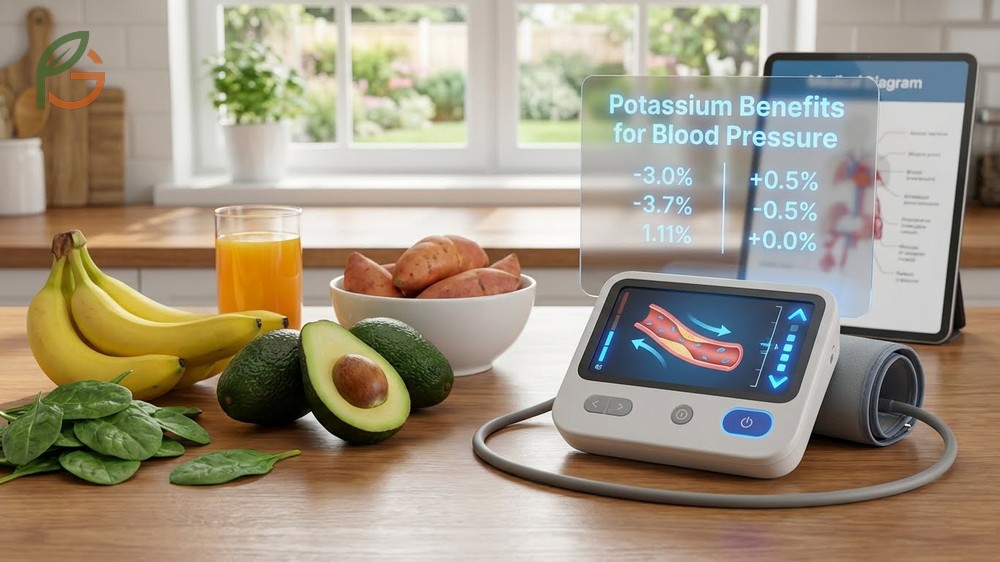
High-quality evidence from 22 randomized controlled trials shows increased potassium intake reduces systolic blood pressure by 3.49 mm Hg and diastolic by 1.96 mm Hg in adults[2]. This effect appears strongest in people with existing hypertension. For those with high blood pressure, potassium can reduce systolic by 5.32 mm Hg and diastolic by 3.10 mm Hg.
The mechanism is straightforward: potassium helps blood vessels relax, reducing resistance to blood flow. Agricultural data shows that populations consuming potassium-rich diets—particularly those eating fresh fruits and vegetables straight from gardens—have significantly lower rates of hypertension. This isn’t coincidence; it’s biochemistry.
Research demonstrates that higher potassium intake associates with a 24% lower risk of stroke[2]. That’s nearly one-quarter reduction simply from adequate mineral intake. When you’re growing your own bananas or other potassium-rich fruits, you’re literally cultivating heart protection.
- Reduces arterial stiffness: Potassium keeps blood vessel walls flexible and responsive to blood flow changes
- Lowers stress hormone impact: Adequate potassium blunts the blood pressure effects of cortisol and adrenaline
- Prevents calcium buildup: Proper potassium levels help prevent arterial calcification and plaque formation
- Supports heart rhythm: Potassium maintains electrical signals that coordinate heartbeats, preventing arrhythmias
- Protects kidney function: By controlling blood pressure, potassium indirectly preserves kidney health over decades
Sodium Potassium Balance
Current data indicates the sodium-potassium ratio matters more than absolute amounts of either mineral. Recent research published in Circulation found that women with higher potassium intakes had lower blood pressure, with effects amplified in those consuming more salt[8]. For every additional gram of potassium, women with high salt intake saw systolic pressure drop by 2.4 mm Hg.
The typical American diet contains about 3,400mg sodium—well above the 2,300mg recommended limit. This excess sodium forces kidneys to excrete more potassium, creating a double problem: too much sodium and not enough potassium. Bananas can’t completely offset a high-sodium diet, but they help tip the scales toward balance.
Think of it like soil pH in your garden. You can’t just add one amendment; you need proper ratios. Similarly, your body works best with a sodium-to-potassium ratio of about 1:2 or 1:3. Most Americans sit closer to 2:1—completely inverted from optimal.
Symptoms of Potassium Deficiency
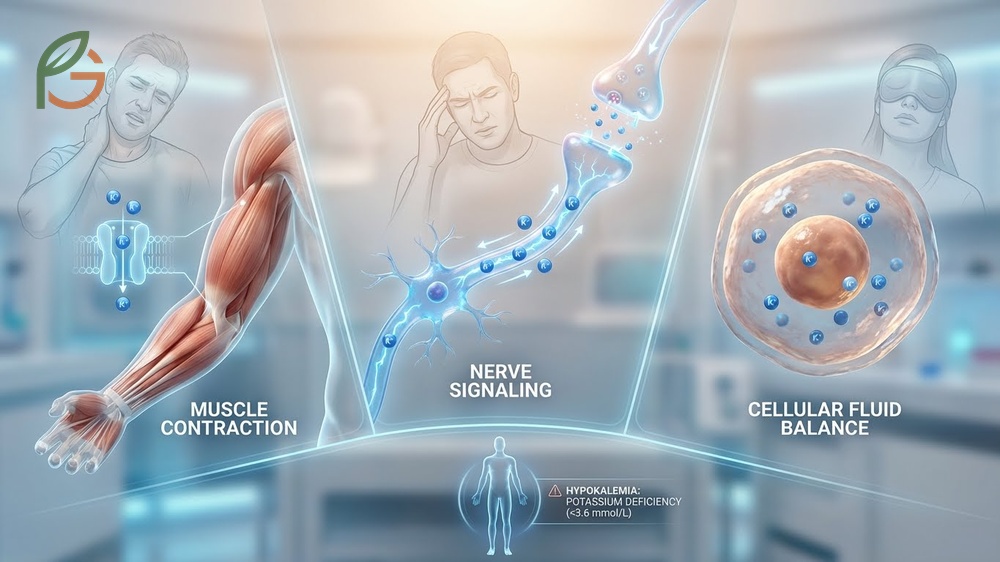
Evidence suggests potassium deficiency (hypokalemia) develops when blood levels fall below 3.6 millimoles per liter[9]. Early symptoms often go unnoticed because they’re subtle and non-specific. Most people attribute initial signs to stress, poor sleep, or aging rather than nutritional deficiency.
Studies demonstrate that potassium plays critical roles in muscle contractions, nerve signaling, and cellular fluid balance. When levels drop, these systems malfunction. The muscles in your intestines slow down, causing constipation and bloating. Skeletal muscles become weak and prone to cramping. In severe cases, irregular heart rhythms develop.
The reason potassium deficiency matters for home gardeners is simple: if you’re growing your own food, you control your intake. Unlike grocery store produce that may sit for weeks losing nutrients, freshly harvested bananas from your garden deliver maximum mineral content. That’s prevention you can literally cultivate.
- Muscle weakness and fatigue: Difficulty climbing stairs, carrying groceries, or maintaining posture throughout the day
- Muscle cramps and spasms: Especially in calves and feet, often occurring at night or during exercise
- Digestive issues: Persistent constipation, bloating, and abdominal discomfort unrelated to diet changes
- Heart palpitations: Sensation of skipped beats, fluttering, or racing heartbeat, particularly when lying down
- Numbness and tingling: Pins-and-needles sensations in hands, feet, arms, or legs lasting minutes to hours
- Mental fog and mood changes: Difficulty concentrating, irritability, and unexplained anxiety or depression
- Increased urination and thirst: Kidneys lose ability to concentrate urine, causing excessive fluid loss
Warning: Severe potassium deficiency can cause life-threatening complications including paralysis and cardiac arrest. Don’t self-diagnose—symptoms overlap with many conditions. If you experience persistent muscle weakness, irregular heartbeat, or severe cramping, seek medical evaluation immediately.
Avocado vs Banana Potassium
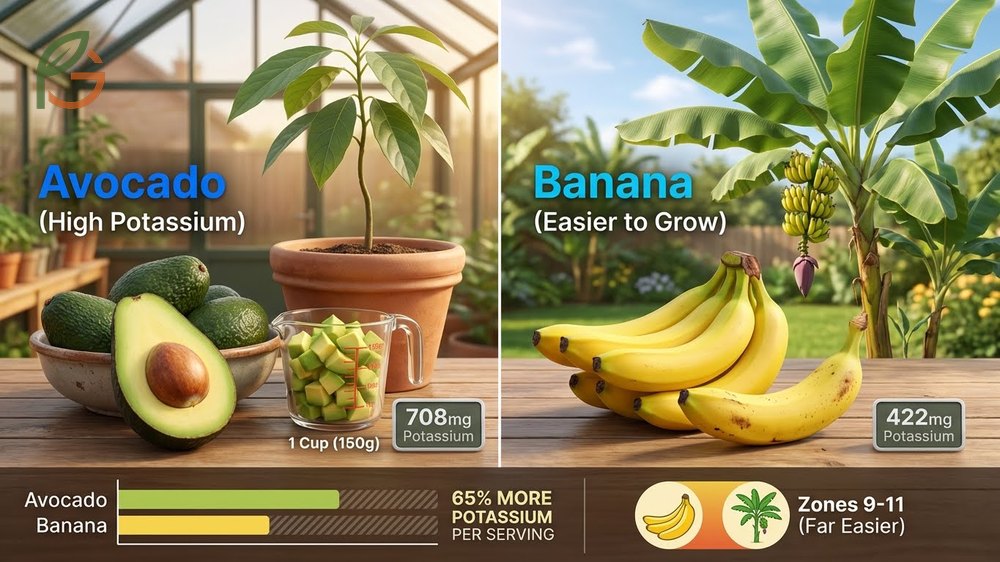
Agricultural data shows avocados contain 485mg of potassium per 100g compared to bananas’ 358mg[3]. Per typical serving, one cup of avocado (150g) delivers 708mg while a medium banana (118g) provides 422mg. That’s 65% more potassium per serving in avocados.
But here’s what matters for home growers: bananas are far easier to cultivate in most climates. Banana plants thrive in USDA zones 9-11 and can even survive in protected zone 8 locations. Avocados demand more specific conditions—most varieties need zones 9-11 with well-drained soil and protection from wind and frost.
The nutritional profiles differ beyond potassium. Avocados pack healthy fats (21g per cup) and twice the fiber (10g vs. 3.1g), making them more satiating. Bananas offer quick energy from natural sugars and cost less year-round. For maximum potassium intake, grow both if your climate allows.
| Nutrient | Avocado (1 cup/150g) | Banana (1 medium/118g) |
|---|---|---|
| Potassium | 708mg (20% DV) | 422mg (12% DV)[1] |
| Calories | 240 | 105 |
| Fiber | 10g | 3.1g |
| Sugar | 1g | 14g |
Best Time to Eat Banana
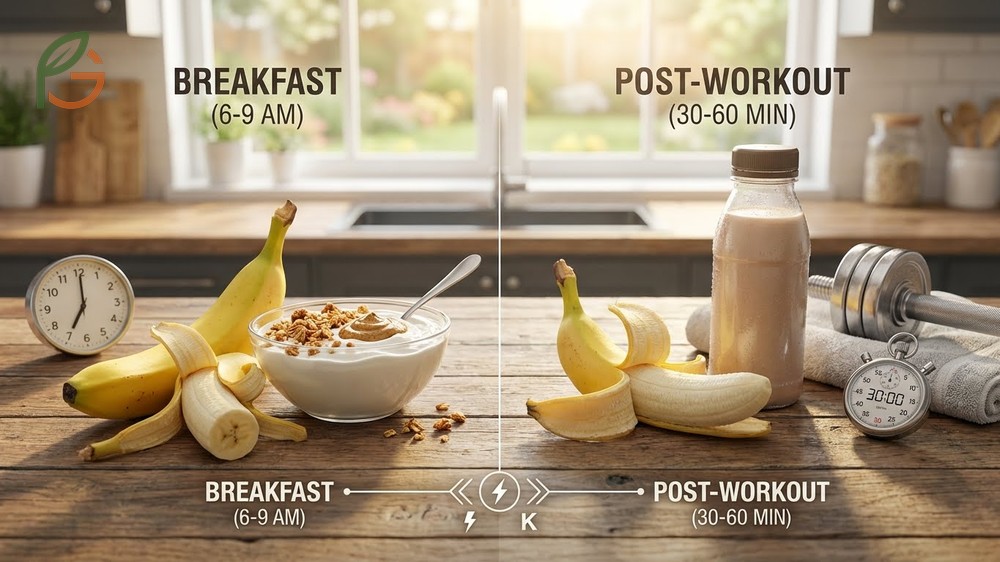
Research shows timing affects how your body uses banana nutrients, especially the carbohydrates and potassium. For breakfast (6-9 AM), bananas work best when paired with protein like Greek yogurt or nut butter. This combination slows digestion and provides sustained energy for 4-5 hours while delivering potassium when your body’s most primed to absorb minerals after overnight fasting.
Post-workout consumption (within 30-60 minutes after exercise) maximizes potassium’s benefits for muscle recovery. Evidence indicates exercising muscles become more sensitive to insulin and nutrients during this window. The natural sugars in bananas replenish glycogen stores while potassium replaces what you’ve lost through sweat.
For pre-workout fuel (30-60 minutes before activity), slightly under-ripe bananas offer advantages. They contain more resistant starch and less sugar, providing gradual energy release without blood sugar spikes. The potassium helps prevent exercise-induced muscle cramps by maintaining electrolyte balance during physical exertion.
Evening consumption doesn’t offer the same benefits as earlier times. Bananas contain natural sugars that can provide unwanted energy when you’re trying to wind down. Some people report that bananas’ magnesium content aids sleep, but most sleep specialists suggest eating them at least 2-3 hours before bed if you choose evening consumption.
Agricultural wisdom suggests eating bananas when they’re at their peak ripeness from your garden—not based on time of day but on harvest timing. Fresh-picked bananas contain maximum nutrient content, and if you’re growing your own, you control exactly when that happens. Most home growers harvest when bananas are 75% yellow with green tips, then let them ripen indoors to their preferred sweetness level.
Conclusion
The evidence is clear: bananas deliver substantial potassium (422mg per medium fruit) as part of a heart-healthy diet, but they’re most effective when combined with other potassium-rich foods and proper sodium balance. For home gardeners in zones 9-11, cultivating banana plants provides year-round access to fresh, nutrient-dense fruit with maximum mineral content.
Current guidance emphasizes whole-food potassium sources over supplements, and freshly harvested bananas from your FruitGarden represent the optimal approach—combining nutritional benefits with the satisfaction of growing your own food. Whether you’re targeting blood pressure control, athletic performance, or general health, understanding exactly how much potassium you’re getting from each banana helps you make informed decisions about your diet and garden planning.
Medical Disclaimer
Important Medical Disclaimer: This content is for informational and educational purposes only. It’s not intended as a substitute for professional medical advice, diagnosis, or treatment. Always consult a qualified healthcare professional before making any changes to your diet, medication, or health routine, especially if you have kidney disease, heart conditions, diabetes, or take medications that affect potassium levels. Excessive potassium intake can be dangerous for individuals with impaired kidney function.
Frequently Asked Questions
How many mg of potassium in a banana?
A medium banana (118g) contains 422mg of potassium, while per 100g, bananas provide 358mg. Smaller bananas (101g) offer 362mg, and larger ones (136g) contain approximately 487mg. The exact amount varies with size and ripeness.
Are bananas high in potassium?
Yes, bananas are considered a good source of potassium, providing 12% of the Daily Value per medium fruit. However, they’re not the highest—avocados, potatoes, spinach, and white beans contain more potassium per serving. Bananas are simply more convenient and accessible for most people.
How many grams of potassium in a banana?
A medium banana contains 0.422 grams (422 milligrams) of potassium. Since most nutritional discussions use milligrams, remember that 1 gram equals 1,000 milligrams. Daily recommendations range from 2.6 to 3.4 grams (2,600-3,400mg) depending on sex and life stage.
How much potassium is in one banana compared to daily needs?
One medium banana provides about 12% of the 3,400mg daily requirement for men and 16% of the 2,600mg recommendation for women. You’d need approximately 8 bananas to meet male requirements or 6 for female requirements, though nutritionists recommend varied potassium sources instead of relying solely on bananas.
How many meq of potassium in a banana?
A medium banana contains approximately 10.8 mEq (milliequivalents) of potassium. To convert: 422mg ÷ 39 (atomic weight of potassium) = 10.8 mEq. Medical professionals use mEq when prescribing supplements or monitoring patients with kidney disease or those taking certain medications.
Do bananas contain potassium in the peel?
Yes, banana peels contain potassium, but they’re not commonly eaten in Western diets due to texture and taste. The flesh provides sufficient potassium for most needs. Some cultures cook green banana peels in curries or stir-fries, but this practice hasn’t gained widespread adoption in the United States.
What’s the best banana ripeness for potassium content?
Potassium content remains relatively stable regardless of ripeness—green, yellow, and brown-spotted bananas all contain similar amounts. However, ripeness affects sugar content and digestibility. Under-ripe bananas have more resistant starch (better for blood sugar control), while riper ones offer sweeter taste and easier digestion.





