
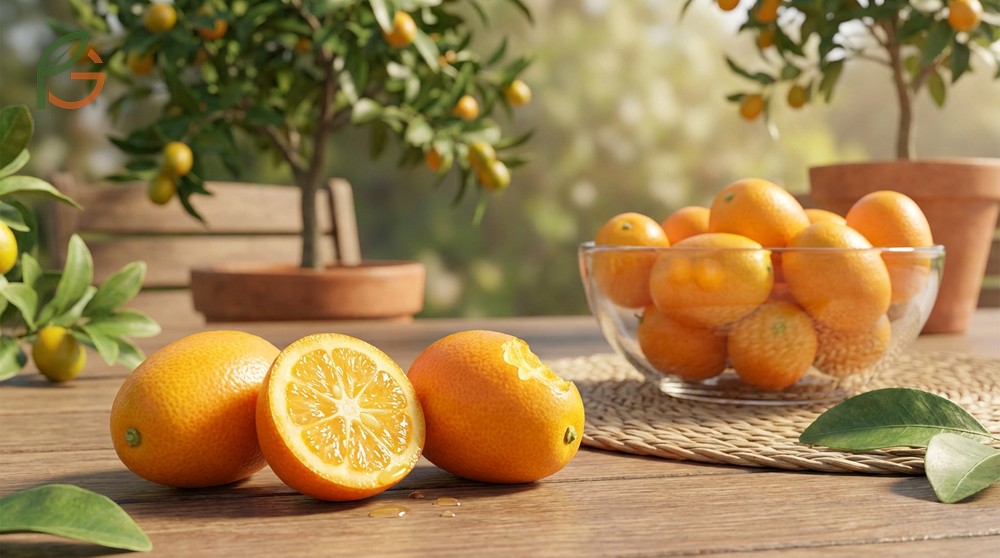
What does kumquat taste like? It’s a unique sweet-tart flavor explosion where the thin, edible skin tastes candy-sweet while the juicy pulp delivers a bracingly sour citrus punch[1]. Unlike oranges or lemons that you peel, you eat kumquats whole—skin and all—for a two-part flavor journey that’s become a favorite among U.S. home gardeners. FruitGarden synthesizes current horticultural research to help you understand this distinctive citrus fruit’s complex taste profile.
Quick Answer
- Kumquats deliver a sweet skin with intensely tart pulp—the opposite of typical citrus fruits[1]
- Each 100g serving contains 71 calories and 6.5g fiber[3]
- You’re meant to eat the entire fruit—no peeling required—for the full sweet-tart experience[4]
- Best grown in temperatures above 77°F (25°C)[5] for optimal flowering and fruit development
What Does Kumquat Taste Like
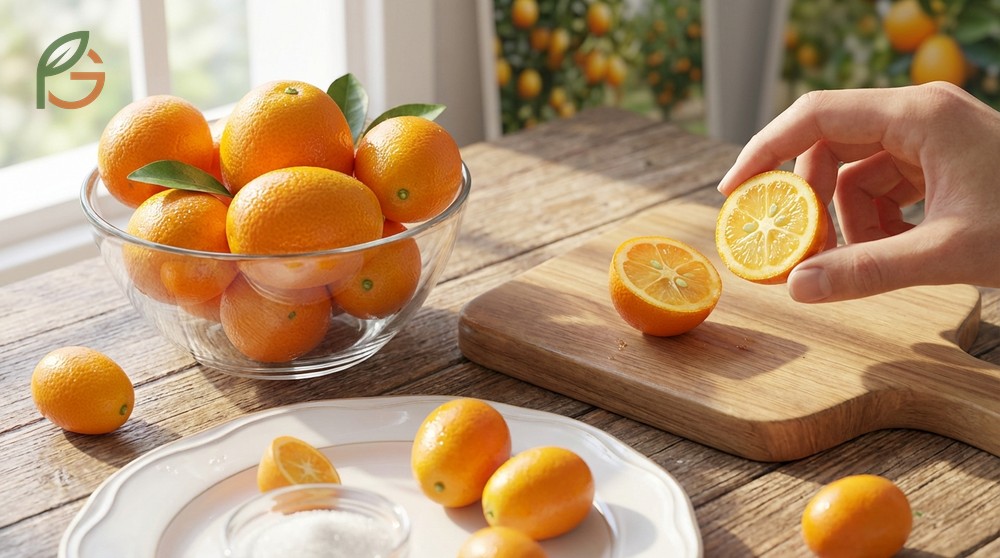
Research shows kumquats flip the citrus script entirely. The thin, glossy peel tastes sweet and almost floral—like citrus candy—while the juicy flesh inside delivers a sharp, lemony sourness[1]. This inverted flavor pattern happens because kumquats belong to the Fortunella genus, not the Citrus genus like oranges.
When you bite into a ripe kumquat, you’ll get sweetness first for about 3 seconds, then a burst of tart citrus acidity hits your tongue. The fruit’s 3 to 6 segments contain semi-aqueous flesh with a zesty, citrus zing[4]. Most people find this sequential taste experience more complex than standard oranges.
The fruit measures just 2 to 5 centimeters in length with an oval to oblong shape[4]. Its thin skin clings tightly to the flesh with little to no bitter white pith, making the entire fruit edible.
From My Experience: My cousin in Guadalajara, Mexico grew kumquats in her backyard garden last year. She insisted I try one straight from the tree in February—peak season—and the sweet-tart balance was spot-on, way better than the underripe ones she’d picked in November.
The Sweet Skin Experience
The peel’s sweetness comes from higher sugar concentration in the rind tissue. Unlike orange peels that taste bitter, kumquat skin develops naturally sweet compounds as it ripens from green to golden orange. The oil glands scattered across the glossy surface release subtle floral notes when you bite through.
Agricultural data shows the skin’s texture changes dramatically with ripeness. Underripe green kumquats have firm, smooth skin that tastes bitter, while optimally ripe orange kumquats develop plump, slightly yielding skin with balanced sweetness. The peel accounts for most of the fruit’s appeal.
The Tart Pulp Contrast
The pulp delivers pronounced citrus acidity that’s sharper than oranges but less intense than lemons. This tartness stems from the fruit’s vitamin C concentration—100g provides 73% of the recommended daily intake[2]. The juice sacs contain the sour flavor that balances the sweet peel.
Current horticultural guidance emphasizes that pulp tartness varies by variety. Nagami kumquats have sharper, more acidic pulp with subtle mandarin undertones. If you’re not ready for the full tart experience, you can squeeze out the juice and eat just the sweet skin—though you’ll miss the intended flavor combination.
Kumquat Flavor Profile
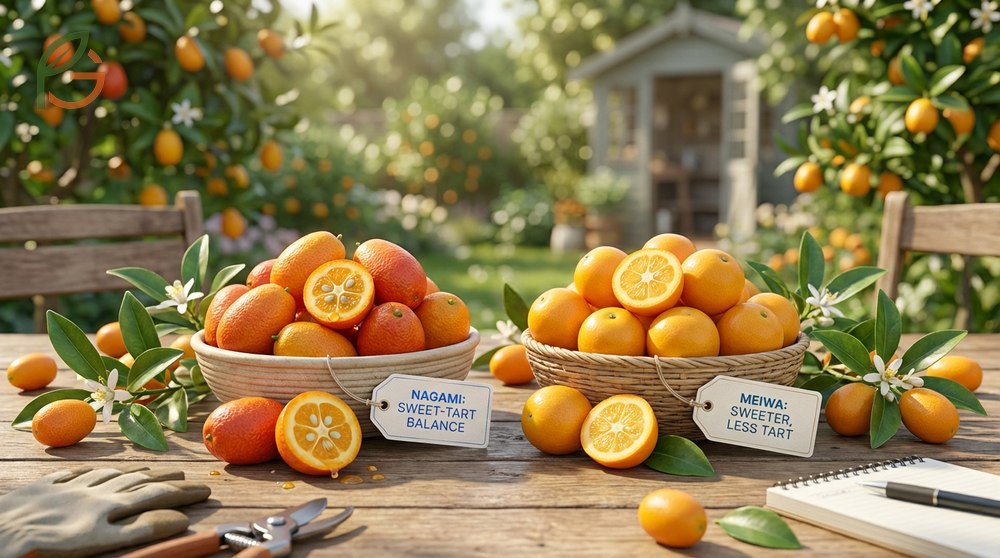
Studies demonstrate that kumquat varieties offer distinctly different taste experiences. The two most common types grown in U.S. home gardens—Nagami and Meiwa—differ significantly in their sweet-tart balance. Understanding these differences helps you choose the right variety for your taste preference.
The fruit’s overall profile includes a zesty citrus zing with floral undertones not found in standard oranges. The edible skin contributes subtle fruity notes while the pulp provides bright acidity. This complexity makes kumquats popular in both raw snacking and culinary applications like marmalades and salads.
Ripeness dramatically affects flavor intensity. Early-season kumquats in November show higher acidity and firmer texture, while late-season fruits in March develop sweeter skin and milder pulp. Most U.S. growers find January through February offers the best eating quality.
Nagami vs Meiwa Varieties
Nagami kumquats have an elongated oval shape and deliver the most pronounced sweet-tart contrast. The thin skin tastes intensely sweet while the pulp contains sharper, more acidic juice. Growers report this variety works best for those who enjoy bold citrus flavors.
Meiwa kumquats are rounder and sweeter throughout—the pulp is consistently sweet with minimal sourness[6]. This variety appeals to those who find Nagami too tart. The fruit’s rounder shape and thicker peel contribute to its milder flavor profile.
This table compares taste characteristics, pulp flavor, best uses, and ripeness indicators for Nagami and Meiwa kumquat varieties.
| Variety | Shape | Skin Taste | Pulp Taste | Best For |
|---|---|---|---|---|
| Nagami | Elongated oval | Intensely sweet, thin | Sharp, acidic, tart[6] | Marmalades, bold flavor lovers |
| Meiwa | Round | Sweet, thicker | Consistently sweet, mild[6] | Fresh eating, kids, desserts |
Seasonal Taste Changes
Kumquats follow a predictable flavor evolution throughout their growing season. Early-season fruits in November have higher acidity and firmer texture—ideal for preserves and candying. Peak season in January delivers the perfect sugar-acid balance with the juiciest texture for fresh consumption.
Late-season kumquats in March develop sweeter skin and milder pulp as sugars continue developing on the tree. The optimal eating window varies by variety—Nagami peaks earlier while Meiwa maintains quality longer into spring. Temperature fluctuations during winter also affect final sweetness levels.
Ripeness Tip: Roll a kumquat firmly between your palms for 10 seconds before tasting. Ripe fruits emit a citrus-floral aroma from the stem end and yield slightly to pressure. If the skin feels rock-hard, let it ripen at room temperature for 3-5 days.
Eating Whole Kumquat
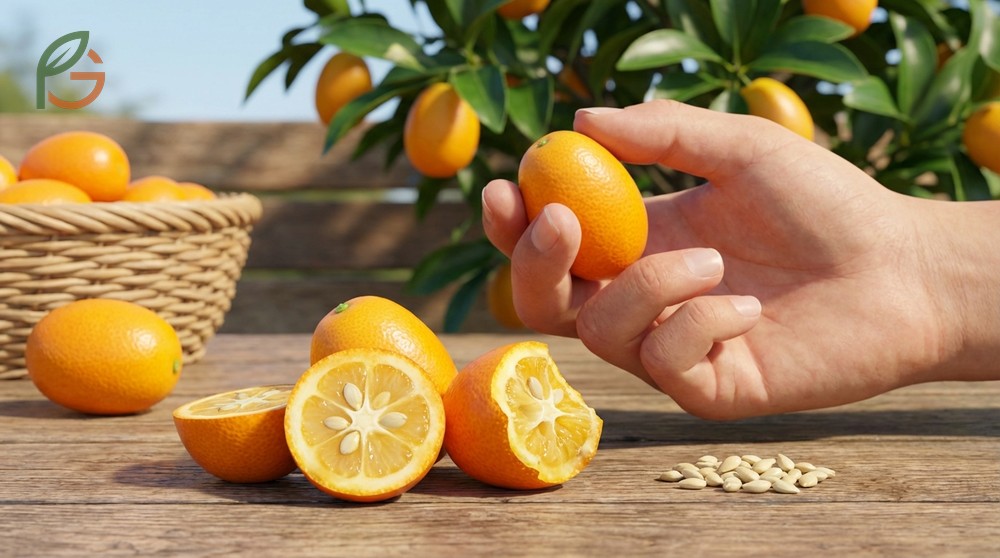
Current agricultural guidance emphasizes that kumquats are meant to be eaten whole—skin, pulp, and all. The entire fruit is edible, including the small cream-colored seeds, though many people prefer to spit out the seeds[4]. This eating method delivers the intended flavor experience where sweet and tart elements balance each other.
Research across U.S. citrus growers shows that eating just the skin or just the pulp misses the fruit’s design. The sweet peel offsets the sour juice naturally. When you chew the whole fruit together, the flavors blend into a complex citrus taste that’s neither too sweet nor too sour.
The thin skin clings tightly to the segments with no bitter white pith layer, making peeling unnecessary and wasteful. Simply rinse the fruit under clean water to remove any dust or residue, then pop it in your mouth. You’ll get the full nutritional benefits this way—6.5g fiber per 100g[3] comes from both peel and pulp.
My friend in Oaxaca, Mexico grows kumquats for her restaurant’s winter salad menu. She taught me to slice them thin—about 3mm thick—for dishes where you want the flavor without the burst of juice. The cross-sections look beautiful with the star-like segment pattern visible.
Preparation Techniques
For raw consumption, simply rinse kumquats under running water. You don’t need to peel, segment, or cut them. The fruit works as a grab-and-go snack straight from the tree or produce drawer—no cutting board or sticky counter required.
If you find the tartness overwhelming, try this technique: nibble off the top of the skin, then gently squeeze out the juice and seeds. You’re left with the sweet peel to eat without the sour pulp. However, this method sacrifices the vitamin C and fiber from the juice.
- Sliced for salads: Cut into 3mm rounds, remove seeds, toss into green salads or grain bowls for citrus zing
- Candied kumquats: Simmer whole fruits in sugar syrup until translucent for glossy dessert toppings
- Marmalade: The natural tartness and aromatic peel create outstanding preserves with minimal added pectin
- Infused water: Slice thin and add to water or tea for subtle citrus flavor without juicing
- Roasted with proteins: Halve and roast with chicken or pork—the heat mellows tartness and caramelizes sugars
Flavor Optimization Tips
To maximize sweetness, choose fruits that feel plump and yield slightly to gentle pressure. The skin should have a glossy, golden-orange color without green patches. Avoid kumquats with wrinkled skin or soft spots—these are overripe and develop off-flavors.
Store kumquats at room temperature for 3-5 days if they’re still firm and greenish. This allows sugars to develop fully. Once they reach peak ripeness, refrigerate them for up to two weeks. The cold temperature slows sugar breakdown and maintains texture.
- Roll fruits between palms before eating to release aromatic oils from skin glands
- Buy during peak season (January-February) for best sugar-acid balance
- Smell the stem end—ripe kumquats emit strong citrus-floral aroma
- Avoid fruits with brown spots or dull skin—these lack optimal sweetness
- Try both Nagami and Meiwa varieties to find your preferred tartness level
- Pair with cheese or nuts to balance the fruit’s acidity in appetizers
Growing Note: Kumquat trees require temperatures above 77°F (25°C) for flowering and optimal fruit production[5]. Temperatures below 45°F (7°C) can damage foliage and reduce fruit quality. U.S. growers in zones 9-10 achieve best results.
Kumquat Sweetness Sourness Balance
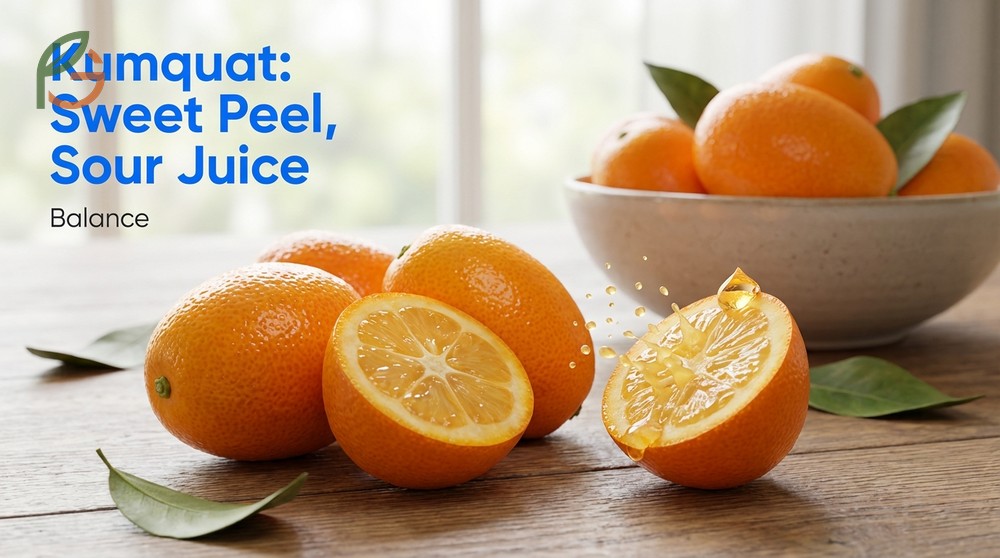
The unique layering effect happens because kumquats concentrate sugars in the peel tissue while keeping acids in the juice sacs. This creates a sequential taste experience—sweetness hits your tongue first as you bite through the skin, followed by citrus acidity as the pulp releases juice. The ideal ratio is about 3 seconds of sweetness followed by 2 seconds of tartness.
Evidence suggests this flavor architecture evolved as the fruit’s natural design. The Fortunella genus develops thicker, sugar-rich rinds and produces fewer bitter compounds in the skin compared to true Citrus species. The peel also maintains higher vitamin C concentration than most citrus rinds.
Most people find the sweet-tart combination more refreshing than one-note fruits. The contrast wakes up your taste buds and provides complexity. If you’re like most Americans trying kumquats for the first time, you’ll do a double-take—your brain expects orange-like sweetness throughout, but gets this surprising flavor flip instead.
Nutritionally, you’re getting 71 calories and 16g carbohydrates per 100g[2], making kumquats a relatively low-calorie snack. The fruit’s natural sugars in the peel provide quick energy, while the fiber from both skin and pulp promotes steady digestion.
- Ripeness stage: Underripe fruits have bitter skin and intensely sour pulp; fully ripe fruits balance sweet skin with tart pulp
- Variety selection: Nagami delivers sharper contrast, Meiwa offers overall sweetness with minimal tartness
- Growing temperature: Fruits grown in consistent warmth above 77°F (25°C) develop better sugar content[5]
- Harvest timing: Early season (November) shows higher acidity; late season (March) develops sweeter profile
- Storage conditions: Room temperature ripening for 3-5 days increases sweetness before refrigeration
The sweet-sour balance makes kumquats versatile in cooking. You can use them in savory dishes where the tartness cuts through rich meats, or in desserts where the sweetness complements sugar-based preparations. The peel’s natural pectin also helps jams and marmalades set without added thickeners.
Conclusion
The evidence is clear: what does kumquat taste like comes down to its unique sweet-skin, tart-pulp combination that flips typical citrus expectations. You’ll get candy-sweet peel followed by bracingly sour juice when you bite into a ripe fruit[1]. This inverted flavor profile makes kumquats one of the most distinctive citrus fruits you can grow or buy.
Current horticultural guidance emphasizes eating the whole fruit for the intended experience—the sweet and tart elements are designed to balance each other naturally. Whether you choose sharply tart Nagami or consistently sweet Meiwa, you’re getting a nutrient-dense fruit with 6.5g fiber and 73% of daily vitamin C per 100g[2][3]. FruitGarden synthesizes research from U.S. growers to help you understand and appreciate this exceptional edible-peel citrus.
Frequently Asked Questions
Why do kumquats taste sweet and sour at the same time?
Kumquats have a unique flavor layering where the skin is naturally sweet while the pulp is tart. This creates a sequential taste—sweetness first from the peel, followed by citrus acidity from the juice sacs[1]. The sweet-tart combination happens because kumquats concentrate sugars in the rind tissue while keeping acids in the pulp.
Can you eat kumquat skin?
Yes, kumquat skin is not only safe but is the sweetest, most flavorful part of the fruit. The thin peel contains no bitter compounds like orange peels do, making it perfectly edible[4]. Just rinse the fruit under clean water before eating. The peel contributes significant fiber and aromatic oils to the overall taste experience.
How does kumquat taste compare to orange?
Kumquats have a more complex flavor profile than oranges. While oranges are uniformly sweet-tart throughout the pulp, kumquats offer sweet skin with tart juice—the opposite pattern. They’re less sweet overall but with brighter citrus notes and subtle floral undertones not found in standard oranges. The sequential sweet-then-sour experience makes kumquats more interesting taste-wise.
What’s the difference between Nagami and Meiwa kumquats?
Nagami kumquats have an oval shape with intensely sweet skin and sharply acidic pulp, delivering pronounced sweet-tart contrast. Meiwa kumquats are rounder and sweeter throughout—the pulp is consistently sweet with minimal sourness[6]. Meiwa works better for those who find Nagami too tart, especially for fresh eating and desserts.
When do kumquats taste the sweetest?
Kumquats taste sweetest during peak season in January through February when they achieve perfect sugar-acid balance. Late-season fruits in March develop even sweeter skin and milder pulp as sugars continue developing on the tree. Early-season November fruits have higher acidity and are better for preserves than fresh eating. Letting firm fruits ripen at room temperature for 3-5 days also increases sweetness.
How many calories are in a kumquat?
Kumquats contain 71 calories per 100g (about 5-6 fruits), making them a relatively low-calorie citrus option[2]. Each 100g serving provides 16g carbohydrates and 6.5g fiber[3]. The fruit delivers 73% of daily vitamin C needs, contributing to its nutritional value beyond just calories.
What temperature do kumquats need to grow?
Kumquats require temperatures above 77°F (25°C) for optimal flowering and fruit production[5]. They can tolerate brief cold snaps but temperatures below 45°F (7°C) damage foliage and reduce fruit quality. U.S. growers in USDA zones 9-10 achieve best results. Winter temperatures between 55-60°F (13-16°C) maintain the tree without promoting growth.





