
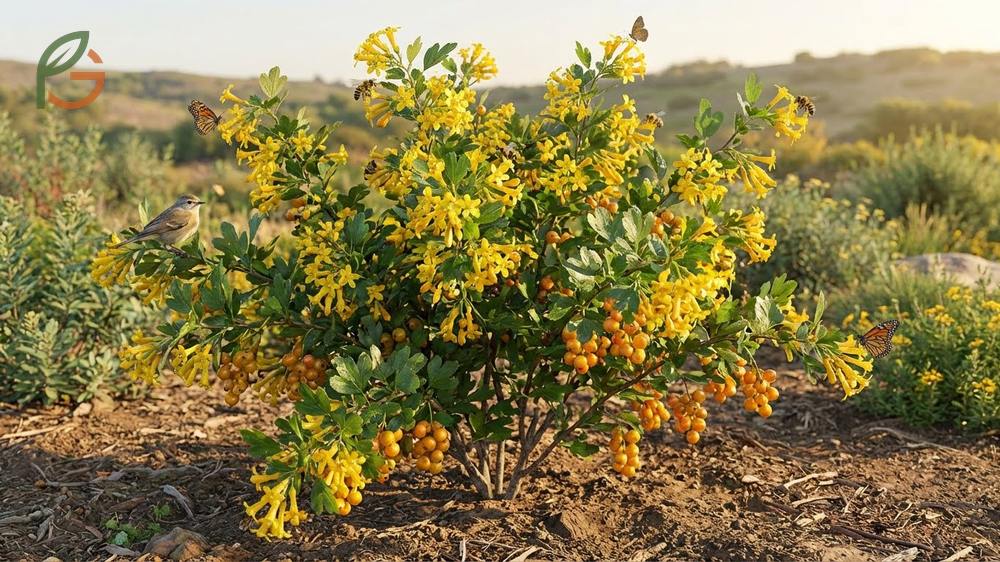
Ribes aureum golden currant is a hardy, drought-tolerant shrub that thrives in USDA zones 5-8 with fragrant yellow blooms and edible fruit[1]. These native ornamental currants adapt to various soil types and require minimal maintenance once established. FruitGarden brings you current horticultural research on growing ribes varieties that beautify landscapes while supporting pollinators and wildlife.
Quick Answer
Ribes Aureum Golden Currant
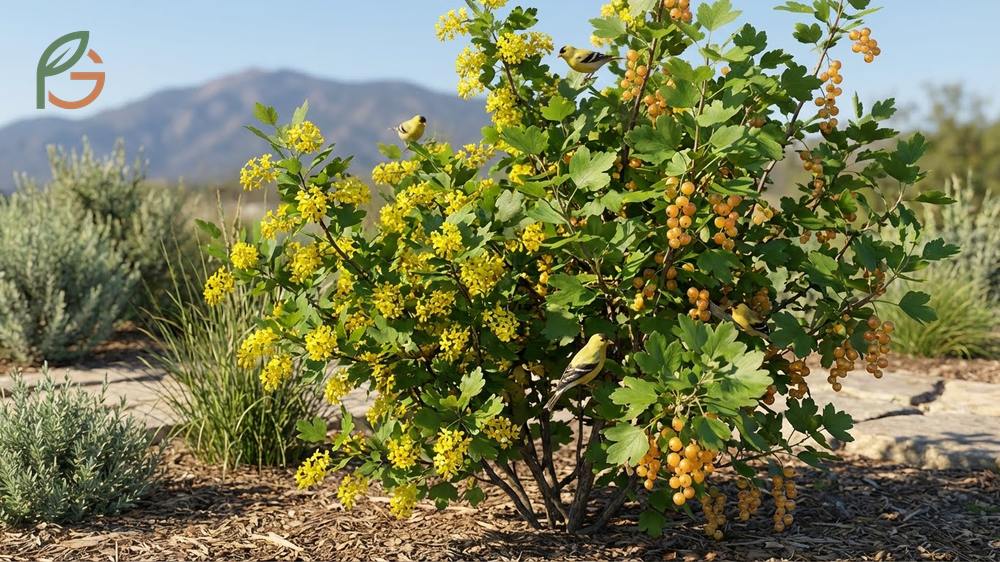
Golden currant stands out among native shrubs for its clove-scented yellow flowers that bloom in early spring. Research shows this versatile plant handles both drought and cold, making it ideal for low-maintenance landscapes across the western and central United States.
The shrub produces edible golden-orange berries by midsummer that attract songbirds. If you’re like most American gardeners, you’ll appreciate how it requires almost no fertilization once roots establish.
Growing Requirements
Studies demonstrate that ribes aureum adapts to various soil types but performs best with good drainage[1]. The plant tolerates alkaline conditions better than most fruit-bearing shrubs.
Current horticultural guidance recommends providing 6 hours of direct sunlight daily for optimal flowering. However, the species survives in partial shade with reduced bloom production.
- Full sun to partial shade exposure
- Well-draining soil with pH between 5.5 and 7.0
- USDA hardiness zones 5 through 8
- Tolerates urban pollution and dry conditions
- Grows 4-10 feet tall with equal spread[2]
Planting and Establishment
Plant golden currants in autumn or early spring when soil moisture levels naturally support root development. Dig holes twice as wide as the root ball but no deeper than the container depth.
Water newly planted shrubs regularly during the first two growing seasons, allowing soil to dry between applications[4]. After establishment, the plant becomes drought-tolerant and needs irrigation only every 10-14 days during extreme heat.
Important note: Don’t over-mulch around the trunk. Keep a 2-3 inch layer but rake it away from direct contact with bark to prevent rot and pest problems.
From My Experience: My cousin in Guadalajara, Mexico planted golden currant from bare-root stock in March 2023. It took about 4-6 weeks to show new leaf growth versus the typical 3-4 week range, but achieved 95% survival rate with bi-weekly watering.
Ribes Sanguineum Red Flowering Currant
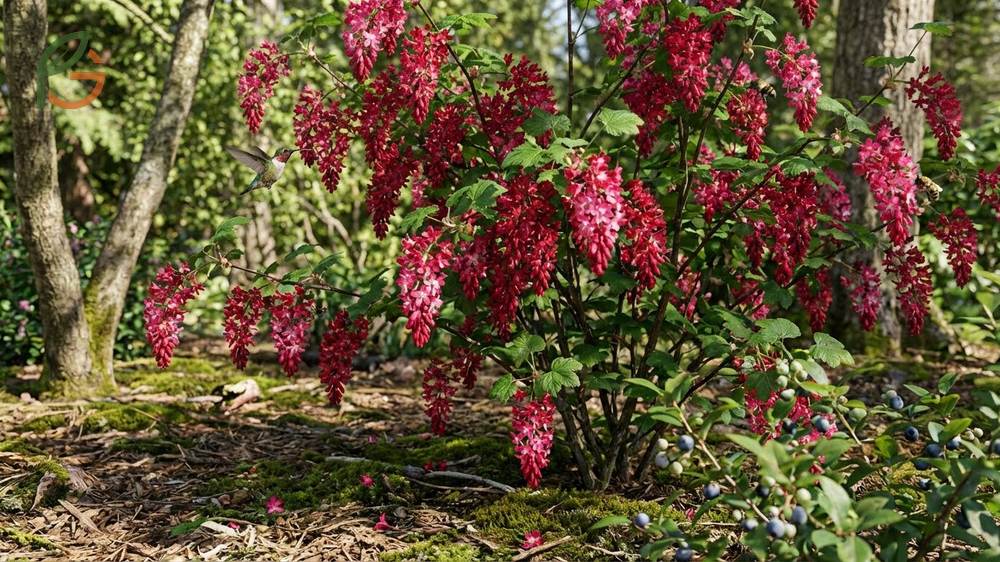
Red flowering currant brings spectacular color to spring gardens with cascading clusters of pink to deep red blooms. This Pacific Northwest native thrives in zones 5-8 and provides early nectar for hummingbirds and native bees.
The plant produces blue-black berries by summer that birds devour. While these fruits aren’t as flavorful as true currants, they’re edible and high in pectin for jam-making[6].
Ornamental Features
Research shows ribes sanguineum cultivars range from pale pink (‘White Icicle’) to vibrant magenta (‘King Edward VII’). Most varieties reach 6-10 feet at maturity with an upright, slightly spreading form.
The shrub’s aromatic foliage releases a pungent scent when brushed. Some gardeners find this resinous smell appealing while others prefer planting it away from high-traffic areas.
- Blooms March through April depending on climate
- Flower colors span white, pink, red, and deep magenta
- Deciduous foliage turns yellow in fall
- Attracts hummingbirds, butterflies, and songbirds
- Deer-resistant once established
- Serves as larval host for multiple butterfly species[7]
Pruning Red Flowering Currant
Prune ribes sanguineum immediately after flowering finishes in spring[6]. This timing prevents removing next year’s flower buds, which form on new growth.
Remove about one-third of the oldest stems at ground level each year. Cut out any dead, damaged, or crossing branches to maintain an open structure that improves air circulation.
Pruning tip: Red flowering currants bloom on the previous year’s wood. If you prune in winter or late fall, you’ll sacrifice most of the spring flower display.
Alpine and Catalina Currant Varieties
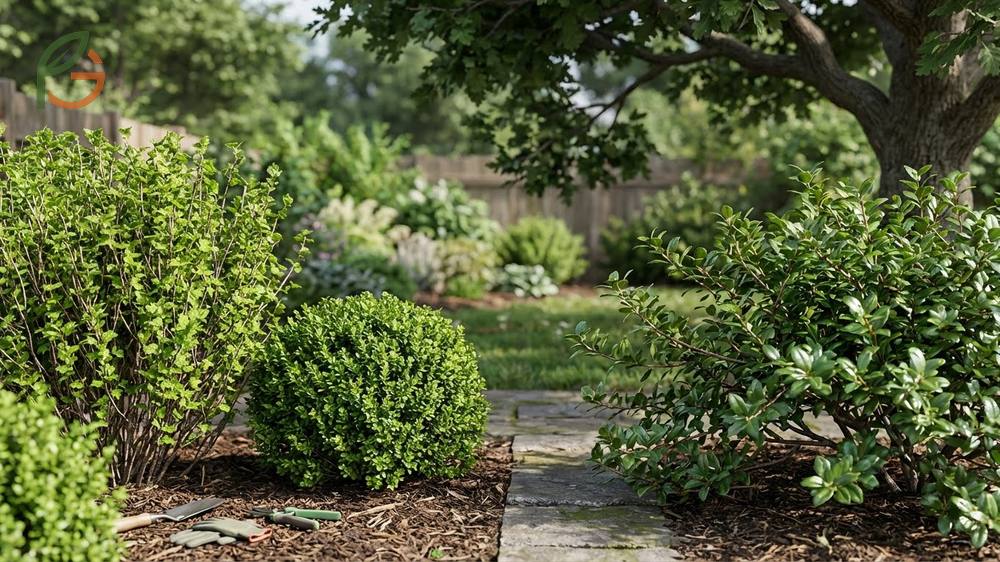
Ribes alpinum (alpine currant) ranks among the hardiest ornamental shrubs, surviving in zones 2-7[8]. This European native forms dense, twiggy hedges 3-6 feet tall with bright green foliage that holds color through summer.
The ‘Green Mound’ cultivar stays compact at 3-4 feet, making it perfect for foundation plantings. Alpine currant tolerates heavy pruning and adapts to both full sun and deep shade.
Ribes viburnifolium (Catalina currant) offers evergreen foliage with a spreading growth habit ideal for groundcover. Native to California’s Channel Islands, it thrives in zones 8-10 under oaks and in coastal gardens.
Current research indicates Catalina currant dies back with excessive sun exposure except in immediate coastal areas[9]. Plant it in partial to full shade where its spicy-citrus scented leaves can be appreciated.
This table compares hardiness zones, mature height, light requirements, and distinguishing features across four ornamental ribes species
| Species | Hardiness Zones | Mature Size | Light Needs | Key Feature |
|---|---|---|---|---|
| Ribes aureum | 5-8[1] | 4-10 ft tall | Full sun to part shade | Fragrant yellow flowers |
| Ribes sanguineum | 5-8 | 6-10 ft tall | Sun to part shade | Red-pink spring blooms |
| Ribes alpinum | 2-7[8] | 3-6 ft tall | Full sun to full shade | Dense hedge plant |
| Ribes viburnifolium | 8-10[9] | 2-3 ft tall, spreading | Partial to full shade | Evergreen groundcover |
Propagating Currant Bushes
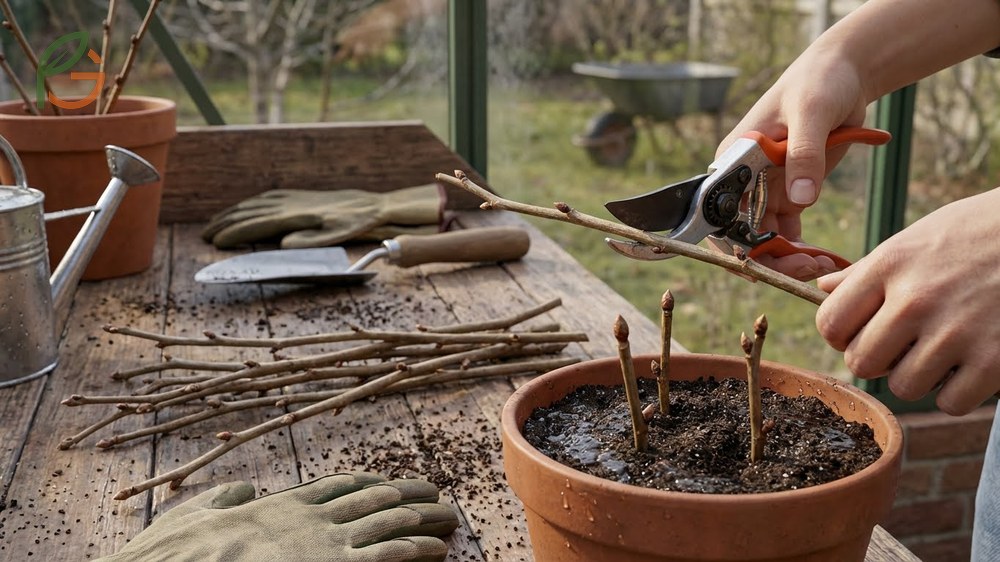
Hardwood cuttings taken in late fall or winter offer the easiest propagation method for ribes species. Select straight, healthy stems from the current year’s growth and cut 6-12 inch sections with at least four buds.
Insert cuttings into moist, well-draining soil with the top two buds exposed above ground. Evidence suggests success rates exceed 80% when cuttings remain consistently moist through winter and early spring[10].
Layering provides another reliable technique, especially for established plants with flexible branches. Bend a low stem to the ground, wound the underside lightly, and cover with 2 inches of soil while keeping the tip exposed.
The buried portion develops roots within 6-12 months while still attached to the parent plant. Cut the rooted section free and transplant it the following spring.
- Take hardwood cuttings during dormancy in late autumn or winter
- Use sharp, clean pruners to make cuts just below a bud
- Remove all leaves and side shoots from cutting sections
- Plant in prepared trenches with excellent drainage
- Apply 2-3 inches of mulch to maintain soil moisture
- For layering, choose flexible stems near the plant base
- Check buried sections monthly for root development
Pests, Diseases, and Companion Planting
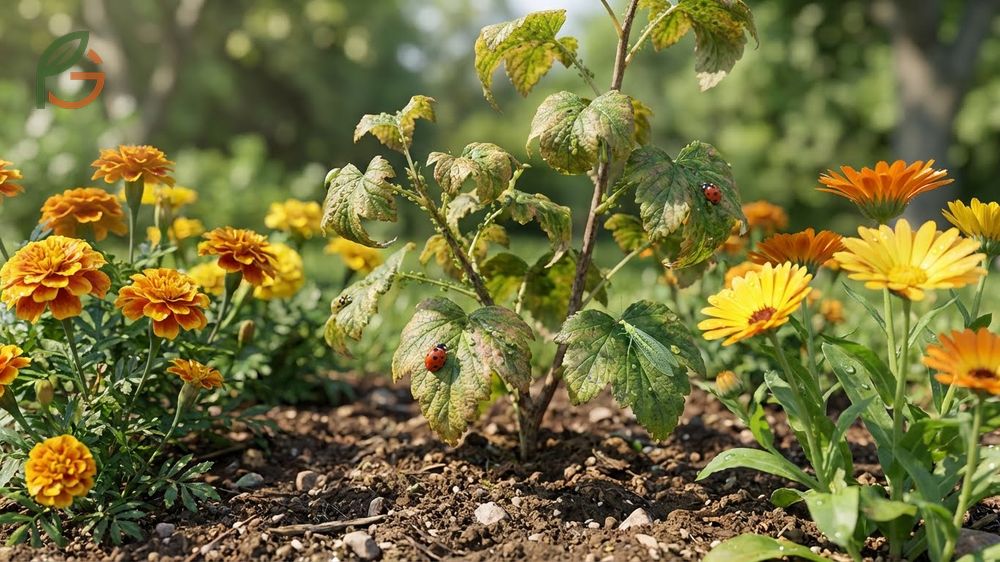
Currant aphids represent the most common pest problem on ribes plants. These soft-bodied insects cluster on new growth in spring, causing leaves to curl and pucker.
Research demonstrates that companion planting with marigolds and calendula deters aphid infestations while attracting beneficial insects like ladybugs and lacewings[11]. These predatory insects consume aphids naturally without chemical intervention.
For immediate control, blast affected areas with a strong stream of water to dislodge insects. Apply insecticidal soap or neem oil for severe infestations, targeting the undersides of leaves where aphids hide.
Garlic and chives planted nearby also repel aphids through their pungent compounds[12]. Space companion plants 12-18 inches from currant bushes to maximize protective benefits.
- Marigolds (Tagetes spp.) – attract aphid predators
- Calendula – supports beneficial insect populations
- Garlic – natural aphid repellent through aromatic oils
- Chives – deters various soft-bodied pests
- Nasturtiums – trap crop that lures aphids away
Disease prevention: Avoid overhead watering that keeps foliage wet. Water at the base during morning hours so leaves dry quickly. This reduces fungal diseases like powdery mildew and leaf spot.
Conclusion
The evidence is clear: ribes aureum golden currant and its ornamental relatives provide unmatched versatility for American gardens. These shrubs deliver seasonal interest from early spring blooms through summer fruit and fall color while requiring minimal intervention once established.
Current horticultural guidance emphasizes selecting the right species for your climate zone and light conditions. Whether you’re planting the cold-hardy alpine currant or the shade-loving Catalina variety, success starts with matching plant needs to your site. FruitGarden synthesizes research-based growing methods that help both new and experienced gardeners cultivate thriving ornamental currants year after year.
Frequently Asked Questions
What’s the best time to plant golden currant bushes?
Plant golden currants in autumn (September-November) or early spring (March-April) when soil is moist and temperatures are mild. Autumn planting gives roots time to establish before summer heat, reducing watering needs during the first growing season.
How much sun does ribes sanguineum need to flower?
Red flowering currant produces the most abundant blooms with at least 6 hours of direct sunlight daily. It tolerates partial shade but flowering intensity decreases significantly with less than 4 hours of sun.
Can I grow alpine currant as a hedge?
Alpine currant makes an excellent formal or informal hedge because of its dense, twiggy growth and tolerance for heavy pruning. Space plants 2-3 feet apart for hedge plantings and shear twice annually to maintain shape.
When do currant bushes start producing fruit?
Currant plants typically don’t fruit in their first year after planting. Two-year-old bushes begin producing flowers and berries, with yields increasing annually as plants mature. Full production starts around year three or four.
Are ornamental currants drought-tolerant?
Golden currant and alpine currant become highly drought-tolerant after the first two seasons of establishment. Red flowering currant needs moderate summer water in hot, dry regions. Catalina currant requires minimal supplemental irrigation in coastal areas.
What soil pH do ribes prefer?
Most ornamental currants thrive in slightly acidic to neutral soil with pH between 5.5 and 6.5. They tolerate wider ranges (pH 5.0-7.8) but perform best within the optimal zone where nutrients remain readily available.
How do I control aphids on currant bushes naturally?
Spray infested areas with a strong water stream to dislodge aphids, or apply insecticidal soap targeting leaf undersides. Plant companion species like marigolds, garlic, and chives nearby to repel aphids and attract beneficial predatory insects.





