
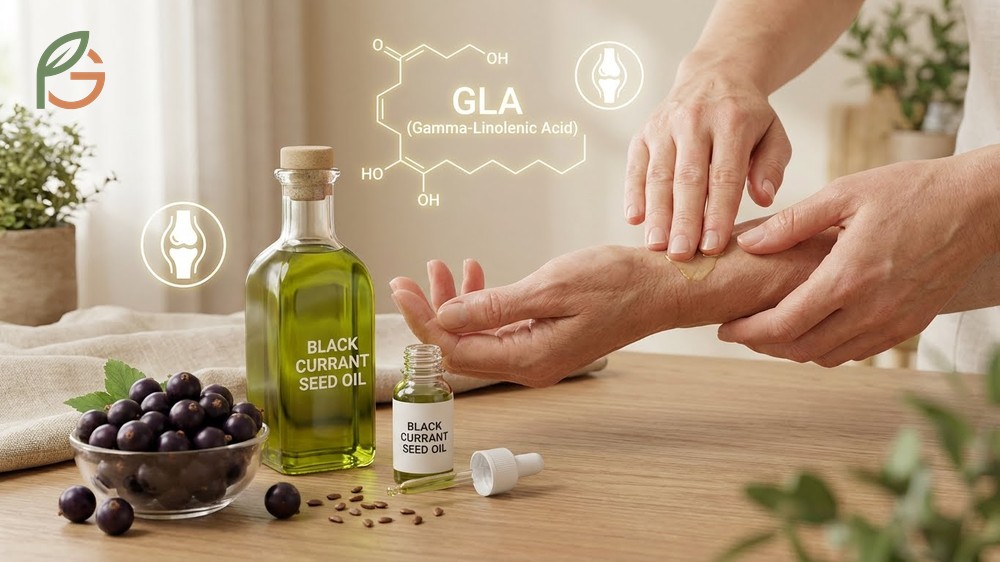
Black currant seed oil benefits range from powerful anti-inflammatory support to enhanced skin hydration and joint health. Research shows this oil contains 12-17% gamma-linolenic acid (GLA), one of the highest concentrations among plant-based oils, making it effective for managing inflammatory conditions.[1] Studies demonstrate that GLA supplementation supports immune function, particularly in elderly populations, and may provide relief for skin conditions like eczema.[2] FruitGarden synthesizes current nutritional research to help you understand how black currant seed oil fits into a comprehensive wellness approach.
Quick Answer
- Contains 12-17% GLA[1] and 12-16% omega-3 ALA, offering an optimal ratio for health
- Reduces inflammatory markers by 60-70%[3] in research studies on diabetic conditions
- Supports skin hydration and may help manage eczema symptoms when used topically or orally[4]
- Typical dosage ranges from 320-480 mg daily[5] for general health maintenance
Black Currant Seed Oil Benefits
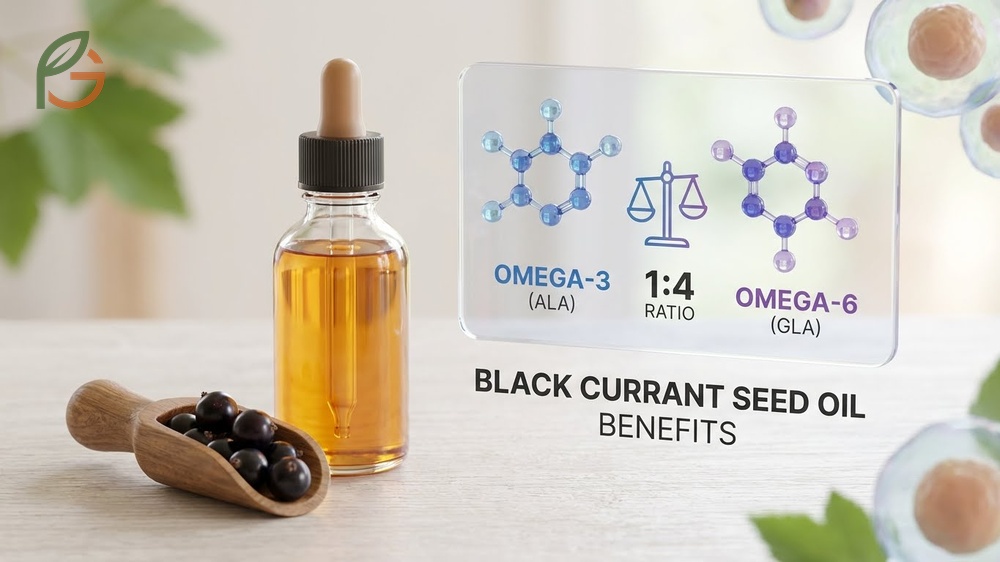
Black currant seed oil stands out among botanical oils due to its unique fatty acid profile. Unlike most plant oils, it contains both omega-3 and omega-6 fatty acids in balanced proportions that align with nutritional recommendations.[6] The oil provides 14.5% alpha-linolenic acid (omega-3) and 12.6% gamma-linolenic acid (omega-6), creating a favorable 1:4 to 1:5 ratio that supports various physiological functions.
Research demonstrates that this oil’s GLA content converts into beneficial compounds in the body. Studies show GLA promotes healthy prostaglandin E1 (PGE1) production, which helps support joint comfort and healthy cytokine activity.[2] These mechanisms explain why black currant seed oil has gained attention for inflammatory conditions and skin health support.
Current evidence indicates the oil offers multiple health applications. A randomized, double-blind trial conducted at the Jean Mayer USDA Human Nutrition Research Center on Aging reported that black currant seed oil supplementation provided immune support in elderly subjects.[2] The oil has also shown potential for supporting premenstrual comfort and cardiovascular health markers.
GLA Fatty Acid Composition
Gamma-linolenic acid represents the most significant bioactive component in black currant seed oil. Most plant oils don’t contain GLA, making black currant seed oil a valuable dietary source alongside evening primrose and borage oils. The body can synthesize GLA from linoleic acid, but this conversion often becomes inefficient with age, diabetes, or nutritional deficiencies.
The concentration of GLA in black currant seed oil typically ranges from 12-17%, depending on cultivation conditions and processing methods.[1] This places it between evening primrose oil (8-10% GLA) and borage oil (20-25% GLA) in terms of potency. The moderate concentration makes it easier to dose appropriately compared to higher-potency sources.
Omega Fatty Acid Balance
Black currant seed oil’s fatty acid composition includes several beneficial components beyond GLA. The oil contains 2-4% stearidonic acid (SDA), the omega-3 equivalent of GLA, which supports cardiovascular function.[1] It also provides 47.5% linoleic acid and 2.7% stearidonic acids, creating a comprehensive essential fatty acid profile.[7]
Research comparing black currant seed oil to fish oil found distinct benefits. A 2005 study showed black currant seed oil supplementation increased proportions of beneficial fatty acids in blood lipids while lowering LDL cholesterol levels compared to fish oil.[7] This suggests it could serve as an alternative omega-3 source for those who can’t consume fish products.
Important Note: While black currant seed oil provides omega-3 fatty acids, it doesn’t contain the long-chain EPA and DHA found in fish oil. The body must convert the shorter-chain ALA to these forms, which happens at limited rates.
Anti Inflammatory Properties
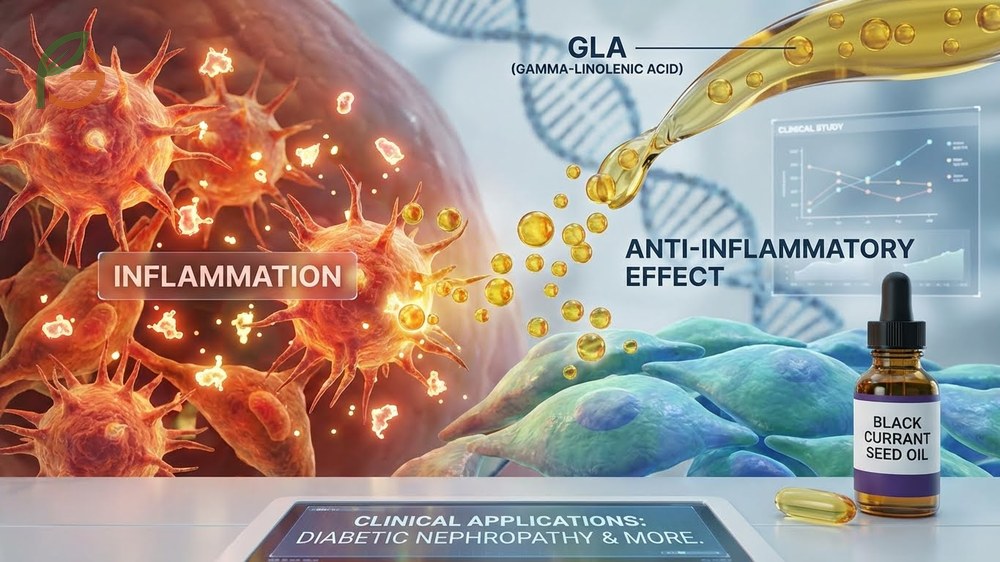
The anti-inflammatory effects of black currant seed oil stem primarily from its GLA content. Studies demonstrate that GLA significantly inhibits inflammatory markers in various cellular models. Research on diabetic nephropathy showed GLA treatment reduced inflammatory protein expression by 60-70% in kidney cells exposed to high glucose conditions.[3]
These anti-inflammatory properties extend beyond cellular studies to clinical applications. Randomized, double-blind, placebo-controlled trials have reported statistically significant support for joint health in subjects supplementing with GLA.[2] The mechanism involves modulating inflammatory responses rather than simply suppressing symptoms.
Mechanism of Action
GLA exerts its anti-inflammatory effects through multiple pathways. Research shows it inhibits inflammatory responses by suppressing NF-kappaB and AP-1 activation in immune cells.[8] This occurs through reduced oxidative stress and suppressed signaling pathways involving ERK and JNK proteins.
The oil’s components work synergistically to manage inflammation. GLA significantly reduced expression of inflammatory markers including MCP-1, ICAM-1, and cyclooxygenase-2 in laboratory studies.[3] These molecular changes translate to reduced tissue inflammation and improved cellular function in affected areas.
Clinical Research Findings
Clinical trials examining black currant seed oil have produced encouraging results for specific conditions. A 2023 study on women in menopause transition found that daily black currant anthocyanin consumption for six months effectively improved inflammation biomarkers and lipid peroxidation.[9] The high-dose group (784 mg daily) showed the most significant improvements in cardiovascular disease risk markers.
Evidence suggests particular benefits for joint conditions. Studies using GLA doses of 2-3 grams daily have shown positive effects for rheumatoid arthritis symptoms, though such high doses require purified GLA rather than whole seed oil.[10] More moderate doses of 320-480 mg daily appear beneficial for general inflammatory support and joint comfort.
- Reduces inflammatory protein expression by 60-70% in cellular studies
- Inhibits key inflammatory pathways including NF-kappaB and AP-1 activation
- Supports healthy cytokine activity and prostaglandin balance
- Provides joint comfort support through reduced inflammatory markers
- Offers cardiovascular protection by managing inflammation and oxidative stress
Skin Health Benefits
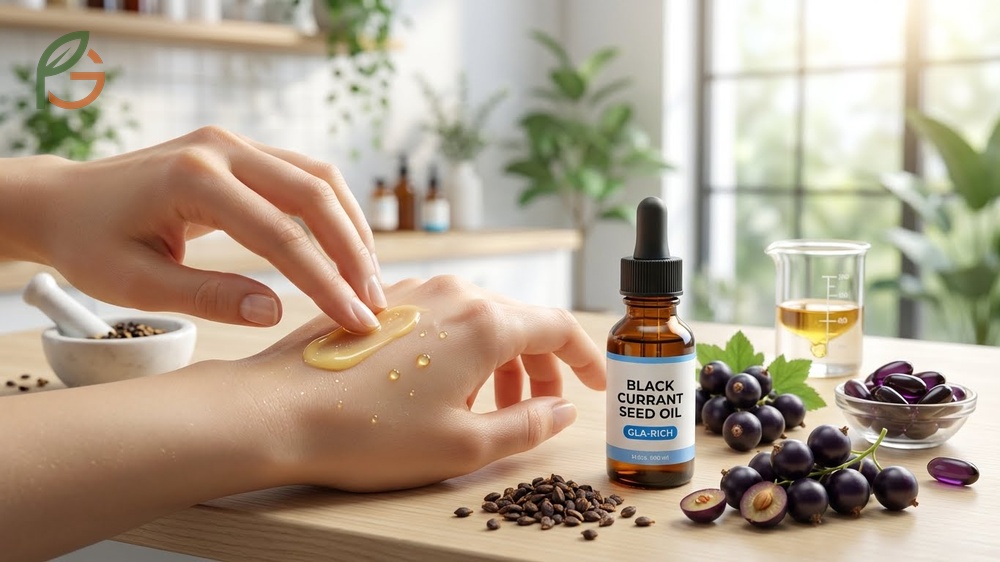
Black currant seed oil has gained attention for supporting skin health, particularly for inflammatory skin conditions. The GLA content plays a crucial role in maintaining skin barrier function and hydration. Research indicates that GLA supplementation may help manage conditions like eczema by promoting healthy inflammatory responses and improving skin moisture retention.[4]
Studies have examined both topical and oral applications of black currant seed oil for skin conditions. A 2022 study on polyimide patches containing black currant seed oil found that six-hour application improved skin hydration in subjects.[4] The beneficial fatty acids in the oil appear to support skin lipid composition, which is often compromised in atopic conditions.
Eczema and Dermatitis Support
Evidence for black currant seed oil in eczema management shows mixed but promising results. A clinical trial on dietary supplementation with black currant seed oil in pregnant women found it transiently reduced the prevalence of atopic dermatitis in their infants.[11] The study suggests early-life supplementation could be one potential tool for preventing atopic symptoms.
Current understanding indicates variable responses among individuals. While some people experience significant relief from itching and dryness with oral supplementation, larger randomized controlled trials have produced inconsistent findings. A 2013 Cochrane review concluded insufficient evidence exists to recommend GLA-containing oils definitively for eczema treatment, though individual responses may vary.
Skin Hydration and Barrier Function
The mechanism behind skin benefits involves restoring lipid balance in the skin barrier. Atopic skin typically shows impaired barrier function due to altered lipid composition. Black currant seed oil’s fatty acid profile helps address these deficiencies by providing building blocks for cell membrane integrity and flexibility.
Research shows the oil works through dual mechanisms for skin health. It provides anti-inflammatory effects that calm irritated skin while supplying essential fatty acids that strengthen the skin barrier.[4] This combination addresses both the symptoms and underlying factors contributing to skin conditions.
This table compares application methods, typical dosages, onset timeframes, and best uses for black currant seed oil in skin health support
| Application Method | Typical Dosage | Expected Onset | Best For |
|---|---|---|---|
| Oral Supplementation | 320-480 mg daily[5] | 6-12 weeks | Systemic support, eczema management |
| Topical Application | Apply 2-3 drops to affected areas | 2-4 weeks | Localized dryness, targeted hydration |
| Transdermal Patches | 6-hour application[4] | Immediate to 2 weeks | Clinical trials, controlled delivery |
| Combined (Oral + Topical) | Standard oral dose plus topical | 4-8 weeks | Severe eczema, comprehensive support |
Skin Sensitivity Warning: Always perform a patch test before applying black currant seed oil topically. Apply a small amount to the inner forearm and wait 24 hours to check for adverse reactions, especially if you have sensitive or eczema-prone skin.
Joint and Immune Support
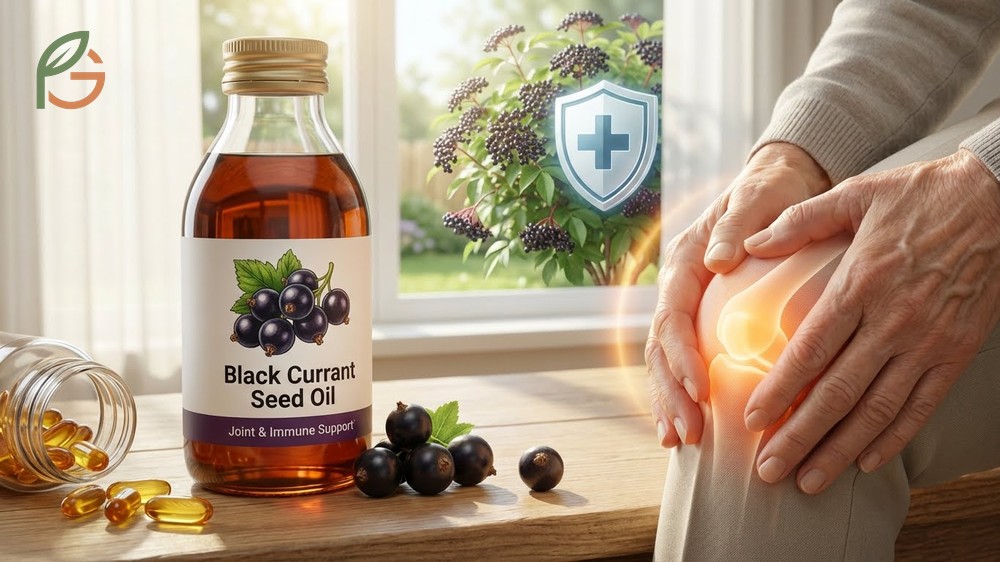
Black currant seed oil provides notable support for joint health and immune function. The GLA content promotes healthy prostaglandin production, which plays a role in managing joint discomfort and maintaining cartilage health. Randomized controlled trials have demonstrated statistically significant improvements in joint comfort among participants supplementing with GLA-containing oils.[2]
Immune system benefits appear particularly pronounced in older adults. The USDA Human Nutrition Research Center study found that elderly subjects experienced enhanced immune function with black currant seed oil supplementation.[2] This suggests the oil may help compensate for age-related declines in immune responsiveness.
The oil’s anti-inflammatory properties contribute to both joint and immune support. By modulating inflammatory pathways and reducing oxidative stress, black currant seed oil helps maintain balanced immune responses. Studies show it supports the body’s normal tissue repair processes and healthy blood flow, both crucial for joint function and overall wellness.
- Promotes healthy prostaglandin E1 production for joint comfort
- Supports cytokine balance and healthy inflammatory responses
- Enhances immune function in elderly populations
- Assists normal tissue repair and recovery processes
- Maintains healthy blood flow to joints and tissues
- May provide relief for rheumatoid arthritis symptoms at therapeutic doses
Dosage and Usage Guidelines
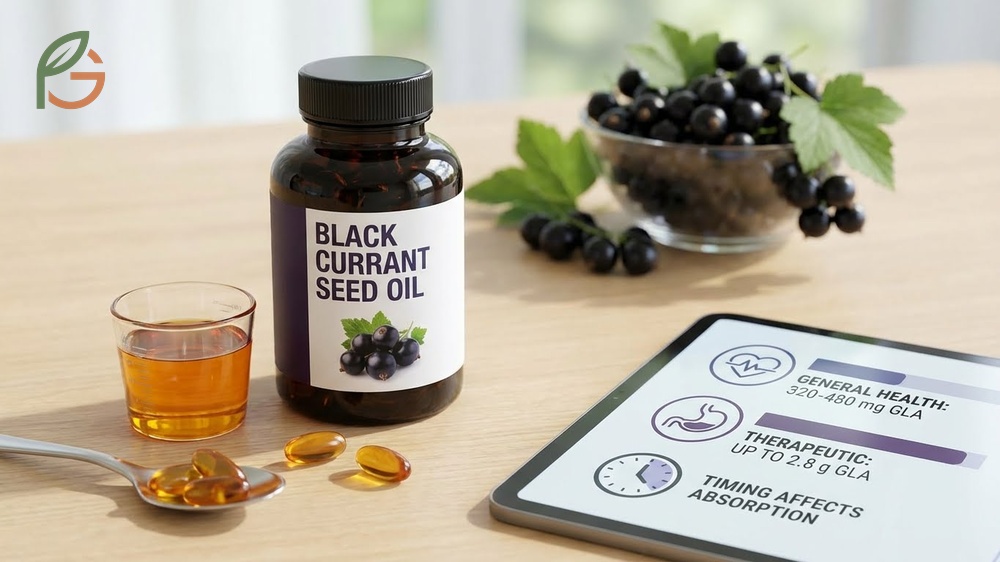
Standard dosage for black currant seed oil typically ranges from 320-480 mg of GLA daily for general health maintenance, taken for up to 12 months.[5] Since black currant seed oil contains approximately 12-15% GLA, this translates to roughly 2-4 grams of whole seed oil daily. Higher therapeutic doses up to 2.8 grams of pure GLA have been used in clinical studies for up to 6 weeks.
Timing and administration affect absorption and efficacy. Research indicates GLA should be taken with food to optimize absorption and reduce potential digestive discomfort.[10] Full benefits may take more than six months to develop, particularly for conditions like eczema or rheumatoid arthritis. Consistency matters more than timing for long-term outcomes.
Different health goals require adjusted dosing strategies. For eczema or premenstrual discomfort, doses of 200-400 mg GLA daily (approximately 1.5-3 grams of seed oil) appear adequate. Diabetic neuropathy studies have used 400-600 mg GLA daily, while rheumatoid arthritis research examined doses as high as 2-3 grams of pure GLA, which requires concentrated supplements rather than whole seed oil.
Safety considerations remain important for optimal outcomes. Animal studies suggest black currant seed oil is non-toxic and non-carcinogenic, and thousands of participants in scientific studies have taken it without significant adverse effects. However, individuals with temporal lobe epilepsy, bleeding disorders, or those taking anticoagulant medications should consult healthcare professionals before supplementation. The maximum safe dosage hasn’t been established for young children, pregnant women, or those with severe liver or kidney disease.
Quality Matters: Choose cold-pressed, organic black currant seed oil stored in dark glass bottles. The oil oxidizes easily when exposed to light, heat, or air, which reduces its beneficial GLA content and creates harmful free radicals.
Conclusion
The evidence is clear: black currant seed oil benefits extend across multiple health domains, from reducing inflammatory markers by 60-70% to supporting skin hydration and immune function. Current research demonstrates that its unique 12-17% GLA content, combined with balanced omega-3 and omega-6 fatty acids, makes it an effective supplement for managing inflammatory conditions, supporting joint health, and potentially addressing skin concerns like eczema.
Current nutritional guidance emphasizes obtaining essential fatty acids from diverse sources for optimal health. Black currant seed oil represents a valuable botanical option that offers concentrated GLA without requiring fish-based supplements. Whether you’re exploring natural approaches to joint discomfort, seeking skin health support, or looking to enhance immune function as you age, this oil provides research-backed benefits worth considering. FruitGarden continues to monitor emerging research on black currant cultivation and nutritional applications to bring you evidence-based insights for informed wellness decisions.
Medical Disclaimer
Important Medical Disclaimer: This content is for informational and educational purposes only. It is not intended as a substitute for professional medical advice, diagnosis, or treatment. Always consult a qualified healthcare professional before making any changes to your diet, starting new supplements, or modifying your health routine, especially if you have existing medical conditions, take medications, are pregnant or nursing, or have concerns about interactions with anticoagulants or other drugs.
Frequently Asked Questions
What Is Black Currant Seed Oil Good For?
Black currant seed oil is good for supporting inflammatory conditions, joint health, skin hydration, and immune function. Research shows its 12-17% GLA content helps reduce inflammatory markers, support prostaglandin production for joint comfort, and improve skin barrier function in conditions like eczema. Studies also demonstrate immune-enhancing benefits, particularly in elderly populations.
How Much Black Currant Seed Oil Should I Take Daily?
The typical dosage ranges from 320-480 mg of GLA daily for general health, which equals approximately 2-4 grams of black currant seed oil. For specific conditions like diabetic neuropathy, studies have used 400-600 mg GLA daily. Take the oil with food for better absorption, and allow 6-12 weeks to see full benefits. Always start with lower doses and consult a healthcare provider for personalized recommendations.
Can Black Currant Seed Oil Help With Eczema?
Black currant seed oil may help manage eczema symptoms for some people, though research shows mixed results. Studies indicate it can improve skin hydration and reduce inflammation due to its GLA content. A 2022 study found that topical application improved skin moisture after six hours. However, a 2013 Cochrane review concluded that evidence is insufficient to recommend it definitively. Individual responses vary, so patch testing and medical consultation are recommended.
What Makes Black Currant Seed Oil Different From Fish Oil?
Black currant seed oil differs from fish oil in its fatty acid composition and benefits. While fish oil provides long-chain omega-3s (EPA and DHA), black currant seed oil offers GLA (omega-6) and ALA (omega-3) in a balanced 1:4 to 1:5 ratio. Research shows black currant seed oil may lower LDL cholesterol more effectively than fish oil and provides unique anti-inflammatory benefits through GLA. It serves as a plant-based alternative for those who can’t consume fish products.
Are There Any Side Effects of Black Currant Seed Oil?
Black currant seed oil is generally considered safe with minimal side effects reported in clinical studies. Animal studies show it’s non-toxic and non-carcinogenic. Some people may experience mild digestive discomfort if taken without food. Those with bleeding disorders, taking anticoagulants, or with temporal lobe epilepsy should consult healthcare professionals before use. The safety profile for pregnant women, nursing mothers, and young children hasn’t been fully established.
How Long Does It Take for Black Currant Seed Oil to Work?
The timeframe for experiencing benefits from black currant seed oil varies by condition. For skin hydration with topical use, improvements may appear within 2-4 weeks. For systemic benefits like joint support or eczema management, research indicates full benefits typically develop over 6-12 weeks of consistent use. Some inflammatory markers show improvement within weeks, but comprehensive changes in chronic conditions may require several months of supplementation.
Can I Apply Black Currant Seed Oil Directly to My Skin?
Yes, you can apply black currant seed oil directly to your skin for topical benefits. Apply 2-3 drops to clean, damp skin and massage gently into affected areas. Always perform a patch test first, especially if you have sensitive or eczema-prone skin, by applying a small amount to your inner forearm and waiting 24 hours. For best results, use cold-pressed, organic oil and store it in a dark, cool place to prevent oxidation.





