
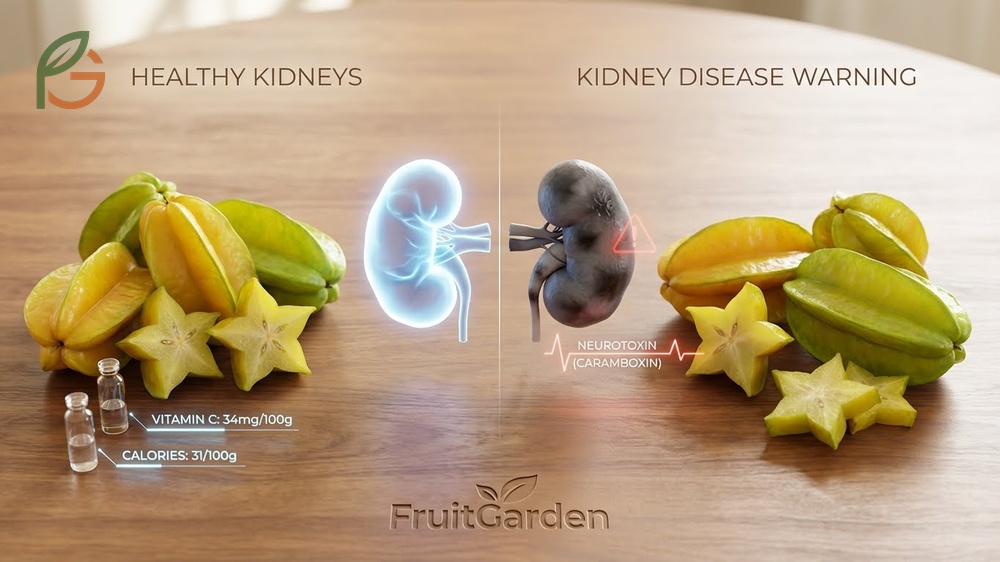
Is starfruit good for you? Yes, if you have healthy kidneys. Research shows this tropical fruit delivers 34mg of vitamin C[1] and only 31 calories per 100g[2], but it contains a neurotoxin called caramboxin that’s dangerous for anyone with kidney disease. FruitGarden synthesizes current medical research and agricultural data to help you make informed choices about tropical fruits.
Quick Answer
- Provides 34mg vitamin C (38% daily value) and 2.8g fiber per 100g[1]
- Contains only 31 calories with 6.7g carbs, making it ideal for weight management[2]
- Dangerous for kidney patients: Contains caramboxin neurotoxin that can cause seizures, coma, and death[3]
- Safe consumption: 1 medium fruit (91g) daily for healthy adults; zero tolerance for anyone with kidney issues
Is Starfruit Good for You
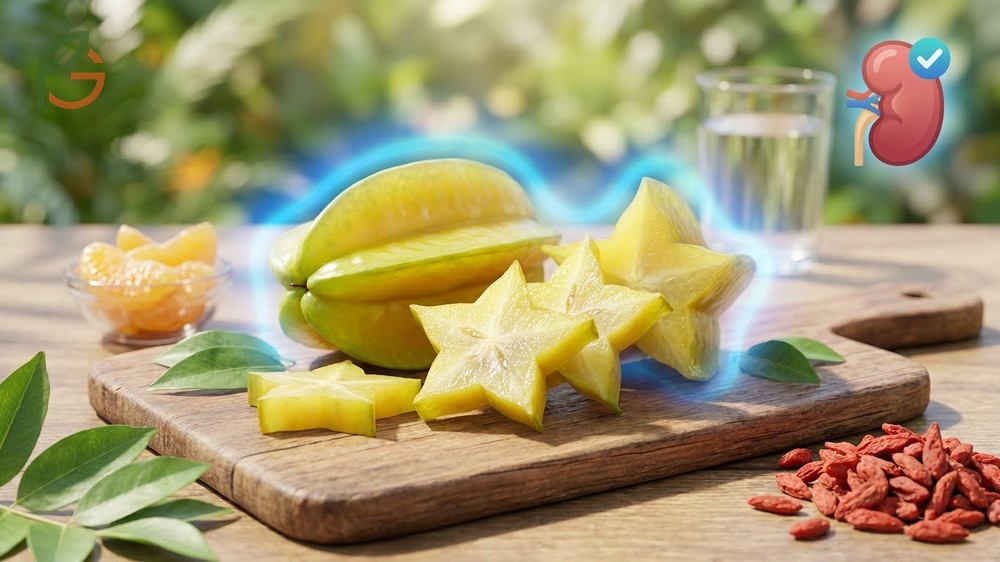
Starfruit offers substantial nutritional benefits for people with healthy kidneys. Studies demonstrate this star-shaped tropical fruit provides impressive amounts of vitamin C, fiber, and antioxidants while staying remarkably low in calories[4]. Current data indicates it’s nutrient-dense, delivering more nutrition per calorie than many common fruits.
The answer depends entirely on your kidney function. For healthy adults, starfruit ranks as an excellent low-calorie snack that supports immune health and digestion. Research across multiple medical databases shows the fruit’s vitamin C content reaches 38% of your daily value in just 100 grams[1].
However, anyone with compromised kidney function faces serious risks. Medical evidence from the National Kidney Foundation confirms that starfruit’s neurotoxin can’t be filtered by damaged kidneys, leading to potentially fatal neurological complications[3]. Even a single fruit can trigger seizures in patients with severe chronic kidney disease.
What Makes Starfruit Nutritious
Starfruit packs multiple nutrients into a low-calorie package. One medium fruit (91g) delivers 31mg vitamin C, 121mg potassium, and 2.5g fiber for only 28 calories[5]. The fruit’s water content exceeds 91%, making it naturally hydrating.
The antioxidant profile includes beta-carotene, gallic acid, and proanthocyanidins. These compounds help neutralize free radicals that cause cellular damage. Agricultural data shows starfruit contains meaningful amounts of copper (15% DV) and smaller quantities of magnesium, phosphorus, and B vitamins[1].
- Vitamin C: 34mg (38% daily value) for immune function and collagen production
- Fiber: 2.8g (11% daily value) supporting digestive health and blood sugar control
- Potassium: 133mg (4% daily value) helping regulate blood pressure
- Copper: 0.14mg (15% daily value) supporting iron metabolism and nerve function
- Antioxidants: Multiple compounds including beta-carotene and gallic acid that combat oxidative stress
- Low glycemic index: Score of 45, making blood sugar impact moderate
Starfruit vs Other Fruits
Compared calorie-for-calorie, starfruit delivers more nutrition than many popular fruits. It provides 1.5 times more fiber than oranges while containing fewer calories[1]. The vitamin C content reaches roughly 65% of what you’d get from an equivalent weight of oranges, but the calorie count stays significantly lower.
What distinguishes starfruit isn’t just what it contains—it’s what it doesn’t. With virtually zero fat, minimal sodium, and no cholesterol, it fits cleanly into heart-healthy eating patterns. The glycemic index of 45 places it in the low-to-moderate range, meaning it won’t spike blood sugar as dramatically as watermelon (72) or pineapple (66).
Important Note: Despite its nutritional advantages, starfruit should never be consumed by anyone with kidney disease, even in trace amounts. The risks far outweigh any nutritional benefits for this population.
Starfruit Health Benefits
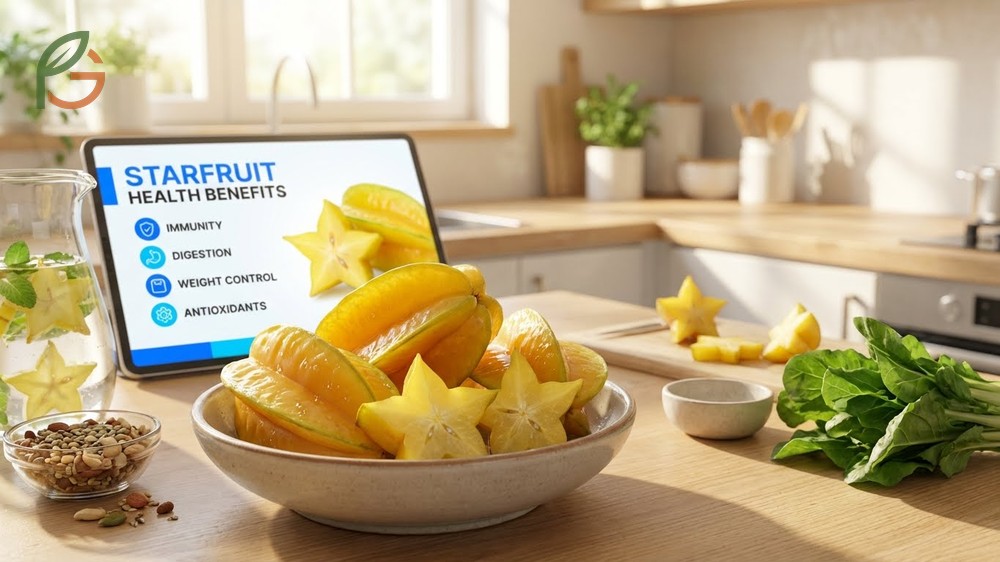
Research demonstrates starfruit provides multiple health advantages when consumed by people with normal kidney function. The fruit’s combination of vitamin C, fiber, and plant compounds supports several body systems. Evidence indicates regular consumption can strengthen immunity, improve digestion, and assist with weight control.
Studies examining tropical fruits show starfruit’s antioxidant content helps reduce inflammation and oxidative stress throughout the body. These effects may lower the risk of chronic diseases including heart disease and certain cancers. The fiber content promotes healthy gut bacteria while slowing nutrient absorption for sustained energy.
Immune System Support
The high vitamin C content directly strengthens immune function. One medium starfruit provides about 35% of your daily vitamin C needs, supporting white blood cell production and antibody activity[5]. This vitamin also acts as an antioxidant, protecting immune cells from damage during infection response.
The gallic acid and other polyphenols in starfruit enhance the immune-boosting effects. These compounds work synergistically with vitamin C to reduce inflammation and support the body’s defense mechanisms against pathogens.
Digestive Health
Starfruit’s fiber content promotes regular bowel movements and prevents constipation. The 2.8g fiber per 100g includes both soluble and insoluble types[1]. Soluble fiber feeds beneficial gut bacteria while insoluble fiber adds bulk to stool.
Clinical observations suggest the fruit’s high water content (91%) aids hydration and helps maintain healthy digestive transit. The natural compounds may also help reduce bloating and support overall gut health.
Weight Management
With only 31 calories per 100g, starfruit qualifies as one of the lowest-calorie fruits available[2]. The fiber content promotes satiety, helping you feel full longer after eating. This combination makes it useful for creating calorie deficits without hunger.
The fruit’s low energy density means you can eat satisfying portions without consuming many calories. One medium fruit (91g) provides only 28 calories but offers volume and crunch that satisfy between-meal cravings better than processed snacks.
- Boosts immune function through high vitamin C and antioxidant content
- Supports heart health by providing potassium for blood pressure regulation
- Promotes digestive regularity with 2.8g fiber per 100g
- Aids weight management at only 31 calories per 100g serving
- Provides hydration with 91% water content
- Offers antioxidant protection against cellular damage and inflammation
- Supports skin health through vitamin C’s role in collagen production
Starfruit Kidney Warning
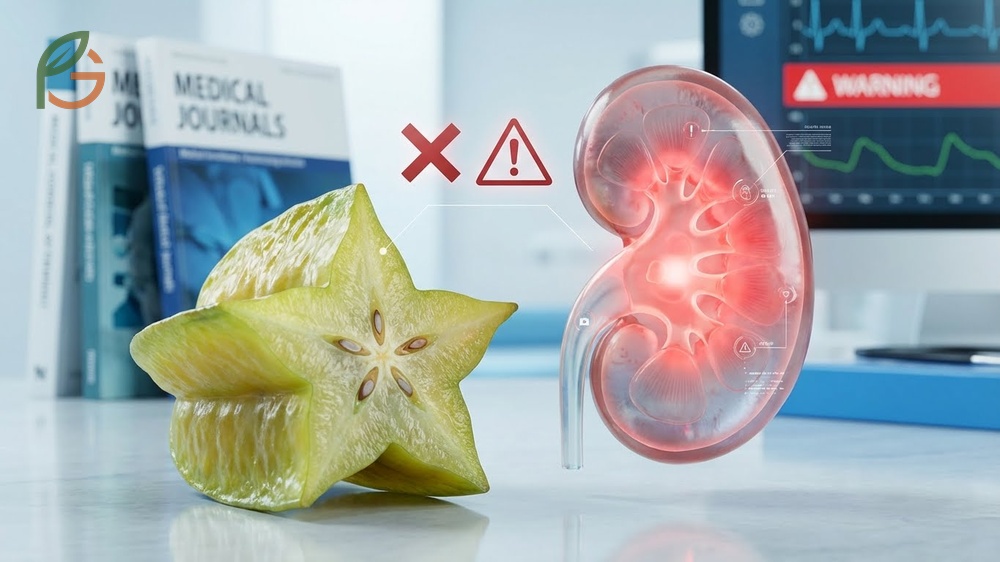
Starfruit poses extreme danger to anyone with kidney disease or impaired kidney function. Medical research published by the National Institutes of Health documents multiple cases where starfruit consumption caused acute kidney injury, seizures, and death in patients with compromised renal function[6]. The National Kidney Foundation explicitly warns all kidney patients to avoid this fruit completely[3].
Even small amounts can trigger life-threatening reactions in vulnerable individuals. Research shows as little as 25 mL of starfruit juice can cause nephrotoxicity in patients with chronic kidney disease[6]. The severity increases with dehydration, fasting, or larger quantities consumed.
This isn’t a theoretical risk—it’s a documented medical emergency. Clinical data reveals mortality rates reaching 61% in patients who develop seizures from starfruit toxicity[7]. Anyone with diabetes, kidney stones, or known kidney problems must treat starfruit as a prohibited food.
Critical Warning: If you have any form of kidney disease, kidney stones, diabetes, or take medications that affect kidney function, do not consume starfruit in any amount. Contact your doctor immediately if you’ve accidentally eaten starfruit and experience hiccups, confusion, or muscle weakness.
Caramboxin Neurotoxin
Starfruit contains caramboxin, a powerful neurotoxin that healthy kidneys normally filter from the bloodstream. Medical research identifies this compound as capable of crossing the blood-brain barrier and causing irreversible neurological damage[7]. The toxin accumulates when kidneys can’t eliminate it properly.
In addition to caramboxin, starfruit contains high levels of oxalate. These oxalates form calcium oxalate crystals in the renal tubules, directly damaging kidney tissue. The combination of neurotoxin and nephrotoxin makes starfruit uniquely dangerous—it harms both the brain and kidneys simultaneously in vulnerable patients.
Symptoms of Toxicity
Starfruit poisoning symptoms can appear within hours of consumption. Initial signs include persistent hiccups, nausea, vomiting, and abdominal pain. These gastrointestinal symptoms result from oxalate’s corrosive effects on the digestive tract.
Neurological symptoms follow as caramboxin accumulates in the brain. Patients may experience confusion, agitation, muscle weakness, and tremors. Severe cases progress to seizures, coma, and death without immediate medical intervention including hemodialysis.
- Persistent hiccups that won’t stop after eating starfruit
- Mental confusion or difficulty thinking clearly
- Muscle weakness or tremors in limbs
- Severe nausea and vomiting
- Decreased urination or dark-colored urine
- Seizures or convulsions (medical emergency)
- Extreme agitation or changes in consciousness
Nutritional Value Starfruit

Starfruit’s complete nutritional profile reveals why it’s valued in healthy diets. The USDA nutrient database shows it delivers essential vitamins and minerals while maintaining an extremely low calorie density. Understanding these numbers helps you incorporate starfruit appropriately into your meal planning.
The fruit’s macronutrient balance favors carbohydrates with minimal protein and virtually no fat. This composition makes it ideal for pre-workout energy or as a light snack between meals. The vitamin and mineral content, though not exceptionally high in any single nutrient, provides a well-rounded nutritional boost.
This table compares nutritional values across three common starfruit serving sizes showing calories, macronutrients, fiber, vitamin C, and potassium content
| Nutrient | Per 100g | Small Fruit (68g) | Medium Fruit (91g) |
|---|---|---|---|
| Calories | 31 kcal[2] | 22 kcal | 28 kcal |
| Carbohydrates | 6.73g[2] | 4.6g | 6.1g |
| Fiber | 2.8g[1] | 1.9g | 2.5g |
| Protein | 1.04g[2] | 0.7g | 0.9g |
| Fat | 0.33g[2] | 0.2g | 0.3g |
| Vitamin C | 34mg (38% DV)[1] | 23mg (26% DV) | 31mg (35% DV) |
| Potassium | 133mg[1] | 90mg | 121mg |
The vitamin C concentration makes starfruit particularly valuable during cold and flu season. One medium fruit delivers about one-third of your daily vitamin C needs for less than 30 calories. The fiber content aids digestion while the minimal fat and sodium content supports cardiovascular health.
Most people don’t realize starfruit contains meaningful copper levels—15% of your daily value per 100g[1]. Copper supports iron absorption, nerve function, and immune system operation. The fruit also provides small amounts of magnesium, phosphorus, folate, and B vitamins that contribute to overall nutrition.
Safe Starfruit Consumption

For people with healthy kidneys, starfruit can be enjoyed safely in moderate amounts. Current guidance emphasizes starting with small portions to ensure tolerance, especially if you’re trying starfruit for the first time. Most healthy adults can consume 1-2 medium fruits daily without issues.
Timing matters less than total quantity for healthy individuals. You can eat starfruit as a snack, add it to fruit salads, or juice it for beverages. The key is staying within reasonable portions and maintaining good hydration, since the fruit’s oxalate content can contribute to kidney stone formation in susceptible individuals when consumed excessively.
Serving Sizes
A standard serving equals one medium fruit (approximately 91g) providing 28 calories. This size delivers optimal nutrition without excessive sugar or calories. Most nutrition guidelines recommend limiting fruit juice intake, so if you’re juicing starfruit, keep portions to 4-6 ounces (120-180ml).
For meal planning, starfruit works well in combinations rather than as a sole snack. Pairing it with protein sources like Greek yogurt or nuts balances the quick-digesting carbohydrates and extends satiety. This approach prevents blood sugar spikes while maximizing the fruit’s nutritional contribution.
- Fresh fruit: 1-2 medium starfruits (91g each) daily for healthy adults
- Juice: Maximum 4-6 ounces (120-180ml) if juicing, diluted with water
- Fruit salads: ½ to 1 cup sliced starfruit mixed with other fruits
- First-time consumers: Start with ½ medium fruit to test tolerance
- People prone to kidney stones: Limit to 1 small fruit every 2-3 days
- Anyone with kidney disease: Absolute zero consumption—complete avoidance required
How to Prepare
Preparing starfruit requires minimal effort. Rinse the fruit thoroughly under running water, then slice crosswise into ¼-inch (0.6cm) pieces to create star shapes. Remove any dark seeds using the tip of a knife—they’re edible but often bitter.
You don’t need to peel starfruit since the entire fruit is edible. The ridges can develop brown edges as the fruit ripens; you can trim these if desired, though they’re harmless. Choose fruits that are mostly yellow with minimal green for the best sweetness and flavor balance.
Selection Tip: Sweet varieties have thicker ribs and more yellow coloring, while sour types show greener tones and thinner ridges. For eating fresh, choose sweet varieties. Both types work for cooking, but sour starfruit adds tang to savory dishes and chutneys.
Conclusion
The evidence is clear: starfruit is good for you if you have healthy kidneys, delivering impressive vitamin C, fiber, and antioxidants at only 31 calories per 100g. However, the fruit’s caramboxin neurotoxin makes it absolutely prohibited for anyone with kidney disease, kidney stones, or diabetes. Current medical guidance emphasizes zero tolerance for kidney patients while supporting moderate consumption—1-2 medium fruits daily—for healthy adults.
When choosing tropical fruits for your garden or diet, FruitGarden recommends prioritizing safety alongside nutrition. Always consult your healthcare provider before adding starfruit to your diet if you have any chronic health conditions or take medications that affect kidney function.
Medical Disclaimer
Important Medical Disclaimer: This content is for informational and educational purposes only. It is not intended as a substitute for professional medical advice, diagnosis, or treatment. Always consult a qualified healthcare professional before making any changes to your diet, especially if you have diabetes, kidney disease, kidney stones, or other medical conditions. Starfruit can cause serious harm or death in people with kidney impairment. If you experience any symptoms after consuming starfruit, seek immediate medical attention.
Frequently Asked Questions
Can you eat starfruit every day?
Yes, healthy adults with normal kidney function can safely eat 1-2 medium starfruits daily. The fruit provides vitamin C, fiber, and hydration at only 28-31 calories per fruit. However, anyone with kidney disease, diabetes, or kidney stones must completely avoid starfruit due to its neurotoxin content that can cause seizures and death in people with impaired kidney function.
What happens if you eat too much starfruit?
For people with healthy kidneys, excessive starfruit consumption may cause digestive upset or contribute to kidney stone formation due to oxalate content. For anyone with kidney disease, even small amounts trigger life-threatening neurotoxicity—symptoms include persistent hiccups, confusion, muscle weakness, seizures, and potentially coma. Medical research shows as little as 25 mL of starfruit juice can cause nephrotoxicity in kidney patients.
Is starfruit good for weight loss?
Yes, starfruit supports weight loss efforts for healthy individuals. At only 31 calories per 100g with 2.8g fiber, it provides volume and satiety without many calories. The high water content (91%) and fiber help you feel full longer, making it easier to maintain a calorie deficit. Pair starfruit with protein sources like Greek yogurt for balanced snacks that control hunger between meals.
Does starfruit have side effects?
For people with healthy kidneys, starfruit rarely causes side effects beyond mild digestive discomfort from excessive consumption. However, for anyone with kidney disease, starfruit causes severe toxicity including neurological symptoms (hiccups, confusion, seizures), gastrointestinal distress (nausea, vomiting), and kidney damage from oxalate crystals. The National Kidney Foundation warns all kidney patients to avoid starfruit completely.
How much vitamin C is in starfruit?
Starfruit contains 34mg of vitamin C per 100g, which equals 38% of your daily value. One medium fruit (91g) provides approximately 31mg vitamin C, meeting about 35% of daily needs. This makes starfruit a good vitamin C source, though oranges provide more (53mg per 100g). The advantage is starfruit delivers this nutrition at only 31 calories per 100g versus 47 calories for oranges.
Who should not eat starfruit?
Anyone with kidney disease, chronic kidney disease, kidney stones, kidney impairment, or dialysis patients must never eat starfruit. People with diabetes should consult their doctor before consuming it, as diabetes increases kidney disease risk. Anyone taking medications that affect kidney function should also avoid starfruit. Medical research confirms mortality rates reach 61% in kidney patients who develop seizures from starfruit toxicity.
Can starfruit damage healthy kidneys?
Research shows excessive starfruit consumption can cause acute kidney injury even in people with previously healthy kidneys. Cases reported in medical literature involve consuming large amounts (multiple fruits or concentrated juice) especially when dehydrated or fasting. The oxalate content forms calcium oxalate crystals in renal tubules, causing kidney damage. For healthy individuals eating moderate amounts (1-2 fruits daily) with adequate hydration, the risk remains low.





