

Elderberry side effects differ significantly based on preparation method. Raw or unripe elderberries contain cyanide-producing compounds that cause nausea, vomiting, and severe diarrhea, but cooking eliminates this toxin completely[1]. Research shows that commercial elderberry supplements have a good safety profile when used correctly, though certain people should avoid them entirely. FruitGarden synthesizes current medical research and safety data to help you understand when elderberries are safe and when they’re dangerous.
Quick Answer
- Raw elderberries contain 3mg of cyanide per 100 grams[3], causing severe gastrointestinal symptoms
- Cooking completely eliminates cyanogenic glycosides, making berries safe to consume[1]
- Commercial supplements at 600-900mg daily show good safety profiles in studies[2]
- Pregnant women, people with autoimmune conditions, and those on immunosuppressants shouldn’t use elderberry[4]
Elderberry Side Effects

Studies demonstrate that properly prepared elderberry products rarely cause adverse effects in healthy adults. Most side effects occur when people consume raw berries or use excessive supplement doses. Current data indicates that gastrointestinal symptoms are the most common complaints.
The distinction between raw and cooked elderberries can’t be overstated. Raw berries trigger immediate digestive distress because heat-sensitive toxins remain active. Commercial preparations undergo thermal processing that destroys these compounds.
What often gets overlooked is that elderberry can overstimulate immune responses in certain populations. Research suggests this may increase cytokine storm risk, particularly concerning during severe infections[5].
Common Reactions to Elderberry Products
Evidence shows that mild gastrointestinal distress affects a small percentage of supplement users. These reactions typically resolve within 24 hours of discontinuation. Allergic reactions occur more frequently in people sensitive to plants in the Caprifoliaceae family.
Most people experience no side effects when following recommended dosages. When reactions do occur, they’re usually dose-dependent and predictable.
- Mild nausea or stomach discomfort (most frequent reaction)
- Diarrhea or loose stools from excessive doses
- Skin rashes or itching in allergic individuals
- Headaches reported in less than 5% of users
- Dizziness or lightheadedness (rare, usually from contaminated products)
Important Note: If you develop hives, difficulty breathing, or facial swelling after taking elderberry, stop use immediately and seek emergency medical care. These symptoms indicate a serious allergic reaction requiring professional treatment.
Severe Complications and Rare Events
Research documents isolated cases of acute pancreatitis linked to elderberry extract use. One documented case showed symptoms resolved when the patient stopped supplementation, then recurred when he resumed years later. This pattern strongly suggests a cause-and-effect relationship.
Large quantities of raw elderberry toxin can cause serious illness beyond typical gastrointestinal symptoms[1]. However, there aren’t any reported fatalities from consuming commercial elderberry products.
Raw Elderberry Toxicity

Raw elderberries contain cyanogenic glycosides—compounds that release cyanide when metabolized. Fresh berries contain approximately 3mg of cyanide per 100 grams[3]. This represents about 3% of the estimated fatal dose for a 130-pound person.
The good news is that you’d need to consume massive quantities of raw berries to reach dangerous cyanide levels. Most people who eat raw elderberries experience severe vomiting and diarrhea long before reaching toxic thresholds. This natural protective mechanism prevents serious poisoning in most cases.
Cooking destroys cyanogenic glycosides through heat denaturation. Studies confirm that no cyanide remains in properly cooked elderberries or commercial preparations. This is why elderberry jams, syrups, and cooked products are considered safe.
How Cyanogenic Glycosides Work
When you bite into raw elderberries, enzymes in your saliva and digestive system break down cyanogenic glycosides. This releases hydrogen cyanide, which interferes with cellular oxygen use. Your body can detoxify small amounts, but larger doses overwhelm this capacity.
Symptoms appear within 15 minutes to 2 hours of consumption. The severity depends on how many raw berries you ate and your body weight.
This table compares symptoms, onset times, and treatment needs across three severity levels of raw elderberry poisoning
| Severity | Symptoms | Onset Time | Treatment Needed |
|---|---|---|---|
| Mild | Nausea, stomach cramping, mild diarrhea | 15-60 minutes | Hydration, rest; resolves in 6-12 hours |
| Moderate | Severe vomiting, profuse diarrhea, dizziness, weakness | 30-90 minutes | Medical monitoring, IV fluids if dehydrated |
| Severe | Rapid pulse, difficulty breathing, confusion, seizures | 1-2 hours | Emergency treatment, cyanide antidote if needed |
Which Plant Parts Are Toxic
Fresh leaves contain the highest cyanide concentrations at 3-17mg per 100 grams[3]. Bark, stems, and roots also contain significant amounts of lectin and cyanogenic compounds. Only the flowers and fully ripe, cooked berries are considered safe.
Many people don’t realize that unripe green berries are just as toxic as ripe raw ones. Color isn’t a reliable safety indicator—heat treatment is what matters.
- Leaves: highest toxin concentration (3-17mg cyanide per 100g), never consume
- Bark and stems: contain lectins and cyanogenic glycosides, avoid completely
- Roots: toxic compounds present, not safe for consumption
- Unripe berries: same toxicity as ripe raw berries, require cooking
- Flowers: generally safe when properly prepared, minimal toxins
- Ripe cooked berries: safe for consumption, toxins destroyed by heat
Safety Warning: Never make elderberry tea from leaves, bark, or stems. These plant parts retain dangerous toxin levels even after steeping in hot water. Only use flowers or commercially prepared dried berries that have been heat-treated.
Elderberry Supplement Safety

Clinical trials reveal a very good safety profile for orally administered elderberry fruit extract[2]. Studies using doses from 600mg to 900mg daily for up to 10 days show minimal adverse effects. Most commercially available products fall within this evidence-based range.
The key difference between supplements and raw berries is processing. Reputable manufacturers use extraction methods that eliminate cyanogenic glycosides while preserving beneficial anthocyanins. This is why you can safely take elderberry capsules but shouldn’t eat raw berries.
Long-term safety data remains limited. Most research focuses on short-term use during cold and flu season rather than year-round supplementation.
Evidence-Based Dosage Guidelines
Studies show that 600mg daily during prevention phases and 900mg daily during illness provides benefits without significant side effects[2]. These doses deliver 90-135mg of anthocyanins, the active compounds responsible for immune effects. Higher doses don’t necessarily work better and may increase side effect risk.
Popular elderberry products range from 650mg to 1,500mg per day. If you’re starting elderberry for the first time, begin at the lower end of this range to assess tolerance.
| Purpose | Daily Dose | Duration |
|---|---|---|
| Prevention | 600mg[2] | Up to 10 days before travel or exposure |
| Active Illness | 900mg[2] | 3-5 days during cold/flu symptoms |
| General Immune Support | 300-500mg | Short-term use, not year-round |
Long-Term Use Considerations
Research on chronic elderberry consumption remains limited. One 12-week study using 500mg daily found the dose was apparently safe but showed no significant cardiovascular benefits. This suggests that continuous daily use may not provide advantages over strategic short-term supplementation.
Most experts recommend using elderberry for 3-5 day periods during illness rather than as a daily year-round supplement. This approach matches how clinical trials have tested the product.
- Product quality varies widely—choose brands that test for cyanide contamination
- Proprietary blends may contain undisclosed ingredients or inconsistent active compound levels
- Syrups often include honey, which isn’t safe for children under 12 months
- Gummies may contain sugar levels that affect blood glucose in diabetics
- Elderberry extracts standardized to anthocyanin content show more consistent results
Drug Interactions Elderberry
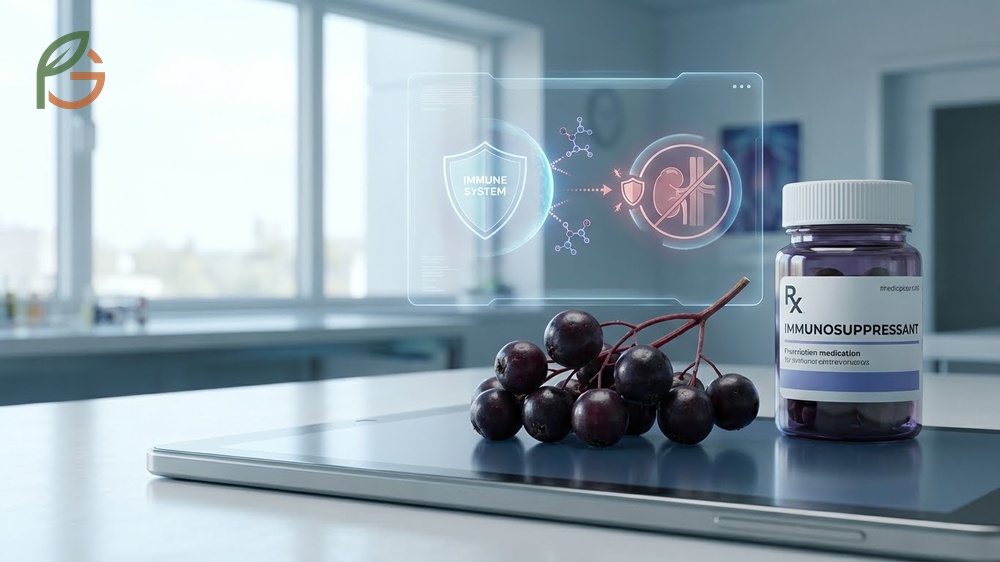
Elderberry can increase immune system activity, which creates problems when you’re taking medications that suppress immunity[6]. If you’ve had an organ transplant or take immunosuppressant drugs, elderberry might reduce their effectiveness. This interaction isn’t theoretical—it’s based on how elderberry compounds stimulate immune cell activity.
Studies show that elderberry enhances T cell responses and increases dendritic cell activity. While this sounds beneficial, it directly opposes what immunosuppressant medications are designed to do. The result could be transplant rejection or autoimmune condition flares.
Current guidance emphasizes checking with healthcare providers before combining elderberry with any medications. The supplement affects multiple body systems, creating interaction potential beyond just immune drugs.
- Immunosuppressants (cyclosporine, tacrolimus, prednisone): elderberry may reduce drug effectiveness
- Pazopanib (Votrient): combined use might increase liver side effects[6]
- Diabetes medications: elderberry may affect blood sugar levels, requiring dose adjustments
- Diuretics: elderberry has mild diuretic effects that could compound with prescription diuretics
- Laxatives: combining may lead to excessive diarrhea or electrolyte imbalances
Critical Warning: Don’t assume elderberry is safe just because it’s natural. If you take any prescription medications regularly, consult your pharmacist or doctor before starting elderberry supplements. This is especially important for transplant recipients and people with autoimmune conditions.
Elderberry Warnings
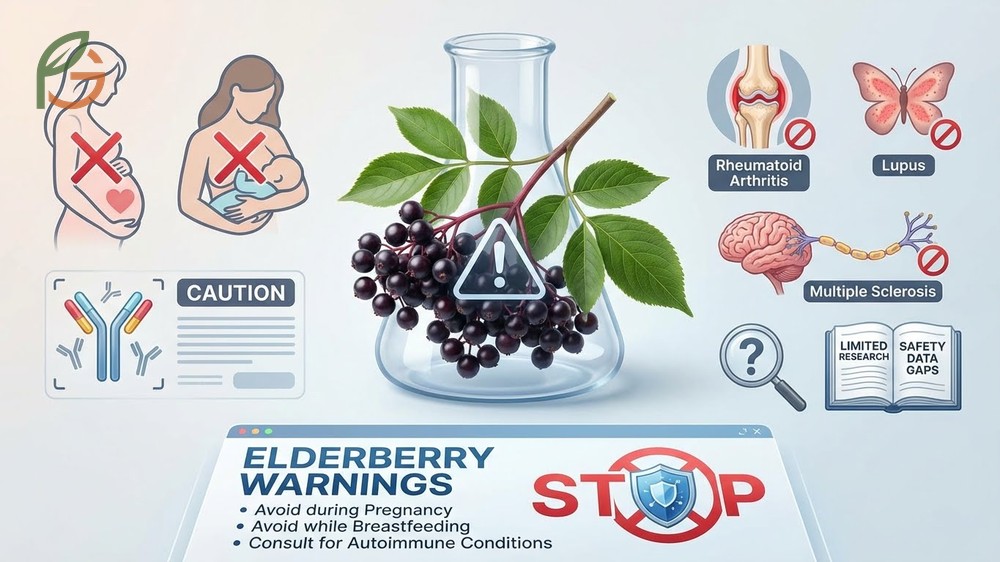
Certain populations should avoid elderberry entirely based on current safety data. Pregnant women fall into this category because there’s not enough research proving elderberry won’t harm developing fetuses[4]. The same applies to breastfeeding mothers—we don’t know if active compounds transfer into breast milk or affect infants.
People with autoimmune diseases like rheumatoid arthritis, lupus, or multiple sclerosis should skip elderberry. The supplement stimulates immune responses that could worsen these conditions. What helps fight colds might trigger autoimmune flares.
Children under 12 months shouldn’t receive any elderberry products. Beyond the honey risk in syrups, young children’s immune systems respond differently to immunostimulants. Safety hasn’t been established for this age group.
- Pregnant women: insufficient safety data for fetal development
- Breastfeeding mothers: unknown transfer to breast milk and infant effects[4]
- Infants under 12 months: safety not established, honey-containing products dangerous
- People with autoimmune disorders: may overstimulate immune system
- Organ transplant recipients: could interfere with anti-rejection medications
- Individuals allergic to Caprifoliaceae family plants: risk of allergic reactions
- People with chronic gastrointestinal issues: may worsen digestive symptoms
Quality Control Issue: The FDA doesn’t evaluate elderberry supplements for safety or efficacy before they reach store shelves. This means product quality varies dramatically between brands. Look for products tested by third-party labs like USP or NSF to ensure they don’t contain harmful contaminants.
Conclusion
The evidence is clear: elderberry side effects depend entirely on preparation method and individual health status. Raw berries contain dangerous cyanide-producing compounds that cooking eliminates completely. Commercial supplements show good safety profiles when used at recommended doses of 600-900mg daily for short periods.
Current medical guidance emphasizes avoiding elderberry if you’re pregnant, breastfeeding, have autoimmune conditions, or take immunosuppressant medications. For healthy adults using quality products, elderberry presents minimal risk when taken appropriately. FruitGarden recommends choosing third-party tested supplements and consulting healthcare providers before starting any new herbal product.
Medical Disclaimer
Important Medical Disclaimer: This content is for informational and educational purposes only. It is not intended as a substitute for professional medical advice, diagnosis, or treatment. Always consult a qualified healthcare professional before making any changes to your diet, medication, or supplement routine, especially if you have chronic health conditions, are pregnant or breastfeeding, take prescription medications, or have experienced allergic reactions to herbal products. Elderberry can cause serious side effects in certain populations and may interact dangerously with immunosuppressant drugs.
Frequently Asked Questions
Can you eat raw elderberries safely?
No, you can’t eat raw elderberries safely. They contain cyanogenic glycosides that release cyanide when digested, causing nausea, vomiting, and severe diarrhea within 15 minutes to 2 hours. Cooking destroys these toxic compounds completely, making berries safe for consumption.
How much elderberry is safe to take daily?
Research shows that 600mg daily for prevention and 900mg daily during illness are safe doses for healthy adults. These amounts have been tested in clinical trials for up to 10 days without significant side effects. Don’t exceed 1,500mg daily unless directed by a healthcare provider.
What are the most common elderberry side effects?
The most common side effects are mild gastrointestinal symptoms like nausea, stomach discomfort, or diarrhea. These typically occur from excessive doses or contaminated products. Allergic reactions including skin rashes and itching affect less than 5% of users, usually those sensitive to plants in the honeysuckle family.
Can elderberry cause serious drug interactions?
Yes, elderberry can seriously interact with immunosuppressant medications used for organ transplants and autoimmune conditions. It stimulates immune system activity, potentially reducing the effectiveness of drugs like cyclosporine, tacrolimus, and prednisone. It may also increase liver side effects when combined with pazopanib.
Is elderberry safe during pregnancy?
Elderberry isn’t considered safe during pregnancy because there’s insufficient research on its effects on fetal development. Medical experts recommend pregnant women avoid elderberry supplements entirely. The same precaution applies to breastfeeding mothers since we don’t know if active compounds transfer into breast milk.
How long does it take for raw elderberry poisoning symptoms to appear?
Symptoms from raw elderberry poisoning typically appear within 15 minutes to 2 hours after consumption. Mild cases cause nausea and cramping within 15-60 minutes. Moderate poisoning with severe vomiting and diarrhea develops in 30-90 minutes. Severe cases with breathing difficulty and confusion may take 1-2 hours to manifest.
Who shouldn’t take elderberry supplements?
People who should avoid elderberry include pregnant and breastfeeding women, infants under 12 months, individuals with autoimmune diseases (lupus, rheumatoid arthritis, multiple sclerosis), organ transplant recipients, those taking immunosuppressants, and anyone allergic to plants in the Caprifoliaceae family. People with chronic gastrointestinal issues should also exercise caution.





