
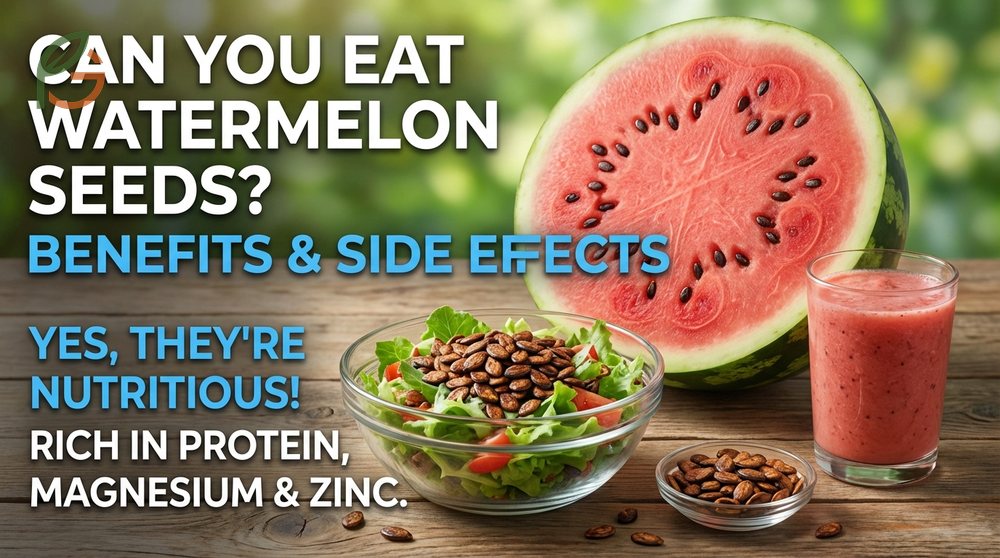
Can you eat watermelon seeds? Yes, you absolutely can—and they’re surprisingly nutritious. Research shows watermelon seeds contain 28-35g of protein per 100g[1], plus essential minerals like magnesium and zinc. Whether you’re tossing them in salads, roasting them for snacks, or blending them into smoothies, watermelon seeds offer health benefits that most people don’t realize. FruitGarden synthesizes current nutritional research and gardening data to help you make informed decisions about fruits and their often-overlooked parts.
Quick Answer
- Watermelon seeds are safe to eat and packed with 8g protein[1] per ounce
- They won’t grow in your stomach—it’s a myth debunked by plant science[2]
- Roasted seeds provide 146mg magnesium[1] (35% daily value) and support heart health
- Overconsumption can cause bloating and digestive discomfort—stick to 1-2 ounces daily
Can You Eat Watermelon Seeds
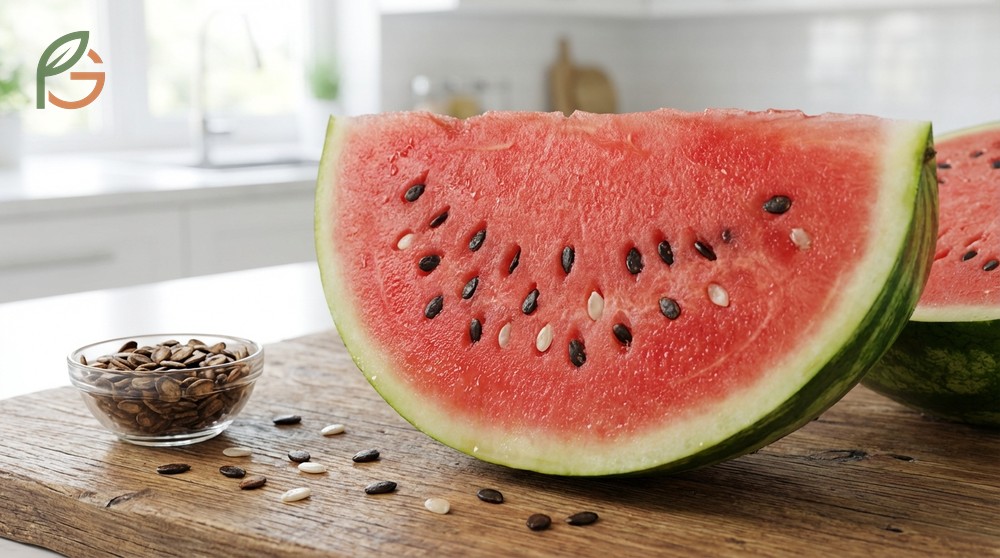
Yes, you can eat both black and white watermelon seeds safely. Unlike what many people heard growing up, swallowing watermelon seeds won’t cause any harm to your digestive system. The black seeds are mature and nutrient-dense, while the white ones are simply immature seeds that haven’t fully developed yet.
Studies demonstrate that watermelon seeds contain complete protein with all essential amino acids[3], making them valuable for plant-based diets. Most people spit them out by habit, but you’re missing out on a free source of nutrition that’s sitting right there in your fruit bowl.
The seeds pass through your digestive tract without issue if swallowed whole. However, you’ll get more nutritional benefits if you chew them or eat them roasted, since your body can’t break down the hard outer shell efficiently when they’re whole.
Black vs White Watermelon Seeds
Black watermelon seeds are fully mature and contain the highest concentration of nutrients. They’ve got a harder shell that protects the nutrient-rich kernel inside. White seeds are just younger versions—they’re soft, smaller, and don’t offer the same nutritional punch.
Research shows that dried watermelon seed kernels provide significantly higher nutrient density compared to fresh seeds[3]. When you’re choosing which seeds to save for snacking, always go for the black ones.
- Black seeds contain higher protein levels and tougher shells that require roasting or chewing
- White seeds are immature, softer, and less nutrient-dense
- Black seeds can be sprouted, roasted, or ground into watermelon seed butter
- White seeds are safe to eat but don’t provide significant nutritional value
- Seedless watermelons still contain white seeds, which are edible but not worth saving
Benefits of Watermelon Seeds
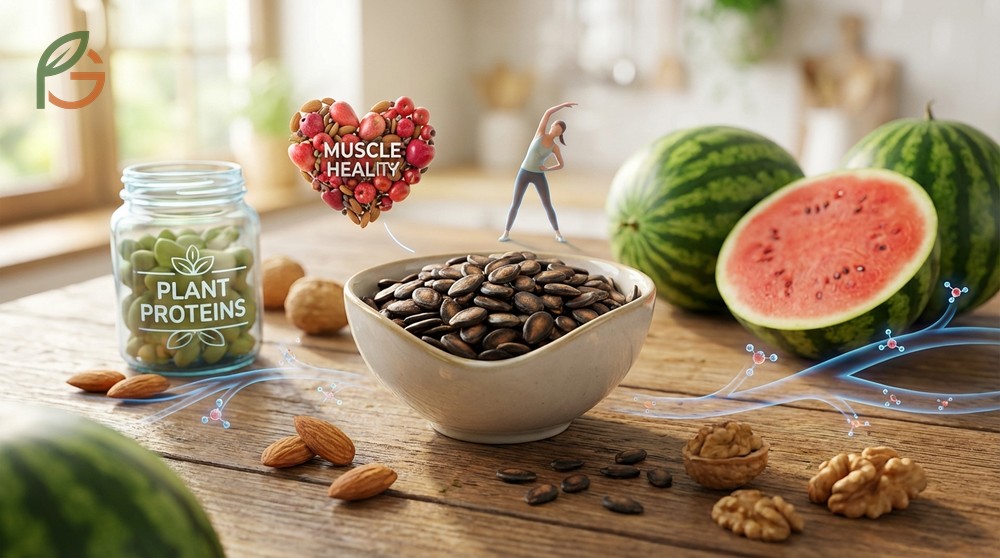
Watermelon seeds deliver impressive health benefits that rival popular nuts and seeds. They’re loaded with plant-based protein, heart-healthy fats, and minerals that support everything from muscle recovery to cardiovascular function. What’s often overlooked is that these seeds contain arginine and glutamic acid[3], amino acids linked to improved blood flow and metabolic health.
Current nutritional guidance emphasizes whole-food plant proteins, and watermelon seeds fit perfectly into that category. They’re particularly valuable for vegetarians and vegans who need diverse protein sources. Unlike processed protein powders, these seeds come with fiber, minerals, and antioxidants packaged together naturally.
Nutritional Value of Watermelon Seeds
One ounce of dried watermelon seeds packs 158 calories, 8g protein, 13g fat, and 146mg magnesium[1]. That magnesium content represents 35% of your daily value, which supports muscle function, nerve transmission, and blood pressure regulation.
The seeds also provide 3mg zinc[1] (26% daily value), essential for immune function and wound healing. Iron content reaches 2mg per ounce, helping prevent anemia and supporting oxygen transport throughout your body.
This table compares key nutrients per ounce across watermelon seeds, almonds, and pumpkin seeds including protein, fats, and mineral content
| Nutrient | Watermelon Seeds | Almonds | Pumpkin Seeds |
|---|---|---|---|
| Protein | 8g[1] | 6g | 9g |
| Fats | 13g[1] | 14g | 13g |
| Magnesium | 146mg[1] | 76mg | 156mg |
| Iron | 2mg[1] | 1mg | 2.5mg |
| Zinc | 3mg[1] | 0.9mg | 2.2mg |
Pro Tip: Sprouted watermelon seeds offer enhanced nutrient absorption compared to raw seeds. The sprouting process breaks down compounds that can interfere with mineral absorption, making the nutrients more bioavailable to your body.
Benefits of Watermelon Seeds Sexually
Watermelon seeds contain citrulline, an amino acid that converts to arginine in your body. Arginine increases nitric oxide production, which relaxes blood vessels and improves blood flow to sexual organs—similar to how certain medications work but through natural processes[4].
Studies indicate that arginine supplementation has been shown to increase sperm count in males[4]. While watermelon seeds aren’t a substitute for medical treatment, they can support overall reproductive health as part of a balanced diet.
The zinc content in watermelon seeds also plays a crucial role in testosterone production and prostate health. Men who don’t get enough zinc often experience reduced libido and fertility issues, making these seeds a practical addition to your daily nutrition.
Are Watermelon Seeds Safe to Eat
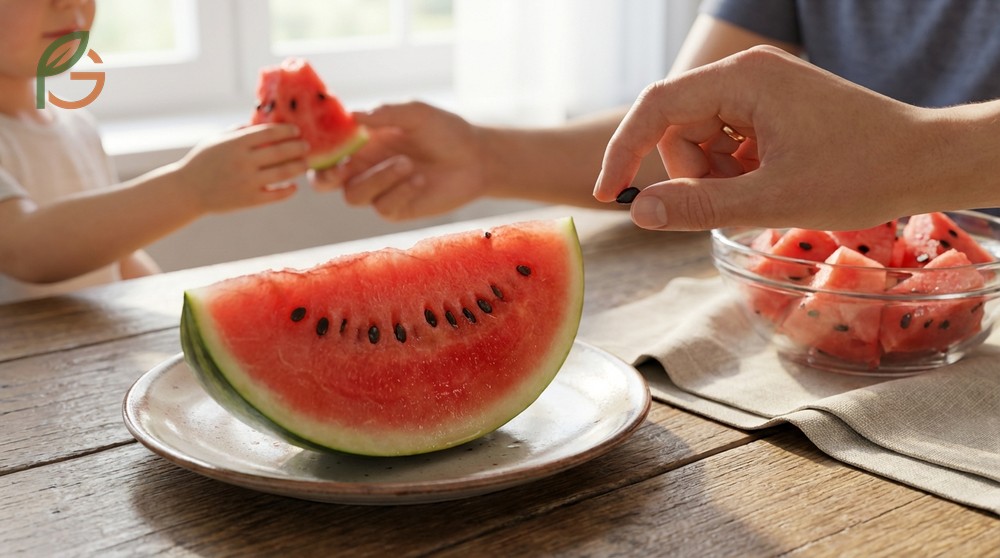
Watermelon seeds are completely safe for most people to eat in reasonable amounts. Current dietary guidelines don’t list watermelon seeds as a common allergen or food safety concern. However, individuals with sensitive digestive systems should start with small portions to see how their body responds.
The seeds pose minimal choking risk for adults when chewed properly. Young children should be supervised, since they might not chew thoroughly before swallowing. If you’ve got digestive conditions like IBS or GERD, the high fiber content might trigger discomfort when consumed in large quantities.
Can You Swallow Watermelon Seeds
Yes, you can swallow watermelon seeds without any health consequences. They’ll pass through your digestive system intact if you swallow them whole, eventually exiting your body in your stool. The hard outer shell protects the seed kernel, preventing your stomach acid from breaking it down completely.
Most people accidentally swallow a few seeds while eating watermelon, and it’s never been a medical issue. Your digestive tract is designed to handle indigestible materials like seed shells, moving them along efficiently without absorption or harm.
That said, you won’t get the nutritional benefits if you swallow watermelon seeds whole. To actually access the protein, minerals, and healthy fats inside, you’ll need to chew them thoroughly or eat them roasted with the shells cracked open.
Can a Watermelon Seed Grow in Your Stomach
No, a watermelon seed can’t grow in your stomach—this is one of those childhood myths that sounds scary but has zero scientific basis. Seeds require specific conditions to germinate: adequate moisture, oxygen, warmth, and most importantly, a neutral pH environment[2].
Your stomach has a pH of 1.5 to 3.5, which is highly acidic—far too hostile for any seed to sprout. The gastric acid would kill the seed embryo long before germination could even begin. Additionally, there’s no soil, no sunlight, and constant movement that would prevent root establishment even if somehow the acid didn’t destroy it.
Plant science confirms that seeds pass through digestive systems unharmed in many animals—that’s actually how plants spread their seeds in nature. But germination happens after the seed exits the body and lands in appropriate soil conditions, not inside the digestive tract.
- Stomach acid pH (1.5-3.5) destroys seed embryos within minutes of ingestion
- Seeds require oxygen levels that don’t exist in the anaerobic stomach environment
- Absence of light prevents photosynthesis necessary for seedling growth
- No soil or growth medium exists for root development
- Digestive enzymes break down seed coatings that protect the embryo
- Seeds pass through the digestive tract in 24-72 hours, insufficient time for germination
Side Effects and Precautions
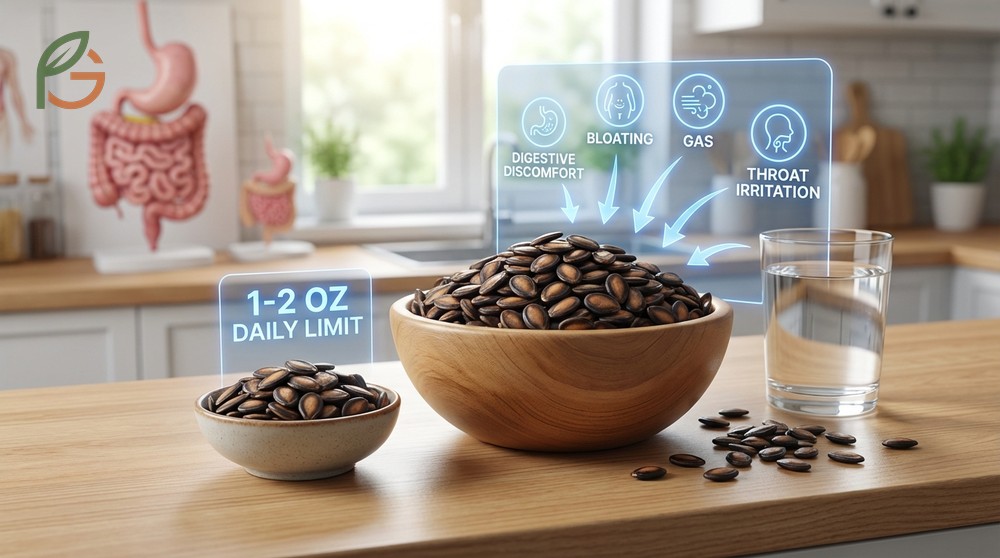
Eating too many watermelon seeds can lead to digestive discomfort, including bloating, gas, and stomach cramping[5]. The high fiber content—while generally beneficial—becomes problematic when you consume large quantities your digestive system isn’t used to processing. Most people tolerate 1-2 ounces daily without issues.
Some individuals experience throat irritation from the hard seed shells, especially when eating them dry without enough water. The fat content, while consisting of healthy unsaturated fats, can still upset your stomach if you overdo it. Evidence suggests people with pre-existing digestive conditions like IBS or GERD are more susceptible to these side effects.
Pregnant women can safely eat watermelon seeds in moderation, as they provide beneficial nutrients like folate and iron. However, there’s no need to go overboard—balance matters more than quantity when it comes to any single food.
Important Note: If you experience persistent digestive discomfort, abdominal pain, or allergic reactions after eating watermelon seeds, discontinue consumption and consult a healthcare professional. People with seed or nut allergies should introduce watermelon seeds cautiously under medical supervision.
- People with irritable bowel syndrome (IBS) should start with small amounts to assess tolerance
- Individuals with GERD may experience acid reflux from the high fat and fiber content
- Young children under 4 years old require supervision due to choking risk
- Those with seed allergies should consult an allergist before trying watermelon seeds
- People taking blood pressure medication should monitor intake, as arginine affects blood flow
How to Cook Watermelon Seeds
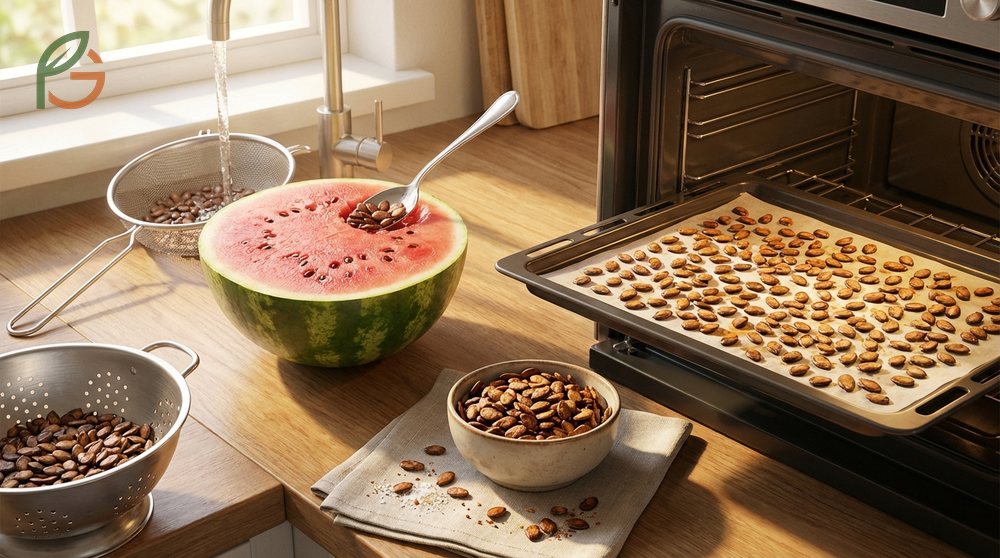
Roasting watermelon seeds transforms them from tough, bland kernels into crunchy, flavorful snacks that rival store-bought nuts. The process is straightforward: rinse the seeds, dry them completely, season to taste, and roast until golden brown. You’ll want to save seeds from fresh watermelons rather than buying them, since homemade versions taste better and cost nothing.
Current food preparation methods emphasize dry roasting over oil-frying to preserve the seeds’ nutritional integrity. When you roast at 325°F (163°C)[6], you’re applying just enough heat to crack the shells and develop flavor without destroying heat-sensitive nutrients like zinc and magnesium.
From My Experience: My cousin in Guadalajara, Mexico started saving watermelon seeds from his garden harvest last summer. He roasted about 2 cups of seeds at 325°F (163°C) for 18 minutes, and they turned out perfectly crispy—much better than the store-bought versions that often taste stale.
Roasted Watermelon Seeds Recipe
Start by collecting seeds from fresh watermelons—you’ll need about 1-2 cups of seeds for a decent batch. Rinse them thoroughly in a colander to remove any fruit residue, then spread them on a clean kitchen towel or paper towels. Let them air dry for at least 2 hours, or pat them dry if you’re in a hurry.
Preheat your oven to 325°F (163°C)[6] and line a baking sheet with parchment paper. Toss the dried seeds with 1 teaspoon of olive oil (optional—you can roast them dry too) and your choice of seasonings: sea salt, garlic powder, paprika, or even cinnamon sugar for a sweet version work great.
Spread the seasoned watermelon seeds in a single layer on the prepared baking sheet. Roast for 15-20 minutes[6], stirring halfway through to ensure even browning. You’ll know they’re done when they turn golden brown and smell nutty. Remove from the oven and let them cool completely—they’ll crisp up more as they cool.
- Rinse and dry 1-2 cups of black watermelon seeds thoroughly
- Toss with 1 teaspoon olive oil and seasonings of choice
- Spread in single layer on parchment-lined baking sheet
- Roast at 325°F (163°C) for 15-20 minutes, stirring once
- Cool completely before storing in an airtight container
- Store roasted watermelon seeds for up to 2 weeks at room temperature
Conclusion
The evidence is clear: can you eat watermelon seeds? Absolutely, and you should consider adding them to your diet for their impressive protein, magnesium, and heart-health benefits. They’re safe, nutritious, and surprisingly versatile—whether you’re roasting them for snacks, grinding them into butter, or tossing them into trail mix.
Current nutritional guidance emphasizes whole-food plant proteins, and watermelon seeds deliver that alongside essential minerals your body needs daily. Don’t let childhood myths stop you from enjoying a free, sustainable protein source that you’d otherwise throw away. FruitGarden combines agricultural research with practical nutrition advice to help you make the most of every part of your fruit harvest.
Medical Disclaimer
Important Medical Disclaimer: This content is for informational and educational purposes only. It’s not intended as a substitute for professional medical advice, diagnosis, or treatment. Always consult a qualified healthcare professional before making any changes to your diet, especially if you have digestive conditions, allergies, or take medications that affect blood pressure. The nutritional information provided reflects current research but may not apply to your individual health circumstances.
Frequently Asked Questions
Do You Eat Watermelon Seeds or Spit Them Out?
You can do either—both are perfectly safe. Eating them provides protein, magnesium, and zinc, while spitting them out means you’ll miss those nutritional benefits. If you’re going to eat them, roasting or chewing them well helps your body access the nutrients inside the hard shell.
What Happens If You Eat Watermelon Seeds?
If you eat watermelon seeds, they’ll either pass through your digestive system intact (if swallowed whole) or get digested for their nutritional content (if chewed). You won’t experience any harmful effects from eating them in normal amounts—they’re just as safe as eating nuts or other seeds.
Can You Eat the Black Seeds in Watermelon?
Yes, black watermelon seeds are the best ones to eat since they’re fully mature and contain the highest nutrient levels. They’re packed with complete protein, healthy fats, and minerals. You can eat them raw, but roasting them at 325°F (163°C) for 15-20 minutes makes them tastier and easier to digest.
How Much Watermelon Seeds Should You Eat Per Day?
Research suggests 1-2 ounces (about ¼ to ½ cup) of watermelon seeds daily provides nutritional benefits without causing digestive discomfort. This amount delivers roughly 8-16g of protein and 146-292mg of magnesium, which supports most people’s nutritional needs without overdoing fiber or fat intake.
Are Sprouted Watermelon Seeds Better Than Roasted?
Sprouted watermelon seeds offer enhanced nutrient absorption since the sprouting process breaks down phytic acid and enzyme inhibitors. However, roasted seeds taste better and have a longer shelf life. Both forms are nutritious—choose sprouted for maximum bioavailability or roasted for convenience and flavor.
Can Watermelon Seeds Help With Weight Loss?
Watermelon seeds can support weight loss goals due to their high protein and fiber content, which increases satiety and reduces hunger. However, they’re calorie-dense at 158 calories per ounce, so portion control matters. They work best as a replacement for less nutritious snacks rather than as an addition to your current calorie intake.
Are There Any Allergic Reactions to Watermelon Seeds?
Watermelon seed allergies are rare but possible, especially in people with existing seed or nut allergies. Symptoms might include itching, hives, digestive upset, or in severe cases, difficulty breathing. If you’ve never eaten watermelon seeds before and have known allergies, introduce them gradually and consult an allergist if concerned.





