

Can dogs eat rambutan? Yes, but only the flesh in small amounts. Research shows that while rambutan flesh isn’t toxic to dogs, the seed and skin pose serious choking and intestinal blockage risks[1][2]. Most pet owners don’t realize that proper preparation is what makes this exotic fruit safe or dangerous for their furry companions. FruitGarden provides evidence-based guidance on tropical fruits and pet safety to help you make informed decisions for your dog’s health.
Quick Answer
- Dogs can eat rambutan flesh in small amounts only after removing all seeds and skin
- Rambutan provides 1.3-2g fiber[3] per 100g and vitamin C, but high sugar content limits portions
- Seeds contain potentially toxic compounds and cause intestinal blockages[2] requiring emergency surgery
- Watch for vomiting, lethargy, or difficulty pooping—contact your vet immediately if these occur
Can Dogs Eat Rambutan

Dogs can safely eat rambutan flesh when it’s properly prepared, but the fruit comes with significant risks if not handled correctly. The translucent white flesh itself contains no known toxins harmful to canines[1]. However, veterinarians emphasize that preparation matters more than the fruit itself when it comes to your dog’s safety.
Studies show that the biggest danger isn’t the flesh—it’s what surrounds it. The hairy skin and hard interior seed create multiple hazards that can turn a harmless treat into an emergency room visit. What often gets overlooked is that even small amounts of skin or seed fragments can cause problems for dogs, especially smaller breeds.
The fruit’s high sugar content also limits how much you should feed your dog. Research demonstrates that excessive sugar intake contributes to obesity, dental issues, and potential diabetes in dogs over time[2]. Even when properly prepared, rambutan should remain an occasional treat rather than a regular snack.
What Makes Rambutan Risky for Dogs
The rambutan’s structure creates three distinct hazard zones for dogs. First, the thick, hairy skin contains compounds that may cause toxicity when consumed in large amounts[1]. While a small taste won’t typically cause problems, dogs who eat significant amounts of skin can experience digestive upset and other symptoms.
Second, the hard seed at the fruit’s center poses immediate physical dangers. The seed can lodge in your dog’s throat, creating a choking emergency that requires quick intervention. If swallowed whole, it can cause intestinal blockages that often require surgical removal[2].
Third, the seed contains substances that could be toxic if chewed and broken down in your dog’s digestive system. This combination of physical and chemical hazards makes proper preparation absolutely essential before offering rambutan to your pet.
Important Note: Never give your dog a whole rambutan. Always peel the fruit completely, remove the seed, and offer only small pieces of flesh as an occasional treat.
Nutritional Value of Rambutan
Rambutan provides several beneficial nutrients that could support your dog’s health in moderation. The fruit contains 1.3-2 grams of fiber per 100 grams[3], which matches levels found in apples and oranges. This fiber content can support healthy digestion when offered in appropriate portions.
The fruit also delivers vitamin C, an antioxidant that helps protect cells from damage. While dogs produce their own vitamin C internally, unlike humans, the additional boost from fruit can still provide benefits. Five to six rambutans meet 50% of a human’s daily vitamin C requirement[3], though dogs require different amounts based on their size and metabolism.
Despite these nutritional benefits, the fruit’s sugar content outweighs its advantages for regular consumption. The high natural sugar concentration means rambutan should remain a rare treat rather than a dietary staple for dogs.
Can Dogs Eat Rambutan Skin
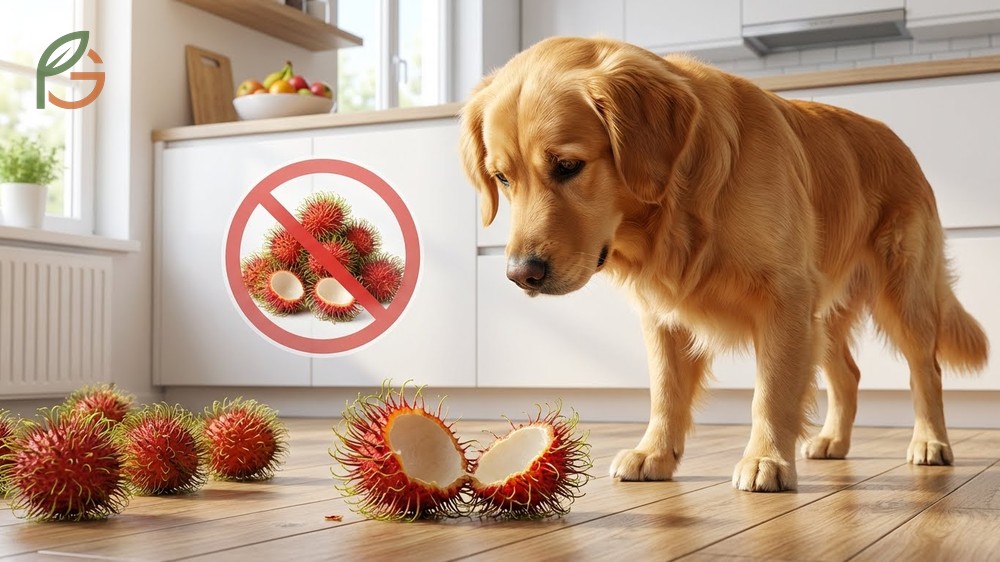
Rambutan skin should never be fed to dogs intentionally due to multiple safety concerns. Evidence suggests the thick, hairy exterior contains compounds that can cause toxic reactions when consumed in large quantities[1]. While your dog would need to eat substantial amounts of skin to experience severe toxicity, even small amounts can trigger digestive problems.
The skin’s tough, fibrous texture creates additional hazards beyond potential toxicity. It’s difficult for dogs to digest and can cause stomach upset, vomiting, or diarrhea. The hairy spines on the exterior can irritate your dog’s mouth, throat, and digestive tract as they pass through.
If your dog accidentally consumes some rambutan skin, there’s no need to panic immediately. Monitor your pet closely for signs of distress such as vomiting, lethargy, loss of appetite, or unusual behavior. Contact your veterinarian if symptoms develop or if your dog consumed a large amount of skin.
Safety Tip: Keep rambutan skins in a secure trash container that your dog can’t access. Dogs are naturally curious and may investigate discarded peels, leading to accidental ingestion.
Can Dogs Eat Rambutan Without Seed

Yes, dogs can safely eat rambutan flesh once the seed is completely removed. The translucent white flesh poses no toxicity concerns and provides a sweet, juicy treat that most dogs enjoy[2]. This makes properly prepared rambutan an acceptable occasional snack for your pet.
Proper preparation involves three critical steps. First, peel away all the hairy skin and discard it safely. Second, cut the fruit in half and carefully remove the entire seed—check for any remaining seed fragments. Third, cut the flesh into small, bite-sized pieces appropriate for your dog’s size to prevent choking.
Portion control matters as much as preparation. Start with just one or two small pieces to see how your dog’s digestive system reacts. Some dogs may experience upset stomachs from new foods, even when they’re technically safe. If your dog tolerates it well, you can offer rambutan occasionally, but keep portions small due to the high sugar content.
Current guidance emphasizes that rambutan should supplement—not replace—your dog’s regular balanced diet. Think of it as you would any other treat: limit it to no more than 10% of your dog’s daily caloric intake. For most dogs, this means just a few small pieces once or twice per week at most.
Dog Ate Rambutan Seed

If your dog ate a rambutan seed, immediate action and careful monitoring are essential. The seed creates two primary dangers: physical obstruction and potential toxicity. Don’t panic, but don’t wait to see what happens—call your veterinarian right away for guidance specific to your dog’s size and situation.
Time is critical when dealing with seed ingestion. Your vet may recommend bringing your dog in immediately, especially if the ingestion just occurred. In some cases, veterinarians can induce vomiting to remove the seed before it moves deeper into the digestive tract[4]. However, never attempt to induce vomiting at home without professional instruction.
The seed’s size relative to your dog matters significantly. Small dogs face greater risks from the same-sized seed compared to large breeds. A rambutan seed might pass through a large dog’s system without incident, but the same seed could cause a complete blockage in a Chihuahua or Yorkshire Terrier.
Symptoms to Watch For
Intestinal blockage symptoms can develop within hours or take several days to appear. Persistent vomiting is often the first sign that something’s wrong—dogs may vomit repeatedly or continuously retch without producing anything[4]. This occurs because the obstruction prevents food and water from moving through the digestive system normally.
Loss of appetite combined with lethargy signals that your dog is experiencing significant discomfort. Dogs with blockages typically refuse food and water, becoming increasingly weak as dehydration sets in. They may also strain to defecate or produce only small amounts of diarrhea as liquid squeezes around the obstruction.
Abdominal pain manifests in several ways. Your dog may whine, adopt a hunched posture, or react aggressively when you touch their belly. The abdomen might appear swollen or feel hard to the touch. Restlessness and inability to get comfortable are also common signs.
- Persistent vomiting or dry heaving
- Complete loss of appetite for 12+ hours
- Weakness and lethargy
- Straining to defecate with little or no results
- Painful, swollen, or hard abdomen
- Whining or aggressive behavior when belly is touched
- Unusual restlessness or inability to settle
When to Call Your Vet
Call your veterinarian immediately if you witness your dog swallowing a rambutan seed—don’t wait for symptoms to develop. Early intervention provides the best chance of removing the seed before complications arise. Your vet can assess the situation and may ask you to bring your dog in for examination or induced vomiting.
Seek emergency veterinary care if your dog shows any concerning symptoms after eating a seed. Rapid breathing, pale or yellow gums, seizures, or collapse indicate severe complications requiring immediate treatment[5]. These signs can signal peritonitis, sepsis, or other life-threatening conditions that develop from prolonged blockages.
Trust your instincts about your dog’s condition. If something seems off or you’re uncertain about the severity, it’s always better to call for professional guidance. Veterinary emergency lines can help you assess whether your situation requires immediate in-person care or if home monitoring is appropriate.
Emergency Warning: Never attempt home remedies for seed ingestion. Don’t give your dog hydrogen peroxide or other substances to induce vomiting without veterinary instruction—this can cause additional harm in certain situations.
Fruits Safe for Dogs

Many fruits make excellent, nutritious treats for dogs when prepared correctly. Research shows that certain fruits provide valuable vitamins, minerals, and fiber that can complement your dog’s regular diet[6]. The key is understanding which fruits are safe and how to prepare them properly.
Blueberries rank among the best fruit options for dogs. They’re packed with antioxidants, require no preparation, and their small size makes them perfect training treats. Apples offer fiber and vitamins, but you must remove the core and seeds first since apple seeds contain cyanide compounds.
Bananas provide potassium and are safe after removing the peel. Watermelon delivers hydration and vitamins—just remove all seeds and rind first. Strawberries contain malic acid and fiber, making them a healthy occasional treat in reasonable quantities.
- Blueberries—antioxidant-rich, no preparation needed, ideal training treats
- Apples—high fiber content, remove core and all seeds before feeding
- Bananas—potassium source, remove peel, feed in moderation due to sugar
- Strawberries—vitamin C and fiber, wash thoroughly, remove stems
- Watermelon—hydrating summer treat, remove all seeds and rind completely
- Oranges—vitamin C boost, remove peel and seeds, small amounts only
- Pineapple—contains digestive enzymes, remove tough skin and core first
All safe fruits should follow the 10% rule: treats shouldn’t exceed 10% of your dog’s daily caloric intake. Even healthy fruits contain natural sugars that can contribute to weight gain if overfed. Always introduce new fruits gradually, watching for any signs of digestive upset or allergic reactions.
Fruits Dogs Should Avoid
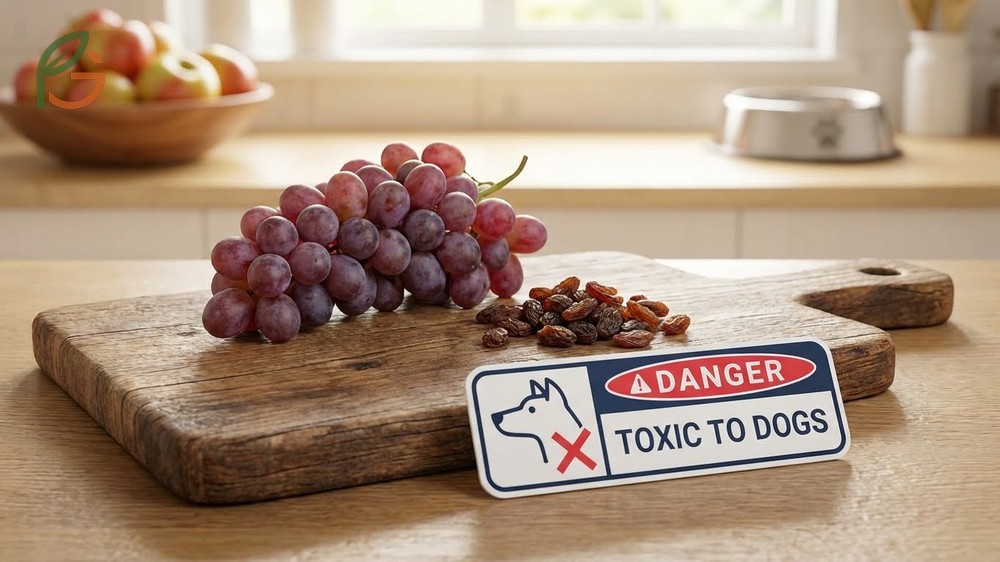
Several common fruits are toxic to dogs and should never be fed, even in small amounts. Understanding which fruits pose dangers can prevent accidental poisonings and emergency situations. The toxic compounds in these fruits affect dogs differently than humans, making foods safe for us potentially deadly for our pets.
Grapes and raisins top the danger list as they can cause acute kidney failure in dogs[6]. Even one grape can trigger an emergency in some dogs, though tolerance varies unpredictably between individuals. Recent research points to tartaric acid as the likely toxic compound, but concentrations vary between fruits making it impossible to determine a “safe” amount.
Cherries contain cyanide in their pits, stems, and leaves—though the flesh itself isn’t highly toxic. The problem is that dogs often consume the entire fruit, pits and all. Avocados contain persin, which causes vomiting and diarrhea in dogs, plus the large pit creates a serious choking hazard.
This table compares toxic compounds, health risks, and emergency actions for five fruits dangerous to dogs
| Fruit | Toxic Compound | Primary Risk | Action Required |
|---|---|---|---|
| Grapes/Raisins | Tartaric acid[6] | Acute kidney failure | Emergency vet immediately |
| Cherries | Cyanide (pits/stems) | Respiratory failure | Call vet if pit consumed |
| Avocado | Persin | GI upset, choking hazard | Monitor for symptoms |
| Lemons/Limes | Psoralen, limonene | Stomach upset, photosensitivity | Usually self-limiting |
| Stone fruit pits | Cyanide | Poisoning, obstruction | Immediate vet care |
Stone fruits like peaches, plums, and nectarines present dual hazards. Their pits contain cyanide compounds and create choking or obstruction risks. While small amounts of the flesh are generally safe, it’s best to avoid these fruits entirely given the difficulty of ensuring no pit exposure.
Poisoning Emergency: If your dog eats grapes, raisins, or large amounts of any toxic fruit, contact your veterinarian or pet poison helpline immediately. Don’t wait for symptoms to appear—early treatment dramatically improves outcomes.
Conclusion
The evidence is clear: dogs can eat rambutan safely when you properly prepare it by removing all skin and seeds. While the flesh provides fiber and vitamin C, the fruit’s high sugar content and potential hazards mean it should remain an occasional treat rather than a dietary staple. Most importantly, immediate veterinary consultation is essential if your dog accidentally consumes seeds or skin.
Current guidance from veterinary professionals emphasizes prevention over treatment—proper fruit preparation protects your pet from choking, blockages, and toxicity risks. FruitGarden synthesizes evidence-based research to help pet owners make informed decisions about sharing tropical fruits with their dogs safely.
Medical Disclaimer
Important Medical Disclaimer: This content is for informational and educational purposes only. It is not intended as a substitute for professional veterinary advice, diagnosis, or treatment. Always consult a qualified veterinarian before making any changes to your dog’s diet or if your pet shows signs of illness. If your dog has consumed something potentially toxic or shows concerning symptoms, seek emergency veterinary care immediately.
Frequently Asked Questions
Is rambutan toxic to dogs?
Rambutan flesh is not toxic to dogs, but the seed and skin pose serious risks. The seed contains potentially harmful compounds and can cause intestinal blockages, while the skin may cause toxicity when consumed in large amounts. Always remove both completely before offering rambutan to your dog.
How much rambutan can I give my dog?
Limit rambutan to one or two small pieces once or twice per week at most. The fruit’s high sugar content means it should account for no more than 10% of your dog’s daily caloric intake. Start with just one piece to test your dog’s tolerance before offering more.
What should I do if my dog ate rambutan seed?
Call your veterinarian immediately if your dog swallows a rambutan seed. Don’t wait for symptoms to develop—early intervention provides the best chance of removing the seed before complications occur. Never attempt to induce vomiting at home without professional guidance, as this can cause additional harm in certain situations.
Can puppies eat rambutan?
It’s best to avoid giving rambutan to puppies. Their smaller size makes them more vulnerable to choking and blockages, and their developing digestive systems may not tolerate new foods well. Stick to puppy-appropriate treats until your dog reaches adulthood and consult your vet before introducing any exotic fruits.
What are the symptoms of rambutan poisoning in dogs?
Symptoms include persistent vomiting, loss of appetite, lethargy, diarrhea, straining to defecate, and abdominal pain or swelling. If your dog consumed seeds or large amounts of skin, watch for these signs and contact your veterinarian if any develop. Severe symptoms like difficulty breathing or collapse require emergency care.
Are lychees safer than rambutan for dogs?
Lychees and rambutan are similar fruits from the same family with comparable risks. Both have seeds that must be removed and flesh that’s safe in small amounts. Neither offers significant advantages over the other—both require the same careful preparation and portion control to be safe for dogs.
Can rambutan cause allergies in dogs?
Yes, dogs can develop allergic reactions to any food, including rambutan. Signs of allergic reactions include itching, swelling, hives, difficulty breathing, or facial swelling. If you notice any of these symptoms after feeding rambutan, stop immediately and contact your veterinarian for guidance.





