
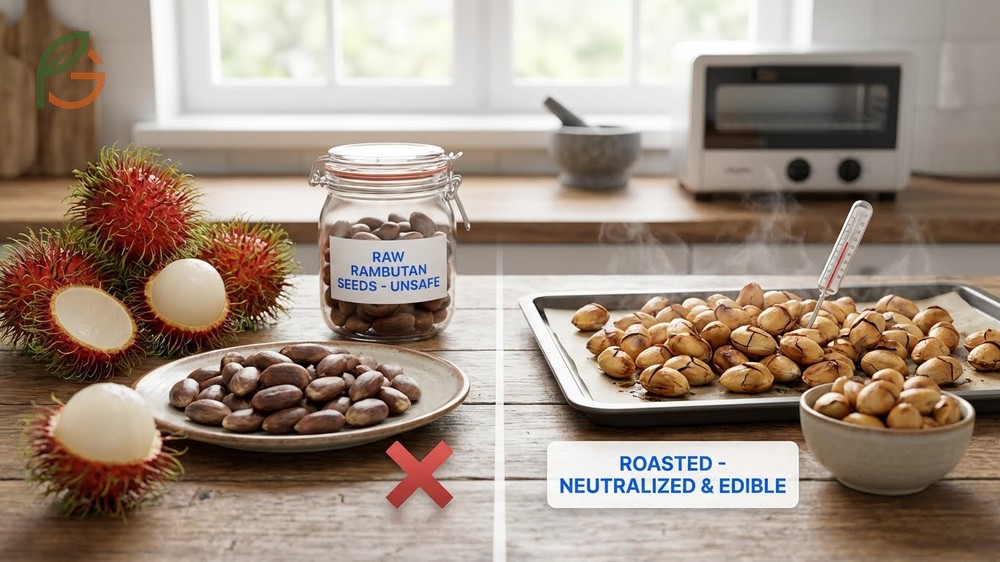
Can you eat rambutan seeds? Yes, but only when properly roasted at specific temperatures to neutralize toxic compounds. Raw rambutan seeds contain narcotic alkaloids, saponins, and tannins that make them unsafe for consumption[1][2]. What most people don’t realize is that roasting transforms these seeds from potentially harmful to nutritionally beneficial, though clear safety guidelines are still being established by researchers. FruitGarden synthesizes current scientific research and traditional practices to help you understand rambutan seed safety and preparation methods.
Quick Answer
- Raw rambutan seeds aren’t safe—they contain narcotic alkaloids and toxic compounds[1]
- Roasting at 320°F (160°C) for 30 minutes makes seeds safer by neutralizing toxins[3]
- Seeds contain 33.4-39.13% fat and 7.8-12.4% protein when properly processed[4]
- Seed oil shows promise for cosmetic and pharmaceutical uses due to antioxidant properties
Can You Eat Rambutan Seeds
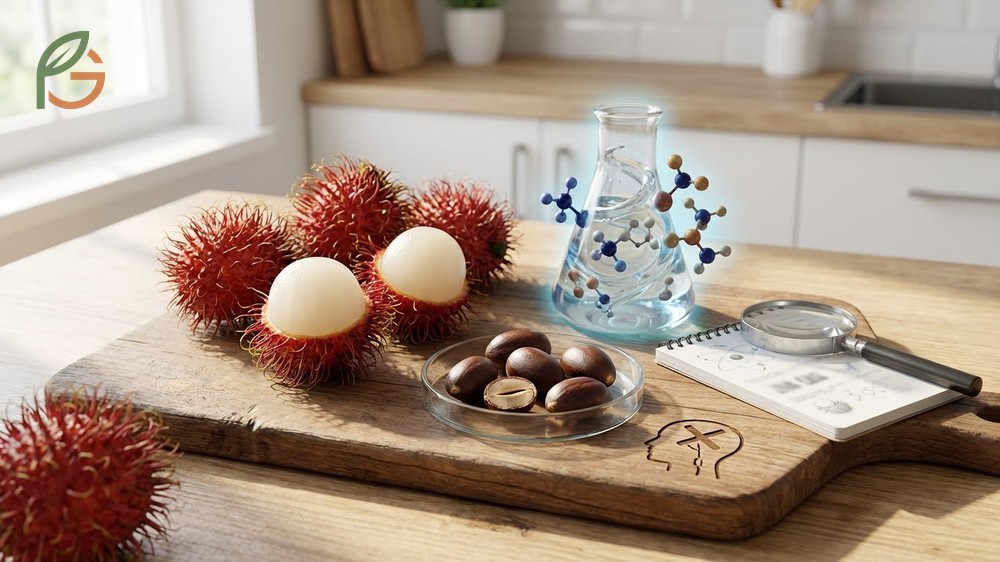
Research shows that rambutan seeds require specific preparation before they’re safe to eat. The bitter taste you’ll notice comes from alkaloids, saponins, and tannins concentrated in the seed coat[1]. These compounds give raw seeds narcotic properties that can affect your nervous system.
Unlike the sweet flesh you’re used to eating, the seeds contain defensive chemicals the plant developed for protection. Current data indicates that consuming raw seeds risks toxicity, though the exact dose required for harm in humans hasn’t been established. Most health authorities recommend avoiding them entirely in their raw state[2].
The good news is that heat treatment changes everything. Roasting breaks down toxic alkaloids and makes the nutritional content accessible. You’ll transform bitter, dangerous seeds into nutty-flavored snacks with potential health benefits.
Raw Seed Dangers
Studies demonstrate that raw rambutan seeds pose real risks you shouldn’t ignore. The seed coat contains saponins that can irritate your digestive system, while alkaloid compounds affect brain chemistry in ways researchers are still studying[1]. Traditional medicine practitioners in Southeast Asia recognized these narcotic properties centuries ago.
WebMD warns that both the seed and peel contain toxins absorbed through digestion[5]. Handling seeds is safe because the compounds need to enter your bloodstream through your gut to cause problems. Symptoms from consumption aren’t well documented in medical literature, which makes experimentation particularly risky.
Important Safety Warning: Never consume raw rambutan seeds or encourage children to eat them. The narcotic alkaloids and saponins can cause unpredictable reactions, and emergency protocols for rambutan seed poisoning aren’t well established in Western medicine.
Roasted Seed Safety
Roasting is currently the only proven method for making rambutan seeds safer to eat[2]. Heat neutralizes the narcotic properties that make raw seeds dangerous. Research on processed rambutan seeds shows that roasting at 302-320°F (150-160°C) for 30 minutes produces the best results[3].
You’ll know seeds are properly roasted when they turn dark brown and develop a cocoa-like aroma. The texture changes from soft and bitter to crunchy with nutty undertones. This transformation happens as Maillard reactions break down harmful compounds while creating new flavor molecules.
That said, clear safety guidelines for home roasting don’t yet exist in scientific literature. Evidence suggests proper roasting reduces risk, but researchers haven’t established exact protocols that guarantee 100% safety. If you’re experimenting, start with small quantities and monitor for any adverse reactions.
Are Rambutan Seeds Edible
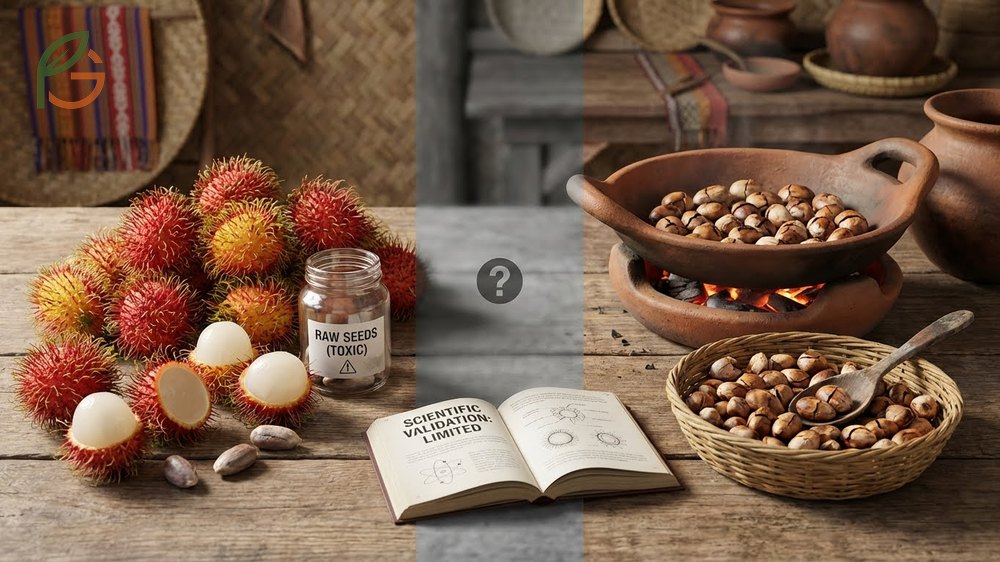
The answer depends on how you define “edible.” Raw seeds are technically toxic and shouldn’t be eaten. Properly roasted seeds become edible but exist in a gray area where traditional use exceeds scientific validation. Filipino communities have consumed roasted rambutan seeds for generations without widespread reports of harm[1].
Research into edibility focuses on toxicity thresholds rather than nutritional value. What scientists have established is that rambutan seed extracts show low toxicity in animal studies. Malaysian traditional medicine uses seed powders for their antidiabetic properties, suggesting therapeutic potential beyond basic nutrition[4].
Toxicity Testing Results
Laboratory studies provide reassuring data about processed rambutan seeds. A 14-day acute toxicity test found that rambutan seed oil at doses up to 5,000 mg/kg body weight caused no deaths or pathological lesions in rats[6]. This LD50 value exceeds what you’d consume from eating roasted seeds as a snack.
More recent toxicity screening using the Brine Shrimp Lethality Test showed LC₅₀ values of 688.86 ppm for methanol extracts[7]. These numbers indicate moderate toxicity that diminishes with proper processing. The key factor is preparation method—raw extracts show higher toxicity than heat-treated oils.
- Extracted seed oil at 5,000 mg/kg caused zero mortality in animal trials[6]
- No pathological lesions appeared in liver, kidney, or digestive organs after 14 days
- Body weight remained stable in both control and treatment groups
- Raw seed extracts showed moderate toxicity that processing reduces
- Industrial extraction methods can produce food-grade seed fats with low toxicity profiles
Traditional Consumption Practices
Filipino culinary traditions treat roasted rambutan seeds like coffee beans or cacao nibs. After removing the seed coat, they roast the kernels until aromatic and grind them for use in beverages or desserts. This practice hasn’t generated documented health problems despite centuries of use.
Malaysian traditional healers incorporate seed powder into antidiabetic formulations, though scientific validation of these uses is limited. The cultural acceptance of roasted seeds suggests they’re safe when prepared correctly. However, the absence of adverse event reports doesn’t prove absolute safety—it might simply reflect low consumption volumes.
Raw Rambutan Seed Toxicity
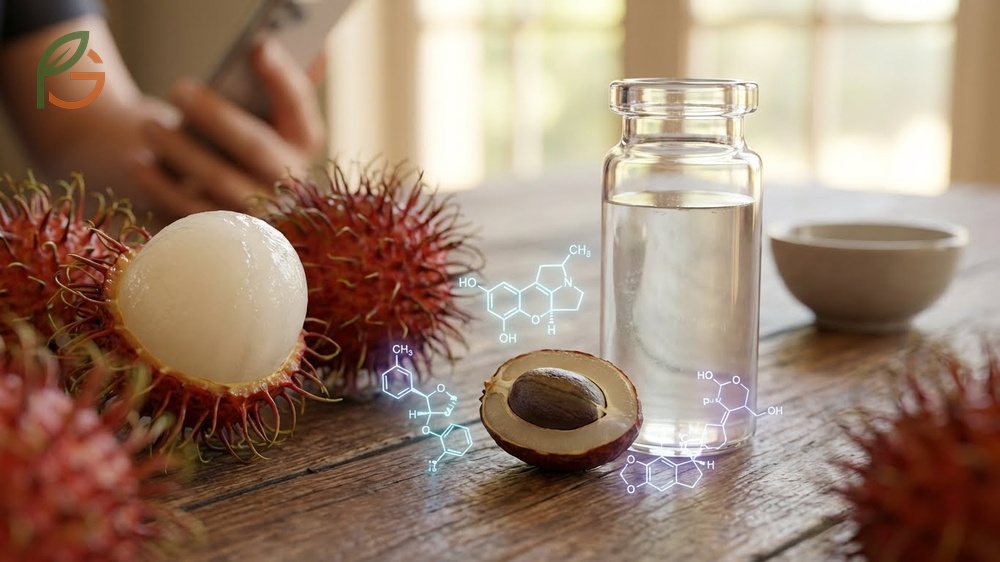
The narcotic properties of raw rambutan seeds come from alkaloid compounds concentrated in the testa, or seed coat. These plant chemicals evolved as defense mechanisms against seed predators. When you consume them raw, alkaloids interact with neurotransmitter receptors in your brain, potentially causing sedative or intoxicating effects[1].
Saponins add another layer of toxicity by disrupting cell membranes in your digestive tract. These soap-like compounds can cause nausea, vomiting, and diarrhea even at low doses. Tannins contribute astringency and can interfere with protein digestion and mineral absorption.
Unlike well-studied toxins with established safety thresholds, rambutan seed alkaloids haven’t been fully characterized. We don’t know the minimum toxic dose for humans or how individual sensitivity varies. This uncertainty makes eating raw seeds a gamble not worth taking.
Chemical Hazard Note: The combination of alkaloids, saponins, and tannins creates a synergistic toxicity greater than any single compound alone. Even if one compound seems benign at low concentrations, the mixture can overwhelm your body’s detoxification systems.
- Alkaloids with narcotic properties affecting central nervous system function
- Saponins that damage intestinal cell membranes and cause digestive distress
- Tannins that bind proteins and reduce nutrient bioavailability
- Bitter glycosides that indicate chemical defense mechanisms
- Phenolic compounds requiring processing to become beneficial rather than harmful
Roasting Rambutan Seeds
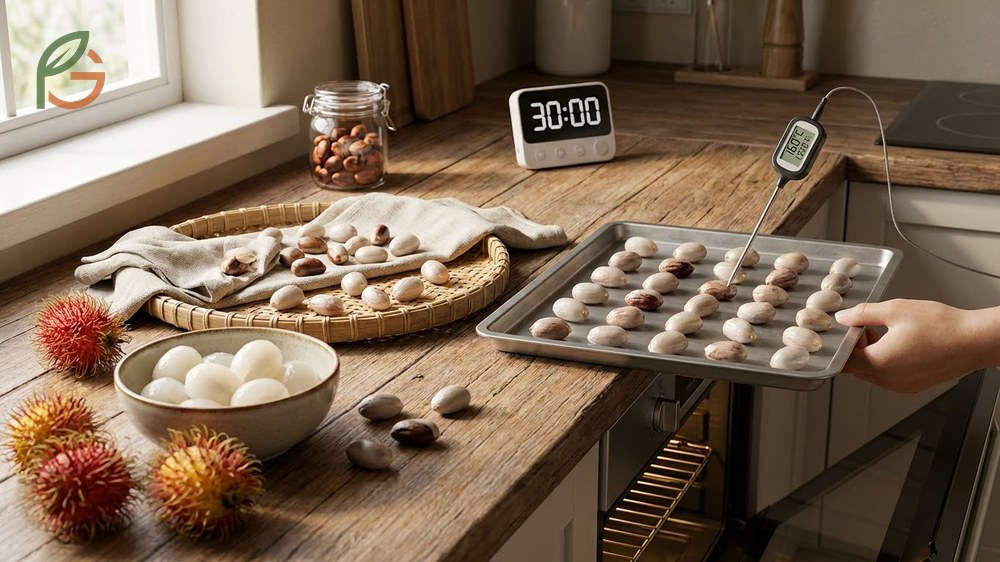
Proper roasting transforms toxic seeds into potentially edible treats through chemical decomposition. You’ll need to remove the seed from fresh rambutan fruit and rinse off any flesh residue. Pat seeds dry with a towel, then spread them in a single layer on a baking sheet.
Research indicates optimal roasting occurs at 302-320°F (150-160°C) for 30 minutes[3]. At these temperatures, alkaloids break down while Maillard reactions create new flavor compounds. You’re looking for seeds that turn dark brown—almost black—with a glossy surface.
The aroma changes dramatically during roasting. What starts as bitter and chemical-smelling becomes nutty and reminiscent of roasted coffee or cacao. This sensory shift indicates successful chemical transformation. Once cooled, roasted seeds develop a crunchy texture similar to roasted nuts.
- Remove seeds from fresh rambutan and rinse thoroughly to remove fruit flesh
- Dry seeds completely with a clean towel or air-dry for 2-3 hours
- Preheat oven to 320°F (160°C) and prepare a parchment-lined baking sheet
- Spread seeds in a single layer with space between each seed
- Roast for 30 minutes, checking at 20 minutes for even browning
- Seeds should turn dark brown and emit a nutty, cocoa-like aroma when done
- Cool completely before attempting to crack the hard outer shell
- Store roasted seeds in an airtight container for up to 2 weeks
Temperature Precision Matters: Don’t exceed 350°F (177°C), as excessive heat can create new toxic compounds through pyrolysis. Under-roasting below 300°F (149°C) may not fully neutralize alkaloids. Use an oven thermometer to verify accuracy.
Some traditional methods involve fermentation before roasting, which produces even more complex flavors. Studies show that 6-9 days of fermentation followed by roasting increases melanoidin content and creates chocolate-like flavor profiles[3]. This advanced technique requires careful moisture control to prevent mold growth.
Benefits of Rambutan Seeds
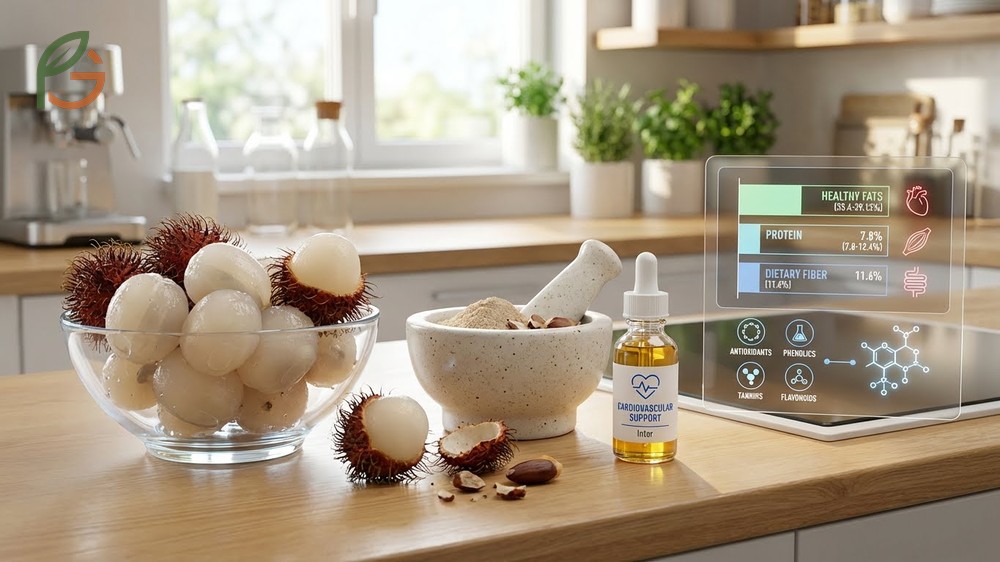
Properly processed rambutan seeds deliver impressive nutritional density. They contain 33.4-39.13% fat, primarily oleic acid and arachidic acid, which support cardiovascular health[4]. The protein content ranges from 7.8-12.4%, making them comparable to many tree nuts. You’re also getting 11.6% dietary fiber that aids digestion.
Antioxidant compounds emerge as major benefits once toxic alkaloids are neutralized. Phenolic compounds, tannins, and flavonoids in processed seeds show potent free radical scavenging activity. Research demonstrates IC₅₀ values of 32.78 ppm for antioxidant activity in ethyl acetate fractions[7].
Traditional medicine applications focus on blood sugar management. Malaysian practitioners use rambutan seed powder for antidiabetic effects, though clinical trials in humans remain limited[4]. Animal studies show promise for reducing cardiovascular disease risk markers, including total cholesterol and triglycerides.
This table compares the nutritional composition of rambutan seeds across three major macronutrient categories, showing percentage ranges and primary beneficial compounds
| Nutrient Category | Content Range | Primary Compounds | Health Benefit |
|---|---|---|---|
| Fat | 33.4-39.13%[4] | Oleic acid (42%), Arachidic acid (34.3%) | Cardiovascular support |
| Protein | 7.8-12.4%[4] | Essential amino acids | Muscle maintenance |
| Fiber | 11.6%[4] | Insoluble dietary fiber | Digestive health |
| Antioxidants | 395 mg GAE/100g | Phenols, tannins, flavonoids | Anti-inflammatory effects |
- High oleic acid content supports healthy cholesterol ratios and reduces inflammation
- Antioxidant compounds neutralize free radicals that accelerate aging and disease
- Dietary fiber promotes gut health and helps regulate blood sugar levels
- Traditional antidiabetic applications show promise in animal studies
- Antibacterial and antifungal properties documented in seed extracts[4]
- Protein content comparable to almonds and other tree nuts
Rambutan Seed Oil Uses
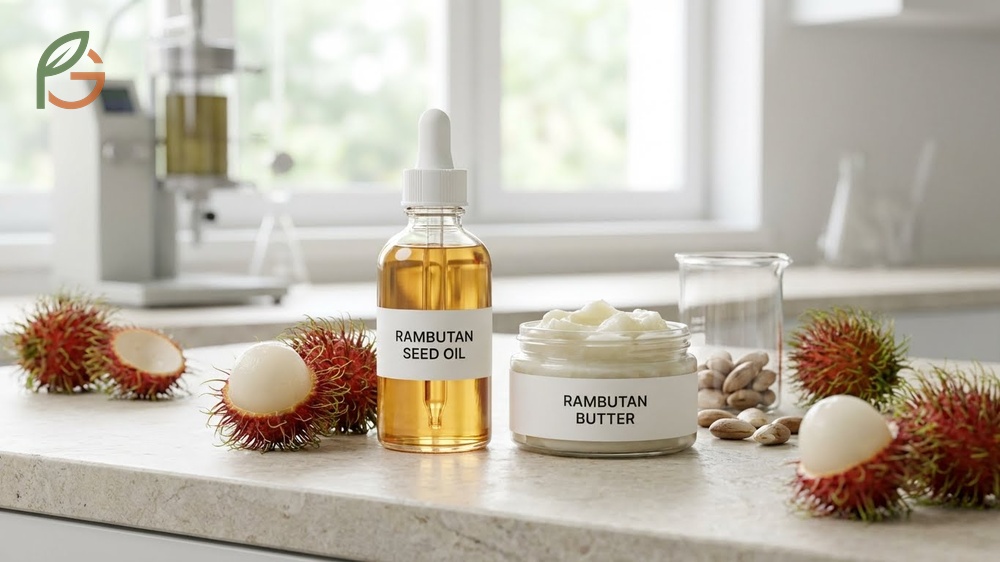
Extracted rambutan seed oil has found commercial applications beyond food. The cosmetic industry values its unique fatty acid profile and antioxidant properties for skin care formulations. Research shows the oil contains significant anti-inflammatory compounds that reduce skin irritation and accelerate healing.
Industrial extraction using supercritical CO₂ produces food-grade oils with melting points around 46°C[6]. This semi-solid fat behaves similarly to cocoa butter in formulations. Cosmetic chemists use it in moisturizers, facial oils, and anti-aging serums because it penetrates skin effectively without leaving greasy residues.
Soap manufacturers have developed stable bar and liquid soaps using rambutan seed fat as a raw material. The oil’s fatty acid composition creates good lather and skin conditioning effects. This application demonstrates potential for sustainable use of rambutan processing waste.
- Moisturizing creams and lotions that leverage oleic acid for deep skin penetration
- Anti-aging formulations containing antioxidants that protect against UV damage
- Hair conditioners and scalp treatments for strengthening and shine
- Artisanal soap making as a sustainable alternative to palm oil
- Pharmaceutical carriers for topical medications due to biocompatibility
- Industrial lubricants in specialty applications requiring biodegradable options
The sustainability angle appeals to eco-conscious brands. Rambutan seeds represent waste from fruit processing that would otherwise be discarded. Converting them to valuable oil creates circular economy opportunities while reducing agricultural waste. Current production remains small-scale, but research supports expansion potential.
Conclusion
The evidence is clear: can you eat rambutan seeds depends entirely on preparation method. Raw seeds contain toxic alkaloids and should never be consumed, but proper roasting at 320°F (160°C) for 30 minutes neutralizes these compounds. While traditional Filipino and Malaysian practices demonstrate generations of safe consumption, modern scientific guidelines remain incomplete.
Current research emphasizes caution alongside curiosity. The nutritional benefits and commercial potential of processed rambutan seeds continue to emerge through studies. FruitGarden recommends waiting for comprehensive safety protocols before making roasted rambutan seeds a regular part of your diet, though occasional experimental consumption of properly roasted seeds appears low-risk based on available toxicity data.
Medical Disclaimer
Important Medical Disclaimer: This content is for informational and educational purposes only. It’s not intended as a substitute for professional medical advice, diagnosis, or treatment. Never consume raw rambutan seeds under any circumstances. Always consult a qualified healthcare professional before trying roasted rambutan seeds, especially if you have allergies, medical conditions, or take medications. The safety protocols for home roasting aren’t fully established in scientific literature, and individual reactions can vary.
Frequently Asked Questions
What happens if you accidentally eat a raw rambutan seed?
Accidentally swallowing a small piece of raw rambutan seed will likely pass through your system without major harm, though you might experience mild nausea or digestive discomfort. The narcotic alkaloids and saponins need to be digested in significant quantities to cause serious reactions. If you’ve consumed multiple raw seeds or experience symptoms like dizziness, vomiting, or unusual drowsiness, contact a healthcare provider immediately and explain what you ate.
Can you roast rambutan seeds in an air fryer?
Yes, air fryers can roast rambutan seeds if you maintain proper temperature control. Set your air fryer to 320°F (160°C) and roast for 25-30 minutes, shaking the basket every 10 minutes for even heating. The circulating hot air actually provides more uniform heat distribution than conventional ovens. Watch carefully during the final 5 minutes to prevent burning, and look for the same dark brown color and nutty aroma that indicates proper roasting.
Do roasted rambutan seeds taste good?
Properly roasted rambutan seeds develop a nutty, slightly bitter flavor similar to roasted coffee beans or cacao nibs. They’re crunchy with earthy undertones that some people find appealing in small quantities. The taste won’t appeal to everyone—it’s more of an acquired preference than an immediately delicious snack. Filipino consumers often grind roasted seeds and mix them with sugar or chocolate to improve palatability rather than eating them plain.
How many roasted rambutan seeds are safe to eat?
No established safe consumption limits exist in scientific literature, which makes moderation critical. Traditional users in the Philippines typically consume 5-10 roasted seeds at a time as an occasional snack, not a daily food. Start with just 2-3 seeds to test your individual tolerance and watch for any digestive upset or unusual reactions over the next 24 hours. Treat them as an experimental food rather than a nutritional staple until more research establishes clear safety thresholds.
Can you use rambutan seeds to grow new trees?
Fresh, raw rambutan seeds can germinate and grow into new trees if planted within 2-3 days of removing them from the fruit. The seeds lose viability quickly once they dry out, so immediate planting in moist soil is essential. Roasted seeds are completely dead and won’t germinate. If your goal is propagation rather than consumption, keep seeds moist, plant them 1 inch deep in well-draining soil, and expect germination in 10-21 days at temperatures around 77-86°F (25-30°C).
What’s the difference between rambutan and lychee seeds?
Rambutan and lychee seeds are closely related but have different toxicity profiles. Lychee seeds contain hypoglycin A, a compound linked to encephalopathy outbreaks in India, making them more dangerous than rambutan seeds. Both should be avoided raw, but rambutan seeds have traditional roasted consumption practices while lychee seeds don’t. The seeds look similar—smooth, brown, and oval—but lychee seeds are typically smaller and contain different alkaloid compounds that aren’t neutralized by simple roasting.
Where can you buy rambutan seed oil?
Rambutan seed oil is available through specialty cosmetic ingredient suppliers and some online marketplaces focusing on exotic plant oils. Look for cold-pressed or supercritical CO₂ extracted versions from reputable suppliers who provide certificates of analysis. Prices typically range from $15-40 per ounce depending on extraction method and purity. The oil is more common in Southeast Asian markets, particularly in Malaysia and Indonesia where rambutan processing industries are established.





