
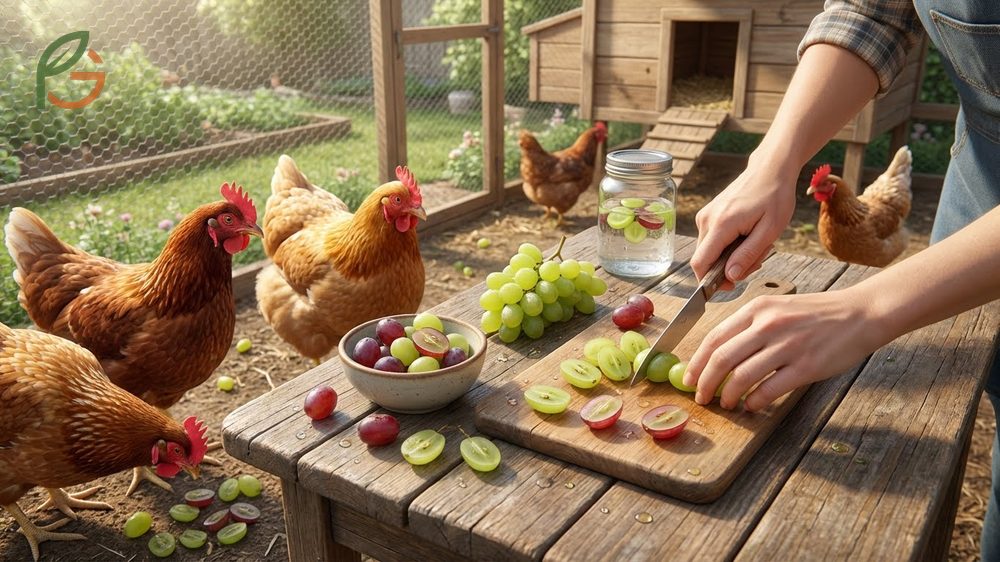
Can chickens eat grapes? Yes, chickens can safely eat grapes, including the seeds and skins, when prepared correctly. Research shows that grapes provide valuable hydration, vitamin C, and antioxidants while supporting immune health during hot weather[1]. Most backyard chicken owners don’t realize that cutting grapes lengthwise dramatically reduces choking risk compared to serving them whole. FruitGarden synthesizes current poultry nutrition research and safe feeding practices to help you make informed decisions for your flock.
Quick Answer
Can Chickens Eat Grapes
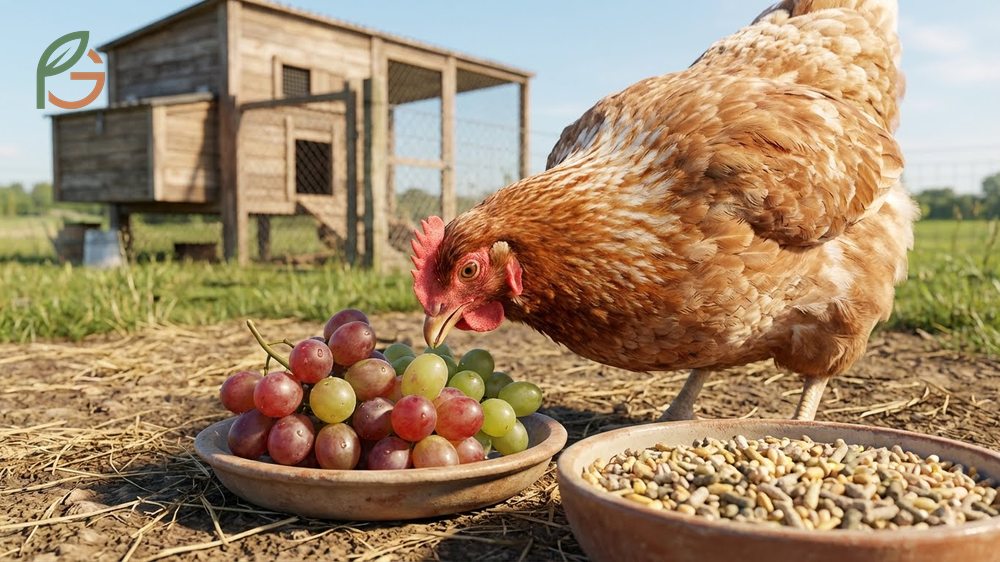
Chickens can eat grapes safely as an occasional treat. Studies show that grapes contain beneficial antioxidants and vitamins that support poultry health without causing adverse effects when fed in moderation[1]. Both green and red grape varieties work equally well for chickens.
Current poultry nutrition guidelines emphasize that treats like grapes should comprise no more than 10% of a chicken’s total daily intake[4]. The remaining 90% should come from balanced layer feed formulated to meet their protein and mineral requirements. This ratio prevents nutritional deficiencies that could reduce egg production.
Chickens don’t require teeth to process grapes because their digestive system relies on a muscular gizzard that grinds food with stored grit. This anatomical feature allows them to break down grape skins and seeds efficiently without difficulty.
Important Note: Never feed moldy or spoiled grapes to chickens. Mold produces toxins that can harm your flock’s health even in small amounts.
Nutritional Value of Grapes for Chickens
One cup of grapes (92g) provides 62 calories, 16g carbohydrates, 1g fiber, and 15g natural sugars[3]. The protein content remains low at 1g per cup, which reinforces why grapes should supplement—not replace—protein-rich layer feed.
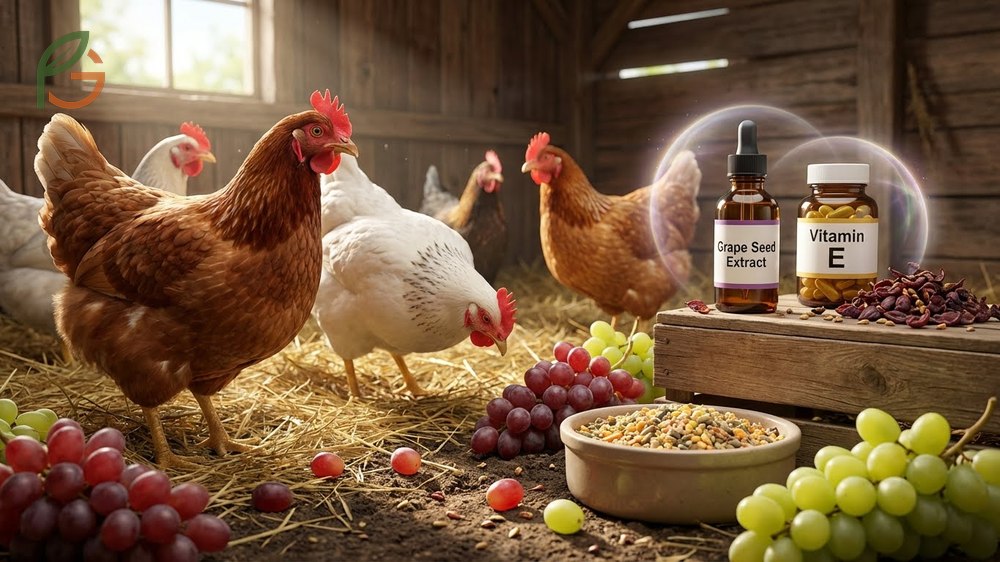
Grape seed extract demonstrates significant antioxidant capacity in poultry research. Evidence from controlled studies indicates that grape polyphenols exhibit antioxidant activity approximately 20 times stronger than vitamin E and 50 times greater than vitamin C alone[5]. These compounds support immune function and reduce oxidative stress in chickens.
Vitamins and Minerals
Grapes deliver essential micronutrients including vitamin C for immune support and vitamin K for blood clotting. Mineral content includes potassium, calcium, and magnesium, which contribute to bone health and metabolic functions[1].
The antioxidant compounds in grape skins provide additional health benefits. Research demonstrates that these polyphenols help protect cells from free radical damage and may enhance meat quality in poultry by reducing oxidative processes.
Hydration Benefits
Grapes contain approximately 80% water by weight, making them an effective hydration source during summer heat. Agricultural data shows this moisture content helps keep chickens cool when outdoor temperatures rise above comfortable ranges.
The combination of water and natural sugars provides quick energy while preventing dehydration. Most backyard flocks respond enthusiastically to frozen grapes on hot days, which extend eating time and provide cooling relief.
Can Chickens Eat Grape Seeds
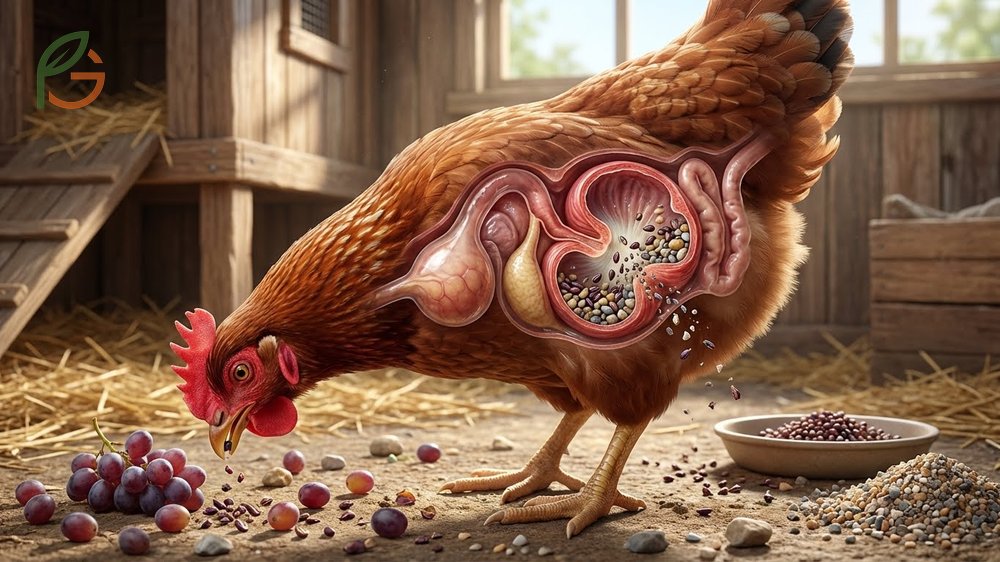
Chickens safely digest grape seeds without difficulty. Their gizzard—a specialized muscular organ—contains small stones called grit that grind seeds into digestible particles[6]. This natural digestive process eliminates concerns about seed toxicity or intestinal blockage.
Studies confirm that chickens provided with constant access to grit break down all seed types effectively. The highly acidic environment within the gizzard further aids decomposition, ensuring complete nutrient extraction from grape seeds.
Some chickens pick around seeds initially but typically consume them after becoming familiar with grapes as a treat. The seeds themselves contain beneficial polyphenols that contribute to the overall antioxidant value of the fruit.
Are Grapes Safe for Chickens
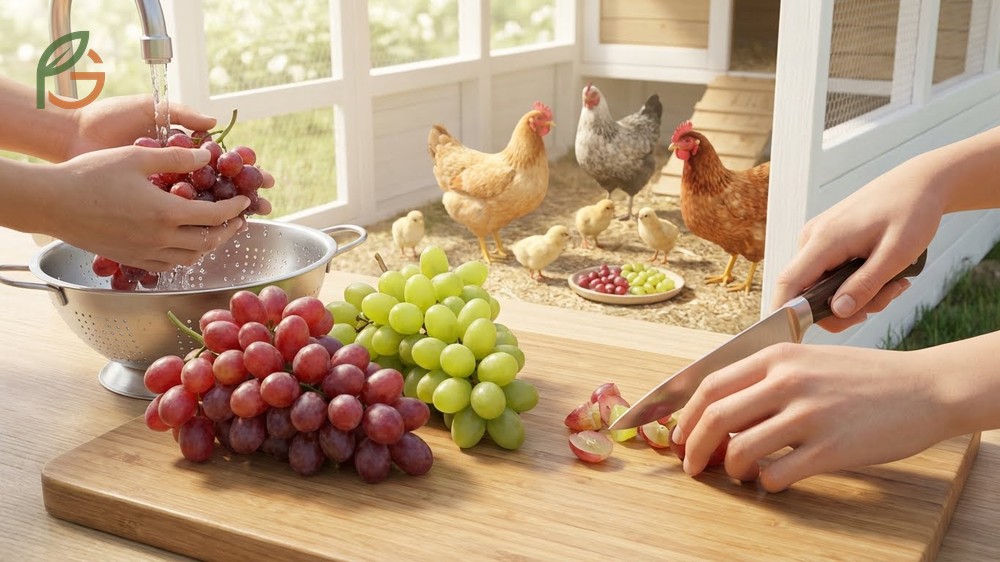
Grapes pose minimal risk when prepared correctly and fed in appropriate quantities. The primary safety concern involves choking hazards for smaller chickens or young birds attempting to swallow whole grapes.
Current feeding guidelines recommend washing grapes thoroughly before serving to remove pesticide residues. Organic grapes eliminate this concern but aren’t necessary if you rinse conventional varieties under running water for 30 seconds.
Cutting Grapes for Chickens
Cut grapes lengthwise into halves or quarters before offering them to chickens. Research on choking prevention demonstrates that lengthwise cuts reduce the diameter more effectively than crosswise slicing, which maintains the circular shape that can block airways[2].
For bantam breeds or chicks under 8 weeks old, quartering grapes provides extra safety. Standard-sized adult hens typically handle halved grapes without difficulty, though quartering remains the safest option across all flock sizes.
The cutting process takes minimal time when you use the two-plate method. Place grapes on one plate, cover with another, then slide a sharp knife between the plates to cut multiple grapes simultaneously.
From My Experience: My cousin in Guadalajara, Mexico feeds halved grapes to her mixed flock of 12 chickens during summer months. She noticed her Leghorns finish grapes in under 5 minutes versus the 15-20 minutes heavier Orpington breeds take—matching expected consumption patterns based on body size differences.
How Many Grapes Per Day
Feed 1-2 grapes per chicken daily to maintain the 10% treat rule[1]. This portion equates to approximately one tablespoon of treats per bird, which preserves nutritional balance while providing enrichment.
Exceeding this amount risks diluting protein intake from layer feed, potentially causing egg production declines. High sugar content in grapes can also trigger digestive upset or diarrhea when chickens overindulge.
- Scatter cut grapes across the run to encourage natural foraging behavior
- Remove uneaten grapes after 2-3 hours to prevent fermentation and mold growth
- Introduce grapes gradually if your flock hasn’t encountered them before
- Avoid mixing fresh grapes directly into feed storage containers where moisture causes spoilage
- Offer grapes as afternoon treats rather than morning feeding to ensure chickens consume their regular feed first
Safe Fruits for Chickens
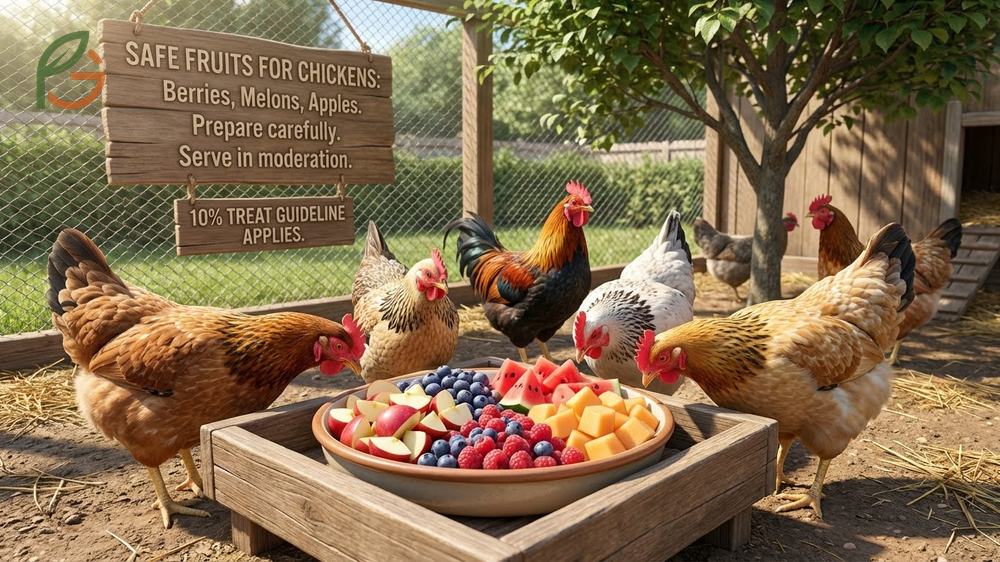
Chickens benefit from a varied fruit selection beyond grapes. Research shows that berries, melons, and apples provide similar nutritional advantages when prepared appropriately and served in moderation.
Most fruits require similar preparation to grapes. Remove pits, seeds from apple cores, and cut larger pieces into bite-sized portions to prevent choking. The 10% treat guideline applies equally to all fruit varieties combined, not per fruit type.
- Watermelon and cantaloupe (remove rinds and seeds, though chickens often eat them)
- Strawberries, blueberries, and raspberries (whole or halved depending on size)
- Apples (cored and sliced—apple seeds contain trace cyanide compounds)
- Bananas (peeled and mashed for chicks, sliced for adult chickens)
- Peaches and pears (pitted and chopped into manageable pieces)
- Raisins (dried grapes work well but feed sparingly due to concentrated sugars)
Citrus fruits generate mixed opinions among chicken keepers. While not toxic, the high acidity may reduce consumption, and some evidence suggests excessive citrus interferes with calcium absorption needed for strong eggshells.
Foods Chickens Cannot Eat
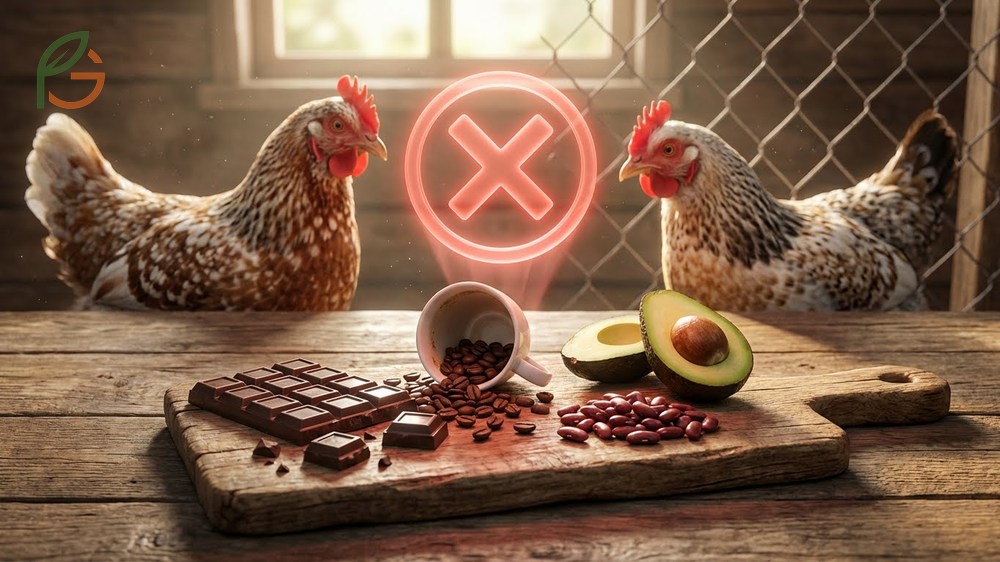
Several common foods pose serious health risks to chickens despite being safe for humans. Awareness of these hazards prevents accidental poisoning from well-intentioned feeding.
Chocolate and caffeine-containing products top the danger list due to theobromine and caffeine toxicity. Even small amounts can cause cardiac issues and neurological symptoms in poultry.
- Avocado (skin, pit, and flesh contain persin toxin fatal to birds)
- Raw or dried beans (contain lectin phytohemagglutinin causing severe digestive distress)
- Green potatoes and tomatoes (solanine in nightshade plant green parts)
- Onions and garlic (thiosulfate compounds damage red blood cells with repeated exposure)
- Salty snacks and processed foods (excess sodium causes dehydration and kidney stress)
- Moldy or spoiled anything (mycotoxins from mold produce severe illness)
- Raw meat (increases disease transmission risk and encourages cannibalistic behavior)
Safety Warning: Never assume that “natural” or “organic” foods are automatically chicken-safe. Many garden plants including foxglove, oleander, and rhubarb leaves contain lethal compounds that kill chickens within hours of consumption.
Conclusion
The evidence is clear: chickens can eat grapes safely when you follow three essential practices—cut them lengthwise, limit portions to 1-2 grapes per bird daily, and never serve moldy fruit. Current poultry nutrition guidance emphasizes balanced feeding where 90% comes from formulated layer feed and only 10% from treats like grapes[4].
Grapes deliver hydration, antioxidants, and enrichment value that enhance your flock’s wellbeing during hot weather. FruitGarden recommends introducing grapes gradually and monitoring your chickens’ response to ensure digestive tolerance before making them a regular treat component.
Frequently Asked Questions
Can Chickens Have Grapes Every Day?
Chickens can have grapes daily in small amounts (1-2 per bird) without health issues. However, rotating between different fruit and vegetable treats provides broader nutritional variety and prevents boredom.
Do Chickens Like Grapes?
Most chickens enthusiastically consume grapes, often competing for them during feeding. The sweet taste and juicy texture make grapes among the most popular treats for backyard flocks.
Can Chickens Eat Grapes Whole?
Adult large-breed chickens can eat grapes whole, but cutting them in half significantly reduces choking risk for all flock sizes. Smaller breeds and young chickens require quartered grapes for maximum safety.
Are Grapes Good for Chickens in Summer?
Grapes work exceptionally well as summer treats because their high water content helps prevent heat stress and dehydration. Frozen grapes provide extended cooling benefits while chickens peck at them.
Can Chickens Eat Green Grapes?
Green grapes are perfectly safe for chickens and offer the same nutritional benefits as red or purple varieties. The color difference comes from anthocyanin pigments, not toxicity or digestibility factors.
Can Baby Chicks Eat Grapes?
Chicks under 8 weeks old can eat grapes cut into quarters, but wait until they’re at least 3-4 weeks old and consuming chick starter feed reliably. Always provide chick grit when offering any treats to young birds.
Are Grapes Bad for Chickens?
Grapes aren’t bad for chickens when fed properly. Problems only arise from overfeeding (exceeding 10% of diet), serving whole grapes to small birds, or providing moldy fruit that contains harmful mycotoxins.





