
Benefits of jujube dates extend far beyond basic nutrition, offering powerful health advantages backed by research. Studies show that consuming just three jujube fruits provides 77% of your daily vitamin C requirement[1] while delivering only 79 calories per 100-gram serving. Research demonstrates jujube’s effectiveness in enhancing sleep quality, with one clinical study showing a 3.98-fold increase in sleep duration[2] compared to control groups. FruitGarden synthesizes current agricultural research and nutritional science to help you understand how this ancient fruit supports modern wellness goals.
Quick Answer
- Jujube dates contain 69mg vitamin C per 100g[1], more than many citrus fruits
- Research shows improved sleep quality in postmenopausal women using jujube seed extract[3]
- High antioxidant content with phenolic compounds that combat free radicals[4]
- Contains 6g fiber per 100g serving[5], supporting digestive health and weight management
Benefits of Jujube Dates
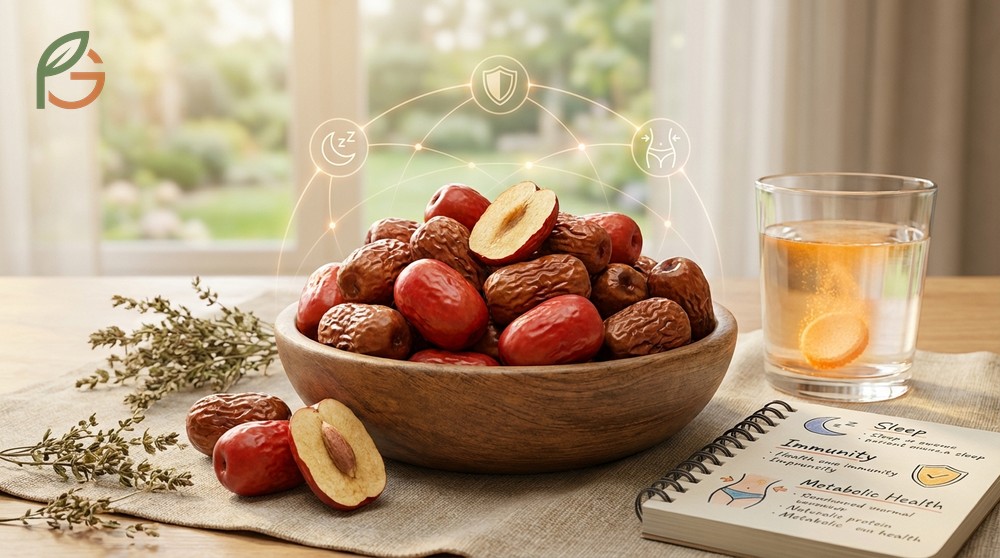
Research demonstrates that jujube dates deliver multiple health advantages through their unique nutritional profile. The fruit’s bioactive compounds work synergistically to support various body systems. Evidence from clinical trials shows measurable improvements in sleep patterns, immune function, and metabolic health when jujube is consumed regularly.
Current nutritional data indicates that jujube dates provide exceptionally high levels of vitamin C while maintaining a low caloric density. This combination makes them valuable for people seeking nutrient-dense foods that don’t contribute excessive calories. The fruit’s natural sugars provide quick energy without the processed additives found in commercial snacks.
Vitamin C Powerhouse
Studies show jujube cultivars contain between 200 to 600 mg of vitamin C per 100g fresh weight[6], with some varieties like ‘Youzao’ reaching 820mg at early maturity. This far exceeds the vitamin C content of oranges, which typically contain 53mg per 100g. Research from New Mexico State University profiled 46 jujube cultivars and found that drying cultivars consistently showed higher vitamin C levels than fresh-eating varieties.
The vitamin C content decreases during fruit maturation, with an average 40% reduction from late August to early October[6]. This means harvesting jujubes at the green-cream stage provides maximum vitamin C benefits. For US gardeners growing jujube trees, timing your harvest earlier in the season captures peak nutritional value.
Sleep Quality Enhancement
Clinical evidence reveals jujube’s powerful effects on sleep architecture and duration. A controlled study using water extract from fermented jujube showed that a 150mg/kg dose increased sleep time by 3.98-fold compared to normal controls[2]. The treatment specifically increased delta-wave activity during non-rapid eye movement (NREM) sleep by 2.47 times, indicating deeper, more restorative sleep.
Research involving postmenopausal women found that jujube seed capsules significantly improved sleep quality scores after intervention[3]. The improvement occurred without the side effects commonly associated with pharmaceutical sleep aids. Scientists attribute these effects to jujube’s phenolics, flavonoids, and triterpenic saponins, which act on the nervous system to promote relaxation.
Important Note: While research shows promising results, individual responses to jujube for sleep support may vary. People taking prescription sleep medications should consult healthcare providers before adding jujube supplements to their routine.
Antioxidant Protection
Laboratory analysis reveals that jujube pulp extracts demonstrate strong free radical scavenging activity, with an IC50 value of 53.97 µg/ml in DPPH assays[4]. This antioxidant capacity stems from high concentrations of phenolic compounds and flavonoids. The pulp contains significantly more total phenolic content (TPC) and total flavonoid content (TFC) than the seeds, making the flesh the most valuable part for antioxidant benefits.
Research indicates these antioxidant compounds help protect cells from oxidative stress and may reduce inflammation associated with chronic diseases. The concentration-dependent nature of jujube’s antioxidant activity means that regular consumption provides cumulative protective effects. For gardeners cultivating jujube trees, varieties grown in regions with high sunlight exposure often develop enhanced antioxidant profiles.
What Is Jujube Fruit
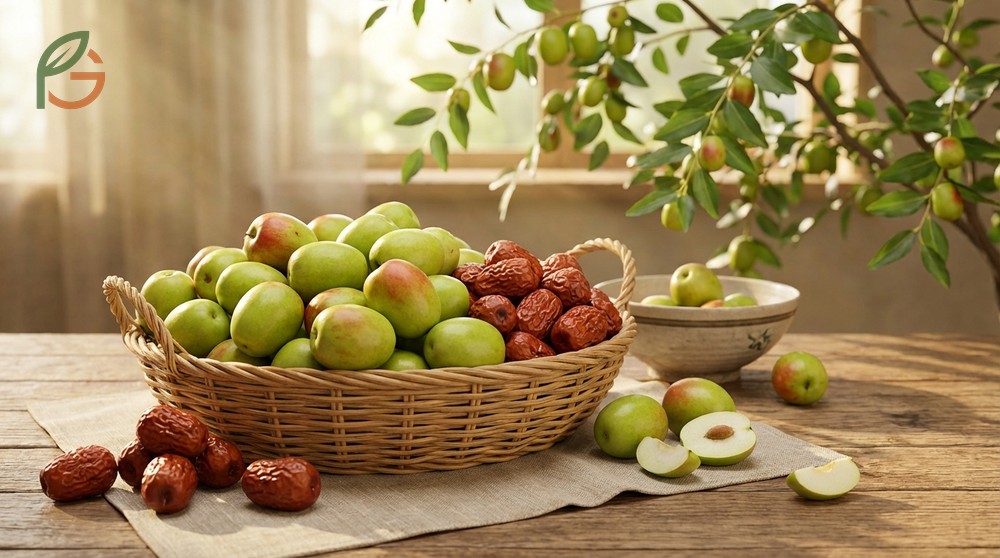
Jujube (Ziziphus jujuba Mill.) is a fruit-bearing tree native to China and Southern Asia that has gained popularity worldwide for its nutritional properties. Often called Chinese dates or red dates, jujubes are small oval fruits that transition from green to reddish-brown as they ripen. The fruit can be eaten fresh when crisp and apple-like, or dried for a chewier, sweeter texture.
Current agricultural data shows jujube cultivation has expanded significantly across the United States, particularly in warmer zones. The trees thrive in USDA hardiness zones 6-11, making them suitable for many US gardeners interested in growing their own fruit. Mature jujube trees can produce 40-100 pounds of fruit annually once established.
Botanical Background
Jujube belongs to the Rhamnaceae family and represents one of the oldest cultivated fruit trees, with over 4,000 years of documented use in traditional medicine. The trees grow 15-30 feet tall with distinctive zigzagging branches and small yellow-green flowers that bloom in late spring. Modern breeding programs have developed over 400 cultivars worldwide, each with distinct flavor profiles, sizes, and nutrient concentrations.
Agricultural research shows that jujube trees demonstrate remarkable drought tolerance once established, requiring minimal irrigation compared to other fruit trees. This resilience makes them increasingly valuable for sustainable food production in water-limited regions. FruitGarden has observed growing interest among US home gardeners who appreciate the tree’s low-maintenance nature and dual-purpose fruit for fresh eating and preservation.
- Drought-resistant once established, requiring 60-70% less water than apple trees
- Self-pollinating, though cross-pollination increases fruit yield by 20-30%
- Few pest problems compared to other fruit trees, rarely requiring chemical treatments
- Begins bearing fruit 2-3 years after planting from grafted stock
- Long harvest window from August through October, allowing multiple pickings
- Tolerates poor soil conditions but produces larger fruit in well-drained, slightly acidic soil
Jujube vs Dates
Despite sharing the common name “Chinese dates,” jujube and true dates (Phoenix dactylifera) come from completely different plant families and have distinct nutritional profiles. True dates contain 75g carbohydrates per 100g compared to jujube’s 20g[7], making jujubes significantly lower in calories and sugars. This difference matters for people monitoring carbohydrate intake or managing blood sugar levels.
True dates provide more concentrated energy from natural sugars, while jujubes offer higher vitamin C content and a different antioxidant profile. For US gardeners, jujube trees adapt to a wider range of climates than date palms, which require consistently hot, arid conditions found only in California and Arizona. Jujubes also mature much faster, producing harvestable fruit within 2-3 years versus 4-8 years for date palms.
Nutritional Value of Jujube Fruit

USDA nutritional data reveals that jujube fruits pack substantial nutrients into a low-calorie package. A 100-gram serving (approximately three medium fruits) provides only 79 calories[1] while delivering significant amounts of vitamin C, fiber, and essential minerals. This nutrient density makes jujubes valuable for people seeking maximum nutrition without excess calories.
The macronutrient breakdown shows jujubes consist of 92% carbohydrates, 5% protein, and 2% fat by caloric value. The carbohydrates come primarily from natural sugars and dietary fiber, providing both quick energy and digestive benefits. The fruit contains minimal sodium (3mg per 100g) while offering 250mg potassium[1], supporting healthy blood pressure regulation.
This table compares key nutrients in fresh jujube fruit per 100-gram serving, showing calories, macronutrients, vitamins, and minerals with their daily value percentages
| Nutrient | Amount | % Daily Value | Key Benefit |
|---|---|---|---|
| Calories | 79 kcal[1] | 4% | Low-calorie energy |
| Vitamin C | 69 mg[1] | 77% | Immune support, collagen production |
| Fiber | 6 g[5] | 24% | Digestive health, satiety |
| Potassium | 250 mg[1] | 5% | Blood pressure regulation |
| Iron | 0.48 mg[1] | 6% | Red blood cell production |
| Protein | 1.2 g | 2% | Cell repair and growth |
- Calcium (21mg per 100g): Supports bone density and muscle function
- Magnesium (10mg per 100g): Essential for energy production and nerve function
- Phosphorus (23mg per 100g): Works with calcium for bone health
- Copper (0.1mg per 100g): Aids iron absorption and collagen formation
- Manganese (0.1mg per 100g): Supports antioxidant enzyme systems
- B-vitamins including niacin and riboflavin: Facilitate energy metabolism
Dried vs Fresh Jujube: Drying concentrates nutrients and sugars, increasing calories to approximately 287 per 100g while maintaining vitamin C levels between 200-530mg per 100g depending on the drying method and cultivar.
Health Benefits of Jujube

Scientific literature documents jujube’s wide-ranging pharmacological activities across multiple body systems. Research shows bioactive compounds in jujube exert anti-inflammatory, antioxidant, and immune-modulating effects through various mechanisms. These benefits stem from the fruit’s complex phytochemical profile, including triterpenic acids, phenolic compounds, flavonoids, and polysaccharides.
Studies demonstrate that regular jujube consumption may help prevent chronic conditions including type 2 diabetes by lowering inflammation and free radical levels. The fruit’s effects on blood sugar regulation make it particularly relevant for people managing metabolic health. Evidence also suggests jujube supports cardiovascular health through multiple pathways including blood pressure regulation and cholesterol management.
Immune System Support
Research on polysaccharides extracted from jujube shows these compounds increase thymus and spleen indices while enhancing proliferation of immune cells[8] in animal models. Studies combining jujube with other botanicals demonstrated significantly enhanced immune function through oral administration. The vitamin C content further amplifies immune benefits, as just one to three jujube fruits can meet daily vitamin C requirements for most people.
Current evidence indicates jujube’s immune-strengthening effects work through multiple mechanisms beyond simple nutrient provision. The bioactive polysaccharides interact with immune cells directly, while antioxidants protect these cells from oxidative damage. This dual action makes jujube valuable during cold and flu season when immune support becomes especially important.
Digestive Health
Traditional medicine has used jujube for gastrointestinal problems for thousands of years, and modern research validates these applications. Studies show jujube can reduce gastric acid production and help protect against stomach ulcers. Research also demonstrates that jujube is highly effective in improving chronic constipation[9] through its high fiber content and other bioactive compounds.
The 6 grams of dietary fiber per 100-gram serving provides 24% of daily requirements, promoting regular bowel movements and supporting beneficial gut bacteria. Evidence suggests jujube powder modulates gut microbiota composition, increasing beneficial bacteria strains like Clostridiales. These changes in gut flora contribute to improved digestive function and may enhance overall health through the gut-brain axis.
Jujube Benefits for Skin
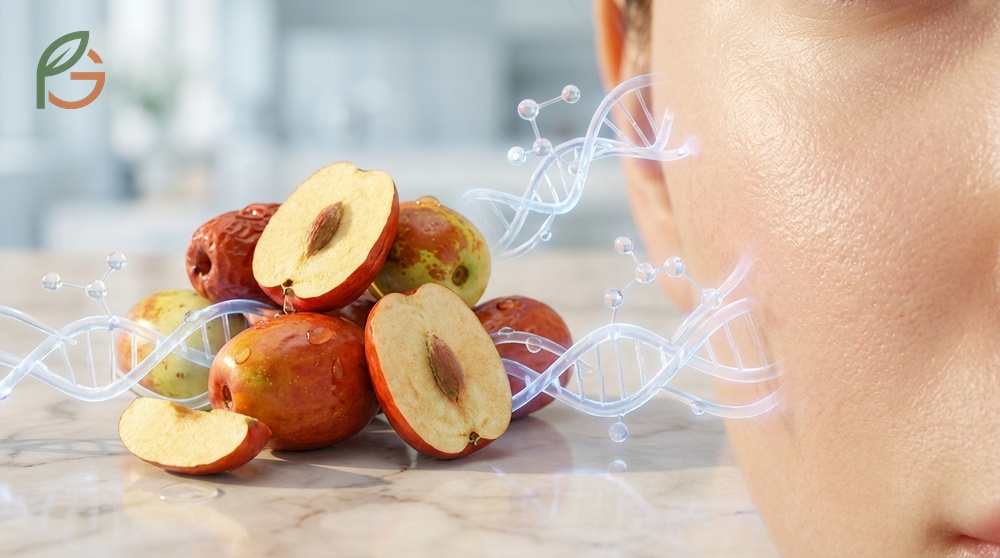
The exceptional vitamin C content in jujube fruits translates directly to skin health benefits through multiple pathways. Vitamin C serves as an essential cofactor for collagen synthesis, the protein that maintains skin elasticity and firmness. Research shows adequate vitamin C intake supports collagen production, reducing the appearance of fine lines and wrinkles while improving overall skin texture.
Studies on vitamin C’s dermatological effects demonstrate it helps reduce hyperpigmentation and brighten skin tone by inhibiting melanin production. The antioxidant properties protect skin cells from free radical damage caused by UV exposure and environmental pollutants. For people concerned about skin aging, consuming vitamin C-rich foods like jujube provides internal support that complements topical skincare products.
Evidence indicates that jujube’s zinc content and antioxidant profile work together to promote skin healing and reduce the appearance of scars. The fruit’s natural compounds support the skin’s barrier function, enhancing moisture retention and resistance to environmental stressors. Clinical observations suggest that consistent intake of high vitamin C foods accelerates wound healing and reduces post-inflammatory hyperpigmentation from acne.
- Enhances collagen production for improved skin elasticity and reduced wrinkle depth
- Provides antioxidant protection against photoaging from sun exposure
- Supports faster healing of minor cuts, scrapes, and acne lesions
- Helps fade dark spots and hyperpigmentation through melanin regulation
- Strengthens skin barrier function, reducing transepidermal water loss
- Combats oxidative stress that accelerates visible signs of aging
Optimal Timing: Consuming vitamin C-rich foods like jujube earlier in the day may provide better antioxidant protection during peak sun exposure hours. The water-soluble vitamin doesn’t store in the body, so daily intake maintains consistent skin benefits.
How to Use Jujube Dates
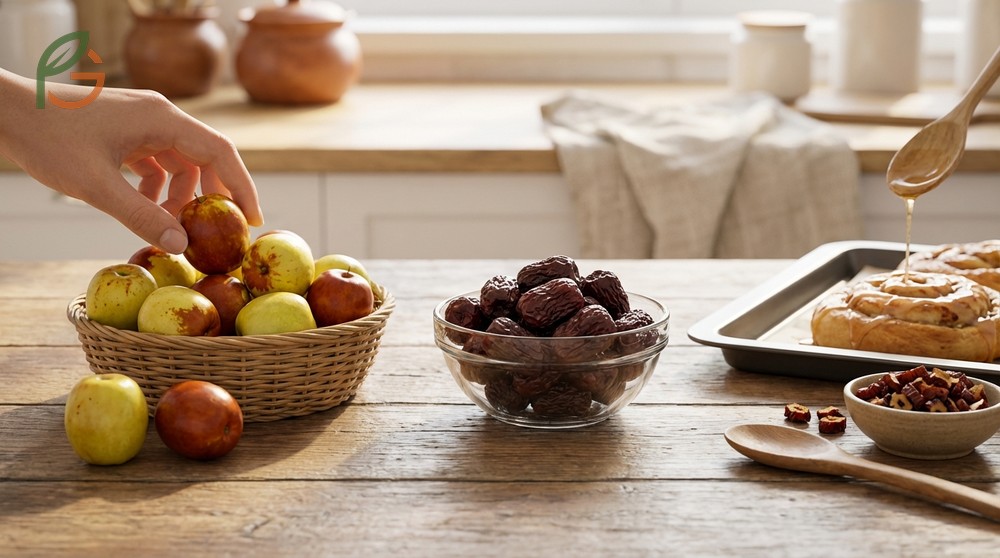
Fresh jujubes offer the most versatility in culinary applications, with a crisp, apple-like texture when harvested at the yellow-green stage. You can eat them raw as a snack, providing quick nutrition without preparation. The fruit transitions from tart to sweet as it ripens, allowing you to choose based on flavor preference and intended use.
Dried jujubes develop a chewy texture similar to conventional dates, with concentrated sweetness that works well in baking and cooking. You’ll find them excellent additions to trail mixes, granola, or eaten plain as a portable snack. The drying process preserves most nutrients while extending shelf life to 6-12 months when stored properly in airtight containers.
Traditional preparations include jujube tea, made by simmering 5-6 dried fruits in water for 15-20 minutes. This method extracts beneficial compounds while creating a naturally sweet beverage. Research suggests that tea preparations maintain vitamin C content when water temperature stays below 185°F (85°C). Many people add ginger, honey, or other warming spices to enhance flavor and additional health properties.
For cooking applications, jujubes work well in both sweet and savory dishes. You can incorporate them into rice dishes, stews, or braises where they add subtle sweetness and nutritional value. Chinese cuisine often includes jujubes in soups and congee for their health-promoting properties. When baking, chop dried jujubes to substitute for dates or raisins in cookies, muffins, and energy bars.
- Add fresh jujubes to fruit salads for crunchy texture and nutritional boost
- Blend dried jujubes into smoothies with banana and almond milk for natural sweetness
- Steep jujube tea before bed to potentially support better sleep quality
- Include chopped dried jujubes in oatmeal or yogurt for added fiber and vitamins
- Make jujube paste by simmering dried fruits and pureeing for use in pastries
- Stuff fresh jujubes with nuts and cheese as an appetizer or snack
- Add to slow-cooker chicken or pork dishes for subtle sweetness and tender meat
Home gardeners can preserve their jujube harvest through several methods beyond simple drying. You can freeze fresh jujubes after washing and patting dry, maintaining quality for up to 12 months. Candying involves simmering fruits in sugar syrup, creating a confection popular in Asian markets. Pickling unripe jujubes in vinegar creates a tangy condiment that pairs well with rich meats.
Conclusion
The evidence is clear: benefits of jujube dates extend across multiple health domains, from sleep quality and immune function to digestive health and skin vitality. With 77% of your daily vitamin C in just three fruits and powerful bioactive compounds backed by peer-reviewed research, jujubes deserve recognition as a functional food. Current agricultural guidance emphasizes sustainable cultivation methods that make jujube trees ideal for home gardens across USDA zones 6-11.
Whether you’re consuming fresh fruits from your backyard tree or incorporating dried jujubes from specialty markets, you’re accessing nutrients that modern nutritional science continues to validate. FruitGarden encourages gardeners to consider adding this low-maintenance, high-reward fruit tree to their landscape for both ornamental value and health-promoting harvests.
Medical Disclaimer
Important Medical Disclaimer: This content is for informational and educational purposes only. It is not intended as a substitute for professional medical advice, diagnosis, or treatment. Always consult a qualified healthcare professional before making any changes to your diet, taking herbal supplements, or starting any health regimen, especially if you have diabetes, sleep disorders, are pregnant, nursing, or taking prescription medications. Individual responses to jujube may vary, and potential interactions with medications have not been fully studied.
Frequently Asked Questions
How Many Jujube Fruits Should I Eat Daily?
Research suggests eating 3-5 fresh jujubes (approximately 100-150g) daily provides substantial vitamin C and fiber without excessive calories. This amount delivers 77-115% of your daily vitamin C requirement while contributing only 79-119 calories. Start with 2-3 fruits if you’re new to jujubes and gradually increase based on how your digestive system responds to the fiber content.
Can Jujube Dates Help With Weight Loss?
Studies indicate that high-fiber foods like jujube support weight management by promoting satiety and reducing overall calorie consumption. The 6g of fiber per 100g serving helps you feel fuller longer, potentially decreasing snacking between meals. However, dried jujubes contain concentrated sugars (287 calories per 100g), so portion control matters—stick to fresh fruit or limit dried jujubes to 5-6 pieces daily for weight management goals.
What’s the Difference Between Fresh and Dried Jujube Benefits?
Fresh jujubes provide more water content and slightly lower calorie density (79 vs 287 calories per 100g), while dried versions concentrate nutrients including vitamin C, which can reach 200-530mg per 100g depending on cultivar. Research shows both forms retain beneficial bioactive compounds, but dried jujubes offer convenience and longer storage. Fresh fruits work better for hydration and lower-sugar diets, while dried versions excel in teas and cooking applications.
Do Jujube Dates Really Improve Sleep Quality?
Clinical trials demonstrate significant sleep improvements with jujube consumption, particularly using seed extracts. One study showed a 3.98-fold increase in sleep time with 150mg/kg jujube extract, while research on postmenopausal women found statistically significant improvements in sleep quality scores after jujube seed capsule intervention. The effects likely stem from phenolics, flavonoids, and triterpenic saponins that interact with neurotransmitter systems.
Are Jujube Dates Safe for Diabetics?
Research suggests jujubes may help lower inflammation and free radical levels associated with type 2 diabetes, but their natural sugar content requires careful portion management. Fresh jujubes contain 20g carbohydrates per 100g with a relatively low glycemic index, making them preferable to dried versions for blood sugar control. People with diabetes should monitor glucose response when first introducing jujubes and consult their healthcare provider about appropriate serving sizes within their meal plan.
Where Can I Buy Fresh Jujube Fruit in the United States?
Fresh jujubes appear in Asian grocery stores and specialty markets from August through October during peak harvest season. Some farmers’ markets in California, Texas, and other warm-climate states carry locally grown jujubes. Online retailers ship fresh fruit during harvest months, though quality varies with shipping time. For year-round access, dried jujubes are widely available in Asian markets, health food stores, and online retailers—look for fruits that remain pliable rather than rock-hard.
Can I Grow Jujube Trees in My Home Garden?
Jujube trees thrive in USDA hardiness zones 6-11, making them suitable for most US growing regions except the coldest northern areas. They require full sun, tolerate poor soil, and need minimal water once established—60-70% less than apple trees. Grafted trees begin producing fruit within 2-3 years and can yield 40-100 pounds annually at maturity. The trees’ drought tolerance and low pest pressure make them excellent choices for sustainable home fruit production.





