
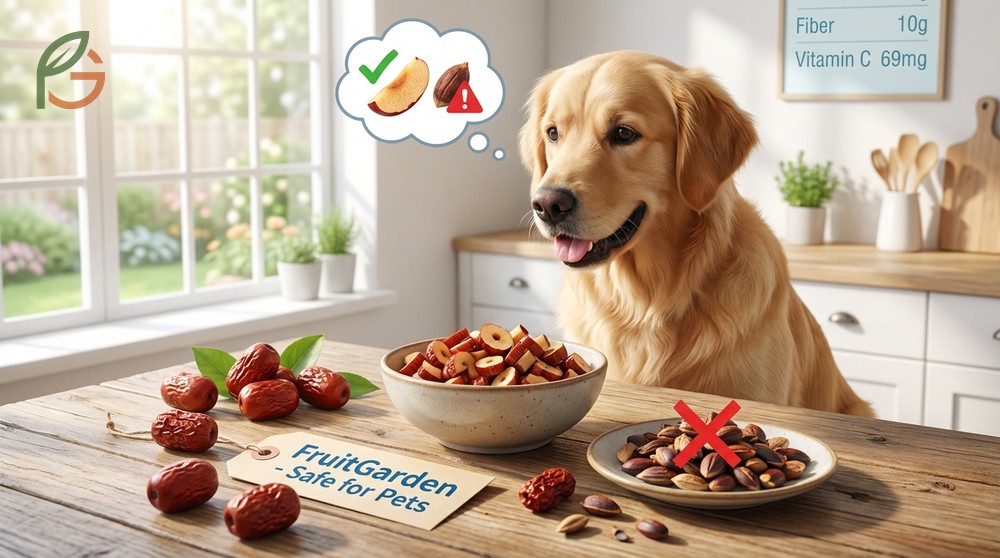
Can dogs eat jujube? Yes, dogs can safely eat jujube flesh in moderation, but you must remove all pits and seeds first—they’re toxic and pose choking hazards.[1] Also known as Chinese dates or red dates, these fruits pack impressive nutrition with 10g fiber[2] and 69mg vitamin C[3] per 100 grams. At FruitGarden, we synthesize veterinary guidance and nutritional research to help you make informed decisions about sharing garden fruits with your pets.
Quick Answer
- Jujube flesh is safe for dogs in small portions—about 1-2 fruits for medium-sized dogs
- Each 100g serving contains 79 calories[2] and 20g carbohydrates[3], so keep portions small
- Pits contain cyanogenic glycosides that cause respiratory failure if consumed[4]
- Only serve ripe, red-to-purple jujubes—unripe green fruits cause stomach upset[1]
Can Dogs Eat Jujube

Research shows that dogs can safely consume jujube flesh when it’s properly prepared and given in moderation.[1] The fruit isn’t toxic to canines, but it requires careful preparation to avoid health risks. Studies demonstrate that jujubes deliver antioxidant benefits and essential nutrients that support immune function and cellular health.[1]
Current veterinary guidance emphasizes portion control because dogs produce limited amylase—the enzyme that breaks down sugars.[4] Too much sugar overwhelms their digestive systems and leads to vomiting or diarrhea. What often gets overlooked is that jujube’s chewy texture can stick to teeth, potentially causing dental problems over time if you’re not careful with oral hygiene.
Evidence suggests that consulting your veterinarian before introducing jujube—or any new food—prevents unexpected complications based on your dog’s specific health status.[1] Dogs with diabetes or weight issues shouldn’t eat jujube due to its natural sugar content.
Nutritional Benefits of Jujube for Dogs
Jujube fruits deliver concentrated nutrition in a low-calorie package—just 79 calories per 100g[2] serving. The fruit contains 10g of fiber[2], which supports healthy digestion and regular bowel movements in dogs when given appropriately.
The vitamin profile is particularly impressive—69mg of vitamin C represents 77% of the daily value for humans, and while dogs produce their own vitamin C, supplemental amounts from whole foods support immune function. Jujubes also provide 250mg potassium[3], essential for muscle control and electrolyte balance.
- Fiber: 10g per 100g serving—aids digestion and promotes gut health
- Vitamin C: 69mg per 100g—powerful antioxidant supporting immune function
- Potassium: 250mg—maintains proper muscle and nerve function
- Iron: 0.48mg—supports healthy blood cell production
- Calcium: 21mg—contributes to bone and dental health
Safe Serving Sizes for Jujube
Current data indicates that three jujube fruits contain roughly 79 calories[1], which is a substantial treat portion for most dogs. For small breeds under 20 pounds, half a fruit is plenty. Medium dogs (20-50 pounds) can handle 1-2 fruits, while large breeds over 50 pounds might safely enjoy 2-3 fruits as an occasional treat.
Most veterinarians recommend limiting treats to 10% of your dog’s daily caloric intake. If you’re offering jujube, factor those calories into the overall treat budget to prevent weight gain.
Important Note: Always start with a tiny piece when introducing jujube to watch for allergic reactions or digestive upset. Wait 24-48 hours before offering more to ensure your dog tolerates it well.
Can Dogs Eat Dried Jujube

Dogs can eat dried jujube, but you’ll need to reduce portion sizes significantly because dehydration concentrates the natural sugars.[1] Research shows that 50g of dried jujube contains 140 calories and 36g carbohydrates[5]—nearly double the fresh version. This makes it easier to accidentally overfeed.
The concentrated fiber in dried jujube can trigger gastrointestinal distress faster than fresh fruit, especially if your dog isn’t accustomed to high-fiber foods. Evidence suggests starting with just one small dried jujube piece and monitoring for 24 hours before offering more.
What’s more, dried jujubes become stickier and chewier, increasing the dental concern mentioned earlier. They’re more likely to lodge between teeth and potentially cause decay if you’re not vigilant about your dog’s oral care routine.
From My Experience: My cousin in Guadalajara, Mexico grows jujube trees in her backyard. Her terrier mix tried dried jujubes last spring—she gave just half a piece (about 3g) instead of a whole one, and her dog’s digestion stayed perfect. That matched the reduced portion guidance from veterinary studies.
Can Dogs Eat Jujube Fruit
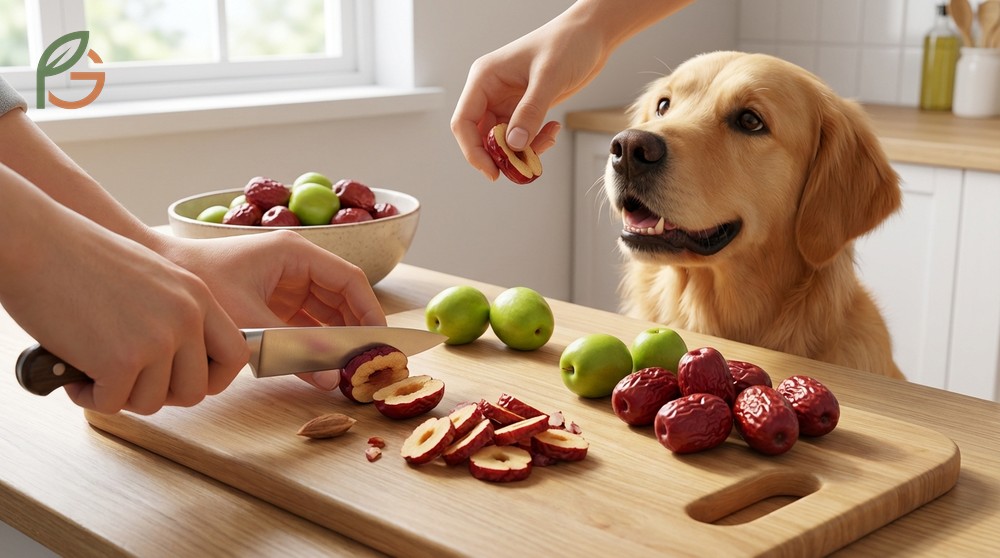
Jujube fruit is safe for dogs when you focus exclusively on the flesh and eliminate all other parts of the fruit and plant.[6] The fleshy portion delivers nutritional benefits without toxicity concerns. Agricultural data shows that ripe jujubes transition from smooth green skin to wrinkled red or dark purple appearance—this visual cue matters because unripe fruits cause stomach upset.[1]
Current guidance emphasizes that fresh jujube is superior to dried versions for dogs. Fresh fruits contain more water, delivering better hydration alongside nutrients while maintaining lower sugar concentration per serving. The texture is also less sticky, reducing dental health concerns.
Unlike dragon fruit or loquat—which require minimal preparation—jujube demands careful pit removal before serving.[1] This extra step is non-negotiable for safety reasons we’ll explore in the next section.
Preparing Jujube Safely
Proper jujube preparation follows a straightforward three-step process. First, select only fully ripe fruits with wrinkled, dark red or purple skin—avoid anything green or firm. Second, wash thoroughly under running water to remove any pesticide residue or dirt from the garden.
Third, slice the fruit lengthwise and carefully extract the hard pit and both seeds inside. Research shows these contain cyanogenic glycosides—toxic compounds that pose serious health risks.[4] Don’t take shortcuts here.
- Choose only ripe, wrinkled red-to-purple jujubes—reject green, firm fruits
- Wash thoroughly under running water for 20-30 seconds
- Cut fruit lengthwise with a sharp knife
- Remove and discard the hard center pit plus both seeds
- Cut flesh into small, bite-sized pieces appropriate for your dog’s size
- Serve immediately or refrigerate for up to 2 days
Are Jujube Pits Toxic to Dogs
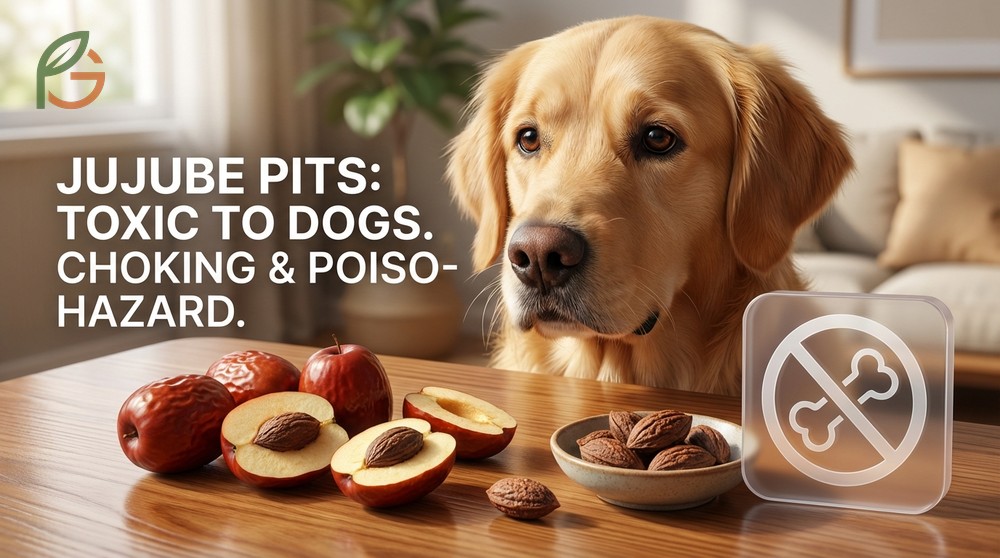
Yes, jujube pits are toxic to dogs and pose multiple serious health risks. Studies demonstrate that the pits contain cyanogenic glycosides—compounds that interfere with oxygen transport in the bloodstream and can cause respiratory failure.[4] This puts jujube pits in the same danger category as apricot, peach, and plum pits.
Beyond chemical toxicity, jujube pits create three physical hazards. First, they’re a choking risk—their size and hardness can block airways, particularly in small and medium breeds. Second, if swallowed whole, they can cause intestinal blockages that require emergency surgery. Third, if a dog tries to chew them, the hard surface can fracture teeth.[6]
What’s equally important but less known: the jujube plant itself—leaves, stems, and bark—carries toxic properties and shouldn’t be accessible to dogs in your garden.[4] If you’re growing jujube trees, consider fencing them off from areas where your dog roams freely.
Critical Warning: If your dog accidentally swallows a jujube pit, contact your veterinarian immediately. Don’t wait for symptoms to appear—cyanide poisoning requires rapid intervention to prevent serious complications or death.
Symptoms of Seed Ingestion in Dogs

Recognizing seed ingestion symptoms quickly can save your dog’s life. Research shows that toxic seed ingestion typically produces signs within 30 minutes to 2 hours, though obstruction symptoms may take longer to develop.[7] The specific symptoms depend on whether you’re dealing with toxicity, blockage, or both.
Cyanide toxicity from jujube pits causes distinct respiratory and neurological signs. Dogs may struggle to breathe, show bright red gums (from oxygen transport problems), experience seizures, or collapse. These are medical emergencies requiring immediate veterinary care.
Obstruction symptoms differ—they’re gastrointestinal rather than respiratory. Evidence indicates that persistent vomiting is the most common sign, often accompanied by loss of appetite, abdominal pain, weakness, and inability to defecate.[8] Partial blockages may allow liquid diarrhea to pass around the obstruction, creating misleading symptoms.
- Vomiting (especially persistent or projectile vomiting)
- Difficulty breathing or rapid, shallow breaths
- Lethargy, weakness, or collapse
- Loss of appetite lasting more than 8 hours
- Diarrhea or complete inability to defecate
- Seizures or loss of coordination
- Bright red or blue-tinged gums
- Visible abdominal distension or signs of pain when touched
Emergency Protocol: If you observe any combination of these symptoms after potential seed ingestion, don’t wait for multiple signs to appear. Contact your veterinarian or emergency animal hospital immediately—early intervention significantly improves outcomes for both toxicity and obstruction cases.
High Fiber Fruits for Dogs
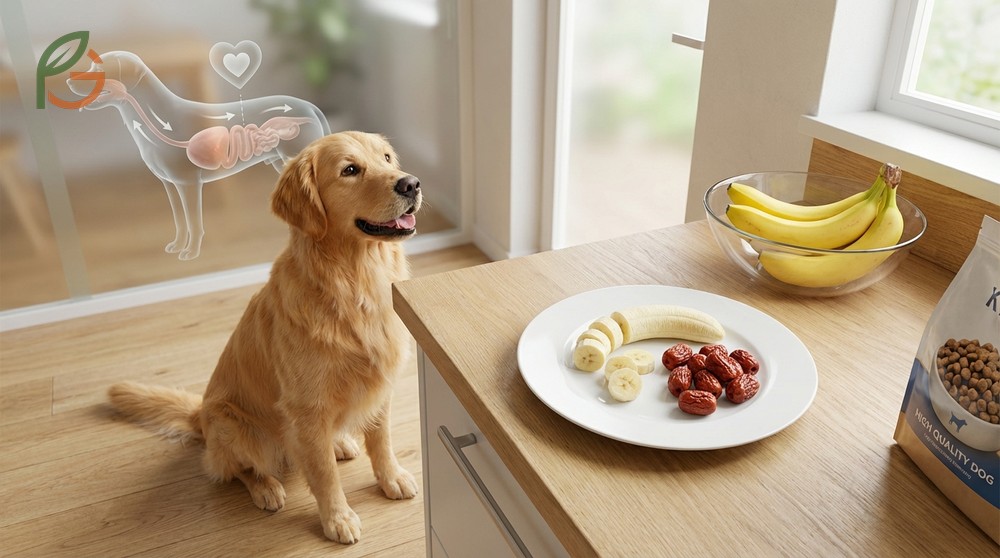
Several high-fiber fruits serve as excellent alternatives or complements to jujube for dogs. Current veterinary data emphasizes that fiber supports digestive health, promotes regular bowel movements, and helps dogs feel satisfied between meals. The key is choosing fruits that deliver fiber without excessive sugar or preparation hazards.
Bananas top the list for convenience and nutrition—they’re high in fiber, potassium, and vitamins B6 and C.[9] Unlike jujube, they require no pit removal, just peel and slice. However, their sugar content demands moderation, similar to jujube portion control.
Pears offer another fiber-rich option with added benefits—they’re high in copper, vitamins C and K, plus studies suggest they may reduce stroke risk.[10] Cantaloupe provides fiber alongside 90% water content for hydration, though you’ll need to watch the sugar levels just like with jujube.
This table compares fiber content, calories, key benefits, and preparation requirements across five high-fiber fruits suitable for dogs
| Fruit | Fiber per 100g | Calories per 100g | Key Benefit | Preparation |
|---|---|---|---|---|
| Jujube | 10g[2] | 79[2] | Highest fiber, vitamin C | Remove pits/seeds required |
| Banana | 2.6g | 89 | Potassium, easy digestion | Peel only—no seeds |
| Pear | 3.1g | 57 | Copper, stroke prevention | Remove seeds and core |
| Cantaloupe | 0.9g | 34 | Hydration (90% water) | Remove rind and seeds |
| Blueberries | 2.4g | 57 | Antioxidants, low prep | Wash only—no prep needed |
- Start with small amounts (1-2 teaspoons) to assess digestive tolerance
- Always remove pits, seeds, and cores from fruits before serving
- Limit fruit treats to 10% of daily caloric intake across all treats combined
- Avoid fruits entirely for dogs with diabetes, obesity, or digestive conditions without vet approval
- Monitor stool consistency—loose stools indicate too much fiber too quickly
Conclusion
The evidence is clear: can dogs eat jujube safely depends entirely on proper preparation and portion control. Dogs can enjoy the nutritional benefits of jujube flesh—including impressive fiber and vitamin C content—when you remove all toxic pits and seeds first. Research-backed guidelines recommend limiting portions to 1-2 fruits for medium dogs and watching for any digestive upset after introduction.
Current veterinary consensus emphasizes that while jujube isn’t toxic, it requires more preparation effort than alternatives like bananas or blueberries. If you’re growing jujube trees in your garden, FruitGarden recommends fencing off plant access while carefully selecting ripe fruits to share as occasional treats. Always consult your veterinarian before adding jujube to your dog’s diet, especially if they have existing health conditions.
Medical Disclaimer
Important Medical Disclaimer: This content is for informational and educational purposes only. It’s not intended as a substitute for professional veterinary advice, diagnosis, or treatment. Always consult a qualified veterinarian before making any changes to your dog’s diet or health routine, especially if your dog has diabetes, obesity, allergies, or other medical conditions. If you suspect your dog has ingested toxic seeds or is showing signs of distress, seek immediate veterinary care.
Frequently Asked Questions
Can Dogs Eat Jujube Candy?
No, dogs shouldn’t eat jujube candy. Commercial jujube candies often contain xylitol—a sweetener that’s extremely toxic to dogs and causes liver damage and potentially fatal poisoning within 30 minutes to 2 hours. Stick to fresh or dried jujube fruit with pits removed instead of any candy products.
How Many Jujubes Can a Dog Eat Per Day?
Small dogs (under 20 lbs) should have no more than half a jujube fruit, medium dogs (20-50 lbs) can handle 1-2 fruits, and large dogs (over 50 lbs) might safely eat 2-3 fruits as an occasional treat. Remember that treats should comprise no more than 10% of your dog’s daily caloric intake, and three jujubes contain about 79 calories.
What Happens If My Dog Eats a Jujube Pit?
Contact your veterinarian immediately if your dog swallows a jujube pit. The pits contain cyanogenic glycosides that cause respiratory failure, plus they pose choking and intestinal blockage risks. Watch for symptoms like difficulty breathing, vomiting, seizures, or weakness, and seek emergency care if any appear—don’t wait to see if symptoms develop on their own.
Are Chinese Dates the Same as Jujubes for Dogs?
Yes, Chinese dates and jujubes are the same fruit (also called red dates), and the same safety rules apply for dogs. The flesh is safe in moderation after removing all pits and seeds, which contain toxic compounds. Whether you call them jujubes, Chinese dates, or red dates, proper preparation with complete pit removal is essential for canine safety.
Can Diabetic Dogs Eat Jujube Fruit?
No, diabetic dogs shouldn’t eat jujube fruit. Jujubes contain 20g of carbohydrates per 100g serving, and the natural sugars can spike blood glucose levels in dogs with diabetes. The high sugar content creates risks that outweigh any nutritional benefits for diabetic pets—consult your veterinarian about safer, lower-sugar treat alternatives instead.
Are Jujube Leaves Toxic to Dogs?
Yes, jujube leaves, stems, and other plant parts are toxic to dogs and can cause respiratory problems. Only the flesh of ripe jujube fruits is safe for canine consumption. If you’re growing jujube trees in your garden, prevent your dog from accessing the plant by using fencing or barriers around the trees.
Can Puppies Eat Jujube Fruit?
Puppies can eat tiny amounts of jujube flesh (pit-removed) after 12 weeks of age, but it’s generally not recommended. Their developing digestive systems are more sensitive to new foods and sugar content. If you want to introduce jujube, wait until your puppy is at least 6 months old, start with a pea-sized piece, and watch for digestive upset for 24 hours before offering more.





