Pruning Black Raspberries: Primocane vs Floricane Guide
Pruning Black Raspberries requires knowing primocane vs floricane differences. Summer tip at 28-30 inches, remove floricanes after harvest for maximum yields.

 Taki Lockman
 Pruning Black Raspberries requires knowing primocane vs floricane differences. Summer tip at 28-30 inches, remove floricanes after harvest for maximum yields.
How To Grow Black Raspberries in zones 5-8. Plant canes 2.5 feet apart, maintain pH 5.6-6.2, and harvest 3,900+ lbs per acre with proper care and pruning techniques.
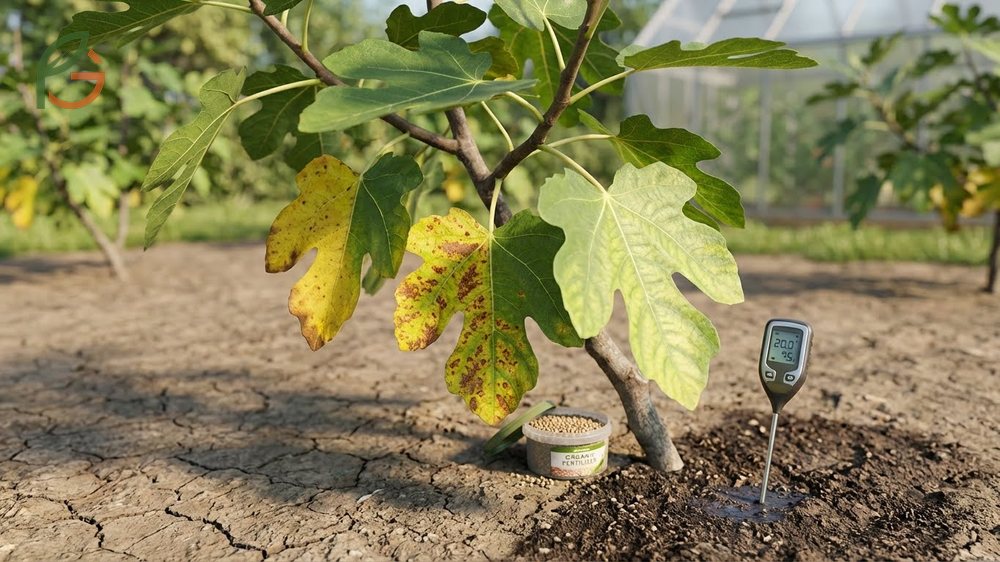
Fig tree leaves turning yellow? Learn the exact causes—from overwatering to nutrient deficiency—plus proven fixes to restore your fig tree’s health fast.
Black raspberry vs red raspberry differ in flavor, anthocyanin content, and growing habits. Black raspberries contain 318-627mg anthocyanins per 100g—up to 4x more than red varieties.
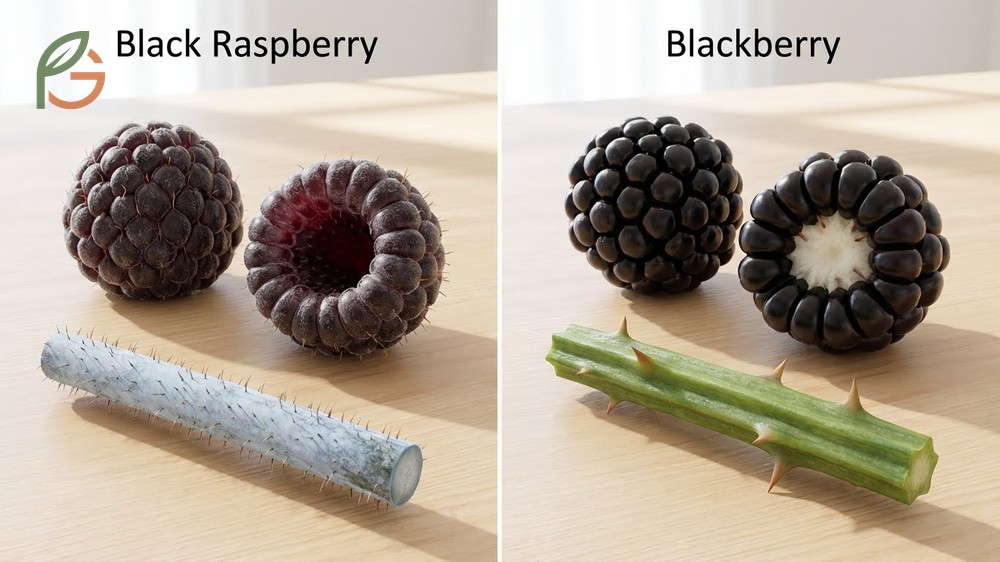
Black Raspberry vs Blackberry: Learn how to identify them by stems, leaves, and core. Discover key differences in taste, nutrition, and growing requirements.
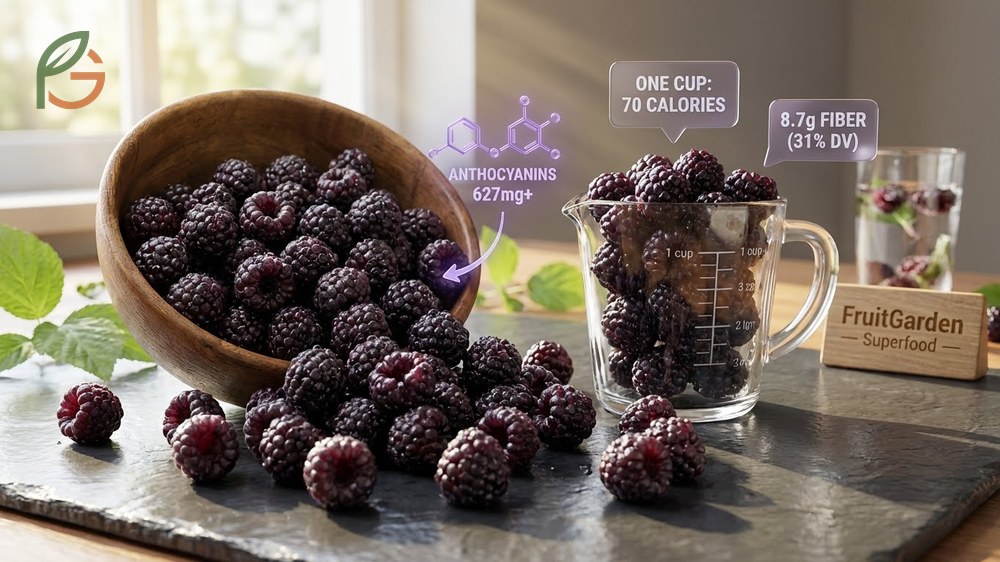
Black raspberry nutrition facts reveal 70 calories, 8.7g fiber, and 627mg anthocyanins per cup. Discover vitamin content, health benefits, and nutritional value.

Black raspberry health benefits include powerful antioxidants with 10x the capacity of common fruits, anti-inflammatory compounds, and cancer-fighting properties proven in research.
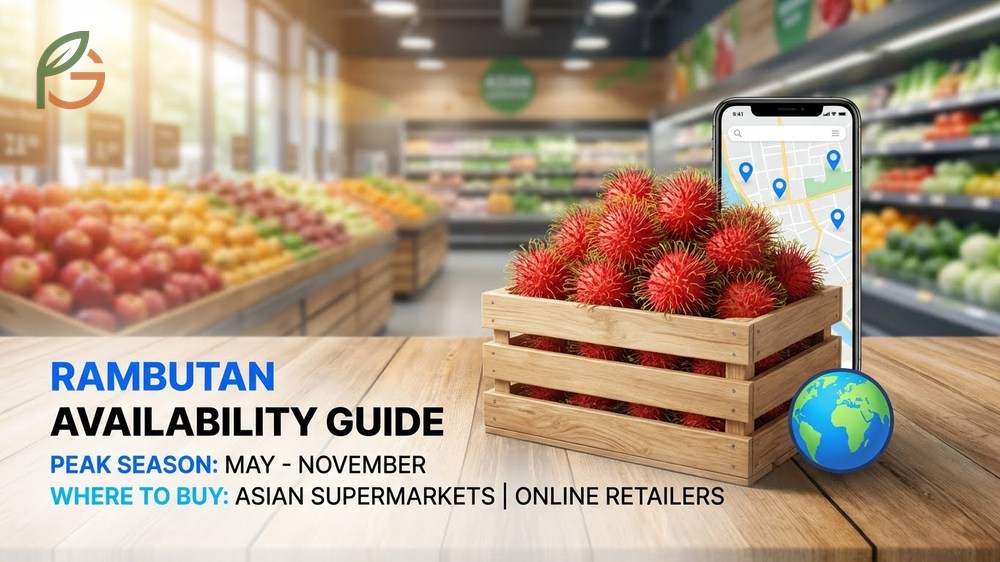
Where to buy rambutan? Find fresh rambutan at Asian markets, Whole Foods, or online retailers like Miami Fruit. Peak season runs May-November with best prices.
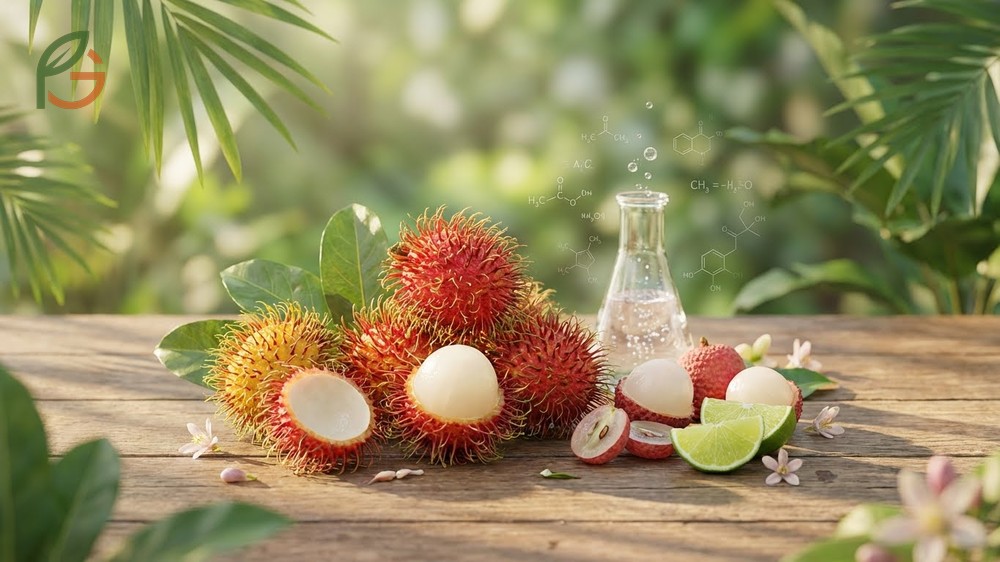
What does rambutan taste like? It’s a sweet, floral blend with grape and lychee notes. Discover texture, origins, and growing tips for this Southeast Asian tropical fruit.
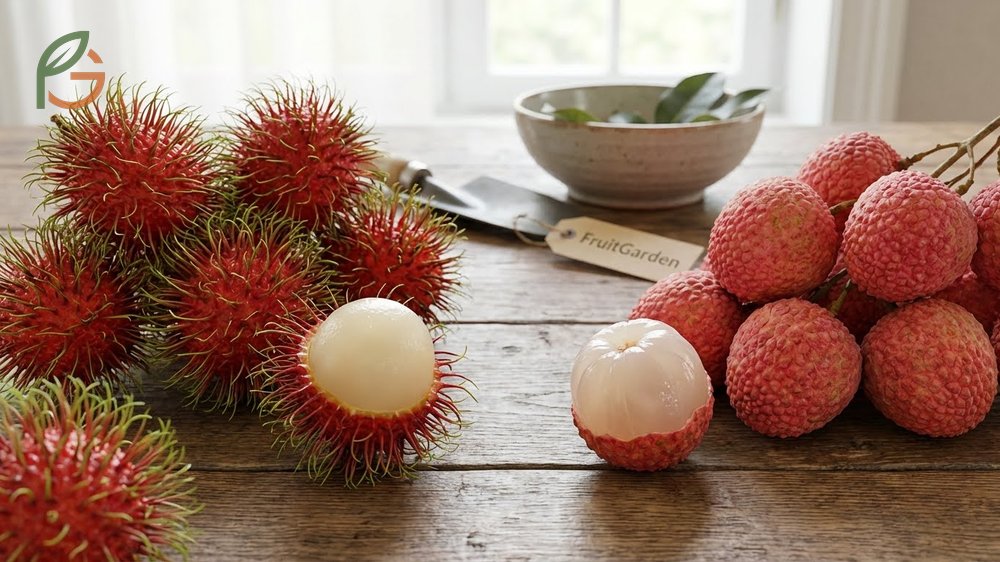
Rambutan Vs Lychee Fruit comparison reveals distinct differences in appearance, taste, and nutrition. Learn which exotic fruit suits your garden best.