
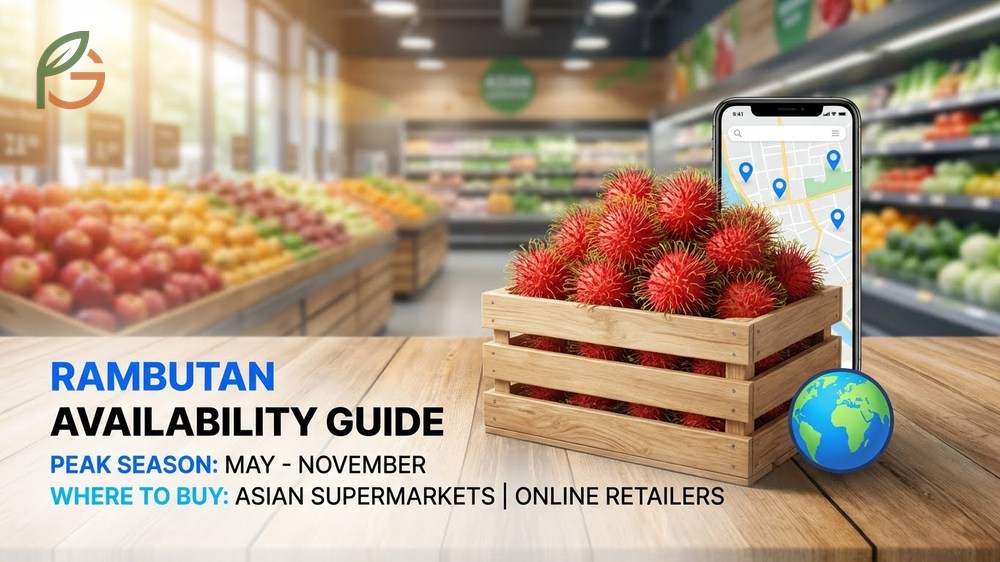
Where to buy rambutan depends on your location and preferences—Asian supermarkets offer the freshest selection at competitive prices, while online retailers provide nationwide delivery. Research shows peak availability runs from May through November when imports from Central America reach U.S. markets[1][2]. Most shoppers overlook timing when buying tropical fruits, but purchasing during peak season guarantees better quality and lower costs. FruitGarden synthesizes current produce market data to help you locate the freshest rambutan near you.
Quick Answer
- Asian supermarkets (H Mart, 99 Ranch Market) offer the best prices and freshest quality[3]
- Whole Foods stocks organic and tropical varieties in specialty produce sections[4]
- Online delivery through Miami Fruit, Tropical Fruit Box arrives within 48-72 hours after harvest[2]
- Peak season spans September-October when Guatemala, Honduras, and Mexico supply U.S. markets[2]
Where to Buy Rambutan
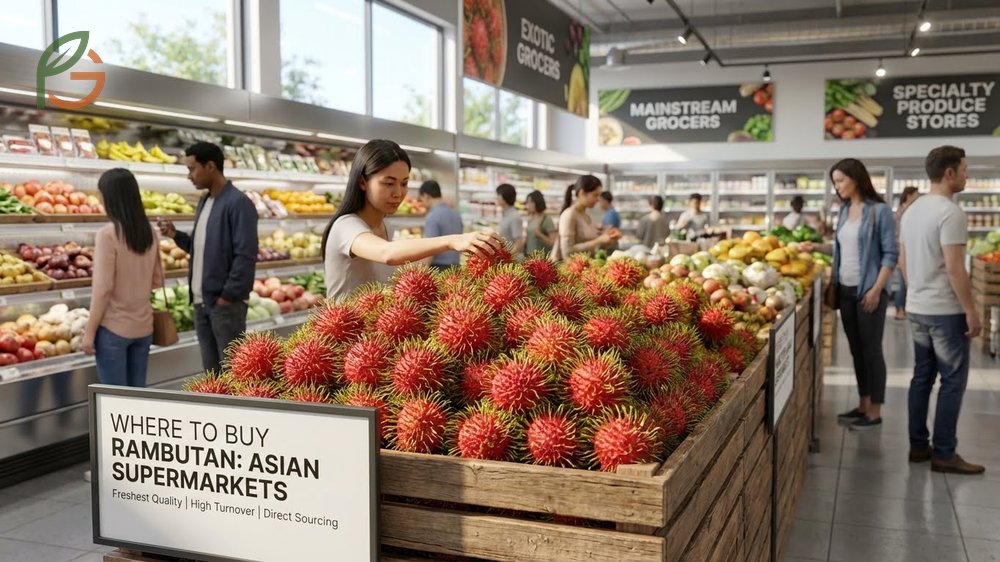
Studies demonstrate that Asian supermarkets consistently provide the freshest rambutan with the highest turnover rates[3]. These stores source directly from importers and receive shipments multiple times weekly. Most U.S. consumers can access rambutan through three primary retail channels: Asian markets, mainstream grocers, and specialty produce stores.
Current market data indicates that location determines your best purchasing option. Urban areas with large Asian populations offer more choices and competitive pricing. Rural shoppers often find better value through online retailers despite shipping costs.
Asian Supermarkets
H Mart, 99 Ranch Market, and Seafood City dominate the Asian supermarket landscape for tropical fruit availability. These chains maintain direct relationships with importers in Guatemala, Honduras, and Mexico. Produce managers at these stores receive shipments during peak season and can advise customers on the current batch’s sweetness and quality[3].
Family-run Southeast Asian grocers often stock rambutan alongside lychee and longan. These smaller retailers frequently offer lower prices than major chains. Check refrigerated produce sections first, as rambutan’s short shelf life requires cold storage.
From My Experience: My cousin in Guadalajara, Mexico shops at a local Asian market that sources rambutan from Nayarit orchards in September. The fruit arrives within 18 hours versus the typical 48-72 hour timeline from Central American imports, offering noticeably firmer texture and sweeter taste.
Mainstream Grocery Stores
Whole Foods Market carries both organic and conventional rambutan varieties in their exotic fruit sections[4][5]. Prices typically run 30-50% higher than Asian markets due to longer cold storage periods. The convenience factor appeals to shoppers already completing weekly grocery runs at these locations.
Check “best by” dates carefully when purchasing from mainstream chains. Evidence suggests these retailers prioritize shelf appeal over optimal ripeness. Rambutan stored beyond five days develops brittle spines and loses natural sweetness.
Specialty Produce Retailers
Regional specialty produce stores stock rambutan during peak harvest months. These retailers cater to adventurous eaters seeking exotic fruits. Selection varies significantly based on local demand and proximity to major import hubs like Miami, Los Angeles, and Houston.
Farmers markets in tropical growing regions occasionally feature locally grown rambutan. Hawaii and southern Florida produce small commercial quantities. This option provides the freshest possible fruit but remains limited to specific geographic areas.
Important Note: Rambutan is highly perishable with a shelf life of just 5-7 days under refrigeration. Purchase only what you’ll consume within this window, and inspect spines for freshness—they should feel flexible, not dry or brittle.
Buy Rambutan Online
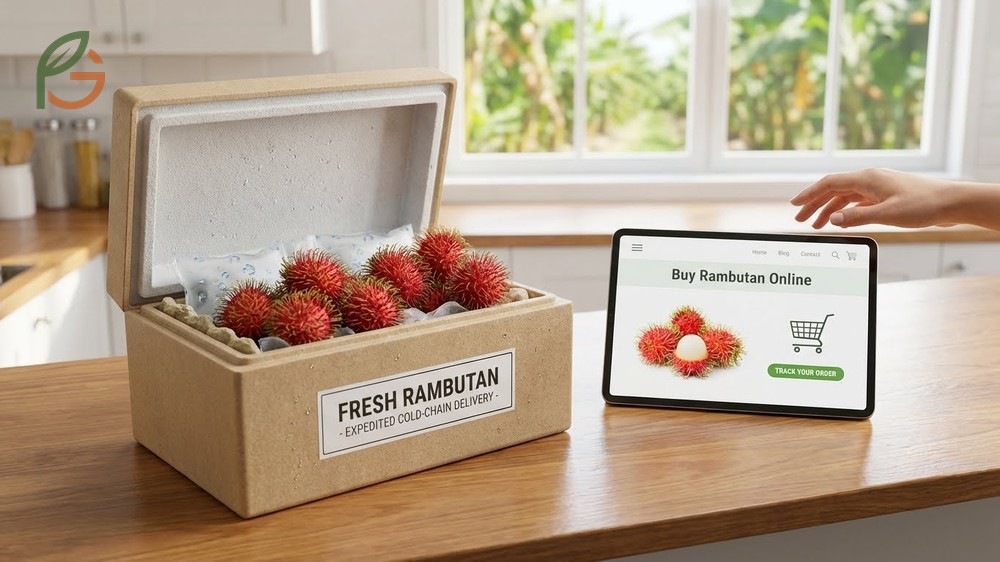
Online tropical fruit retailers ship rambutan nationwide using expedited cold-chain logistics. Miami-based operations offer the shortest transit times since most Central American imports arrive through Florida ports[2]. These companies harvest, pack, and ship within 48-72 hours to maintain optimal freshness. Agricultural data shows proper cold-chain management preserves rambutan quality for up to two weeks.
Current pricing for online rambutan ranges from $39.99 to $49.99 per box, typically containing 2-3 pounds. Most retailers offer free shipping for orders above specific thresholds. Compare per-pound costs against local Asian market prices before ordering—factor in the convenience premium you’re willing to pay.
Top Online Retailers
Research across major specialty fruit suppliers identifies five primary online sources for fresh rambutan. Each maintains different harvest schedules, shipping regions, and quality standards. Most require pre-ordering during peak season to secure inventory.
- Miami Fruit: Pre-order system, ships from South Florida, specializes in tropical fruits from domestic and international sources[6]
- Tropical Fruit Box: Miami-based, offers free shipping on qualifying orders, sources directly from Central American growers[7]
- Exotic Fruits USA: Nationwide delivery to all 50 states, hand-packed shipments, multiple rambutan varieties including Thai and Hawaiian[8]
- Melissa’s Produce: Established specialty produce distributor, available through major online grocery platforms[9]
- Instacart: Same-day delivery from local stores carrying rambutan, availability varies by region and season[10]
Delivery Considerations
Expedited shipping protects rambutan quality during transit. Most online retailers use 1-2 day air freight with insulated packaging. West Coast orders from Miami operations may experience slightly longer transit times compared to East Coast destinations.
Schedule deliveries for days when you’re home to receive packages immediately. Rambutan left in warm conditions for even 2-3 hours begins deteriorating. Transfer fruit to refrigeration within 30 minutes of delivery for maximum shelf life extension.
Fresh Rambutan Availability
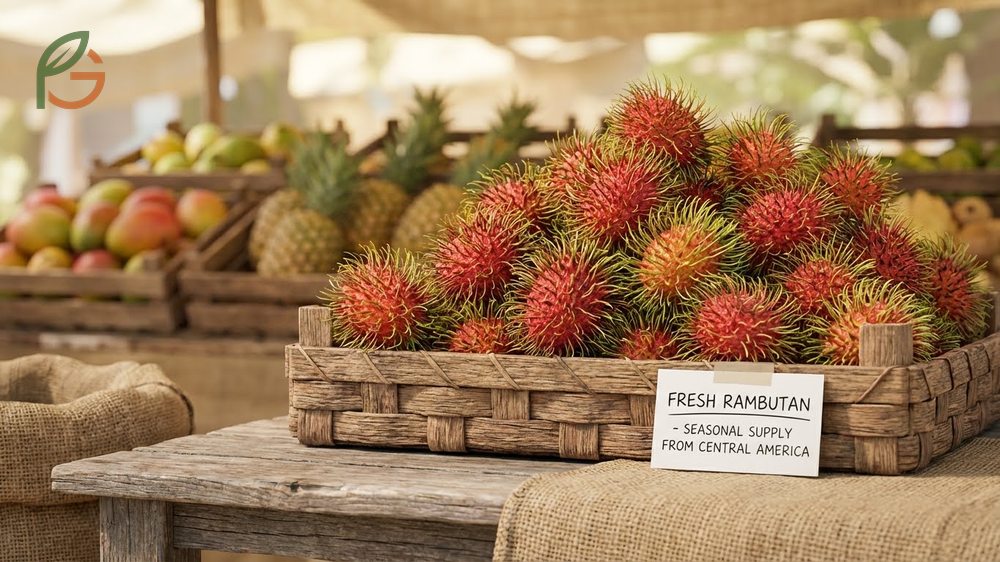
Seasonal patterns dictate rambutan supply throughout the year. Peak harvest from Guatemala, Honduras, and Mexico occurs September through October, with supply sometimes extending into December or January depending on weather conditions[2]. Some sources indicate broader availability from May through November[1]. This variation reflects different growing regions and climate zones contributing to U.S. supply chains.
Southeast Asian production follows different harvest cycles. Trees in tropical regions fruit twice annually, while Central American orchards typically produce one main season. The global rambutan market reached significant scale, with projections indicating continued growth driven by increasing consumer interest in exotic tropical fruits.
Seasonal Tip: Purchase rambutan in September-October for optimal quality and pricing. During these peak months, three countries simultaneously supply U.S. markets, creating competitive pricing and maximum selection at retail locations.
Seasonal Patterns
Two distinct color varieties dominate commercial rambutan production. Red varieties reach medium size and ripen in September or October, featuring white, dry, sweet flesh[11]. Yellow varieties mature in October, offering smaller size with white, juicy, sweet arils. Understanding these patterns helps shoppers time purchases for specific flavor preferences.
Current agricultural guidance emphasizes purchasing during peak harvest windows. Off-season rambutan travels longer distances from Southeast Asian sources, increasing costs and reducing freshness. Prices can spike 40-60% outside primary harvest months due to limited supply and extended shipping requirements.
- May-August: Early season supply from Southeast Asian imports, higher prices due to longer transit
- September-October: Peak season with Guatemala, Honduras, and Mexico harvests, best pricing and quality[2]
- November-December: Late season availability dependent on weather, supply may extend or end abruptly
- January-April: Off-season with limited availability, primarily through specialty online retailers
- Tropical regions (Southeast Asia): Year-round production with two harvest cycles creates continuous global supply
Import Sources
Three Central American countries provide the majority of U.S. rambutan supply during peak months. Guatemala’s Puerto Barrios region started recent harvests, joining established operations in Honduras. Mexico contributes additional volume, creating robust availability across American markets.
Asia Pacific maintains its position as the world’s largest rambutan production region. Indonesia, Malaysia, Thailand, and the Philippines benefit from ideal tropical climates for commercial cultivation. These nations export to U.S. markets during off-peak domestic harvest periods, maintaining year-round availability through specialty channels.
Specialty Stores for Rambutan
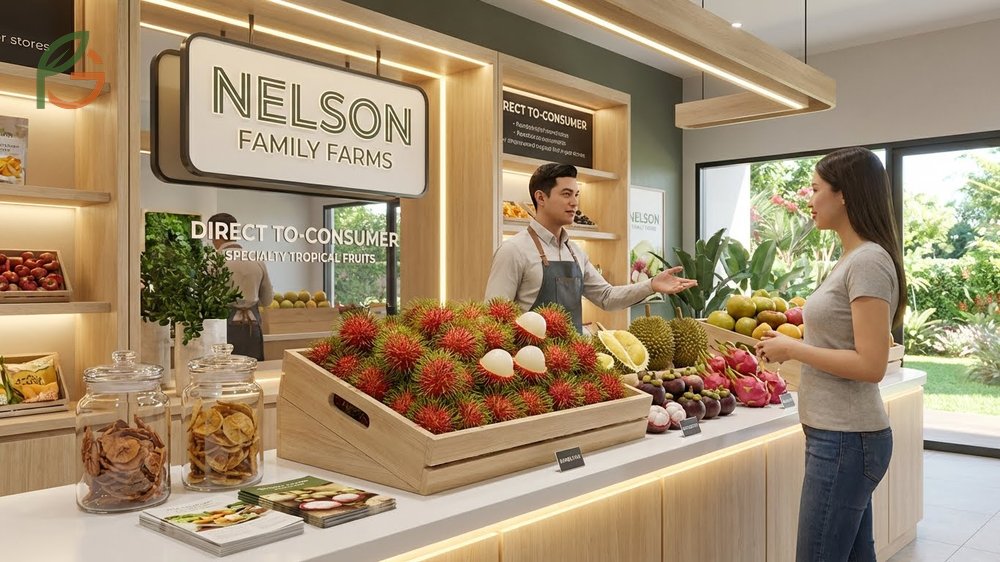
Specialty tropical fruit stores occupy a niche between mass-market grocers and online retailers. These businesses focus exclusively on exotic produce, offering expertise and selection unavailable at conventional supermarkets. Staff knowledge proves valuable for first-time rambutan buyers uncertain about ripeness indicators and storage methods.
Nelson Family Farms exemplifies specialty growers offering seasonal rambutan directly to consumers. Their peak availability window runs May through November, positioning rambutan as a summer specialty item[1]. This direct-from-grower model eliminates middleman markups while ensuring maximum freshness.
Regional differences affect specialty store availability significantly. Miami, Los Angeles, Houston, and San Francisco offer numerous options due to large immigrant populations and established import infrastructure. Smaller metropolitan areas may have one or two specialty produce retailers with intermittent rambutan stock.
This table compares four retail channel types for buying rambutan, showing price ranges, freshness ratings, availability patterns, and best-use scenarios for each option
| Retail Type | Price Range | Freshness Rating | Best For |
|---|---|---|---|
| Asian Supermarkets | $3-5 per pound | Excellent (high turnover) | Budget-conscious shoppers near urban areas |
| Whole Foods / Mainstream | $5-8 per pound | Good (moderate turnover) | Convenience shoppers during regular grocery trips |
| Online Retailers | $39-50 per 2-3 lb box | Very Good (expedited shipping) | Rural areas without local access |
| Specialty Produce Stores | $4-7 per pound | Excellent (expert selection) | Exotic fruit enthusiasts seeking variety |
The table above illustrates pricing and freshness trade-offs across retail channels. Asian supermarkets consistently deliver the best value proposition for shoppers with local access. Online retailers serve geographic gaps where rambutan doesn’t appear in physical stores.
- Ask produce managers about shipment schedules—most specialty stores receive tropical fruit deliveries 1-2 times weekly
- Request samples if available—reputable specialty stores often allow taste testing of expensive exotic fruits
- Check for pre-order programs during off-season months when specialty stores can source specific requests
- Join loyalty programs or mailing lists to receive notifications when rambutan arrives in stock
- Compare specialty store pricing against online retailers—sometimes local specialty shops match or beat online rates
Conclusion
The evidence is clear: where to buy rambutan hinges on balancing price, freshness, and convenience based on your location and priorities. Asian supermarkets provide unmatched value for urban shoppers, while online retailers solve availability challenges in underserved regions. Shopping during September-October peak season guarantees optimal quality regardless of your chosen retail channel.
Current market guidance emphasizes purchasing from high-turnover sources to ensure maximum shelf life after bringing fruit home. FruitGarden continues tracking tropical fruit availability trends to help readers locate exotic produce at the best prices and peak freshness throughout the year.
Frequently Asked Questions
Where can I find rambutan near me?
Check Asian supermarkets like H Mart or 99 Ranch Market first, as they stock rambutan most consistently during peak season. Whole Foods and specialty produce stores offer secondary options, though availability varies by region and season. Use store locator tools or call ahead to confirm current inventory before making a special trip.
What’s the best time to purchase rambutan fruit?
September through October represents peak season when Guatemala, Honduras, and Mexico simultaneously supply U.S. markets. This timing offers the best combination of low prices, high availability, and optimal freshness. Some growers extend availability through December depending on weather, but quality and selection decline after October.
Can I buy fresh rambutan online with reliable quality?
Yes, Miami-based retailers like Tropical Fruit Box and Miami Fruit ship rambutan within 48-72 hours of harvest using expedited cold-chain logistics. Order during peak season for best results, and ensure someone’s home to receive the package immediately. Transfer fruit to refrigeration within 30 minutes of delivery to maximize shelf life.
How much does rambutan cost at different stores?
Asian supermarkets charge $3-5 per pound, Whole Foods runs $5-8 per pound, and online retailers price at $39-50 per 2-3 pound box. Specialty produce stores fall between $4-7 per pound. Prices spike 40-60% during off-season months when supply comes exclusively from Southeast Asian imports with longer shipping distances.
Do mainstream grocery stores carry rambutan?
Whole Foods stocks both organic and conventional rambutan in specialty produce sections during peak season. Other mainstream chains occasionally carry rambutan in markets with significant Asian populations, but availability remains inconsistent. Asian supermarkets and specialty stores provide more reliable year-round selection.
Which tropical fruit suppliers offer the freshest rambutan?
Retailers near major import hubs (Miami, Los Angeles, Houston) receive the freshest rambutan due to shorter transit times from Central American sources. Direct-from-grower operations like Nelson Family Farms offer peak freshness but limited availability. Asian supermarkets with high turnover rates ensure consistent quality through frequent restocking.
How do I know if rambutan at the store is fresh?
Look for vibrant red color with flexible, fresh-looking spines that bend without breaking. Avoid fruit with dry, brittle spines or brown discoloration. Fresh rambutan feels firm with slight give when gently squeezed. Check “best by” dates on packaged fruit, and don’t buy rambutan that’s been displayed for more than 3-4 days.





