Soursop Growing Zone: Climate Limits Explained
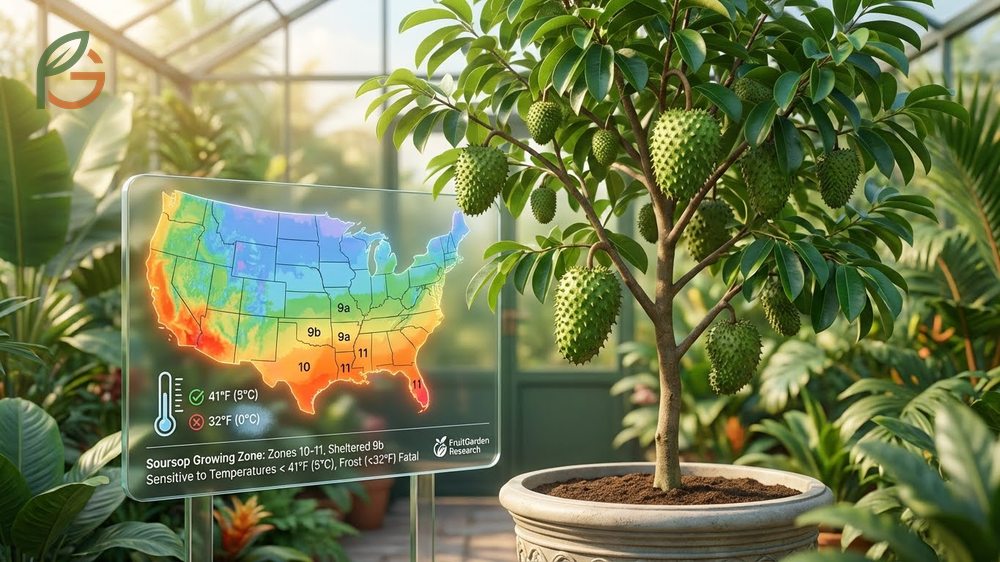
Soursop Growing Zone spans USDA zones 10-11. Temperatures below 41°F damage leaves; frost kills trees. Learn climate requirements and protection methods.

 Taki Lockman
Soursop Growing Zone spans USDA zones 10-11. Temperatures below 41°F damage leaves; frost kills trees. Learn climate requirements and protection methods.
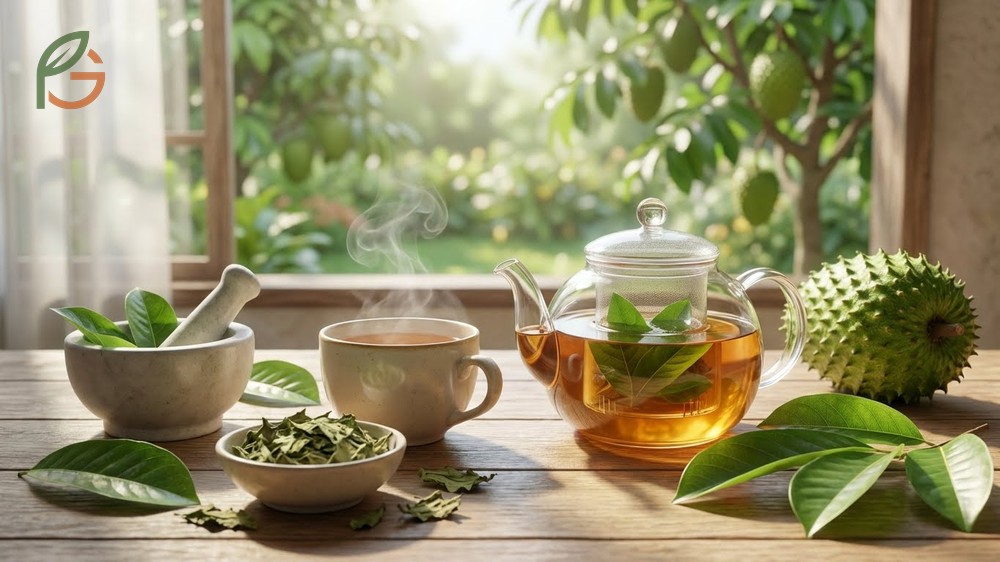
Soursop fruit leaves benefits include blood pressure reduction, improved sleep, and anti-inflammatory effects. Research shows tea made from these leaves can lower BP significantly.
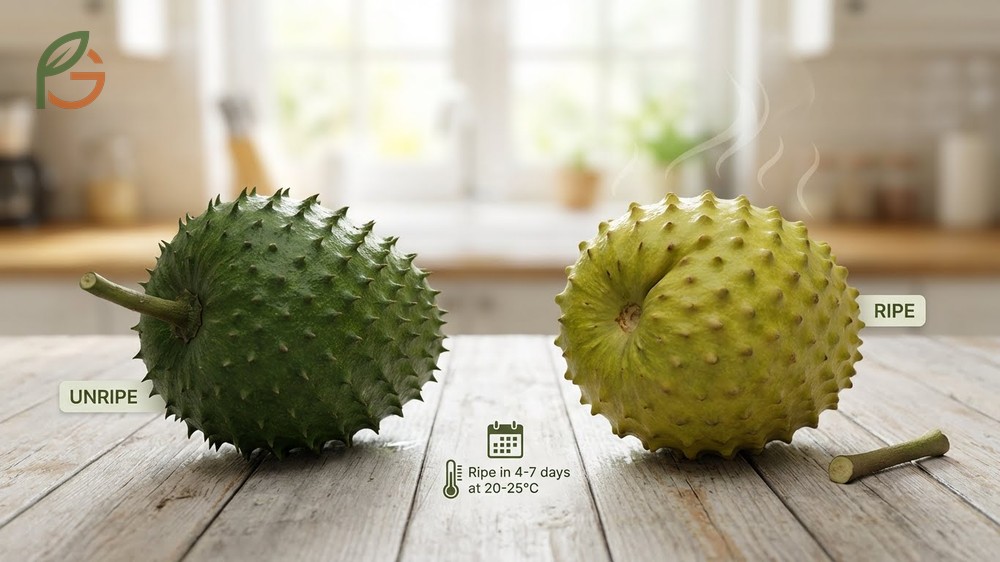
How to tell if soursop is ripe? Check skin color, softness, aroma, and spine texture. Ripe soursop yields to gentle pressure and turns yellowish-green.
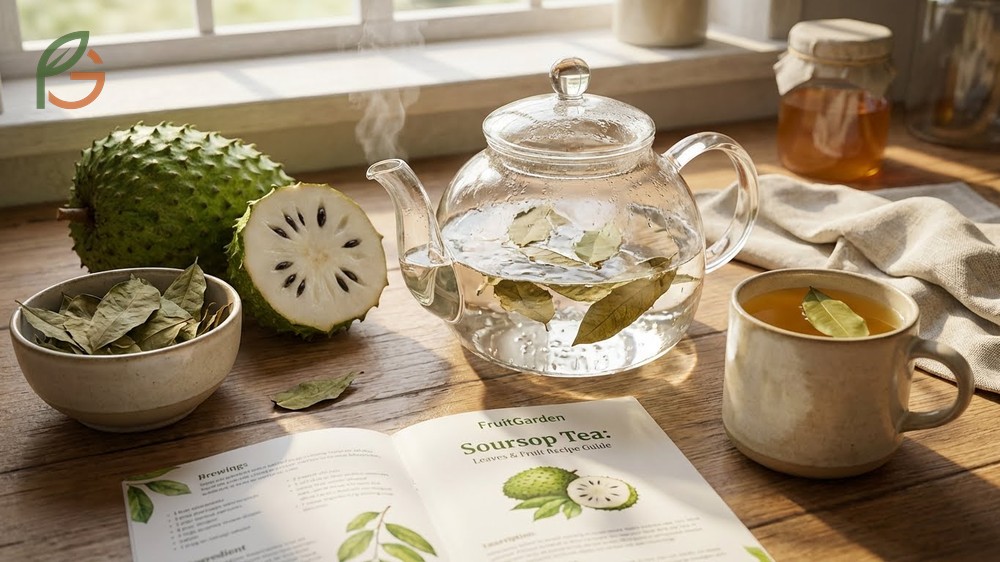
How To Make Soursop Tea? Steep 3-4 dried soursop leaves in boiling water for 15-20 minutes. Learn brewing methods, health benefits, and safety tips for graviola tea.
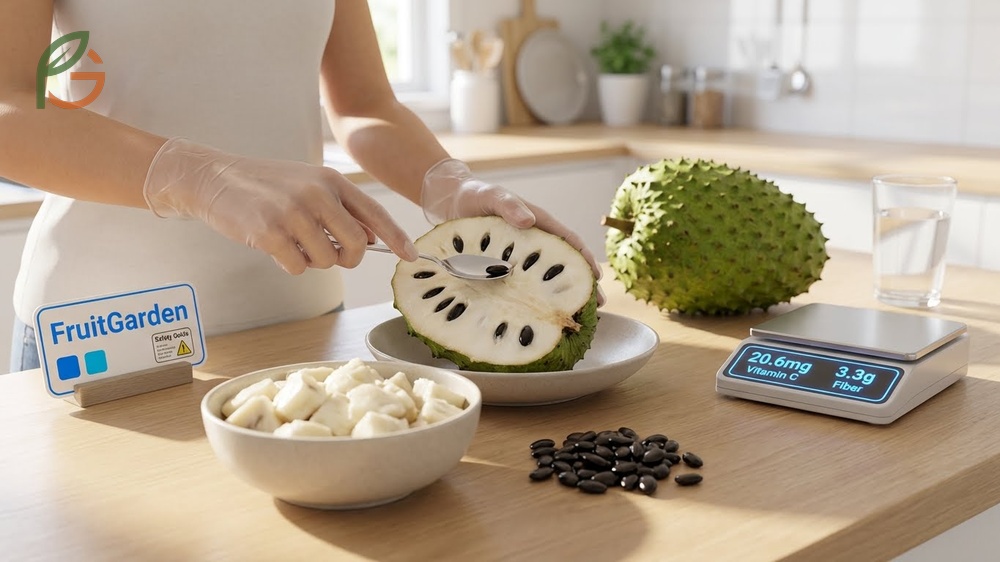
How to Eat Soursop starts with proper seed removal—these contain toxic compounds. Learn safe preparation methods, ripeness selection, and fresh serving ideas.
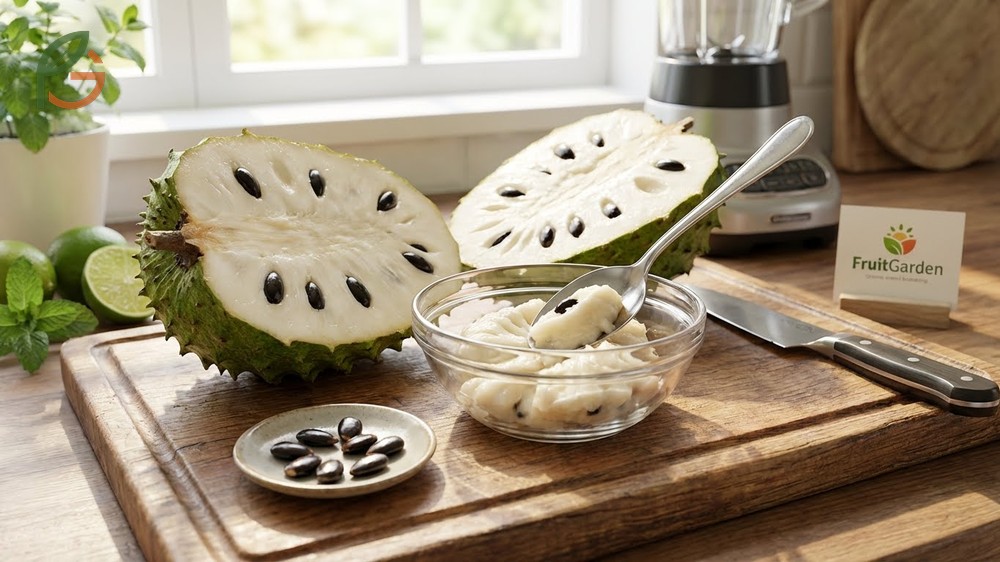
How To Cut Soursop? Slice it in half lengthwise, scoop out the creamy flesh with a spoon, and remove the black seeds. This simple method works for eating fresh or making smoothies.
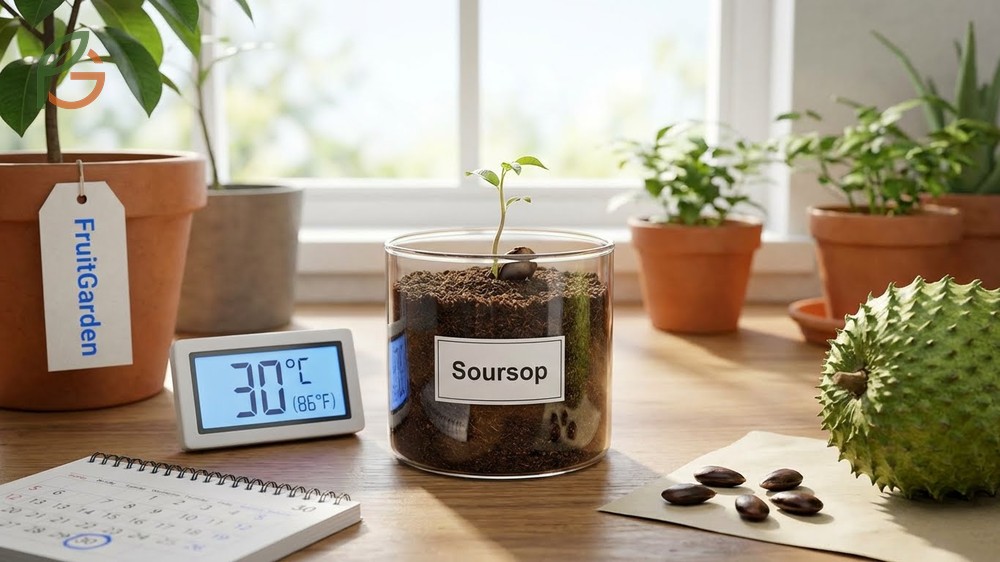
Growing Soursop From Seed requires proper temperature (30°C/86°F), fresh seeds with 90% viability, and 15-30 day germination. Learn proven techniques.
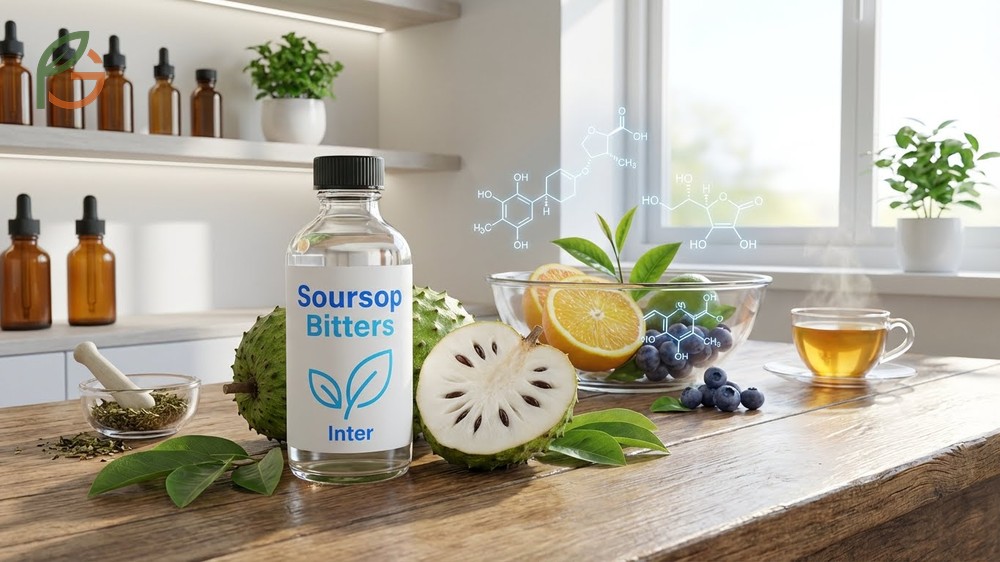
Benefits of soursop bitters include improved digestion, immune support, and antioxidant protection. Learn uses, benefits for women, dosage, and side effects.
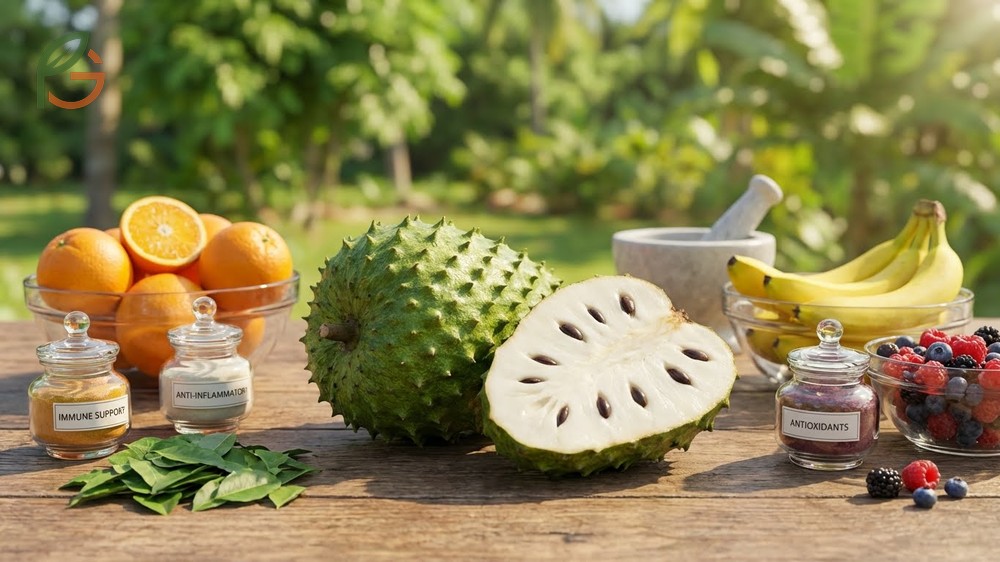
Benefits of graviola soursop include immune support, anti-inflammatory effects, and antioxidant power. Research shows 215% daily vitamin C per fruit.
What Does Black Raspberry Taste Like? These berries deliver a sweet-tart flavor with earthy, woodsy notes—richer and more complex than red raspberries.