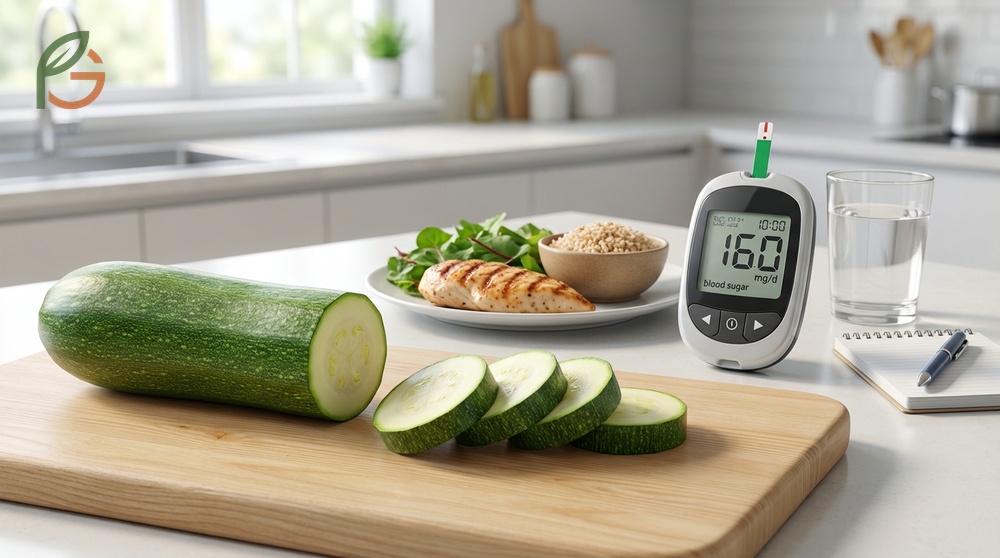
Is zucchini good for diabetics? Yes, it’s an excellent choice. Research shows zucchini has a glycemic index of just 15[1] and contains only 3 grams of carbs per 100g serving[2], making it one of the best vegetables for blood sugar control. Current diabetes nutrition guidelines emphasize low-glycemic vegetables like zucchini as foundational foods for managing blood glucose levels effectively[3]. FruitGarden brings you evidence-based guidance on growing and using vegetables that support your health goals.
Quick Answer
- Glycemic index of 15[1] and glycemic load of 0.5[1] means minimal blood sugar impact
- Only 17 calories and 3.1g carbs per 100g serving[1]
- Provides 1g fiber per 100g[1] to slow glucose absorption and improve insulin sensitivity
- Can be eaten in larger portions (1-2 cups daily) without affecting blood sugar levels
Is Zucchini Good for Diabetics

Zucchini stands out as one of the most diabetes-friendly vegetables available. Studies demonstrate that its combination of low carbohydrates, high water content, and beneficial nutrients creates an ideal profile for blood sugar management[4]. Most people don’t realize that you can eat substantial portions without worrying about glucose spikes.
The vegetable’s nutrient density doesn’t stop at carb content. A single cup of chopped zucchini delivers 21 calories, 3.9g carbs, and 1.2g fiber[2]. It’s also rich in vitamin C, potassium, and manganese—nutrients that support overall metabolic health.
What often gets overlooked is that zucchini works as a direct replacement for high-carb foods. You can spiralize it into noodles, slice it for lasagna layers, or dice it into rice-sized pieces. These substitutions help people with diabetes reduce their daily carb intake by 75-90% compared to traditional pasta or rice dishes.
Understanding Glycemic Index
The glycemic index (GI) measures how quickly foods raise blood sugar on a scale from 0 to 100. Foods with a GI below 55 are considered low-glycemic[1]. Zucchini’s GI of 15 places it among the lowest-rated vegetables available.
Even more important for diabetics is glycemic load (GL), which accounts for serving size. Zucchini’s GL of 0.5[1] means it won’t trigger insulin spikes. You’d need to eat several cups before seeing any measurable blood sugar increase.
Low Carbohydrate Advantage
Current evidence indicates that reducing dietary carbohydrates helps improve glycemic control in people with type 2 diabetes[3]. Research from the CDC’s Diabetes Prevention Program specifically mentions zucchini noodles as a practical carbohydrate substitution[5]. This isn’t just theory—it’s part of official prevention strategies.
The net carb content matters most for blood sugar. With 2.1g net carbs per 100g[1], zucchini fits easily into even the most restrictive diabetic meal plans. Compare that to white rice at 28g net carbs per 100g, and you’ll see why nutritionists recommend it.
Important Note: While zucchini is extremely low in carbs, how you prepare it matters. Frying in heavy oils or adding high-sugar sauces can negate its blood sugar benefits. Stick to grilling, steaming, sautéing, or roasting with minimal added fats.
Zucchini Blood Sugar

Research shows that zucchini actively helps regulate blood glucose through multiple mechanisms. Its fiber content slows down carbohydrate absorption in the digestive tract[4]. This creates a more gradual glucose release instead of the sharp spikes that damage blood vessels over time.
The polysaccharide fibers found in zucchini, including pectin, have special properties for blood sugar regulation. Studies demonstrate these fibers improve insulin sensitivity and help prevent the dramatic glucose fluctuations that make diabetes difficult to manage. Think of it as a natural time-release mechanism for whatever carbohydrates you do eat.
Fiber Content Benefits
Dietary fiber plays a crucial role in diabetes management beyond just slowing digestion. Evidence suggests that consuming at least 30 grams of fiber daily significantly lowers diabetes risk[4]. A medium zucchini provides 2g fiber[2], contributing meaningfully to that goal.
The fiber-to-carb ratio in zucchini is exceptionally favorable. With roughly 33% of total carbs coming from fiber, it means your body processes even less absorbable sugar. This ratio makes zucchini one of the smartest vegetable choices for maintaining stable glucose levels throughout the day.
Insulin Sensitivity Support
Improved insulin sensitivity means your cells respond better to insulin signals, requiring less of the hormone to move glucose from blood into cells. Zucchini supports this process through its antioxidant content, including vitamin C and beta-carotene. These compounds help reduce inflammation that often interferes with insulin receptor function.
What’s more, the high water content—about 95%[1]—promotes satiety without adding calories. This helps with weight management, which directly impacts insulin sensitivity. If you’re trying to lose weight to improve your diabetes, zucchini becomes a powerful ally.
Glycemic Index Zucchini
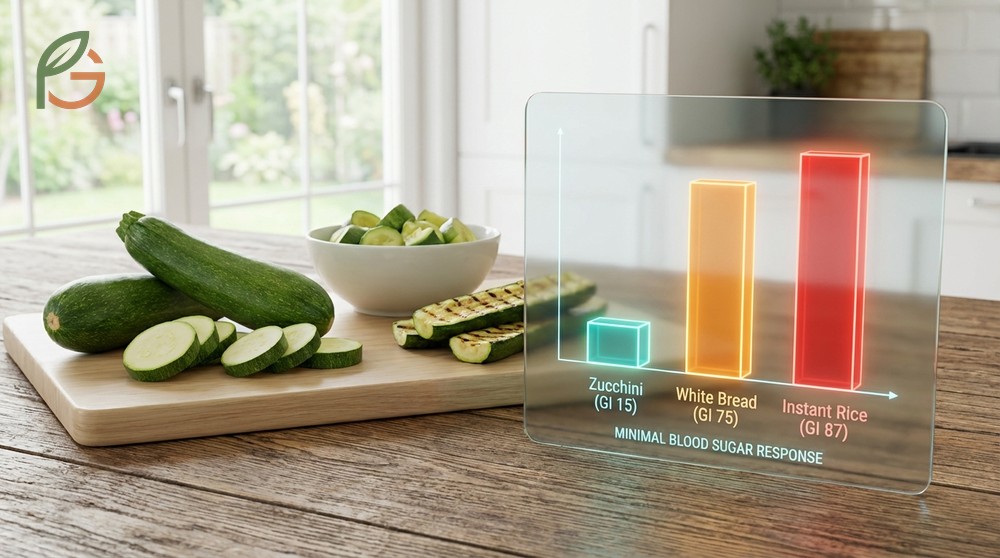
The glycemic index isn’t just a number—it predicts real-world blood sugar responses. Zucchini’s GI of 15 means it causes minimal glucose elevation even in people with impaired glucose tolerance[1]. For comparison, white bread scores 75 and instant rice hits 87.
Different cooking methods can slightly alter GI values, but zucchini remains low-glycemic whether you eat it raw, boiled, grilled, or baked. Boiled zucchini registers a GI around 15, while raw zucchini stays nearly identical. This consistency makes meal planning simpler—you don’t have to worry about preparation methods dramatically changing its blood sugar impact.
Agricultural data shows that zucchini maintains its low-glycemic properties regardless of variety. Whether you’re growing dark green zucchini, golden zucchini, or striped varieties in your garden, the carbohydrate profile stays remarkably similar. This makes zucchini cultivation particularly appealing for home gardeners managing diabetes.
This table compares glycemic index values, glycemic load, and net carbohydrates across zucchini and common high-carb alternatives to demonstrate blood sugar impact differences
| Food (100g) | Glycemic Index | Glycemic Load | Net Carbs |
|---|---|---|---|
| Zucchini | 15[1] | 0.5[1] | 2.1g[1] |
| White Rice | 73 | 29 | 28g |
| White Pasta | 49 | 23 | 25g |
| White Bread | 75 | 11 | 49g |
| Sweet Potato | 63 | 17 | 20g |
Zucchini Portion Diabetes

One of zucchini’s greatest advantages is portion flexibility. Unlike starchy vegetables where portions must be carefully measured, you can eat 1-2 cups of zucchini without significantly impacting blood sugar[4]. This makes it ideal for people who want to feel full without carb counting.
A standard diabetes-friendly serving ranges from ½ to 1 cup cooked zucchini. Even doubling or tripling this amount won’t cause problems for most diabetics. The CDC’s diabetes prevention materials emphasize filling your plate with non-starchy vegetables like zucchini as much as you want[5].
For practical meal planning, a medium zucchini (about 196g) contains just 33 calories and 6g total carbs[2]. You could eat three medium zucchini and still consume fewer carbs than a single cup of cooked rice. This volume advantage helps with satiety, which is critical for weight management in diabetics.
- Breakfast: 1 cup sautéed zucchini with eggs (adds only 4g carbs)
- Lunch: 2 cups spiralized zucchini noodles with protein (8g carbs total)
- Dinner: 1½ cups grilled zucchini as a side dish (6g carbs)
- Snack: ½ cup raw zucchini sticks with hummus (2g carbs from zucchini)
- Daily total from zucchini: approximately 20g carbs across all meals
Portion Tip: If you’re new to adding more vegetables to your diet, start with ½ cup portions and gradually increase. This helps your digestive system adjust to higher fiber intake without discomfort. Monitor your blood sugar 2 hours after meals to confirm zucchini doesn’t affect your individual glucose response.
Diabetic Zucchini Consumption

Incorporating zucchini into a diabetic diet works best when you use it strategically throughout the day. Research indicates that distributing low-glycemic vegetables across meals helps maintain steady glucose levels rather than creating peaks and valleys[3]. Think of zucchini as your blood sugar stabilizer at every meal.
The versatility of zucchini makes daily consumption easy and sustainable. You can prep it in advance by spiralizing, dicing, or slicing, then store it refrigerated for up to 5 days. Many diabetics find that having ready-to-cook zucchini removes barriers to healthy eating when energy or time runs low.
Preparation Methods
Grilling brings out zucchini’s natural sweetness without adding sugars or excessive fats. Slice lengthwise into ¼-inch planks, brush lightly with olive oil, and grill for 3-4 minutes per side. This method creates attractive grill marks and a slightly smoky flavor that pairs well with lean proteins.
Spiralizing transforms zucchini into a pasta alternative that’s gained widespread acceptance among diabetics. The “zoodles” can be eaten raw in salads, lightly sautéed for 2-3 minutes, or blanched briefly. Don’t overcook them—they’ll become mushy and release excess water.
Roasting concentrates flavors and creates a different texture profile. Dice into ½-inch cubes, toss with minimal oil and seasonings, then roast at 425°F (218°C) for 20-25 minutes. The edges caramelize slightly while the interior stays tender. This works particularly well mixed with other low-carb vegetables.
- Zucchini noodles with marinara and turkey meatballs (low-carb pasta night)
- Stuffed zucchini boats filled with ground turkey, tomatoes, and herbs
- Zucchini fritters made with almond flour instead of wheat flour
- Raw zucchini ribbons in salads with lemon vinaigrette
- Zucchini lasagna using thin-sliced zucchini instead of noodles
- Sautéed zucchini with garlic as a quick side dish
- Grilled zucchini skewers with chicken or shrimp
Meal Timing Strategies
For breakfast, pairing zucchini with protein-rich foods like eggs creates a balanced meal that sustains energy for 4-5 hours. Studies show that starting the day with vegetables improves overall daily glycemic control. Try adding diced zucchini to omelets or frittatas.
Lunch benefits from zucchini noodles as a pasta replacement. This substitution reduces the post-lunch blood sugar spike that often causes afternoon fatigue. Toss zoodles with pesto, grilled chicken, and cherry tomatoes for a filling midday meal that won’t trigger insulin surges.
Dinner portions can be larger since you have overnight to process the minimal carbohydrates. Aim for 1-2 cups of roasted or grilled zucchini alongside your protein source. The fiber helps slow down digestion of any other carbs on your plate, creating more stable overnight glucose levels.
Conclusion
The evidence is clear: zucchini is good for diabetics and deserves a prominent place in diabetes meal planning. With its glycemic index of 15, minimal carbohydrate content, and beneficial fiber, it provides everything you need to manage blood sugar while enjoying satisfying meals. You don’t have to sacrifice volume or flavor when you make zucchini a dietary staple.
Current nutritional guidance emphasizes vegetables as the foundation of diabetes management, and zucchini stands out among the best options available. Whether you’re growing it in your own garden or buying it fresh from local markets, incorporating this versatile vegetable supports both immediate glucose control and long-term metabolic health. FruitGarden encourages you to explore different zucchini varieties and preparation methods to discover what works best for your individual needs and taste preferences.
Medical Disclaimer
Important Medical Disclaimer: This content is for informational and educational purposes only. It is not intended as a substitute for professional medical advice, diagnosis, or treatment. Always consult a qualified healthcare professional or registered dietitian before making any changes to your diet, medication, or health routine, especially if you have diabetes or other medical conditions. Individual blood sugar responses to foods can vary. Monitor your glucose levels and work with your healthcare team to determine the best dietary approach for your specific situation.
Frequently Asked Questions
Can diabetics eat zucchini every day?
Yes, diabetics can safely eat zucchini daily. Its low glycemic index of 15 and minimal carbohydrate content make it suitable for daily consumption without blood sugar concerns. Many diabetes nutrition plans recommend eating 2-3 cups of non-starchy vegetables like zucchini every day to support stable glucose levels and provide essential nutrients.
Does cooked zucchini raise blood sugar?
Cooked zucchini has minimal impact on blood sugar regardless of cooking method. Whether boiled, grilled, roasted, or sautéed, zucchini maintains its low glycemic index of approximately 15 and glycemic load of 0.5. The cooking process doesn’t significantly alter its carbohydrate structure, so it won’t cause blood sugar spikes when prepared without added sugars or heavy sauces.
How much zucchini can a diabetic eat at one meal?
Diabetics can typically eat 1-2 cups of zucchini per meal without affecting blood sugar levels. Unlike starchy vegetables that require strict portion control, zucchini’s extremely low carbohydrate content allows for larger servings. Some people consume up to 3 cups when using zucchini noodles as a pasta replacement, which still provides fewer carbs than a small serving of regular pasta.
Is zucchini better than other vegetables for diabetes?
Zucchini ranks among the best vegetables for diabetes due to its exceptionally low glycemic index and carbohydrate content. While other non-starchy vegetables like leafy greens, broccoli, and cauliflower are also excellent choices, zucchini’s versatility as a pasta and rice substitute gives it a unique advantage. It helps diabetics reduce overall carb intake while maintaining meal satisfaction and volume.
Can zucchini help lower blood sugar levels?
While zucchini doesn’t directly lower existing blood sugar, it helps prevent spikes through its high fiber content and low carbohydrate profile. The fiber slows glucose absorption, creating more gradual blood sugar changes rather than sharp increases. Over time, replacing high-glycemic foods with zucchini can improve overall glycemic control and insulin sensitivity.
Should diabetics eat raw or cooked zucchini?
Both raw and cooked zucchini work well for diabetics—the choice depends on personal preference and digestive comfort. Raw zucchini retains slightly more vitamin C but has the same blood sugar impact as cooked versions. Some people find cooked zucchini easier to digest in larger quantities, while others enjoy the crisp texture of raw zucchini in salads or as vegetable sticks.
What’s the best time of day to eat zucchini for blood sugar control?
Zucchini benefits blood sugar control at any meal, but morning consumption with protein-rich breakfast foods sets a stable foundation for the day. Research shows that starting the day with low-glycemic vegetables improves overall daily glucose patterns. That said, including zucchini at lunch and dinner also helps moderate blood sugar responses to other foods on your plate.