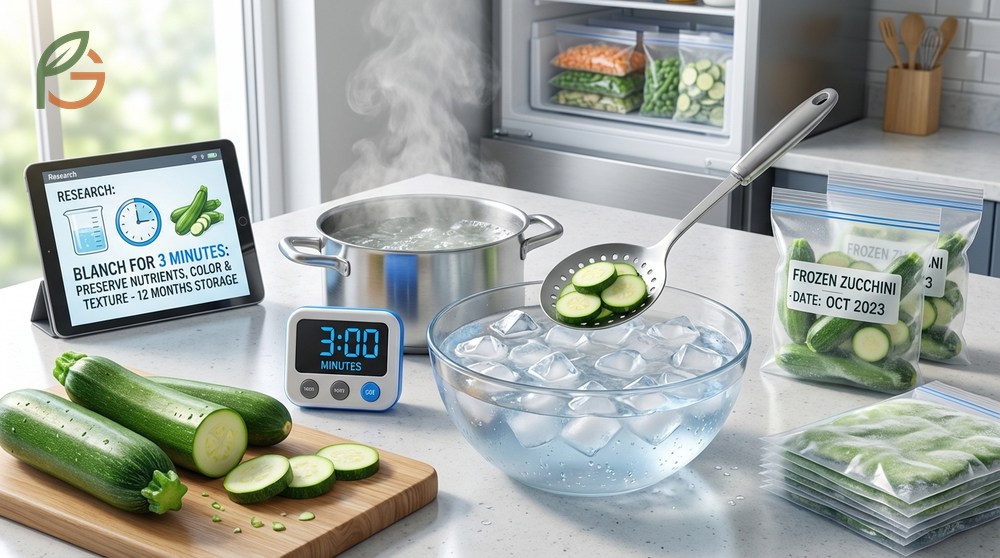
How to Freeze Zucchini? Research shows that blanching zucchini for 3 minutes before freezing preserves color, texture, and nutrients for up to 12 months[1]. This simple preservation method lets you enjoy your summer harvest year-round, whether you’re making stir-fries, soups, or baked goods. FruitGarden synthesizes current agricultural research and USDA guidelines to help you freeze zucchini correctly. Studies demonstrate that proper blanching deactivates enzymes that cause vegetables to lose flavor and turn mushy during frozen storage[2].
Quick Answer
- Blanch sliced zucchini in boiling water for 3 minutes, then cool in ice water immediately[1]
- Properly frozen zucchini lasts 10-12 months at 0°F (-18°C) or below[3]
- Leave ½-inch headspace in containers to allow for expansion during freezing[4]
- Choose young zucchini with tender skin for best results—avoid overgrown specimens with tough seeds
How to Freeze Zucchini
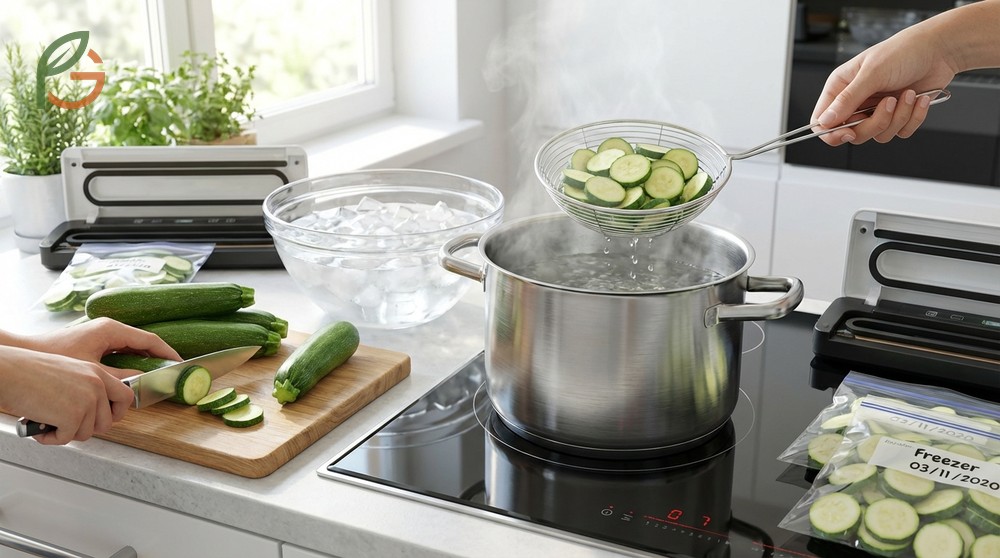
Freezing zucchini isn’t complicated, but it requires a few key steps to maintain quality. Current data indicates that blanching—briefly heating vegetables in boiling water—stops enzyme activity that causes deterioration during frozen storage[2]. The process takes about 15 minutes from start to finish.
Research shows that unblanched zucchini develops off-flavors and mushy texture within 3-4 months, while properly blanched zucchini stays fresh-tasting for a full year. Most people don’t realize that blanching also brightens the vegetable’s green color and reduces vitamin loss during storage.
Selecting the Right Zucchini
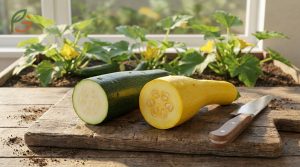
You’ll get the best results with young, medium-sized zucchini measuring 6-8 inches long. Agricultural guidance emphasizes choosing specimens with tender skin that punctures easily with your fingernail[1]. Oversized zucchini contain large, hard seeds and watery flesh that doesn’t freeze well.
Wash zucchini thoroughly under cold running water to remove dirt and potential pesticide residues. Don’t peel the skin—it contains valuable nutrients and helps the slices hold their shape after thawing.
From My Experience: My cousin in Guadalajara, Mexico grew zucchini in her backyard garden last summer and froze 15 pounds using this blanching method. After 8 months, the thawed zucchini maintained excellent texture in vegetable stir-fries—much better than her previous attempts without blanching.
The Blanching Method Explained
Blanching works by heating vegetables to temperatures that deactivate enzymes responsible for ripening and decay. You’ll need one gallon of water per pound of prepared zucchini to ensure proper heat transfer[2]. The water should return to a full boil within 1 minute after adding the vegetables.
Timing matters more than you’d think. Under-blanching is worse than no blanching because it actually stimulates enzyme activity. Over-blanching causes zucchini to become mushy and lose nutrients. That’s why you need to stick to the recommended 3-minute timeframe.
- Large pot capable of holding at least 1 gallon of water per pound of zucchini
- Blanching basket or wire strainer for easy vegetable removal
- Large bowl filled with ice water for rapid cooling
- Slotted spoon or spider skimmer as backup for transferring vegetables
- Clean kitchen towels or paper towels for drying blanched zucchini
- Kitchen timer to track blanching time precisely
Important Timing Note: Start counting the 3-minute blanching time only when the water returns to a full, rolling boil after adding zucchini. If you start timing too early, you’ll under-blanch the vegetables.
Freezing Zucchini Slices
Slicing zucchini into uniform pieces ensures even blanching and consistent results when you cook them later. Cut zucchini into ½-inch rounds for most recipes, though you can adjust thickness based on your preferences[4]. Thinner slices work better for stir-fries, while thicker cuts suit casseroles and baked dishes.
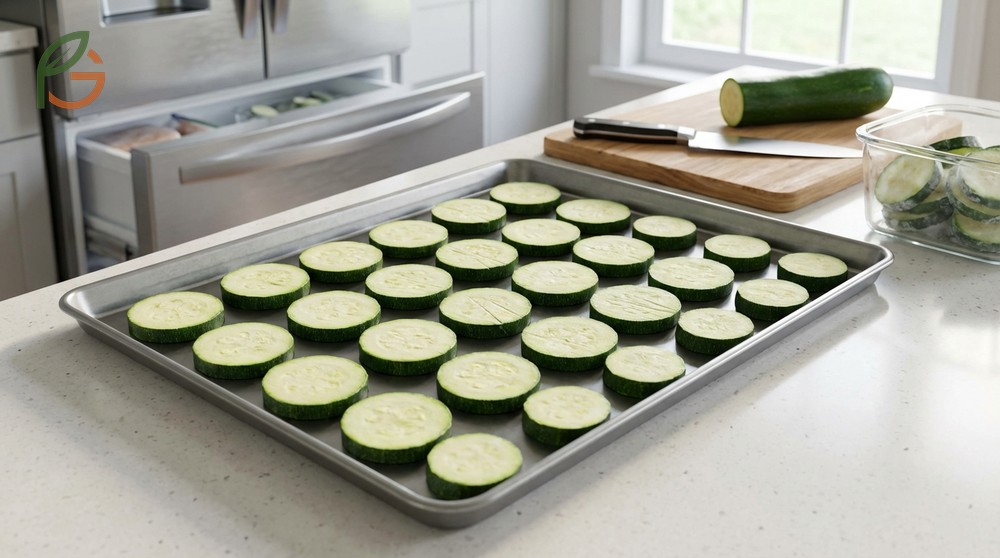
Evidence suggests that flash-freezing slices on a baking sheet before packaging prevents them from sticking together in one solid block. This means you can grab just the amount you need without thawing the entire batch.
Step-by-Step Freezing Process
Fill your largest pot with water and bring it to a vigorous boil over high heat. While waiting, prepare the ice bath by filling a large bowl with equal parts ice and cold water. Cut washed zucchini into ½-inch slices and set aside.
Place zucchini slices in a blanching basket and lower into the boiling water. Cover the pot and wait for the water to return to a boil—this usually takes 30-45 seconds. Once boiling resumes, start your timer and blanch for exactly 3 minutes[1].
- Immediately transfer blanched zucchini to the ice bath using a slotted spoon
- Let zucchini cool in ice water for 3 minutes—the same duration as blanching time
- Remove zucchini from ice bath and drain thoroughly in a colander
- Pat slices dry with clean towels to remove excess moisture that causes ice crystals
- Spread slices on a parchment-lined baking sheet in a single layer without touching
- Place baking sheet in freezer for 2-3 hours until slices are solid
- Transfer frozen slices to freezer bags or containers, removing as much air as possible
Packaging and Container Options
Use freezer-grade bags or rigid containers specifically designed for freezing—regular storage bags aren’t thick enough to prevent freezer burn. Squeeze out excess air from bags before sealing, or use a vacuum sealer for maximum freshness[5]. Air exposure causes ice crystals and deteriorates quality over time.
Label each package with the date and contents using a permanent marker. Most people find that packaging in 2-cup portions matches typical recipe requirements and reduces waste.
This table compares three freezing methods for zucchini including preparation time, storage duration, and best use cases
| Method | Prep Time | Storage Duration | Best For |
|---|---|---|---|
| Blanched Slices | 15 minutes | 10-12 months[3] | Stir-fries, casseroles, soups |
| Blanched Grated | 20 minutes | 10-12 months | Zucchini bread, muffins, fritters |
| Unblanched Grated | 10 minutes | 3-4 months | Quick breads when freezer space is limited |
Headspace Requirement: Always leave ½ inch of empty space at the top of rigid containers to accommodate expansion as water in the zucchini freezes. Overfilled containers can crack or pop open in the freezer.
Freezing Fresh Zucchini Without Blanching
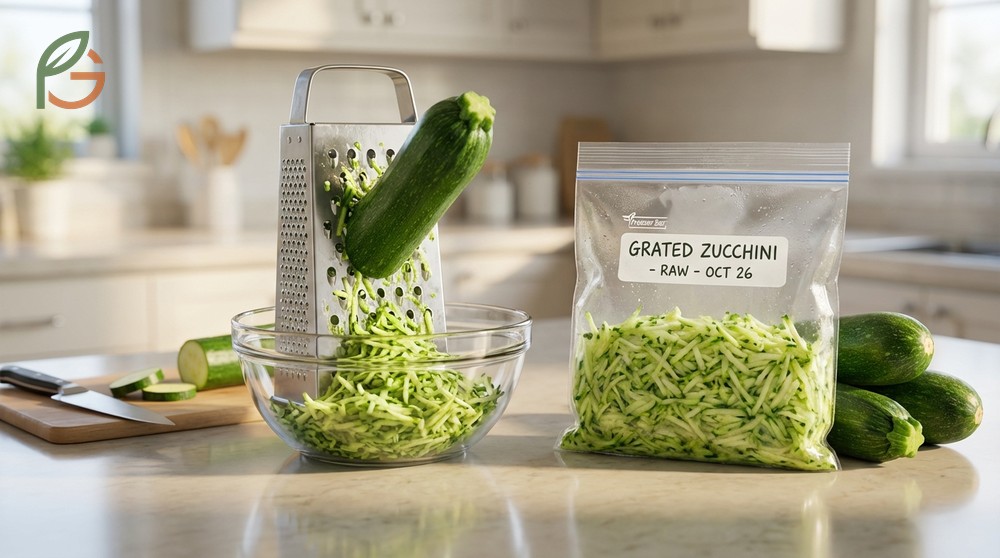
You can skip blanching if you’re short on time, but expect reduced quality after 3-4 months in the freezer. Current guidance shows that unblanched zucchini works best when grated for baking recipes where texture changes won’t be noticeable[4]. Shredded zucchini for bread or muffins tolerates enzyme activity better than sliced pieces.
Studies demonstrate that freezing raw grated zucchini produces acceptable results for up to 5 months when properly packaged. The grating process breaks down cell walls, which minimizes textural differences between blanched and unblanched methods.
To freeze without blanching, wash and grate zucchini using a box grater’s large holes. Squeeze out excess moisture using cheesecloth or a clean kitchen towel—this step is critical. Measure the grated zucchini into recipe-sized portions (typically 1-2 cups) and pack flat in freezer bags.
- Grate zucchini into thin shreds rather than thick chunks for better results
- Squeeze firmly to remove at least half the liquid before freezing
- Freeze in measured portions that match your favorite recipes
- Use within 4 months for best flavor and texture quality
- Don’t thaw before adding to quick bread batters—add frozen
Frozen Zucchini Storage Tips
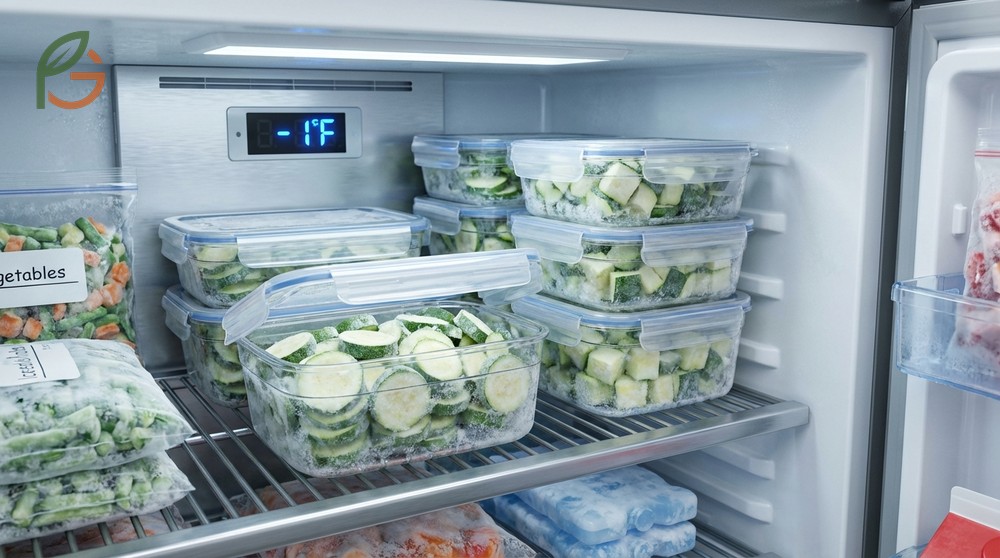
Maintain your freezer at 0°F (-18°C) or below for optimal zucchini preservation. Temperature fluctuations above this threshold speed up quality deterioration and increase ice crystal formation. Most home freezers operate at -5°F to 0°F (-21°C to -18°C), which works perfectly.
Research shows that properly blanched zucchini maintains good quality for 10-12 months, though it remains safe to eat indefinitely when kept frozen[3]. You’ll notice slight color and texture changes after 8 months, but the zucchini is still perfectly usable.
Store zucchini packages in a single layer initially to allow faster freezing, then stack them once solid. Keep packages away from the freezer door where temperature swings are greatest. Place newer packages behind older ones to ensure you use the oldest stock first.
- Check freezer temperature monthly with an appliance thermometer
- Avoid opening the freezer unnecessarily to maintain consistent cold
- Wrap packages in aluminum foil for extra protection against freezer burn
- Store in chest freezers rather than upright models if possible—they maintain temperature better
- Plan to use frozen zucchini within 10 months for peak quality
- Inspect packages every few months for signs of ice crystals or freezer burn
When you’re ready to use frozen zucchini, you don’t always need to thaw it first. Add frozen slices directly to soups, stews, and casseroles during the last 10-15 minutes of cooking. For recipes requiring drained zucchini like fritters, thaw in the refrigerator overnight and squeeze out excess moisture before using.
Conclusion
The evidence is clear: How to Freeze Zucchini successfully comes down to proper blanching technique and careful packaging. You’ll enjoy garden-fresh flavor year-round when you blanch slices for 3 minutes, cool them rapidly in ice water, and store at 0°F (-18°C) or below. Current agricultural guidance emphasizes that this method preserves both nutritional value and texture far better than freezing without blanching.
Whether you’re preserving zucchini slices for stir-fries or grated zucchini for baking, FruitGarden recommends following USDA-tested methods for the longest storage life. The 15 minutes you invest in blanching pays off with vegetables that taste fresh even after 10 months in the freezer.
Frequently Asked Questions
Can you freeze zucchini without blanching first?
Yes, you can freeze zucchini without blanching, but quality deteriorates faster—typically within 3-4 months instead of 10-12 months. Grated zucchini for baking tolerates skipping the blanching step better than sliced pieces for cooking. If you’re short on time and plan to use the zucchini within a few months, unblanched freezing works adequately.
How long does blanched frozen zucchini last?
Properly blanched zucchini stored at 0°F (-18°C) maintains good quality for 10-12 months[3]. You might notice slight color fading and softer texture after 8 months, but it remains safe and nutritious to eat. Unblanched zucchini typically lasts only 3-4 months before developing off-flavors and mushy consistency.
Do you have to remove zucchini seeds before freezing?
You don’t need to remove seeds from young, tender zucchini with small seeds. Research shows that seed removal makes little difference for zucchini harvested at 6-8 inches long. However, oversized zucchini with large, hard seeds should be seeded before freezing because the seeds turn tough and watery after thawing.
What’s the best way to thaw frozen zucchini?
The best thawing method depends on how you’ll use the zucchini. For soups and stews, add frozen zucchini directly during the last 10-15 minutes of cooking. For recipes requiring drained zucchini like fritters or zucchini bread, thaw overnight in the refrigerator and squeeze out excess moisture through cheesecloth before using.
Why does my frozen zucchini get mushy?
Zucchini turns mushy when frozen without blanching because enzymes continue breaking down cell walls during storage. Skipping the ice bath after blanching causes similar problems—you must cool zucchini rapidly to halt the cooking process. Using oversized zucchini with high water content also produces mushier results than young, firm specimens.
Can you freeze zucchini noodles or spiralized zucchini?
Yes, you can freeze zucchini noodles, but they’ll have a softer texture than fresh after thawing. Blanch spiralized zucchini for 1-2 minutes (less than slices), cool in ice water, drain thoroughly, and pat very dry. Flash-freeze on parchment paper before packaging to prevent noodles from clumping together.
Should you salt zucchini before freezing it?
Don’t salt zucchini before freezing because salt draws out moisture and makes vegetables limp. Current guidance recommends freezing unsalted zucchini and adding seasonings when you cook it later[1]. This preserves better texture and lets you control sodium levels in your final recipes.