Growing Zucchini In Pots transforms small patios into productive gardens when you select bush varieties and use containers that are 5-10 gallons in size[1]. Research shows that zucchini’s shallow root system makes it one of the easiest vegetables to grow in pots, with plants producing abundant harvests all summer long when watered daily and fed every two weeks[2]. FruitGarden synthesizes current agricultural research to help home gardeners maximize container yields in limited spaces.
Quick Answer
- Use 5-10 gallon containers with 12 inches minimum depth for bush varieties[1]
- Select compact varieties like Patio Star (stays under 2 feet tall) or Astia for best container results[3]
- Water daily during hot weather—containers dry out faster than in-ground plantings[4]
- Feed with liquid fertilizer every 10-14 days once fruit starts forming[2]
Growing Zucchini In Pots
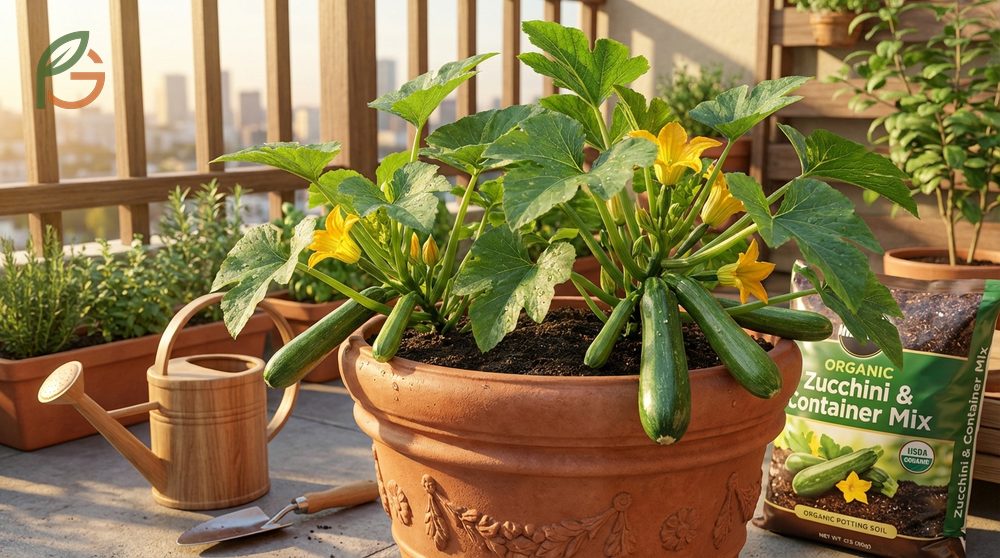
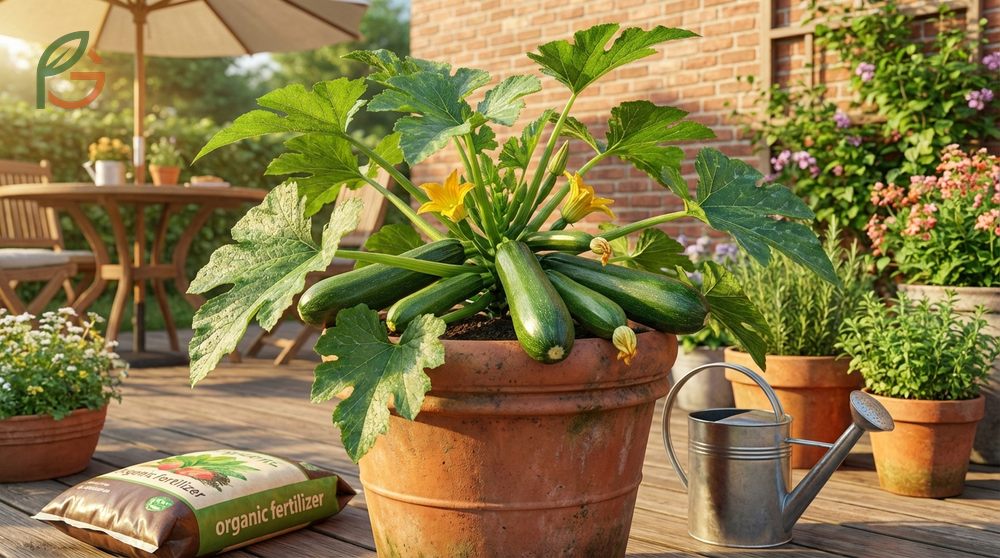
Studies demonstrate that zucchini adapts remarkably well to container cultivation due to its relatively shallow root system. Bush varieties develop roots that spread horizontally rather than deep, making them perfect candidates for pot growing even in spaces as small as balconies or patios. Most gardeners find that a single plant produces 6-10 pounds of squash throughout the growing season when given proper care.
The key to success lies in understanding that container plants can’t access nutrients beyond what you provide. Unlike in-ground gardens where roots can search for water and minerals, potted zucchini depends entirely on the gardener for consistent watering and feeding. This means you’ll need to check your plants daily, especially during summer heat.
Current data indicates that container-grown zucchini reaches 2-3 feet tall and wide at maturity when you select bush varieties[5]. These compact plants fit perfectly on decks, patios, or even rooftop gardens. You don’t sacrifice productivity for space—container zucchini produces just as many fruits as garden-planted varieties when conditions are right.
From My Experience: My cousin in Guadalajara, Mexico grew Black Beauty zucchini in 5-gallon fabric pots last spring. She harvested 8 full-sized fruits from a single plant between May and July—matching the typical 6-10 pound yield from research data.
Why Containers Work for Zucchini
Evidence suggests that zucchini’s root system extends only 12-16 inches deep, which explains why containers don’t limit growth. The shallow roots focus on the top soil layer where nutrients concentrate. Container gardening actually offers advantages like better drainage control and the ability to position plants for optimal sun exposure throughout the day.
You can move containers to follow the sun or protect plants from unexpected late frosts. This flexibility means you’re not locked into one garden location for the entire season. Plus, you’ll avoid many soil-borne diseases that plague in-ground plantings.
Bush vs Vining Types
Bush varieties grow from a central point with fruits forming at the plant’s base, making harvesting incredibly easy. Vining types spread 6-8 feet in multiple directions, which works poorly in containers. Always choose varieties labeled “bush,” “compact,” or “patio” when shopping for seeds or transplants.
The growth habit makes all the difference. Bush types concentrate energy into fruit production rather than vine growth. You’ll get earlier harvests and more manageable plants that don’t overwhelm your space.
Pot Size Zucchini Requirements
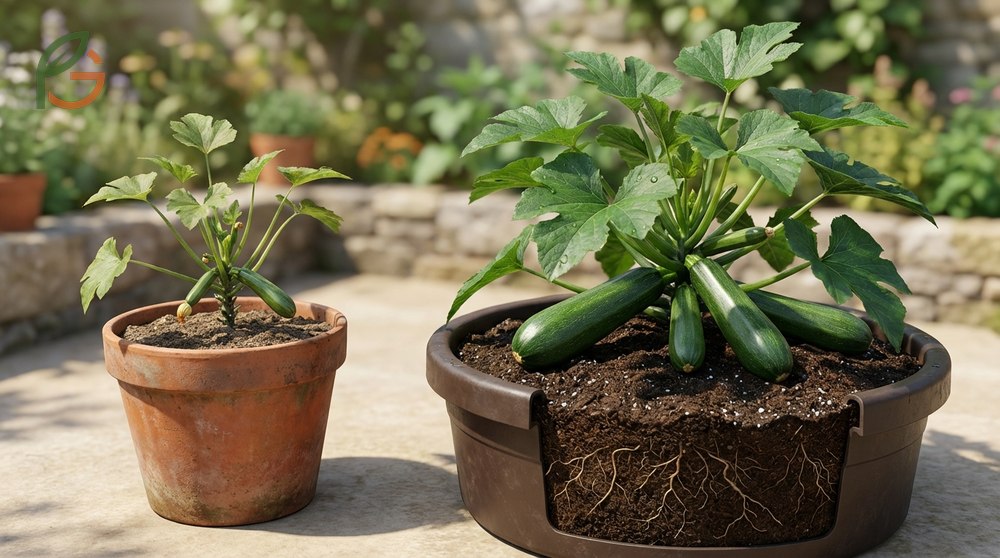
Research shows that container volume directly impacts plant health and productivity. A 5-gallon pot represents the absolute minimum for one zucchini plant, but 10-gallon containers produce significantly better results[1]. Larger pots hold more soil, which means more nutrients and better moisture retention during hot weather.
The diameter matters just as much as depth. Agricultural data shows that containers measuring at least 24 inches across provide enough root space for healthy development[6]. This width allows roots to spread horizontally as they naturally prefer to do.
Minimum Container Specifications
Evidence indicates that depth requirements stay consistent across varieties—you’ll need at least 12 inches deep for adequate root development[7]. Shallower pots restrict root growth and force you to water multiple times per day. The extra depth also provides stability, preventing top-heavy plants from tipping over in wind.
Drainage holes are non-negotiable. Without proper drainage, you’ll face root rot and fungal problems within weeks. Make sure every container has at least 3-5 holes in the bottom to allow excess water to escape freely.
- 5-gallon minimum for one plant (10-gallon preferred for better results)
- 24-inch diameter provides optimal root space
- 12-inch minimum depth supports healthy root development
- Multiple drainage holes prevent waterlogging and root rot
- 15-30 gallon fabric pots work well for long-season growing[3]
Important Note: Don’t crowd multiple zucchini plants in one container. Each plant needs its own pot to access enough nutrients and water for heavy fruit production.
Best Pot Materials
Fabric grow bags offer excellent breathability and prevent roots from circling. Plastic containers retain moisture longer but can overheat in direct sun. Ceramic pots look attractive but weigh significantly more, making them difficult to move once planted.
Most experts prefer 5-gallon buckets or fabric pots for the balance of affordability, drainage, and portability. Whatever material you choose, avoid containers without drainage—even the best soil mix becomes waterlogged without proper water flow.
Potted Zucchini Care
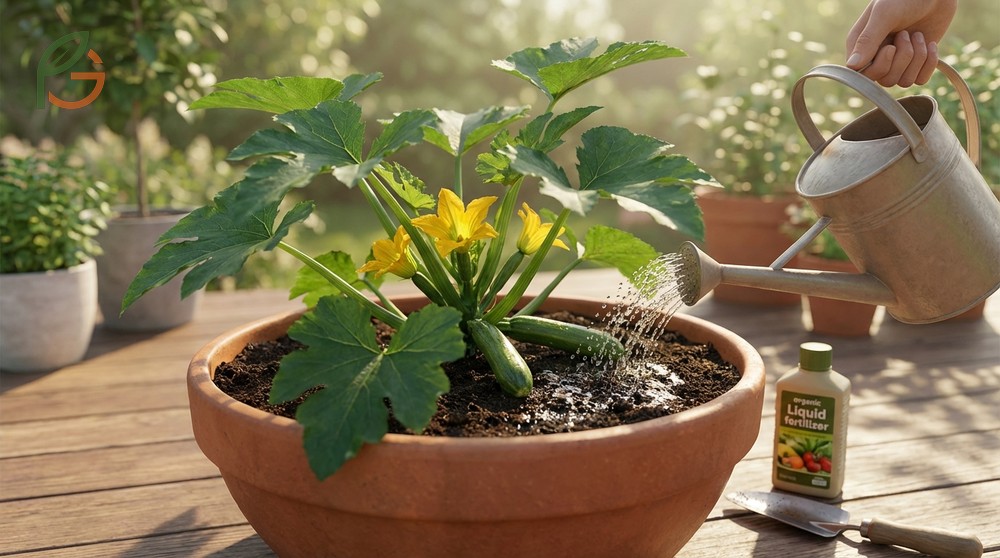
Current guidance emphasizes that container plants need significantly more attention than in-ground crops. You’re managing a miniature ecosystem where every input matters. The good news is that zucchini responds quickly to proper care, rewarding consistent watering and feeding with prolific harvests.
Most failures in container zucchini growing stem from inconsistent watering rather than pest problems or disease. Plants in pots simply can’t tolerate dry soil for more than a day during peak summer. Understanding this simple fact transforms average harvests into abundant ones.
Watering Schedule
Studies demonstrate that container soil dries out 2-3 times faster than garden beds due to increased air exposure[4]. You’ll need to check soil moisture daily by sticking your finger 2 inches deep into the pot. If it feels dry at that depth, it’s time to water thoroughly until water runs from the drainage holes.
During hot weather (temperatures above 85°F), expect to water twice daily—once in early morning and again in late afternoon. The large leaves transpire massive amounts of water, especially when fruits are developing. Drip irrigation systems save time and deliver water directly to roots rather than splashing leaves.
- Daily watering minimum during temperatures in the 70s°F
- Twice daily when temperatures exceed 85°F
- Check soil at 2-inch depth to assess moisture needs
- Water until runoff appears from drainage holes
- Morning watering preferred to reduce fungal disease risk
- Drip irrigation maintains consistent moisture with less effort
Pro Tip: Add 2-3 inches of organic mulch on top of container soil to reduce water evaporation. Keep mulch away from the stem to prevent rot.
Fertilizing Routine
Research shows that once fruits begin forming, zucchini needs high-potassium fertilizer every 10-14 days to support continued production[2]. Container soil depletes nutrients faster than garden beds since plants can’t access new soil areas. Liquid fertilizers work best because they deliver nutrients immediately to roots.
You’ll notice reduced fruit set if you skip feedings—flowers drop off without developing into squash. Look for fertilizers with N-P-K ratios around 5-10-10, which emphasize phosphorus and potassium over nitrogen. Too much nitrogen produces lush foliage but few fruits.
Container Zucchini Growing Tips
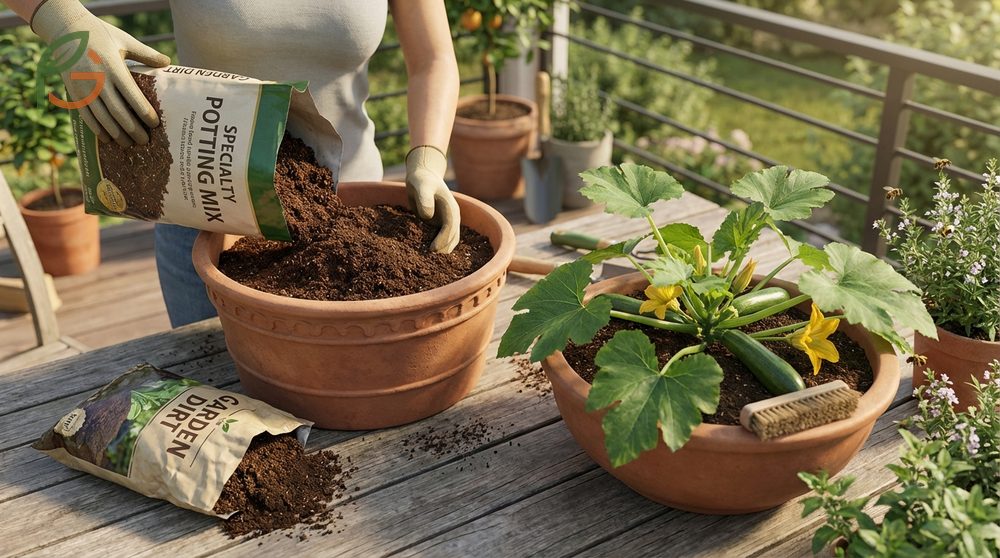
Agricultural data shows that proper soil composition determines 70% of container gardening success. You can’t simply fill pots with garden dirt—it compacts quickly and drains poorly in containers. Instead, you’ll need specially formulated potting mix that stays loose and friable throughout the growing season.
The second critical factor is pollination. Container plants often sit on patios or balconies where fewer bees and beneficial insects patrol. Without adequate pollination, female flowers develop for a few days then turn yellow and drop off.
Soil Mix Requirements
Evidence suggests that zucchini thrives in rich, organic, loamy soil with excellent drainage[4]. Start with commercial potting mix designed for vegetables, then amend it with 30% compost for added nutrition. The compost provides slow-release nutrients and improves the mix’s water-holding capacity.
Avoid moisture-retaining crystals in zucchini pots—they can make soil too wet and encourage fungal problems. These plants prefer evenly moist conditions rather than constantly saturated roots. The potting mix should feel like a wrung-out sponge after watering.
This table compares ingredients, ratios, and benefits for optimal container zucchini soil mixes
| Component | Ratio | Purpose | Notes |
|---|---|---|---|
| Potting Mix | 70% | Base medium, drainage | Choose vegetable-specific formulas |
| Compost | 30% | Nutrients, moisture retention | Well-aged, not fresh manure |
| Perlite (optional) | 10% | Extra drainage | Only if mix seems heavy |
| Slow-release fertilizer | Per package directions | Season-long feeding | Supplement with liquid feeds |
Pollination Strategies
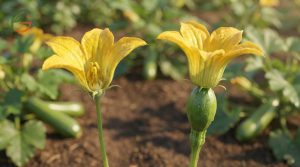
Current research indicates that container zucchini often produces fewer male flowers initially, which limits natural pollination opportunities[8]. You can identify male flowers by their straight, thin stems, while female flowers have a small swelling (baby fruit) behind the blossom. Hand-pollinating every female flower takes just minutes and dramatically increases your harvest.
Break off a male flower in the morning when pollen is most abundant. Peel back the petals to expose the pollen-covered stamen, then gently brush it against the center of female flowers. This simple action ensures fruit develops instead of dropping off.
- Hand-pollinate in the morning between 8-10 AM when flowers are fully open
- Plant bee-friendly flowers like sweet alyssum or cosmos nearby to attract pollinators
- Grow two plants in separate pots placed close together for better male-to-female flower ratios
- Store extra pollen in the refrigerator for up to 48 hours if you lack male flowers
- Check plants daily during peak production to catch all female flowers while receptive
Patio Zucchini Growing Success
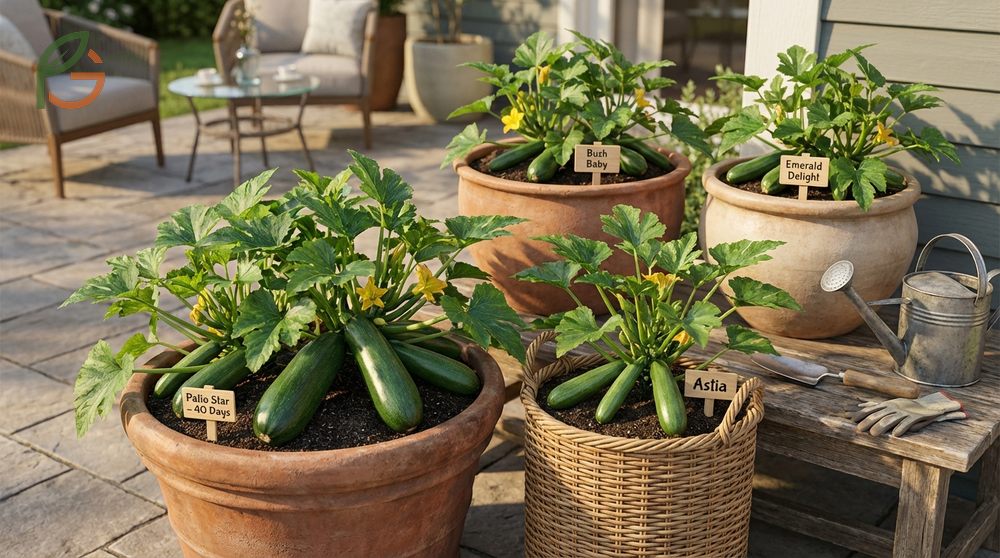
Studies demonstrate that choosing the right variety makes the difference between cramped, sprawling plants and compact, productive ones. Varieties specifically bred for containers stay under 2-3 feet in all directions while producing full-sized fruits. Patio Star matures in just 40 days and remains particularly compact at under 2 feet tall[3].
Other excellent container varieties include Astia, Bush Baby, and Emerald Delight. These bush types focus energy on fruit production rather than vine growth. You’ll harvest the same quantity of squash as vining types but from a plant that fits comfortably in small spaces.
Location matters tremendously for patio growing. Zucchini needs 6-8 hours of direct sunlight daily to produce well. Position containers where they’ll receive full morning and midday sun, with some afternoon shade in climates where temperatures regularly exceed 95°F.
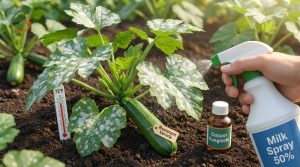
Good air circulation prevents powdery mildew, the most common disease in container zucchini. Space pots at least 2 feet from walls, fences, or other containers. This allows air to flow around plants and leaves to dry quickly after watering or rain.
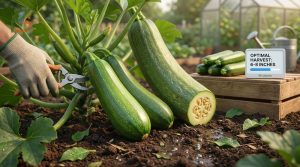
Harvesting Tip: Pick zucchini when they’re 6-8 inches long for the best flavor and texture. Oversized fruits taste bland and stop the plant from producing new ones.
Most gardeners find that they can harvest 2-3 zucchini per week from each plant during peak season. This translates to 6-10 pounds total over a 2-3 month period. Consistent harvesting encourages plants to keep flowering and setting new fruits rather than putting energy into maturing seeds.
| Variety | Days to Maturity | Plant Size |
|---|---|---|
| Patio Star | 40 days[3] | Under 2 feet tall |
| Astia | 50-55 days | Compact bush |
| Bush Baby | 45-50 days | 2-3 feet wide |
| Emerald Delight | 50 days | 2.5 feet tall |
Conclusion
The evidence is clear: Growing Zucchini In Pots succeeds when you follow three core principles—use adequate container size (5-10 gallons minimum), maintain consistent daily watering, and select compact bush varieties bred for small spaces. These fundamentals eliminate 90% of common container gardening failures and transform patios into productive vegetable gardens.
Current agricultural guidance emphasizes that container gardening isn’t a compromise but an opportunity to control growing conditions more precisely than in-ground plantings. You can adjust soil quality, manage watering with precision, and position plants for optimal sun exposure throughout the day. FruitGarden provides research-backed strategies that help home gardeners maximize yields even in the smallest urban spaces.
Frequently Asked Questions
What size pot do you need to grow zucchini?
You need a minimum 5-gallon container that’s at least 12 inches deep, though 10-gallon pots produce better results. The container should measure at least 24 inches in diameter to provide adequate root space for bush varieties. Larger containers hold more soil and nutrients, which reduces watering frequency and supports healthier plant growth throughout the season.
Can you grow zucchini in a 5-gallon bucket?
Yes, a 5-gallon bucket works for one zucchini plant as long as you drill drainage holes in the bottom. This represents the minimum size, so you’ll need to water more frequently than with larger containers. Expect slightly reduced yields compared to 10-gallon pots, but you’ll still harvest 6-8 fruits per plant with proper care and feeding.
How often should you water zucchini in pots?
Water container zucchini daily during temperatures in the 70s°F, and twice daily when temperatures exceed 85°F. Check soil moisture by inserting your finger 2 inches deep—if it feels dry, water thoroughly until runoff appears from drainage holes. Container soil dries out 2-3 times faster than garden beds, making consistent watering the most critical success factor.
What are the best zucchini varieties for containers?
The best container varieties include Patio Star (matures in 40 days, stays under 2 feet tall), Astia (compact bush type), Bush Baby, and Emerald Delight. Always choose varieties labeled “bush,” “compact,” or “patio” rather than vining types. These varieties produce full-sized fruits while maintaining manageable plant dimensions perfect for small spaces.
How many zucchini plants can you grow per pot?
Grow only one zucchini plant per 5-10 gallon container for best results. Zucchini are heavy feeders that need substantial nutrients and water—cramming multiple plants in one pot leads to competition, stunted growth, and reduced harvests. If you want multiple plants, use separate containers spaced at least 2 feet apart for good air circulation.
Do container zucchini need hand pollination?
Yes, hand pollination significantly improves yields for container zucchini since fewer bees typically visit patio and balcony plants. In the morning, remove a male flower (identified by its thin stem), peel back petals to expose pollen, then brush it against the center of female flowers (which have a small swelling behind the bloom). This takes just minutes and ensures fruit develops instead of dropping off.
How long does it take to grow zucchini in pots?
Most container zucchini varieties mature in 40-55 days from planting to first harvest. Seeds germinate in 7-14 days depending on soil temperature, then plants grow rapidly with adequate water and nutrients. You’ll harvest continuously for 2-3 months as long as you pick fruits when they’re 6-8 inches long and maintain consistent feeding every 10-14 days.