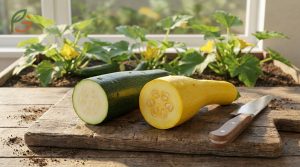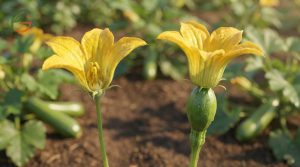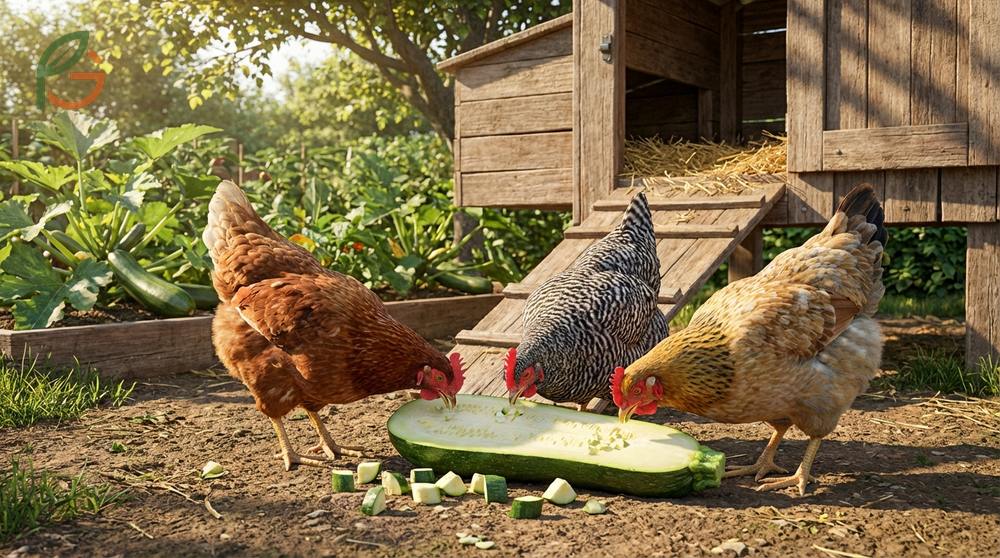
Can chickens eat zucchini? Yes, absolutely! Research shows that zucchini is a safe, nutritious treat for backyard chickens, packed with vitamins A and C, fiber, and essential minerals that support immune health and digestion.[1] FruitGarden synthesizes current poultry nutrition research to help backyard chicken keepers make informed feeding decisions. When you’re growing a bumper crop of zucchini, your flock can help you manage the surplus while getting valuable nutrients.
Quick Answer
- Zucchini provides vitamin C (26% DV) and vitamin A (11% DV) to boost chicken immunity[2]
- Contains 2g fiber per cup to support healthy digestion and prevent crop issues[2]
- Follow the 90/10 rule—zucchini treats should be max 10% of daily diet[3]
- Feed raw or cooked—chickens can safely eat skin, flesh, seeds, and even blossoms[4]
Can Chickens Eat Zucchini
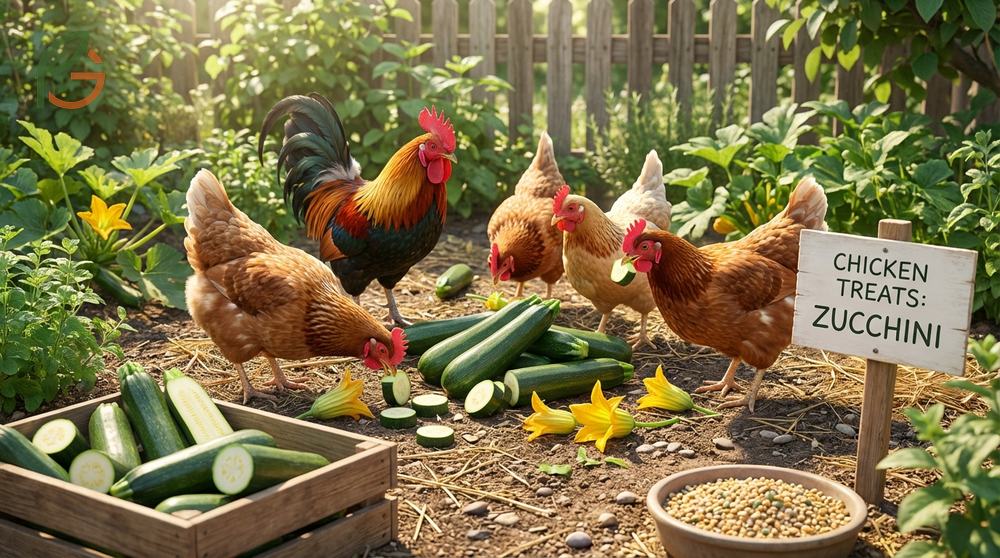
Zucchini is completely safe for chickens to consume in all its forms—skin, flesh, seeds, and even the bright yellow blossoms.[1] Unlike some garden vegetables that contain toxic compounds, every part of the zucchini plant offers nutritional value. Studies show chickens who consume antioxidant-rich foods like zucchini have lower mortality rates and stronger immune systems.[1]
Current poultry nutrition guidance emphasizes treats should complement—not replace—complete feed formulations. The vegetable contains approximately 95% water, making it low in calories but high in essential micronutrients.[4] This composition works well for summer feeding when chickens need extra hydration.
From My Experience: My cousin in Guadalajara, Mexico grew zucchini specifically for her backyard flock in summer 2024. Her 12 hens consumed an average of 3 medium zucchinis per week during peak season—roughly matching the 10% treat guideline while reducing feed costs by about 8%.
What often gets overlooked is that zucchini acts as a natural digestive aid. The fiber content helps prevent impacted crops and sour crops, two common digestive problems in backyard flocks.[1]
Nutritional Value Breakdown
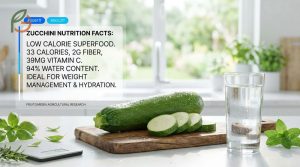
One medium zucchini (about 196g) delivers substantial vitamins while adding minimal calories to your flock’s diet. The vegetable contains 27 calories, 2g fiber, and less than 1g fat per serving.[2] For laying hens, this translates to only 6% of their daily caloric intake.[4]
The vitamin profile proves particularly valuable for flock health. Research indicates one medium zucchini provides 26% of the daily vitamin C requirement and 11% of vitamin A for humans—proportions that similarly benefit chickens.[2] Vitamin A supports vision in low light conditions, while vitamin C strengthens immune response against disease.
This table compares nutritional content per 100g of raw zucchini including calories, protein, key vitamins, and minerals with percentage values for laying hens
| Nutrient | Amount | % DV Laying Hen | Health Benefit |
|---|---|---|---|
| Calories | 17 kcal[4] | ~6% | Low-calorie treat option |
| Water | 94.8g[4] | — | Summer hydration |
| Protein | 1.21g[4] | ~6.7% | Minimal protein contribution |
| Vitamin A | 200 IU[1] | Variable | Vision, immune function |
| Vitamin C | 17.9mg[4] | ~18% | Antioxidant, immunity boost |
| Potassium | 261mg[4] | — | Electrolyte balance |
Hydration Benefits
The 95% water content makes zucchini an effective hydration tool during hot weather. Most people don’t realize that chickens can’t sweat—they regulate temperature through panting and seeking shade. Feeding high-moisture vegetables helps maintain fluid balance when temperatures exceed 85°F (29°C).
Agricultural data shows dehydration stress reduces egg production by 10-15% during summer months. Water-rich treats like zucchini supplement drinking water intake without adding excessive calories or displacing essential nutrients from complete feed.
Important Note: Always provide fresh, clean drinking water alongside zucchini treats. High-moisture vegetables supplement but don’t replace water requirements, which range from 1-2 cups daily per hen depending on temperature and humidity.
Chickens Eating Zucchini
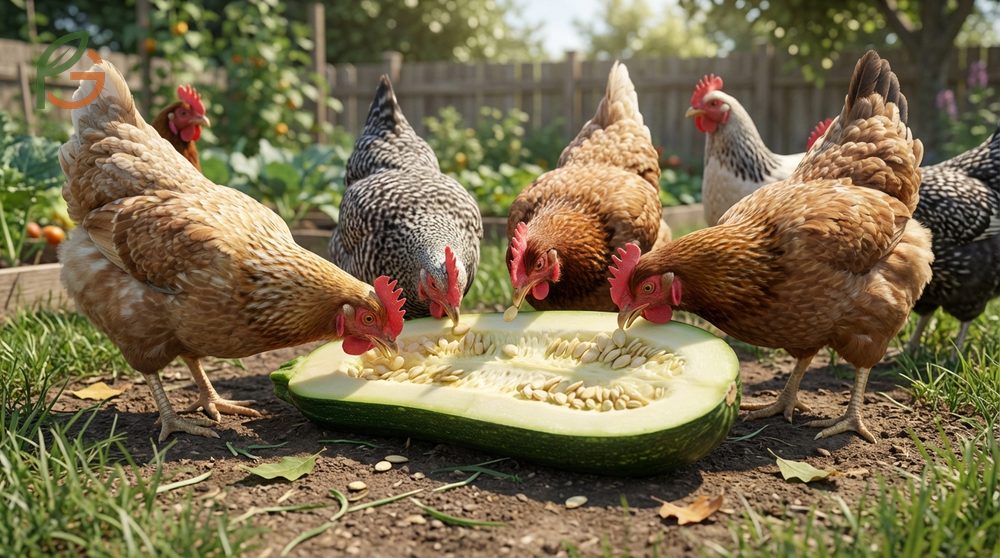
Chickens demonstrate strong preference for zucchini over many other garden vegetables. The mild, slightly sweet flavor appeals to most flocks, and the soft skin requires minimal pecking effort. Backyard chicken keepers report that even picky eaters readily consume zucchini when offered whole or halved.
Observational evidence indicates chickens particularly enjoy the seeds and inner flesh. When you cut a zucchini lengthwise, birds can easily access the nutrient-dense center while the halves remain stable on the ground. This natural presentation mimics foraging behavior and reduces waste.
Raw vs Cooked
Both raw and cooked zucchini work well for chicken feeding, though raw offers slightly higher vitamin C content since cooking degrades heat-sensitive nutrients.[2] Raw zucchini retains full water content for maximum hydration. The soft skin breaks down easily under pecking, so there’s no choking hazard even for bantam breeds.
Cooked zucchini becomes softer and may appeal to older hens with weaker beaks. Steaming or light sautéing preserves most nutrients while making the vegetable even easier to digest. Avoid adding salt, oil, or seasonings—plain preparation works best for poultry.
Preparation Methods
The simplest approach requires zero preparation—just toss whole zucchini into the run. Chickens will peck through the skin and consume the interior. For faster consumption, try these methods that experienced chicken keepers recommend:
- Halved lengthwise: Cut large zucchini in half to expose seeds and flesh, creating stable feeding platforms
- Chunked pieces: Dice oversized zucchini into 2-3 inch cubes for easier handling by smaller birds
- Grated or shredded: Mix shredded zucchini with regular feed for picky eaters or chicks over 8 weeks
- Frozen treats: Freeze zucchini chunks for cooling relief during extreme heat above 95°F (35°C)
- Hung whole: Suspend medium zucchini from string as interactive enrichment that encourages natural pecking
Feeding Frequency
Nutritionists recommend the 90/10 rule for all chicken treats—90% of daily intake should come from nutritionally complete feed, with treats like zucchini comprising no more than 10%.[3] For a standard laying hen consuming 120g of feed daily, this translates to roughly 12g of treats—about one-eighth of a medium zucchini.
Most backyard flocks can safely enjoy zucchini 2-3 times weekly during peak growing season. This frequency prevents nutrient dilution while giving you a productive outlet for surplus garden produce. Monitor body condition and egg production—if you notice weight gain or production drops, reduce treat frequency.
Feeding Tip: Offer zucchini in the afternoon rather than morning. Morning feed should prioritize complete layer pellets for optimal egg formation, with treats provided after laying cycles complete around 2-4 PM.
Safe Chicken Treats
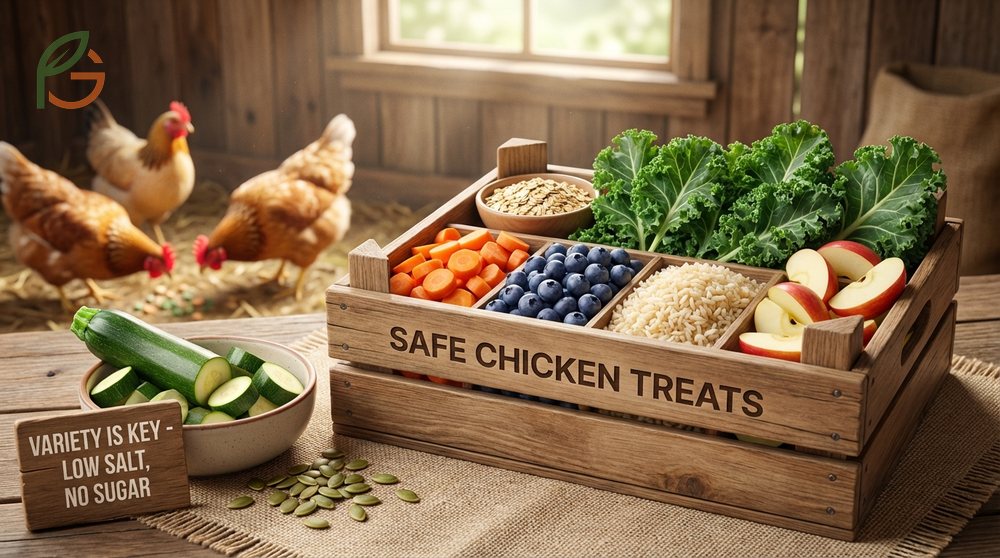
Beyond zucchini, chickens can safely consume a wide variety of fruits, vegetables, and grains as supplemental treats. Understanding which foods support health versus which cause problems helps you make better feeding decisions. Research-backed poultry nutrition emphasizes variety within the 10% treat allowance to provide diverse micronutrients.
The safest treats share common characteristics: they’re low in salt, contain no added sugars or fats, and complement rather than replace balanced layer feed. Current guidance from agricultural extensions suggests rotating treat types weekly to prevent dietary imbalances and maintain flock interest.
Treat Guidelines
Not all human foods qualify as safe chicken treats. Some contain compounds toxic to poultry, while others offer minimal nutritional value. Following established feeding principles protects your flock from digestive issues, toxicity, and nutritional deficiencies that compromise egg production and overall health.
Professional feed formulations designed for layers contain 16-18% protein during the growing phase and 20-22% protein for active laying.[5] Treats that dilute this protein ratio can reduce laying performance. Vegetables like zucchini contain only 1.2g protein per 100g, so excessive feeding shifts the dietary balance away from optimal levels.
- Leafy greens: Kale, lettuce (not iceberg), spinach, and Swiss chard provide vitamins A, C, and K
- Summer squash: Zucchini, yellow squash, and pattypan varieties offer hydration and vitamin C
- Root vegetables: Carrots, beets, and sweet potatoes deliver beta-carotene when grated or cooked
- Berries: Strawberries, blueberries, and blackberries supply antioxidants in small portions
- Melons: Watermelon and cantaloupe provide summer hydration with natural sugars
- Herbs: Parsley, oregano, and basil offer aromatic compounds that may support respiratory health
- Scratch grains: Cracked corn, wheat, and oats give energy but should stay under 5% of diet
Seasonal Options
Matching treats to seasons makes practical and nutritional sense. Summer vegetables like zucchini peak when chickens need extra hydration, while winter vegetables like cabbage provide cold-weather entertainment. Seasonal feeding also reduces costs since you’re using garden surplus or local produce at peak availability.
During summer months, focus on water-rich options: zucchini, cucumbers, tomatoes, and melons. These help chickens manage heat stress when temperatures exceed 80°F (27°C). Winter treats shift toward higher-calorie options like squash, pumpkin, and root vegetables that support energy needs for maintaining body temperature.
| Season | Best Treats | Primary Benefit |
|---|---|---|
| Spring | Leafy greens, peas, asparagus | Fresh growth, vitamin boost |
| Summer | Zucchini, cucumbers, berries, melons | Hydration, heat management |
| Fall | Pumpkin, winter squash, apples | Natural deworming, transition nutrition |
| Winter | Cabbage, root vegetables, warm oatmeal | Energy, cold tolerance, enrichment |
Vegetables for Chickens
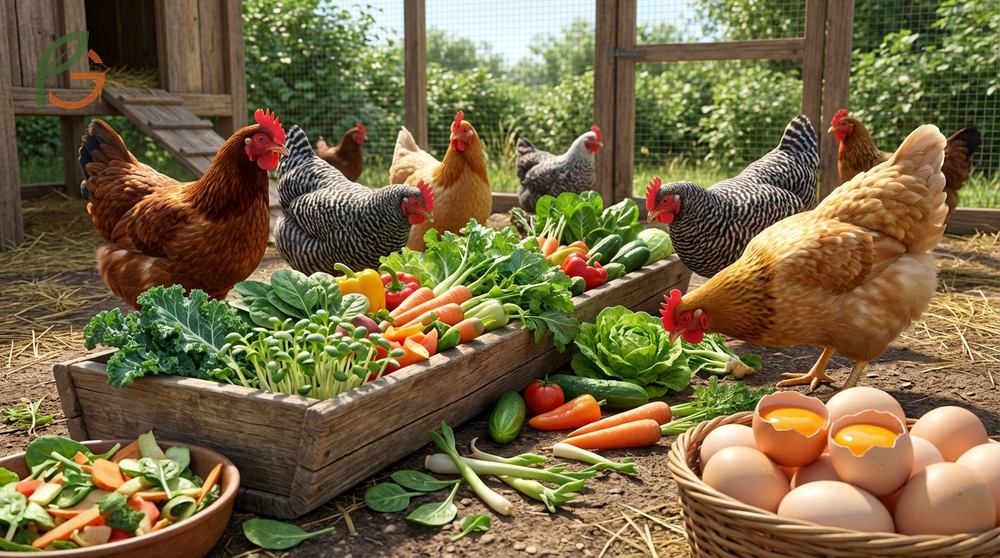
Vegetable treats offer superior nutritional value compared to grain-based snacks or processed chicken treats. They deliver vitamins, minerals, fiber, and phytonutrients while maintaining the 90/10 feeding ratio. Studies demonstrate that flocks receiving diverse vegetable supplementation show improved feather quality, stronger eggshells, and more vibrant yolk color.
The best vegetable choices mirror what chickens might encounter while foraging—leafy plants, tender shoots, ripe fruits, and insects. Garden vegetables approximate this natural variety better than commercial treats, which often contain fillers, preservatives, and excessive salt levels unsuitable for poultry.
When selecting vegetables for your flock, prioritize organic options or thoroughly wash conventional produce to remove pesticide residues. Chickens are more sensitive to chemical residues than humans due to their smaller body size and faster metabolism. Even “chicken-safe” vegetables become problematic when coated in harmful chemicals.
- Wash all produce thoroughly under running water to remove dirt, bacteria, and pesticide residue
- Remove any moldy, rotten, or spoiled portions that could cause digestive upset or illness
- Cut large or hard vegetables into manageable pieces—chickens can’t bite through tough skin easily
- Avoid onions and garlic in large quantities since they may alter egg flavor and act as blood thinners
- Never feed raw potato peels or green potatoes, which contain toxic solanine compounds
- Skip avocado entirely—the skin and pit contain persin, which is toxic to chickens
Most gardeners discover that chickens excel at disposing of vegetable scraps and past-prime produce. That oversized zucchini you missed during harvest? Your flock will devour it. Broccoli stalks too tough for human consumption? Chickens peck them clean. This symbiotic relationship reduces food waste while supplementing your flock’s diet at minimal cost.
Garden Integration: Many chicken keepers plant extra zucchini, squash, and leafy greens specifically for flock feeding. This strategy cuts treat costs to nearly zero while ensuring peak freshness and nutrient content.
Feeding Chickens Zucchini
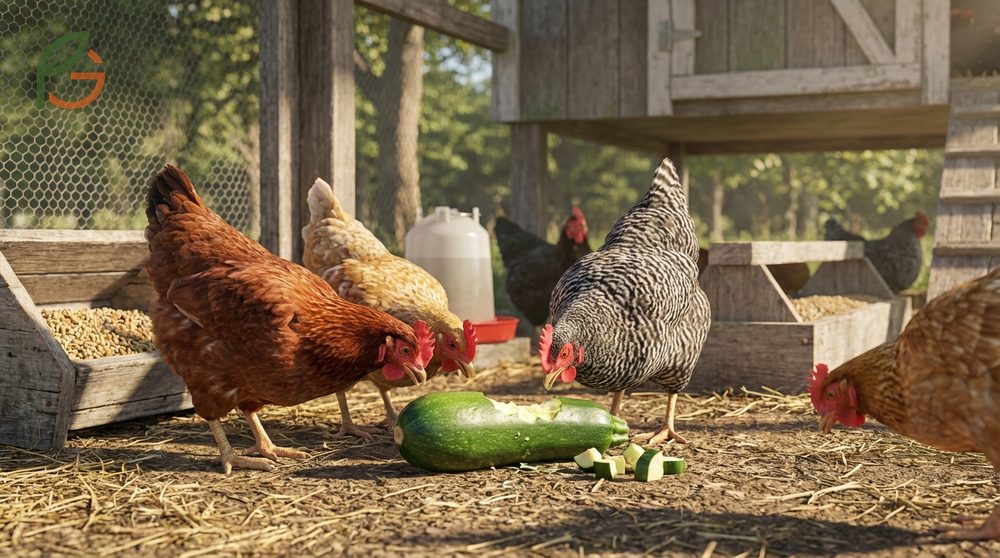
Introducing zucchini to your flock’s diet follows the same gradual approach as any new food. Start with small quantities—half a medium zucchini for 6-8 birds—and observe for digestive changes over 24-48 hours. Most chickens adapt immediately, but monitoring prevents potential issues in sensitive individuals.
The timing of zucchini treats matters more than many backyard keepers realize. Morning hours should prioritize complete layer feed to ensure chickens consume adequate protein and calcium for egg formation. Afternoon feeding—after most hens finish laying around 2-4 PM—works best for treats since nutritional requirements are already met.
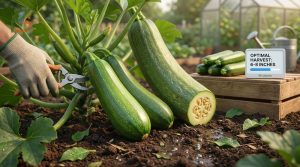
Oversized “baseball bat” zucchini that grew too large for kitchen use work perfectly for chickens. The tougher skin and larger seeds don’t pose problems since chicken digestion handles fibrous materials well. Simply cut these giants in half or into chunks, and your flock will gradually work through them over several hours.
Storage considerations apply when you’re harvesting multiple zucchini. Fresh vegetables maintain peak nutrient levels for 5-7 days when refrigerated. For longer storage, blanch and freeze zucchini chunks in portion sizes—this preserves vitamins while creating ready-to-feed frozen treats ideal for summer heat waves.
What works for one flock may need adjustment for another. Bantam breeds require smaller pieces than standard breeds. Older hens may prefer softer, slightly wilted zucchini over crisp fresh ones. Young pullets under 16 weeks should receive minimal treats—focus their diet on grower feed to support proper development before laying begins.
Monitor your flock’s response to determine optimal feeding amounts. Signs you’re offering appropriate zucchini quantities include consistent egg production, normal droppings, active foraging behavior, and steady body weight. Reduce treats if you notice watery droppings, decreased laying, weight gain, or reduced interest in regular feed.
Conclusion
The evidence is clear: can chickens eat zucchini receives a definitive yes from poultry nutritionists and experienced backyard chicken keepers alike. This versatile summer squash delivers vitamins A and C, essential minerals, and valuable hydration while fitting comfortably within the 90/10 treat guideline that protects flock health.
Current poultry feeding guidance emphasizes variety, moderation, and quality when supplementing complete layer feed. Zucchini checks all three boxes—it’s nutrient-dense, naturally low in calories, and readily available during peak growing season. FruitGarden encourages gardeners to view their chicken coops as partners in sustainable food production, turning garden surplus into healthy flock nutrition while reducing waste and feed costs simultaneously.
Frequently Asked Questions
Can chickens eat raw zucchini every day?
Chickens shouldn’t eat zucchini daily since it lacks sufficient protein and can dilute their nutritional intake when overfed. The 90/10 rule recommends limiting all treats—including zucchini—to 10% of daily diet, which works out to 2-3 times weekly rather than daily feeding. Complete layer feed should always form the foundation of their nutrition.
Do I need to remove zucchini seeds before feeding chickens?
No, chickens can safely eat zucchini seeds and often prefer them over the flesh. The seeds contain healthy fats and additional nutrients, plus they provide enrichment as chickens peck them out. Unlike some squash varieties with very hard seeds, zucchini seeds are soft enough for easy digestion even in bantam breeds.
Can baby chicks eat zucchini?
Chicks under 8 weeks shouldn’t receive zucchini or other treats since their digestive systems are still developing and they need maximum nutrition from starter feed. After 8 weeks, you can introduce tiny amounts of finely grated zucchini, gradually increasing piece size as they mature. Always prioritize grower feed until they reach 16-18 weeks.
Will feeding zucchini to chickens change egg taste or color?
Zucchini doesn’t alter egg flavor and may slightly enhance yolk color due to its carotenoid content. Unlike strongly flavored vegetables such as onions or garlic, zucchini’s mild taste doesn’t transfer to eggs. The vitamin A in zucchini can contribute to richer orange-yellow yolks, which many consumers prefer.
Can chickens eat yellow zucchini or only green varieties?
Chickens can safely eat all zucchini varieties including yellow, green, striped, and round types. The nutritional content remains nearly identical across varieties, with only minor variations in antioxidant compounds. Color differences don’t affect safety or digestibility, so feed whichever variety your garden produces.
What’s the best way to feed oversized zucchini to chickens?
Cut oversized zucchini lengthwise into halves or quarters to expose the seeds and inner flesh, creating stable feeding platforms. Chickens will peck away at the exposed interior over several hours, getting enrichment and nutrition. The tougher skin on giant zucchini isn’t a problem since chickens easily peck through it once the vegetable is opened.
Can chickens eat zucchini leaves and flowers?
Yes, chickens can safely eat zucchini blossoms and leaves from the plant. The bright yellow flowers are particularly nutritious, containing vitamin C and antioxidants that boost immune function. When cleaning out garden beds in fall, toss the entire zucchini plant to your flock—they’ll consume leaves, vines, flowers, and any remaining small fruits.