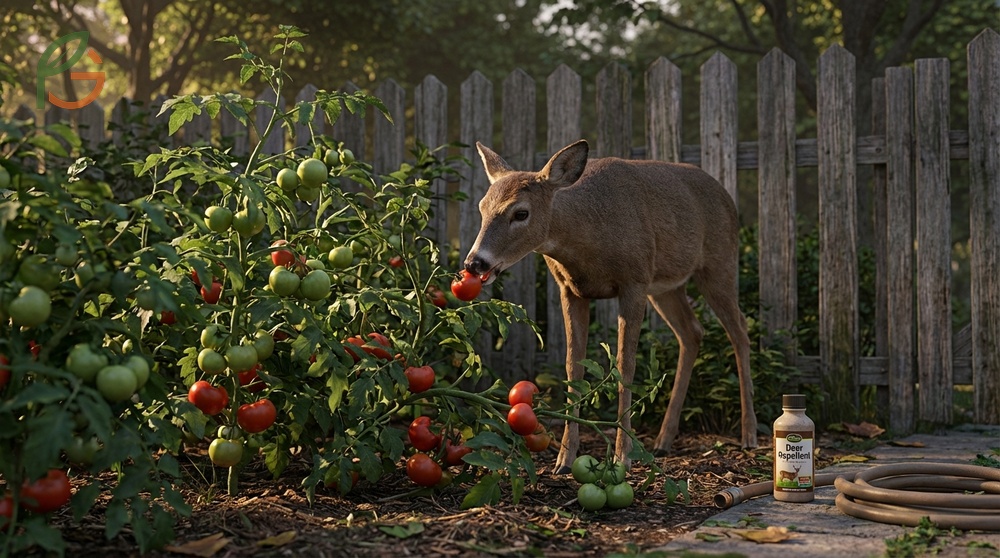
Do deer eat tomato plants? Yes, deer will munch on tomato plants and fruits, though they’re not their favorite snack. Research shows tomatoes rank lower on deer’s preferred food list compared to lettuce, beans, and berries[1]. FruitGarden synthesizes current agricultural research to help you protect your harvest with proven fencing and repellent strategies.
Quick Answer
- Deer eat both tomato plants and fruits, especially when food is scarce[2]
- Tomatoes are classified as “rarely damaged” by deer compared to beans and lettuce[3]
- Effective fencing should be 7-8 feet tall to prevent deer from jumping over[4]
- Homemade repellents using eggs, cayenne pepper, and garlic can deter deer when applied weekly
Do Deer Eat Tomato Plants
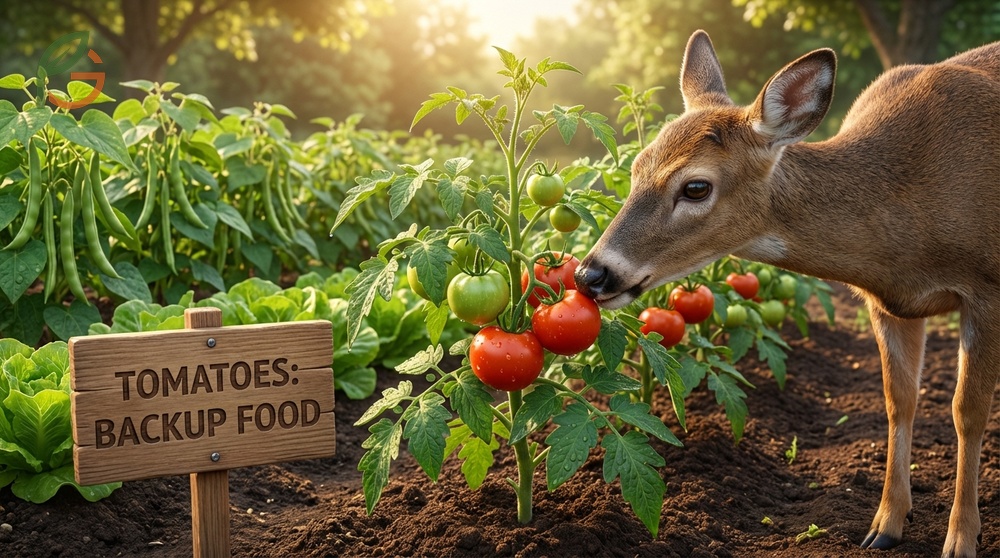
Deer are opportunistic feeders that’ll eat tomato plants when they’re hungry or when preferred foods aren’t available. Studies show they’re particularly attracted to the juicy fruits and tender shoots during growing season[2]. What most people don’t realize is that deer treat tomatoes more like a backup option than a first choice.
Research from agricultural extensions reveals tomatoes fall into the “rarely damaged” category[3]. This means if you’ve got beans, lettuce, or strawberries nearby, deer will hit those first. Your tomatoes get attention mainly during food scarcity or when deer populations are high.
The timing matters too. Deer feeding intensifies from late spring through fall when tomatoes are actively growing. Early morning and dusk are peak browsing hours when you’re most likely to catch them in action.
Why Deer Target Tomatoes
Deer go after tomato plants for their high water content and nutritional value during hot summer months. The ripe fruits provide quick energy, while the tender growing tips offer protein-rich foliage. Young transplants are especially vulnerable because they’re soft and easy to chew.
Food scarcity drives most tomato plant damage. When natural browse is limited by drought or overpopulation, deer expand their diet to include plants they’d normally avoid. Garden vegetables become increasingly attractive as wild food sources dwindle.
Tomato Plant Toxicity Concerns
Tomato leaves and stems contain alkaloids called solanine and tomatine that can be toxic in large quantities[1]. However, the levels in plants are low enough that deer can browse without serious harm. The ripe fruits themselves pose virtually no risk.
Deer instinctively limit consumption of potentially toxic plants. They’ll nibble on tomato foliage but rarely consume enough to cause digestive upset. This natural caution is why tomatoes don’t rank high on their preferred food list.
Will Deer Eat Tomato Plants
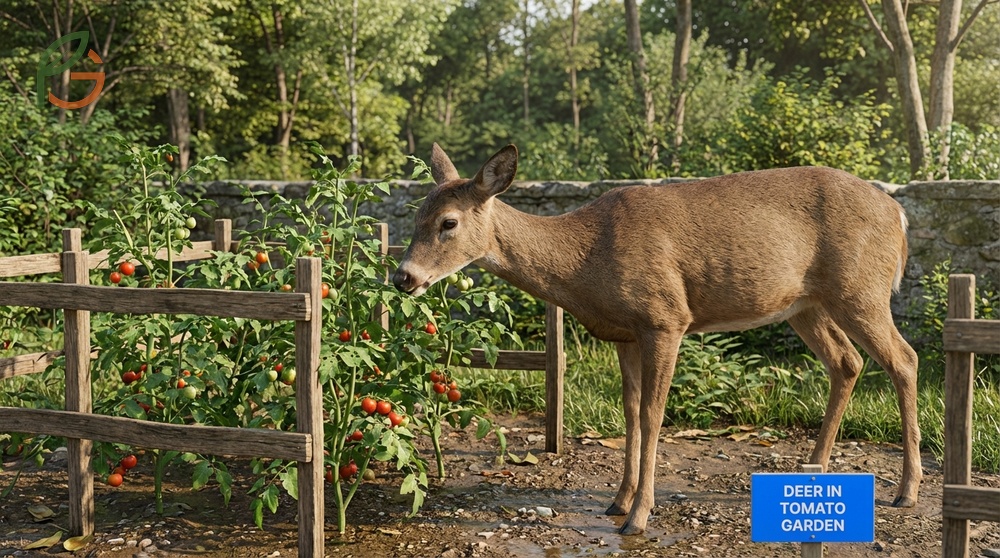
Whether deer will eat your tomato plants depends on three key factors: local deer population density, availability of preferred foods, and your garden’s accessibility. Gardens near wooded areas or deer corridors face higher risk. Urban and suburban gardens aren’t immune—deer adapt well to human environments.
Agricultural data shows unprotected tomato gardens experience browsing damage 40-60% of the time in areas with moderate deer populations. This rate jumps to 80% or higher in regions with dense deer herds. Protection strategies become essential rather than optional in these zones.
The good news? Tomatoes’ lower palatability means you’ve got better odds than if you were growing lettuce or beans. Strategic planting and basic deterrents can tip the scales in your favor.
Seasonal Feeding Patterns
Spring brings peak damage risk as deer seek tender new growth after winter. Your freshly transplanted tomato seedlings look especially appetizing when natural foliage is just emerging. May through June typically sees the highest browsing activity on garden vegetables.
Summer damage focuses on ripening fruits rather than foliage. Deer visit gardens regularly to sample tomatoes as they redden on the vine. Late summer through early fall maintains moderate pressure as deer build fat reserves for winter.
Winter damage is minimal since tomato plants have died back in most regions. Deer shift to woody browse and stored fat during cold months.
Preferred Alternatives
Understanding what deer prefer helps you make smarter planting decisions. Current data shows beans, peas, and leafy greens top their favorites list, followed by berries and sweet corn[5]. Tomatoes rank considerably lower.
If you’re growing multiple vegetables, consider creating a buffer zone with less-palatable plants. Onions, garlic, and herbs with strong scents create natural barriers that deer tend to avoid.
Important Note: Don’t rely solely on plant selection for protection. Even “deer-resistant” plants get eaten when deer are hungry enough. Combine multiple strategies for best results.
Identifying Deer Damage
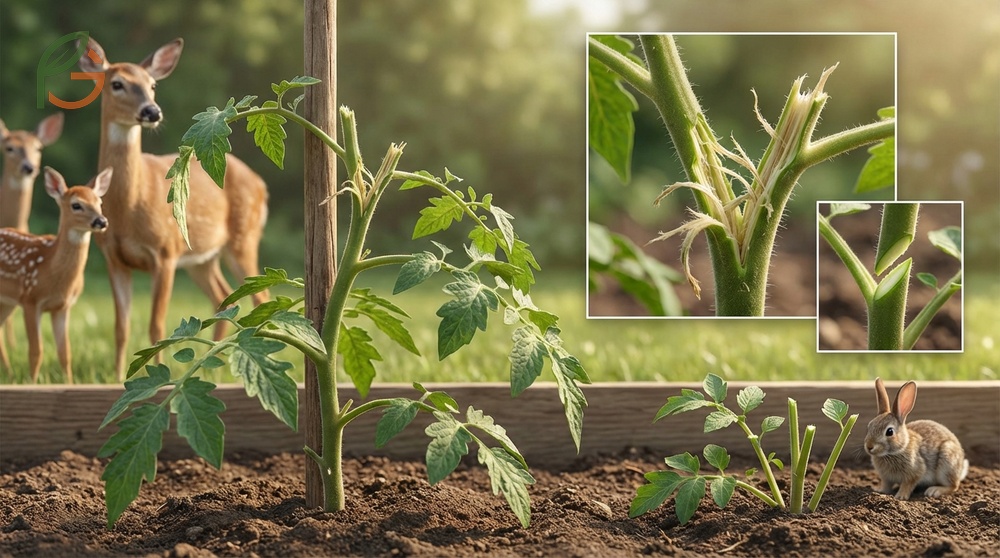
Deer leave distinctive signs that set them apart from other garden pests. They lack upper incisors, so they tear and rip plants rather than making clean cuts. You’ll see ragged edges on stems and leaves instead of the precise snips rabbits leave behind.
Browse height offers another clue. Deer typically feed 1-6 feet above ground, while rabbits and groundhogs work closer to soil level. If your tomato plant tops are missing but lower portions remain intact, deer are the likely culprits.
Track evidence helps confirm the perpetrator. Deer leave split-heart-shaped hoofprints about 2-3 inches long in soft soil around your garden. Fresh droppings—clusters of oval pellets—often appear near feeding sites.
- Torn or shredded leaves with ragged edges rather than clean cuts
- Missing growing tips and tender shoots from upper portions of plants
- Partially eaten green or ripe tomatoes left on ground with bite marks
- Browse damage 2-6 feet high, leaving lower foliage untouched
- Hoofprints and pellet droppings near damaged plants
- Damage appearing overnight or during early morning/evening hours
From My Experience: My cousin in Guadalajara, Mexico grew tomatoes in her backyard garden during summer 2024. She noticed damage appearing exclusively between 6-8 PM—matching the typical evening feeding window from studies.
Deer Resistant Vegetables
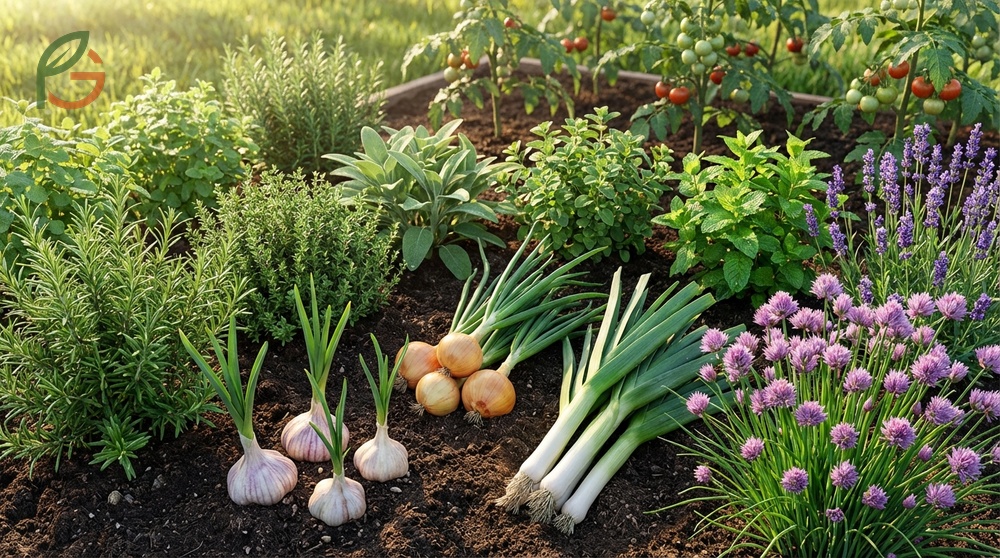
Agricultural research identifies specific vegetables deer avoid due to strong scents, fuzzy textures, or bitter flavors. Members of the allium family—onions, garlic, leeks, and chives—top the resistant list[5]. Their pungent aroma actively repels deer from surrounding areas.
Herbs with strong essential oils create natural deterrent zones. Rosemary, thyme, sage, oregano, mint, and lavender all rank as highly resistant. Planting these around your tomatoes adds both culinary value and protection.
Some vegetables fall into a moderately resistant category. Cucumbers, eggplant, peppers, and squash don’t top deer’s preference list but may get nibbled during food shortages. These make better companions for tomatoes than highly attractive crops like beans or lettuce.
This table compares deer resistance levels across common garden vegetables, showing which plants deer avoid versus their favorites
| Highly Resistant | Moderately Resistant | Frequently Damaged |
|---|---|---|
| Onions, Garlic, Leeks[5] | Tomatoes[3] | Beans, Peas[5] |
| Asparagus, Rhubarb | Cucumbers, Eggplant | Lettuce, Spinach, Cabbage |
| Hot Peppers, Herbs | Corn, Squash, Melons | Strawberries, Berries |
| Artichokes | Sweet Peppers, Carrots | Broccoli, Cauliflower |
- Garlic planted in rows around tomato beds creates an aromatic barrier
- Rosemary and thyme borders add culinary herbs while deterring browsing
- Chives interplanted between tomatoes provide onion scent protection
- Lavender planted at garden entrances discourages deer from entering
- Mint containers placed strategically emit strong deterrent oils
- Oregano and sage ground covers fill gaps with resistant foliage
Deer Fencing Ideas
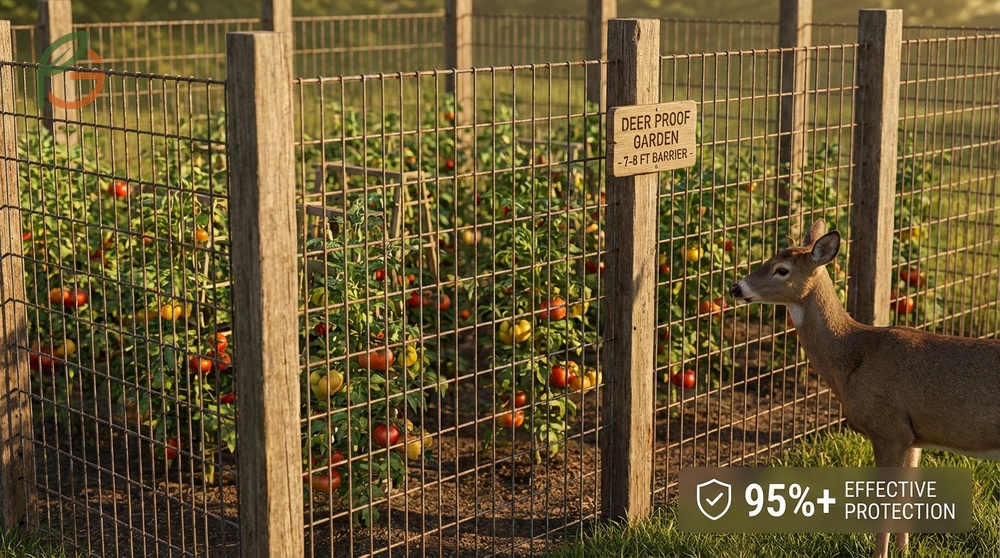
Physical barriers provide the most reliable long-term protection for tomato gardens. Research shows properly installed fencing reduces deer damage by 95% or more compared to repellents alone. The key factors are height, visibility, and structural integrity.
Standard barrier fences should reach 7-8 feet tall to prevent deer from jumping over[4]. Calm deer virtually never attempt to jump a 7-foot fence because they’re uncertain about landing safely. This height works for most residential gardens without requiring building permits.
Garden enclosures up to 150 total feet can sometimes succeed with 5-6 feet height if terrain makes jumping difficult or deer populations are light[6]. However, this works best as a calculated risk in low-pressure areas rather than a standard recommendation.
Flag your fence with white streamers for the first year after installation. This increases visibility and prevents deer from accidentally running into the barrier, which can damage both the fence and the animal.
- Polypropylene mesh fencing (black, nearly invisible, 7-8 feet tall) offers affordable protection
- Welded wire fencing provides durability and blocks smaller pests like rabbits
- Electric fencing with 5-7 strands creates psychological barriers at lower heights
- Double fence system (two 4-5 foot fences spaced 4-5 feet apart) confuses deer’s jumping ability
- Metal T-posts every 10-12 feet with horizontal tension cables maintain fence stability
- Bottom two feet should be metal fencing or buried 6 inches to exclude ground rodents
Installation Tip: Bend or lay a foot of metal fencing outward along the ground at your fence base. Stake it down facing away from the garden. This prevents digging by both deer and smaller pests without expensive underground installation.
Temporary Seasonal Barriers
If you’re not ready to commit to permanent fencing, temporary barriers can protect tomatoes during peak growing season. Lightweight poly netting strung on removable stakes works for May through October. You’ll need to take it down and reinstall each year, but material costs stay low.
Cage-style protection works for small tomato patches. Build 6-foot tall wire cages around individual plants or small groups. This approach suits gardeners with just 5-10 plants who want mobility and easy harvest access.
Visual Deterrent Enhancements
Motion-activated devices add a dynamic element that keeps deer wary. Sprinklers that blast water when triggered startle deer effectively for 2-3 months before they adapt. Rotating between different deterrent types prevents habituation.
Reflective tape, aluminum pie pans, and CDs hung from fence lines create unpredictable movement and light. These work best as supplements to physical barriers rather than standalone solutions.
Homemade Deer Repellent
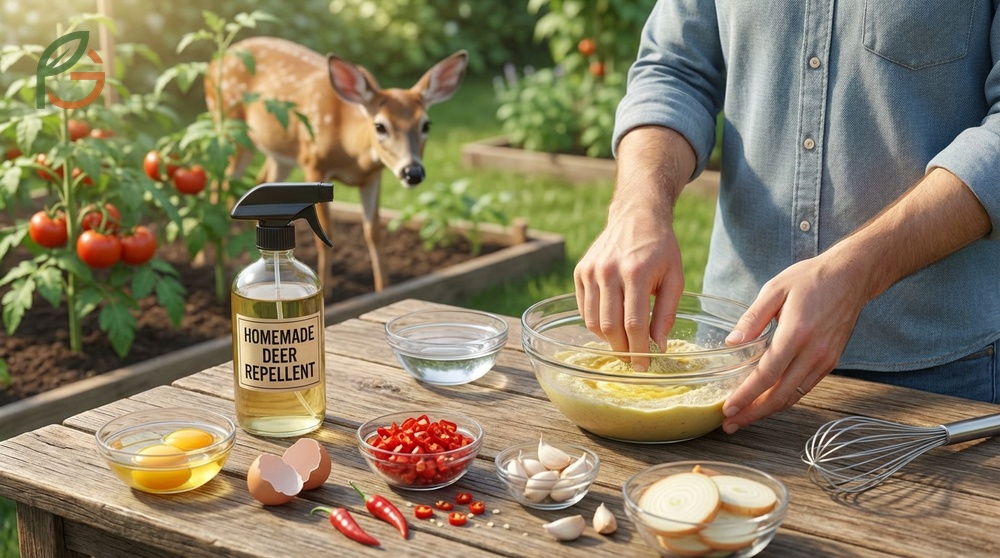
DIY repellent sprays offer a budget-friendly way to discourage deer from browsing tomato plants. The most effective recipes use ingredients that create offensive smells or tastes deer avoid. Key components include eggs (which smell like predators when they decay), hot peppers (capsaicin irritates deer’s sensitive noses), and garlic or onion (pungent sulfur compounds).
Effectiveness depends on consistent reapplication every 5-7 days and after rain. Homemade repellents work best as part of a multi-layered defense strategy rather than your only protection method. Studies suggest combining repellents with physical barriers or companion planting delivers the best results.
Timing matters for maximum impact. Apply repellents in late afternoon so they dry before evening feeding hours. Focus on perimeter plants and the most vulnerable areas—new growth tips and ripening fruits.
Egg-Based Spray Formula
The breakfast repellent ranks among the most popular homemade options. Mix 1 egg, 1/2 cup milk, 1 tablespoon dish soap, and 1 tablespoon cooking oil in a blender. Dilute this mixture in 1 gallon of water before spraying on tomato foliage and surrounding areas.
The rotting egg smell mimics predator presence, triggering deer’s fear response. Protein breakdown creates sulfur compounds that deer find extremely unpleasant. Reapply weekly and always after rainfall washes away residue.
Spicy Hot Pepper Recipes
Cayenne-based sprays leverage capsaicin’s irritating properties. Combine 4 tablespoons cayenne pepper, 1 cup white vinegar, 2 cups water, 1 cup clear ammonia, 3 peeled garlic heads, and 1 cup oil soap. Blend thoroughly then spray directly on plants.
For stronger protection, ferment your mixture 2-3 days before use. This intensifies odors and improves adherence to plant surfaces. The ammonia adds a urine-like scent that signals predator territory to deer.
Always test repellents on a few leaves first before treating your entire garden. Some formulas can cause leaf burn on sensitive plants, especially during hot weather or full sun exposure.
- Apply repellents during dry weather so they have 2-3 hours to dry and adhere
- Reapply every 5-7 days and immediately after rain or irrigation
- Rotate between different repellent formulas to prevent deer habituation
- Spray both upper and lower leaf surfaces for complete coverage
- Store unused repellent in sealed containers away from living areas due to strong odors
- Wear gloves and eye protection when handling hot pepper-based sprays
- Start applications in early spring before deer establish feeding patterns
Safety Warning: Homemade repellents containing hot peppers can irritate your skin and eyes. Always wear protective gloves and avoid touching your face during application. Don’t apply repellents to tomatoes you’ll harvest within 3-5 days.
Conclusion
The evidence is clear: while deer do eat tomato plants, you’ve got multiple proven strategies to protect your harvest. Combining 7-8 foot fencing with companion planting and regular repellent applications creates layers of defense that reduce damage by 90% or more. Your tomatoes’ moderate attractiveness to deer means you’re starting from a better position than growers of beans or lettuce.
Current guidance emphasizes integrated approaches rather than single solutions. Start with what fits your budget and space—even basic poly mesh fencing makes a dramatic difference. FruitGarden helps you implement research-backed strategies that keep your garden productive season after season.
Frequently Asked Questions
Do Deer Like Tomato Plants More Than Other Vegetables?
No, deer prefer beans, peas, lettuce, and berries over tomato plants. Research classifies tomatoes as “rarely damaged” compared to highly attractive crops. Deer typically browse tomatoes only when preferred foods are scarce or during population pressure periods.
What Time of Day Do Deer Eat Tomato Plants?
Deer feed primarily during early morning hours (5-8 AM) and evening dusk (6-9 PM). These crepuscular patterns match their natural behavior in the wild. You’ll rarely see deer browsing tomatoes during midday unless they’re extremely hungry or feel safe in your area.
Will a 6-Foot Fence Keep Deer Away From Tomatoes?
A 6-foot fence provides moderate protection but isn’t guaranteed to stop deer from jumping. Calm deer usually won’t attempt it, but hungry or pressured deer can clear 6 feet. For reliable protection, go with 7-8 feet tall fencing or use a double-fence system with 4-5 feet spacing between barriers.
How Often Should I Apply Homemade Deer Repellent to Tomatoes?
Apply homemade deer repellents every 5-7 days for consistent protection. Reapply immediately after rainfall or heavy watering since water washes away repellent compounds. Starting applications in early spring before deer establish feeding patterns delivers better results than waiting until damage appears.
Are Tomato Plants Toxic to Deer?
Tomato leaves and stems contain alkaloids (solanine and tomatine) that can be toxic in large quantities, but levels are low enough that deer can browse without serious harm. Ripe tomatoes pose virtually no risk. Deer instinctively limit consumption of potentially toxic plants, which is one reason tomatoes aren’t their preferred food.
Can I Plant Anything Near Tomatoes to Keep Deer Away?
Yes, plant strongly scented herbs and alliums around your tomatoes to create a deterrent barrier. Garlic, onions, chives, rosemary, thyme, oregano, mint, and lavender all repel deer with their pungent aromas. Create borders or interplant these resistant varieties between tomato rows for best results.
Will Deer Eat Green Tomatoes or Only Ripe Ones?
Deer eat both green and ripe tomatoes, though they show preference for ripening fruits due to higher sugar content. Green tomatoes get browsed mainly when deer are very hungry or when other food sources are limited. The color or ripeness doesn’t significantly deter deer once they’ve targeted your garden.