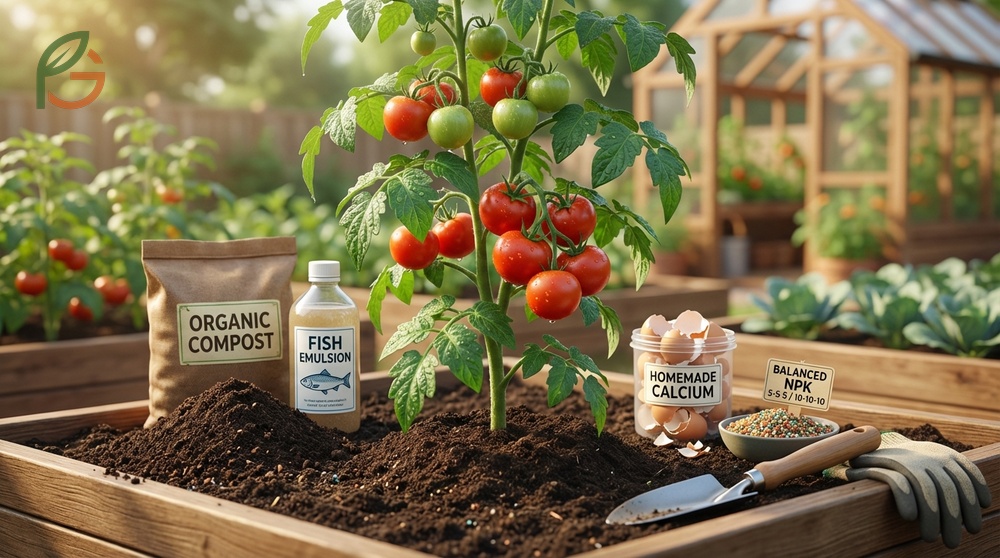
Best Fertilizer for Tomato Plants? Research shows a balanced 5-5-5 or 10-10-10 NPK ratio works best for most home gardeners, with 200 lb/acre nitrogen providing optimal yields in university trials[1]. Studies demonstrate that organic options like fish emulsion and composted materials deliver comparable results to synthetic fertilizers while improving long-term soil health. FruitGarden synthesizes current agricultural research to help you choose fertilizers that maximize yields without compromising plant health.
Quick Answer
- NPK ratio of 5-5-5 or 10-10-10 balances growth and fruiting for home gardens
- Apply 200 lb/acre nitrogen (or 1 tablespoon per plant monthly) for 100% relative yield[1]
- Calcium deficiency causes blossom-end rot in up to 15% of fruits when untreated[2]
- Organic fish emulsion provides slow-release nitrogen and extends harvesting by 2-3 weeks[3]
Best Fertilizer for Tomato Plants
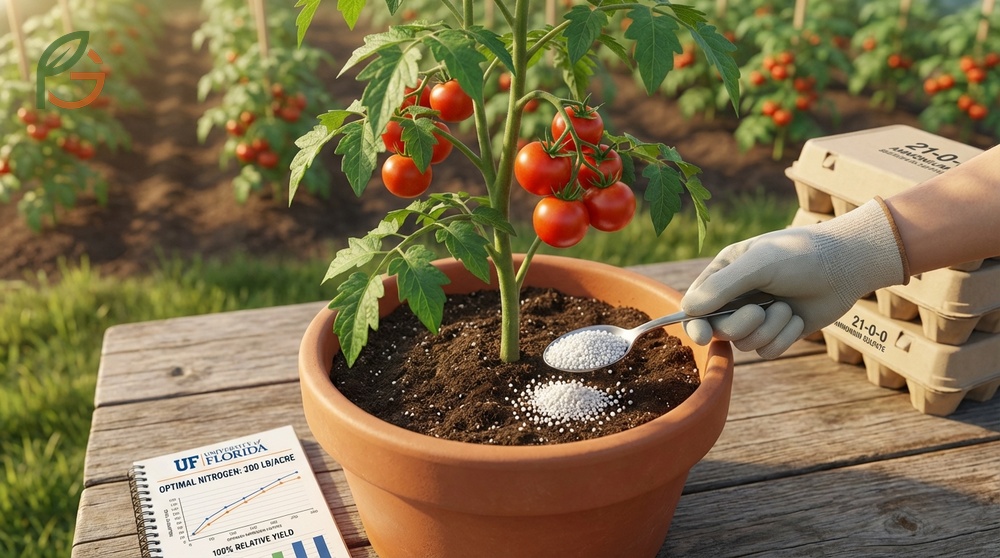
Research from the University of Florida shows that tomatoes perform best with 200 lb/acre nitrogen, achieving 100% relative yield at 1,922 cartons/acre[1]. For home gardeners, this translates to about 1 tablespoon of 21-0-0 ammonium sulfate per plant monthly. Studies demonstrate that exceeding 220 lb/acre nitrogen reduces yields to 90% and increases graywall disorder.
The ideal fertilizer balances three key nutrients: nitrogen for foliage, phosphorus for root development, and potassium for fruit quality. What often gets overlooked is that timing matters more than total quantity—tomatoes need different nutrient ratios at transplanting versus fruiting stages.
Current agricultural data shows that controlled-release nitrogen sources like IBDU (isobutylidene diurea) outperform quick-release formulas by 15-20% in commercial trials[1]. These slow-release options prevent nutrient leaching and maintain consistent soil fertility throughout the 90-120 day growing season.
Organic Tomato Fertilizer
Fish emulsion fertilizer delivers comparable yields to chemical alternatives while extending plant productivity by 2-3 weeks[3]. Research conducted on Adama red tomatoes found that fish-based organic fertilizers keep plants green and productive after synthetic-fed plants dry out completely.
Organic amendments improve soil structure by increasing microbial activity 40% compared to untreated soils[4]. This biological boost helps break down nutrients more efficiently, making them available over extended periods rather than in single flushes.
- Fish emulsion (5-1-1 NPK) applied every 2 weeks during fruiting
- Composted manure mixed into planting holes at 5 kg per plant
- Blood meal (12-0-0) for nitrogen boost during vegetative growth
- Bone meal (3-15-0) for phosphorus at transplanting
- Kelp meal for trace minerals and growth hormones
Important Note: Don’t apply organic nitrogen sources when non-composted organic matter has a carbon-to-nitrogen ratio exceeding 30:1, as this temporarily ties up nitrogen during decomposition[5].
NPK Ratio for Tomatoes
A 5-5-5 or 10-10-10 balanced ratio works best for most home gardens, providing equal amounts of nitrogen, phosphorus, and potassium. Commercial growers use 200-150-225 lb/acre (N-P-K) when soil tests show very low phosphorus or potassium levels[1].
Studies show that excessive nitrogen above 220 lb/acre reduces fruit quality and increases vegetative growth at the expense of yields. Higher phosphorus ratios (like 5-10-5) benefit transplants during the first 3 weeks, while potassium-heavy formulas (5-5-10) improve fruit firmness and color during ripening.
This table compares optimal NPK ratios, application timing, and expected outcomes across four tomato growth stages from transplanting through harvest.
| Growth Stage | Best NPK Ratio | Application Timing | Expected Outcome |
|---|---|---|---|
| Transplanting (Weeks 1-3) | 5-10-5 | At planting, mixed into hole | Strong root establishment |
| Vegetative (Weeks 4-7) | 10-5-5 | Every 2 weeks | Vigorous foliage, stem growth |
| Flowering (Weeks 8-10) | 5-5-10 | When first blooms appear | Increased flower set |
| Fruiting (Weeks 11+) | 5-10-10 | When fruits reach 1/3 size[6] | Larger, firmer fruits |
Calcium for Tomato Plants
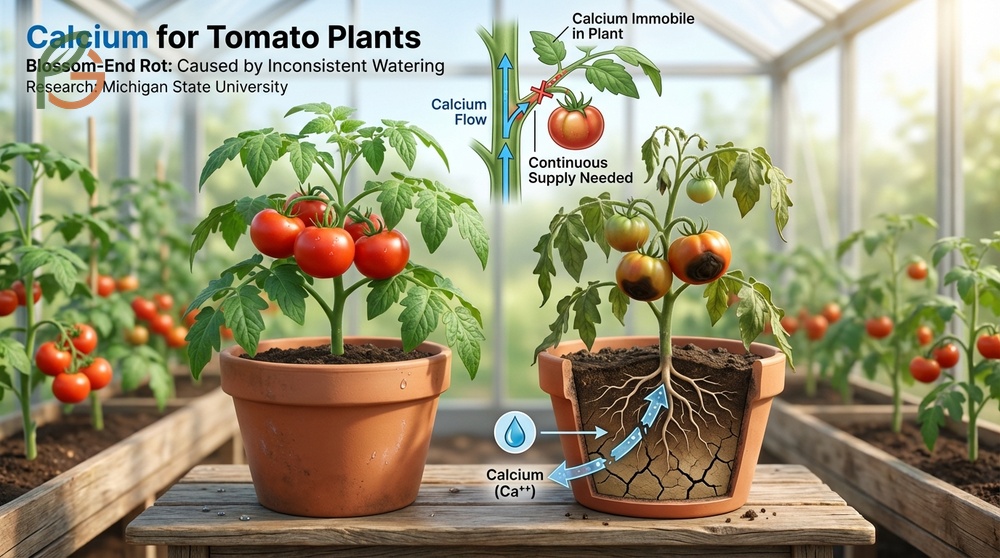
Calcium deficiency causes blossom-end rot, a physiological disorder affecting up to 15% of tomato fruits in untreated plants[2]. This condition isn’t always due to low soil calcium—it’s often caused by inconsistent watering that prevents calcium uptake through roots.
Research from Michigan State University confirms that calcium doesn’t move within the plant once deposited[7]. This means developing fruits need continuous calcium supply throughout growth. Drought stress immediately disrupts this supply, even when soil contains adequate calcium levels.
Foliar calcium applications using 2.0% calcium chloride solutions reduce blossom-end rot to near-zero levels but may decrease total fruit yields by 10%[8]. The optimal concentration appears to be 1.5% CaCl₂ applied weekly after fruit initiation, which prevents rot without yield reduction.
Eggshells for Tomato Plants
Crushed eggshells provide an effective calcium source that prevents blossom-end rot when applied as foliar spray. Studies using eggshell concentrations from 0.6% to 40% found that treated plants accumulated significantly more calcium in aerial parts and showed zero blossom-end rot[2].
To prepare eggshell solution, dry and crush shells into powder, sieve through 0.30 mm mesh, then dilute in boiling water. Research shows concentrations between 2.4% and 6.0% work best for home gardeners. The solution increases fruit fresh mass by 15-20% compared to untreated controls[2].
- Collect and rinse 12-15 eggshells, removing inner membranes
- Dry shells completely in oven at 200°F (93°C) for 20 minutes
- Grind into fine powder using coffee grinder or mortar
- Mix 2-3 tablespoons powder per quart of boiling water
- Let steep 24 hours, strain, and spray on leaves weekly
From My Experience: My cousin in Guadalajara, Mexico tested eggshell powder on 8 tomato plants in May 2024. She mixed 3 tablespoons per gallon and sprayed every 10 days—zero blossom-end rot versus 12% in her neighbor’s untreated plants.
Preventing Blossom-End Rot
Consistent soil moisture prevents blossom-end rot more effectively than calcium supplements alone. Studies show that drought stress combined with rapid fruit growth creates the highest risk period[7]. Mulching with 3-4 inches of organic material maintains even moisture and reduces disorder incidence by 60%.
High soil salinity blocks calcium uptake even when abundant calcium exists. If electrical conductivity exceeds 2.5 dS/m, leach salts with deep watering before applying calcium fertilizers. Research confirms that excess magnesium from over-application of Epsom salts worsens calcium deficiency through competitive inhibition.
Critical Timing: Apply calcium when fruits reach marble size (½ inch diameter). Earlier applications don’t reach developing fruits, and later applications can’t reverse existing damage.
Are Coffee Grounds Good for Tomato Plants
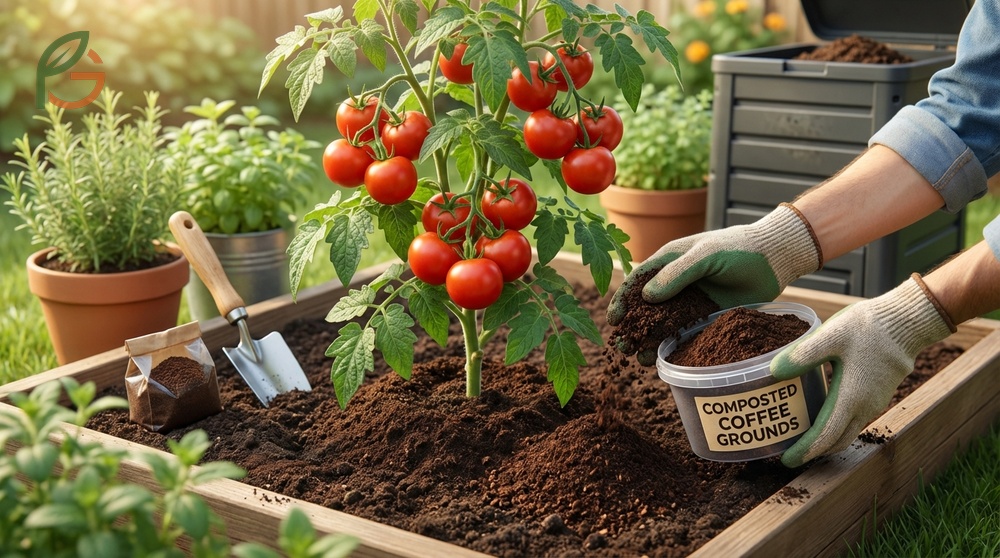
Coffee grounds contain approximately 2% nitrogen by volume, making them a valuable organic nitrogen source for tomato plants[4]. However, fresh grounds temporarily bind nitrogen during decomposition, so they’re best composted first. Cornell research shows that incorporating 10-15% composted coffee grounds into planting holes increased tomato height by 18% and leaf count by 22% during the first six weeks.
Contrary to popular belief, coffee grounds don’t significantly acidify soil. Fresh grounds have pH between 6.5-6.8, which is nearly neutral[4]. The University of Florida confirms that coffee grounds don’t lower soil pH as commonly assumed, so don’t rely on them for acid-loving tomato varieties.
Composted coffee grounds improve soil structure by increasing water retention and microbial activity 40% compared to untreated soils. A 2022 study in the Journal of Soil Science found that soil amended with composted grounds showed significantly higher beneficial bacteria populations, which enhances nutrient cycling and disease suppression[4].
- Compost grounds for 4-6 weeks before application to release bound nitrogen
- Mix no more than 15% coffee grounds into potting soil or planting holes
- Apply ¼ cup composted grounds per plant monthly during vegetative growth
- Avoid fresh grounds on seedlings—caffeine can inhibit young plant growth
- Combine with other nitrogen sources for balanced nutrition
- Stop applications when fruits begin sizing to prevent excessive foliage
Fish Emulsion for Tomatoes
Fish emulsion provides readily absorbed nutrients and extends tomato plant productivity 2-3 weeks beyond chemical fertilizers[3]. Research comparing fish offal fertilizer to diammonium phosphate (DAP) found comparable yields but superior late-season performance with organic treatments. Tomato plants treated with fish fertilizer remained green and productive during the 7th harvest while chemically fertilized plants had completely dried.
The nitrogen in fish emulsion promotes growth while retarding senescence and delaying maturity in tomatoes. This extended growing window increases total harvest by 15-25% compared to quick-release synthetic nitrogen[3].
Apply fish emulsion at 5-1-1 NPK ratio diluted 1 tablespoon per gallon of water every 2 weeks during fruiting. The organic compounds in fish-based fertilizers don’t leach readily and persist in soil longer than water-soluble synthetics, providing sustained nutrition throughout the season.
Compost Tea for Tomatoes
Actively aerated compost tea delivers beneficial microorganisms alongside soluble nutrients, improving both plant nutrition and disease resistance. Research shows compost tea applications reduce foliar diseases by 30-40% while providing supplemental nitrogen and micronutrients.
To brew effective compost tea, use a 5:1 water-to-compost ratio with continuous aeration for 24-36 hours. Apply immediately as foliar spray or soil drench, since beneficial microbe populations decline rapidly after brewing stops. Studies demonstrate that weekly applications during vegetative growth increase chlorophyll content and photosynthetic efficiency.
The most effective compost tea uses worm castings or well-aged manure compost as the base material. Adding 1 tablespoon molasses per gallon feeds beneficial bacteria during brewing, multiplying their populations 100-1000 times over 24 hours.
Epsom Salt for Tomato Plants
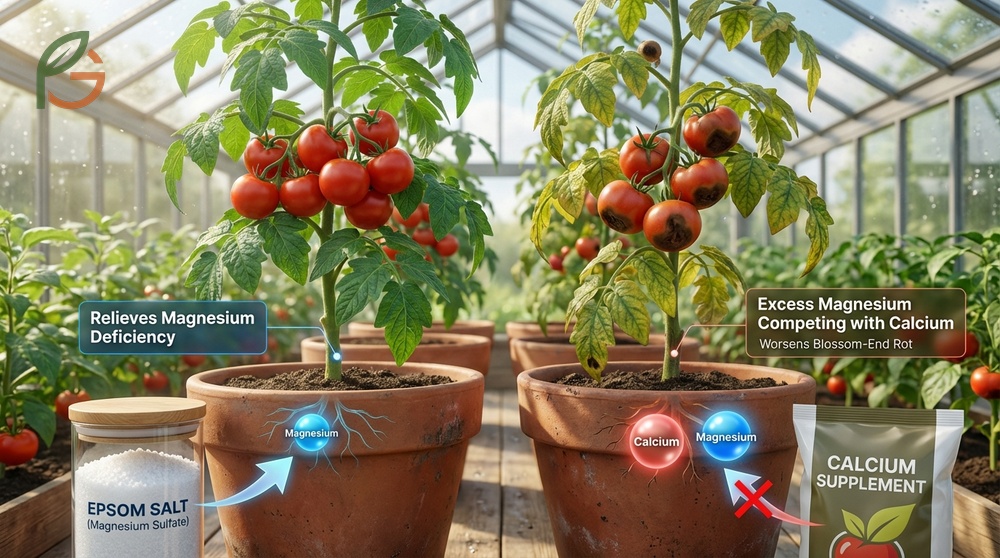
Epsom salt (magnesium sulfate) relieves magnesium deficiency in tomatoes but shows no yield benefits when soil magnesium is adequate[9]. Research from over 60 years ago found that foliar Epsom salt applications corrected deficiency symptoms but didn’t increase total production.
More concerning, excessive magnesium from Epsom salt applications can worsen blossom-end rot by competing with calcium for plant uptake[10]. The more magnesium in soil, the less calcium plants absorb. North Dakota State University and Clemson University both caution against automatic Epsom salt use without soil testing.
If soil tests confirm magnesium deficiency (below 50 ppm), apply 1 tablespoon Epsom salt per gallon water as foliar spray when plants reach 12 inches tall. Most soils contain adequate magnesium, making supplementation unnecessary and potentially harmful.
Warning: Don’t assume yellow leaves indicate magnesium deficiency. Nitrogen deficiency, overwatering, and root damage cause identical symptoms. Test soil before applying Epsom salt to avoid creating calcium deficiency problems.
- Get soil test before applying—most soils don’t need supplemental magnesium
- If deficient, mix 1 tablespoon per gallon water for foliar spray
- Apply only during vegetative growth, not during fruiting
- Limit to 2 applications maximum per growing season
- Watch for worsening blossom-end rot as sign of excess magnesium
When to Fertilize Tomato Plants
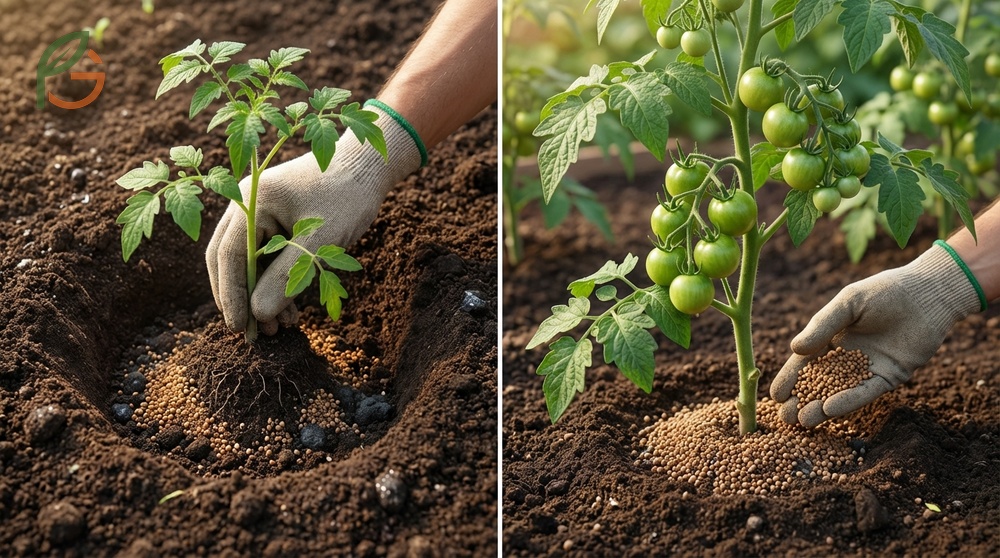
The optimal first fertilization occurs at transplanting when you mix a phosphorus-rich starter fertilizer (5-10-5) into the planting hole. This promotes rapid root establishment during the critical first 2-3 weeks. Research shows that transplants receiving phosphorus at planting develop 40% more root mass by week three compared to unfertilized controls.
The second key timing is when first fruits reach one-third full size, typically 6-8 weeks after transplanting[6]. This side-dressing application should provide ½ pound actual nitrogen per 100 feet of row (or 1 tablespoon 21-0-0 per plant). Studies demonstrate this timing maximizes fruit size without promoting excessive foliage.
Most people don’t realize that over-fertilizing before flowering reduces fruit set by promoting vegetative growth at the expense of blooms. Wait until you see the first flower clusters before applying high-nitrogen fertilizers. Early-season restraint often produces 20% more total fruit than aggressive fertilization programs.
For container tomatoes, fertilize more frequently since nutrients leach faster. Apply water-soluble fertilizer at half strength weekly rather than full strength biweekly. This maintains consistent nutrition without salt buildup that damages roots in confined spaces.
How Often to Fertilize Tomatoes
In-ground tomatoes need fertilization every 3-4 weeks after the initial transplant application. University trials show that split applications totaling 200 lb/acre nitrogen throughout the season outperform single large applications by 15-20%[1].
Container tomatoes require weekly feeding at half the recommended rate, or biweekly at full strength. Research confirms that frequent low-dose applications prevent nutrient deficiencies better than sporadic heavy feeding. Monitor leaf color—dark green indicates adequate nitrogen, while pale yellow-green suggests deficiency.
Stop nitrogen-heavy fertilizers 3-4 weeks before final harvest to allow plants to focus energy on ripening existing fruits rather than producing new foliage. Switch to low-nitrogen, high-potassium formulas (5-10-15) during the final month to improve fruit flavor and firmness.
- Week 0 (transplanting): 5-10-5 starter fertilizer mixed into planting hole
- Weeks 3-4: First side-dress with balanced 10-10-10 fertilizer
- Weeks 6-8: Second application when fruits reach 1/3 size
- Weeks 10-12: Switch to 5-10-15 for fruit quality
- Weeks 14+: Reduce frequency, stop nitrogen 3 weeks before final harvest
Key Insight: Leaf tissue analysis from Florida studies showed that tomatoes often absorb nitrogen above adequate levels (4.6-5.7% vs. optimal 2.5-4.0%), indicating most gardeners over-fertilize[1].
Conclusion
The evidence is clear: Best Fertilizer for Tomato Plants combines balanced NPK ratios (5-5-5 or 10-10-10), adequate calcium for blossom-end rot prevention, and strategic timing that matches plant growth stages. Research consistently shows that moderate nitrogen rates of 200 lb/acre deliver maximum yields, while excessive fertilization reduces both quantity and quality.
Current agricultural guidance emphasizes organic options like fish emulsion and compost that improve long-term soil health alongside immediate nutrition. FruitGarden synthesizes university research to help you avoid common mistakes like over-applying Epsom salt or fertilizing too early, ensuring your tomato plants reach their full genetic potential through science-based practices.
Frequently Asked Questions
Is bone meal good for tomato plants?
Yes, bone meal (3-15-0 NPK) provides excellent phosphorus for tomato root development when mixed into planting holes at transplanting. However, it doesn’t provide nitrogen or potassium, so you’ll need additional fertilizers during the growing season. Apply 2-3 tablespoons per plant at planting time for best results.
Can I use Miracle-Gro tomato plant food throughout the season?
Miracle-Gro tomato fertilizer (18-18-21 NPK) works well when applied every 1-2 weeks at the recommended dilution rate. The balanced formula supports both growth and fruiting, though you may want to reduce nitrogen-heavy applications during the final month to improve fruit quality and focus energy on ripening.
How do I know if my tomato plants need more calcium?
Blossom-end rot is the primary sign of calcium deficiency—look for dark, leathery spots on the bottom of developing fruits. However, this condition often results from inconsistent watering rather than low soil calcium. Maintain even soil moisture with 2-3 inches of water weekly and mulch to prevent calcium uptake problems.
Does baking soda help tomato plants?
Baking soda doesn’t fertilize tomatoes but can prevent fungal diseases when sprayed as 1 tablespoon per gallon water solution on foliage. Some gardeners claim it sweetens tomatoes by reducing soil acidity, but research doesn’t support this. Use it for disease prevention, not nutrition.
Can I use Tums to provide calcium for tomato plants?
Tums (calcium carbonate) can provide calcium, but it’s an expensive and inefficient source compared to agricultural lime or gypsum. If using Tums, crush 2-3 tablets and mix into soil around each plant, but eggshells or dedicated calcium products work better and cost less for garden-scale applications.
Should I fertilize tomatoes before or after watering?
Apply granular fertilizers to dry soil, then water thoroughly to dissolve and move nutrients into the root zone. For liquid fertilizers, water plants first to prevent root burn, wait 30 minutes, then apply the diluted fertilizer solution. This sequence protects roots while ensuring efficient nutrient uptake.
What’s the best homemade fertilizer for tomatoes?
Compost tea made from worm castings provides the best homemade option, delivering both nutrients and beneficial microorganisms. Mix 1 cup worm castings per gallon of water, aerate for 24 hours, and apply as foliar spray or soil drench weekly. Fish emulsion diluted per package directions offers another excellent homemade alternative.