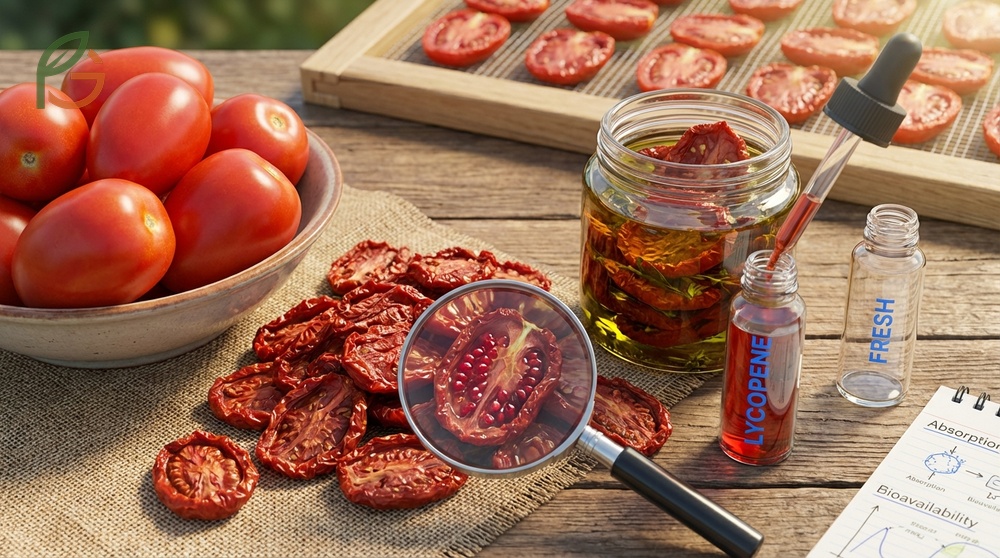
Are sun dried tomatoes healthy? Yes, they’re nutrient-dense and pack significantly more lycopene than fresh tomatoes. Research shows they retain 90% of their lycopene content[1] during dehydration, making them one of the most concentrated sources of this powerful antioxidant. Studies demonstrate that sun dried tomatoes offer the highest bioavailability of lycopene compared to fresh or canned varieties[2], which means your body can absorb and use it more effectively. FruitGarden explores how this Mediterranean pantry staple can boost your health when you understand its nutritional profile and proper storage methods.
Quick Answer
- Sun dried tomatoes contain 1565mg potassium[3] (46% daily value) and 102mg vitamin C[3] per 100g
- They deliver higher lycopene bioavailability than fresh tomatoes due to the concentration process[2]
- Dry-packed versions contain 266mg sodium[3] per 100g, while oil-packed varieties can be significantly higher
- Store dry-packed tomatoes in airtight containers for 18-24 months, oil-packed for 6-12 months refrigerated[1]
Are Sun Dried Tomatoes Healthy
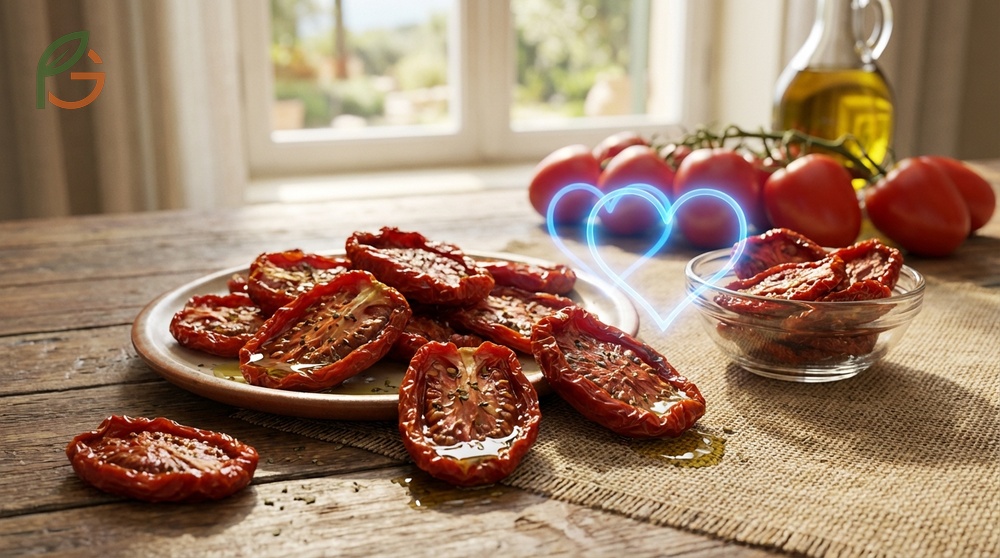
Sun dried tomatoes are remarkably healthy for most people. The dehydration process concentrates their nutrients, creating a powerhouse of vitamins, minerals, and antioxidants in a small serving. Research shows they’re particularly beneficial for cardiovascular health due to their exceptional lycopene content.
Unlike fresh tomatoes, sun dried varieties pack significantly more nutrients per gram because water removal leaves behind concentrated beneficial compounds. They’re an excellent source of dietary fiber at 5.8g per 100g[3], which supports digestive health. You’ll also get substantial amounts of iron, potassium, and vitamins C and A in each serving.
Current nutritional guidelines emphasize the importance of lycopene-rich foods for overall health. Sun dried tomatoes excel in this area because the drying process doesn’t just preserve lycopene—it actually increases its bioavailability, making it easier for your body to absorb and use.
Cardiovascular Benefits
The lycopene in sun dried tomatoes offers significant cardiovascular protection. Studies demonstrate it has antioxidative, anti-inflammatory, anti-atherogenic, and antiplatelet effects while improving endothelial function and blood pressure control[4]. This means it works through multiple pathways to protect your heart and blood vessels.
Research shows lycopene can bind to LDL cholesterol in plasma, providing protection against atherosclerosis by suppressing lipid peroxidation[5]. Evidence indicates that individuals with the highest blood concentrations of lycopene had a 39% decreased chance of premature death over a 10-year period when they had metabolic syndrome[5].
These protective effects are especially beneficial for older adults, smokers, and people with diabetes or other vascular disorders. The lycopene acts as an antihypertensive agent by impeding the angiotensin-converting enzyme and improving nitric oxide production in the endothelium.
Antioxidant Power
As one of the most powerful antioxidants among dietary carotenoids, lycopene combats free radicals that damage cells and contribute to chronic diseases. Sun dried tomatoes provide this antioxidant in a highly concentrated form that’s easy to incorporate into daily meals.
The antioxidant capacity extends beyond just lycopene. Sun dried tomatoes also contain vitamin C, vitamin A, and other phytonutrients that work synergistically to reduce oxidative stress throughout your body. This comprehensive antioxidant profile makes them particularly valuable for supporting immune system function.
Important Note: While sun dried tomatoes are healthy, moderation matters. Oil-packed versions can contain significantly more sodium than dry-packed varieties, so check labels carefully if you’re monitoring sodium intake. Those with nightshade sensitivities should also consult healthcare providers before adding them to their diet regularly.
Sun Dried Tomatoes Nutrition
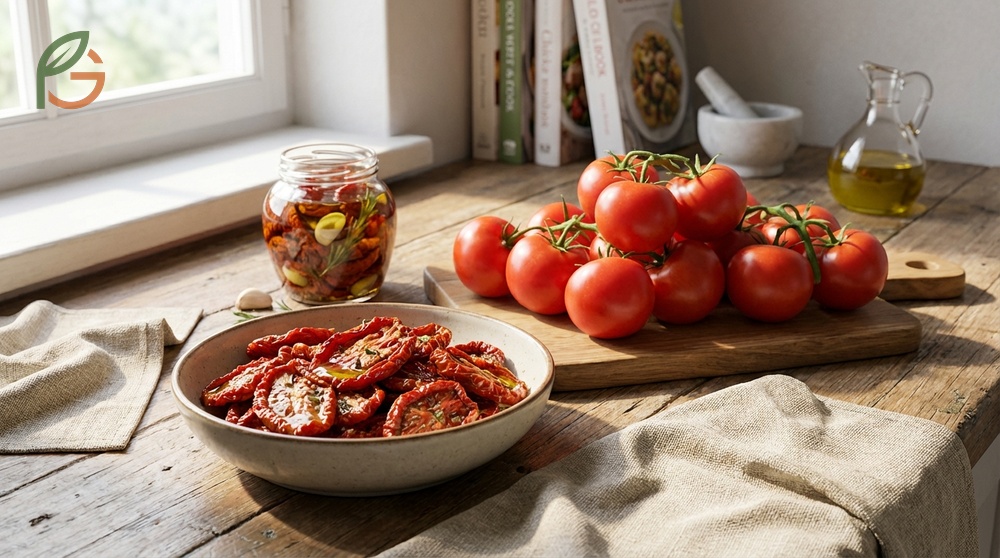
Understanding the nutritional profile helps you make informed choices about portion sizes and preparation methods. The nutrient density of sun dried tomatoes far exceeds that of fresh tomatoes, which means a little goes a long way.
A 100-gram serving contains 213 calories[3], making them more calorie-dense than fresh tomatoes but still reasonable for most eating plans. The calorie content comes primarily from carbohydrates and healthy fats, especially in oil-packed versions.
Macronutrient Breakdown
The macronutrient profile varies depending on whether you choose dry-packed or oil-packed varieties. Dry-packed sun dried tomatoes contain approximately 16.1g protein, 63.8g carbohydrates, and 3.4g fat per 100g when fully dehydrated[6]. These numbers change significantly with oil-packed versions, which contain around 14g fat per 100g[3].
The protein content is relatively high for a vegetable product, though it’s not a complete protein source. Most of the carbohydrates come from natural fruit sugars that concentrate during the drying process, along with beneficial dietary fiber that supports gut health.
Key Vitamins and Minerals
Sun dried tomatoes deliver impressive amounts of essential micronutrients. The vitamin C content reaches 102mg per 100g, providing 113% of your daily value[3]. This vitamin supports immune function, collagen production, and iron absorption.
Potassium stands out at 1565mg, delivering nearly half your daily requirement in just 100 grams. This mineral is crucial for maintaining healthy blood pressure and proper muscle function. You’ll also get 2.7mg iron (34% DV)[3], making them valuable for preventing anemia.
- Potassium: 1565mg (46% DV) – supports heart health and blood pressure regulation
- Vitamin C: 102mg (113% DV) – boosts immune function and acts as an antioxidant
- Iron: 2.7mg (34% DV) – essential for oxygen transport in blood
- Magnesium: 81mg (19% DV) – supports muscle and nerve function
- Copper: 0.47mg (53% DV) – aids in iron absorption and energy production
- Vitamin B6: 0.32mg (25% DV) – important for brain development and function
- Fiber: 5.8g (23% DV) – promotes digestive health and satiety
This table compares key nutrients between sun dried tomatoes and fresh tomatoes per 100 grams, showing how dehydration concentrates vitamins and minerals
| Nutrient | Sun Dried Tomatoes | Fresh Tomatoes | Difference |
|---|---|---|---|
| Calories | 213 kcal[3] | 18 kcal | 12x higher |
| Vitamin C | 102mg[3] | 14mg | 7x higher |
| Potassium | 1565mg[3] | 237mg | 6.6x higher |
| Fiber | 5.8g[3] | 1.2g | 4.8x higher |
| Sodium | 266mg[3] | 5mg | 53x higher |
What Are Sun Dried Tomatoes
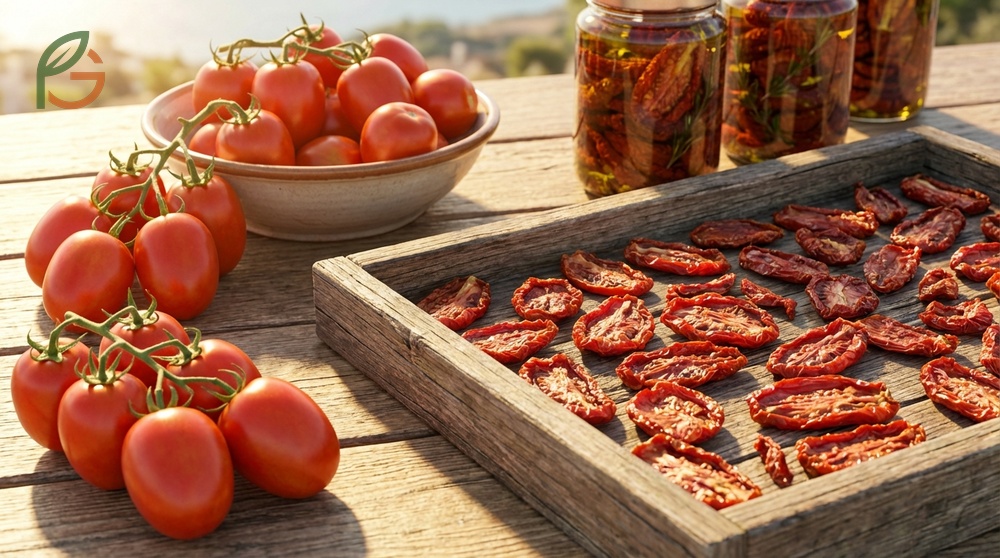
Sun dried tomatoes are ripe tomatoes that’ve been dehydrated to remove most of their water content, concentrating their flavor and nutrients. Traditionally, they’re dried in the sun for several days, but modern production often uses dehydrators or low-temperature ovens for more consistent results.
The drying process reduces the tomato’s water content from about 95% to roughly 10-15%, transforming soft, juicy fruits into chewy, intensely flavored pieces. This ancient preservation method dates back centuries in Mediterranean regions where sun and heat were abundant. You’ll find them sold either dry-packed in bags or packed in olive oil with herbs.
Roma, San Marzano, and grape tomatoes work best for drying because they contain less water and more flesh than other varieties. The thicker walls and fewer seeds mean they dry more evenly and develop that characteristic sweet-tart flavor that makes them so versatile in cooking.
Most commercial sun dried tomatoes aren’t actually sun-dried anymore—they’re produced in controlled dehydrators at temperatures around 140°F (60°C) for 20-24 hours. This method ensures food safety and consistent quality while preserving the nutrients and flavor that make them valuable.
Sun Dried Tomatoes in Oil vs Dry
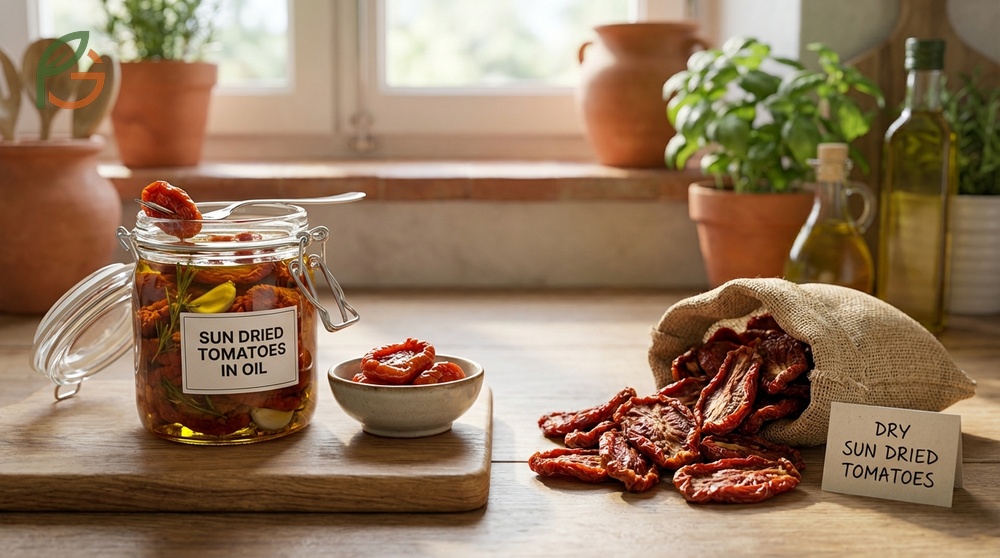
Choosing between oil-packed and dry-packed sun dried tomatoes affects both nutrition and convenience. Oil-packed versions deliver immediate flavor impact and softer texture, while dry-packed varieties offer more concentrated tomato essence and longer shelf life[1].
Oil-packed tomatoes are ready to use straight from the jar. They’ve been rehydrated in olive oil, often with herbs and garlic, creating a rich, mellow flavor that works perfectly in salads, pasta, and as pizza toppings. The downside is higher sodium content and added calories from the oil—though you can drain them to reduce both.
Dry-packed tomatoes require a rehydration step before most uses, but they give you more control over sodium and fat content. Simply soak them in warm water for 15-30 minutes to soften, then use as needed. The intense, slightly tart flavor makes them ideal for sauces, stews, and dishes where you want bold tomato taste.
- Shelf life: Oil-packed last 6-12 months refrigerated, dry-packed last 18-24 months in airtight containers
- Sodium content: Dry-packed contain 266mg per 100g, while oil-packed varieties can range from 70mg to 250mg per serving depending on brand
- Preparation: Oil-packed are ready to use, dry-packed need 15-30 minutes rehydration in warm water
- Texture: Oil-packed are softer and more tender, dry-packed are chewy and need reconstituting
- Best uses: Oil-packed for finishing dishes and cold applications, dry-packed for cooking and sauces
Storage Safety Tip: The National Center for Home Food Preservation now recommends against storing dried tomatoes in oil at room temperature due to botulism risk[7]. If you pack your own tomatoes in oil, always refrigerate them and use within 2 months to ensure food safety.
How to Store Sun Dried Tomatoes
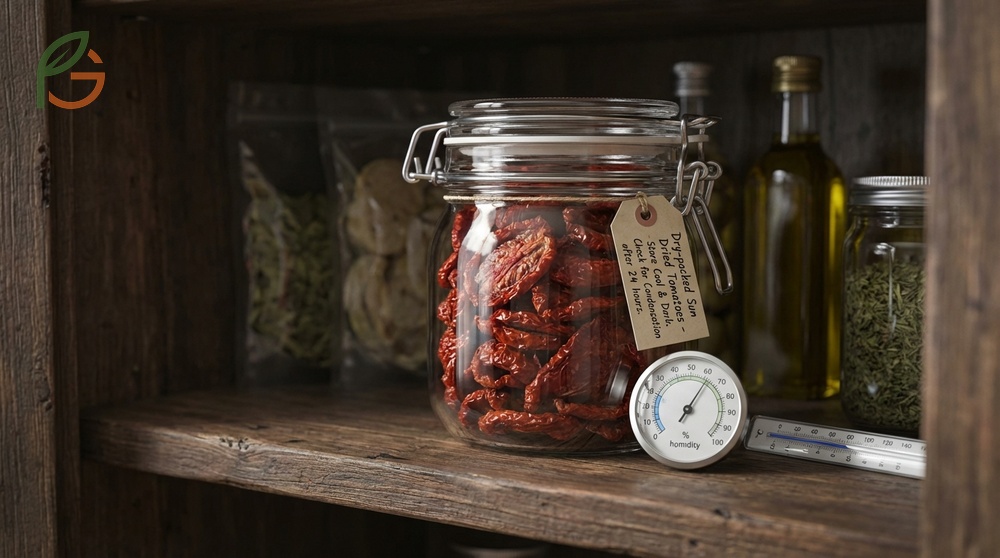
Proper storage keeps sun dried tomatoes fresh and safe to eat for months. Dry-packed varieties last longest when stored in airtight containers in a cool, dark, dry place like your pantry or cupboard. They’ll stay fresh for 18-24 months when protected from moisture and light[1].
Check your stored dry-packed tomatoes after the first 24 hours in their container. If you see any condensation on the jar walls, it means they aren’t fully dried and need more dehydration time to prevent mold growth. This quick check can save your entire batch.
Oil-packed sun dried tomatoes require refrigeration once opened and should be used within 6-12 months. Always make sure the tomatoes remain completely submerged under oil—this prevents exposure to air that can cause spoilage. If the oil level drops, add more high-quality olive oil to keep them covered.
For homemade versions, if you want to pack dried tomatoes in oil, you must refrigerate them immediately and use within 2 months. The oil creates an oxygen-free environment where dangerous botulism bacteria can grow, so proper refrigeration isn’t optional—it’s essential for food safety.
Uses for Sun Dried Tomatoes
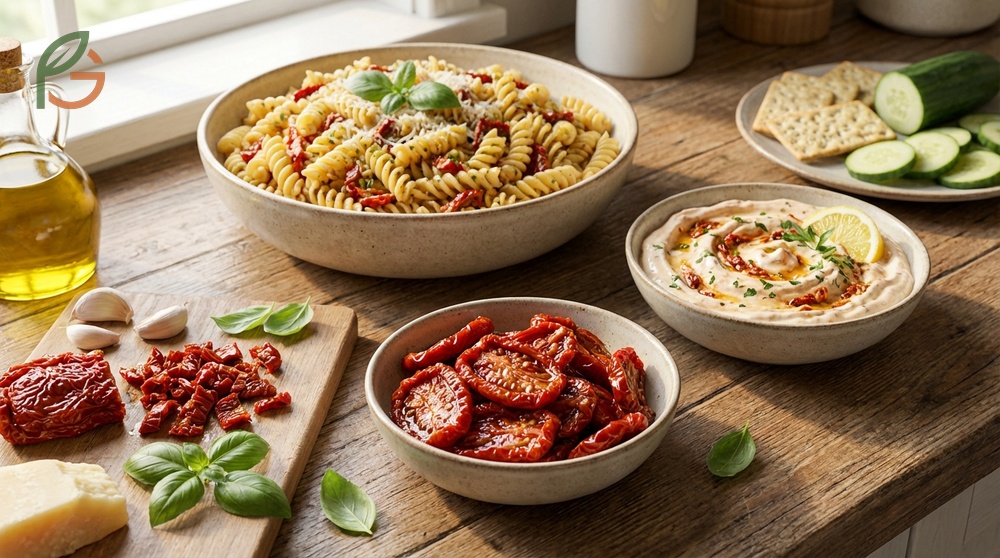
Sun dried tomatoes add intense umami flavor and chewy texture to countless dishes. They work beautifully in pasta dishes where their concentrated taste stands up to bold ingredients like garlic, basil, and Parmesan. Chop them into small pieces and toss with cooked pasta, a splash of pasta water, and olive oil for a quick weeknight dinner.
Blend rehydrated sun dried tomatoes with Greek yogurt, lemon juice, and herbs to create a protein-rich Mediterranean dip that stays fresh for 5 days refrigerated. This makes an excellent meal prep option that’s both nutritious and flavorful. You can also puree them with olive oil and fresh basil for sun dried tomato pesto.
For breakfast applications, chop sun dried tomatoes finely and mix them into scrambled eggs, omelets, or frittatas. Their concentrated flavor means you need only a small amount to transform a basic egg dish into something special. They also work well mixed into quinoa, rice, or other grain dishes for added nutrition and taste.
- Pasta dishes: Toss chopped tomatoes with linguine, garlic, olive oil, and Parmesan for 15-minute meals
- Stuffed chicken: Layer sliced tomatoes with feta cheese inside butterflied chicken breasts before baking
- Mediterranean dips: Blend with Greek yogurt, garlic, and herbs for a healthy appetizer
- Grain bowls: Mix into quinoa or rice with vegetables and protein for nutrient-dense lunches
- Breads and focaccia: Knead chopped tomatoes into dough for flavorful baked goods
- Salads: Add dry-packed tomatoes (rehydrated) to green salads for texture and concentrated tomato flavor
- Pizza toppings: Use oil-packed slices as a bold topping that won’t add excess moisture
If you’re making creamy soups, rehydrated sun dried tomatoes can create natural thickness without needing flour or cream. Sauté onions and garlic, add rehydrated tomatoes, vegetable broth, and smoked paprika, then simmer for 20 minutes and blend until smooth. This technique delivers rich flavor while keeping the dish naturally gluten-free.
Conclusion
The evidence is clear: sun dried tomatoes are healthy additions to most diets when you choose wisely and watch portion sizes. They deliver concentrated nutrients, exceptional lycopene bioavailability, and cardiovascular benefits that fresh tomatoes can’t match in such a compact form. Research consistently shows their antioxidant and anti-inflammatory properties support heart health, immune function, and overall wellness.
Current nutritional guidance emphasizes the importance of incorporating diverse plant-based foods rich in antioxidants like lycopene. Whether you choose dry-packed for maximum shelf life and sodium control or oil-packed for convenience, you’re getting a nutrient-dense ingredient that transforms everyday meals. FruitGarden recommends starting with small portions to assess your tolerance, especially if you’re monitoring sodium intake, and always storing them properly to maintain both safety and quality.
Medical Disclaimer
Important Medical Disclaimer: This content is for informational and educational purposes only. It’s not intended as a substitute for professional medical advice, diagnosis, or treatment. Always consult a qualified healthcare professional before making any changes to your diet, medication, or health routine, especially if you have cardiovascular disease, diabetes, high blood pressure, nightshade sensitivities, or other medical conditions. Individual nutritional needs vary based on age, health status, medications, and other factors that only your healthcare provider can properly assess.
Frequently Asked Questions
How Much Sodium Is in Sun Dried Tomatoes?
Dry-packed sun dried tomatoes contain 266mg sodium per 100g, while oil-packed varieties range from 70mg to 250mg per serving depending on the brand and added seasonings. If you’re watching sodium intake, choose dry-packed versions and check nutrition labels carefully, as some brands add significantly more salt during processing.
Are Sun Dried Tomatoes Good for Weight Loss?
Sun dried tomatoes can support weight loss when used in moderation because they’re nutrient-dense and high in fiber, which promotes satiety. However, they’re more calorie-dense than fresh tomatoes at 213 calories per 100g, so portion control matters. Use them as a flavor enhancer rather than a main ingredient, and opt for dry-packed versions to avoid extra calories from oil.
Can You Eat Sun Dried Tomatoes Raw?
Yes, you can eat both oil-packed and dry-packed sun dried tomatoes without cooking them. Oil-packed versions are ready to eat straight from the jar, while dry-packed tomatoes taste better after rehydrating in warm water for 15-30 minutes to soften their chewy texture. They’re delicious in salads, sandwiches, or as part of antipasto platters.
What’s the Best Way to Rehydrate Dried Tomatoes?
Place dry-packed sun dried tomatoes in a bowl and cover them with warm water, then let them soak for 15-30 minutes until they’re plump and tender. For faster results, use hot water or briefly microwave the bowl. You can also rehydrate them in broth, wine, or even olive oil for added flavor that complements your recipe.
Do Sun Dried Tomatoes Need to Be Refrigerated?
Dry-packed sun dried tomatoes don’t need refrigeration when stored in airtight containers in a cool, dark place, where they’ll last 18-24 months. Oil-packed versions must be refrigerated once opened and should be used within 6-12 months. Always keep oil-packed tomatoes completely submerged in oil to prevent spoilage and mold growth.
Are Sun Dried Tomatoes Better Than Fresh for Lycopene?
Yes, sun dried tomatoes offer higher lycopene bioavailability than fresh tomatoes, meaning your body can absorb and use the lycopene more effectively. Research shows they retain 90% of lycopene during dehydration while concentrating it into a smaller volume. The drying process and fat content in oil-packed versions further enhance lycopene absorption.
How Do You Make Sun Dried Tomatoes at Home?
Cut Roma or San Marzano tomatoes into halves or wedges, place them cut-side up on dehydrator trays, and dry at 140°F (60°C) for 20-24 hours until leathery but still pliable. Alternatively, use your oven at its lowest setting (170-200°F) with the door slightly ajar, checking every 2-3 hours. Season with herbs before drying, and store completely dried tomatoes in airtight containers.