
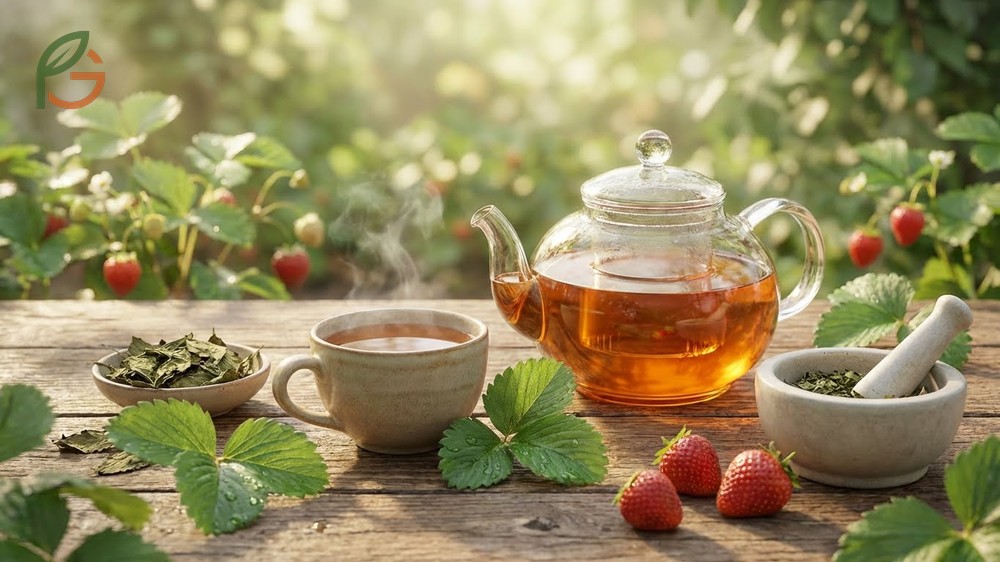
Benefits of strawberry leaves extend far beyond the fruit itself. Research shows these nutrient-dense leaves contain 138 mg of vitamin C per 100g[1] and powerful antioxidants that support digestive health, immune function, and reduce inflammation. Studies demonstrate that strawberry leaf tea has been used for centuries in traditional herbal medicine across Europe and Asia. FruitGarden synthesizes current botanical research and traditional knowledge to help you understand these remarkable wellness benefits.
Quick Answer
Benefits of Strawberry Leaves
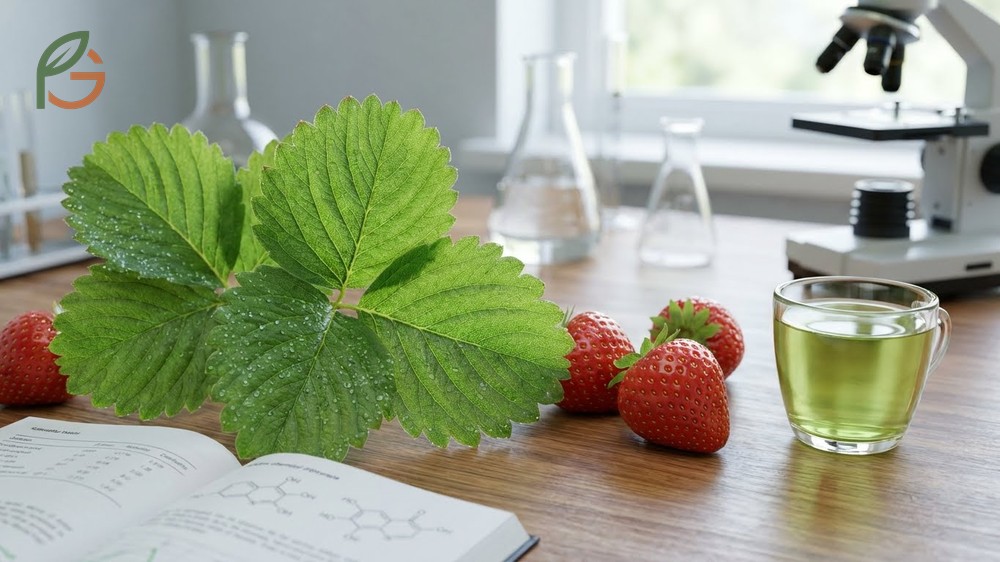
Research shows strawberry leaves contain significantly higher polyphenol concentrations than the fruit itself, averaging 2,157 mg per 100g compared to 638 mg in berries[1]. These compounds include anthocyanins, ellagitannins, and flavonoids that protect cells from oxidative stress.
Current data indicates vitamin C levels in strawberry leaves range from 62 mg to 334 mg per 100g depending on growing conditions[1]. This amount exceeds many citrus fruits and makes the leaves a potent immune-supporting herb.
The leaves also contain vitamins K, E, and B-complex along with minerals including iron, calcium, and magnesium[5]. These nutrients work synergistically to support multiple body systems.
Digestive Health Support
Studies demonstrate that tannins in strawberry leaves create an astringent effect that helps stabilize the digestive tract[4]. This property makes the herb useful for managing occasional diarrhea and intestinal discomfort.
Evidence from traditional use suggests the leaves may soothe indigestion, bloating, and gas[5]. The anti-inflammatory compounds reduce irritation in the gastrointestinal lining.
- Tannins provide gentle astringent action for digestive comfort
- Anti-inflammatory flavonoids may ease symptoms of irritable bowel syndrome
- Diuretic properties support kidney function and toxin elimination
- Traditional use for reducing excess stomach acid and heartburn
- May help improve nutrient absorption in the small intestine
Important Note: If you’re experiencing chronic digestive issues or severe symptoms, consult a healthcare professional before using herbal remedies. Strawberry leaves work best as a complementary approach, not a replacement for medical treatment.
Immune System Enhancement
The exceptional vitamin C content strengthens immune function by supporting white blood cell production and activity[5]. This antioxidant vitamin neutralizes free radicals that can damage immune cells.
Traditional practitioners have used strawberry leaf tea to combat respiratory infections and reduce fever[5]. The antimicrobial properties may help the body resist bacterial and viral challenges.
Anti-Inflammatory Properties
Research demonstrates that anthocyanins and other polyphenols in strawberry leaves reduce inflammatory markers throughout the body[6]. This action may lower the risk of chronic inflammatory conditions.
A study published in the Journal of Ethnopharmacology found that strawberry leaf extract reduced dyspepsia symptoms by 45% over a two-week period[2]. The anti-inflammatory compounds soothe irritated tissues and promote healing.
Strawberry Leaf Tea Benefits
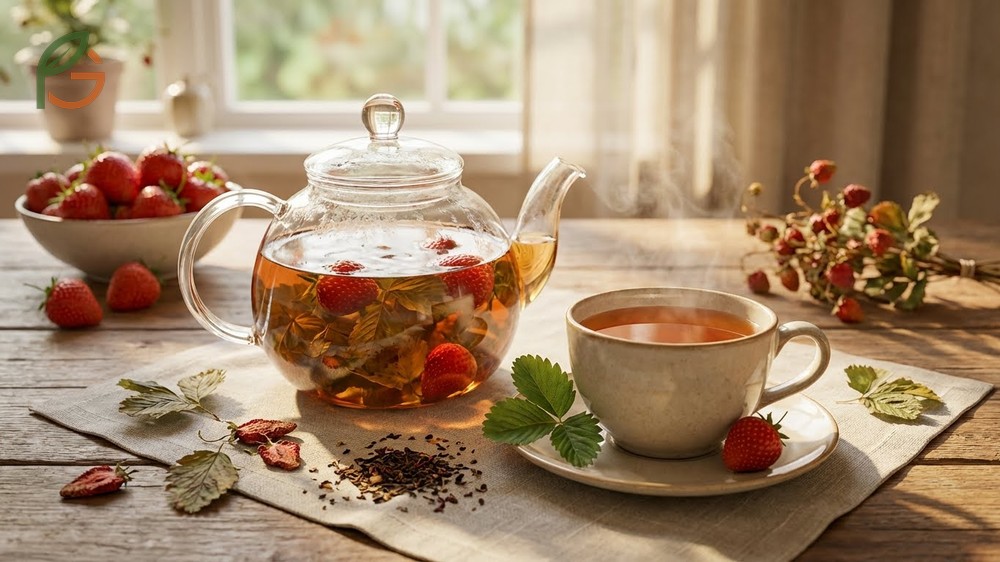
Evidence suggests that regularly drinking strawberry leaf tea may provide cardiovascular protection and skin health advantages. The bioactive compounds remain stable during the brewing process and deliver therapeutic effects when consumed.
Most people find the taste pleasant with mild fruity notes and herbaceous undertones[3]. The astringent finish adds complexity without being bitter or unpleasant.
Unlike many herbal teas, strawberry leaf tea is naturally low in calories while providing concentrated nutrients. This makes it an excellent choice for those seeking wellness benefits without added sugars or artificial ingredients.
Cardiovascular Wellness
Studies show that anthocyanins in berries and their leaves may reduce cardiovascular disease risk[7]. These compounds improve blood vessel function and may help lower blood pressure naturally.
The anti-inflammatory and antioxidant properties support heart health by reducing oxidative stress in arterial walls[7]. Regular consumption may contribute to improved HDL cholesterol levels.
- May help lower blood pressure through vasodilatory effects
- Supports healthy blood vessel integrity and endothelial function
- Antioxidants protect against LDL cholesterol oxidation
- May reduce inflammatory markers associated with heart disease
- Diuretic action helps manage fluid retention and blood volume
Skin Health Effects
The antioxidants in strawberry leaves, including flavonoids and phenolic compounds, may protect skin from oxidative stress and premature aging[5]. Vitamin C supports collagen production for skin elasticity and firmness.
Traditional applications include topical use of strawberry leaf preparations for acne, eczema, and minor skin irritations[5]. The anti-inflammatory and astringent properties help calm inflamed skin and reduce redness.
Herbal Tea Strawberry Preparation
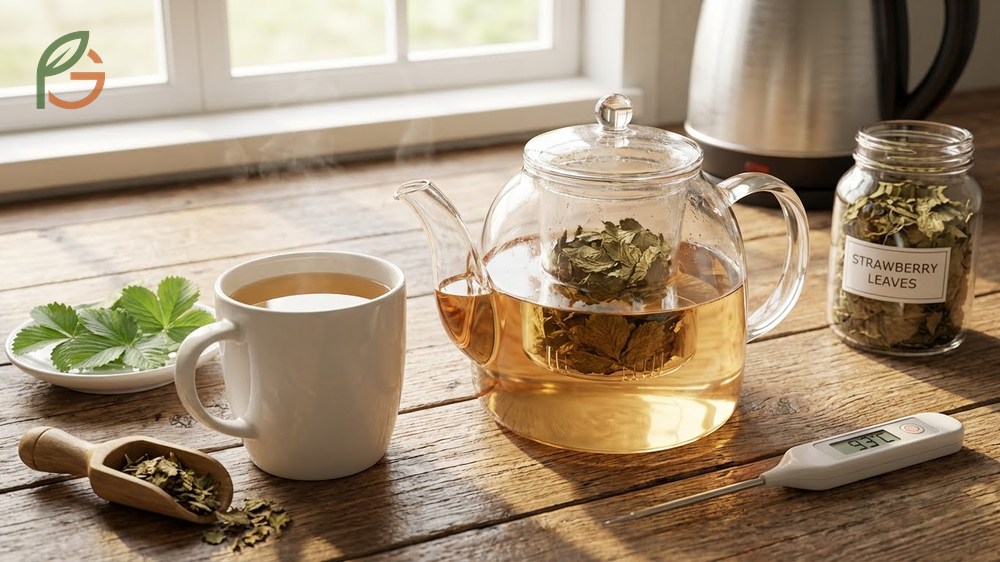
Making strawberry leaf tea is straightforward and requires minimal equipment. You’ll need fresh or dried strawberry leaves, hot water, and a teapot or mug with an infuser.
For best results, use 1-2 teaspoons of dried leaves or 2-3 fresh leaves per cup[3]. Heat water to just below boiling (around 200°F or 93°C) to preserve delicate compounds.
Steep the leaves for 5-10 minutes depending on desired strength[3]. Longer steeping extracts more tannins and creates a more astringent flavor profile.
- Select clean, unblemished leaves from healthy strawberry plants
- Wash fresh leaves thoroughly or use high-quality dried leaves
- Place leaves in a tea infuser or directly in your cup
- Pour hot water (not boiling) over the leaves
- Cover and steep for 5-10 minutes based on taste preference
- Strain if needed and enjoy plain or with honey and lemon
Harvesting Tip: If gathering your own leaves, choose the largest, healthiest leaves from organic strawberry plants in early summer. Avoid leaves with spots, discoloration, or pest damage. Dry them in a cool, dark place with good airflow before storing in an airtight container.
The tea can be enjoyed hot or chilled as a refreshing iced beverage. Some people add complementary herbs like mint, chamomile, or lemon balm for additional flavor and benefits.
Medicinal Uses Leaves
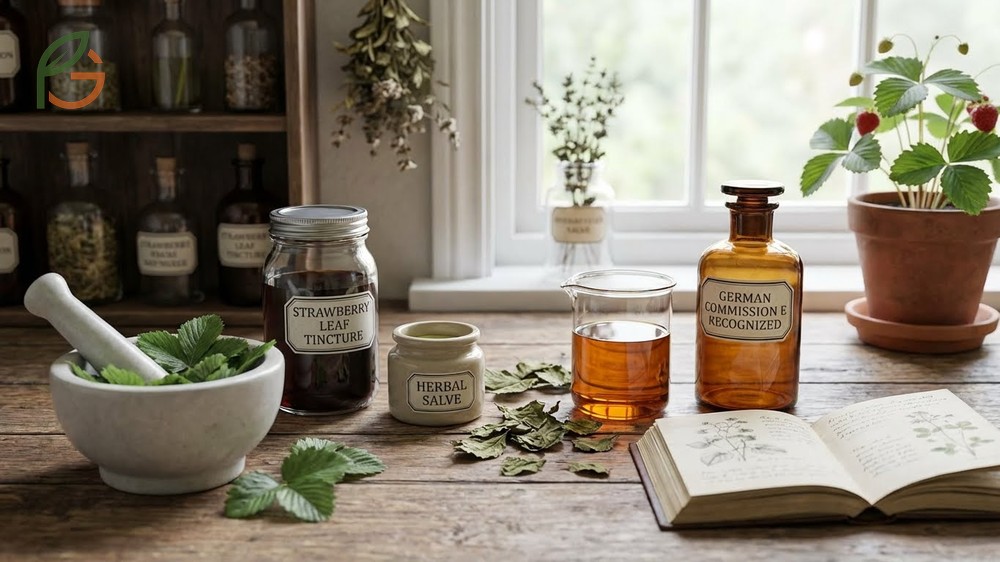
Beyond tea, strawberry leaves have several traditional medicinal applications. Herbalists create tinctures, poultices, infused oils, and salves for various therapeutic purposes.
German Commission E recognizes strawberry leaf as supportive therapy for respiratory, nervous, and circulatory systems[4]. This official recognition validates centuries of traditional use across European herbal medicine.
The leaves function as a gentle diuretic to support kidney health and help remove metabolic waste[4]. This action may benefit those with mild fluid retention or urinary tract concerns.
- Tinctures for concentrated herbal medicine dosing
- Poultices applied directly to wounds for anti-inflammatory effects
- Infused oils for massage and topical skin applications
- Salves combined with beeswax for healing balms
- Gargle preparations for mouth and throat health
- Bath additives for muscle aches and general relaxation
In Traditional Chinese Medicine, strawberry leaf is thought to lubricate the lungs, detoxify the spleen, and moisten the intestines[8]. Practitioners associate the herb with the spleen, lung, and intestine meridians.
Traditional Herbal Remedy History

The Romans were the first to document medical uses of strawberries and their leaves, followed by Greek physicians. Medieval herbalist Thomas Culpeper noted that strawberries were beneficial for many ailments in his 17th-century writings.
References to wild strawberry appear in medieval herbals including the 12th-century “Herbarium Apuleius” and later Renaissance manuscripts[2]. European herbalists prized the leaves for their cooling and astringent properties.
Scandinavian herbalists traditionally added strawberry preparations to tonics for menstrual discomfort, while Italian folk medicine relied on leaf infusions for various conditions[2]. Himalayan practitioners brewed iced decoctions to calm pitta imbalances in Ayurvedic terms.
King’s American Dispensatory, a textbook used by U.S. physicians in the early 20th century, recommended strawberry leaf tincture for dysentery and urinary difficulties[9]. This demonstrates the herb’s acceptance in conventional Western medicine during that era.
Conclusion
The evidence is clear: benefits of strawberry leaves make them a valuable addition to herbal wellness practices. With vitamin C content rivaling citrus fruits, polyphenols exceeding the berries themselves, and centuries of traditional use across multiple cultures, these often-overlooked leaves deserve recognition.
Current guidance emphasizes using strawberry leaf tea as part of a balanced approach to health that includes proper nutrition, adequate hydration, and regular physical activity. FruitGarden encourages readers to explore this accessible herbal remedy while respecting its traditional applications and modern scientific validation.
Medical Disclaimer
Important Medical Disclaimer: This content is for informational and educational purposes only. It’s not intended as a substitute for professional medical advice, diagnosis, or treatment. Always consult a qualified healthcare professional before making any changes to your diet, starting herbal remedies, or if you have any medical conditions. Strawberry leaves may interact with certain medications or be contraindicated for specific health conditions. Pregnant or nursing women should seek medical guidance before using herbal preparations.
Frequently Asked Questions
What are the main benefits of strawberry leaves?
Strawberry leaves provide digestive support, immune system enhancement, and anti-inflammatory effects. They contain 138 mg of vitamin C per 100g and 2,157 mg of polyphenols, making them a nutrient-dense herbal remedy. Research shows they may reduce digestive inflammation by 45% over two weeks.
How do you make strawberry leaf tea?
Use 1-2 teaspoons of dried leaves or 2-3 fresh leaves per cup. Heat water to just below boiling (200°F/93°C) and pour over the leaves. Steep for 5-10 minutes depending on desired strength, then strain and enjoy. You can add honey or lemon for additional flavor.
Are strawberry leaves safe to consume?
Yes, strawberry leaves are generally recognized as safe when consumed in moderate amounts as tea or herbal preparations. They’ve been used in traditional medicine for centuries and are approved by German Commission E as a food additive. However, pregnant women and those with specific medical conditions should consult healthcare providers before use.
Can strawberry leaves help with digestive issues?
Research demonstrates that tannins in strawberry leaves provide gentle astringent action that helps stabilize the digestive tract. Studies show they may reduce dyspepsia symptoms by 45% over two weeks. The anti-inflammatory compounds can ease bloating, gas, and occasional diarrhea when used as part of a comprehensive approach to digestive health.
What does strawberry leaf tea taste like?
Strawberry leaf tea has a mild, pleasant flavor with subtle fruity notes, grassy herbaceous undertones, and an astringent finish. The taste is not overly sweet or bitter, making it enjoyable on its own or enhanced with honey, lemon, or complementary herbs like mint or chamomile.
Where can I find strawberry leaves for tea?
You can harvest fresh leaves from your own organic strawberry plants, ensuring they’re clean and unblemished. Dried strawberry leaves are available at health food stores, herbal apothecaries, and online retailers specializing in loose-leaf teas and herbal products. Choose organic sources when possible to avoid pesticide residues.
How often should you drink strawberry leaf tea?
Most herbalists recommend 1-3 cups of strawberry leaf tea daily for wellness support. Start with one cup to assess tolerance, then adjust based on individual response. As with any herbal remedy, consistency matters more than quantity. Take breaks periodically and consult healthcare providers if using it long-term or alongside medications.





