
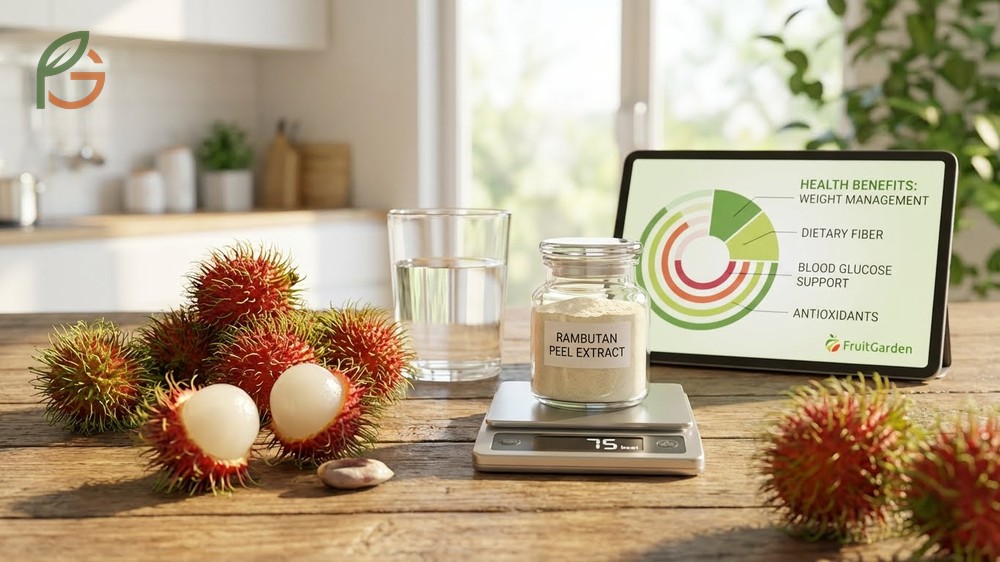
Benefits of rambutan fruit include supporting weight management with just 75 calories per 100g and providing 1.3-2g of dietary fiber that aids digestion and promotes fullness[1]. Research shows this tropical Southeast Asian fruit contains antioxidants like ellagitannins and polyphenols that may help reduce blood glucose levels by up to 61.76% when consumed as peel extracts[2]. FruitGarden synthesizes current nutritional research to help you understand how this hairy red fruit fits into a balanced diet for American home gardeners and fruit enthusiasts.
Quick Answer
- Contains 75 calories and 1.3-2g fiber per 100g, supporting weight management[1]
- Provides vitamin C that meets 50% of daily needs from just 5-6 fruits[1]
- Has a glycemic index of 59 (medium range), acceptable for diabetics in moderation[3]
- Rambutan peel extracts contain 582mg/g polyphenols with proven antioxidant activity[4]
Benefits of Rambutan Fruit
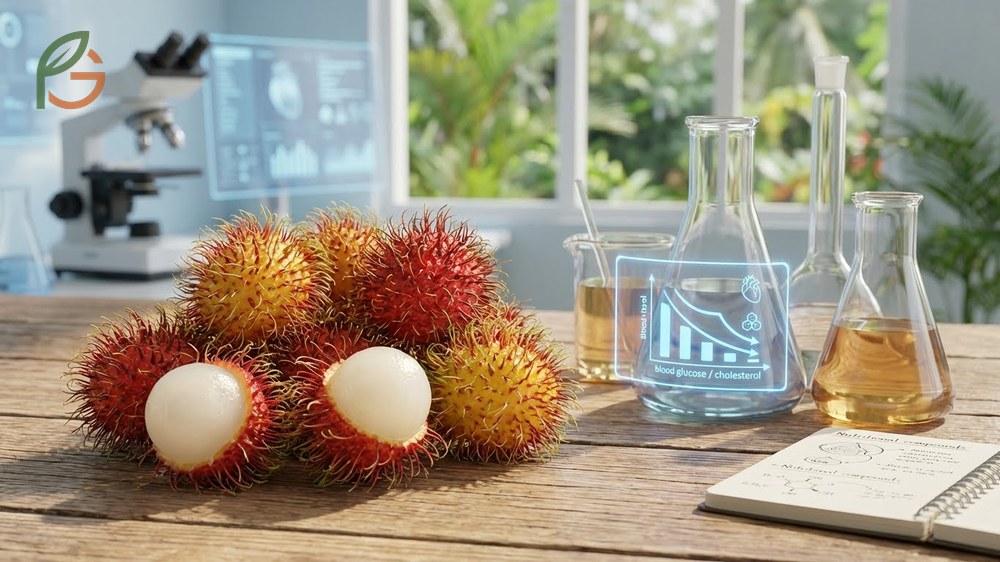
Research shows rambutan delivers multiple health advantages through its unique nutritional profile. The fruit’s combination of fiber, antioxidants, and vitamins works together to support various body functions.
Studies demonstrate that rambutan peel extracts reduced blood glucose levels by 61.76% and cholesterol by 60.75% in diabetic rats at 500mg/kg doses[2]. While these results come from animal studies, they highlight the fruit’s bioactive compounds worth exploring for metabolic health.
Most people find rambutan’s sweet-tart flavor appealing, making it easier to incorporate into regular eating patterns compared to less palatable health foods. This matters because consistency drives long-term nutritional benefits.
Digestive Health Support
Evidence suggests rambutan’s dual fiber content significantly improves gut function. The fruit provides both soluble and insoluble fiber in roughly equal proportions—50% each of its total fiber content[1].
Insoluble fiber adds bulk to stool and speeds intestinal transit, reducing constipation risk. Soluble fiber feeds beneficial gut bacteria that produce short-chain fatty acids like acetate and butyrate, which nourish intestinal cells and reduce inflammation[1].
- Reduces constipation by adding stool bulk and softening consistency
- Supports beneficial bacteria that produce gut-healing compounds
- May improve symptoms of IBS, ulcerative colitis, and Crohn’s disease
- Slows digestion to enhance nutrient absorption
- Promotes regular bowel movements without causing cramping
Blood Sugar Management
Current data indicates rambutan has a glycemic index of 59, placing it in the medium range[3]. This means it causes a moderate, gradual rise in blood sugar rather than a sharp spike.
The fruit’s peel contains powerful compounds like geraniin, corilagin, and ellagic acid that demonstrate antihypercholesterolemia and antihyperglycemic properties[2]. What often gets overlooked is that these benefits primarily come from peel extracts rather than the fruit flesh alone.
Important Note: People with type 2 diabetes can consume rambutan fruit in moderation, but should monitor their blood glucose response. Dried rambutan has higher sugar concentration and may elevate blood sugar more rapidly than fresh fruit[5].
Nutritional Value of Rambutan
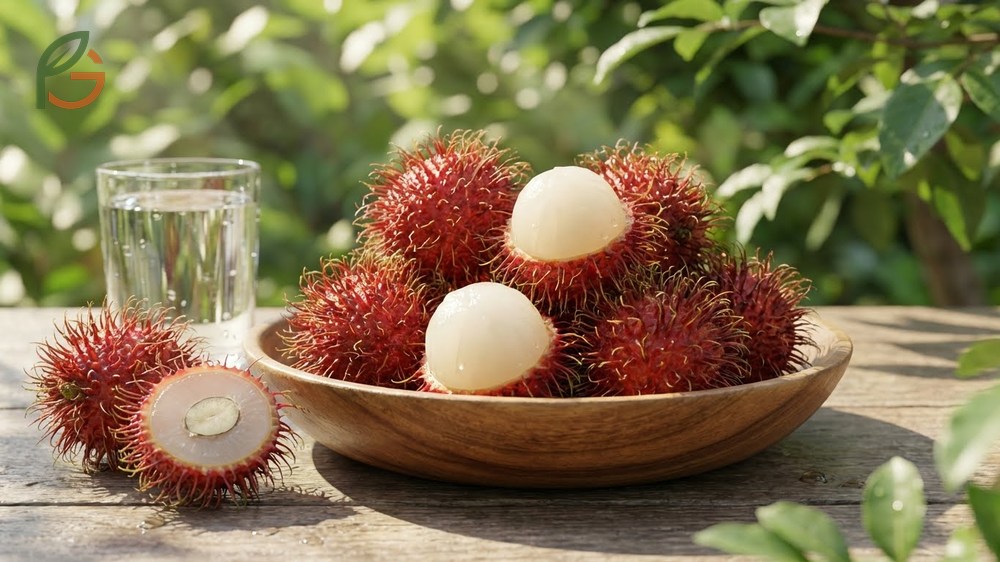
Agricultural data shows rambutan delivers essential nutrients in a low-calorie package. A 100g serving provides approximately 75 calories while containing meaningful amounts of fiber and micronutrients[1].
The fruit consists of approximately 78% water and 21% carbohydrates, with negligible protein and fat content[6]. This high water content contributes to hydration while keeping calorie density low.
Macronutrient Breakdown
Research across multiple databases reveals consistent macronutrient profiles for fresh rambutan. The carbohydrate content ranges from 16-21g per 100g depending on ripeness and variety.
Fiber content varies by source but typically falls between 1.3-2g per 100g—similar to amounts found in apples, oranges, or pears[1]. Protein remains minimal at 0.9-1g per 100g, while fat content is negligible at less than 0.5g.
This table compares macronutrients, fiber, and calorie content between fresh and canned rambutan per 100g serving
| Nutrient | Fresh Rambutan | Canned (Syrup) |
|---|---|---|
| Calories | 75 kcal[1] | 82 kcal[6] |
| Carbohydrates | 16g[1] | 20.87g[6] |
| Dietary Fiber | 1.3-2g[1] | 0.9g[6] |
| Protein | 0.9g[1] | 1g[6] |
Vitamins and Minerals
Vitamin C stands out as rambutan’s primary micronutrient contribution. Eating just 5-6 rambutans meets approximately 50% of daily vitamin C requirements[1].
The fruit also provides manganese at 15% of the Daily Value per 100g serving, while other micronutrients like calcium (22mg), iron (0.35mg), magnesium (7mg), and potassium (42mg) appear in lower concentrations[6]. This vitamin C helps your body absorb iron from plant-based foods more efficiently.
- Vitamin C protects cells from oxidative damage as an antioxidant
- Manganese supports bone development and wound healing
- Copper assists in red blood cell formation
- Calcium contributes to bone and dental health
- Potassium helps maintain healthy blood pressure levels
Is Rambutan Good for You
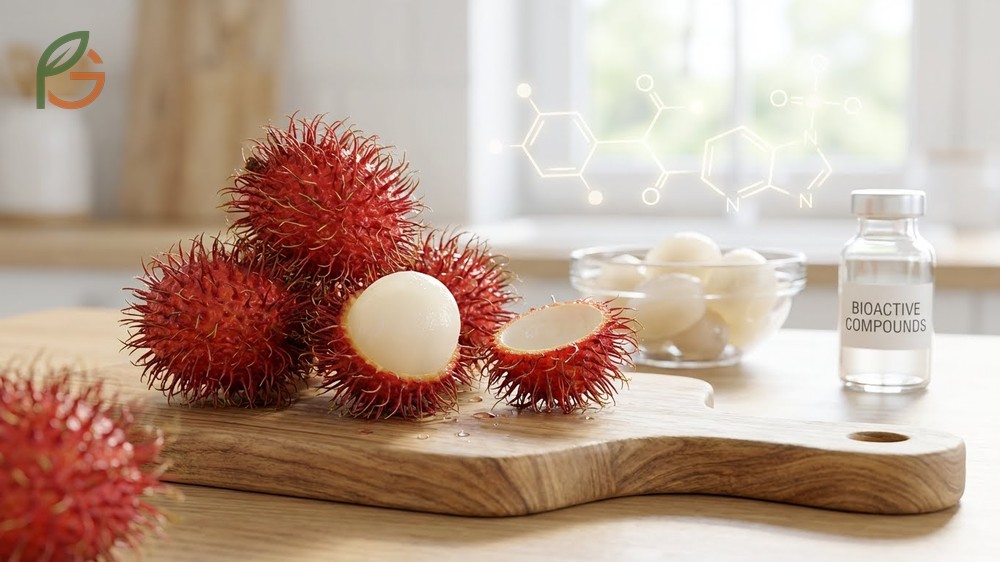
Yes, rambutan offers substantial health benefits when consumed as part of a balanced diet. The fruit’s nutrient density relative to its calorie content makes it a smart choice for health-conscious individuals.
Studies demonstrate that rambutan’s bioactive compounds extend beyond basic nutrition. The fruit contains polyphenols, ellagitannins, and flavonoids that demonstrate measurable antioxidant, antimicrobial, and anti-inflammatory properties in laboratory settings[7].
The reason this matters is simple: antioxidants neutralize free radicals that can damage cells and contribute to chronic diseases. Unlike processed foods with synthetic additives, rambutan delivers these protective compounds naturally.
Antioxidant Properties
Research reveals rambutan peel contains remarkably high polyphenolic content at 582mg per gram of dried extract[4]. HPLC analysis identified 13 distinct compounds, most belonging to the ellagitannin family.
These compounds—including geraniin, corilagin, and ellagic acid—show evident antioxidant activity through ABTS and ferric reducing antioxidant power (FRAP) assays[4]. The fruit’s flesh also contains antioxidants, though in lower concentrations than the peel.
Growing Tip: While rambutan peels contain the highest antioxidant concentrations, they’re typically discarded during consumption. Home gardeners in USDA zones 10-12 can grow rambutan trees that thrive in temperatures between 72-86°F (22-30°C) with high humidity.
Immune System Benefits
Current research indicates vitamin C and mineral content work synergistically to support immune function. Rambutan provides zinc and copper—minerals essential for white blood cell production[8].
During pregnancy or periods of physiological stress, immune systems become more vulnerable. The vitamin C in rambutan acts as an antioxidant while enhancing iron absorption from plant sources—addressing two common nutritional concerns simultaneously.
Rambutan vs Lychee Health Benefits
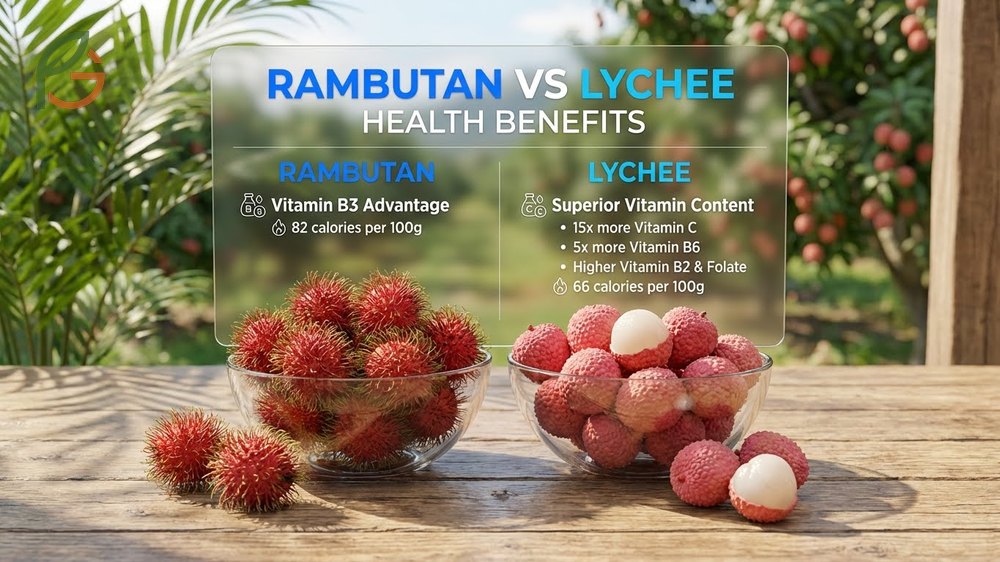
Both fruits share similar tropical origins and sweet flavors, but nutritional analysis reveals significant differences. Lychee demonstrates superior vitamin content, being 15 times richer in vitamin C than rambutan[9].
Lychee also contains 5 times more vitamin B6 and provides higher levels of vitamin B2 and folate[9]. However, rambutan offers advantages in vitamin B3 content.
From a practical standpoint, lychee’s lower calorie count (66 vs. 82 calories per 100g canned) and richer dietary fiber make it slightly more advantageous for weight management[9]. Yet both fruits can’t replace a balanced diet—they complement it.
- Lychee provides significantly more vitamin C per serving
- Lychee contains more dietary fiber for digestive health
- Rambutan has a sweeter, more tart flavor profile
- Lychee has a slightly lower glycemic index
- Rambutan peel shows higher polyphenol concentrations
- Both contain negligible amounts of protein and fat
Rambutan for Weight Loss
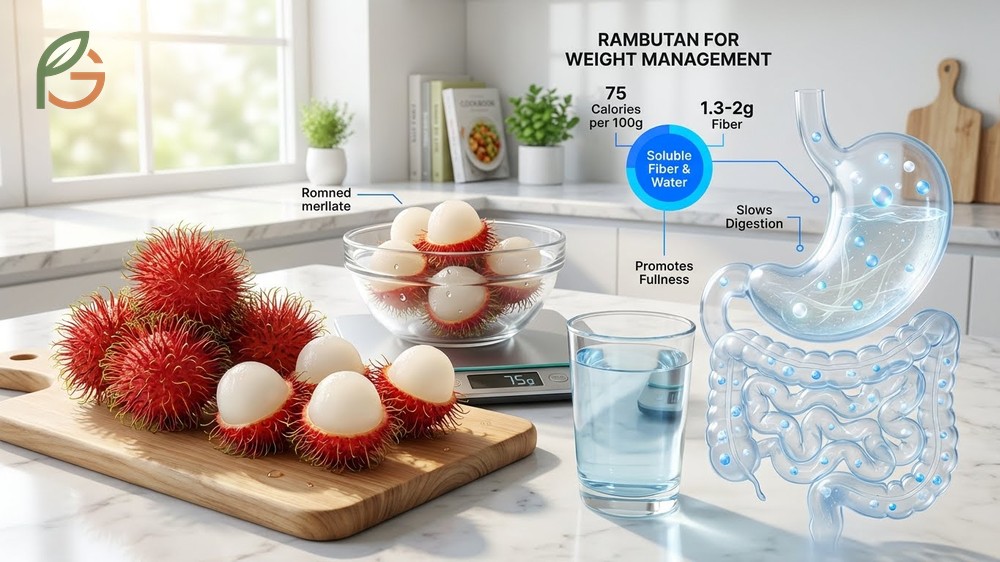
Evidence suggests rambutan supports weight management through multiple mechanisms. At just 75 calories per 100g with 1.3-2g of fiber, it provides significant satiety relative to its energy content[10].
The soluble fiber in rambutan dissolves in water to form a gel-like substance in your intestines. This slows digestion and nutrient absorption, reducing appetite and extending feelings of fullness between meals[1].
What makes this effective is the combination of high water content (78%) and fiber working together. You’re getting volume and hydration without excess calories—a key principle in successful weight loss strategies.
For instance, replacing a 300-calorie processed snack with 150g of rambutan (approximately 113 calories) saves 187 calories while providing more nutrients and fiber. Over time, these substitutions compound into meaningful calorie deficits.
Practical Application: To maximize weight loss benefits, eat rambutan as a mid-morning or afternoon snack rather than after large meals. The fiber works best when it can slow digestion and extend satiety before your next meal.
- Low calorie density allows larger portion sizes without excess energy
- Fiber increases feelings of fullness and reduces overall food intake
- High water content contributes to hydration and satiety
- Natural sweetness satisfies cravings for sugary processed foods
- Minimal fat content keeps calories low while providing nutrients
Rambutan Benefits and Side Effects
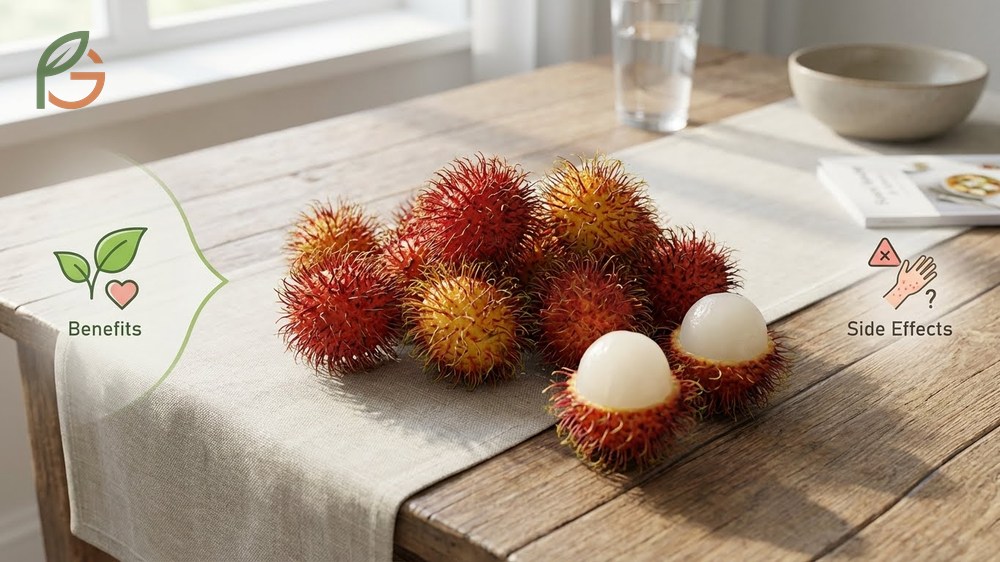
While rambutan offers numerous health advantages, understanding potential adverse effects helps you consume it safely. Most people tolerate the fruit well when eaten in moderate amounts as part of varied diets.
Research documents both therapeutic benefits and cautionary considerations. The same compounds that provide antioxidant effects can trigger reactions in susceptible individuals.
Potential Allergic Reactions
Some people may develop allergic responses to rambutan, particularly those with sensitivities to related tropical fruits. Symptoms can include hives, itching, rashes, or swelling[11].
If you notice these or any other adverse reactions after eating rambutan, stop consuming it immediately and consult your healthcare provider. Food allergy symptoms can range from mild discomfort to severe reactions requiring medical attention.
Considerations for Diabetics
The glycemic index of 59 places rambutan in the moderate range—acceptable for people with type 2 diabetes when consumed in controlled portions[3]. However, individual blood glucose responses vary significantly.
Overripe rambutan presents an additional concern. As the fruit becomes very ripe, sugars can convert to alcohol, potentially causing blood pressure fluctuations[12]. Select firm, brightly colored fruits without brown spots or fermented odors.
- May cause allergic reactions in sensitive individuals
- Moderate glycemic index requires portion control for diabetics
- Overripe fruit can contain alcohol from sugar fermentation
- Dried rambutan has higher sugar concentration than fresh
- Seeds should not be consumed raw due to potential toxicity
- Excessive consumption may cause digestive discomfort
Safety Warning: Never eat rambutan seeds raw. While the flesh is safe and nutritious, seeds may contain compounds with narcotic-like properties that could be harmful[11].
Conclusion
The evidence is clear: benefits of rambutan fruit extend from weight management and digestive health to antioxidant protection and immune support. With just 75 calories per 100g, 1.3-2g of fiber, and vitamin C meeting 50% of daily needs from 5-6 fruits, this tropical option delivers substantial nutrition in a low-calorie package.
Current agricultural guidance emphasizes incorporating diverse fruits into balanced diets rather than relying on single “superfoods.” Rambutan fits this approach well—it’s not a miracle cure, but it’s a legitimate addition that provides measurable benefits when you consume it regularly alongside other whole foods. For home gardeners in appropriate climates, growing rambutan trees offers fresh access to this nutritious fruit while supporting sustainable food production.
Medical Disclaimer
Important Medical Disclaimer: This content is for informational and educational purposes only. It’s not intended as a substitute for professional medical advice, diagnosis, or treatment. Always consult a qualified healthcare professional before making any changes to your diet, medication, or health routine, especially if you have diabetes, allergies, or other medical conditions. Individual nutritional needs and responses to foods vary significantly based on health status, medications, and other factors only your doctor can properly assess.
Frequently Asked Questions
How Many Rambutans Should I Eat Per Day?
Most adults can safely consume 5-10 rambutans daily as part of a balanced diet. This amount provides approximately 50% of your vitamin C needs while keeping calorie intake moderate at 75-150 calories. Start with smaller amounts if you’re trying rambutan for the first time to assess your tolerance.
Can Rambutan Help Lower Cholesterol Levels?
Research shows rambutan peel extracts reduced cholesterol levels by 60.75% in animal studies. However, these benefits primarily come from concentrated peel extracts rather than eating the fruit flesh alone. While the fruit’s fiber may contribute to modest cholesterol improvements, it shouldn’t replace prescribed medications without medical supervision.
Is Rambutan Safe During Pregnancy?
Yes, rambutan is generally safe during pregnancy when consumed in moderation and properly washed. The vitamin C supports immune function, while fiber helps prevent pregnancy-related constipation. Pregnant women with gestational diabetes should monitor portion sizes due to the fruit’s moderate glycemic index of 59.
Does Rambutan Have More Vitamin C Than Oranges?
No, oranges contain significantly more vitamin C than rambutan. While 5-6 rambutans provide about 50% of daily vitamin C needs, a medium orange typically delivers 70-90% of the daily requirement. However, rambutan still qualifies as a good vitamin C source alongside other nutrients.
Can You Eat Rambutan Seeds?
No, don’t eat rambutan seeds raw. They may contain compounds with narcotic-like properties that could be harmful. Always remove and discard the seed before eating the flesh. Some traditional preparations involve cooking seeds, but there’s insufficient safety data to recommend this practice.
What’s the Best Way to Store Fresh Rambutan?
Store unwashed rambutan in a perforated plastic bag in your refrigerator’s crisper drawer for up to 2 weeks. The hairy skin helps protect the fruit from moisture loss. Don’t wash them until you’re ready to eat, as excess moisture can promote mold growth.
Does Rambutan Cause Blood Sugar Spikes?
Rambutan has a moderate glycemic index of 59, causing gradual rather than rapid blood sugar increases. This makes it acceptable for most people with diabetes when eaten in controlled portions (3-5 fruits). Pairing rambutan with protein or healthy fats can further slow sugar absorption and minimize blood glucose impact.





