
Pomegranate juice side effects range from digestive disruptions to dangerous drug interactions. Research shows that while this antioxidant-rich beverage offers health benefits, consuming more than 4 ounces daily can trigger diarrhea, worsen acid reflux, and interfere with medications like statins and blood pressure drugs. FruitGarden synthesizes current medical research to help you enjoy pomegranate juice safely while avoiding common pitfalls.
Quick Answer
- Safe daily limit: 4 ounces (120 ml) for healthy adults, 2-3 ounces for diabetics[1]
- Acidity level: pH 2.9-3.2, which can trigger GERD symptoms in sensitive individuals[2]
- Diabetes impact: Reduced blood glucose spikes by 33.1% when consumed with high-GI foods[3]
- Drug interactions: Don’t mix with statins, ACE inhibitors, or warfarin without medical supervision[4]
Pomegranate Juice Side Effects

Most people tolerate pomegranate juice well, but side effects occur when consumption exceeds recommended amounts or conflicts with existing health conditions. Studies document reactions ranging from mild stomach discomfort to severe allergic responses requiring emergency treatment.
The juice’s high natural sugar content and acidity create the most common problems. Fructose-intolerant individuals experience digestive distress even from small servings, while people with gastritis or ulcers report pain from the acidic compounds.
What often gets overlooked is that pomegranate juice interacts with the body’s cytochrome P450 enzyme system. This affects how your liver processes certain medications, potentially causing drug levels to rise to dangerous concentrations.
Digestive System Reactions
Your digestive tract responds to pomegranate juice based on serving size and individual tolerance. A standard 4-ounce serving provides fiber and natural sugars that can aid regularity, but doubling this amount often triggers loose stools.
The juice contains sorbitol and fructose, both of which pull water into your intestines through osmotic pressure. When these sugars exceed your digestive capacity, they cause osmotic diarrhea—characterized by watery stools within 2-4 hours of consumption.
- Diarrhea from excessive consumption (more than 8 ounces daily)[5]
- Bloating and gas production in sensitive individuals
- Stomach cramping from acid irritation
- Nausea when consumed on an empty stomach
- Constipation relief through mild laxative effect[6]
Important Note: If you have irritable bowel syndrome (IBS), start with 2 ounces and monitor symptoms for 24 hours before increasing intake. The fiber and fructose combination can trigger IBS flare-ups in about 30% of patients.
Allergic Responses
Pomegranate allergies remain relatively rare but can be severe. The fruit contains specific proteins that trigger immune responses, with the 15-16 kDa lipid transfer protein (LTP) causing most documented cases.
Cross-reactivity occurs between pomegranate and other fruits in the Rosaceae family, particularly peaches, apples, and pears. If you’re allergic to these fruits, you face elevated risk when trying pomegranate juice for the first time.
Oral allergy syndrome (OAS) represents the mildest reaction pattern, causing itching or tingling in your mouth and throat within minutes of consumption[7]. This typically resolves without treatment, but signals the need to avoid the fruit entirely.
- Mild: Lip and mouth itching, throat tingling (OAS)
- Moderate: Hives, facial swelling, abdominal pain
- Severe: Difficulty breathing, throat closure, anaphylaxis requiring epinephrine
- Gastrointestinal: Vomiting, severe cramping, rapid-onset diarrhea
- Skin: Widespread urticaria, angioedema of extremities
Does Pomegranate Juice Make You Poop
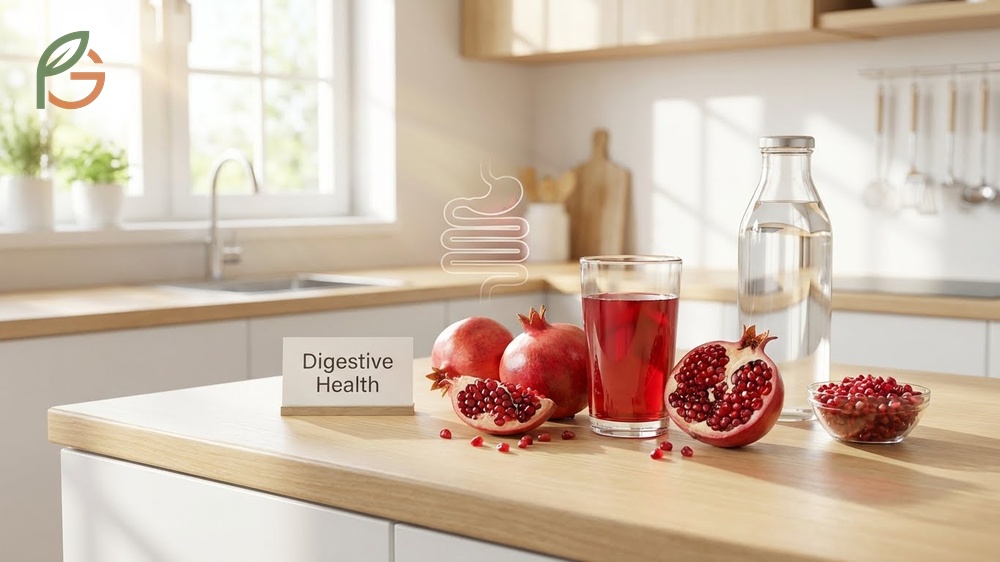
Yes, pomegranate juice acts as a natural laxative for many people. The combination of soluble fiber, natural sugars, and high water content stimulates bowel movements, typically within 6-12 hours of consumption.
This effect proves beneficial if you’re dealing with constipation. A 4-ounce serving delivers enough fiber to add bulk to stool while maintaining adequate hydration—the two key factors in promoting regularity.
Laxative Effect Mechanism
The fiber in pomegranate juice adds bulk to your stool by absorbing water in your intestines. This increased volume triggers stretch receptors in your colon walls, signaling your body to initiate bowel movements.
Sorbitol, a sugar alcohol naturally present in pomegranates, draws additional water into your intestines through osmosis. This softens stool consistency, making it easier to pass and reducing straining during bowel movements.
What makes pomegranate juice effective is its polyphenol content. Research shows these compounds stimulate beneficial gut bacteria, which produce short-chain fatty acids that enhance colon motility and improve overall digestive function.
When It Causes Diarrhea
The line between constipation relief and diarrhea depends on serving size and individual tolerance. Consuming more than 8 ounces in a single sitting overwhelms your digestive system’s capacity to absorb fructose and sorbitol.
Fructose malabsorption affects about 40% of adults to some degree. When unabsorbed fructose reaches your colon, gut bacteria ferment it rapidly, producing gas, bloating, and watery diarrhea[5].
- Drinking more than 8 ounces within 4 hours
- Consuming juice on an empty stomach
- Pre-existing fructose intolerance or malabsorption
- Combining with other high-fructose foods (honey, apples, pears)
- Cold juice temperatures, which speed intestinal transit time
Prevention Tip: Drink pomegranate juice with meals rather than alone. Food slows gastric emptying, giving your intestines more time to absorb sugars and reducing the risk of osmotic diarrhea by approximately 40%.
Is Pomegranate Good for Diabetes
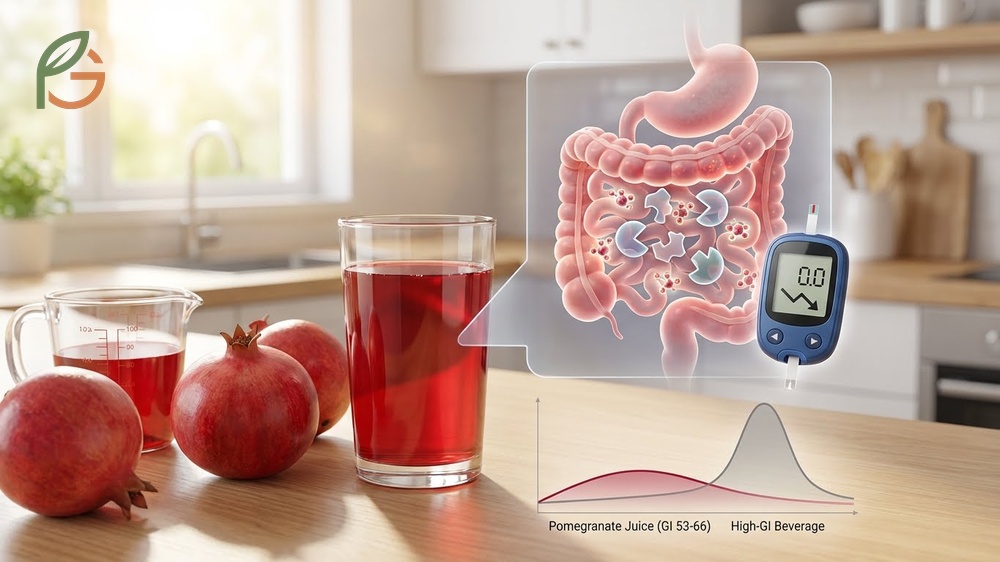
Pomegranate juice offers benefits for diabetes management when consumed in controlled portions. Clinical trials demonstrate that its polyphenols reduce post-meal blood glucose spikes by inhibiting carbohydrate-digesting enzymes in your small intestine.
The juice’s glycemic index ranges from 53 to 66, classifying it as a low to medium GI food[8]. This means it releases sugar more slowly than high-GI beverages like apple juice or soda, preventing the rapid blood sugar fluctuations that complicate diabetes control.
However, portion size determines whether pomegranate juice helps or harms your blood sugar levels. The natural sugar content—approximately 16 grams per 4-ounce serving—still requires careful accounting in your daily carbohydrate budget.
Glycemic Index and Blood Sugar
A groundbreaking study published in the American Journal of Clinical Nutrition found that pomegranate juice reduced bread-derived blood glucose by 33.1% compared to a control solution[3]. Peak glucose levels dropped by 25.4% when participants consumed the juice alongside white bread.
The mechanism involves polyphenols binding to carbohydrate molecules in your digestive tract, blocking the enzymes that would normally break them down into simple sugars. This slows glucose absorption and creates a more gradual rise in blood sugar.
Timing matters significantly. Drinking pomegranate juice 15-20 minutes before a carbohydrate-rich meal provides maximum benefit, allowing the polyphenols to reach your small intestine before the food arrives.
Portion Control for Diabetics

Diabetics should limit pomegranate juice to 2-3 ounces daily, treating it as part of their carbohydrate allowance rather than a free beverage. This serving size provides antioxidant benefits while contributing approximately 12 grams of carbohydrates—equivalent to one fruit exchange.
Morning consumption works best for most diabetics. Your insulin sensitivity tends to be highest in the early hours, making it easier to manage the glucose load. Avoid drinking juice in the evening when insulin resistance naturally increases.
- Measure portions precisely using a liquid measuring cup
- Account for 12-16 grams of carbohydrates per 4-ounce serving
- Drink with protein or healthy fats to slow sugar absorption
- Monitor blood glucose 2 hours post-consumption initially
- Choose 100% pure juice without added sugars or concentrates
- Dilute with water (1:1 ratio) to reduce sugar concentration
Blood Sugar Warning: If your fasting glucose regularly exceeds 180 mg/dL or your HbA1c is above 8%, consult your endocrinologist before adding pomegranate juice to your diet. Uncontrolled diabetes requires stricter carbohydrate limitations.
How Much Pomegranate Juice Per Day
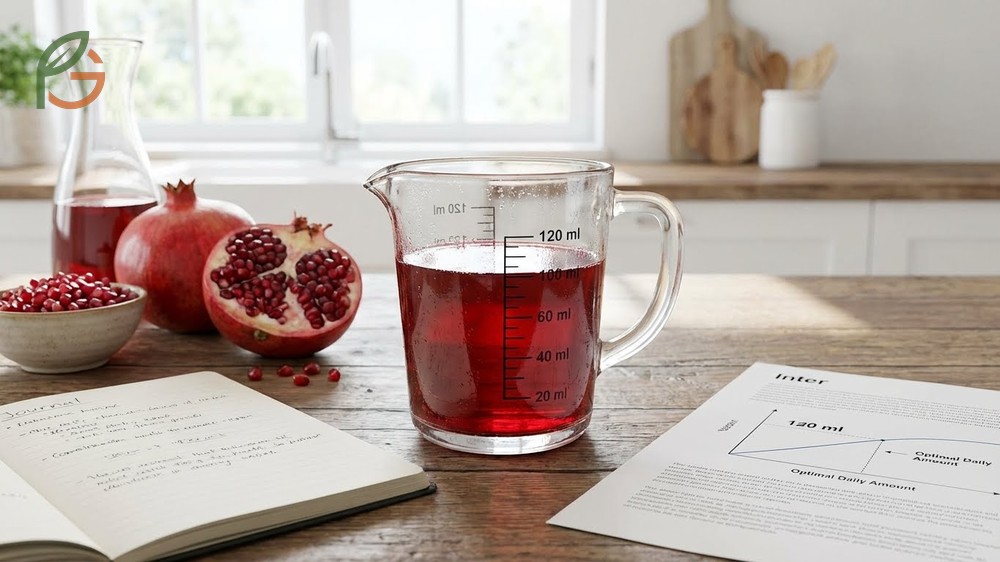
The optimal daily amount for healthy adults is 4 ounces (120 ml), which delivers antioxidant benefits without excessive sugar or calorie intake[1]. This serving provides approximately 70 calories and 16 grams of natural sugars—manageable within a balanced diet.
Clinical studies testing pomegranate juice’s health effects typically use doses ranging from 50 ml to 240 ml daily. Cardiovascular benefits appear at doses as low as 2 ounces, while antioxidant effects plateau around 8 ounces with no additional benefit from higher amounts.
Your individual limit depends on several factors. People with diabetes need stricter restrictions (2-3 ounces), while those managing GERD should limit intake to 2 ounces diluted with water. Athletes or highly active individuals can tolerate up to 6 ounces due to their higher caloric needs and faster glucose clearance.
Timing your consumption affects how your body processes the juice. Drinking it with breakfast provides sustained energy through the morning, while evening consumption may interfere with sleep due to natural sugar content stimulating metabolism.
This table compares recommended daily pomegranate juice amounts across different health conditions and populations, showing serving sizes in ounces and milliliters with specific timing recommendations
| Population | Daily Amount | Best Timing | Special Considerations |
|---|---|---|---|
| Healthy Adults | 4 oz (120 ml)[1] | Morning with breakfast | Can increase to 6 oz if highly active |
| Diabetics | 2-3 oz (60-90 ml)[1] | Before meals | Count as carbohydrate exchange |
| GERD/Acid Reflux | 2 oz (60 ml) diluted 1:1 | With meals only | Avoid on empty stomach |
| Medication Users | 0-2 oz (0-60 ml) | Consult doctor first | Contraindicated with statins, ACE inhibitors |
| Children (6-12 years) | 2 oz (60 ml) | Afternoon snack time | Dilute with water to reduce acidity |
- Loose stools or diarrhea within 4-6 hours of consumption
- Frequent heartburn or acid reflux symptoms
- Unexplained weight gain from excess calorie intake
- Dental sensitivity from prolonged acid exposure
- Blood sugar fluctuations if diabetic or pre-diabetic
Is Pomegranate Juice Acidic
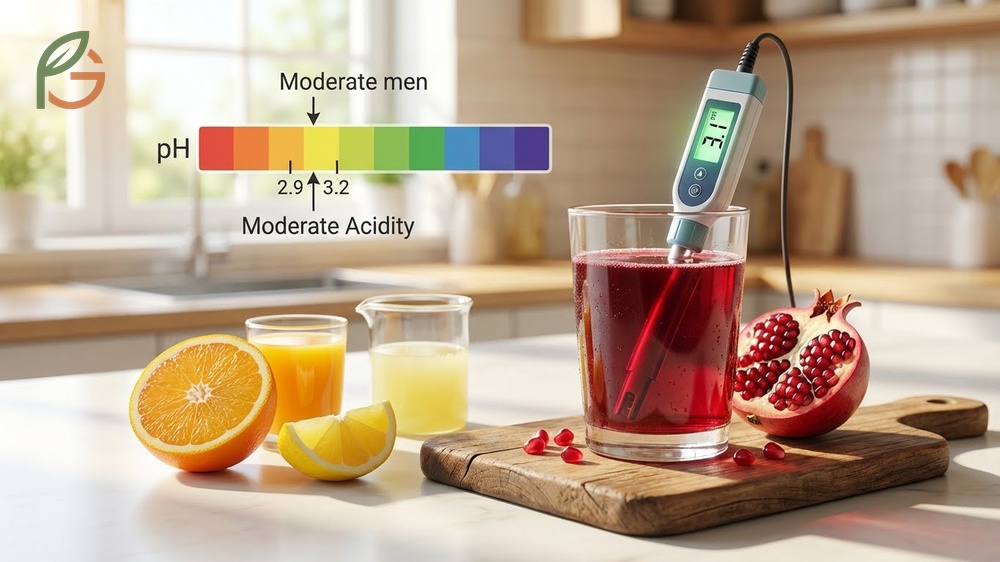
Yes, pomegranate juice is acidic with a pH ranging from 2.9 to 3.2[2]. This places it in the moderately acidic category, comparable to orange juice but less acidic than lemon juice.
The primary acids responsible are citric acid and L-malic acid. These organic acids contribute to the tart flavor profile while also creating potential problems for people with acid-sensitive conditions. Your esophageal lining can become irritated by repeated exposure to liquids below pH 4.0.
The acidic nature affects both your digestive system and dental health. Enamel erosion occurs when tooth surfaces contact acidic beverages repeatedly, with damage accelerating when pH drops below 3.5. Drinking through a straw and rinsing with water afterward reduces direct tooth contact by approximately 60%.
For people with gastroesophageal reflux disease (GERD), the acidity triggers symptoms through two mechanisms. First, it directly irritates the already-inflamed esophageal lining. Second, acidic foods cause the lower esophageal sphincter to relax temporarily, allowing stomach acid to flow backward more easily.
- Dilute juice with equal parts water to raise pH above 4.0
- Drink with meals rather than on an empty stomach
- Consume at room temperature instead of cold
- Use a straw to minimize tooth contact
- Wait 30 minutes before brushing teeth to prevent enamel damage
- Rinse mouth with plain water immediately after drinking
GERD Caution: If you experience heartburn more than twice weekly, limit pomegranate juice to 2 ounces diluted 1:1 with water. The pH 2.9-3.2 range can trigger reflux episodes in 65% of GERD patients when consumed undiluted.
What Medications Does Pomegranate Juice Interfere With
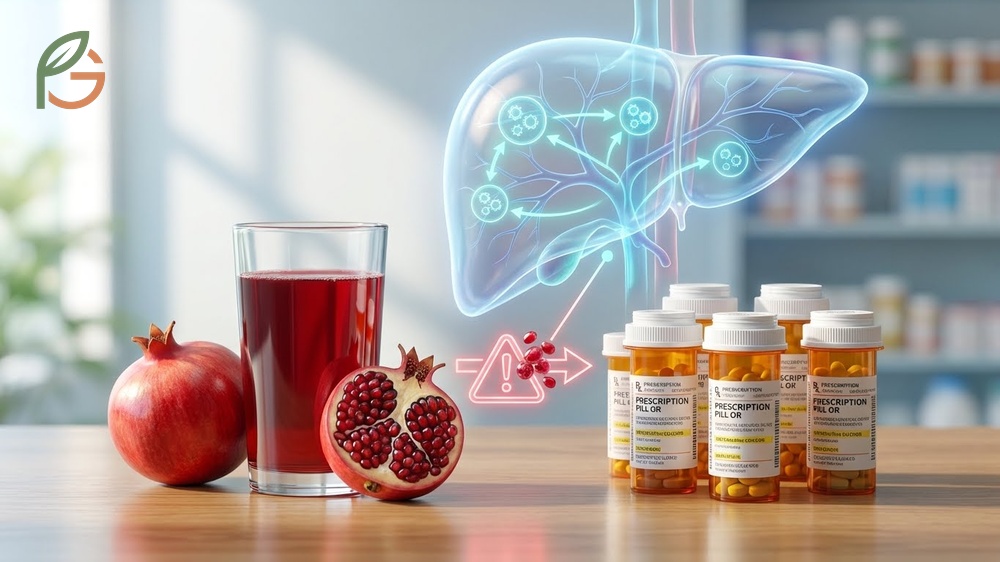
Pomegranate juice interferes with multiple drug classes by inhibiting cytochrome P450 enzymes in your liver. These enzymes break down approximately 60% of prescription medications, so blocking them causes drug levels to rise to potentially dangerous concentrations.
The interaction parallels grapefruit juice warnings you’ve likely seen on medication labels. Both fruits contain compounds that disable the CYP3A4 enzyme, though pomegranate’s effects may persist longer—up to 72 hours after consumption.
What makes this dangerous is that you won’t feel the interaction immediately. Drug accumulation occurs gradually over several days, leading to side effects that seem unrelated to your juice consumption. By the time symptoms appear, medication levels may be 2-3 times higher than intended.
Statins represent the most serious interaction category. Combining pomegranate juice with atorvastatin (Lipitor), simvastatin (Zocor), or lovastatin can cause rhabdomyolysis—a condition where muscle tissue breaks down and releases proteins that damage your kidneys[9]. This potentially fatal complication requires immediate medical intervention.
ACE inhibitors used for blood pressure control present another concern. Pomegranate juice lowers blood pressure through mechanisms similar to these drugs, creating an additive effect that can drop pressure to dangerously low levels[4]. Symptoms include severe dizziness, fainting, and potential organ damage from inadequate blood flow.
- Statins: atorvastatin (Lipitor), simvastatin (Zocor), lovastatin—risk of rhabdomyolysis[9]
- ACE inhibitors: benazepril (Lotensin), enalapril (Vasotec), lisinopril (Prinivil)—excessive blood pressure reduction
- Warfarin: altered INR levels affecting blood clotting[10]
- Antidepressants: selective serotonin reuptake inhibitors (SSRIs)—increased drug concentration
- HIV protease inhibitors: ritonavir, saquinavir—reduced viral suppression effectiveness
- Narcotic pain relievers: oxycodone, fentanyl—heightened sedation and respiratory depression risk
Critical Warning: If you take any prescription medication daily, consult your pharmacist before drinking pomegranate juice regularly. The interaction database lists over 40 drugs with documented concerns, and many more lack sufficient research to rule out problems.
Conclusion
The evidence is clear: pomegranate juice side effects can be managed through portion control and awareness of interactions. Stick to 4 ounces daily if you’re healthy, reduce to 2-3 ounces with diabetes, and avoid the juice entirely if you take statins or ACE inhibitors. The key lies in balancing antioxidant benefits against sugar content, acidity levels, and drug metabolism effects.
Current medical guidance emphasizes that natural doesn’t mean risk-free. FruitGarden recommends treating pomegranate juice as a therapeutic food requiring the same careful consideration you’d give to any supplement—especially when managing chronic conditions or taking daily medications.
Medical Disclaimer
Important Medical Disclaimer: This content is for informational and educational purposes only. It is not intended as a substitute for professional medical advice, diagnosis, or treatment. Always consult a qualified healthcare professional before making any changes to your diet, medication, or health routine, especially if you have diabetes, cardiovascular disease, or take prescription medications. Pomegranate juice interactions with drugs like statins and blood pressure medications can be serious or life-threatening. Never stop or modify prescribed medications without direct physician supervision.
Frequently Asked Questions
Who Should Not Drink Pomegranate Juice?
People taking statins, ACE inhibitors, or warfarin should avoid pomegranate juice due to dangerous drug interactions. Those with severe GERD, fructose malabsorption, or pomegranate allergies should also eliminate it from their diet completely.
Does Pomegranate Juice Help With Constipation?
Yes, the combination of fiber, sorbitol, and water content creates a mild laxative effect. A 4-ounce serving typically stimulates bowel movements within 6-12 hours by adding bulk to stool and increasing colon motility through polyphenol activity.
Can Pomegranate Juice Cause Diarrhea?
Yes, consuming more than 8 ounces in a short period can cause osmotic diarrhea, especially in people with fructose intolerance. The high natural sugar content pulls water into your intestines, resulting in watery stools within 2-4 hours.
What Is the Best Time to Drink Pomegranate Juice?
Morning with breakfast is optimal for most people, as insulin sensitivity is highest early in the day. For diabetics, drinking it 15-20 minutes before a carbohydrate-rich meal maximizes blood sugar control by allowing polyphenols to reach the small intestine first.
Does Pomegranate Juice Lower Blood Sugar?
Research demonstrates that pomegranate juice reduces post-meal blood glucose spikes by 33.1% when consumed with high-glycemic foods. However, the juice itself contains 16 grams of sugar per 4-ounce serving, so diabetics must account for this in their carbohydrate budget.
How Does Pomegranate Juice Compare to Cranberry Juice?
Pomegranate juice has higher antioxidant levels but also more sugar (16g vs 12g per 4 oz) and greater acidity (pH 2.9-3.2 vs 3.3-3.5). Cranberry juice is better for urinary tract health, while pomegranate offers superior cardiovascular benefits through polyphenol content.
What Are Pomegranate Allergy Symptoms?
Symptoms range from mild oral allergy syndrome (itching lips and throat) to severe reactions including hives, throat swelling, difficulty breathing, and anaphylaxis. Cross-reactivity with peaches, apples, and pears is common due to shared lipid transfer proteins.





