
Pomegranate juice nutrition facts show this ruby-red beverage packs 134 calories per cup with impressive potassium and antioxidant levels[1]. Research demonstrates that pomegranate juice delivers 533mg of potassium (11% daily value) and contains powerful polyphenols called punicalagins that provide 92% of its antioxidant activity[2]. FruitGarden synthesizes current agricultural research and USDA data to help you understand what’s really in your glass.
Quick Answer
- One cup provides 134 calories with 33g carbohydrates and 31g natural sugars
- Contains 533mg potassium[1] (11% DV) and 26μg vitamin K (22% DV)
- Delivers 60μg folate (15% DV) plus powerful punicalagin antioxidants
- Surprisingly low in fiber (0.2g per cup) and vitamin C compared to whole pomegranates
Pomegranate Juice Nutrition Facts
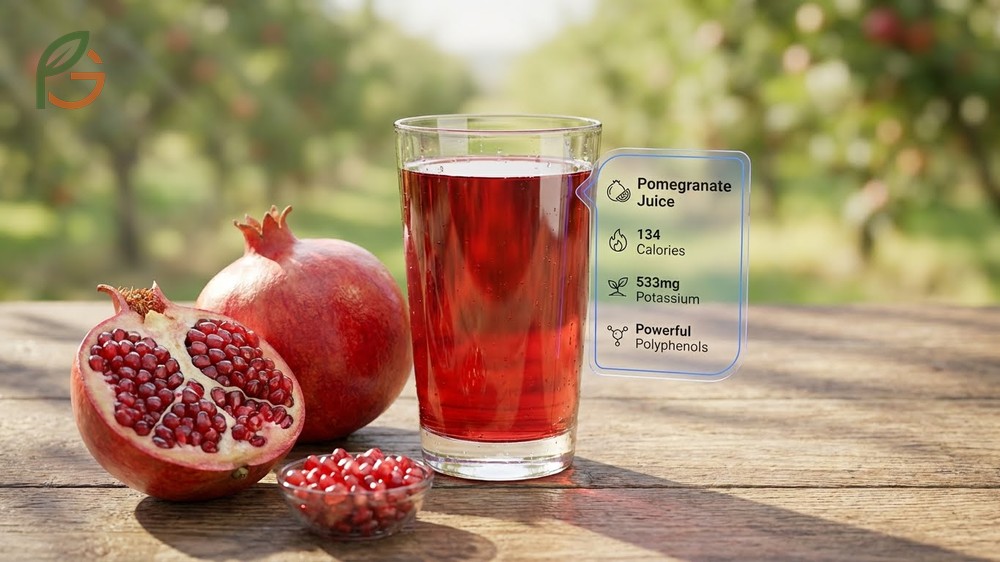
Studies show that one cup (249g) of bottled pomegranate juice contains 134 calories, making it a moderate-calorie beverage compared to other fruit juices[1]. The macronutrient breakdown reveals 94% of calories come from carbohydrates, 5% from fats, and just 1% from protein.
Most people don’t realize that pomegranate juice’s nutritional profile changes significantly during processing. While fresh juice retains more nutrients, bottled versions still provide substantial amounts of potassium, folate, and antioxidant compounds[3].
Calories and Macronutrients
Current data indicates that an 8-ounce serving delivers 33g of total carbohydrates with only 0.2g fiber[1]. This means you’re getting 32.8g of net carbs, primarily from natural fruit sugars.
The protein content sits at just 0.4g per cup, while total fat measures less than 1g. Unlike whole pomegranates that contain 4g fiber per 100g[4], the juicing process removes most dietary fiber.
This table compares calories, carbohydrates, fiber, and protein content per 100 grams and per one cup serving of pomegranate juice
| Serving Size | Calories | Total Carbs | Fiber | Protein |
|---|---|---|---|---|
| 100g | 54 cal[5] | 13g | 0.1g | 0.2g |
| 1 cup (249g) | 134 cal[1] | 33g | 0.2g | 0.4g |
| 8 fl oz (237mL) | 140 cal | 35g | 0g | 1g |
Important Note: Values can vary between brands and whether juice is from concentrate or not-from-concentrate. Always check nutrition labels for specific products.
Vitamins and Minerals
Research shows pomegranate juice stands out for its mineral content rather than vitamins. Each cup provides 533mg potassium (11% daily value), 27mg calcium (3% DV), and 17mg magnesium (4% DV)[1].
The vitamin profile includes 26μg vitamin K (22% DV), 60μg folate (15% DV), and 1mg pantothenic acid (14% DV). What often gets overlooked is that vitamin C content is surprisingly low at just 0.2mg per cup—less than 1% of your daily needs.
- Potassium: 533mg (11% DV) – supports heart health and blood pressure regulation
- Vitamin K: 26μg (22% DV) – essential for blood clotting and bone health
- Folate: 60μg (15% DV) – crucial for cell division and DNA synthesis
- Pantothenic Acid: 1mg (14% DV) – aids energy metabolism
- Manganese: 0.2mg (10% DV) – supports bone formation and nutrient metabolism
Nutritional Value of Pomegranate
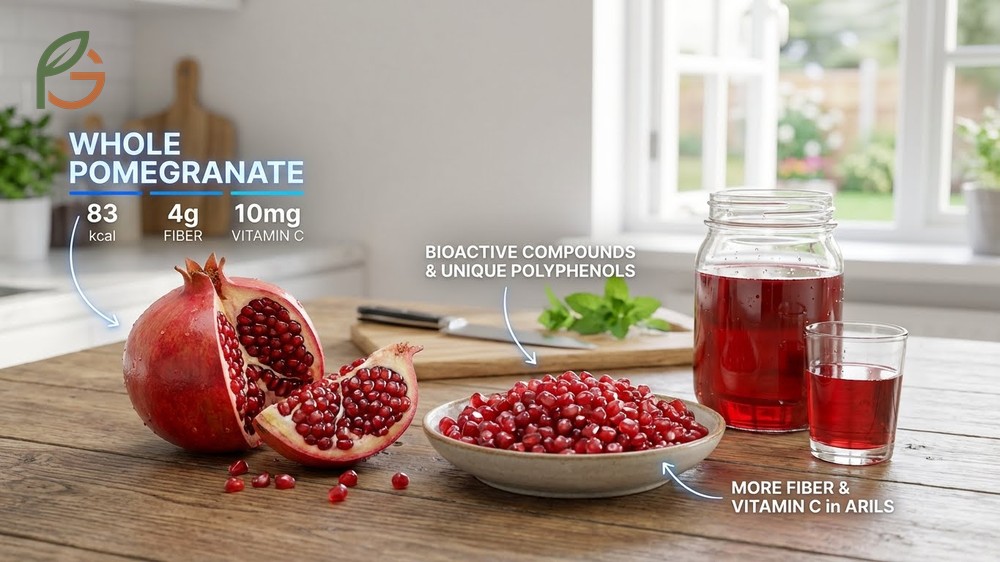
Evidence suggests that pomegranate’s true nutritional value extends beyond basic vitamins and minerals to include bioactive compounds. The fruit and its juice contain unique polyphenols that distinguish it from other fruit beverages.
For context, whole pomegranate fruit provides more complete nutrition with 83 calories per 100g, 4g fiber, and 10mg vitamin C[4]. This means you’ll get more fiber and vitamin C by eating the arils rather than drinking juice.
Antioxidant Content
Studies demonstrate that approximately 92% of pomegranate’s antioxidant activity comes from hydrolyzable tannins, particularly punicalagins[2]. These compounds are found primarily in the husk and placenta parts of the fruit.
Research on human volunteers showed that consuming 800mg of pomegranate extract increased plasma antioxidant capacity by 32% within 30 minutes, with ellagic acid reaching peak blood concentration at one hour[6]. The body converts these compounds into beneficial metabolites called urolithins.
- Punicalagins – primary ellagitannins providing anti-inflammatory effects
- Ellagic acid – converts to urolithins in the gut
- Gallic acid – contributes to overall antioxidant capacity
- Anthocyanins – responsible for the deep red color
- Flavonoids – support cardiovascular health
Glycemic Impact
Current guidance shows that pomegranate juice contains natural fructose and glucose in roughly equal amounts—about 16g of each per cup[1]. This balanced sugar profile affects how quickly it raises blood glucose.
Research indicates that consuming 1.5ml of pomegranate juice per kilogram of body weight helped reduce fasting glucose levels in type-2 diabetic patients, likely due to antioxidants neutralizing reactive oxygen species[7]. However, the 31g sugar content per cup still requires portion control for blood sugar management.
Blood Sugar Consideration: Despite beneficial antioxidants, pomegranate juice’s high sugar and low fiber content means it can spike blood glucose. People with diabetes should limit portions to 4 ounces and pair with protein or healthy fats.
Pomegranate Sugar Content
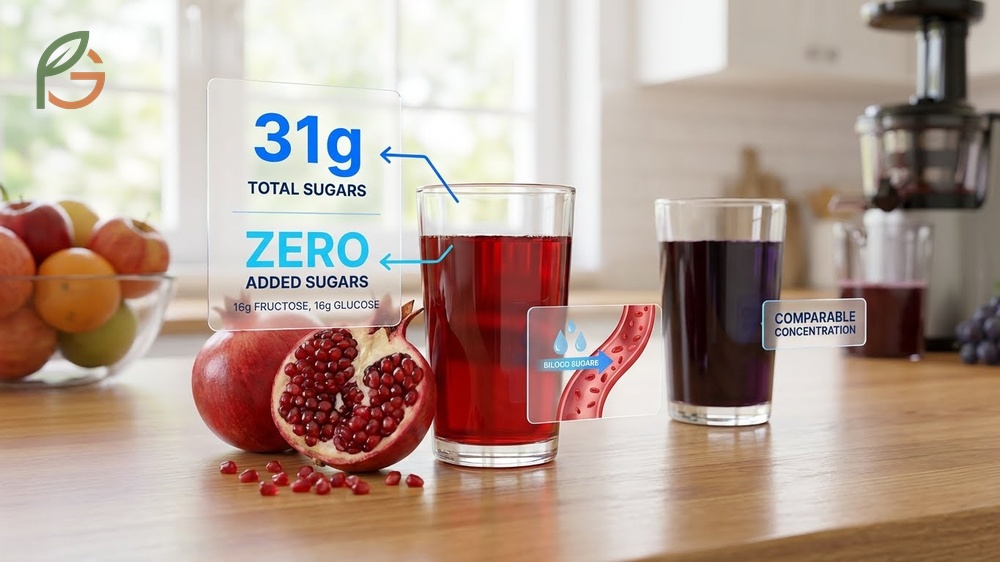
Data shows that one cup of pomegranate juice contains 31g of total sugars, with zero added sugars—it’s all naturally occurring[1]. This breaks down to approximately 16g fructose and 16g glucose, making it comparable to grape juice in sugar concentration.
The reason this matters is that liquid sugars get absorbed faster than those in whole fruit. Without fiber to slow digestion, the natural sugars enter your bloodstream more rapidly.
Compared to other popular juices, pomegranate sits in the moderate-to-high range. Orange juice typically has 21g sugar per cup, while apple juice contains about 24g, and grape juice can reach 36g per cup.
| Juice Type | Total Sugar | Calories |
|---|---|---|
| Pomegranate | 31g[1] | 134 |
| Orange | 21g | 112 |
| Apple | 24g | 117 |
| Grape | 36g | 152 |
Pomegranate Potassium Level
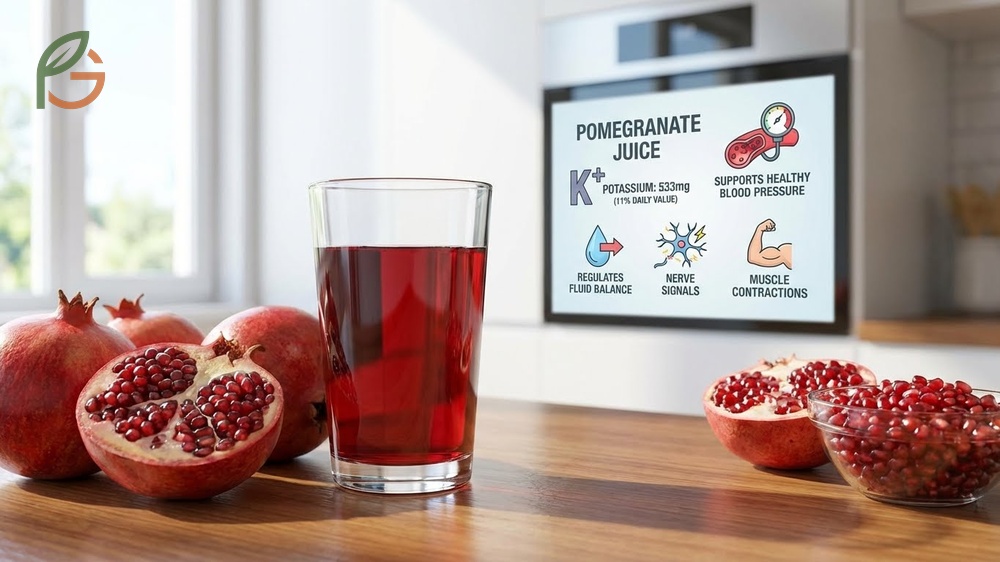
Pomegranate juice delivers 533mg of potassium per cup, representing 11% of the 4,700mg daily recommended intake for adults[1]. This makes it a good source of this essential mineral that most Americans don’t get enough of.
Potassium works as an electrolyte that helps regulate fluid balance, nerve signals, and muscle contractions. Research shows adequate potassium intake supports healthy blood pressure by counteracting sodium’s effects and reducing arterial tension.
For comparison, one medium banana provides about 422mg potassium, while a cup of orange juice offers approximately 496mg. Pomegranate juice actually outperforms these popular sources on a per-cup basis.
- Supports healthy blood pressure regulation and cardiovascular function
- Helps maintain proper fluid and electrolyte balance
- Reduces risk of kidney stones by decreasing calcium excretion
- May help preserve bone mineral density as you age
- Supports normal muscle and nerve function throughout the body
Kidney Considerations: People with chronic kidney disease or those taking certain medications (ACE inhibitors, potassium-sparing diuretics) should consult their healthcare provider before consuming high-potassium foods like pomegranate juice.
Antioxidants in Pomegranate Juice
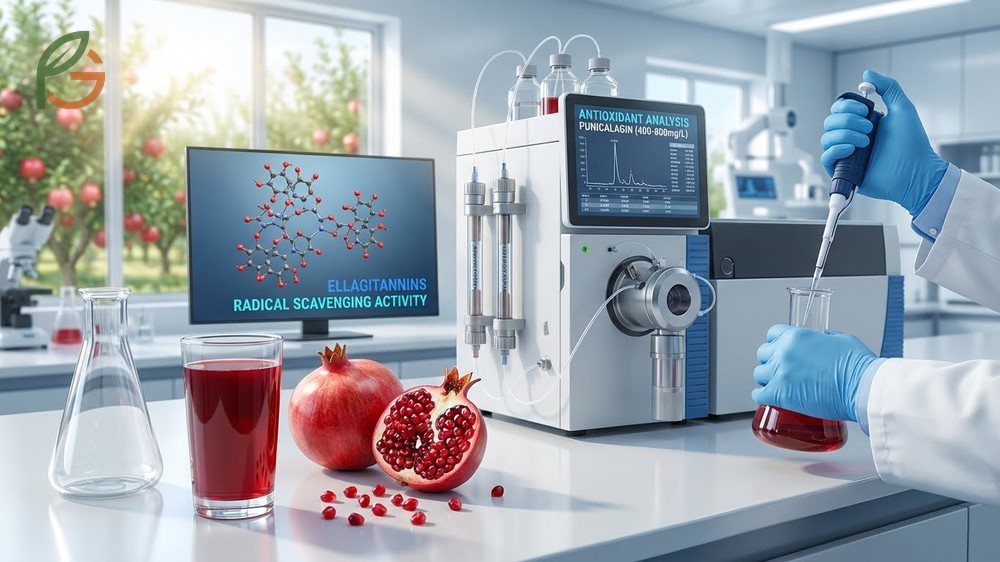
Studies confirm that pomegranate juice contains exceptionally high levels of antioxidant polyphenols, with punicalagin concentrations ranging from 400-800mg per liter depending on variety and processing[2]. These ellagitannins are larger than typical antioxidants and provide unique benefits.
Research using HPLC and LC-MS analysis revealed that pomegranate juice shows significantly higher radical scavenging activity compared to isolated punicalagin at the same concentrations. This suggests the whole juice creates synergistic effects between different polyphenol compounds[2].
When consumed, your gut microbiome converts ellagitannins into metabolites called urolithins (A and B), which get absorbed into the bloodstream. Studies in human volunteers detected these compounds along with ellagic acid derivatives at measurable levels within one hour of consumption[6].
The antioxidant capacity measured by the ORAC assay increased by 32% at the 30-minute mark after drinking pomegranate extract. This demonstrates that the compounds are bioavailable and actively working to neutralize free radicals in your body.
Conclusion
The evidence is clear: pomegranate juice nutrition facts reveal a beverage rich in potassium, antioxidants, and beneficial polyphenols, though it’s also high in natural sugars with minimal fiber. Current nutritional guidance emphasizes consuming it in moderation—4 to 8 ounces daily provides antioxidant benefits without excessive sugar intake.
For maximum nutritional value, FruitGarden synthesizes research showing that whole pomegranate arils deliver more complete nutrition with added fiber and vitamin C. You’ll get the best of both worlds by eating fresh arils and occasionally enjoying small portions of 100% juice without added sugars.
Medical Disclaimer
Important Medical Disclaimer: This content is for informational and educational purposes only. It’s not intended as a substitute for professional medical advice, diagnosis, or treatment. Always consult a qualified healthcare professional before making any changes to your diet, medication, or health routine, especially if you have diabetes, kidney disease, or are taking medications that interact with potassium. Individual nutritional needs vary based on age, health status, and other factors.
Frequently Asked Questions
What Is a Pomegranate?
A pomegranate is a round, red fruit from the Punica granatum tree that originated in the Mediterranean and Middle East. Inside the tough outer rind, you’ll find hundreds of juice-filled seed casings called arils, which contain the edible seeds surrounded by sweet-tart pulp. The fruit has been cultivated for thousands of years and is prized for both culinary uses and potential health benefits from its polyphenol compounds.
Does Pomegranate Have Vitamin C?
Yes, but pomegranate juice contains surprisingly little vitamin C—just 0.2mg per cup, which is less than 1% of your daily needs. Whole pomegranate fruit provides more, with about 10mg per 100g (11% DV), but it’s still not considered a high vitamin C source compared to oranges or strawberries. The fruit’s health benefits come primarily from antioxidant polyphenols rather than vitamin C content.
How Many Calories in 1 Pomegranate?
One whole medium pomegranate (about 282g edible portion) contains approximately 234 calories. This includes all the arils with seeds, which provide more fiber and complete nutrition than juice alone. If you’re tracking calories, remember that the edible yield is about 50-60% of the whole fruit’s weight, as you discard the thick rind and membrane.
What Is the Glycemic Index of Pomegranate Juice?
Pomegranate juice has a moderate glycemic index estimated between 50-60, though exact values vary by processing method. Despite containing 31g sugar per cup, the natural fructose-glucose balance and polyphenol content may moderate blood sugar spikes compared to other juices. However, the low fiber content (0.2g per cup) means it can still raise blood glucose faster than eating whole pomegranate arils, which have more fiber to slow absorption.
How Much Fiber Is in Pomegranate Juice?
Pomegranate juice contains very little fiber—just 0.1-0.2g per cup, which is less than 1% of the daily recommended 25-30g for adults. The juicing process removes most dietary fiber that’s found in whole pomegranate arils. If you’re looking for fiber benefits, you’re better off eating the whole fruit, which provides about 4g of fiber per 100g of edible arils.
Is Pomegranate Juice High in Carbs?
Yes, pomegranate juice is relatively high in carbohydrates with 33g per cup, of which 31g comes from natural sugars and only 0.2g from fiber. This gives you 32.8g net carbs per serving, making it unsuitable for very low-carb or ketogenic diets. For comparison, that’s similar to the carb content in a medium banana or 1.5 slices of bread.
What Are the Main Antioxidants in Pomegranate Juice?
The main antioxidants are punicalagins and other ellagitannins, which account for 92% of pomegranate juice’s antioxidant activity. These large polyphenol molecules get converted by gut bacteria into smaller compounds called urolithins that your body can absorb. Additional antioxidants include ellagic acid, gallic acid, anthocyanins (responsible for the red color), and various flavonoids that work together synergistically.





