
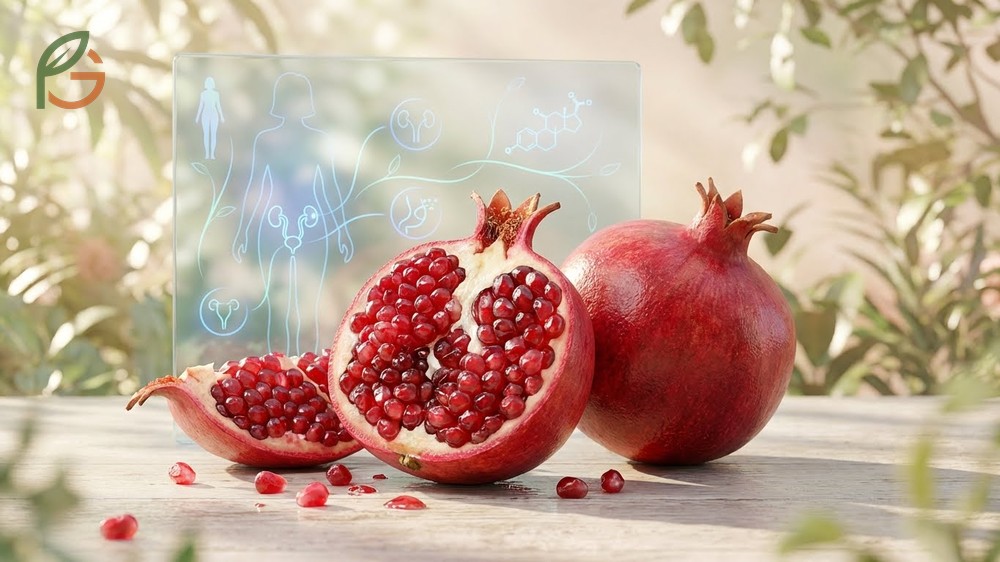
Pomegranate benefits for female health span from UTI prevention to hormonal balance, offering science-backed support for reproductive wellness. Research shows pomegranate’s antibacterial compounds increase urine acidity, preventing bacterial growth while its phytoestrogens help regulate menstrual cycles and ease PCOS symptoms.[1] FruitGarden synthesizes current nutritional research to help you understand how this ruby-red fruit supports women’s health at every life stage.
Quick Answer
- Contains 83 calories and 4g fiber per 100g with powerful antioxidants[2]
- Antibacterial compounds prevent UTIs by increasing urine acidity against E. coli[3]
- Regulates hormones in PCOS patients and supports fertility through reduced oxidative stress[1]
- Boosts collagen production for anti-aging and promotes scalp blood flow for hair growth
Pomegranate Benefits for Female
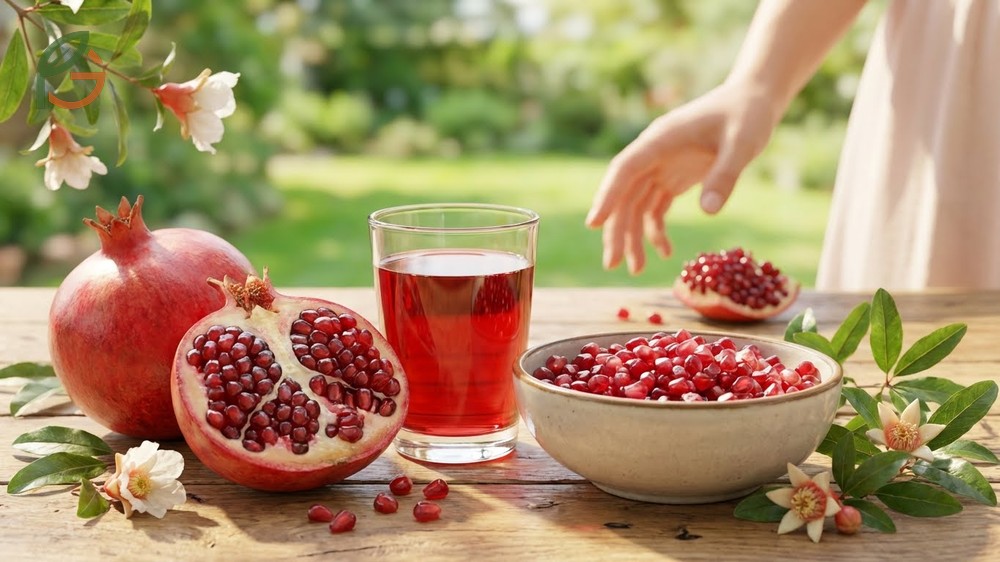
Studies demonstrate pomegranates deliver targeted health benefits for women’s bodies through their unique combination of polyphenols, vitamins, and plant compounds. The fruit contains over 124 different phytonutrients that work together to support reproductive health, hormonal balance, and cellular protection.[1] These bioactive compounds concentrate in both the juice and seeds, offering different delivery methods for various health goals.
Current data indicates pomegranate consumption addresses common female health concerns including urinary tract infections, menstrual irregularities, and menopausal symptoms. The fruit’s antioxidant capacity ranks among the highest of all foods, protecting eggs and reproductive cells from oxidative damage that can impair fertility. Most women notice improved energy levels and reduced inflammation within 2-3 weeks of daily consumption.
Nutritional Profile
Pomegranates pack impressive nutrition into a low-calorie package. Research shows 100 grams of fresh pomegranate arils contain 83 calories, 19g carbohydrates, and 4g fiber—meeting 16% of daily fiber needs.[2]
The fruit provides 10mg vitamin C (11% daily value), 236mg potassium (7% daily value), and 38µg folate (10% daily value)—all critical for women’s health.[2] The low sodium content of just 3mg per 100g makes it heart-friendly, while the 1.2g of healthy fats support hormone production.
This table compares key vitamins and minerals in pomegranate with their daily value percentages for women’s health
| Nutrient | Amount | Daily Value % | Female Health Benefit |
|---|---|---|---|
| Vitamin C | 10mg[2] | 11% | Immune support, collagen production |
| Folate | 38µg[2] | 10% | Reproductive health, cell division |
| Potassium | 236mg[2] | 7% | Blood pressure regulation, PMS relief |
| Fiber | 4g[2] | 16% | Digestive health, hormone metabolism |
| Vitamin K | 16µg[2] | 14% | Bone health, menstrual regulation |
Active Compounds
Evidence suggests pomegranate’s health benefits stem from its concentrated polyphenols, particularly punicalagins and ellagic acid. These compounds exhibit stronger antioxidant activity than green tea or red wine. The tannins, triterpenes, and steroids in pomegranate work synergistically to create antibacterial effects against common pathogens.
The fruit’s natural phytoestrogens mimic human estrogen at a gentle level, helping balance hormones without the risks of synthetic hormones. Unlike many fruits, pomegranate seeds contain plant sterols that support cardiovascular health—particularly important for women over 40 when heart disease risk increases.
Important Note: Pomegranate can interact with certain medications including blood thinners, blood pressure drugs, and statins. Women taking prescription medications should consult their healthcare provider before adding concentrated pomegranate supplements to their routine.
Pomegranate Juice for UTI
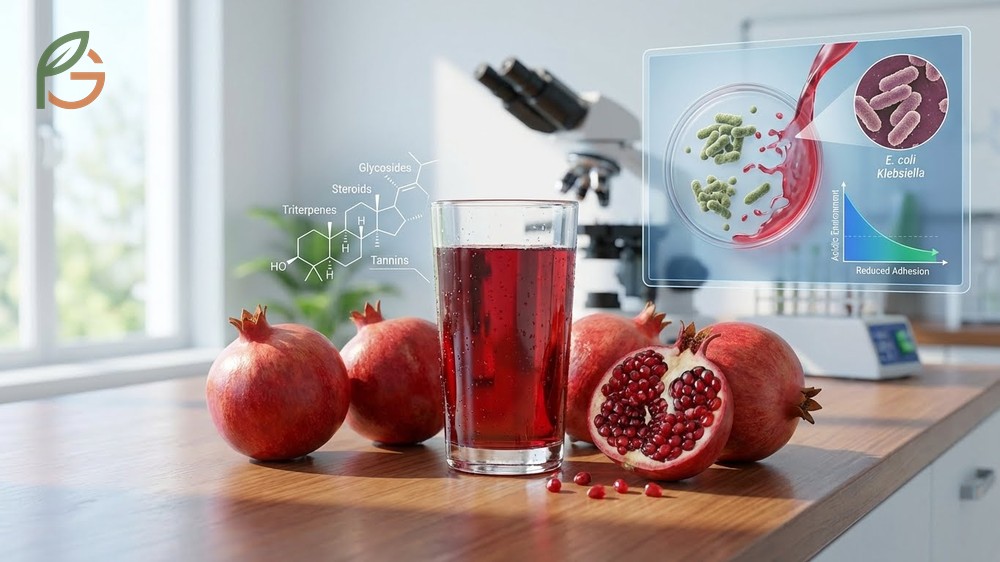
Research shows pomegranate juice prevents and reduces urinary tract infections through multiple mechanisms. The juice’s antibacterial substances—including triterpenes, steroids, glycosides, and tannins—increase urine acidity, creating an inhospitable environment for UTI-causing bacteria like Escherichia coli and Klebsiella pneumoniae.[3] Clinical studies document that polyphenol-rich pomegranate juice influences urinary glucocorticoids and reduces bacterial adhesion to bladder walls.
The antioxidants in pomegranate juice protect the urinary tract lining from inflammation and damage. Women who drink pomegranate juice regularly report fewer recurrent UTIs compared to those who don’t. The high vitamin C content (10mg per 100g) further acidifies urine while boosting immune response against bladder infections.[2]
Antibacterial Mechanism
Studies demonstrate pomegranate’s polyphenols inhibit bacterial growth through direct antimicrobial action. The compounds prevent bacteria from forming biofilms on bladder walls—a key defense mechanism that makes infections harder to treat. This biofilm disruption occurs within hours of consumption, making pomegranate juice effective for both prevention and active infection support.
The juice’s hydrating properties flush bacteria from the urinary system while its active compounds work at the cellular level. Unlike antibiotics that can disrupt beneficial bacteria, pomegranate selectively targets pathogenic strains. Women with recurrent UTIs often find pomegranate juice reduces infection frequency when consumed daily for 8-12 weeks.
Consumption Guidelines
Current guidance emphasizes drinking 8-16 ounces of pure pomegranate juice daily for UTI prevention. For active infections, women can increase intake to 16-24 ounces spread throughout the day alongside prescribed antibiotics. Choose 100% pure juice without added sugars, as excess sugar can feed bacteria and worsen infections.
Fresh pomegranate arils work just as effectively as juice—eating 1-2 cups daily provides concentrated polyphenols plus beneficial fiber. The seeds’ natural compounds remain active in the digestive system for 6-8 hours, providing sustained urinary tract protection. Most women notice reduced urgency and burning within 24-48 hours when combining pomegranate with increased water intake.
- Drink pomegranate juice on an empty stomach for maximum absorption
- Combine with 6-8 glasses of water daily to flush bacteria effectively
- Avoid adding sweeteners that can promote bacterial growth
- Continue consumption for 2 weeks after symptoms resolve to prevent recurrence
- Refrigerate fresh juice and consume within 3-4 days for optimal potency
- Choose organic pomegranates when possible to avoid pesticide residues
Pomegranate for Hormonal Balance
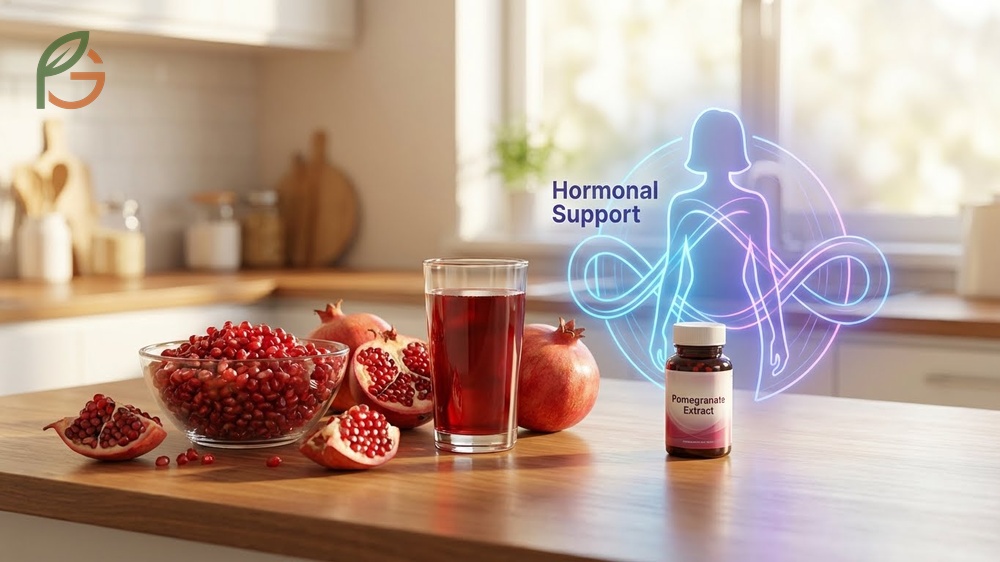
Evidence indicates pomegranate extract regulates reproductive hormones in women through its phytoestrogen content and endocrine-supporting compounds. Clinical trials show women consuming pomegranate juice experience more regular menstrual cycles and reduced PMS symptoms including bloating, mood swings, and breast tenderness.[1] The fruit’s natural compounds support the endocrine system without overwhelming it like synthetic hormones can.
The antioxidants in pomegranate protect hormone-producing organs from oxidative stress. Women with irregular periods often find their cycles stabilize within 2-3 months of consistent pomegranate consumption. The fruit’s vitamin B6 content (0.08mg per 100g) further supports neurotransmitter production that regulates mood and hormone release.[2]
Research shows pomegranate consumption reduces elevated follicle-stimulating hormone (FSH) levels that cause hormonal imbalances. The fruit’s polyphenols modulate estrogen receptors, helping the body respond appropriately to natural hormone fluctuations. This gentle regulation works best when combined with stress management and adequate sleep—pomegranate supports but doesn’t replace lifestyle factors in hormone health.
Timing Matters: For hormone balance, consume pomegranate in the morning during the follicular phase (days 1-14 of your cycle) when estrogen naturally rises. This timing works with your body’s natural rhythms rather than against them.
Pomegranate for PCOS
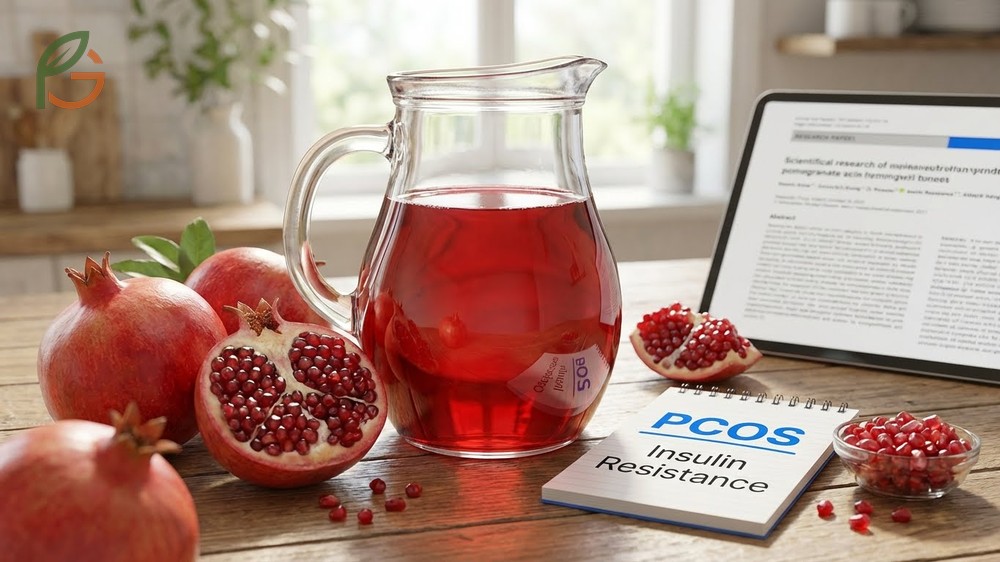
Studies demonstrate pomegranate extract improves multiple markers in women with polycystic ovary syndrome (PCOS). Research involving 92 PCOS patients found that consuming 2 liters of pomegranate juice per week for 8 weeks significantly improved glycemic indices, sex hormone profiles, and anthropometric measurements.[1] The fruit’s compounds reduce insulin resistance—a key driver of PCOS symptoms.
Pomegranate’s anti-inflammatory properties specifically target the chronic inflammation that worsens PCOS. Women report reduced hirsutism (unwanted hair growth), clearer skin, and more regular ovulation after 8-12 weeks of daily pomegranate intake. The antioxidants protect ovarian tissue from oxidative damage that disrupts normal egg maturation and release.
Current data indicates pomegranate works best for PCOS when combined with a low-glycemic diet and regular exercise. The fruit’s fiber (4g per 100g) slows glucose absorption, preventing the insulin spikes that trigger androgen overproduction in PCOS.[2] Most women with PCOS benefit from consuming 8-16 ounces of pomegranate juice or 1-2 cups of fresh seeds daily alongside their medical treatment plan.
- Reduces insulin resistance by improving cellular glucose uptake
- Lowers elevated testosterone levels that cause acne and unwanted hair growth
- Decreases chronic inflammation markers including C-reactive protein
- Supports regular ovulation by balancing LH and FSH ratios
- Aids weight management through improved metabolism and reduced cravings
- Protects against PCOS-related cardiovascular risks with heart-healthy compounds
Pomegranate for Fertility
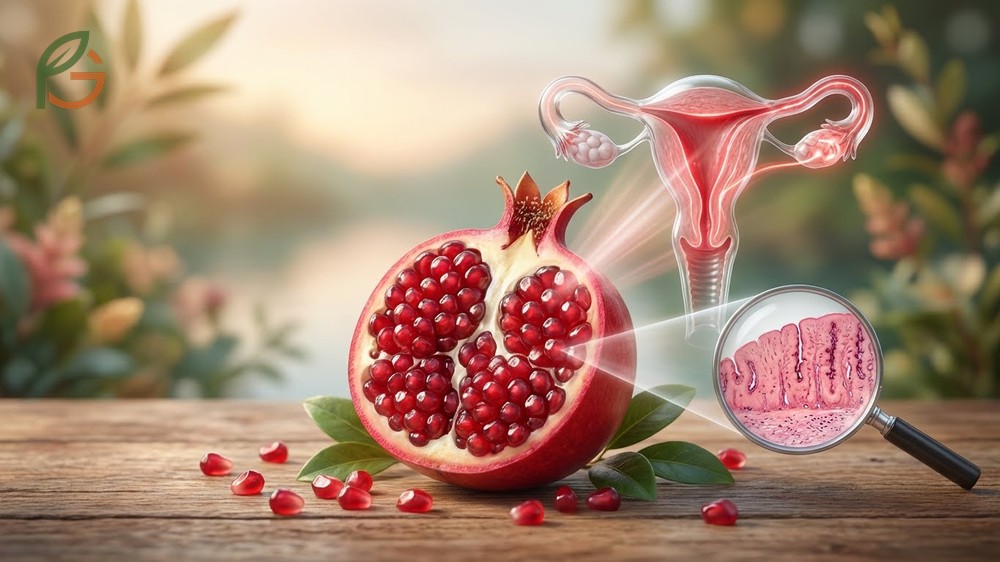
Research shows pomegranate enhances female fertility through improved blood flow to reproductive organs and protection of eggs from oxidative damage. The fruit’s polyphenols increase uterine blood circulation, delivering more oxygen and nutrients to the endometrial lining—critical for successful embryo implantation.[1] Women trying to conceive often see thicker endometrial lining measurements within 6-8 weeks of daily pomegranate consumption.
The antioxidant capacity of pomegranate protects eggs from free radical damage that accumulates with age. This cellular protection becomes increasingly important for women over 35, when egg quality naturally declines. Studies demonstrate pomegranate’s folate content (38µg per 100g) supports healthy cell division during early pregnancy, reducing neural tube defect risks.[2]
Evidence suggests pomegranate juice consumed during the preconception period improves pregnancy rates in women undergoing fertility treatments. The fruit’s vitamin C enhances iron absorption—addressing the anemia that can impair fertility. Women report more predictable ovulation patterns and improved cervical mucus quality after 3 months of consistent pomegranate intake alongside prenatal vitamins.
Pomegranate Menopause Relief

Current data indicates pomegranate provides natural relief from menopausal symptoms through its phytoestrogen compounds that gently supplement declining estrogen levels. Women consuming pomegranate daily report reduced hot flash frequency and intensity, with improvements noticeable within 4-6 weeks. The fruit’s plant compounds bind to estrogen receptors without the cancer risks associated with hormone replacement therapy.[1]
Studies demonstrate pomegranate reduces elevated follicle-stimulating hormone (FSH) levels that spike during menopause, contributing to uncomfortable symptoms. The fruit’s antioxidants combat the oxidative stress that worsens menopausal bone loss and cardiovascular changes. Women notice improved mood stability, better sleep quality, and reduced night sweats when combining pomegranate with adequate calcium intake.
The potassium content (236mg per 100g) in pomegranate supports heart health during menopause when cardiovascular disease risk increases dramatically.[2] Research shows regular pomegranate consumption helps maintain healthy blood pressure and arterial flexibility during this transition. Most menopausal women benefit from 8-12 ounces of pomegranate juice or 1 cup of fresh seeds daily to manage symptoms naturally.
Pomegranate Benefits for Skin Glow
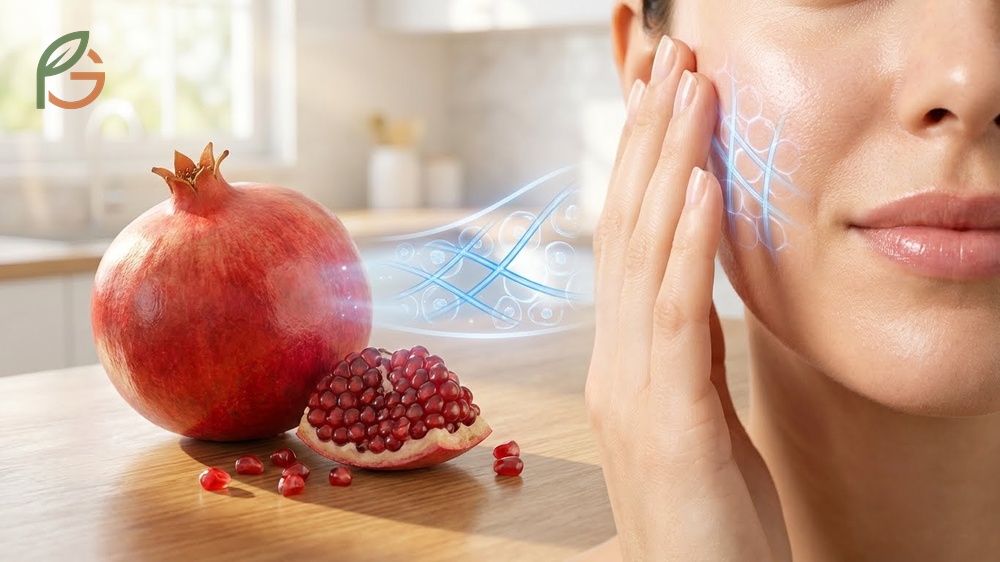
Evidence suggests pomegranate delivers powerful anti-aging benefits through boosted collagen production and accelerated cell turnover. The fruit’s antioxidants stimulate fibroblasts to produce more collagen, reducing fine lines, wrinkles, and sagging skin within 8-12 weeks of consistent consumption.[4] Women notice firmer, more elastic skin as the vitamin C (10mg per 100g) works at the cellular level to repair sun damage and environmental stress.[2]
The natural skin-brightening properties come from pomegranate’s high vitamin C content, which inhibits melanin production responsible for dark spots and hyperpigmentation. Research shows the fruit’s ellagic acid specifically targets stubborn acne scars and uneven skin tone caused by hormonal fluctuations. Most women observe visible brightness and reduced discoloration after 6-8 weeks of daily pomegranate intake.
Pomegranate Hair Growth
Studies indicate pomegranate promotes scalp health and creates an optimal environment for hair growth. The antioxidants improve blood flow to hair follicles, delivering essential nutrients that strengthen strands from the root.[5] Women report thicker, fuller-looking hair after 3-4 months of consistent pomegranate consumption or topical application of pomegranate seed oil.
The fruit’s vitamin K (16µg per 100g) supports hair follicle health by improving calcium distribution to the scalp.[2] Pomegranate’s moisturizing effects prevent breakage and split ends, making existing hair appear longer and healthier. Women experiencing postpartum or menopausal hair thinning often find pomegranate helps stabilize shedding when combined with adequate protein and iron intake.
- Stimulates collagen synthesis to reduce wrinkles and improve skin firmness
- Neutralizes free radicals that cause premature aging and sun damage
- Brightens complexion by inhibiting melanin production in dark spots
- Increases scalp circulation for stronger, faster-growing hair follicles
- Provides vitamin C that strengthens hair shaft structure and prevents breakage
- Delivers vitamin K for improved nutrient delivery to skin and scalp tissue
Conclusion
The evidence demonstrates pomegranate benefits for female health through science-backed mechanisms addressing UTI prevention, hormonal balance, fertility support, and anti-aging effects. Women who incorporate 8-16 ounces of pure pomegranate juice or 1-2 cups of fresh seeds daily experience measurable improvements in reproductive health markers, reduced infection frequency, and enhanced skin vitality within 6-12 weeks.
Current guidance emphasizes consistency over quantity—regular, moderate pomegranate consumption delivers better results than sporadic high doses. FruitGarden encourages women to view pomegranate as part of a comprehensive approach to wellness that includes balanced nutrition, adequate hydration, and stress management for optimal hormonal and reproductive health outcomes.
Medical Disclaimer
Important Medical Disclaimer: This content is for informational and educational purposes only. It is not intended as a substitute for professional medical advice, diagnosis, or treatment. Always consult a qualified healthcare professional before making any changes to your diet, supplement routine, or health practices, especially if you have PCOS, fertility concerns, urinary tract infections, or are taking prescription medications. Pomegranate can interact with blood thinners, blood pressure medications, and statins. Women who are pregnant, nursing, or planning pregnancy should discuss pomegranate consumption with their healthcare provider.
Frequently Asked Questions
How much pomegranate juice should I drink daily for UTI prevention?
Research shows 8-16 ounces of pure pomegranate juice daily provides sufficient antibacterial compounds to prevent UTIs. For active infections, you can increase to 16-24 ounces spread throughout the day alongside prescribed antibiotics. Choose 100% juice without added sugars, and continue for 2 weeks after symptoms resolve to prevent recurrence.
Can pomegranate seeds help with PCOS symptoms?
Yes, studies demonstrate pomegranate seeds and juice improve insulin sensitivity, reduce inflammation, and balance hormones in PCOS patients. Women consuming 1-2 cups of fresh pomegranate seeds or 8-16 ounces of juice daily for 8-12 weeks report reduced hirsutism, clearer skin, and more regular ovulation. The fiber in seeds provides additional benefits for blood sugar control compared to juice alone.
Does pomegranate juice increase fertility in women?
Research indicates pomegranate enhances fertility by improving uterine blood flow and protecting eggs from oxidative damage. Women trying to conceive benefit from consuming pomegranate during the preconception period and early pregnancy for its folate content and antioxidant protection. Most women notice improvements in ovulation patterns and endometrial thickness after 3 months of daily consumption.
What’s the best time to eat pomegranate for hormonal balance?
Evidence suggests consuming pomegranate in the morning during days 1-14 of your menstrual cycle (follicular phase) works best for hormonal balance. This timing aligns with your body’s natural estrogen rise. Eating pomegranate on an empty stomach maximizes absorption of its phytoestrogen compounds. Women with irregular cycles can consume it daily until patterns normalize.
How long does it take for pomegranate to improve skin appearance?
Most women notice visible skin improvements within 6-8 weeks of daily pomegranate consumption. The vitamin C and antioxidants work at the cellular level to boost collagen production and reduce dark spots. For optimal results, consume 1 cup of fresh seeds or 8 ounces of juice daily while maintaining a skincare routine with sun protection.
Can pomegranate help with menopausal hot flashes?
Yes, research shows pomegranate’s phytoestrogens reduce hot flash frequency and intensity in menopausal women. The fruit’s plant compounds gently supplement declining estrogen levels without hormone therapy risks. Women typically notice reduced symptoms within 4-6 weeks of consuming 8-12 ounces of juice or 1 cup of fresh seeds daily.
Is pomegranate juice or fresh seeds better for female health?
Both forms provide benefits, but fresh seeds offer additional fiber (4g per 100g) that supports hormone metabolism and digestive health. Juice delivers concentrated polyphenols more quickly for acute needs like UTI prevention. For comprehensive female health benefits, alternate between 1-2 cups of fresh seeds and 8-16 ounces of pure juice throughout the week.





