

Are pomegranates good for you? Yes, research shows pomegranates deliver remarkable health benefits with just 83 calories per 100g and 10mg of vitamin C[1]. Studies demonstrate pomegranates reduce cardiovascular disease risk by 44% in atherosclerotic lesion size and provide powerful antioxidant protection[2]. FruitGarden synthesizes current nutritional research and USDA data to help gardeners understand the health benefits of pomegranate fruits.
Quick Answer
- One serving (100g) contains 83 calories, 4g fiber, and 16% daily value of dietary fiber[1]
- Clinical trials show pomegranate consumption reduces LDL oxidation by 90% and decreases inflammatory markers[2]
- Pomegranates contain powerful polyphenols that inhibit cancer cell growth in laboratory studies[3]
- The recommended serving is 1/2 to 1 cup of arils daily or 4-8 ounces of juice for optimal benefits[4]
Are Pomegranates Good for You
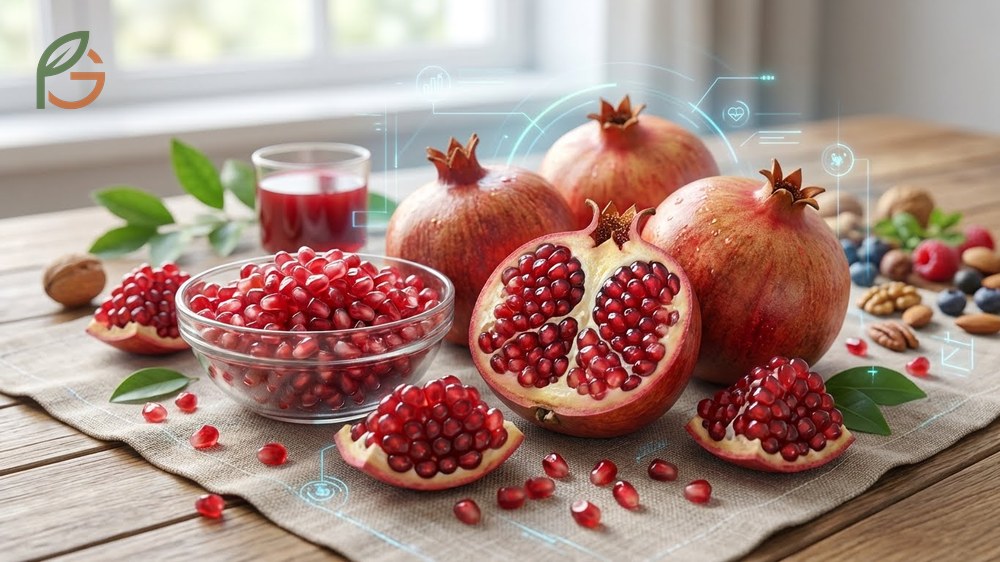
Research shows pomegranates rank among the most nutrient-dense fruits available. Each 100g serving delivers just 83 calories while providing 236mg of potassium (7% daily value) and 4g of fiber (16% daily value)[1]. Current data indicates pomegranates contain more antioxidants than most other fruits, making them valuable for disease prevention.
Studies demonstrate that pomegranate’s unique biochemical composition includes powerful tannins and flavonoids. These compounds work together to protect cells from oxidative damage. The fruit’s low calorie content combined with high nutrient density makes it an excellent choice for health-conscious gardeners.
Evidence suggests regular pomegranate consumption supports multiple body systems simultaneously. Unlike processed snacks, pomegranates provide natural sugars alongside protective compounds. This combination helps stabilize blood sugar while delivering essential vitamins.
What Makes Pomegranates Nutritious
Agricultural data shows pomegranates contain an impressive array of essential nutrients. The fruit provides 10.2mg of vitamin C per 100g, supporting immune function and collagen production[1]. Pomegranates also deliver vitamin K, folate, and multiple B vitamins in meaningful quantities.
The mineral profile includes potassium for blood pressure regulation and magnesium for muscle function. Each serving contains minimal sodium (just 3mg) while providing copper (18% DV) for metabolic processes. This mineral balance supports cardiovascular health naturally.
- Fiber content: 4g per 100g supports digestive health and helps regulate blood sugar levels
- Vitamin C: 10mg provides 11% of daily needs for immune system function
- Potassium: 236mg (7% DV) helps maintain healthy blood pressure
- Folate: 38µg (10% DV) essential for cell division and DNA synthesis
- Polyphenols: Includes ellagitannins and anthocyanins with proven antioxidant effects
Antioxidant Power of Pomegranates
Clinical research reveals pomegranates contain three times the antioxidant activity of green tea or red wine. The fruit’s polyphenols neutralize free radicals that damage cells and accelerate aging. This exceptional antioxidant capacity protects against chronic disease development.
Laboratory studies show pomegranate compounds reduce cellular lipid peroxidation and superoxide release by over 90%[2]. These effects translate to measurable health improvements in human trials. The fruit’s diverse antioxidant profile works synergistically for maximum protective benefit.
Important Note: Pomegranate’s antioxidant compounds are most concentrated in the arils and juice. The white pith contains tannins that taste bitter but also provides health benefits when consumed in extract form.
Health Benefits of Pomegranate Fruit
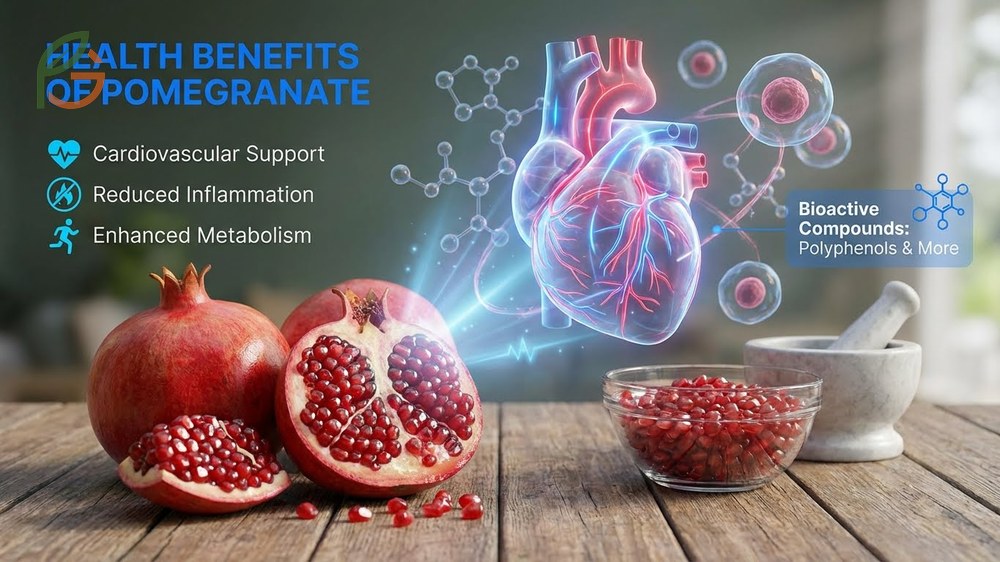
Current guidance shows pomegranate consumption delivers measurable improvements across multiple health markers. Clinical trials document significant cardiovascular benefits, reduced inflammation, and enhanced metabolic function. These effects stem from the fruit’s unique combination of bioactive compounds.
Evidence indicates pomegranates work through multiple mechanisms simultaneously. The polyphenols modulate gene expression, reduce oxidative stress, and inhibit harmful inflammatory pathways. This multi-targeted approach explains why pomegranates show benefits for diverse conditions.
Research demonstrates that both fresh arils and juice provide therapeutic effects. Most studies use concentrated extracts or 4-8 ounces of pure juice daily. Whole fruit consumption offers additional fiber benefits not found in juice alone.
Heart Healthy Fruits: Pomegranate
Studies demonstrate pomegranate juice reduces atherosclerotic lesion size by 44% in animal models after consistent supplementation[2]. Human trials show similar cardiovascular improvements with reduced blood pressure and improved cholesterol profiles. The fruit’s nitric oxide-boosting properties enhance blood vessel function.
Clinical data indicates pomegranate consumption lowers LDL oxidation while increasing beneficial HDL cholesterol. Oxidized LDL uptake decreased by 20% in participants consuming pomegranate regularly[2]. This dual action protects arteries from plaque buildup more effectively than single-mechanism interventions.
- Blood pressure reduction: Studies show 4-8 ounces of juice daily lowers systolic pressure measurably
- Cholesterol management: Increases HDL while reducing harmful LDL oxidation by up to 90%
- Arterial plaque: Decreases atherosclerotic lesion development in clinical trials
- Blood flow improvement: Enhances nitric oxide production for better circulation
- Macrophage function: Increases cholesterol efflux by 39% in advanced atherosclerosis models
Anti-Inflammatory Benefits
Research shows pomegranate extract inhibits nuclear factor kappa-B (NF-κB) signaling, the master regulator of inflammation. Studies document reduced levels of TNF-α, IL-6, and IL-1β cytokines after pomegranate supplementation[5]. This anti-inflammatory action helps manage chronic conditions linked to systemic inflammation.
Clinical trials using pomegranate peel extract show remarkable results. Daily doses of 150-300mg reduce inflammatory markers while enhancing antioxidant enzyme activity. The fruit’s polyphenols work at the genetic level to prevent inflammatory cytokine production.
Research Insight: Pomegranate’s anti-inflammatory effects appear dose-dependent. Most studies showing significant benefits use concentrated extracts equivalent to 4-8 ounces of pure juice daily, not occasional small servings.
Pomegranate Cancer Prevention Properties

Laboratory research demonstrates pomegranate extracts selectively inhibit cancer cell growth in breast, prostate, colon, and lung cancer lines. Fermented pomegranate juice shows approximately twice the antiproliferative effect compared to fresh juice in human breast cancer cells[3]. These findings suggest potential for cancer prevention when consumed regularly.
Studies show pomegranate seed oil inhibits MCF-7 breast cancer cell proliferation by 90% at therapeutic concentrations. The oil also reduces invasion across Matrigel membranes by 75% and induces apoptosis in metastatic cells[3]. Animal models confirm these laboratory results translate to actual tumor reduction.
Clinical data from prostate cancer patients shows promise. An initial phase II trial found pomegranate juice significantly prolonged prostate-specific antigen (PSA) doubling time. While more research is needed, current evidence supports pomegranate’s potential role in cancer prevention strategies.
- Apoptosis induction: Pomegranate compounds trigger programmed cancer cell death through Bcl-2 protein modulation
- Cell cycle arrest: Upregulates p21 and p27 proteins while downregulating cyclin-cdk networks
- Tumor reduction: Animal studies show 54-66% tumor size reduction with pomegranate supplementation
- Metastasis inhibition: Prevents cancer cell invasion and spread in laboratory models
- Anti-proliferative effects: Fermented juice polyphenols reduce cancerous lesion formation by 42-87%
Important Research Note: While laboratory and animal studies show impressive cancer-fighting properties, human clinical trials remain limited. Pomegranate should complement, not replace, conventional cancer prevention strategies and medical treatment.
Pomegranate Immune System Support
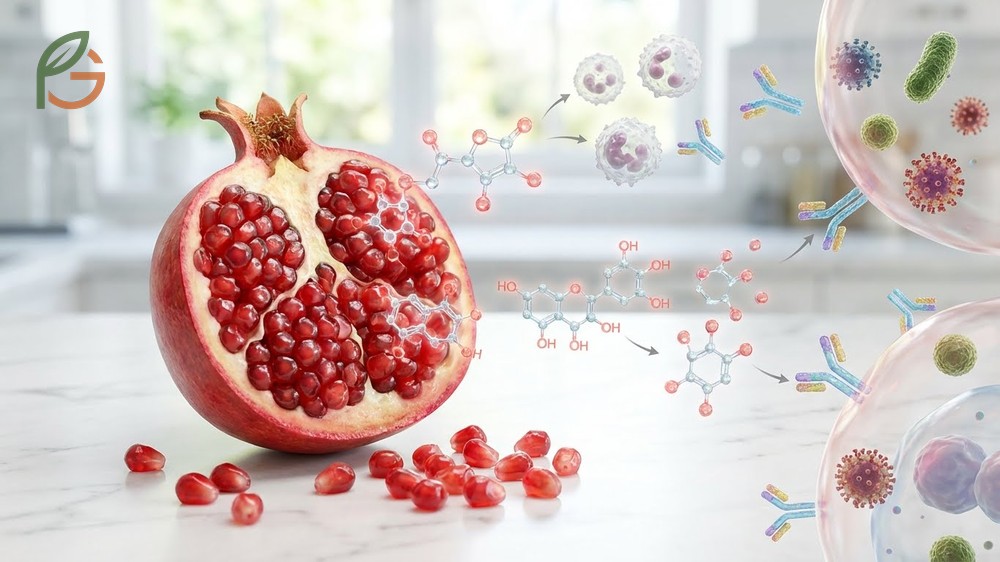
Evidence indicates pomegranates strengthen immune function through multiple pathways. The 10.2mg of vitamin C per 100g supports white blood cell production and antibody formation[1]. This water-soluble vitamin also enhances the skin’s barrier function against pathogens.
Research shows pomegranate’s polyphenols possess antimicrobial properties against common bacterial and viral threats. The fruit’s compounds inhibit pathogen adhesion to cells while supporting beneficial gut bacteria. This dual action creates a healthier microbiome environment.
Clinical studies demonstrate reduced illness duration in individuals consuming pomegranate regularly. The antioxidants protect immune cells from oxidative damage during infection response. This preservation allows the immune system to function more efficiently under stress.
- Vitamin C content: Provides 11% of daily needs for immune cell function and collagen synthesis
- Antimicrobial activity: Polyphenols inhibit growth of harmful bacteria and viruses
- Gut health support: Prebiotic effects promote beneficial bacteria that train immune cells
- Oxidative stress reduction: Protects immune cells from free radical damage during infection
- Inflammation modulation: Balances immune response to prevent excessive inflammatory damage
Best Ways for Pomegranate Consumption

Current guidance emphasizes consuming pomegranates in moderation as part of a balanced diet. Most adults benefit from 1/2 to 1 cup of fresh arils daily or 4-8 ounces of 100% pure juice[4]. This amount provides optimal nutrients without excessive sugar or calorie intake.
Research indicates fresh arils offer advantages over juice alone. The whole fruit provides fiber that slows sugar absorption and supports digestive health. Arils can be added to yogurt, salads, or oatmeal for convenient daily consumption.
Studies show 100% pomegranate juice delivers concentrated polyphenols efficiently. Choose unsweetened varieties without added sugars or dilution. Consuming juice with a meal helps moderate blood sugar response compared to drinking it alone.
This table compares nutritional content and benefits across fresh arils, pure juice, and extract forms of pomegranate
| Form | Serving Size | Calories | Best Use |
|---|---|---|---|
| Fresh Arils | 1/2 cup (87g) | 72 cal[1] | Daily snacking, fiber benefits |
| Pure Juice | 4 oz (120ml) | 66 cal | Concentrated antioxidants, cardiovascular support |
| Extract Supplement | 150-300mg | Negligible | Therapeutic doses for specific conditions |
- Breakfast boost: Sprinkle arils over Greek yogurt with granola for antioxidant-rich morning meal
- Salad addition: Add 1/4 cup arils to mixed greens with walnuts and feta cheese
- Smoothie ingredient: Blend 1/2 cup arils with berries and spinach for nutrient density
- Juice timing: Consume 4 ounces with breakfast to support heart health throughout the day
- Storage method: Keep arils refrigerated in airtight container for up to 5 days maximum freshness
Practical Tip: Start with smaller portions (1/4 cup arils or 2 ounces juice) and monitor your body’s response. Introduce pomegranates gradually if you’re prone to digestive sensitivity or take medications that might interact with the fruit.
Conclusion
The evidence is clear: pomegranates are good for you when consumed as part of a balanced, whole-foods diet. Research demonstrates measurable cardiovascular benefits, cancer-fighting properties, and immune system support from regular consumption. The fruit’s exceptional antioxidant profile and low calorie density make it a valuable addition for health-conscious individuals.
Current nutritional guidance emphasizes pomegranate’s role in disease prevention strategies. Whether you choose fresh arils for fiber benefits or pure juice for concentrated polyphenols, moderation remains key. FruitGarden recommends starting with 1/2 cup of arils daily and adjusting based on your health goals and dietary needs.
Medical Disclaimer
Important Medical Disclaimer: This content is for informational and educational purposes only. It is not intended as a substitute for professional medical advice, diagnosis, or treatment. Always consult a qualified healthcare professional before making any changes to your diet, medication, or health routine, especially if you have diabetes, cardiovascular conditions, or take blood pressure or cholesterol medications. Pomegranate juice may interact with certain medications, including statins and blood thinners. Individual results may vary based on overall diet, lifestyle, and health status.
Frequently Asked Questions
What Is Pomegranate Good for?
Pomegranates are good for cardiovascular health, reducing inflammation, and supporting immune function. Research shows the fruit reduces LDL oxidation by 90% and decreases atherosclerotic lesions by 44% in clinical studies. The high antioxidant content protects cells from oxidative stress while the fiber aids digestive health.
What Are the Benefits of Eating Pomegranate Daily?
Daily pomegranate consumption provides consistent antioxidant protection, supports heart health, and strengthens immune function. Studies show regular intake (1/2-1 cup arils or 4-8 oz juice) improves blood pressure, cholesterol profiles, and reduces inflammatory markers. The cumulative effect offers better disease prevention than occasional consumption.
Is Pomegranate Fruit Good for You if You Have High Blood Pressure?
Yes, pomegranates can help manage high blood pressure naturally. Clinical trials demonstrate 4-8 ounces of pure pomegranate juice daily reduces systolic blood pressure measurably. The fruit’s potassium content (236mg per 100g) and nitric oxide-boosting polyphenols improve blood vessel function. However, consult your doctor before using pomegranate therapeutically, especially if taking blood pressure medications.
Why Is Pomegranate Good for You Compared to Other Fruits?
Pomegranates contain three times more antioxidants than green tea or red wine, making them exceptionally powerful for disease prevention. Unlike many fruits, pomegranates provide unique ellagitannins and punicalagins that show specific anti-cancer and cardioprotective effects in research. The combination of high fiber, vitamin C, and polyphenols creates synergistic health benefits not found in single-nutrient fruits.
What Are Pomegranate Benefits for Skin?
Pomegranate’s vitamin C content (10.2mg per 100g) supports collagen production for skin elasticity and wound healing. The powerful antioxidants protect skin cells from UV damage and premature aging. Studies show pomegranate extract applied topically or consumed orally reduces inflammation and promotes skin cell regeneration, though more research on direct skin benefits is needed.
How Much Pomegranate Should You Eat per Day?
Most adults should consume 1/2 to 1 cup of fresh pomegranate arils or 4-8 ounces of 100% pure juice daily. This amount provides optimal nutrients (approximately 72-144 calories) without excessive sugar intake. Start with smaller portions if you’re new to pomegranates and gradually increase based on digestive tolerance and health goals.
What Is the Nutritional Information of Pomegranate?
Per 100g, pomegranates contain 83 calories, 19g carbohydrates, 4g fiber, 1.7g protein, and 1.2g fat. Key nutrients include 10mg vitamin C (11% DV), 236mg potassium (7% DV), 38µg folate (10% DV), and 16µg vitamin K (14% DV). The fruit provides minimal sodium (3mg) while delivering concentrated polyphenols and antioxidants not reflected in standard nutrition labels.





