

Can dogs eat pomegranate? No, veterinarians don’t recommend feeding pomegranates to dogs. While not toxic, the seeds cause digestive upset, pose choking hazards, and contain tannins that upset canine stomachs[1]. Research shows that even small amounts can trigger vomiting and diarrhea in sensitive dogs[2]. FruitGarden synthesizes current veterinary guidance to help pet owners make informed feeding decisions.
Quick Answer
Can Dogs Eat Pomegranate

Pomegranates are technically safe for dogs but not recommended by veterinary professionals. The fruit contains compounds that don’t align with canine digestive systems, causing more harm than benefit.
Studies demonstrate that dogs lack the enzymes to properly break down pomegranate seeds. This leads to gastrointestinal distress in most cases, especially when dogs consume moderate to high amounts[1].
Current veterinary guidance emphasizes that while pomegranates offer antioxidants for humans, dogs don’t receive these same benefits. The risks outweigh any potential nutritional value when safer fruit alternatives exist.
Why Veterinarians Don’t Recommend Pomegranates
Veterinarians cite three primary concerns about feeding pomegranates to dogs. First, the tannin content irritates canine stomach linings. Second, the seeds don’t break down during digestion.
Dr. Jerry Klein from the American Kennel Club notes that diarrhea and vomiting are the most common symptoms when dogs consume pomegranate seeds[1]. These symptoms typically appear within 2-6 hours of consumption.
What Makes Pomegranates Risky for Dogs
The primary risk factors stem from the fruit’s physical structure and chemical composition. Pomegranate seeds are hard and don’t soften during chewing or digestion.
Research indicates that tannins in pomegranates can trigger inflammatory responses in dog digestive tracts. Small breeds face higher risks because their narrower esophagus and intestines make blockages more likely.
Important Safety Note: Dogs that gulp food without chewing face the highest choking risk from pomegranate seeds. Small breeds like Chihuahuas, Yorkshire Terriers, and Toy Poodles are especially vulnerable.
Can Dogs Have Pomegranate Seeds

Dogs should not eat pomegranate seeds due to multiple safety concerns. The seeds contain amygdalin, a compound that releases small amounts of cyanide when broken down in large quantities[4].
While the cyanide content is low, it poses unnecessary risks when safer treat options exist. Dogs that accidentally consume a few seeds typically don’t experience serious poisoning, but monitoring is essential.
Choking Hazards from Pomegranate Seeds
Pomegranate seeds pose significant choking risks for dogs of all sizes. The seeds’ hard texture doesn’t compress easily, making them difficult to dislodge if they block airways.
Veterinary data shows that dogs under 20 pounds face the highest choking risk from small, hard food items. Emergency veterinary visits for pomegranate-related choking incidents occur most frequently in breeds that eat quickly without proper chewing.
Digestive Blockage Risks
Intestinal blockages can occur when dogs consume multiple pomegranate seeds. The seeds don’t break down easily, potentially accumulating in the digestive tract.
Research shows that blockages require emergency veterinary intervention, including possible surgical removal. Symptoms include loss of appetite, lethargy, abdominal pain, and inability to defecate.
Warning Signs: If your dog shows signs of abdominal distress, refuses food for more than 12 hours, or attempts to vomit without producing anything, contact your veterinarian immediately. These symptoms may indicate an intestinal blockage.
Can Dogs Eat Pomegranate Arils
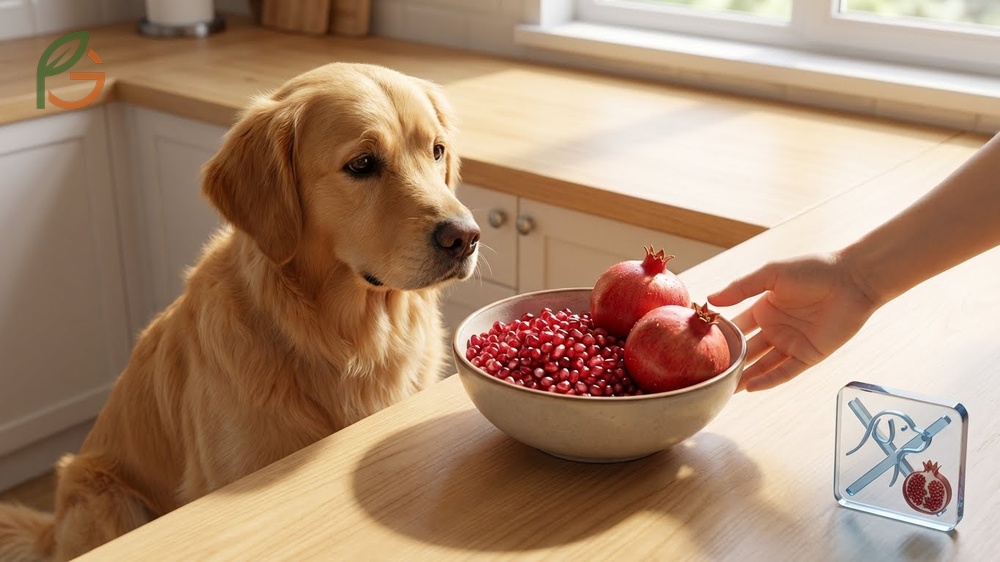
Pomegranate arils—the edible seed coverings—are less dangerous than whole seeds but still not recommended. The arils contain the same tannins and high sugar content that upset canine digestive systems.
Current data indicates that even seedless arils can trigger stomach upset in sensitive dogs. The high natural sugar content poses additional concerns for dogs with diabetes or weight management issues.
If you choose to offer arils despite veterinary recommendations, limit the amount to 1-2 arils for small dogs or 3-4 for large dogs. Monitor your pet closely for 24 hours after consumption.
- Remove all rind, pith, and membrane completely before offering
- Crush or mash arils to reduce choking risk
- Start with only one aril to test tolerance
- Wait 24 hours to observe any digestive reactions
- Never exceed 5 arils even for large breed dogs
- Avoid feeding if your dog has existing digestive sensitivities
Digestive Upset Dogs Pomegranate

Digestive upset from pomegranates manifests differently depending on the amount consumed and individual dog sensitivity. Most dogs experience mild to moderate symptoms that resolve within 24-48 hours.
Veterinary toxicologists report that gastrointestinal distress occurs in approximately 60-70% of dogs that consume pomegranate[5]. The severity correlates with the quantity consumed and the dog’s body weight.
Symptoms to Watch For
Common symptoms appear within 2-8 hours of pomegranate consumption. Early recognition helps prevent complications and guides appropriate home care or veterinary intervention.
Diarrhea is the most frequent symptom, occurring in approximately 50% of affected dogs. Vomiting follows as the second most common reaction, typically appearing within 3-6 hours of eating pomegranate.
- Vomiting or repeated attempts to vomit
- Diarrhea with possible blood streaks
- Loss of appetite lasting more than 12 hours
- Abdominal pain or bloating
- Excessive drooling or lip licking
- Lethargy or unusual tiredness
- Whining or showing signs of discomfort
Safe Fruit Serving Size for Dogs

Veterinary nutritionists recommend that treats—including fruits—comprise no more than 10% of a dog’s daily caloric intake[6]. This guideline helps maintain balanced nutrition while allowing occasional variety.
For a 50-pound dog consuming 1,000 calories daily, fruit treats should not exceed 100 calories. Smaller dogs weighing 10-20 pounds should receive proportionally less, typically 1-2 small pieces of approved fruits.
The following guidelines help determine appropriate fruit portions based on dog size. These recommendations apply to safe fruits like apples, blueberries, and watermelon—not pomegranates.
This table shows recommended fruit serving sizes for dogs across four weight categories, from small to extra large breeds
| Dog Size | Weight Range | Maximum Fruit Portion | Examples |
|---|---|---|---|
| Small | 5-20 lbs | 1-2 small pieces | 2-3 blueberries, 1 apple slice |
| Medium | 21-50 lbs | 3-4 pieces | 5-6 blueberries, 2 apple slices |
| Large | 51-90 lbs | 5-6 pieces | 8-10 blueberries, 3 apple slices |
| Extra Large | 90+ lbs | 6-8 pieces | 12 blueberries, 4 apple slices |
Fruits Dogs Can Eat

Many fruits provide safe, nutritious alternatives to pomegranates for dogs. These options deliver vitamins, fiber, and antioxidants without the digestive risks associated with pomegranates.
Research confirms that fruits like apples, blueberries, and watermelon offer health benefits without triggering gastrointestinal upset in most dogs[3]. These fruits have softer textures that dogs digest easily.
- Apples: Remove seeds and core, slice into bite-sized pieces
- Blueberries: Feed fresh or frozen, perfect size for most dogs
- Watermelon: Remove seeds and rind, cut into chunks
- Strawberries: Remove stems, slice for small dogs
- Bananas: High in potassium, feed in small amounts due to sugar content
- Cantaloupe: Remove rind and seeds, cut into cubes
- Pineapple: Remove tough skin and core, feed fresh in moderation
- Pears: Remove seeds and core, similar to apple preparation
- Raspberries: Excellent antioxidants, feed in small quantities
- Oranges: Remove peel and seeds, limit due to acidity
When introducing any new fruit, start with small amounts to test your dog’s tolerance. Watch for any signs of digestive upset or allergic reactions during the first 24 hours.
Dog Ate Pomegranate What to Do

If your dog accidentally consumes pomegranate, immediate action depends on the amount eaten and your dog’s size. Small amounts typically cause mild symptoms, while larger quantities require veterinary attention.
First, remove any remaining pomegranate from your dog’s reach. Check your dog’s mouth for stuck seeds or rind pieces that might pose choking hazards.
For dogs that ate only a few arils or seeds, monitor closely for 24-48 hours. Provide fresh water and maintain your dog’s normal feeding schedule unless vomiting occurs.
Contact your veterinarian immediately if your dog consumed a significant amount—defined as more than 10 seeds for small dogs or more than 20 seeds for large dogs. Also seek professional help if symptoms include repeated vomiting, bloody diarrhea, or signs of abdominal pain.
- Document the time of consumption and estimated amount eaten
- Remove all remaining pomegranate from accessible areas
- Check your dog’s mouth and throat for obstructions
- Provide fresh water but don’t force drinking
- Monitor for vomiting, diarrhea, or behavioral changes
- Do not induce vomiting unless instructed by a veterinarian
- Keep your veterinarian’s emergency number readily available
- Note any symptoms with timestamps for veterinary consultation
Emergency Situations: Seek immediate veterinary care if your dog shows difficulty breathing, continuous vomiting for more than 2 hours, bloody stools, severe lethargy, or inability to stand. These symptoms may indicate serious complications requiring professional intervention.
Conclusion
The evidence is clear: while can dogs eat pomegranate technically has a “yes, but” answer, the better response is “no” based on current veterinary guidance. The risks of digestive upset, choking, and potential blockages outweigh any minimal nutritional benefits dogs might receive.
Current guidance emphasizes choosing safer fruit alternatives that provide similar nutrients without the associated dangers. Apples, blueberries, and watermelon deliver antioxidants and vitamins that dogs can actually digest and benefit from. FruitGarden recommends consulting your veterinarian before introducing any new foods into your dog’s diet, especially if your pet has existing health conditions.
Medical Disclaimer
Important Veterinary Disclaimer: This content is for informational and educational purposes only. It is not intended as a substitute for professional veterinary advice, diagnosis, or treatment. Always consult a qualified veterinarian before making any changes to your pet’s diet or health routine. If your dog shows signs of distress, poisoning, or illness, seek immediate veterinary care. Individual dogs may have different sensitivities and health conditions that affect their dietary needs.
Frequently Asked Questions
Are pomegranates toxic to dogs?
Pomegranates are not technically toxic to dogs, but they cause significant digestive problems. The tannins in pomegranates irritate canine stomach linings, leading to vomiting and diarrhea. While not poisonous in the same way grapes are, pomegranates still pose enough health risks that veterinarians recommend avoiding them entirely.
Can dogs have pomegranate juice?
Dogs should not drink pomegranate juice due to its high sugar content and potential additives. Commercial juices often contain xylitol, an artificial sweetener that’s highly toxic to dogs. Even pure, unsweetened pomegranate juice can upset your dog’s stomach and provide no meaningful nutritional benefits. Stick to fresh water as your dog’s primary beverage.
Are pomegranate seeds poisonous to dogs?
Pomegranate seeds contain amygdalin, which releases small amounts of cyanide when broken down. While the cyanide content is low and unlikely to cause acute poisoning from a few seeds, they pose choking and digestive blockage risks. The hard seeds don’t break down during digestion and can accumulate in the intestinal tract, potentially requiring surgical removal.
What should I do if my dog ate pomegranate seeds?
Monitor your dog closely for 24-48 hours if they ate a small amount of pomegranate seeds. Watch for symptoms including vomiting, diarrhea, loss of appetite, or abdominal pain. Contact your veterinarian if your dog consumed more than 10 seeds (for small dogs) or shows any concerning symptoms. Don’t induce vomiting unless specifically instructed by a veterinary professional.
Is pomegranate good for dogs?
Pomegranate is not good for dogs despite being healthy for humans. Dogs don’t process the tannins and antioxidants in pomegranates the way humans do. The fruit causes more harm than benefit through digestive upset, choking risks, and potential blockages. Pomegranate extract in commercial dog foods may offer benefits, but whole pomegranates should be avoided.
Can dogs eat pomegranate arils safely?
Even pomegranate arils without the hard seeds pose risks for dogs. The arils contain tannins that upset canine digestive systems and high sugar content that can contribute to weight gain or blood sugar issues. If you choose to offer arils despite veterinary recommendations, limit the amount to 1-2 for small dogs and remove all rind and membrane first.
What are better fruit alternatives to pomegranate for dogs?
Safe fruit alternatives include apples (seedless), blueberries, watermelon (seedless and rindless), strawberries, and bananas. These fruits provide antioxidants, vitamins, and fiber without the digestive risks associated with pomegranates. Always introduce new fruits gradually and keep portions small—treats should comprise no more than 10% of your dog’s daily caloric intake.





