
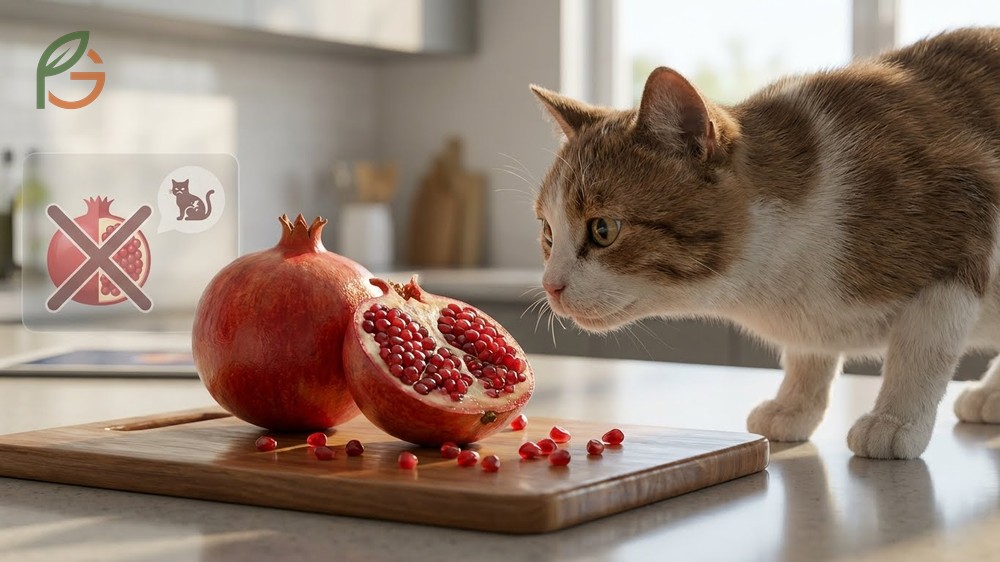
Can cats eat pomegranate? No, cats shouldn’t eat pomegranate despite it not being toxic. Research shows that pomegranate seeds pose choking hazards and cause digestive upset in obligate carnivores like cats, whose bodies require 23-26% protein from animal sources rather than plant-based foods[1]. FruitGarden synthesizes current veterinary research and feline nutrition data to help pet owners make informed decisions about their cats’ safety around garden fruits.
Quick Answer
- Pomegranate is not toxic to cats but shouldn’t be fed regularly[2]
- Seeds create choking hazards and potential intestinal blockages[3]
- Cats’ digestive systems process food in 12-24 hours versus five days for humans, making plant matter harder to break down[4]
- Safe fruit alternatives include small amounts of strawberries or cantaloupe[5]
Can Cats Eat Pomegranate
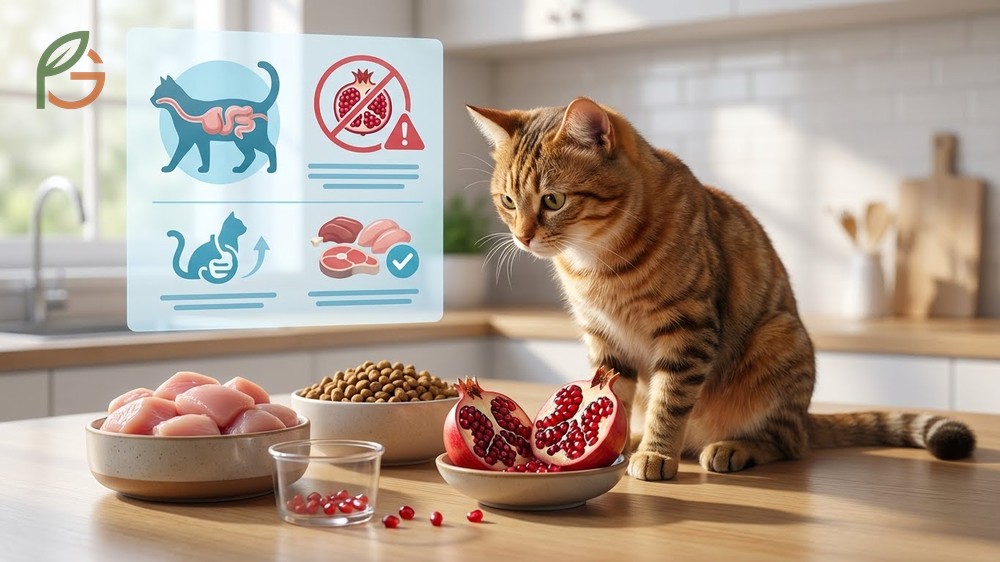
Studies demonstrate that while pomegranate isn’t classified as toxic to felines, it offers no nutritional value for cats and presents multiple risks[2]. Cats are obligate carnivores requiring animal-based proteins, not plant compounds. Their bodies lack the enzymes needed to efficiently process fruits and extract meaningful benefits from plant-based antioxidants.
Current veterinary guidance emphasizes that cats need 26% protein from animal tissue for kittens and 23% for adult maintenance[1]. Pomegranate provides none of these essential nutrients. What often gets overlooked is that cats’ stomachs produce six times more hydrochloric acid than humans to break down meat proteins specifically[4].
If your cat swipes a few pomegranate seeds from the kitchen counter, don’t panic. The seeds won’t poison them, but they’re likely to cause discomfort. Monitor for symptoms over the next 12-24 hours, which is how long food takes to transit through a cat’s shorter digestive system.
Why Pomegranate Isn’t Ideal for Cats
Research shows that pomegranate’s natural acids and tannins irritate feline digestive systems, which evolved to handle raw meat rather than acidic fruits[3]. These compounds can trigger vomiting, diarrhea, or stomach discomfort within hours of consumption. Cats also can’t taste sweetness, meaning they derive no pleasure from eating fruit that humans find appealing.
The fruit’s vitamin C content, while beneficial for humans, is unnecessary for cats. Unlike humans, cats synthesize their own vitamin C internally and don’t require dietary sources. This metabolic difference highlights why human superfoods don’t translate to feline nutrition.
What Happens If Cats Eat Pomegranate
Evidence indicates that most cats who consume small amounts of pomegranate will experience mild gastrointestinal upset[6]. Symptoms typically appear within 2-6 hours and may include drooling, decreased appetite, or soft stools. Larger quantities can cause vomiting or diarrhea that requires veterinary attention.
Some cats may develop allergic reactions, though this is less common. Watch for itching, facial swelling, or changes in behavior. Contact your veterinarian immediately if symptoms worsen or if your cat shows lethargy or refuses water for more than 12 hours.
Important Note: If your cat consumes a large amount of pomegranate (more than a tablespoon of seeds), monitor closely for signs of intestinal blockage including vomiting, straining to defecate, or abdominal pain. These symptoms require immediate veterinary care.
Can Cats Have Pomegranate Seeds
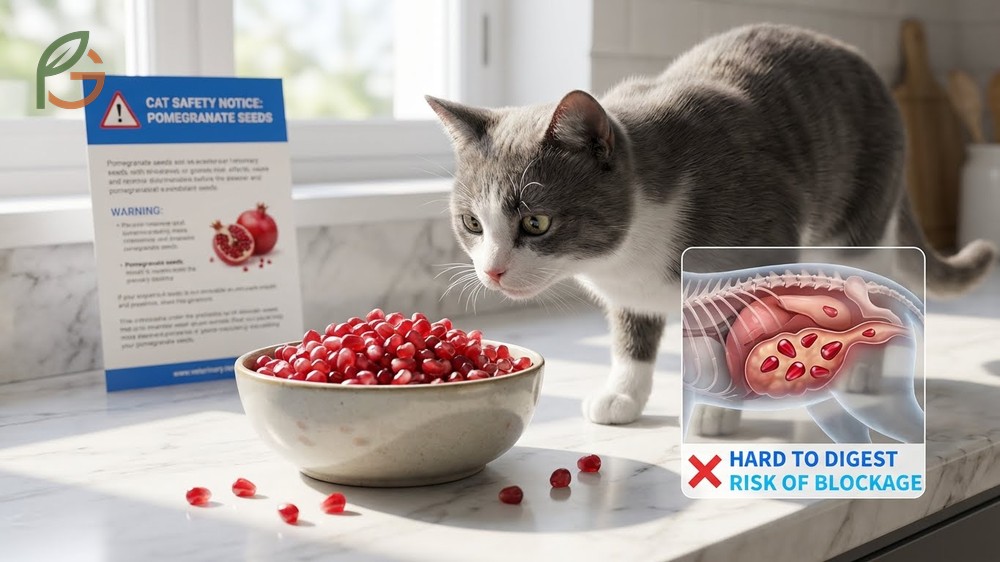
Current data indicates that pomegranate seeds pose the greatest risk to cats due to their hard texture and size[7]. Veterinarians consistently advise against feeding these seeds to felines. The seeds don’t break down easily in cats’ digestive systems, which process food much faster than human systems.
Most people don’t realize that cats tend to gulp food rather than chew it thoroughly. This feeding behavior, combined with pomegranate seeds’ firm texture, creates a perfect storm for choking incidents. Smaller cats and kittens face even higher risks due to their narrower airways and digestive tracts.
The risk extends beyond individual seeds. If a cat consumes multiple seeds in quick succession, they can clump together in the stomach or intestines, potentially forming a blockage that requires surgical intervention to remove.
Physical Dangers of Seeds
Pomegranate seeds measure roughly 5-8mm in diameter, which is large enough to obstruct a cat’s airway if inhaled during eating[3]. The seeds’ slippery coating makes them slide down quickly before cats can properly chew them. This is particularly dangerous for cats who eat quickly or become excited around new foods.
The tough seed coating can also scratch or irritate the esophagus and stomach lining as it passes through. These micro-abrasions may lead to inflammation or secondary infections in sensitive cats with pre-existing digestive conditions.
Digestive Complications
Agricultural data shows that pomegranate seeds contain compounds that cats’ digestive enzymes can’t effectively break down[6]. Unlike herbivores or omnivores, cats lack the gut bacteria and enzyme profiles needed to extract nutrients from plant seeds. The seeds often pass through undigested, causing irritation along the way.
This explains why cats who eat pomegranate seeds frequently develop diarrhea or loose stools. The undigested seeds trigger the intestines to speed up transit time and increase fluid secretion, resulting in watery bowel movements that can lead to dehydration if prolonged.
Warning: Never give pomegranate juice to cats. The high sugar content and concentrated acids can cause severe digestive upset and may contribute to diabetes risk in cats already prone to the condition.
Fruits Safe for Cats
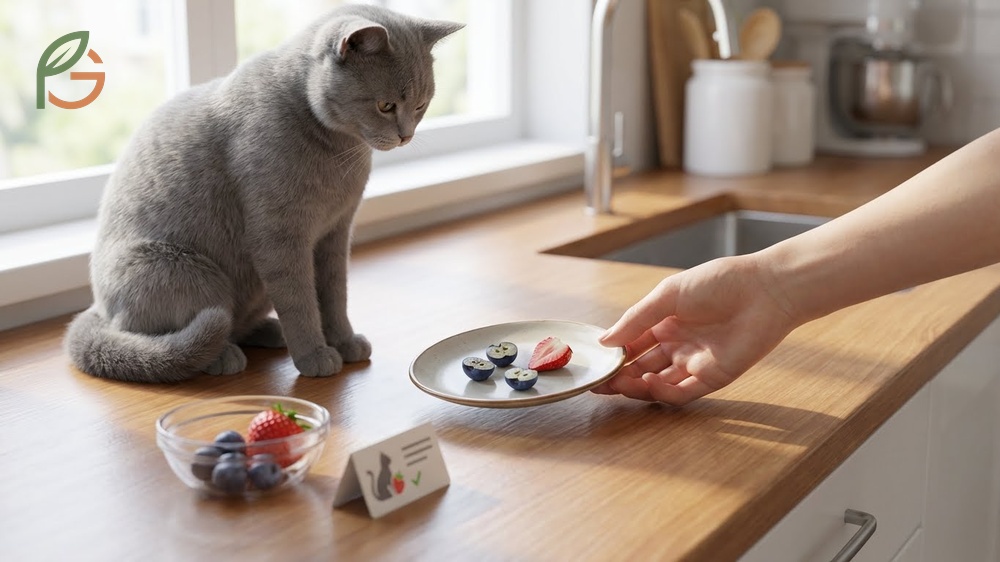
While cats don’t need fruit in their diets, some options are safer than pomegranate if you want to offer an occasional treat[5]. Veterinarians approve small amounts of certain fruits as long as they’re prepared correctly. Always remove seeds, pits, and stems before offering any fruit to your cat.
The key is moderation and proper preparation. Fruits should never exceed 1-2% of a cat’s daily caloric intake. Think of them as rare treats rather than regular additions to your cat’s meal plan.
- Strawberries – Cut into tiny pieces, seedless varieties preferred, no more than one small piece per week
- Cantaloupe – Provides hydration, remove rind and seeds, offer small cubes occasionally
- Watermelon – Remove all seeds and rind, high water content can help with hydration on hot days
- Blueberries – Whole or mashed, rich in antioxidants though cats can’t utilize them as humans do
- Banana – Mashed or small slices, high in potassium but also high in sugar so limit to rare treats
Start with a piece no larger than a pea to test your cat’s reaction. Some cats show zero interest in fruit, which is completely normal and healthier for their carnivorous systems. If your cat does eat fruit, watch for any digestive changes over the next 24 hours before offering it again.
Remember that even “safe” fruits can cause problems in cats with sensitive stomachs or underlying health conditions. Always consult your veterinarian before introducing new foods, especially if your cat takes medications or has a diagnosed medical condition.
Cat Diet Restrictions
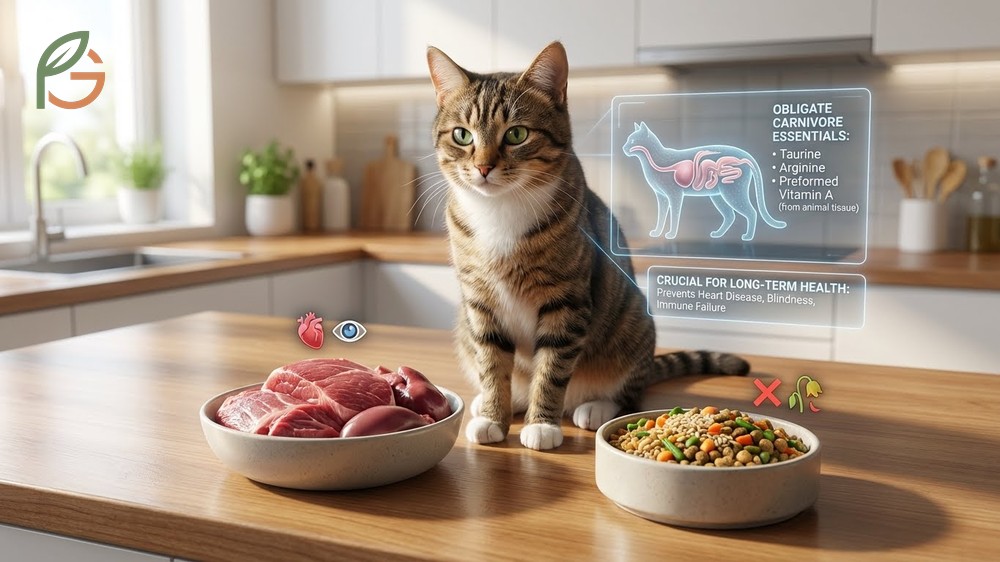
Understanding cats as obligate carnivores is crucial for their long-term health. Research demonstrates that cats require specific amino acids like taurine and arginine that only come from animal tissue[8]. Without these nutrients, cats develop serious health problems including heart disease, blindness, and immune system failure.
Cats also need preformed vitamin A from animal sources. They can’t convert beta-carotene from plants into usable vitamin A the way humans and dogs can. This metabolic limitation means feeding cats plant-based diets or too many fruits and vegetables can lead to nutritional deficiencies despite good intentions.
The feline requirement for niacin and pyridoxine (vitamin B6) is four times higher than that for dogs[1]. These water-soluble B vitamins are found in high concentrations in animal tissue but are scarce or absent in fruits and vegetables. This is why commercial cat foods are formulated with animal proteins as the primary ingredient.
- Protein requirements – Minimum 23-26% of metabolizable energy from animal sources, not plant proteins
- Taurine – Essential amino acid found only in animal tissue, prevents heart disease and blindness
- Arachidonic acid – Fatty acid from animal fats that cats can’t synthesize from plant oils
- Vitamin A – Must come preformed from animal sources, not beta-carotene from plants
- Niacin – Cats can’t convert tryptophan to niacin efficiently, need direct animal sources
- Minimal carbohydrates – No minimum carbohydrate requirement, though small amounts of glucose are needed for brain function
Unlike humans and many other animals, cats get adequate energy from protein and fat without needing carbohydrates[8]. Their bodies are optimized to burn protein for energy, which is why high-carbohydrate diets can contribute to obesity and diabetes in cats. This metabolic difference is critical for understanding why fruits like pomegranate offer no benefits.
Diet Tip: Focus on providing high-quality, meat-based cat food that meets AAFCO standards. Save human foods for rare occasions and always research safety before offering anything new to your cat.
Toxic Foods for Cats

While pomegranate isn’t toxic, many common household foods pose serious dangers to cats. Studies show that some fruits and foods can cause kidney failure, neurological damage, or even death when consumed by felines[9]. Being aware of these hazards helps prevent accidental poisoning.
The severity of toxicity varies by food type and amount consumed. Some foods cause immediate reactions while others accumulate damage over time. Always keep these dangerous items out of your cat’s reach and educate family members about feline food safety.
This table compares five toxic foods for cats showing the toxic compound in each food, primary health effects, and severity level ranging from moderate to severe
| Food Item | Toxic Compound | Primary Effect | Severity |
|---|---|---|---|
| Grapes & Raisins | Unknown toxin | Acute kidney failure[9] | Severe |
| Cherries | Cyanide (in pits) | Organ failure, breathing difficulty[9] | Severe |
| Citrus Fruits | Psoralen, essential oils | Digestive upset, CNS depression[10] | Moderate to Severe |
| Avocado | Persin | Vomiting, diarrhea[5] | Moderate |
| Onions & Garlic | Thiosulfate | Hemolytic anemia, red blood cell damage | Severe |
Grapes and raisins are particularly dangerous because even small amounts can trigger kidney failure in cats. The exact mechanism isn’t fully understood, but veterinarians agree these should never be given to cats under any circumstances. Symptoms can appear within 24 hours and include vomiting, lethargy, and decreased urination.
Citrus fruits deserve special mention because their essential oils and psoralen compounds affect cats’ central nervous systems[10]. While the flesh may cause only mild upset, the skin and oils can trigger tremors, skin irritation, and severe digestive problems. This is why you should never use citrus-based cleaners around cats or allow them access to citrus peels.
- Chocolate – Contains theobromine which cats can’t metabolize, causes heart problems and seizures
- Xylitol – Artificial sweetener causes rapid insulin release and liver failure in cats
- Alcohol – Even small amounts cause intoxication, respiratory failure, and potential death
- Raw dough – Expands in stomach causing bloat, produces alcohol during fermentation
- Macadamia nuts – Causes weakness, tremors, and hyperthermia in cats
- Raw eggs – Contain avidin which blocks biotin absorption, risk of salmonella
If your cat consumes any toxic food, contact your veterinarian or Pet Poison Helpline immediately. Don’t wait for symptoms to appear, as early intervention significantly improves outcomes. Keep the product packaging available to provide accurate information about ingredients and amounts consumed.
Conclusion
The evidence is clear: can cats eat pomegranate is answered with a firm no from veterinary professionals despite the fruit’s non-toxic classification. Cats’ biology as obligate carnivores means they derive zero nutritional benefit from pomegranate while facing genuine risks from choking, digestive upset, and potential intestinal blockages. Current guidance emphasizes meat-based diets that meet felines’ specialized protein and amino acid requirements.
FruitGarden recommends focusing on species-appropriate nutrition for cats rather than sharing human superfoods that don’t translate to feline health benefits. If you’re growing pomegranates in your garden, keep fallen fruits cleaned up to prevent curious cats from sampling them unsupervised.
Medical Disclaimer
Important Medical Disclaimer: This content is for informational and educational purposes only. It is not intended as a substitute for professional veterinary advice, diagnosis, or treatment. Always consult a qualified veterinarian before making any changes to your cat’s diet or if you suspect your cat has consumed something potentially harmful. Every cat is unique, and individual health conditions require professional evaluation.
Frequently Asked Questions
Can Cats Have Pomegranate Juice?
No, cats shouldn’t have pomegranate juice. The concentrated sugars and acids in juice can cause severe digestive upset including diarrhea and vomiting. Cats lack the digestive enzymes to process high-sugar liquids efficiently, and the acidic nature of pomegranate juice irritates their sensitive stomach lining even more than whole fruit pieces.
Are Pomegranate Peels Toxic to Cats?
Pomegranate peels aren’t technically toxic but they’re extremely difficult for cats to digest and can cause mouth irritation and choking. The tough, leathery texture of pomegranate rind poses a greater physical hazard than the seeds. Keep peels in secured compost bins or trash containers where cats can’t access them.
What Should I Do If My Cat Ate Pomegranate?
Monitor your cat closely for 24 hours after pomegranate consumption. Watch for vomiting, diarrhea, decreased appetite, or lethargy. If your cat ate only a few seeds and shows no symptoms, they’ll likely be fine. Contact your veterinarian immediately if symptoms appear or if your cat consumed a large amount, as this may require medical intervention to prevent blockages.
Can Pomegranate Cause Allergic Reactions in Cats?
Yes, some cats can develop allergic reactions to pomegranate though it’s relatively uncommon. Signs include facial swelling, excessive itching, hives, or respiratory changes like wheezing. Gastrointestinal symptoms like vomiting can also indicate an allergic response rather than simple digestive upset. If you notice any of these signs, discontinue exposure immediately and consult your vet.
Are There Any Benefits of Pomegranate for Cats?
No, pomegranate offers no meaningful nutritional benefits for cats. While pomegranates contain antioxidants and vitamins beneficial to humans, cats can’t efficiently absorb or utilize these plant-based nutrients. Cats synthesize their own vitamin C and require animal-based nutrition for optimal health. Any potential benefits are far outweighed by the digestive risks and choking hazards.
Can Kittens Eat Pomegranate?
Absolutely not. Kittens face even greater risks from pomegranate than adult cats due to their smaller size, developing digestive systems, and higher protein requirements for growth. Kittens need 26% of their energy from animal protein and should never be given fruits or plant-based foods. Their narrower airways and digestive tracts make choking and blockages more likely.
What Fruits Are Completely Safe for Cats?
No fruit is truly “necessary” for cats, but small amounts of seedless watermelon, cantaloupe, or blueberries are safer options if you want to offer an occasional treat. Always remove all seeds, rinds, and stems before offering any fruit. Limit portions to pea-sized pieces no more than once or twice per week, and discontinue if your cat shows any digestive changes.





